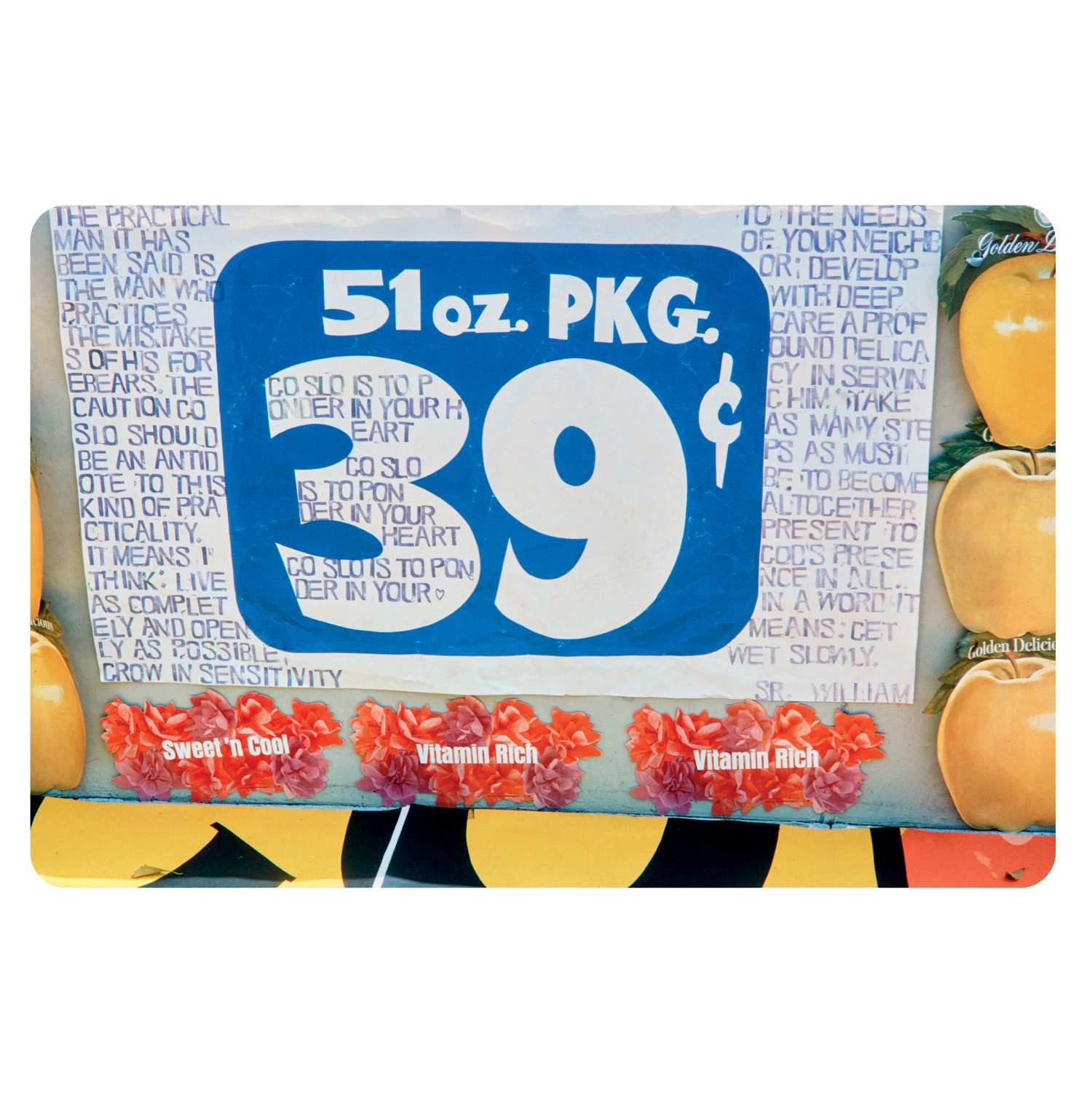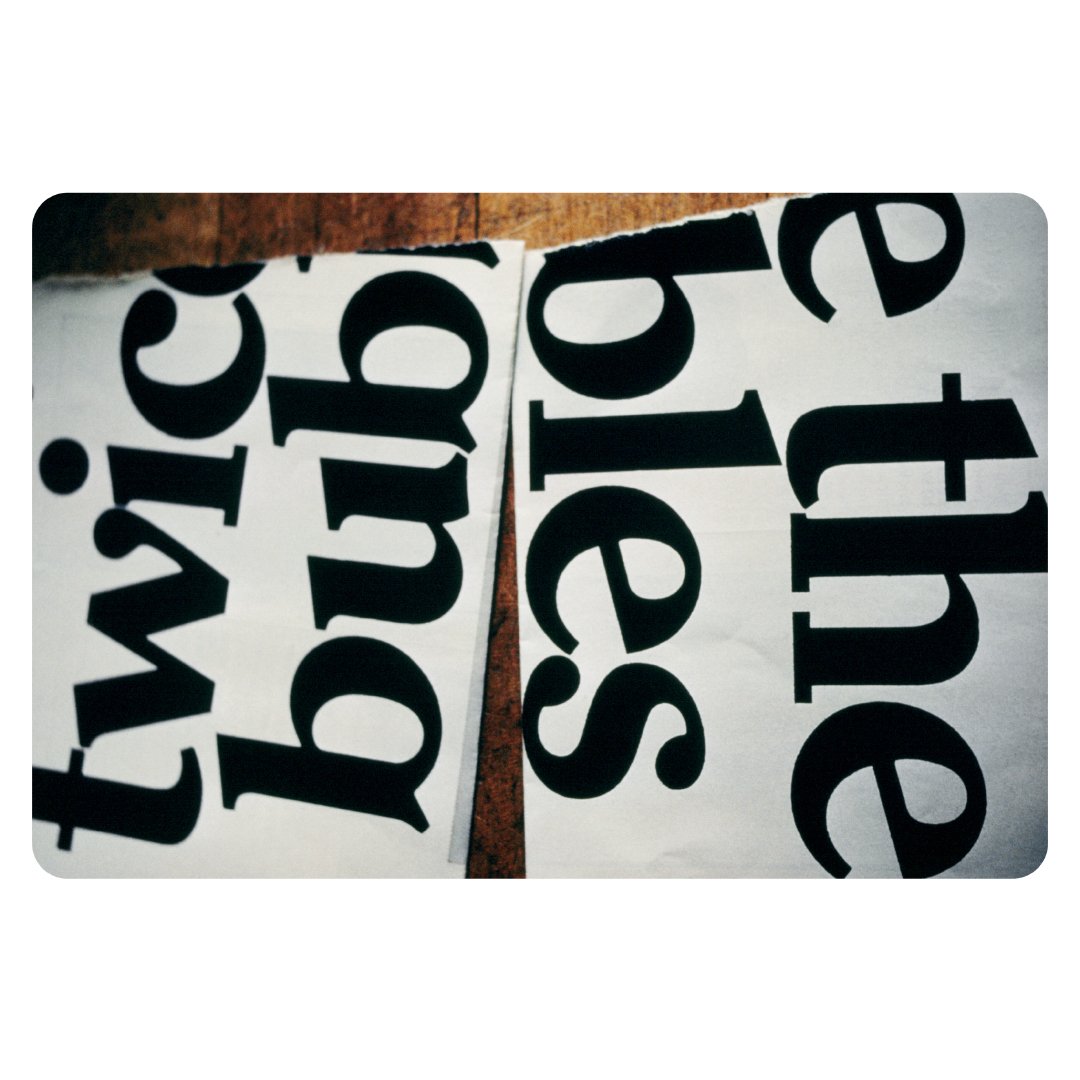
“Everything is a source.” Tucked below a spattering of commanding signs—shouting “FULL,” “STOP,” “Take it easy”—is one of the first gems of wisdom to be found between the covers of Ordinary Things Will Be Signs For Us. The words are spoken by Corita Kent, an artist, designer and educator whose infinite curiosity for her surroundings and resourceful approach to creativity made her a much-loved figure in the Los Angeles community she was active in during the 1960s and beyond.
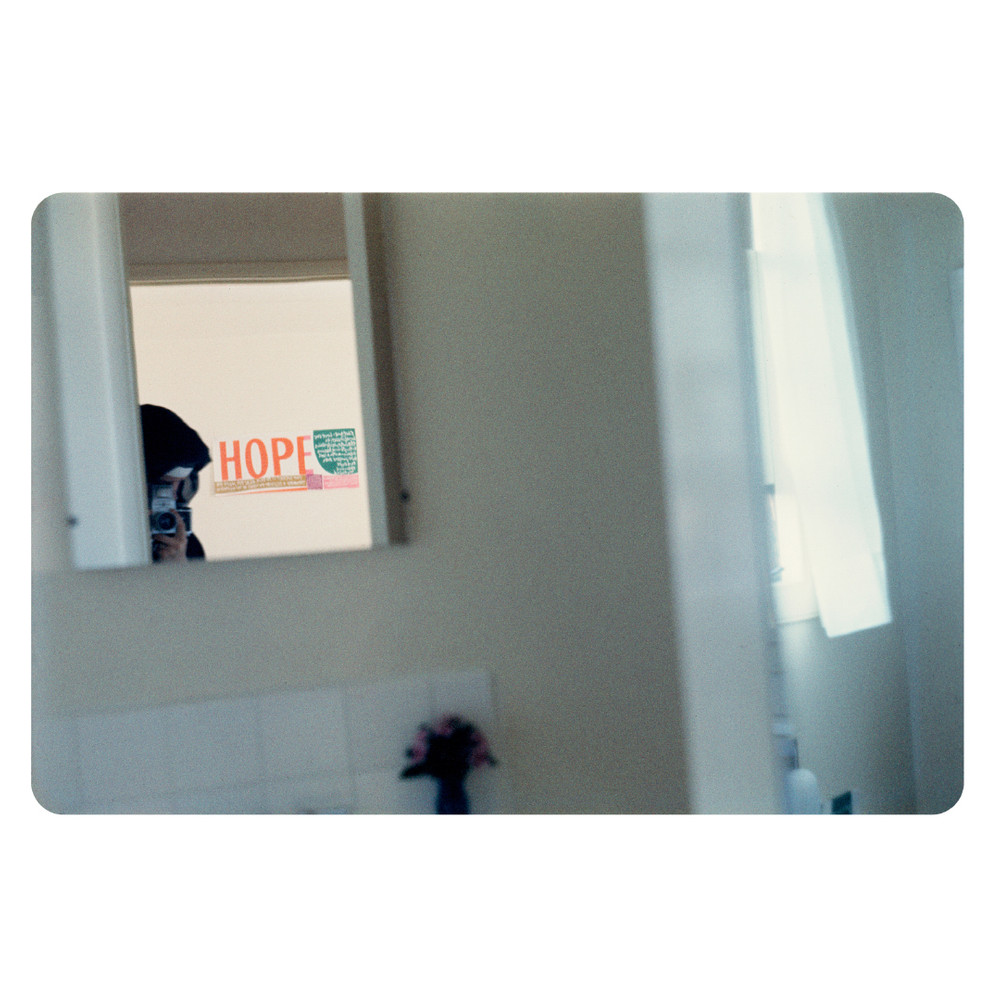
Also known as Sister Mary Corita, and later dubbed the ‘Pop Art Nun’ by the press for her bright and bold screen prints, Corita led the art department at Immaculate Heart College before leaving the order in 1968. Against the shifting social landscape of the 1960s, the college gained notoriety as a hub of radical education and progressive ideas under her care. Art was not relegated to the classroom; it was to be found in the gas stations, grocery stores and grimy streets, accessible to all. Rooted in the times she lived in, her approach was happily entangled with the visual language of consumer culture, her many exercises aimed at deconstructing it into something new that spoke loudly for love, justice and peace.
From the students who knew her to important figures of the Californian avant garde art scene to those who learnt to live and make by her playful rules through her art, Corita’s legacy shapes the hearts and minds of those who encounter it to this day. The spirit of her teachings is infectious, working like a germ of joy that spreads between people. If you know, you know. And if you don’t, you’re about to find out thanks to a new publication edited by three artists Julie Ault, Jason Fulford and Jordan Weitzman, with support from the Corita Art Center.
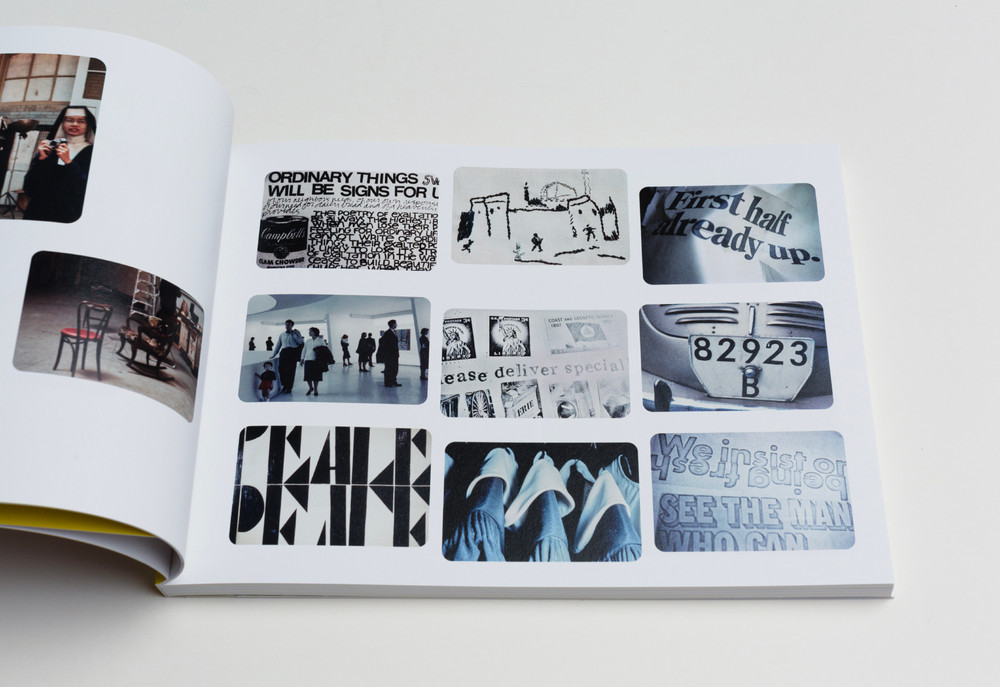
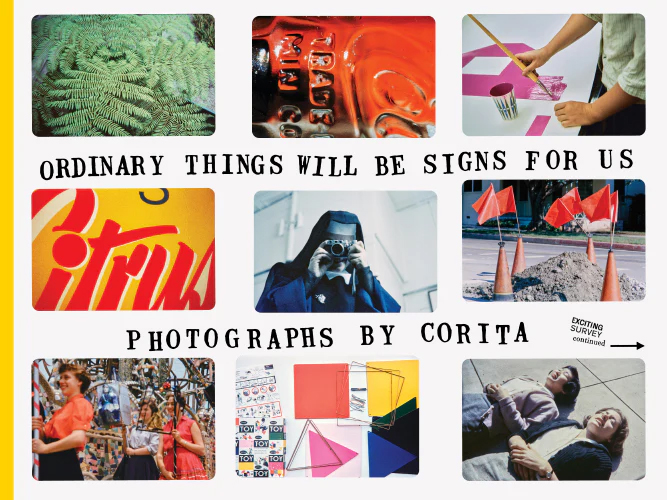
Ordinary Things Will Be Signs For Us animates Corita’s vision through a lesser-known facet of her work and life: photography. Between 1955 and 1968, the self-proclaimed collector racked up over 15,000 35mm slides which have recently been digitized for the first time.
For Olivian Cha, the center’s Curator and Collection Manager who contributes an essay to the book, the slides provide an intimate portal into Corita’s creative process. “There is a kind of freedom she has with her camera that is quite different from how she created and printed her serigraphs,” she says. “Photography allowed her to collect and record in abundance, with less emphasis on the final outcome or image. It was a tool for what she called ‘sorcery’—a way to see everything as a source to be reinterpreted and made into relationships and meaning.”
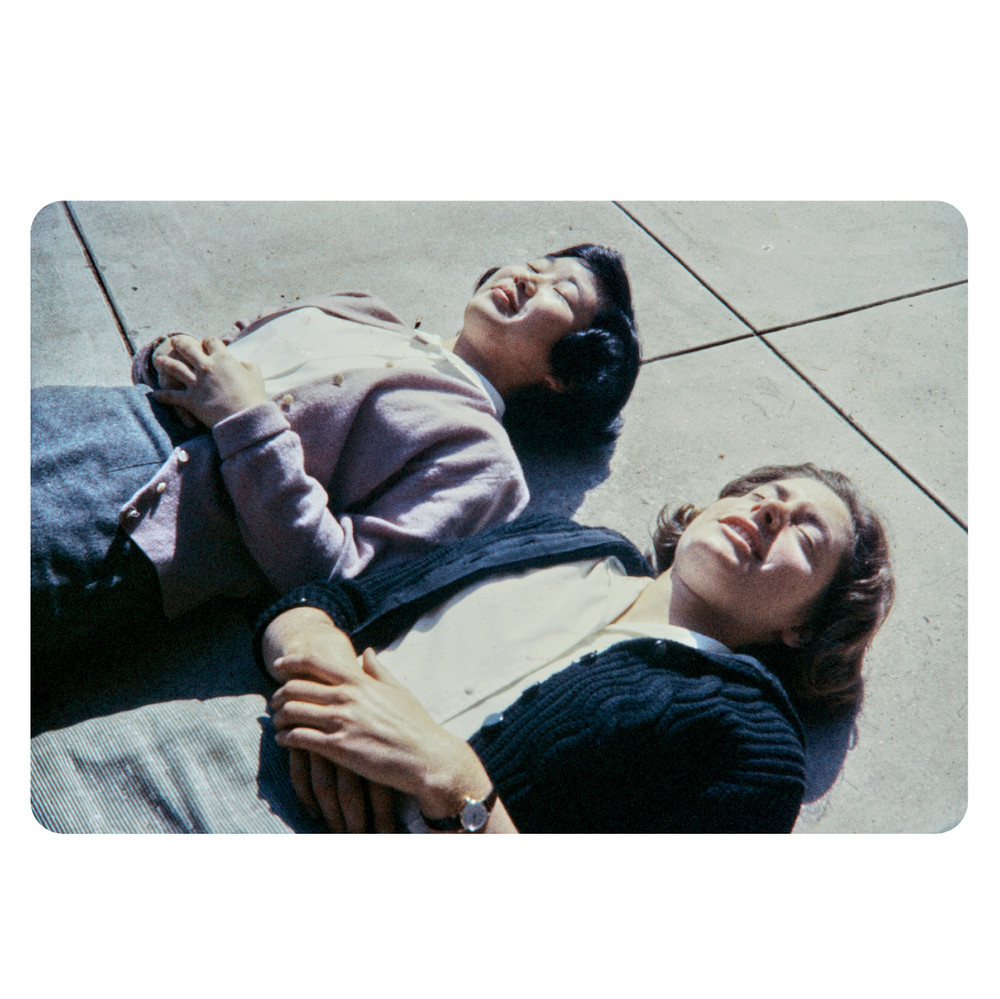
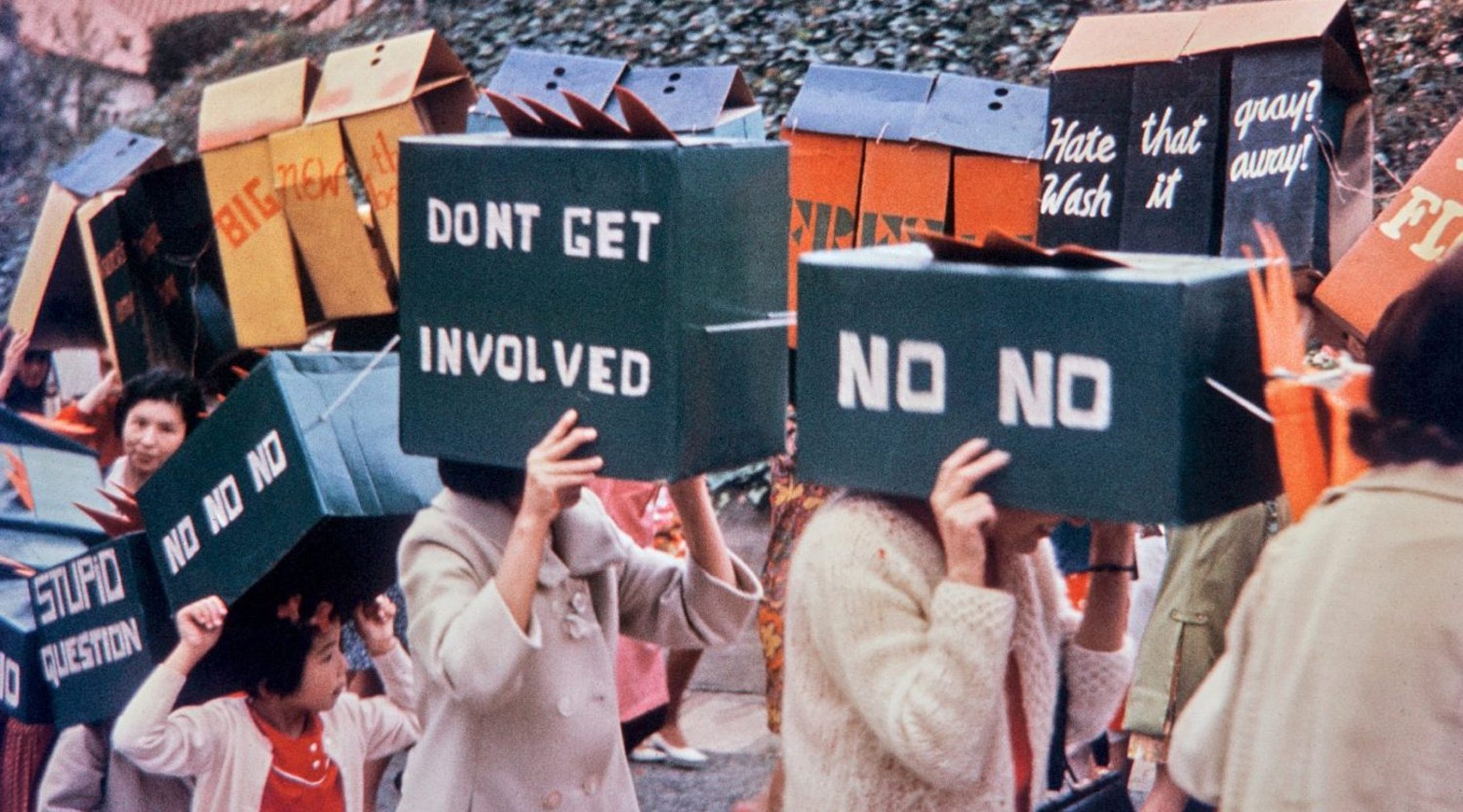
For Corita, photography was both a tool and a medium which means it takes on a shapeshifting role throughout the pictures in the collection. There are images used as source material for screen prints. There are photographs of students looking, learning, playing, providing important documentation of the activities of the IHC community and its events. There are portraits of LA art luminaries like Buckminster Fuller and Charles Eames that Corita invited to speak at the school. There are the photographic results of her class field trips, in which empty slide frames became “finders” used to invite people to look deeply at their surroundings.
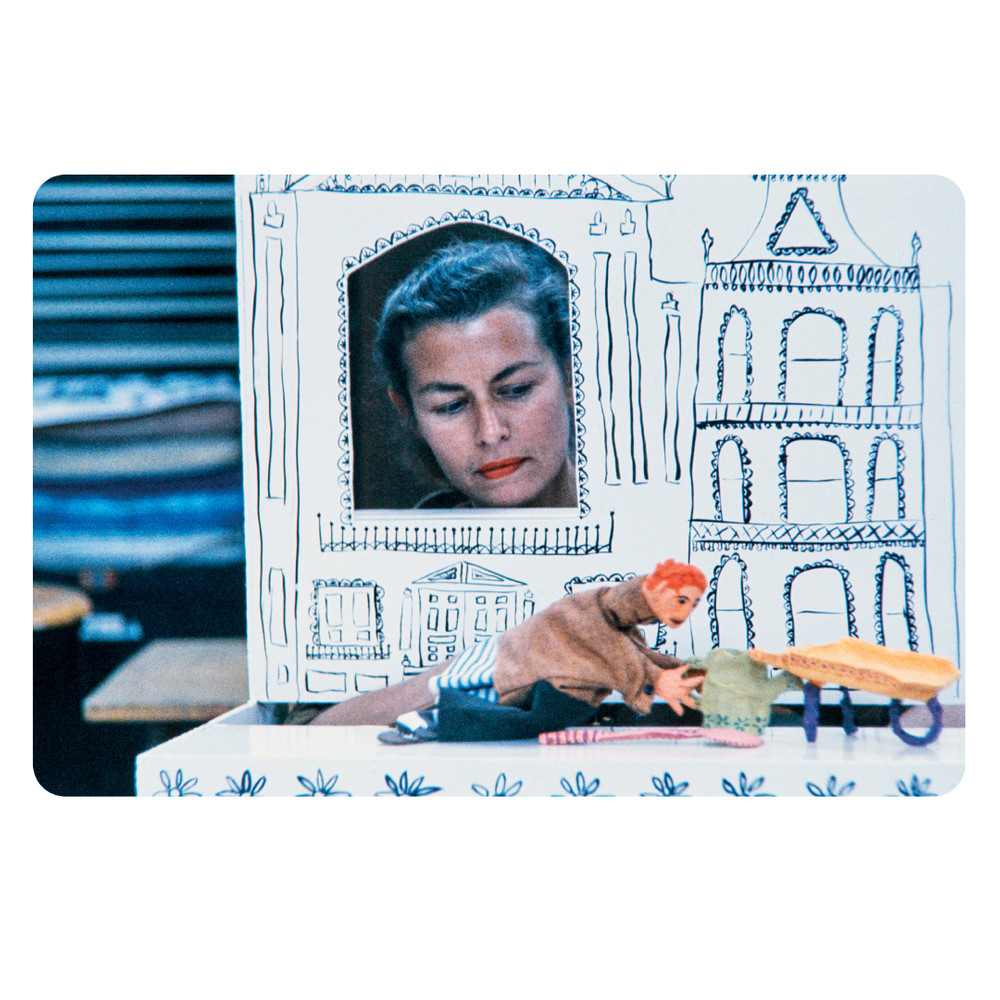
The archive she amassed swells with a bounty of different, colorful things that defy straightforward classification. As Cha notes in the book’s essay, after the school closed and the collection was rehoused by the Arts Center in the late 90s, it was “organized according to subjects such as ‘dolls and puppets,’ ‘ideas for problems,’ ‘mad hat party,’ ‘people stamping,’ ‘photographs of sunflowers, ‘Walk in rain, etc. Where?,’ and ‘tomato, ‘hang on’—groupings likely inherited from Corita and the art department.”
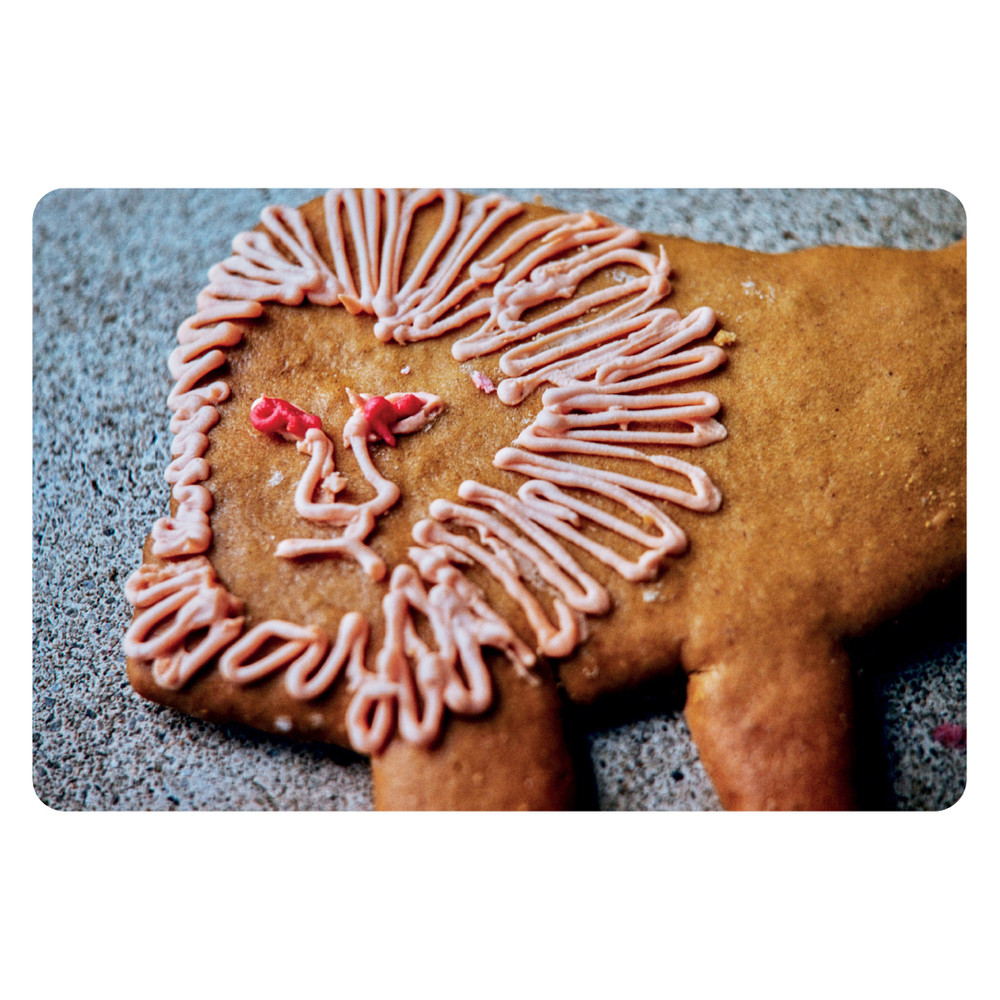
For the LA launch of Corita Kent: Ordinary Things Will Be Signs For Us, Ault set herself the Corita-esque task of writing 25 things about the slide collection to share with the audience. “A brainstorm. An archeological dig. A messy chronicle. An image bouquet. A how-to-manual.” The list goes on, paying testimony to the many possibilities of the archive—as well as the challenges of paving a path through its eccentric topography.
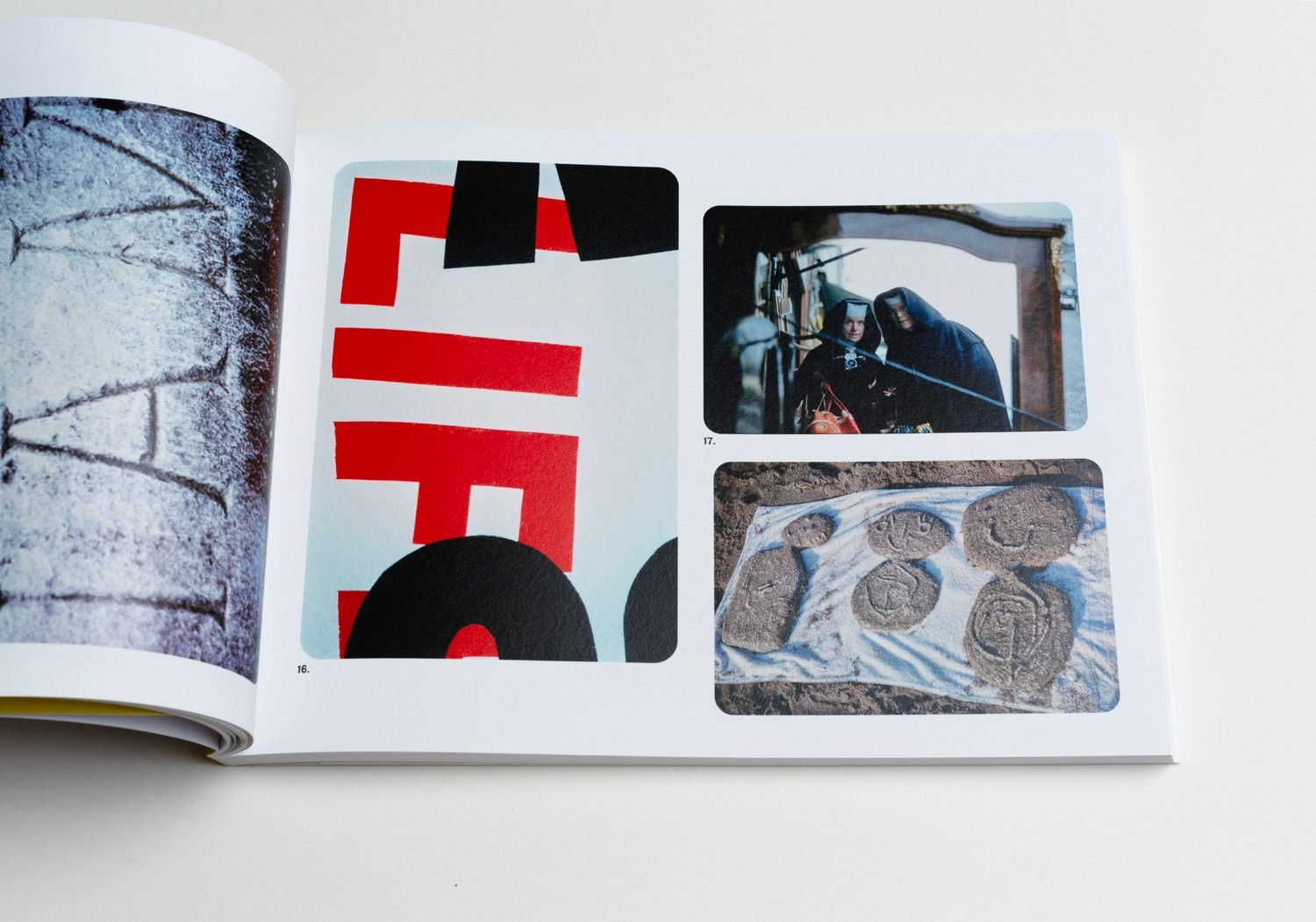
These 15,000 images are an overwhelming ‘source’ in and of themselves; a treasure trove from which countless stories about Corita could be told. So which route does the book choose? It doesn’t! Instead, it invites us along for a ride full of digressions, opting to show rather than tell. A flow of bright images dance and sing through sixties Los Angeles, accompanied by snippets of Corita’s thoughts. Every now and then, an annotation diverts us to the index, replete with anecdotes and context on the who, what, where of some of the photos.
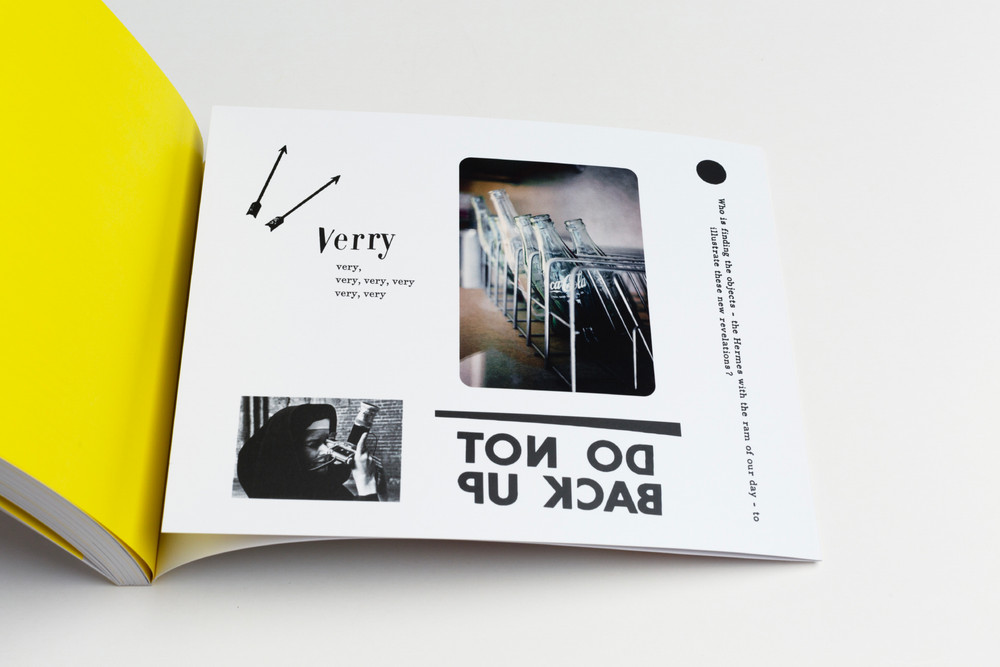
The beauty of this unruly guidebook through Corita’s world lies in its spirit of discovery which speaks both to its subject and the creative process of its makers. During the production of the book in 2022, Weitzman wrote in his notebook: “Feel so excited each time I open a new folder. Have the sense like there is all this gold, but still have no idea how this book will turn out. At very least hope it communicates the excitement of looking through everything, discovering this incredible world. So curious where it will go, how Jason and Julie will mold so many possibilities… There can be a thousand Coritas….”
As if the archive itself were an assignment, the trio got to work. “I think the three of us were all imagining Corita watching us, and we didn’t want to disappoint her! Julie, Jordan and I have all internalized a lot of Corita’s ideas and spirit, and we tried to channel it into the book,” Fulford adds. Together, these makers make good students. Though all masters of their crafts, in working collectively the editors opened themselves up to playing with the slide collection, letting go of whatever they individually had imagined the book to be and gradually infusing it with the main tenets of Corita’s approach to art.
“One thing that sticks out is how she talked about treating everything like an experiment,” says Weitzman. “I love how Corita aspired to be an amateur,” explains Fulford. “She said that the amateur doesn’t yet know what is not possible, so they jump into a situation with naive energy and big ideas.” Incorporating a beginner’s mind and a process of deep looking into their edit, three different sets of eyes achieved what one gaze could never.
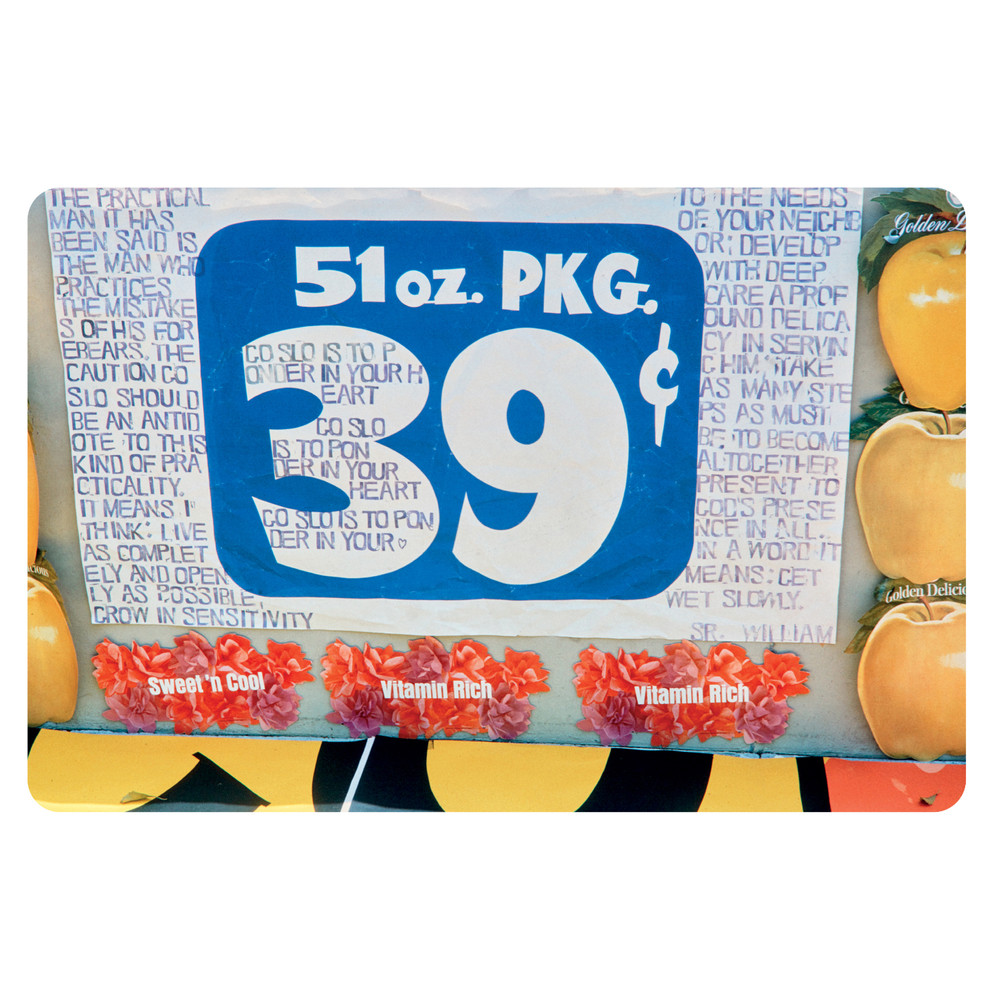
Keeping a fresh eye and finding meaning amidst a mass of images were core objectives of many of Corita’s exercises—skills that wouldn’t go amiss in our own image-drenched era. Informed by the media landscape of Los Angeles, she encouraged a reframing of the chaos of the city into little bright and useful pieces. Nothing was deemed unworthy; a tin of tomatoes was as beautiful as a flower. Altars were erected out of cardboard, kites fashioned out of newsprint, ads repurposed as protest placards. Invitations to meditate on a Coke bottle for up to an hour helped students cultivate a devotion to the commonplace, reminding them that art was everywhere.

The power of valuing the ordinary, of seeing everything and anything as a potential artistic experience, can be felt throughout the collection’s images and the smiling, industrious faces of the people in them. When “everything is a source,” the everyday can be transfigured. Through the lens(es) of Corita and co, the urban sprawl of Los Angeles overflows with visual surprises and trash waiting to be discovered and reimagined as something else. Brimming with celebration, confetti, cookies, hearts, flowers and balloons, the pleasures of looking at the world and making things—especially collectively—trumped the importance of outcome.
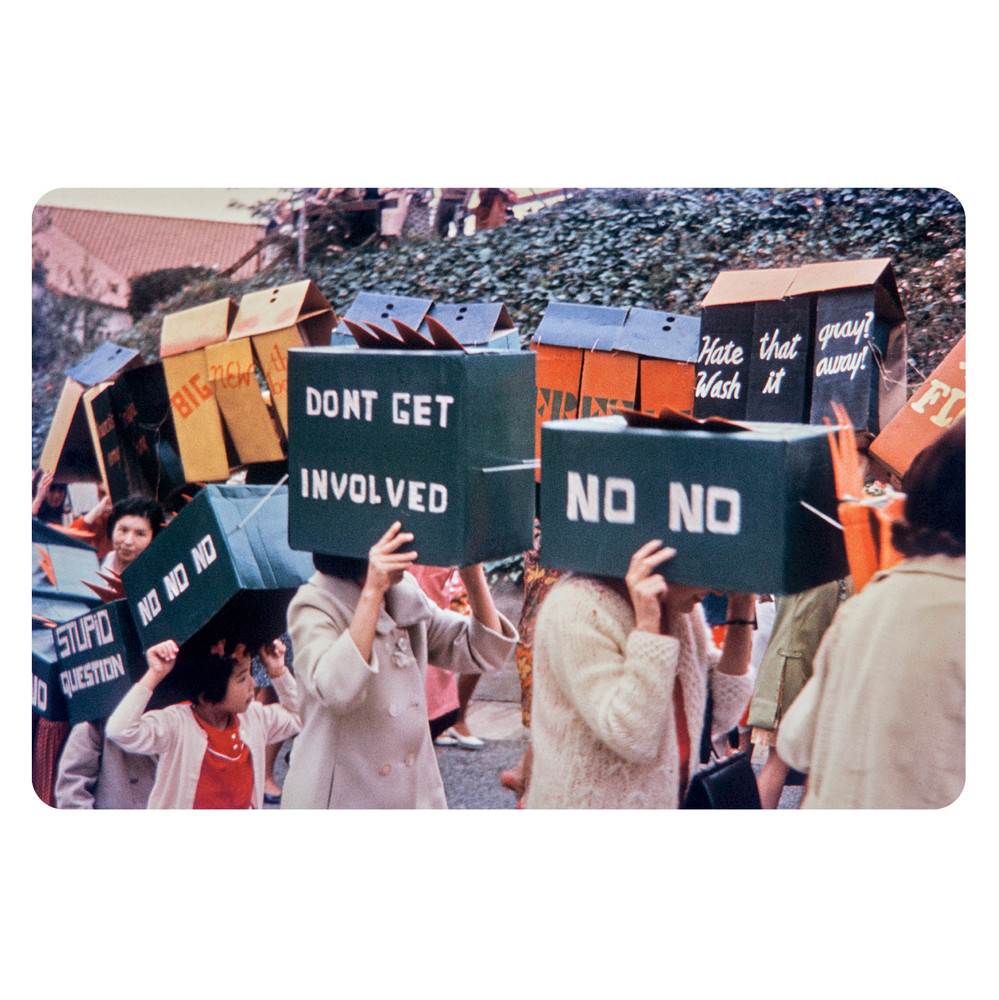
This vibrates through the structure of the collection too, which places no singular value on any one set of eyes; we have no sense of who made each image and it doesn’t seem to matter. For the IHC, art seemed to be a social, collaborative event that fed back into the city that gave them so much. In one of the book’s quotes, Corita says: “We began to realize, along with everybody else, that what happened to the individual is largely what happens to the community; and if the individual is developed to her fullest extent, that can only be good for the other people that she’s working with or for.”
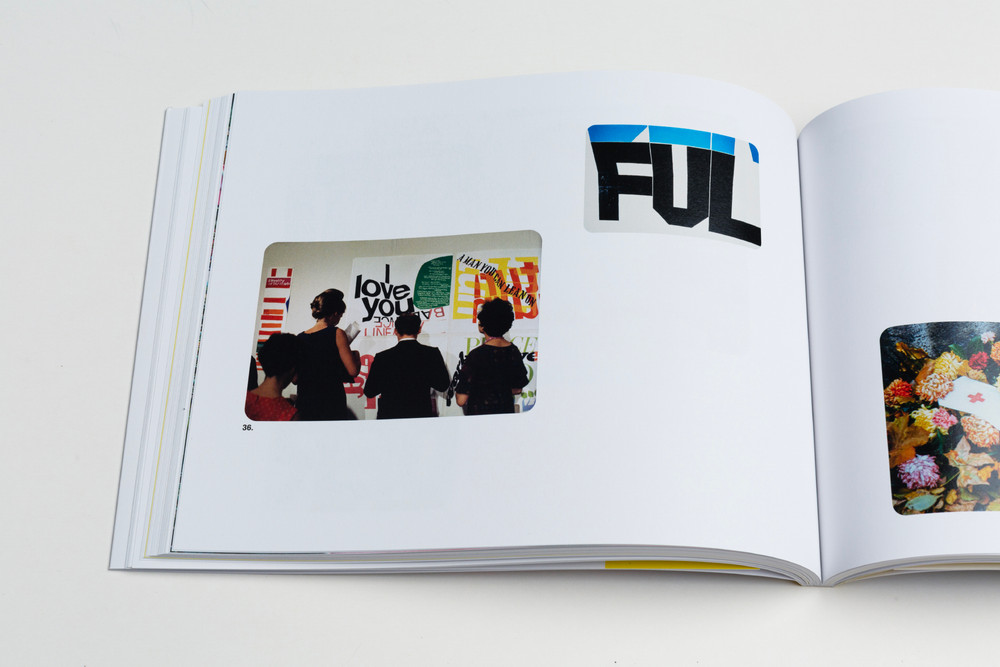
Introducing her students to worlds bigger than the four walls of the classroom, Corita encouraged them to connect with their own creativity but also with the struggles of the era they were living in. Flipping their source material on its head, they played hard to tickle the language of advertising out of its brash consumerist objectives, cropping and co-opting it to emit loving messages around the LA area.
In its own field trip around the slide collection, Ordinary Things Will Be Signs For Us brings to life the vibrant world contained within it, as well as introducing us to some philosophies and tools to navigate through Corita’s—and our own—world with our eyes wide open.
ISBN: 978-0-9993655-5-7