It all started at the end of the 1960s. The Soviets, under the direction of Stalin’s frighteningly titled “Great Plan for the Transformation of Nature,” decided to divert the water from two rivers—the Amou-Daria and Syr-Daria—which had long fed into the Aral Sea. Their goal was to draw this water for an irrigation project that would create large cotton plantations and wheat fields across the steppes of Kazakhstan and Uzbekistan. As a result of this diversion, 90% of Aral’s surface water disappeared in just 40 years. Once the fourth largest lake in the world—and in a blink of an eye, almost completely gone.

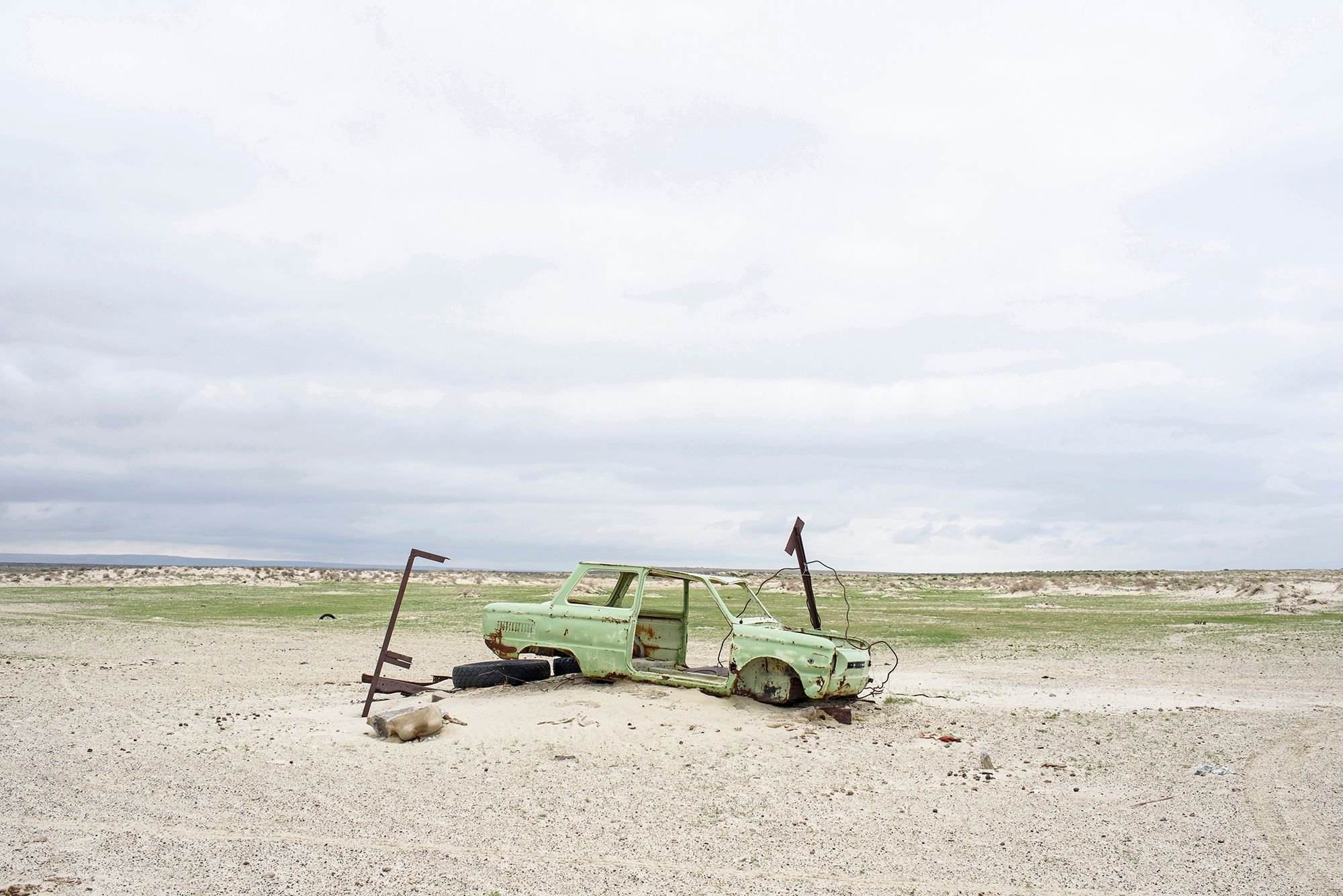
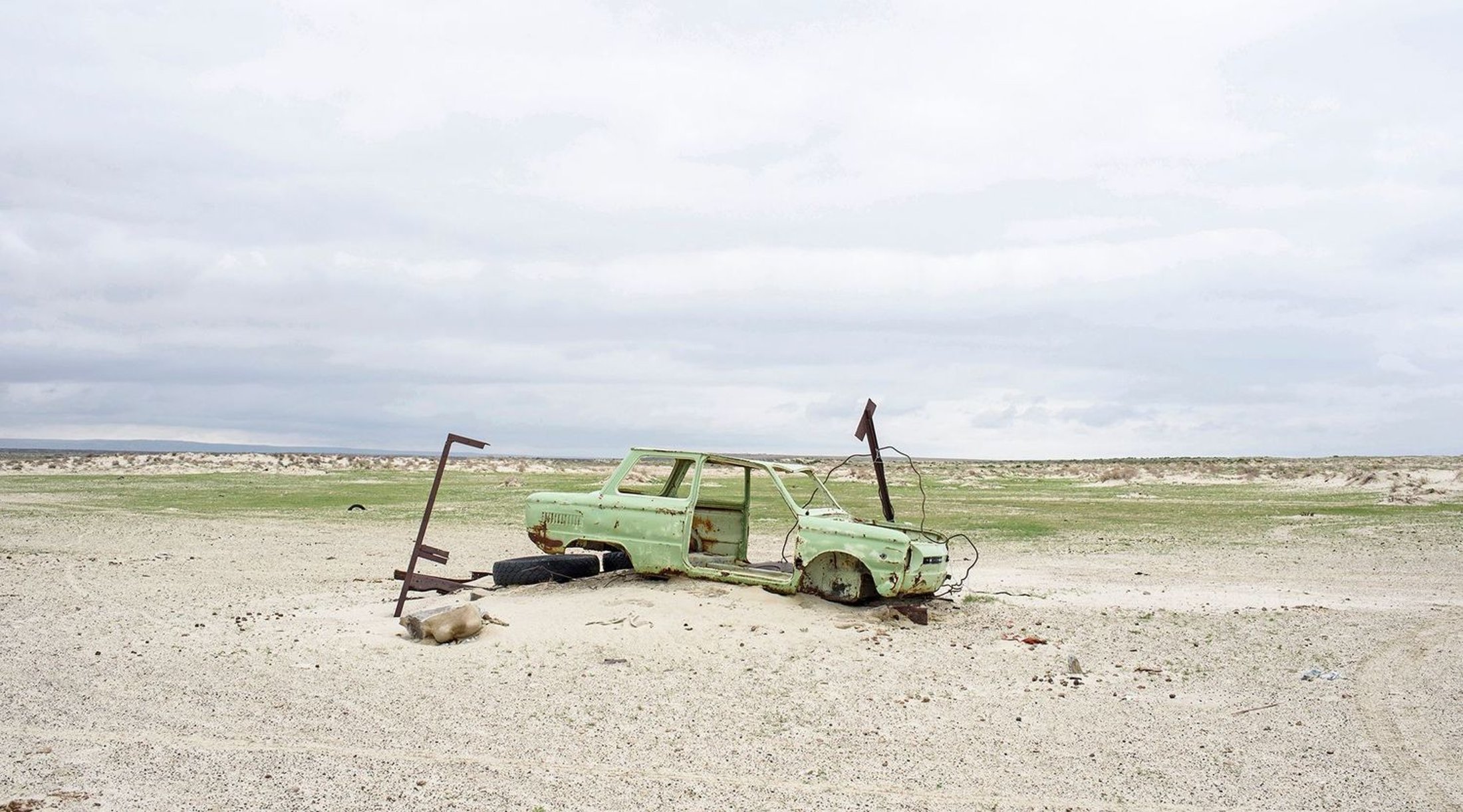
As the images above indicate, there are two remaining bodies of water—the “small” circular sea to the north and the “large” skinny sea to the south. In between sits a vast, sandy steppe that had once, within the living memory of older residents, been covered with water. The results: a salinity level twelve times as high as a few decades earlier, a local economy (once based on fishing) devastated, and the extinction of some 20 endemic fish species.
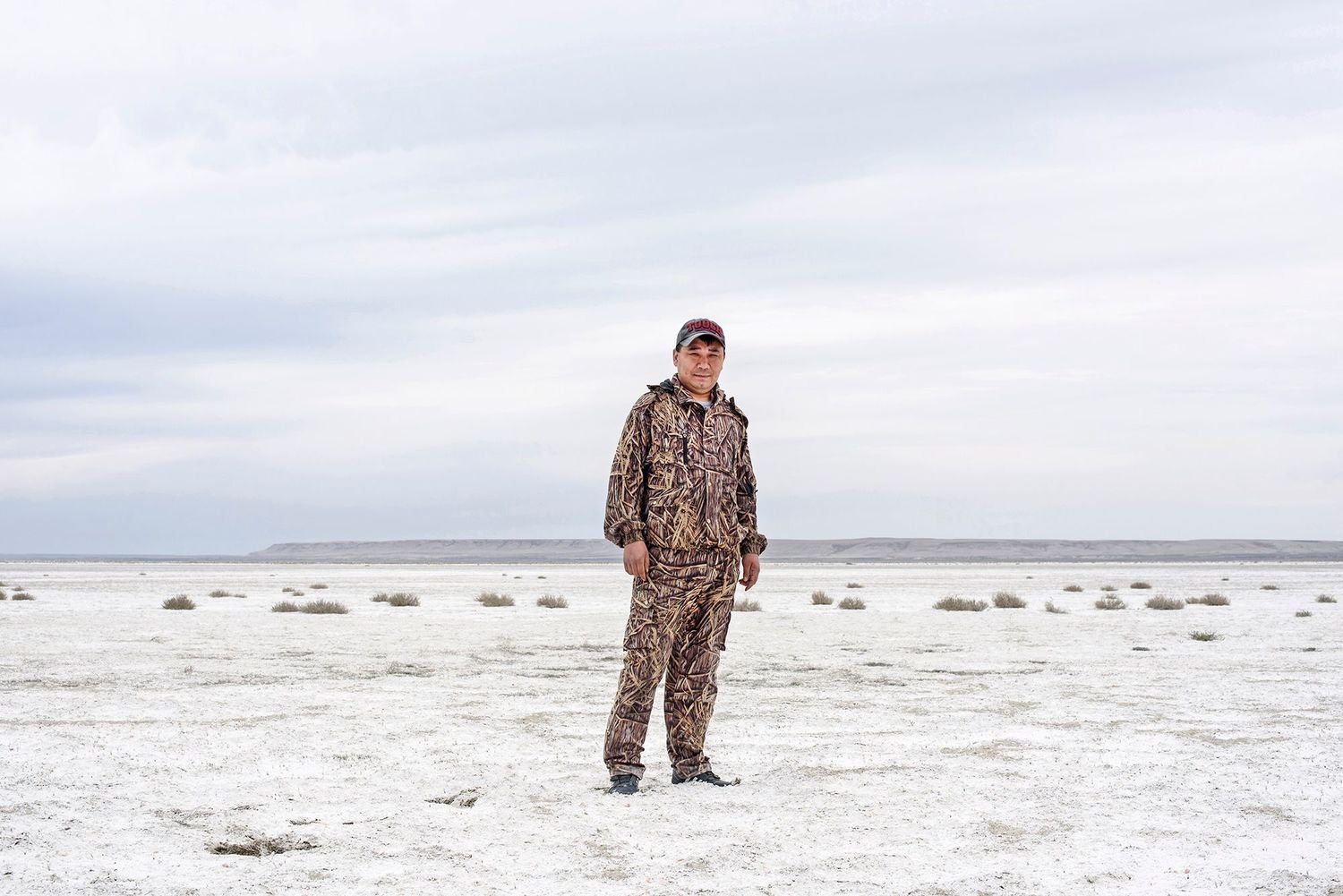
On this dry lake bed, unbelievable scenes greet the eye. A dozen ship carcasses, improbably sitting in a vast desert. A no-man’s land—named “the tomb,” by the locals—transformed into a depressing tourist site.


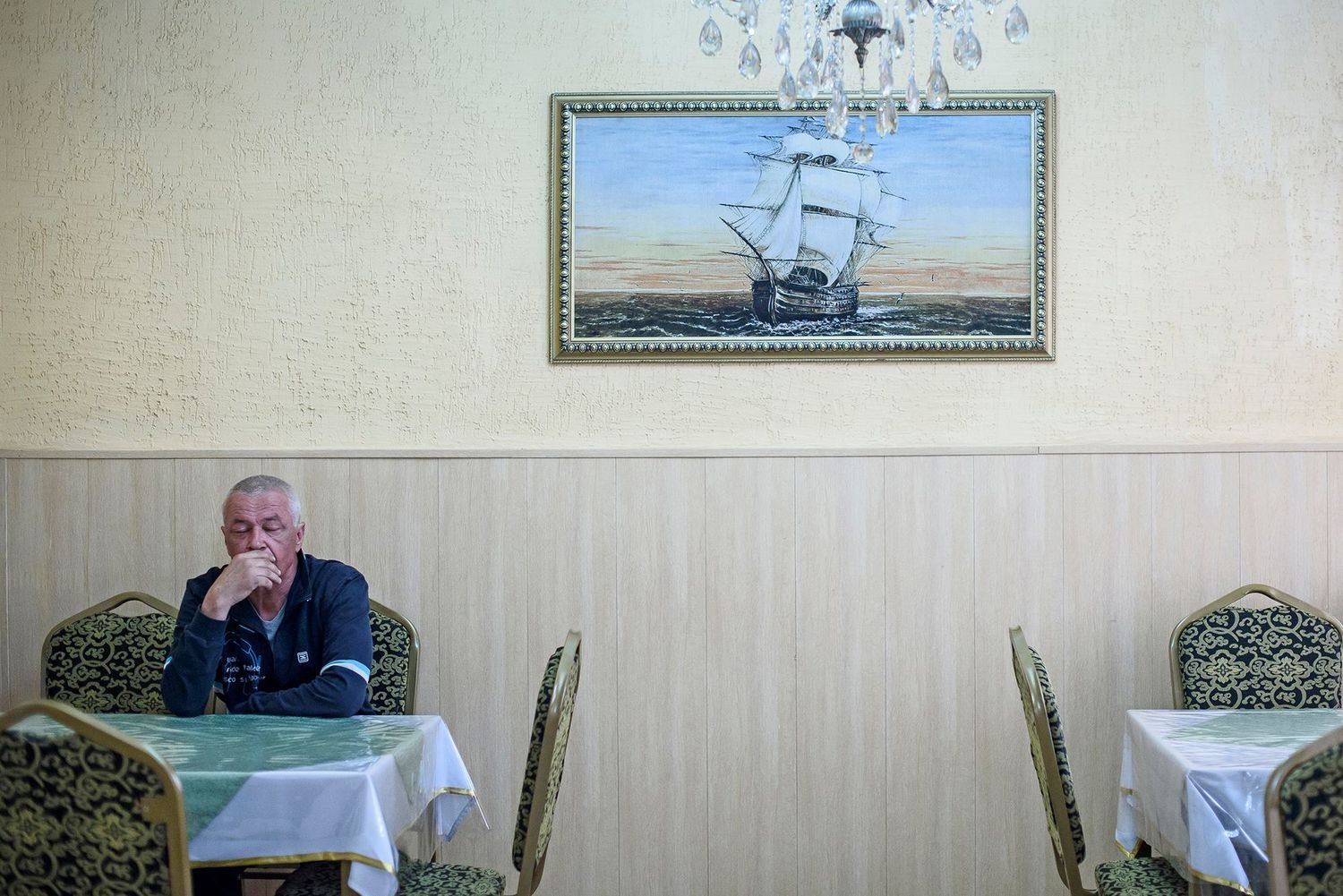
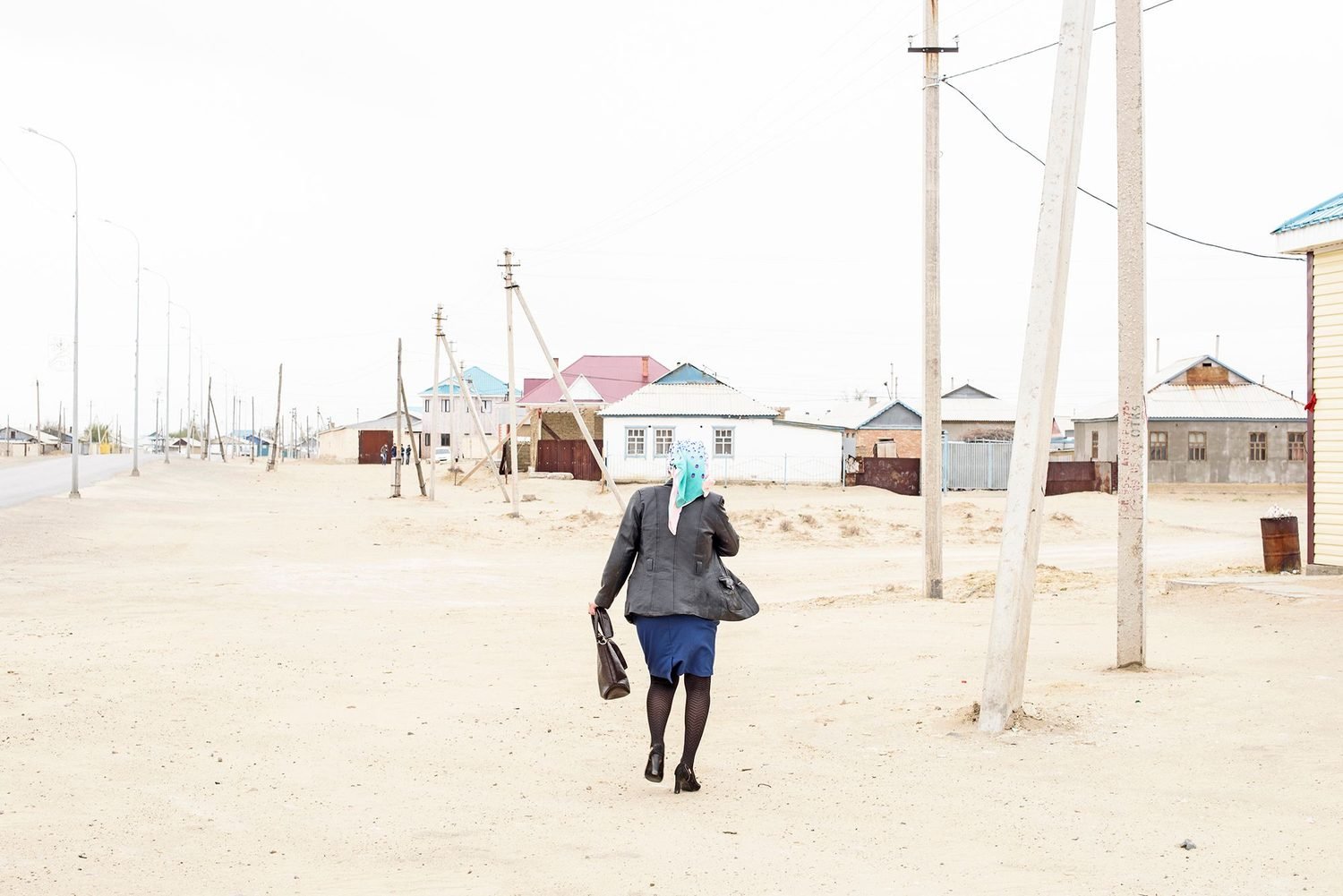
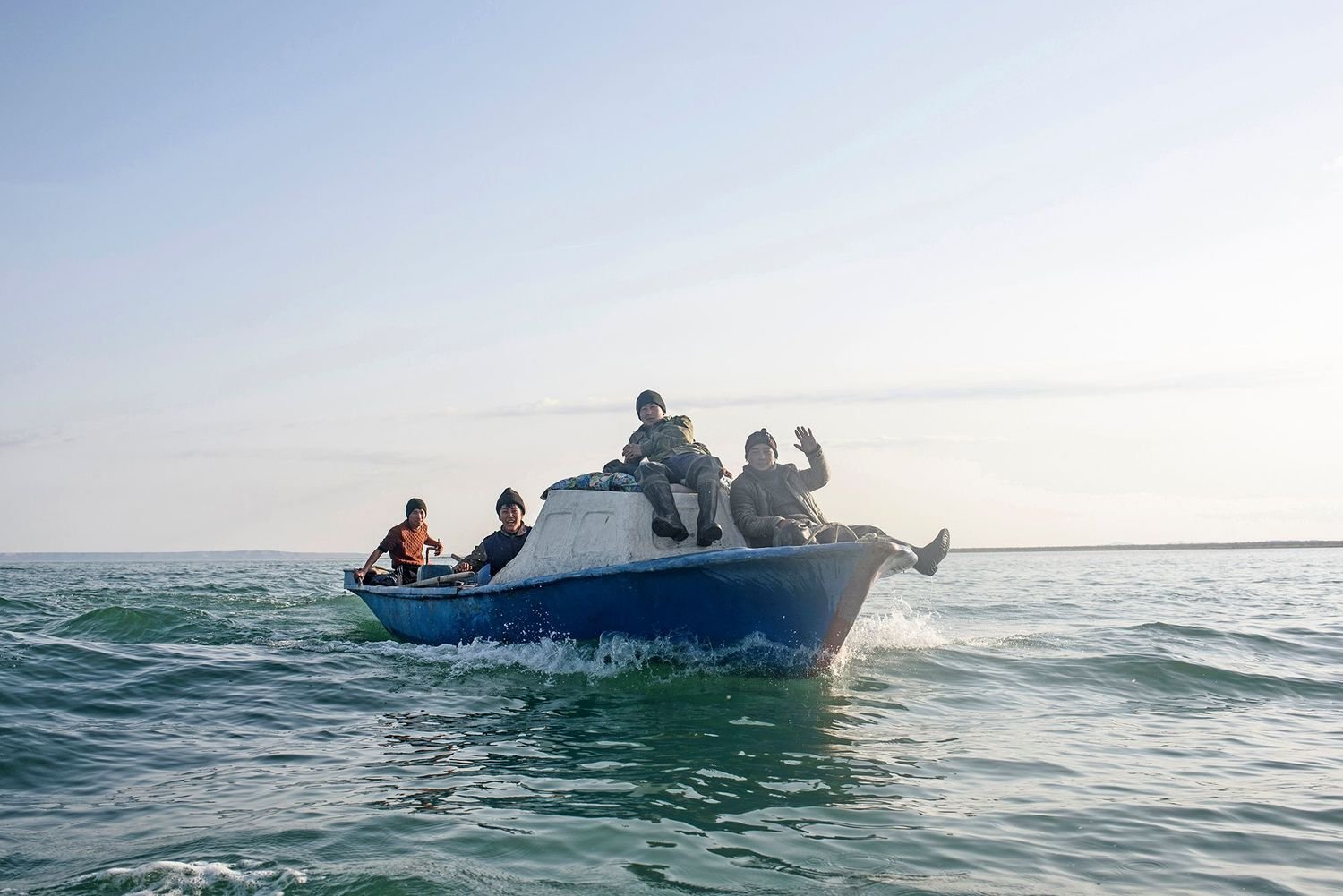
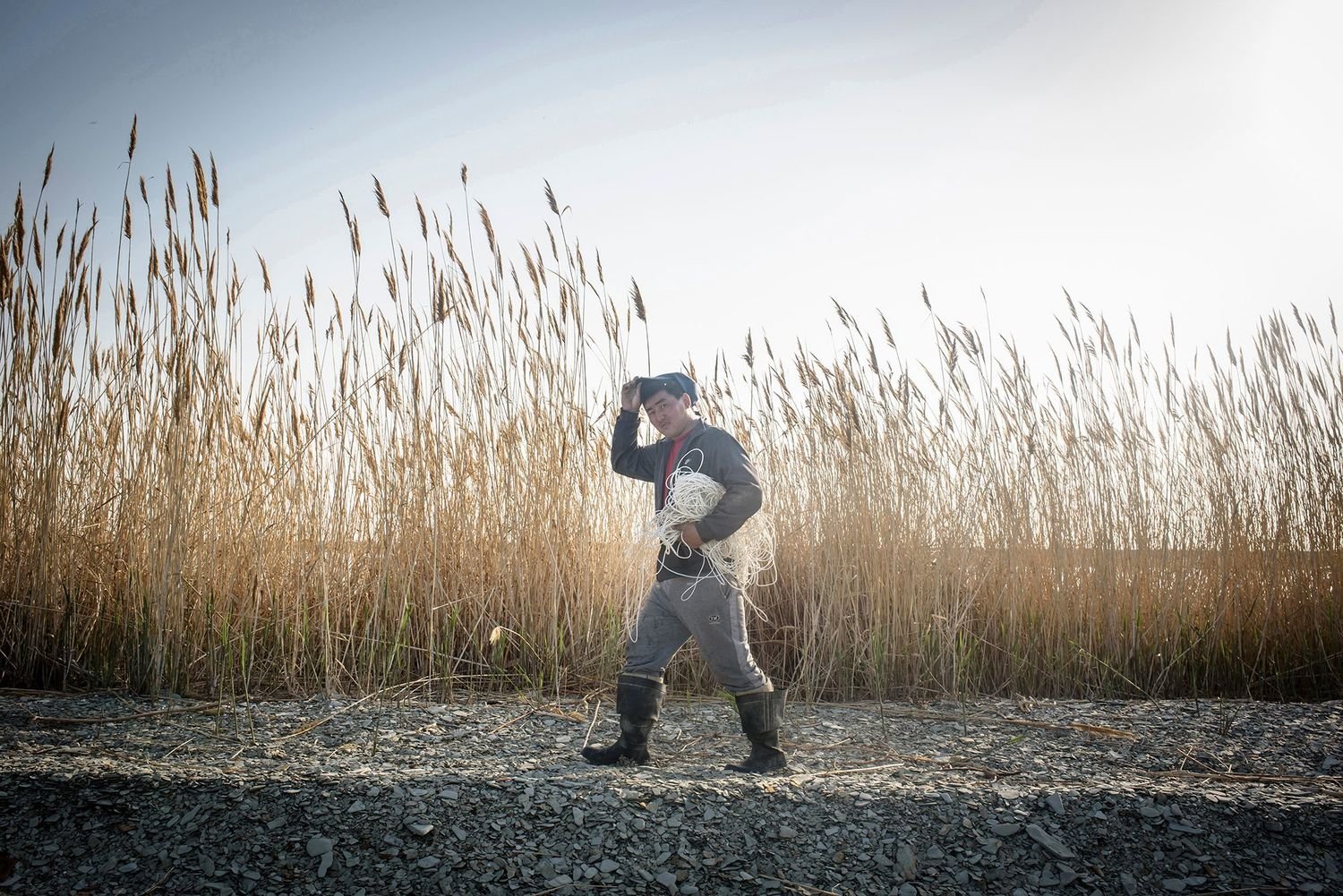
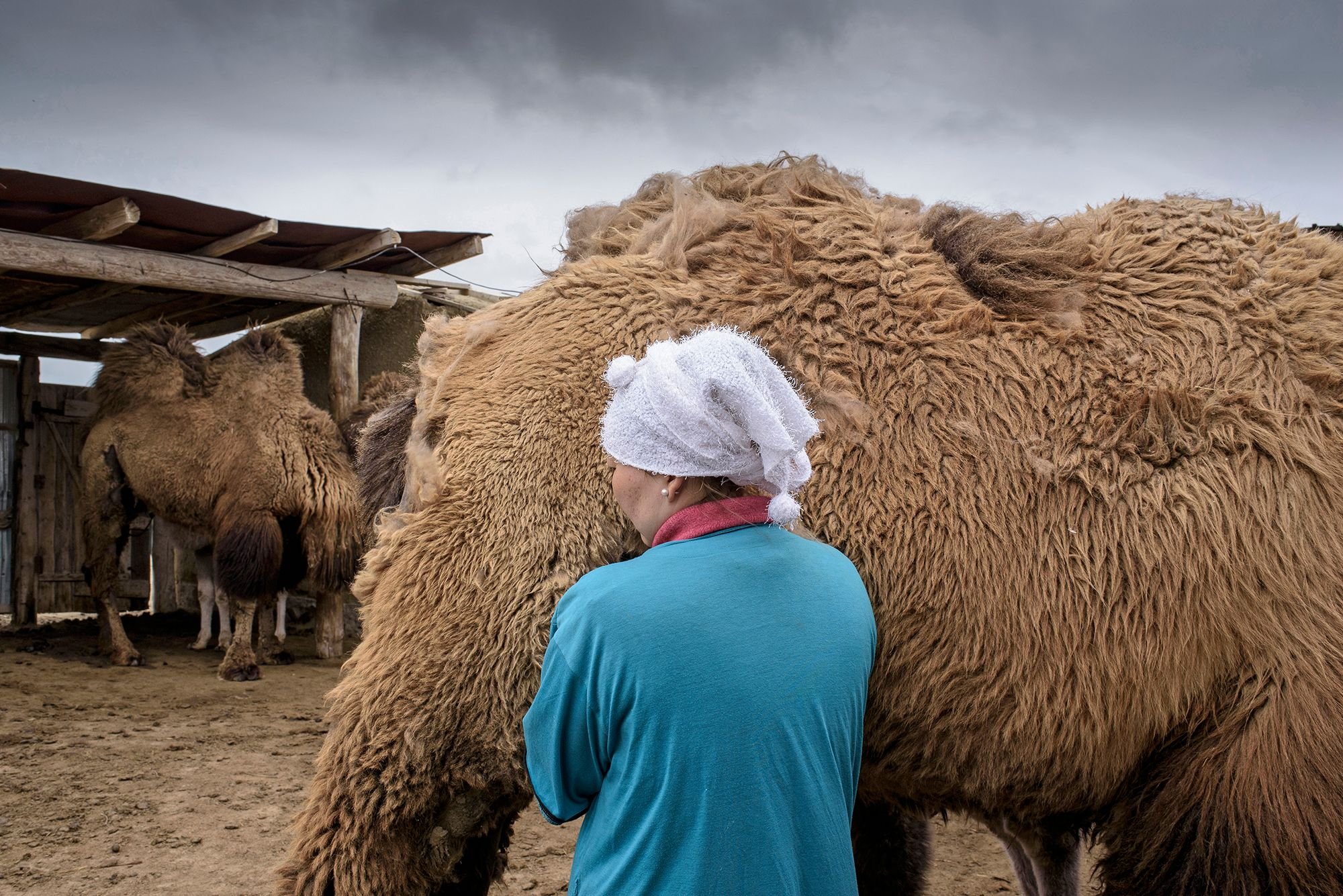
These photographs take us to the little village of Tastubek, a satellite of the once-bustling seaside town of Aralsk.
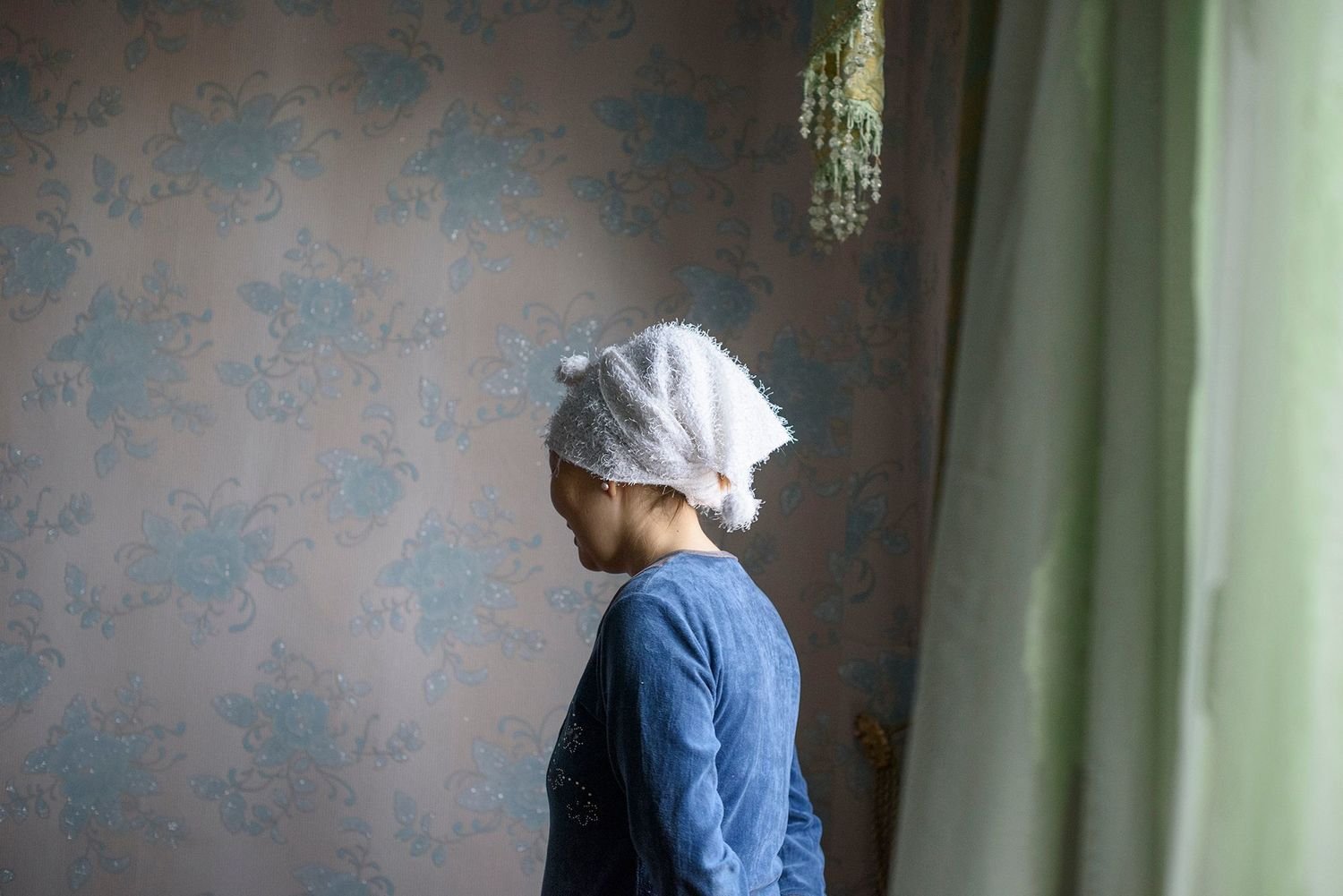
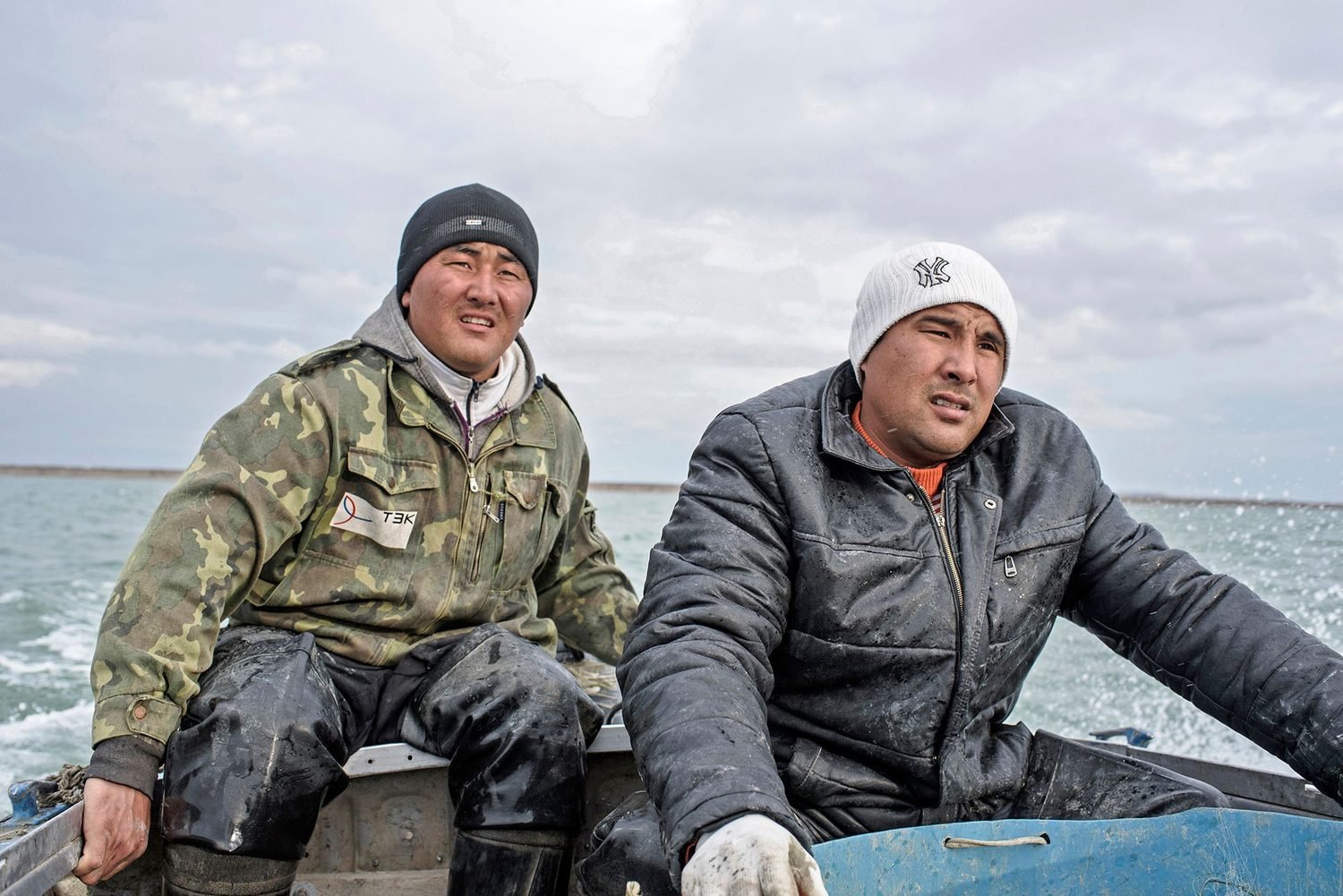
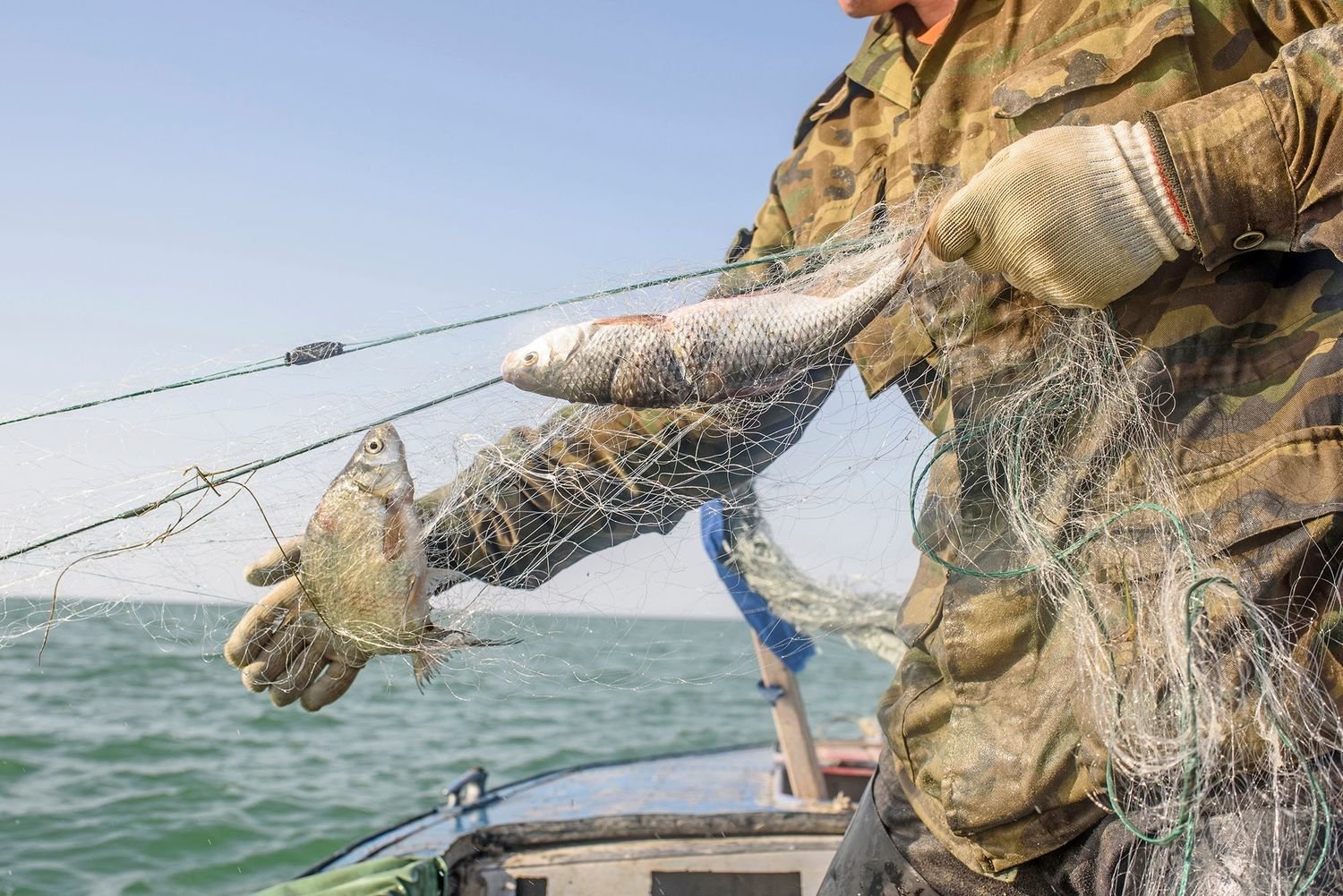
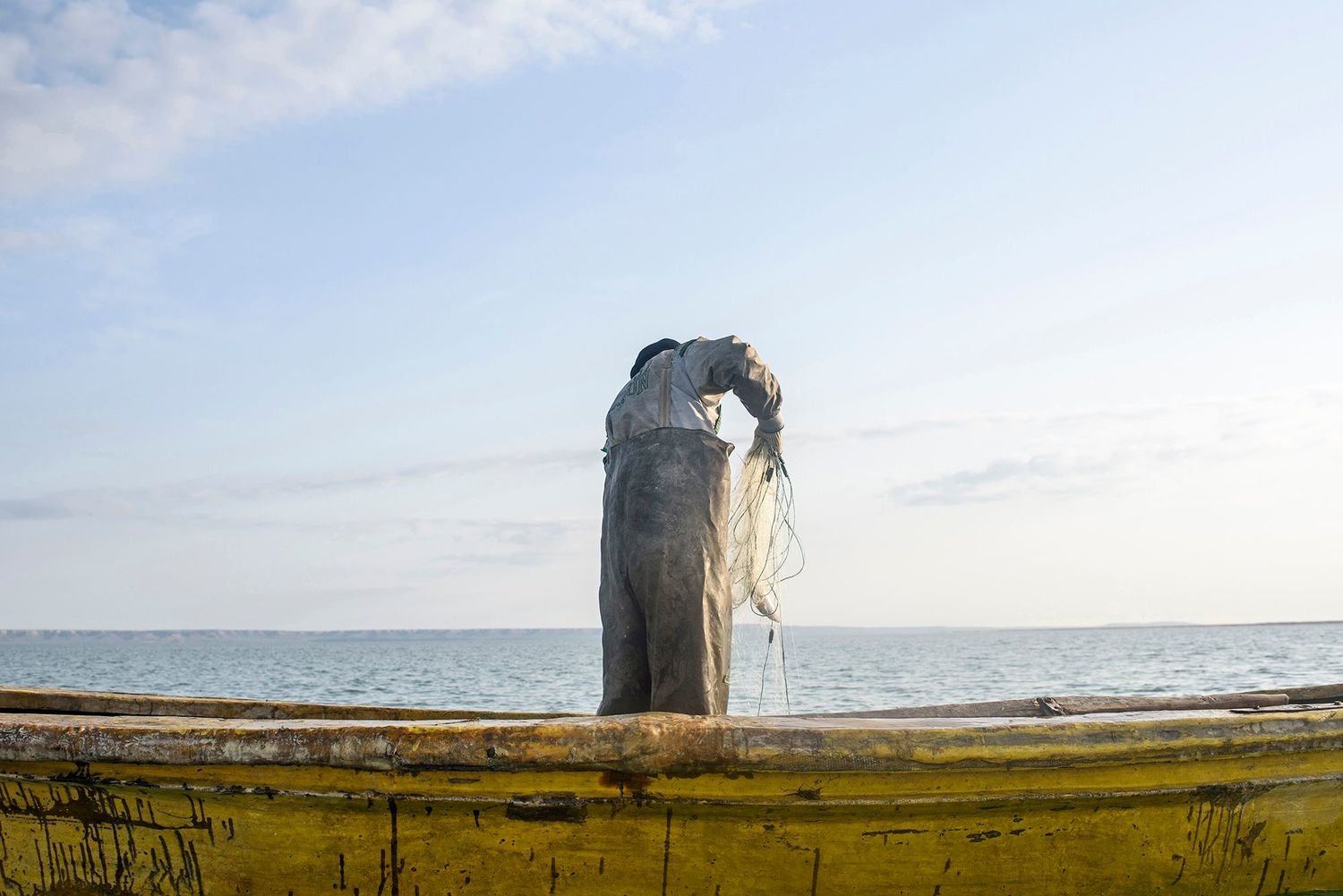
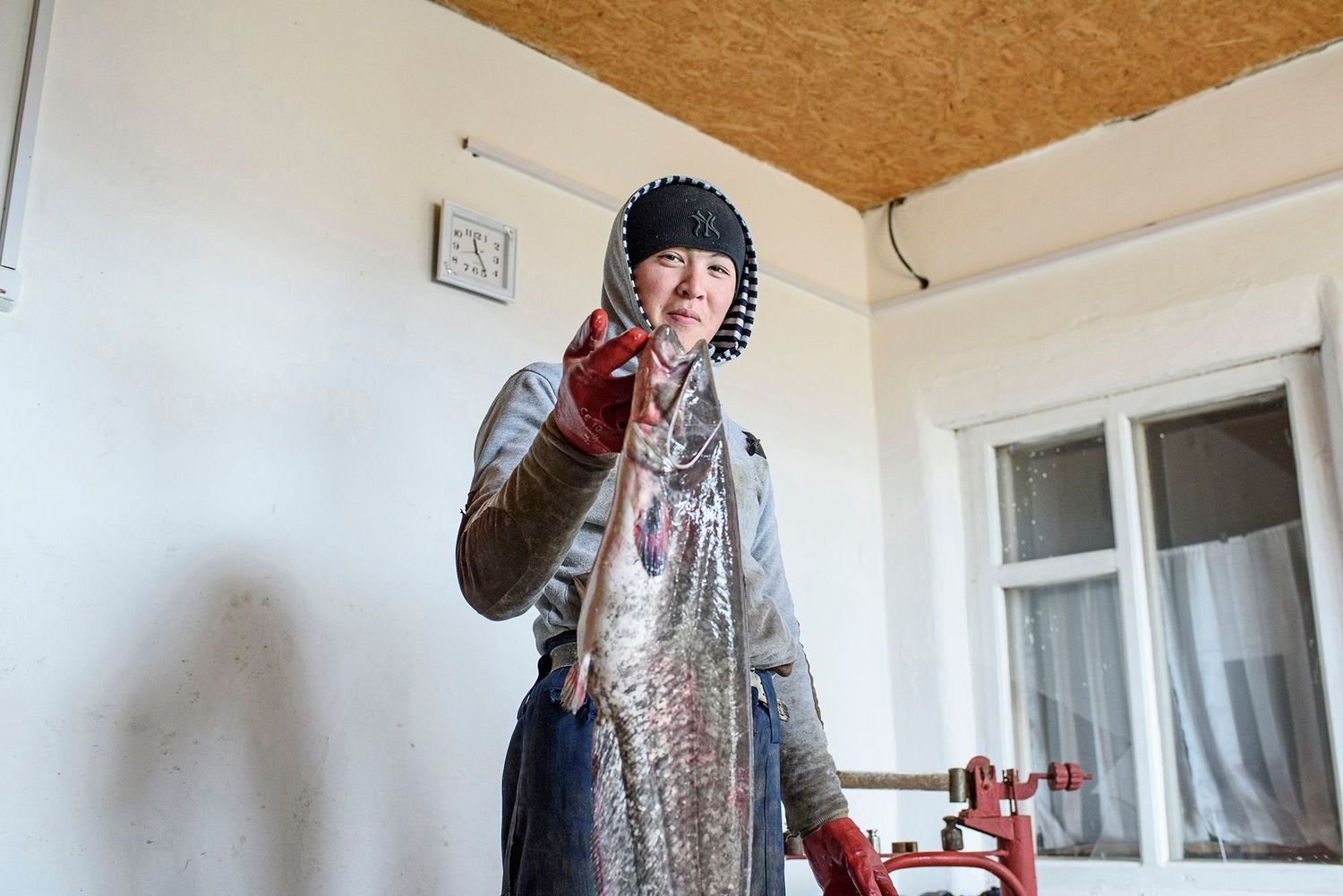
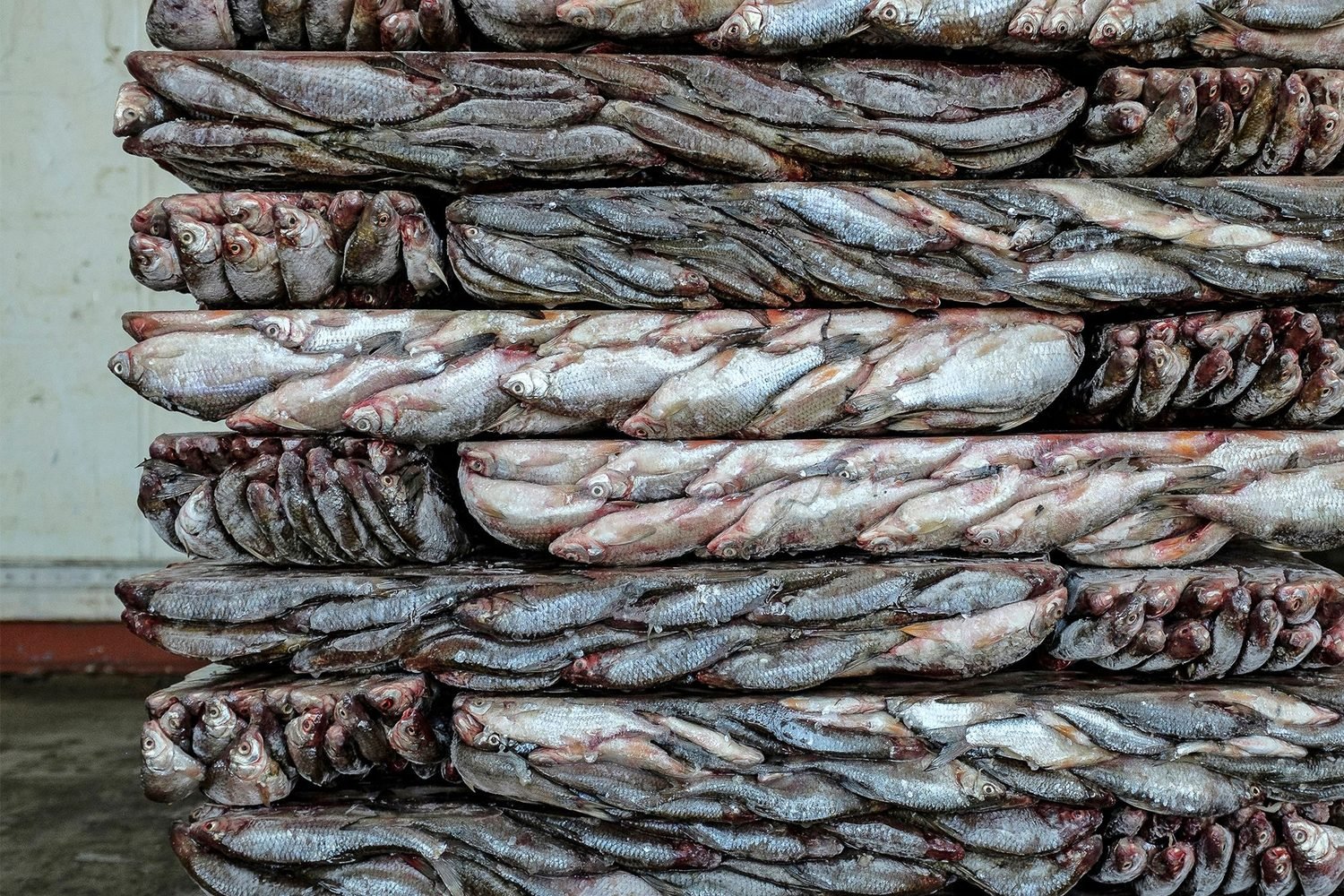
In the story, we glimpse the lives of Akerke and her husband Nurzhan, who moved to the village a few years ago. Improbably, they began to eke out a living as fishermen—an industry which seemed to have been completely wiped out just a few years earlier. But after the construction of the dam, more than 15 species of fish reemerged. Fishing production expanded once again, from an all-time low of 600 tons in 1996 to 7,200 tons today. Bracing the 45°C heat in summer and the -25°C winters [from 113°F to -13°F], Nurzhan and his fishermen friends work 7 days a week to survive.
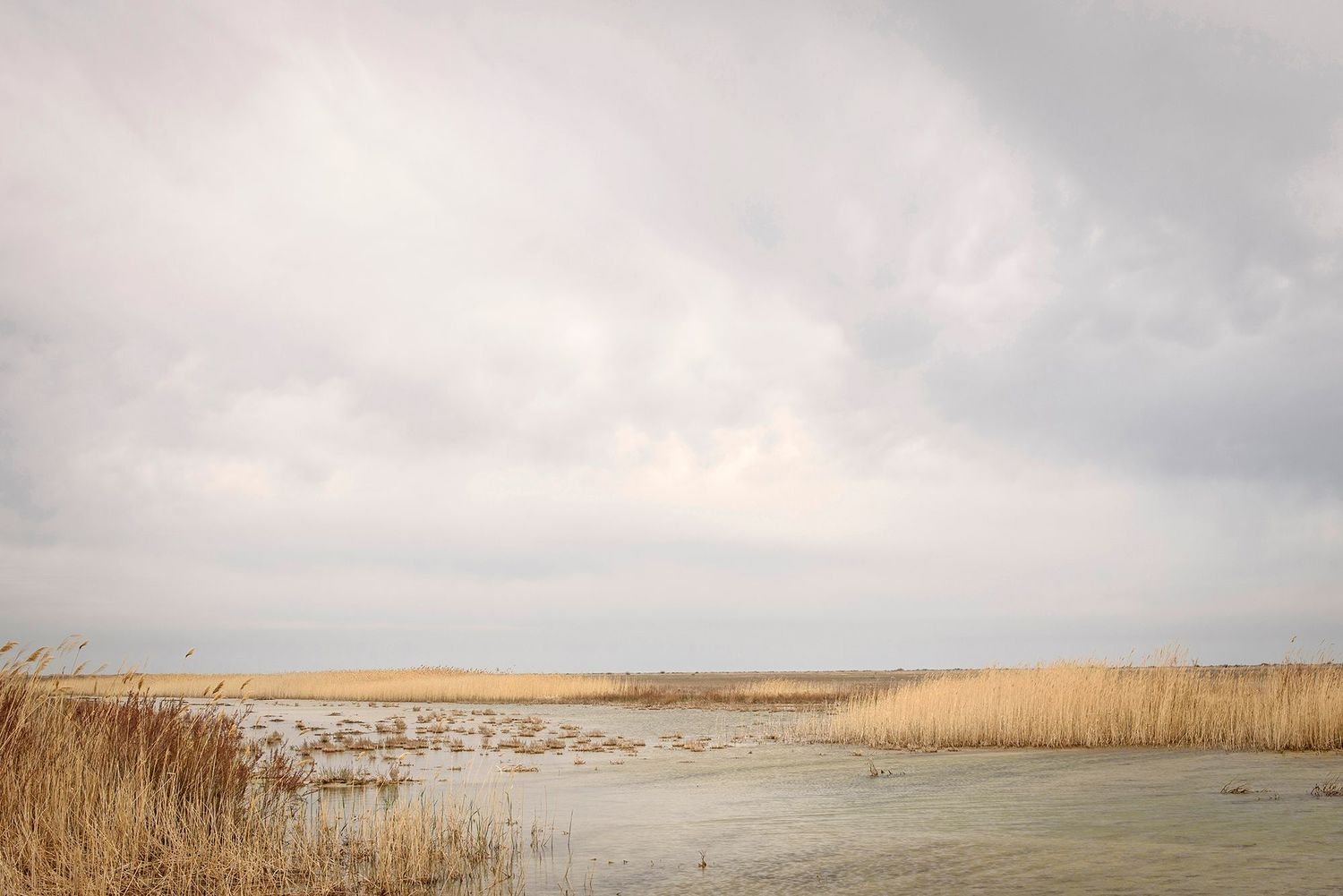
Today, Tastubek can begin to feel hope for the future. Time has changed again in the little Aral Sea region. Greenery has started to sprout from the ground, and birds have begun singing along the reeds. The dam-building project is slated to begin its second phase, which will push the structure an additional 4 meters higher, bringing the water even closer to Aralsk.
Still, the future is not certain. The completion of this project rests on the whims of Kazakhstan’s autocratic president. At the moment, his energy (and money) is flowing into the 2017 International Expo in Astana, which concentrates wealth in the country’s capital. The fate of the Aral Sea now rests firmly in the hands of one man, and no one can be sure what will happen next.
—LensCulture