“Will mum come back with spring like flowers do?”
Children, in their innocence and openness, can cut through the deepest of grief with their attempts to make sense of the world. Of course, when we lose someone they do come back to us, albeit in fleeting moments of surprise and agonizing heartache. If only they came back to us like reliable annuals, emerging with the new season’s sun. Unlike flowers, she won’t come back with spring. This answer to a plaintive question serves as the title of a remarkably gentle photographic series by Italian photographer Francesco Pennacchio.
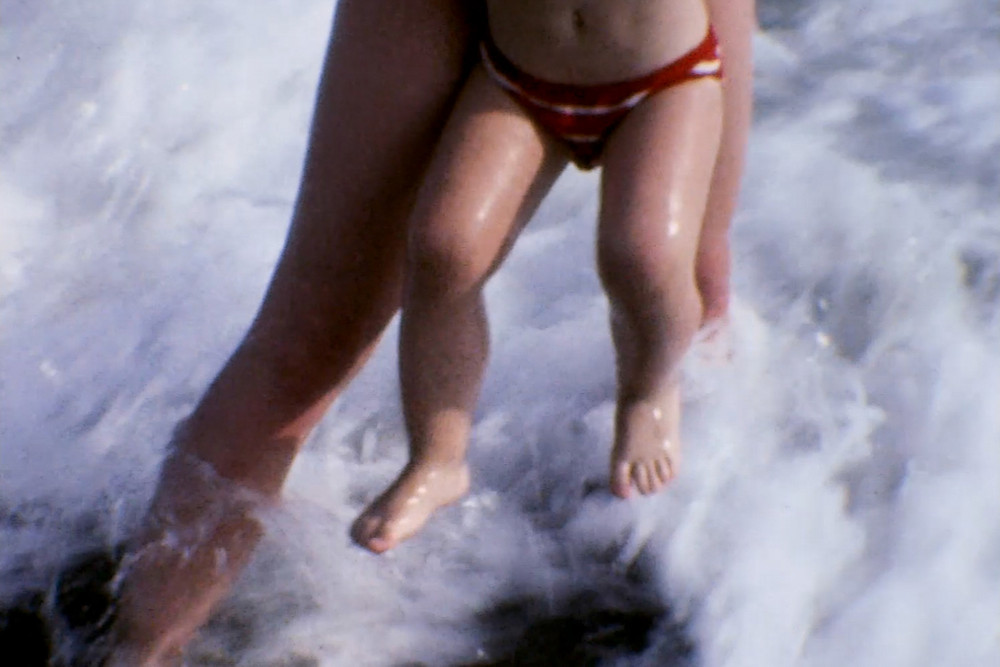
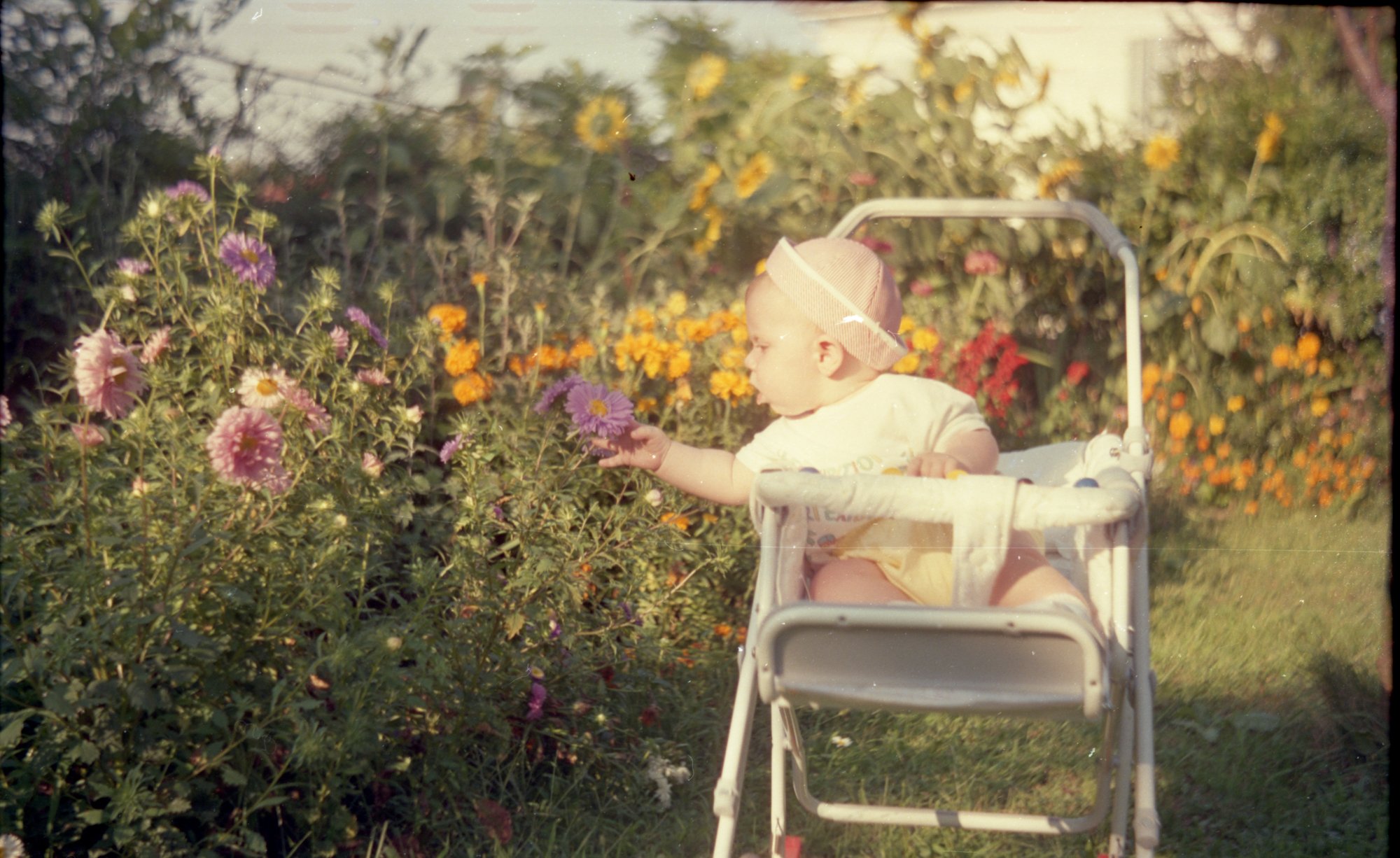
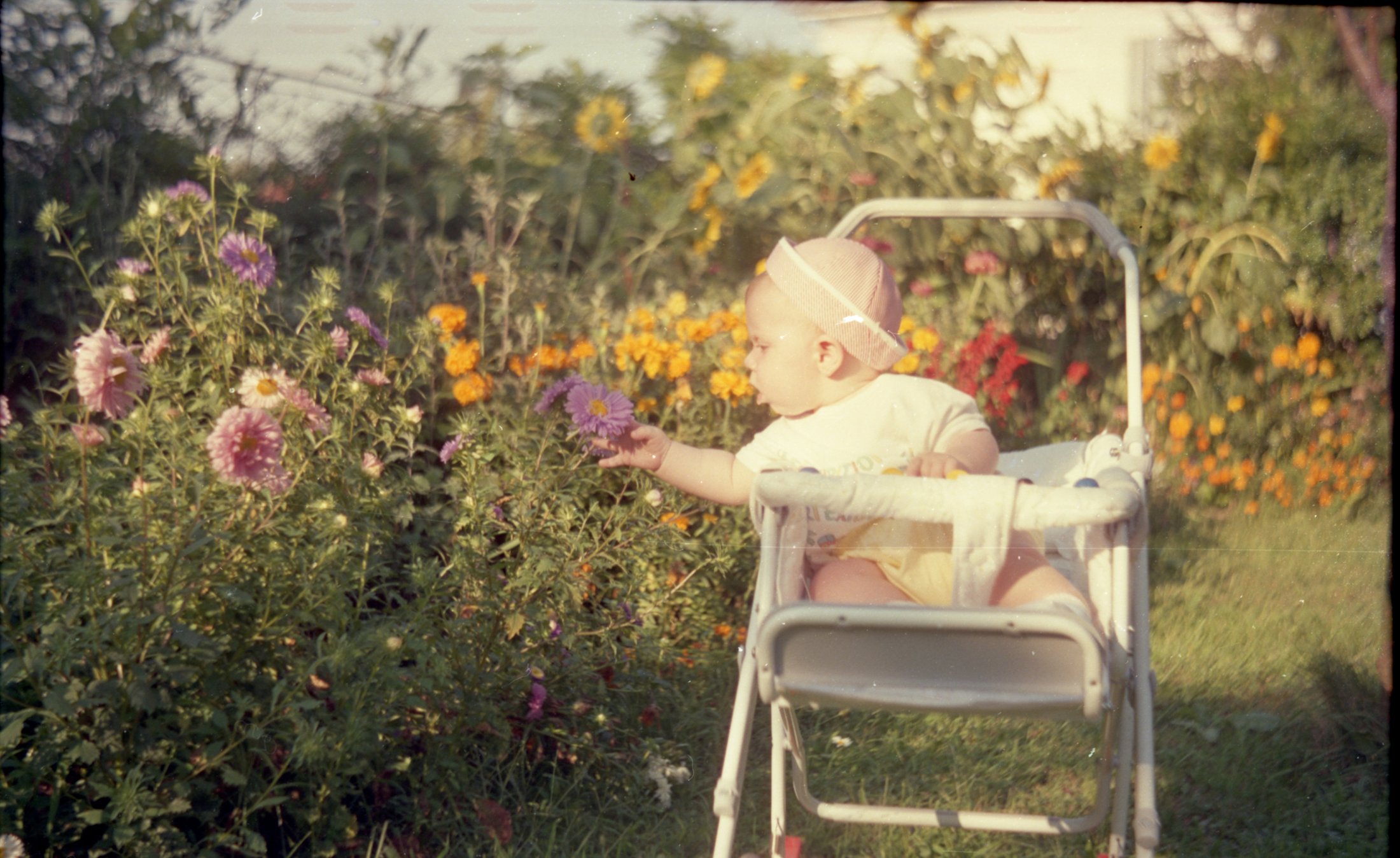
When Pennacchio was two years old, his mother Emanuela died of cancer. Roughly 30 years later, he found himself revisiting this early question he had posed to his father. Embarking on a journey to explore the memories of his mother, he immersed himself in the family archive. The photographs he found were warm with sun, taken in gardens, or made at the sea. Pennacchio is not interested in telling a story or highlighting a specific narrative; he wants to create a living, breathing memory filled with these natural elements they shared. Flowers would play an important role in this journey, as the family garden continues to bloom—both in images from the albums and across the records and images the photographer made himself. In unearthing these flowers, Pennacchio has brought fragments of his mother back, in small gestures, with flashes of warmth.
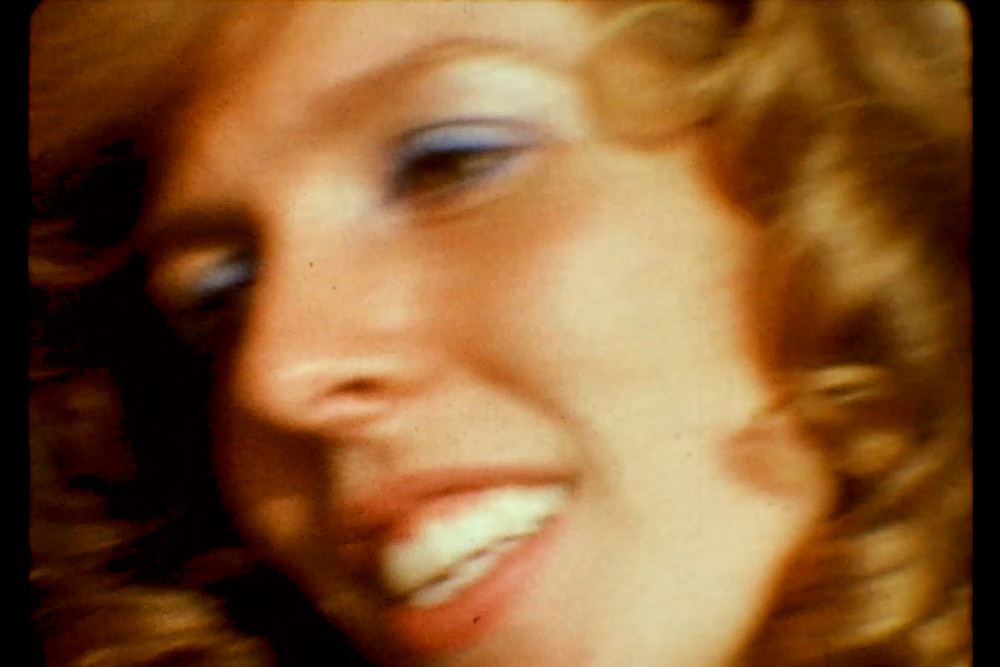
In the early exploratory stages of the project, Pennacchio reached out to his mother’s friends and former colleagues, asking them to share their recollections of her. The fastest to respond were those who had also experienced a deeply personal loss, as if through shared grief they understood the type of memory he was searching for. Their responses provided snapshots of a person, not simply sadness. They remembered times in the mountains, hosting the family, Emanuela buying bright red chairs for the theater she helped start. One family friend surprised Pennacchio by sharing that she was there when he asked his father about the flowers coming back in the spring. “My father had forgotten that. And that is how memory works, it’s volatile and we can influence it by our focus at the moment,” he explains.
“Normally when a person dies, we tend to reflect on the good things. I appreciated the fact that a friend of my mother was able to tell me about when she was envious of her or amused. She made these memories so human,” the photographer says. “I don’t want to build a shrine for my mother.” With these anecdotes, Pennacchio decided to move forward. He recalls that the project “arrived at a moment where I was particularly open to receiving it. It wasn’t an answer to something I was looking for but it became a gift.”
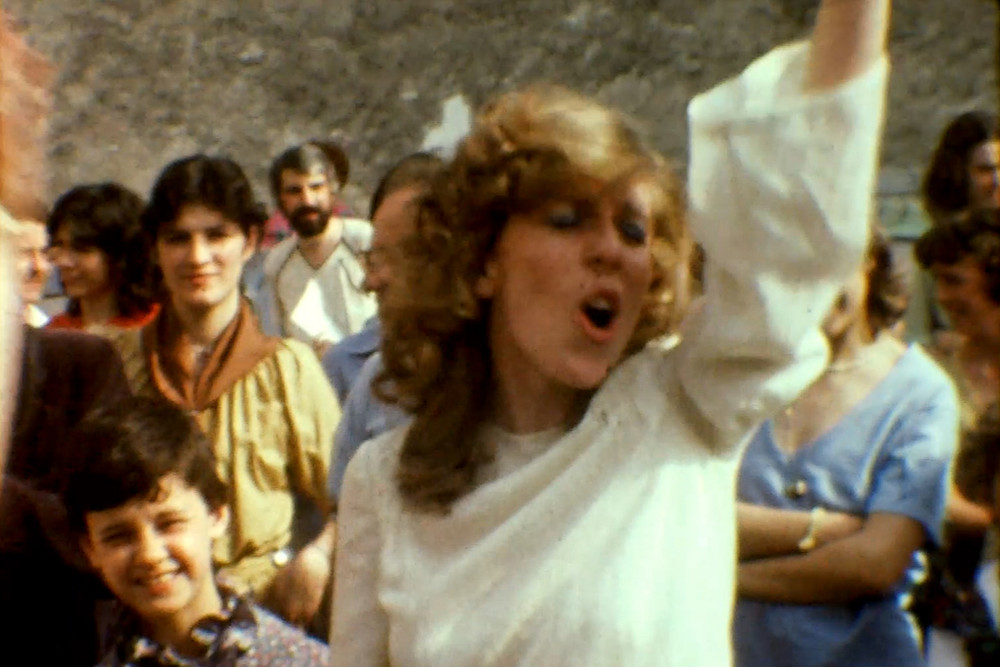
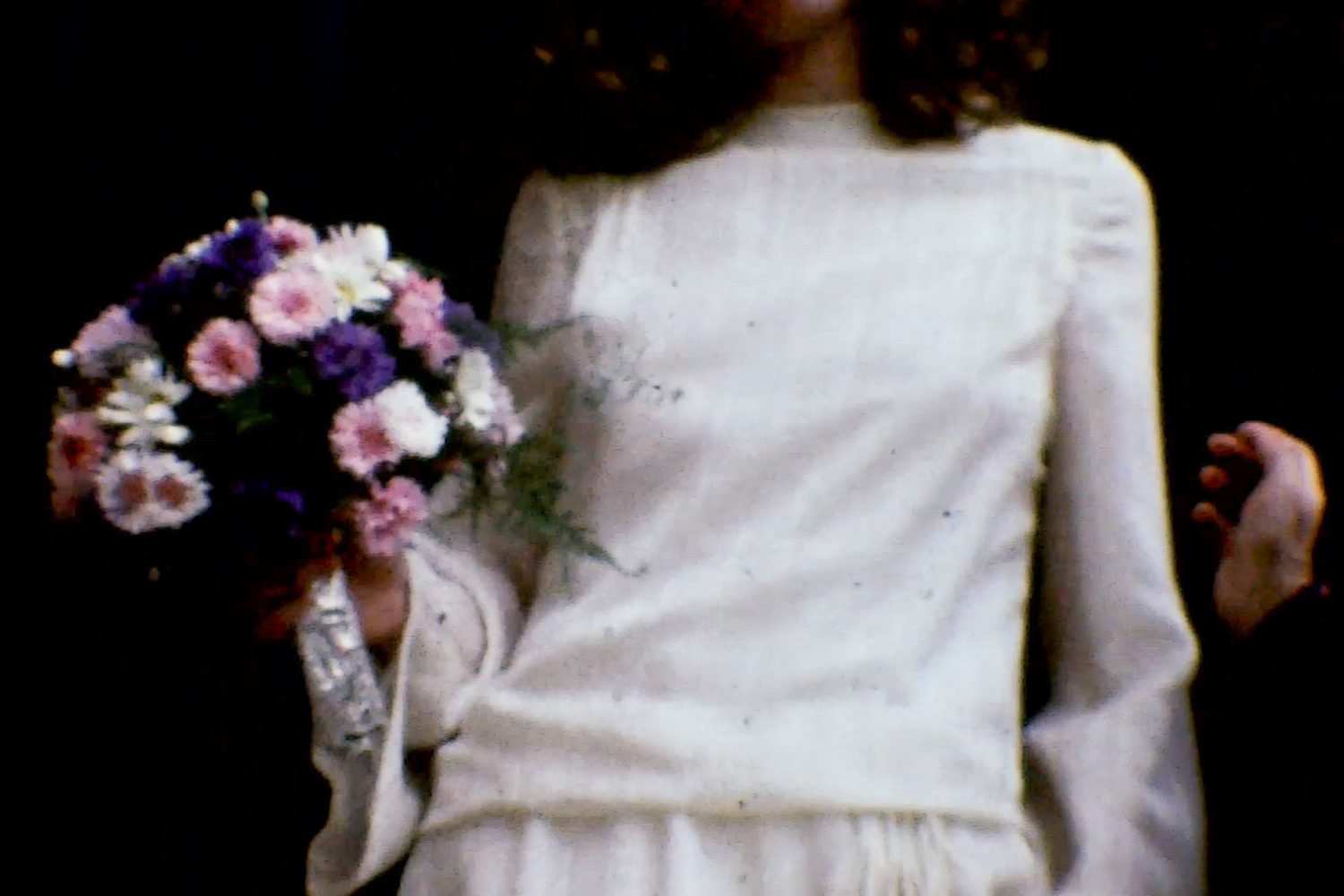
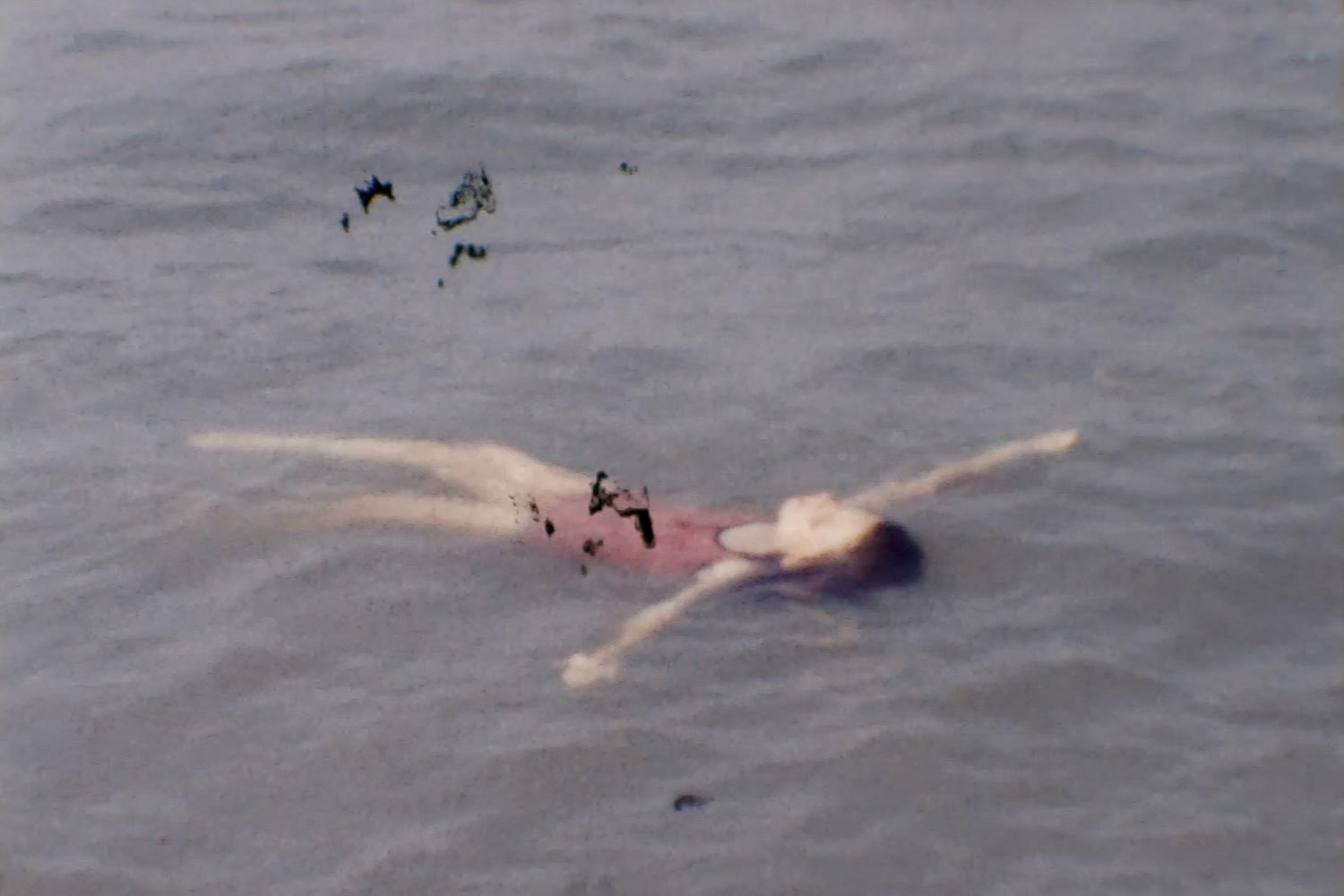
The next step was to dig into the wealth of material he had at hand to find a visual dimension that would bring to life the past—from photographs made by his parents and sister to 8mm recordings that his grandfather had compiled. An artistic eye had been passed down through the family. The images were more than the typical posed family scenes; they showed an ease and creativity in observing family life across generations. It is easy to memorialize those who have passed on and to leave them as just that—memories, fixed in amber, their absence overwhelming the details of their past presence in our lives. Here, Emanuela appears as a force of nature, exuding energy and style. The scenes shift and dissolve, floating through time and space. As Pennacchio spent more time with the imagery, he realized what was missing in his exploration was his own voice.
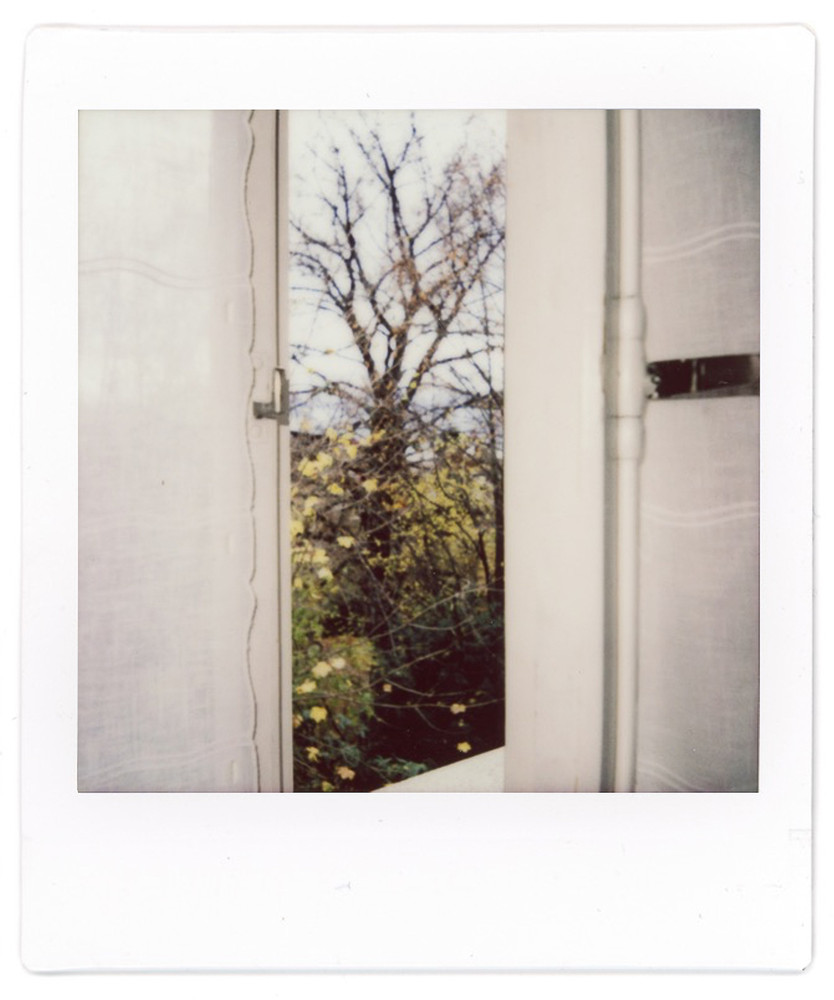
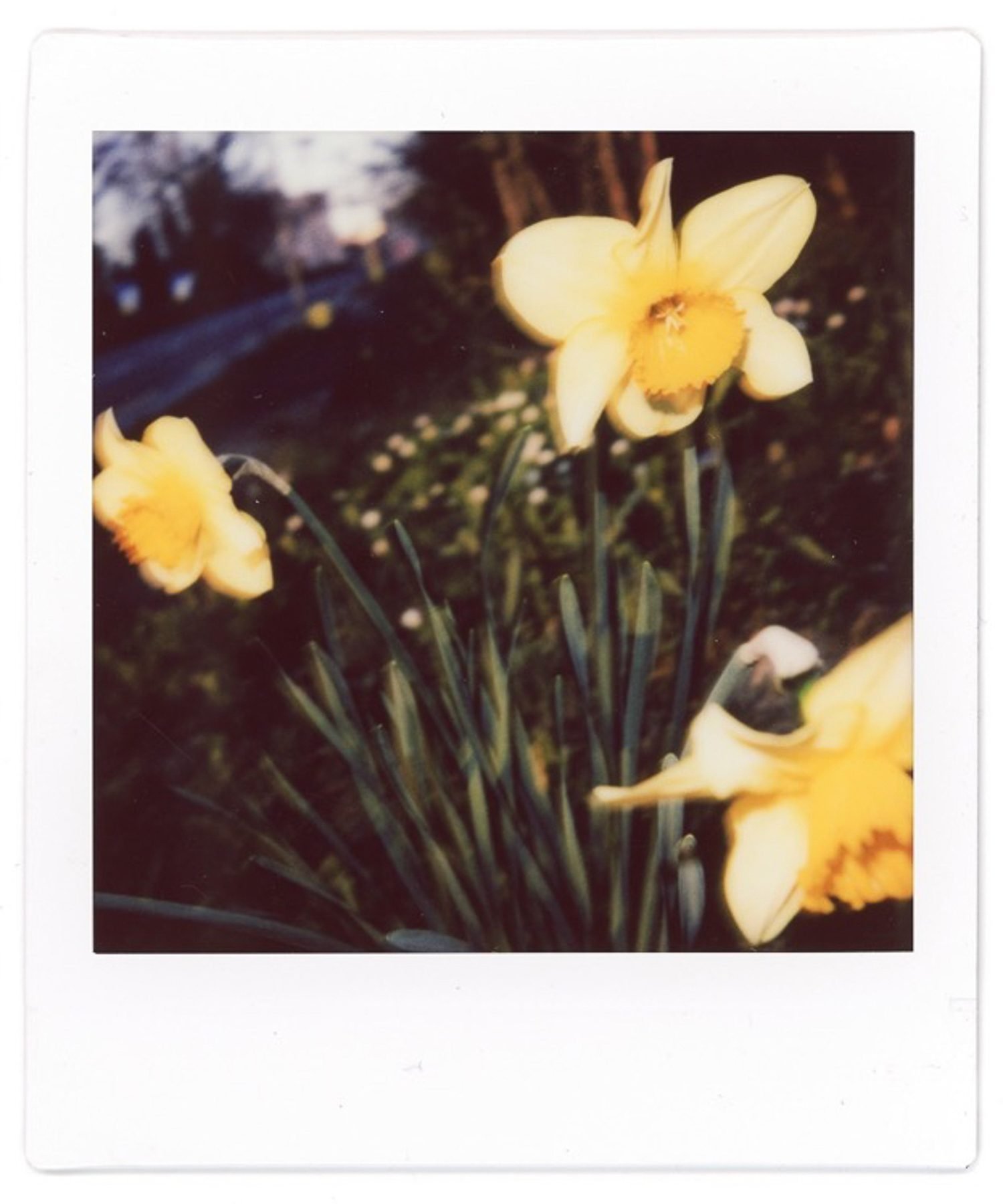
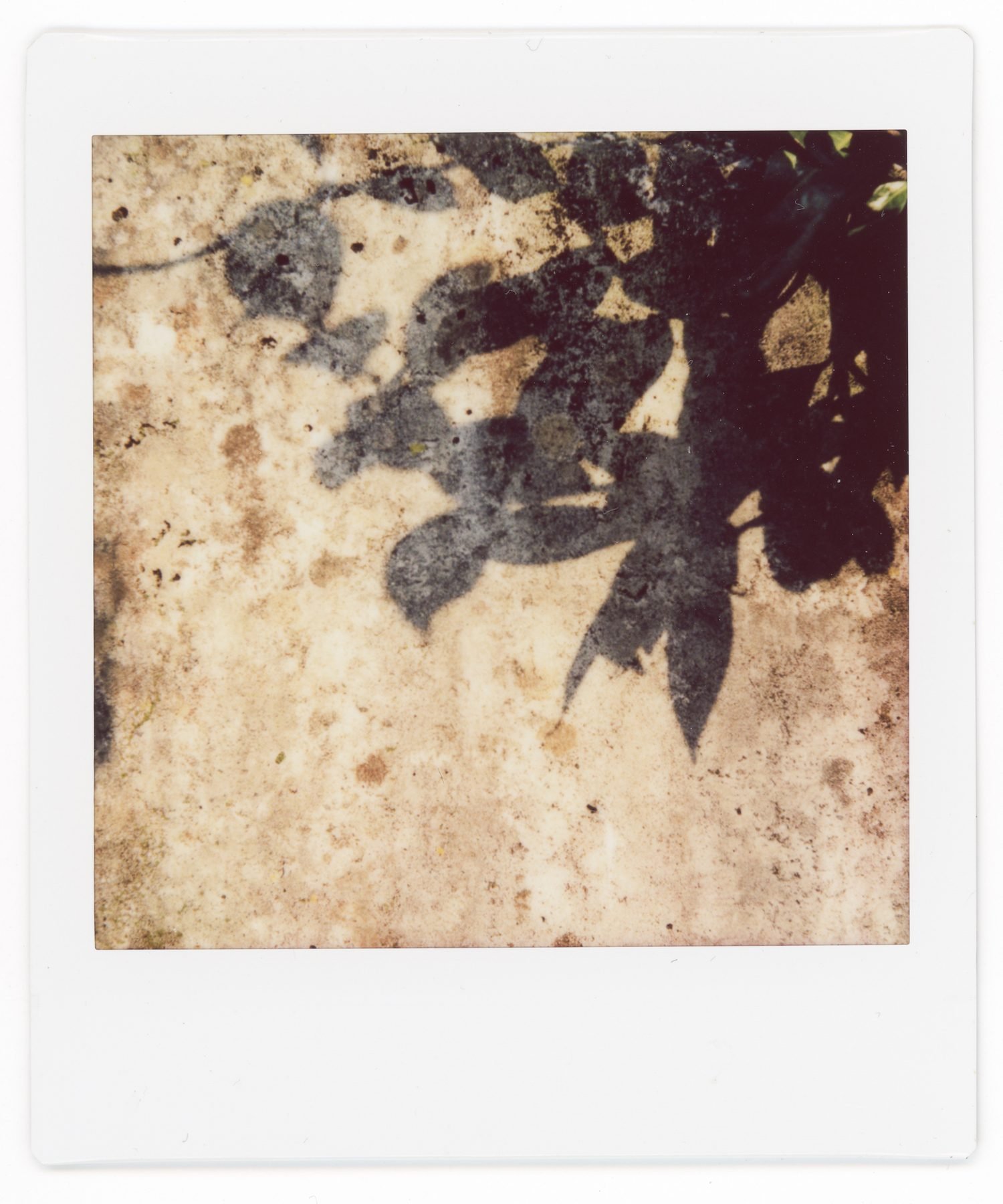
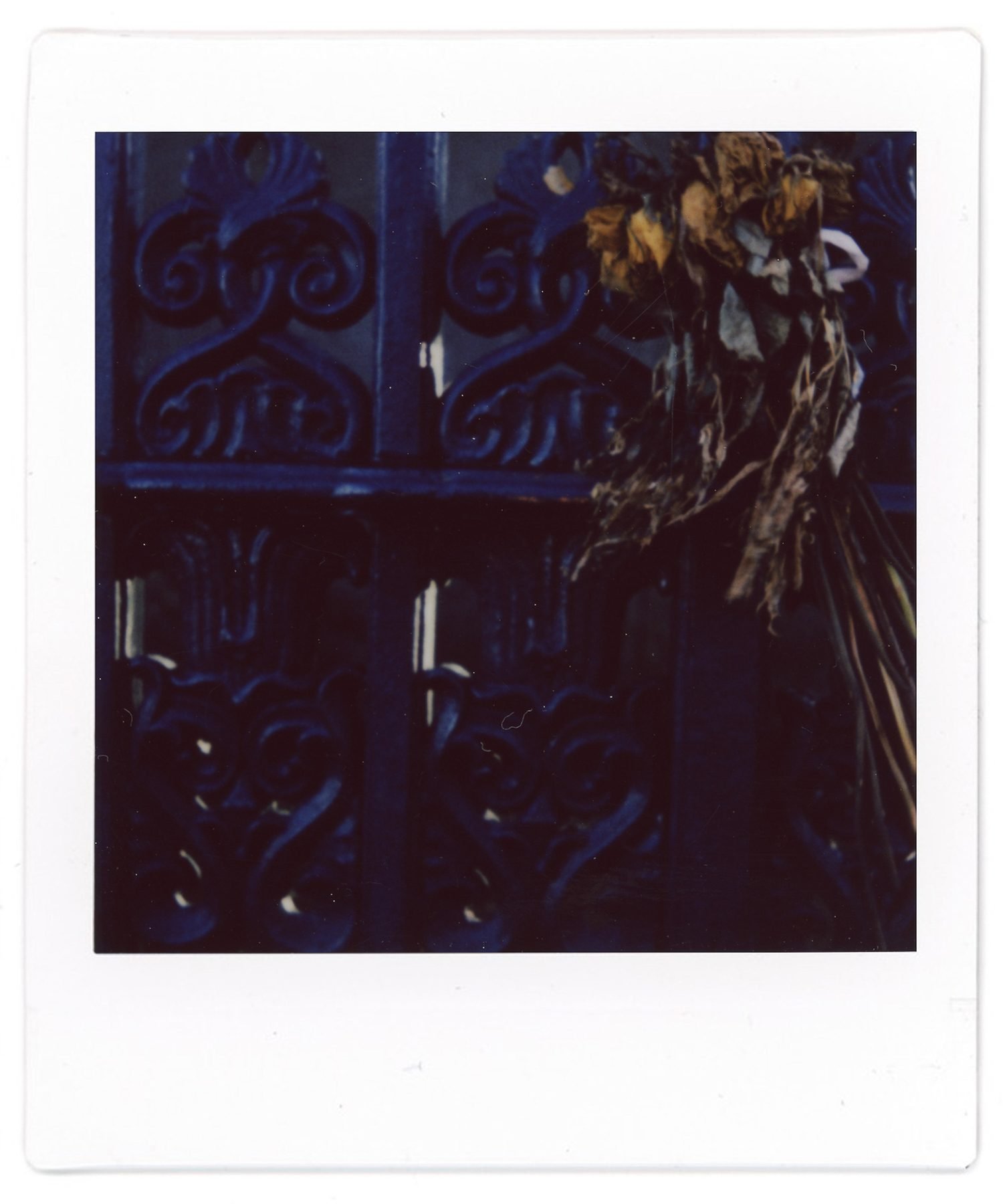
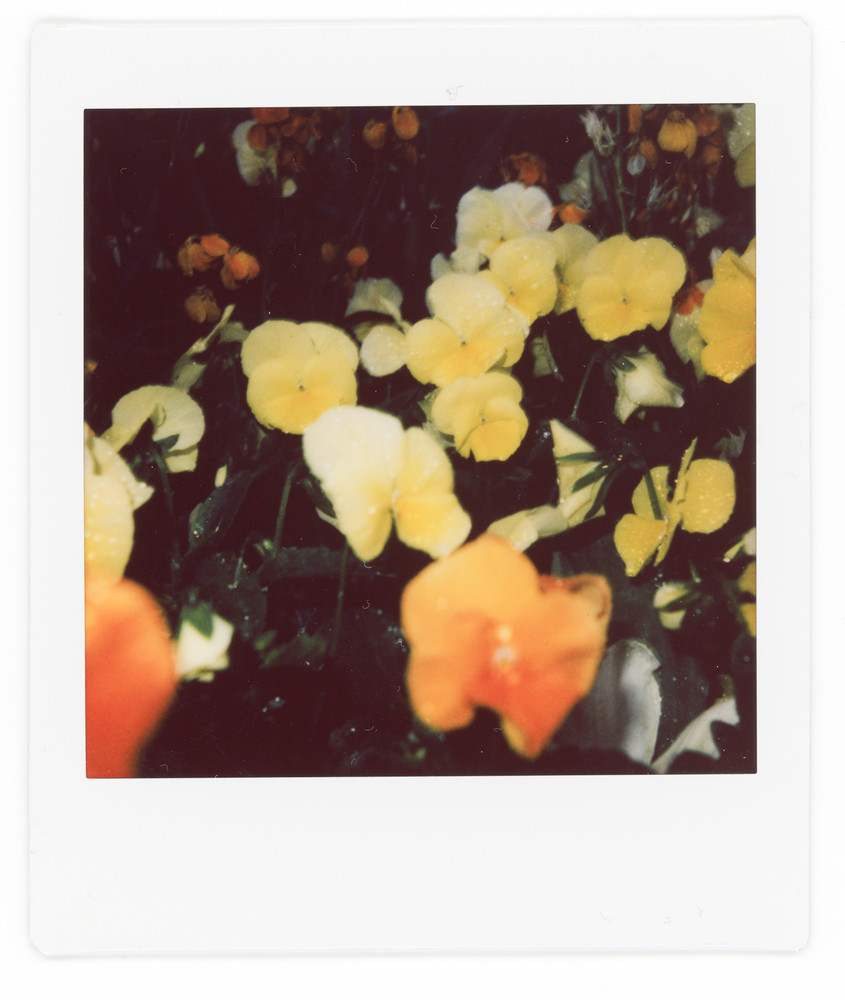
This element he found through Polaroids. The tactile quality of the Polaroid—not simply a flat printed image, but rather an object itself with a material frame—allowed a sense of demarcation, a clear space where his presence can be felt. The Polaroids give weight to the intangible quality of his endeavor. Adding to the archive, he photographs the natural world; the view from a window, the shadow of leaves on a wall, the buttery yellow of daffodils ruffled by a breeze.
There is no text in the work beyond a simple introduction. The viewer is left with something more sensual; the fragments and traces that populate memory. What stands out is the sense that Pennacchio is in conversation with these images and memories. In the Polaroids and pairings, we see him learning to see as his mother did, constructing a three-dimensional world.
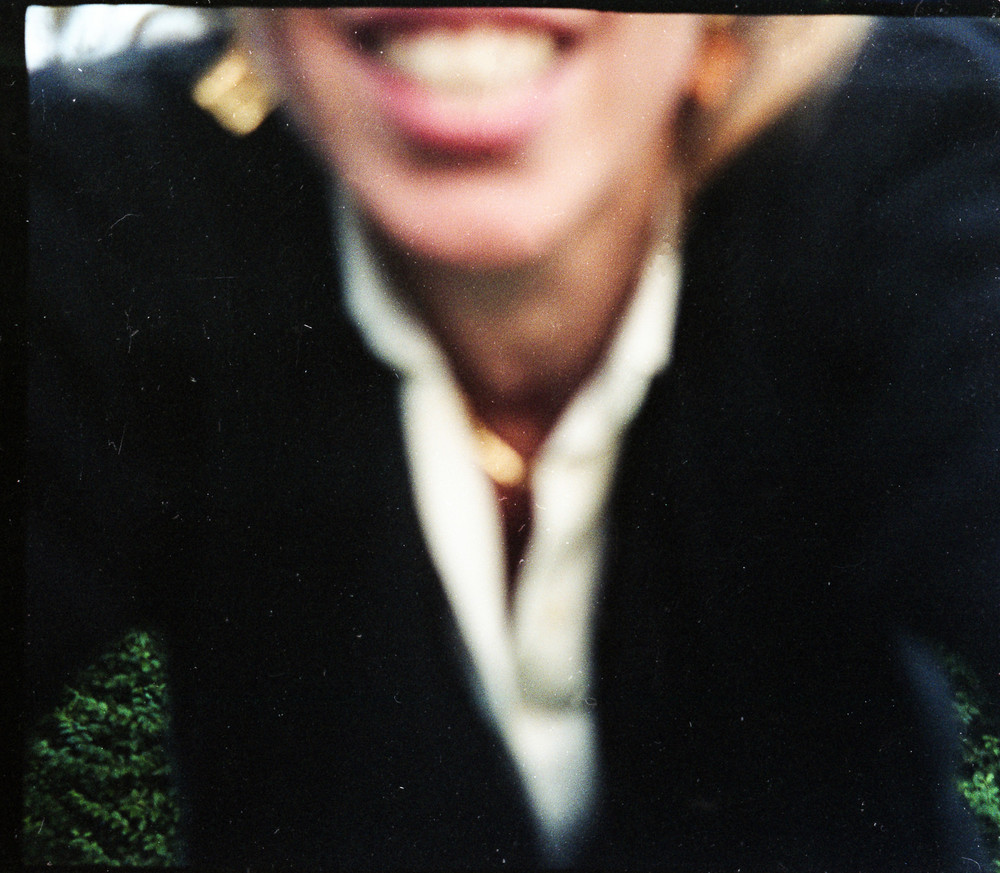
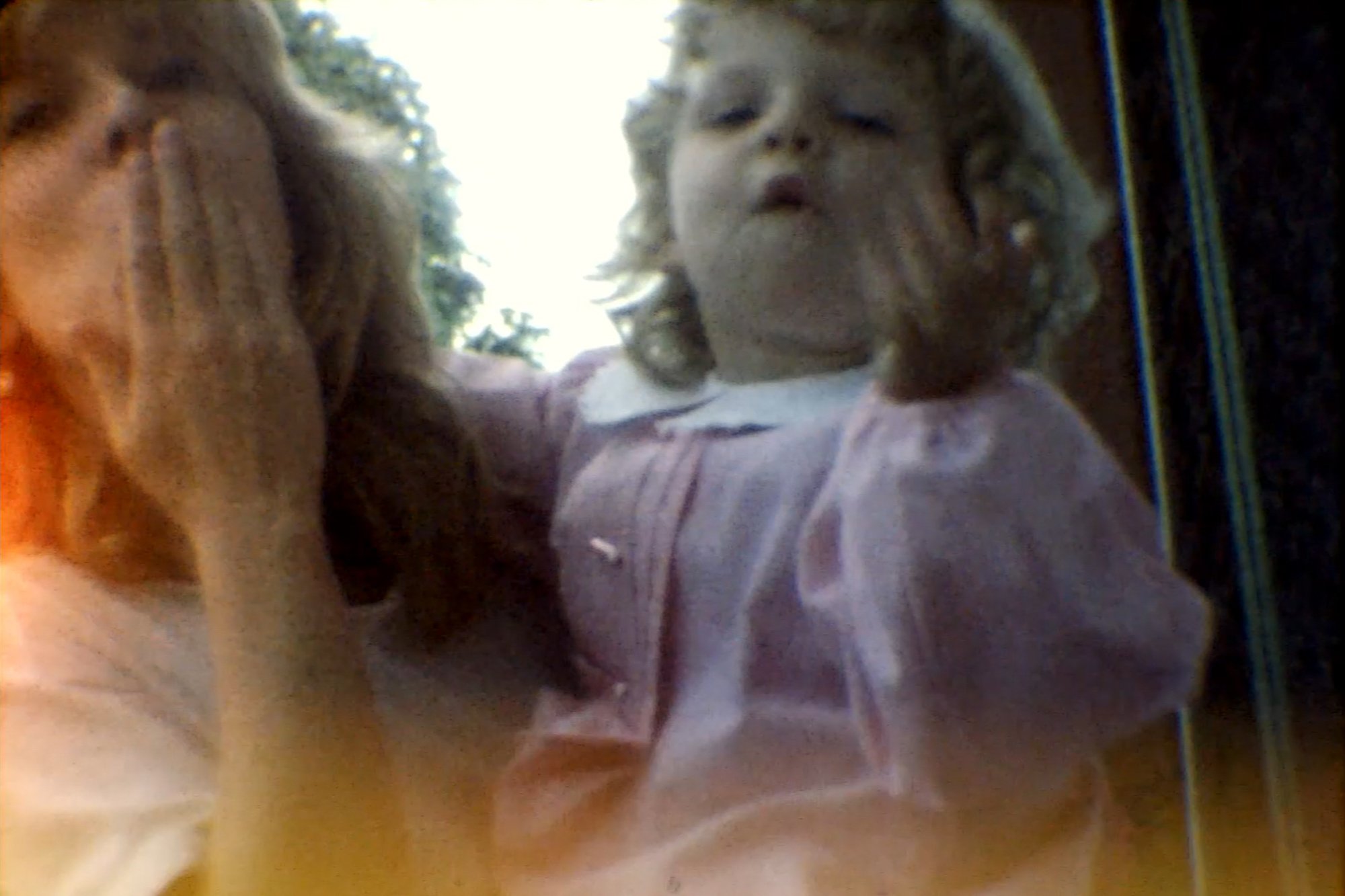
In a closing image, cropped in close and soft around its edges, we see from a child’s perspective, about to be enveloped in the arms of a woman, her smile hovering at the top of the picture. One can feel the closeness, anticipate the crush of body against body as if no time has passed. As if she is there, not merely as a memory but as an embodiment of love, reaching out across time, traversing space. As if for once, she did return with spring.