In ancient Greece, pondering the nature of change provided a wellspring of discourse and a good line of work for the philosophically inclined. From the thought experiment of Plutarch’s Ship of Theseus to Parmenides’ static state of being, philosophers contemplated the roles of experience and nature in relation to identity and the passage of time. The philosopher Heraclitus, who was called the ‘weeping philosopher’ due to his melancholic view of humankind, believed that the world and humans were in a constant state of becoming, never one of simply being.
To Heraclitus, life was a condition of flux. He used the metaphor of a river flowing—constantly in motion, ever-changing. The phrase, “No man ever steps into the same river twice,” has been attributed to him. The aphorism panta rhei, everything flows, is used to describe his philosophy. As rivers run, as time progresses, so do we.
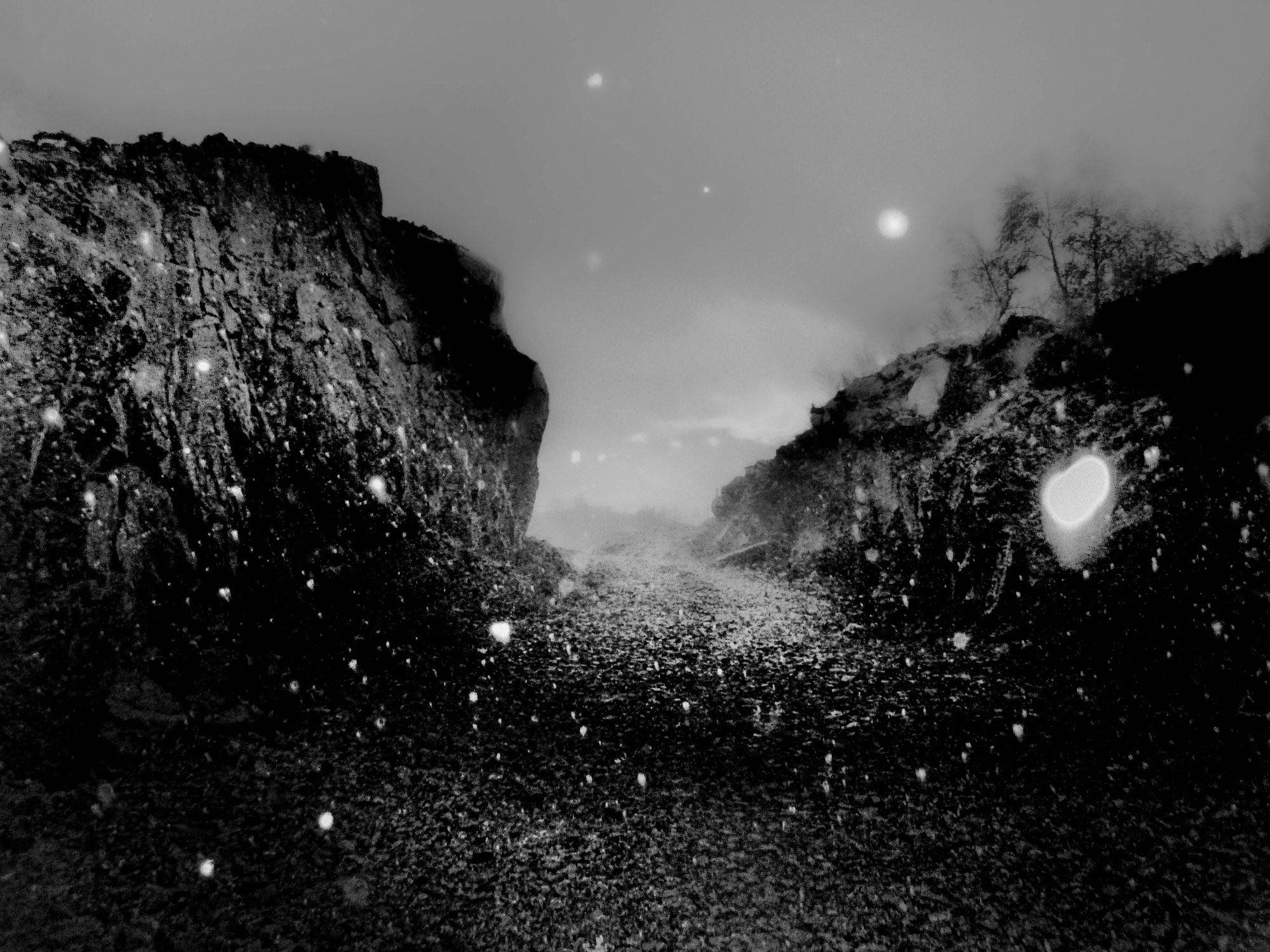
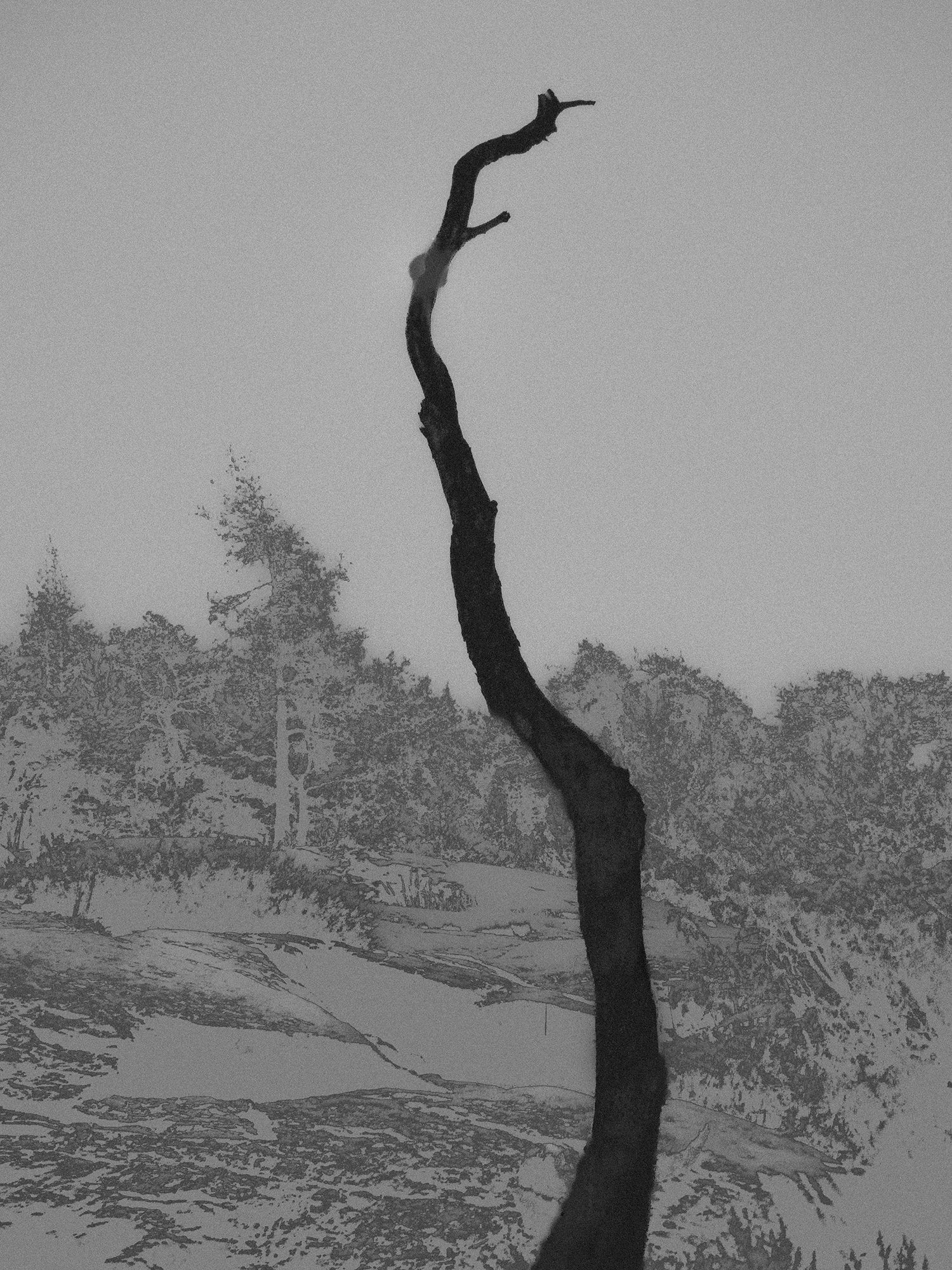
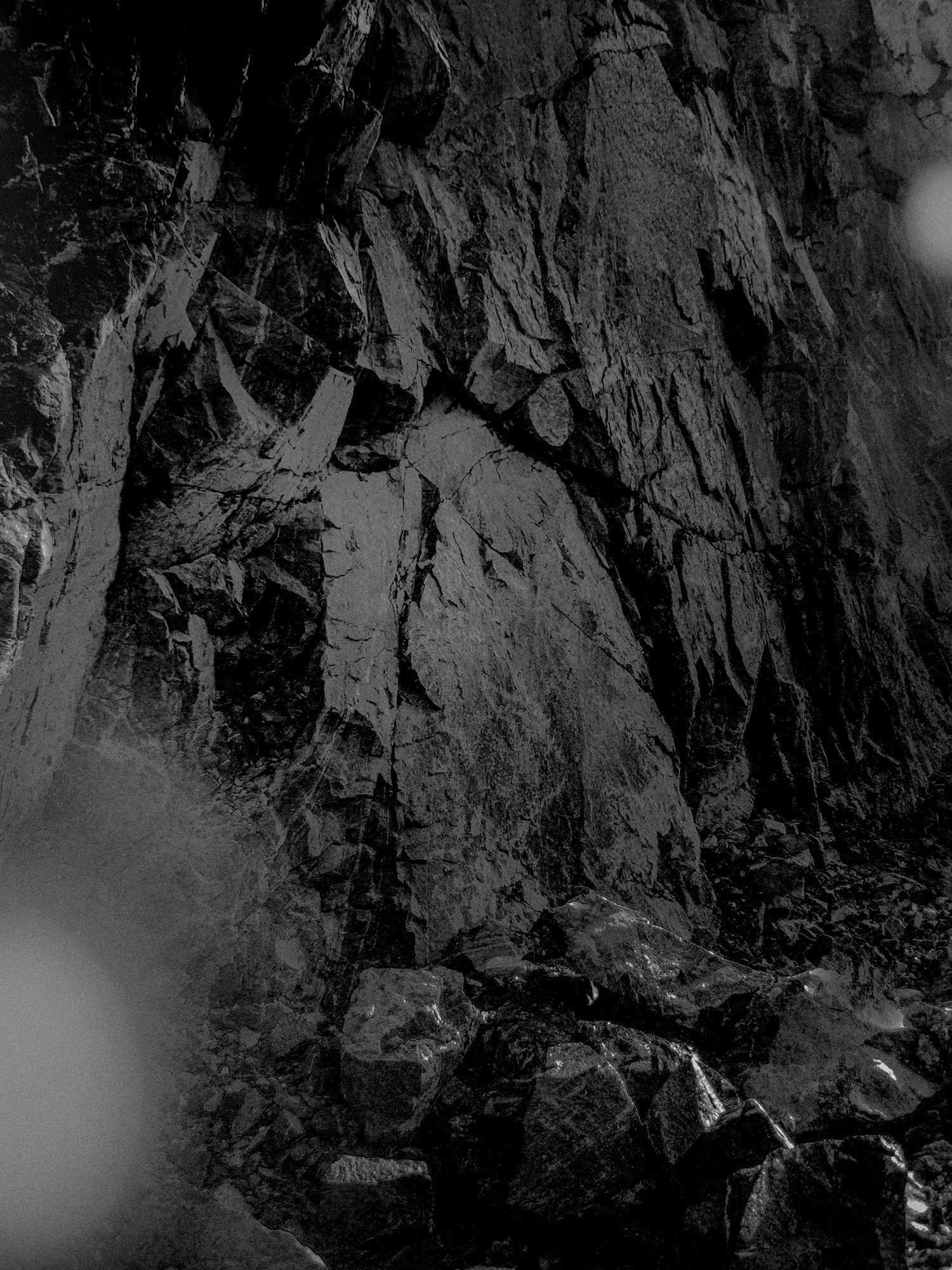
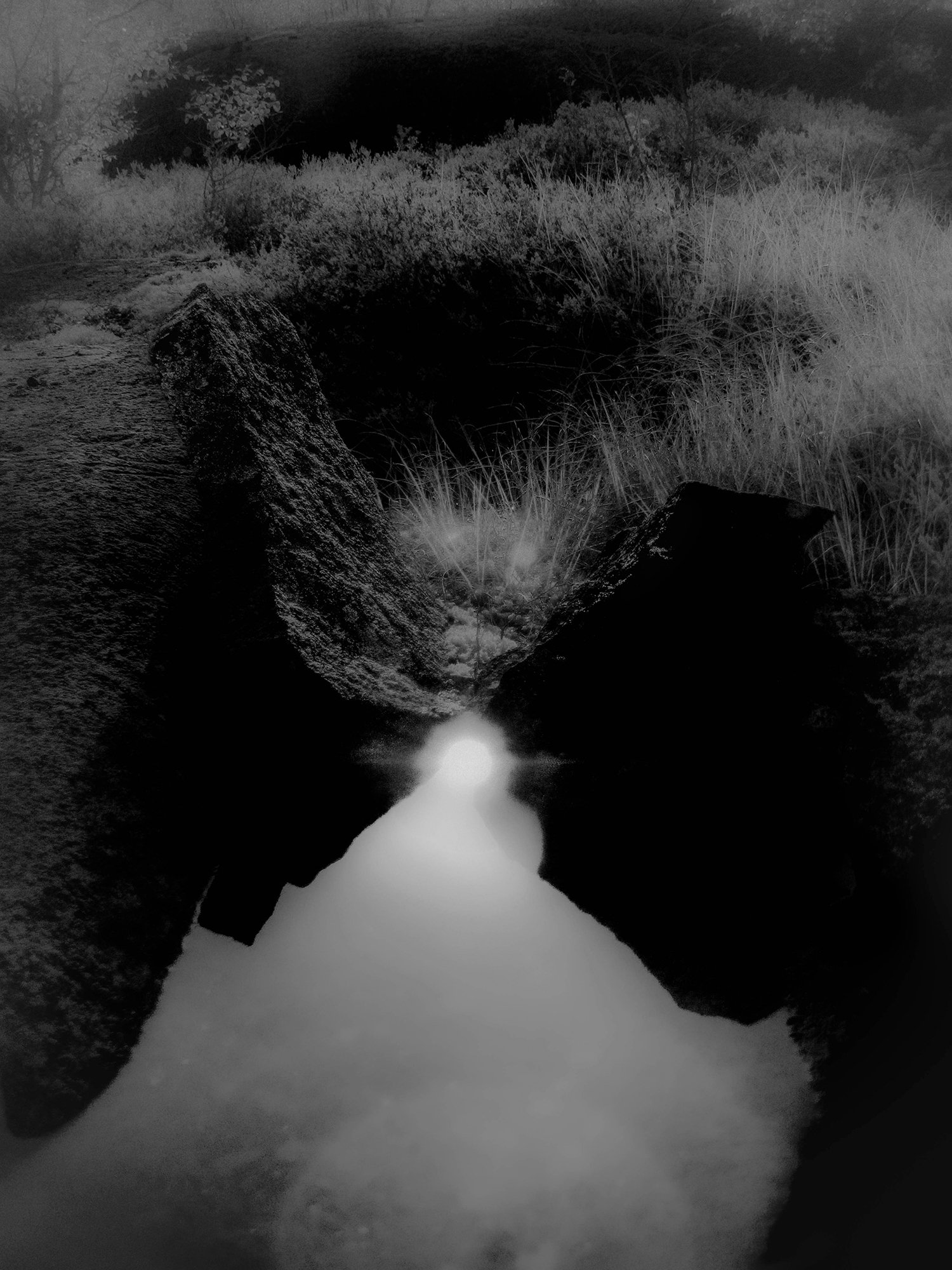
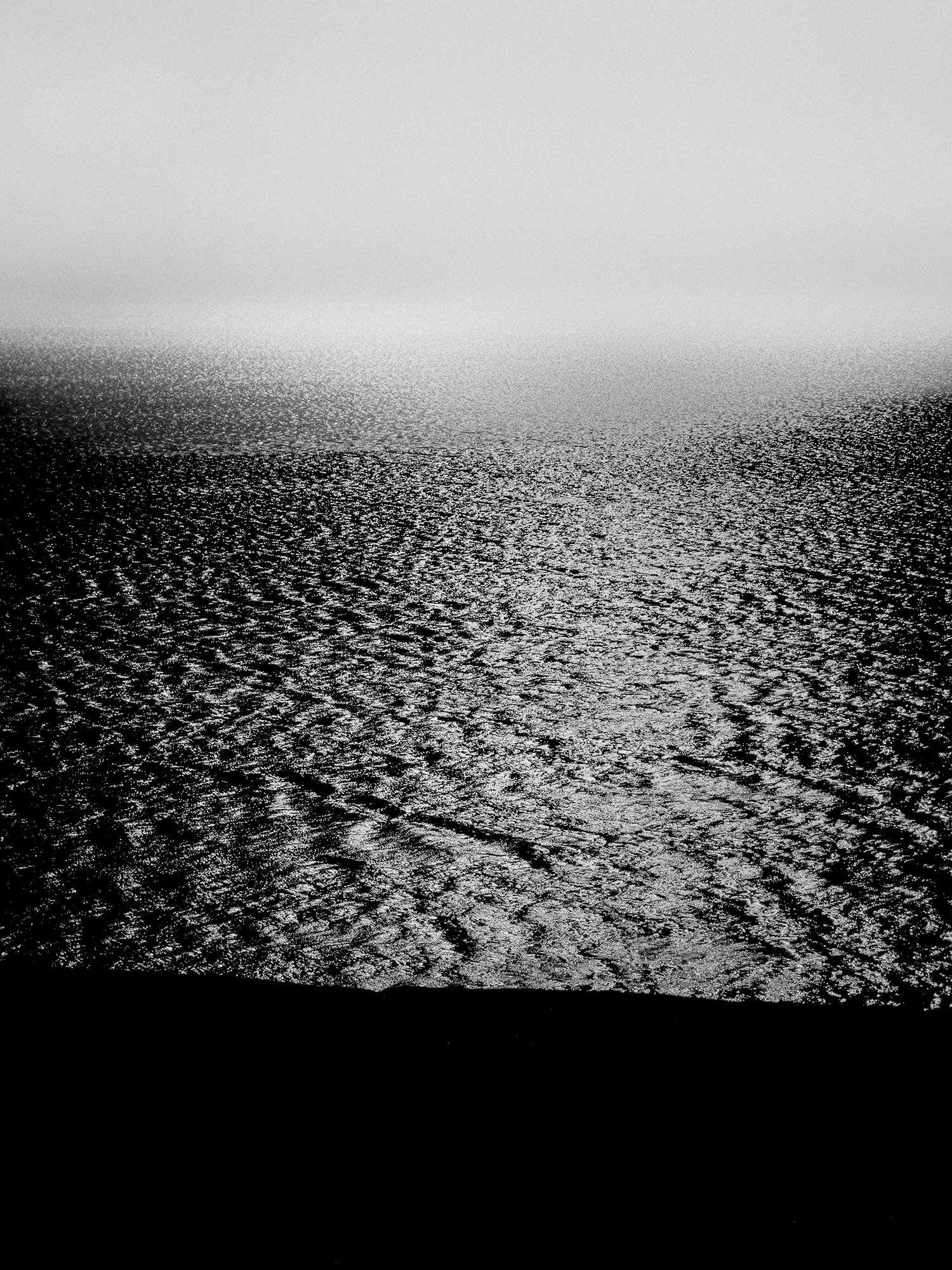
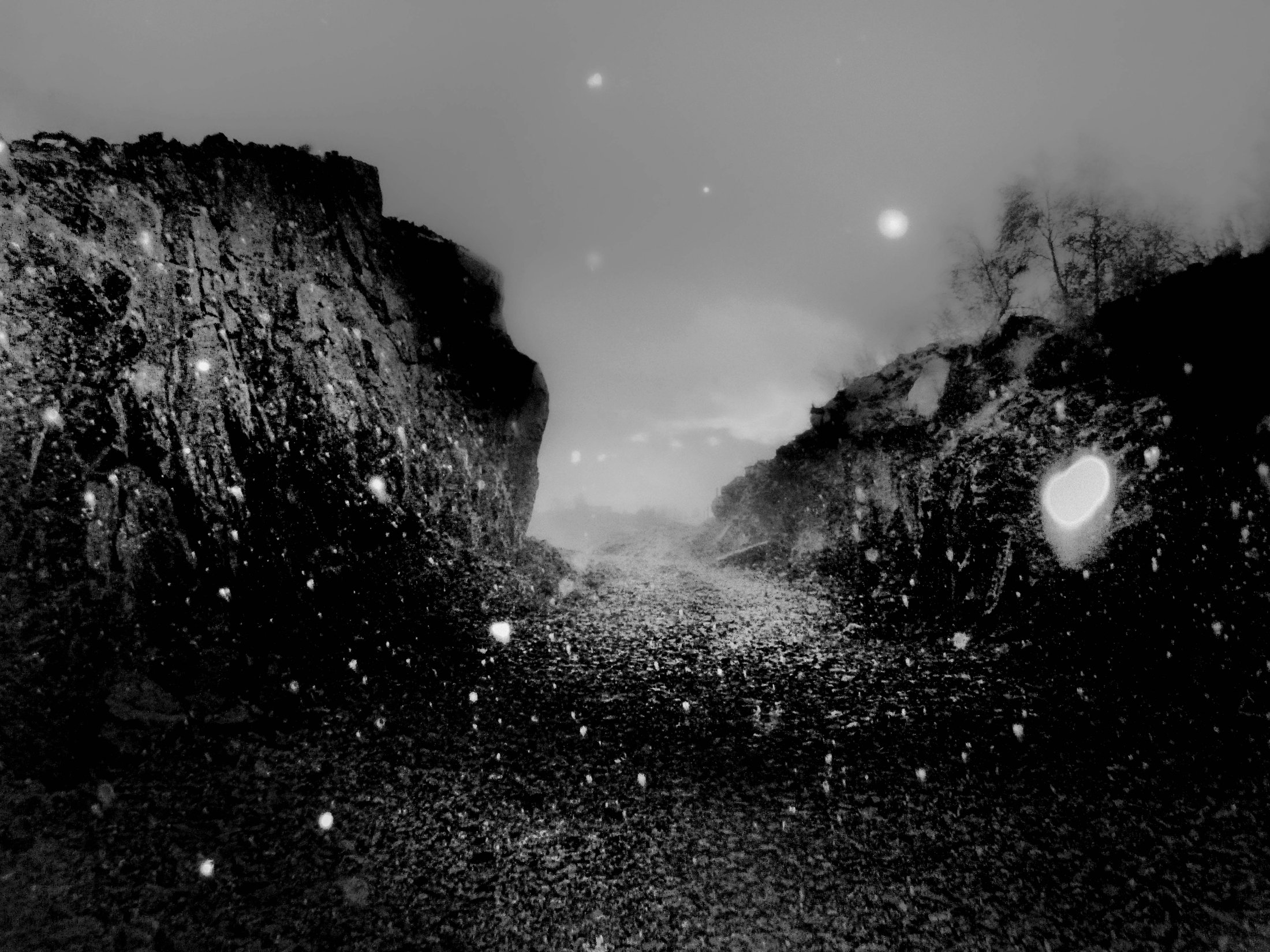
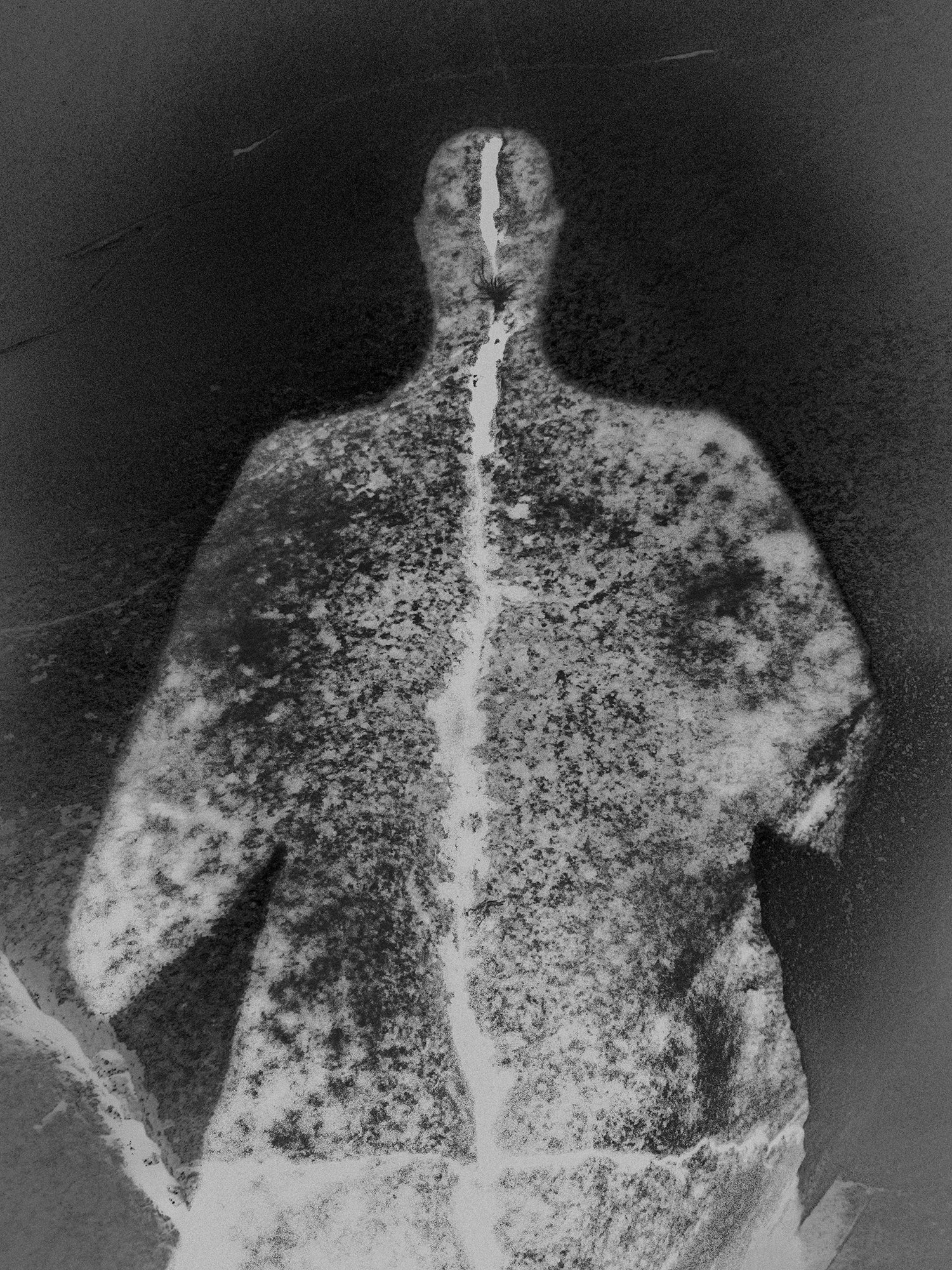
In the images of the Spanish-born and Finland-based photographer Francisco Gonzalez Camacho, the landscape is fluid and otherworldly. At some points, the scenes appear on the verge of coming apart, one moment slipping away from the next, at others coming together. Gonzalez Camacho captures a Nordic landscape that is both familiar and strange. Birch trees and firs, expanses of snow, and glinting light on water populate his photographs, but so does an inventive sense of imagination. Suggestions of bodies appear in the frame, loose cosmic dust glitters across shadows. The landscape we see is Nordic but also something more; a magical realism pervades the series, encouraging us to immerse ourselves in these mysterious scenes, as if stepping into an alternate reality.
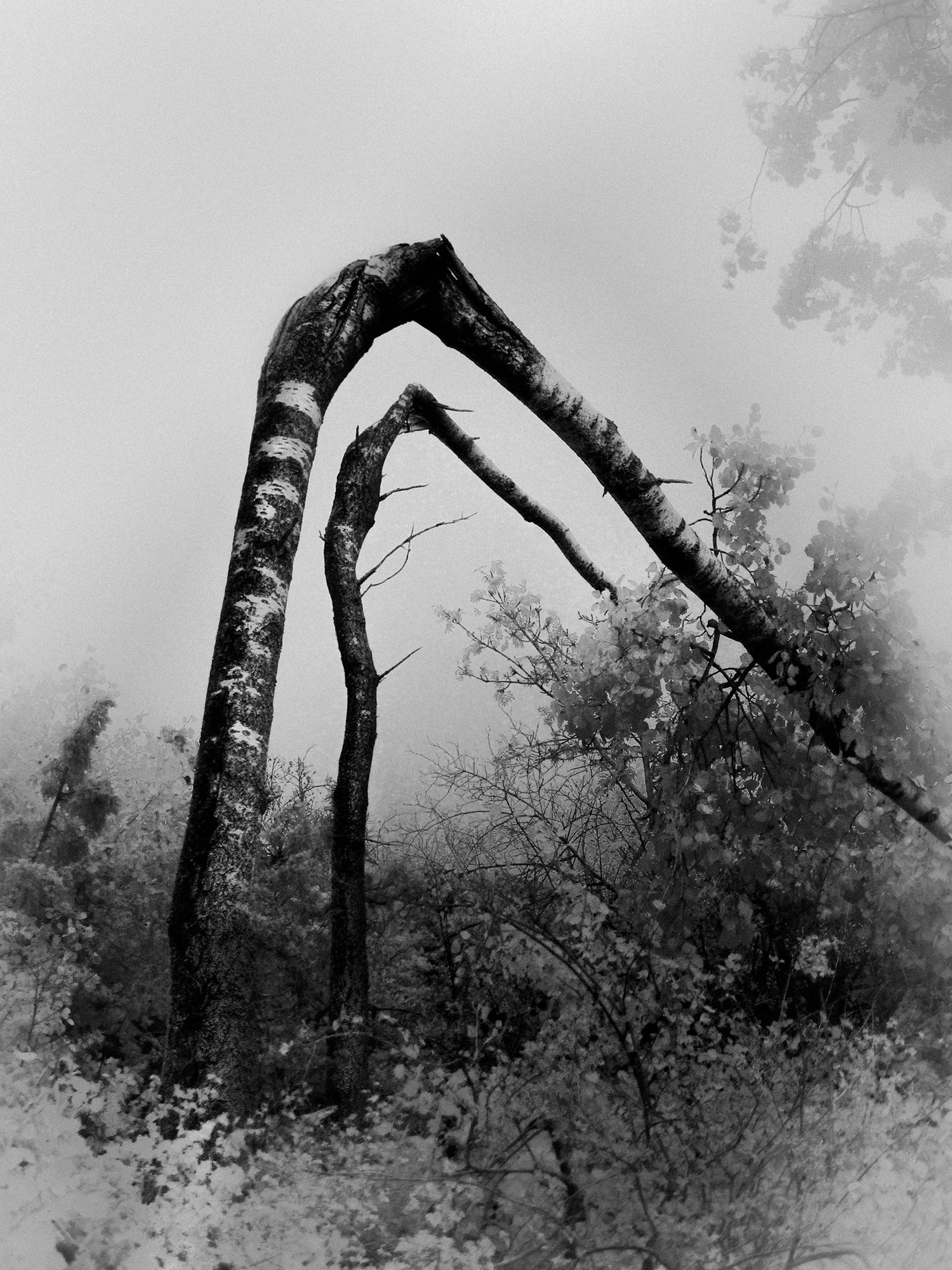
Gonzalez Camacho first arrived in Finland to pursue an MFA in photography. “Migration definitely had an impact on my work, triggering my desire to approach the landscape differently, even though Finnish nature felt really inspiring and beautiful,” Gonzalez Camacho observes. “Ultimately, I wasn’t looking for the landscape itself, but rather using it as a reflection of the internal processes of physical and spiritual displacement I felt as an immigrant, working in the in-between space of natural and imaginary landscapes.”
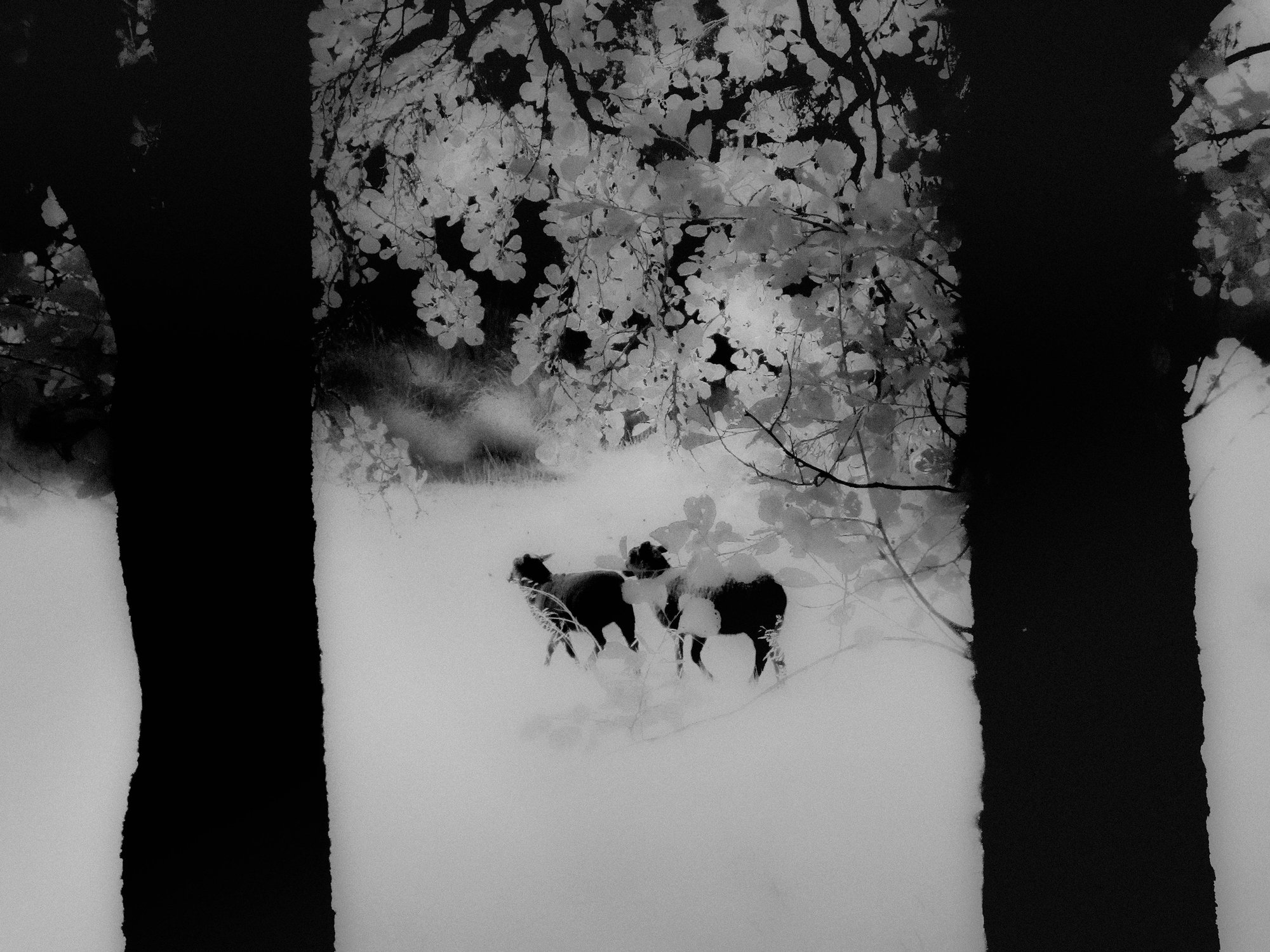
“I wanted to explore the landscape as a cathartic experience, to create a sort of paracosm—a detailed and complex imaginary world—to blur and transcend the cultural constraints of my personal experience into something deeper,” he explains. “I was trying to photograph what lies beneath, a sort of language embedded in the landscape.”
Infrared cameras give the imagery a graphic, at times haunting, appearance, a first step to creating an expressionistic view of the landscape. Working more broadly than straight photography, he incorporates aspects of printmaking, papermaking, and alternative techniques. These formats, from cyanotype, liquid emulsion, photopolymer etching to collotype, add another dimension to the work, playing with materiality and an unpredictability that adds new layers. Inky blacks and velvety grays give the scenes a tactile feel, as if the fog in an image is reaching out to envelop the viewer in mist. The bend of trees creates a tunneling sensation in one image, and a barely discernible horizon in another pushes the viewer out to sea, where sky and water flow together as one. Throughout the work, the viewer is led through what feels like a dreamscape.
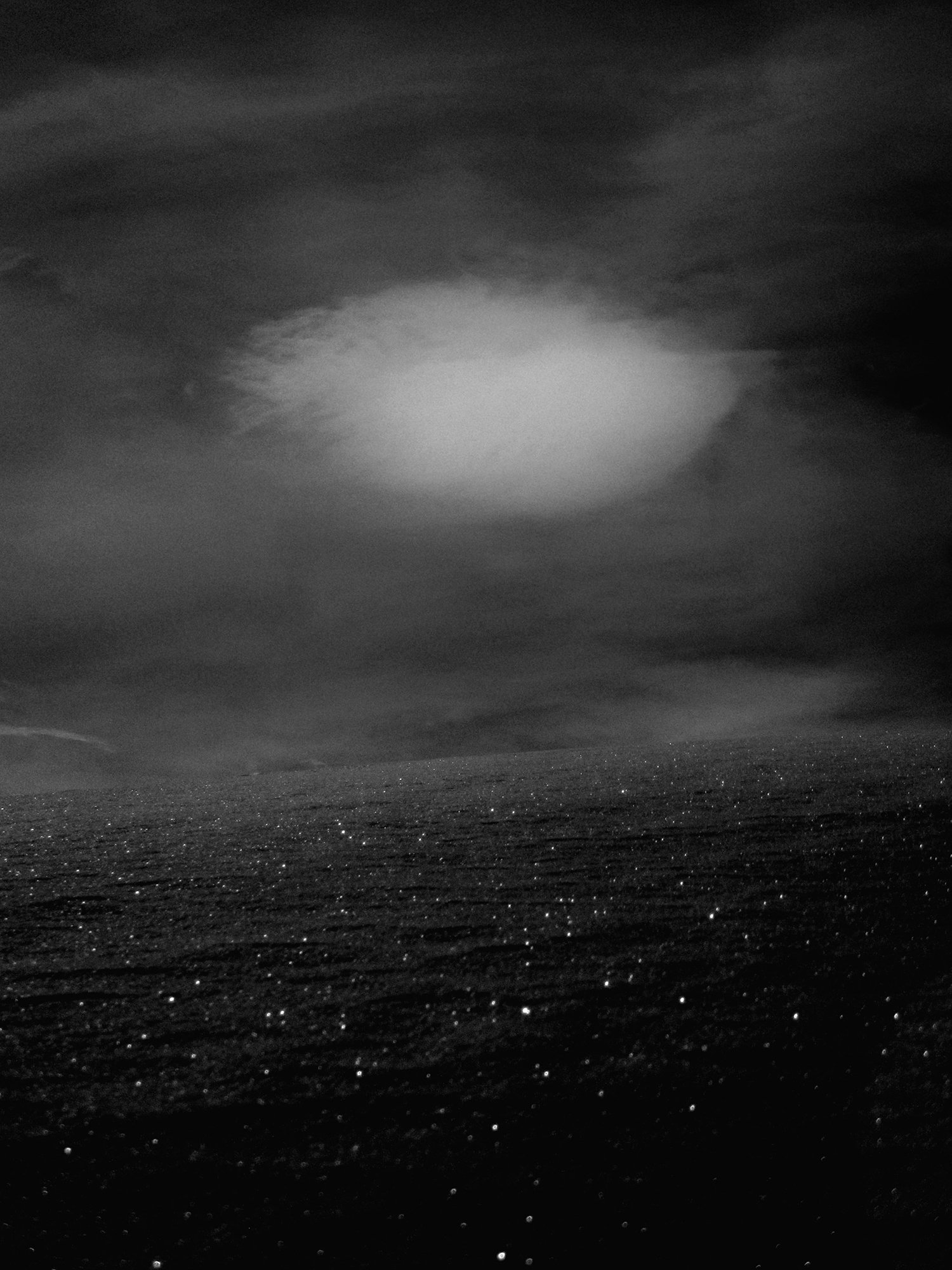
He works intuitively, responding to the environment as he photographs, as well as to the shifts that occur after the fact. An image develops from first capture to the editing stage; a sense of processing, both physical and mental, therefore becomes an important part of the work. “I find that giving space to the images and returning to them later can give you a different reading of them, sometimes entirely different from what you initially felt. Time makes us see our work differently, as we change, so does the work,” he says. “This is very much the case with this project, which was influenced by the passing of a family member. I think this experience reshaped the conceptual framework of the work, as well as the images that made it to the final series.”
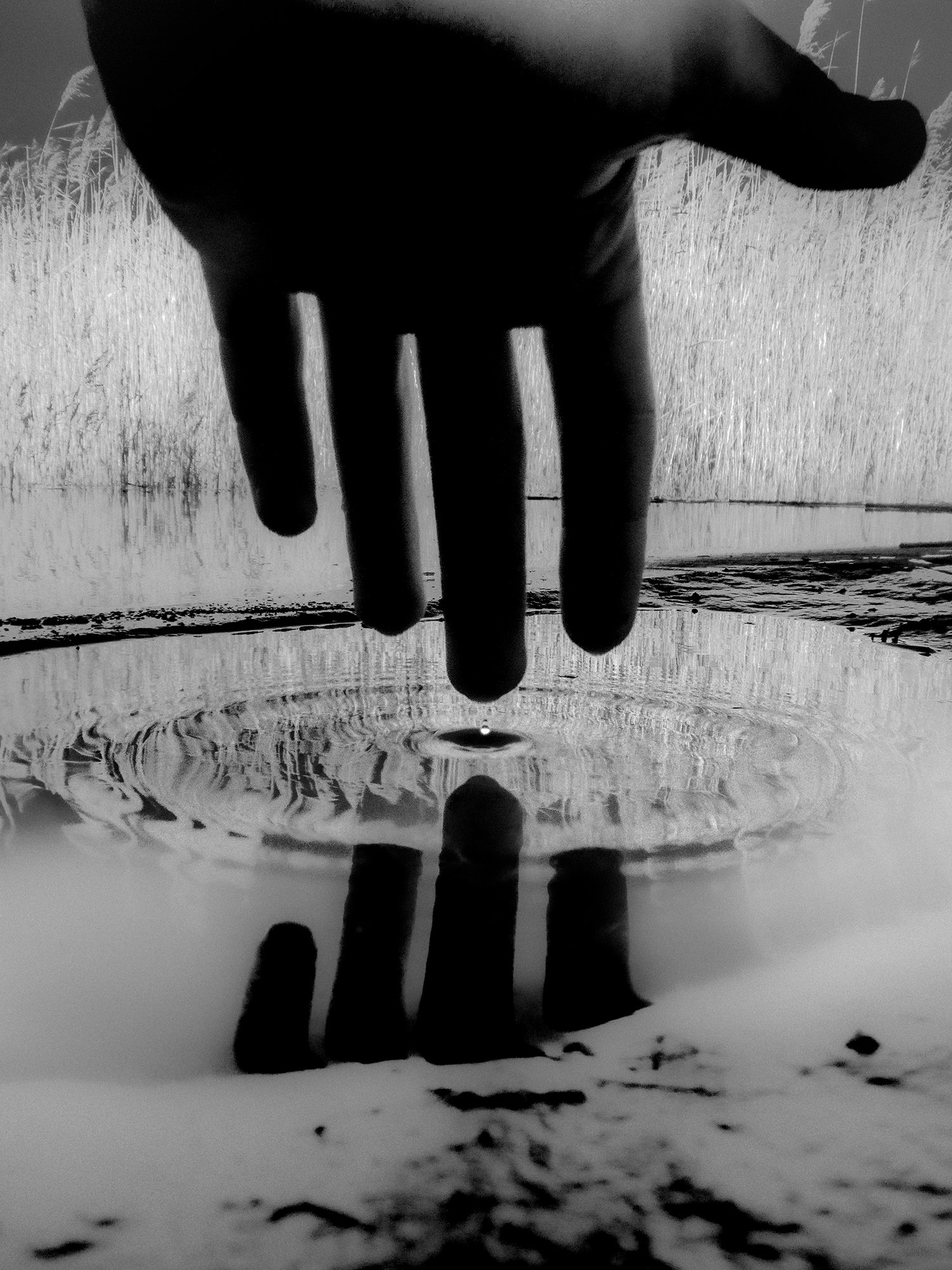
In one image, a hand reaches down to the mirrored surface of a body of water. A ripple breaks the water and a slightly distorted reflection of the hand can be seen. With each reacquaintance, we bring new versions of ourselves, wiser with the years, more nostalgic as time passes, perhaps more open to the new, new but familiar shapes appear.
For Gonzalez Camacho, surrendering to the work is a first step. “I don’t conceive of the photograph as something definitive, but rather as a starting point to be developed through several layers of experimentation until it materializes as a physical object,” he says. “It is almost as if I am just acting as a vessel for the work to unfold itself. You have to let go, see where the process goes and use your intuition as a guide.” As the weeping philosopher said, one can’t step into the same river twice, but what a gift to the senses to enter the flow alongside it, creating, unraveling, and becoming with each new turn.
Editor’s note: You Can’t Enter the Same River Twice will be included in Francisco Gonzalez Camacho’s solo exhibition at Pictura Gallery in Bloomington, Indiana from June 5, 2026 - August 28, 2026.