How can one explain the burning world we live in to the small hearts and minds who will inherit it? Is it even possible to understand it as adults? Can photography and image-making play a role? In these harsh times, characterized by violent and deeply-rooted, intersecting crises erupting across the world, there doesn’t seem to be a straightforward answer to these difficult questions. Even the word “difficult” falls short for what we face. In their Vulnerable Manifesto, Amsterdam-based publishing initiative Growing Pains grasp at other ways of describing these inquiries: “Urgent? Layered? Loaded? Fraught? Prickly? Confronting? Harrowing? Tricky? Awkward? Uncomfortable? Challenging? Heavy?”

If there’s one thing that is clear within this framework of uncertainty, it is that any attempt to answer that which seems unanswerable requires a strong dose of vulnerability. Growing Pains is a multi-platform organization that operates at the crossroads of artists’ books, photobooks and children’s books. And, as their name suggests, it is an experiment that places vulnerability at its core. Born out of a need to respond personally to Russia’s full-scale military invasion of Ukraine on the 24th of February 2022, it was founded by photography professionals Agata Bar, Daria Tuminas and Zhenia Sveshchinskaya.
The three founders share a love for photobooks. In the face of unfolding tragedy, the medium offered the potential of a quiet refuge for reflection—both backwards to the roots of the shattered present and into the possibility of a different future. Photobooks are powerful. They can connect, travel, act as catalysts for discussion, move through different hands and environments such as museums, libraries, schools. But above all, they invite us to read between the lines. All three were marked by the artist books made for children that they encountered growing up in Eastern Europe, speaking of how the form allowed for “forbidden conversations to happen on different levels,” addressing the complexities of the times in playful and elliptical ways that can speak to child and adult alike.
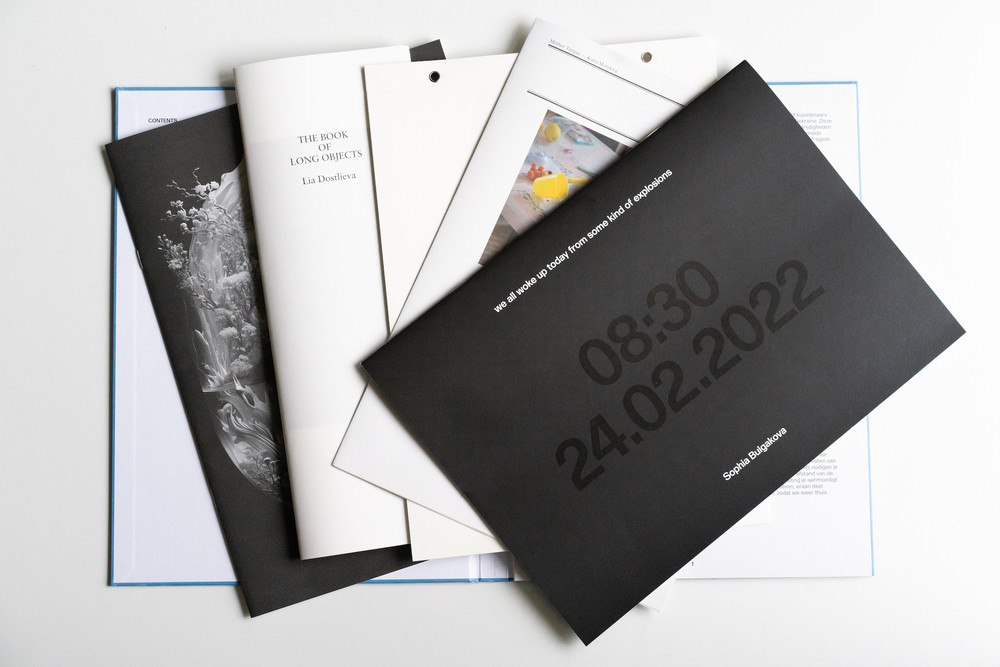
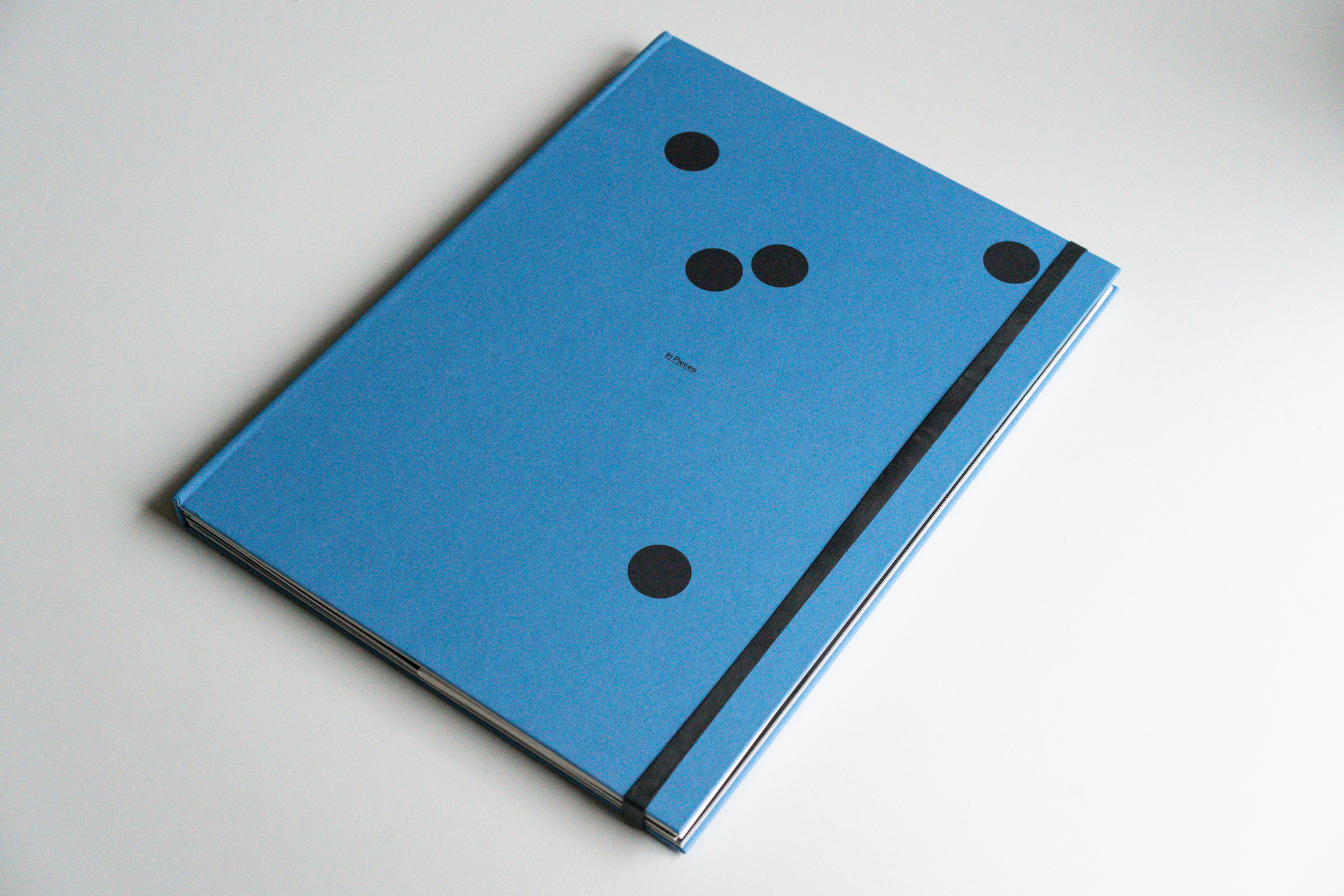
Two years down the line, the war still rages and Growing Pains have just published their first book driven by the need to respond to this historical moment. In Pieces is a collaboration with five female artists, working with photography, of Ukrainian descent based in the Netherlands. A diverse selection, Kateryna Snizhko, Lia Dostileva, Sophia Bulgakova, Ola Lanko and Katia Motyleva have all experienced the conflict from different perspectives and proximities, each with their own questions on how much or little they wish to engage with the issue that has indelibly shaped all of their lives. The desire to explore the childrens’ book as a format also served an important purpose for the makers too; it carved out a caring and experimental space to play, to wrangle with the demands of being an artist in times of war.
Growing Pains elaborate on this dual-aim by opening their definition of childrens’ books to books “made with a child in mind.” Inviting their collaborators to play with the term, each artist came up with their own relationship to the form. Some speak to the child within them, some to their own children, some speak as children about their mothers and grandmothers. Some wished to stay silent, some wanted to resist. Some reflected on intergenerational traumas, some created imaginary worlds for the future.
“We don’t want to be didactic or dogmatic. We don’t want to say that there’s an answer, but to open up discussions where plurality is possible,” the team explains. “That’s almost never pretty. But there’s growth!” Selecting artists based in The Netherlands, the team were able to keep things intimate, creating an artistic refuge where dialogue could take place—always unfolding around a shared meal, cooked together. The physical outcome of this collective effort is, like its name, a collection of fragments. Each artist’s contribution grapples with image and text “pieces” to weave together new meaning out of this shattered present.
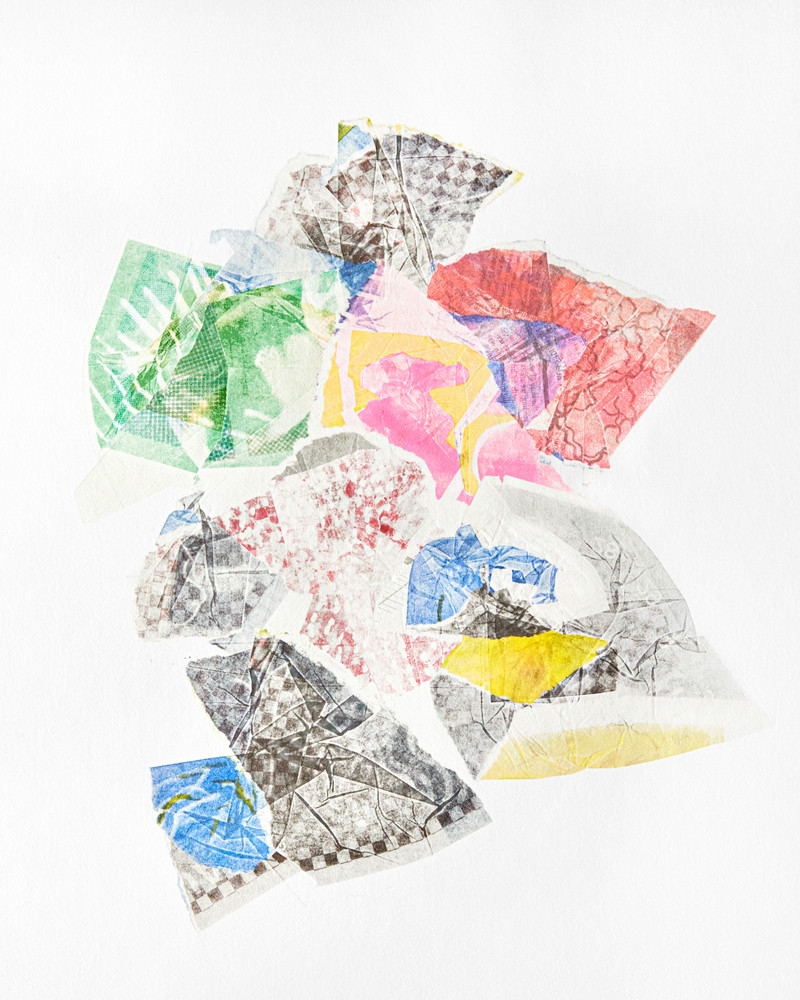
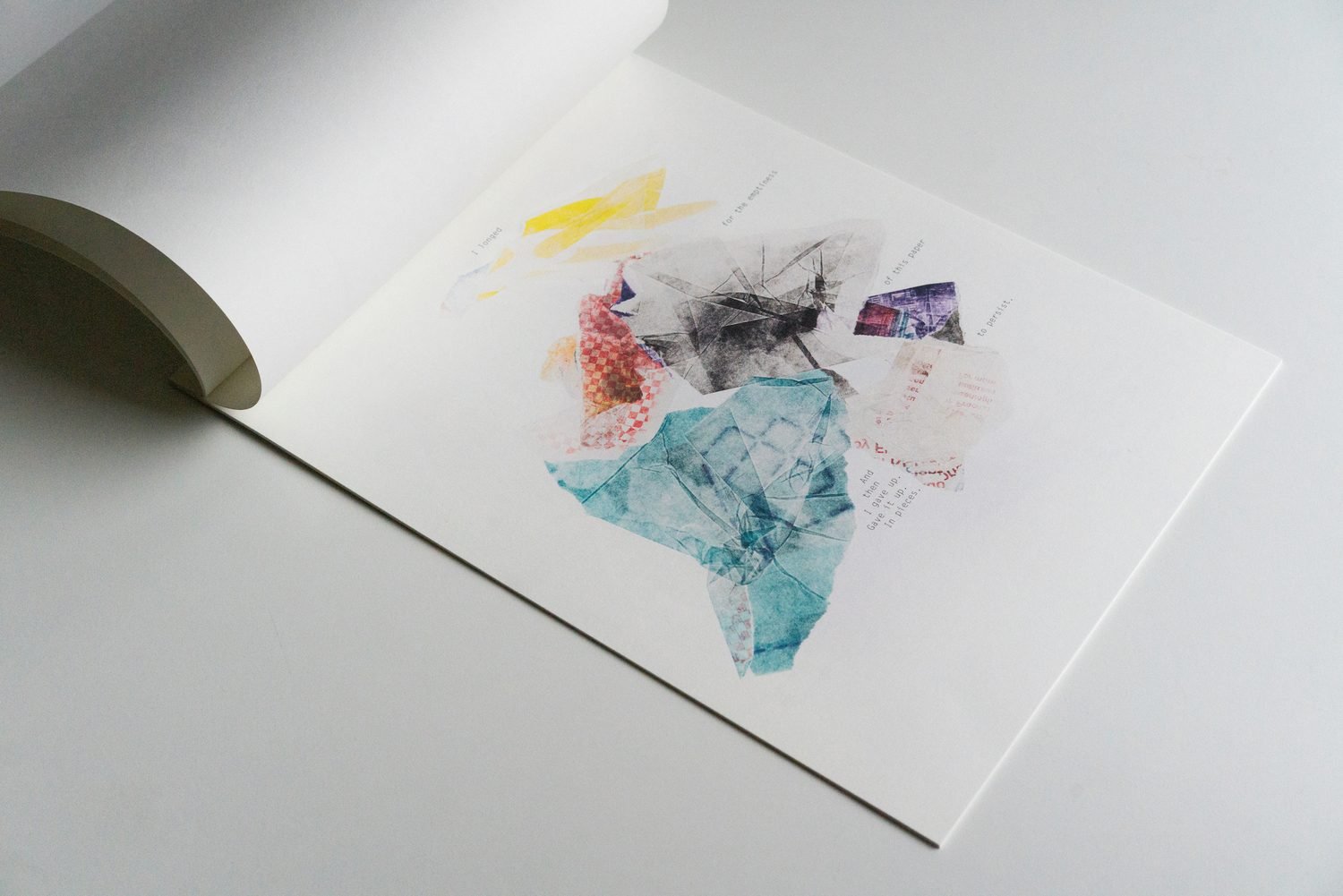
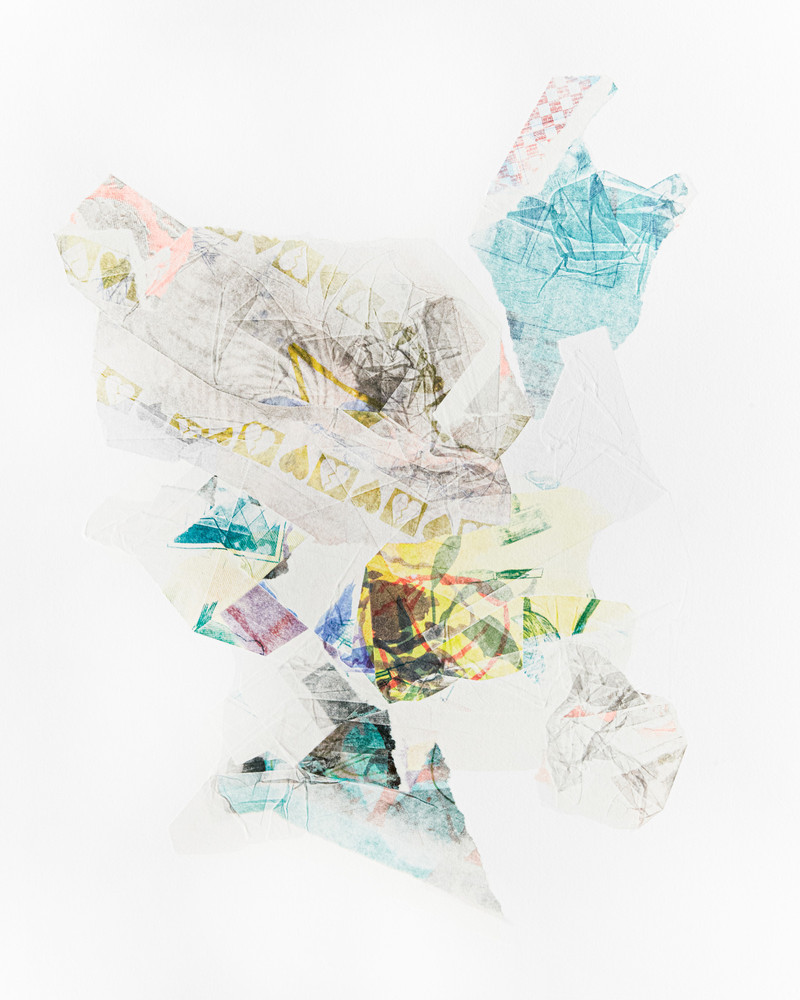
In I wish this page had remained blank by Kateryna Snizhko, chunks of text surround lumps of flattened paper created out of riso printing leftovers, bruised with an assortment of bright colors. “Each abstraction has been made out of pressure,” she says, gesturing both to the color crushed onto a blank slate and the weight of trying to express the flood of thoughts and feelings she lives through daily. Once unblemished, the empty paper has become a victim of expression. In the text that snakes around this crumpled, “wounded” paper, Snizhko ruminates on the near-impossibility of speaking during this moment of unbearable silence, the thousands of images of war that cannot be unseen, her wish to evade filling the page.
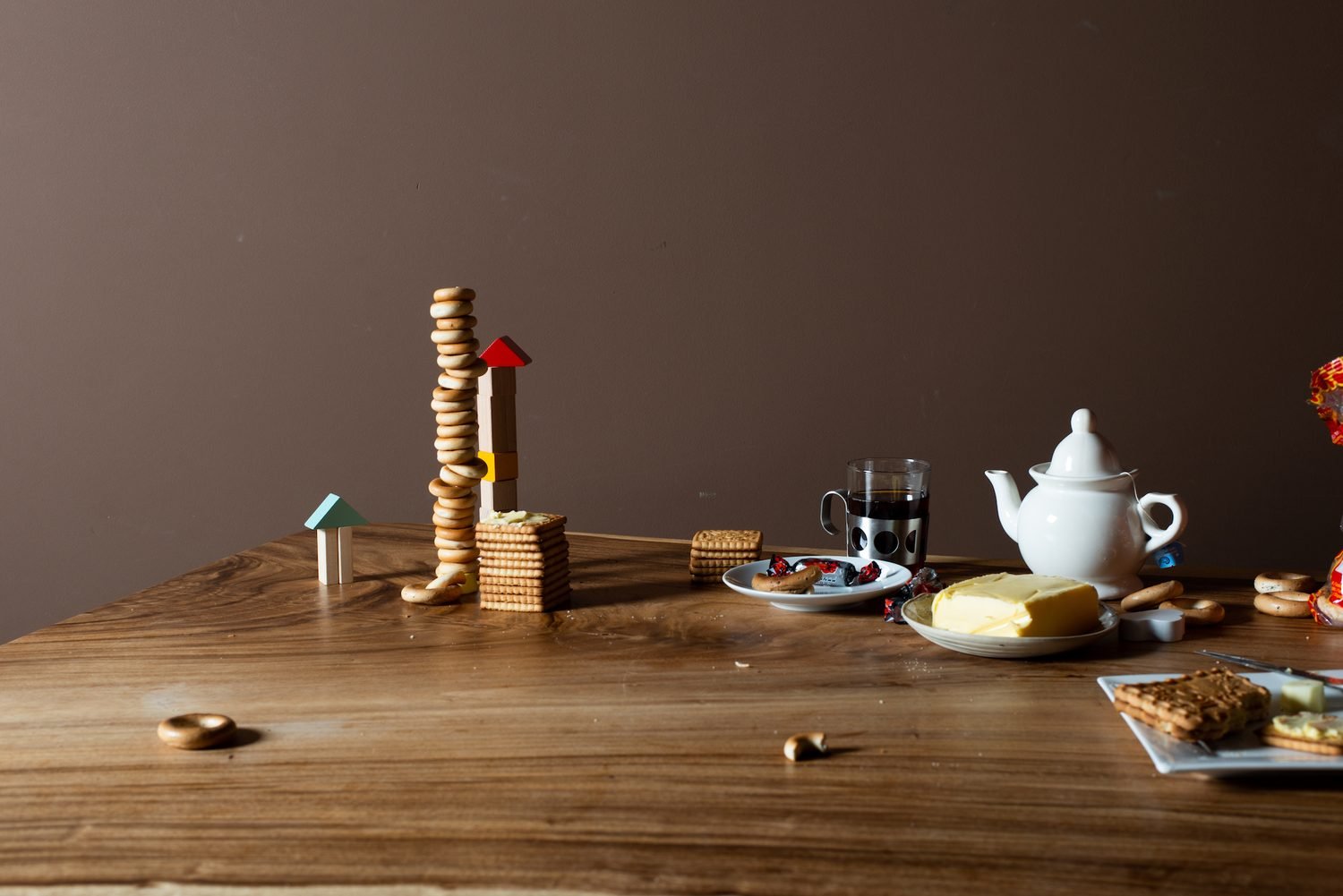
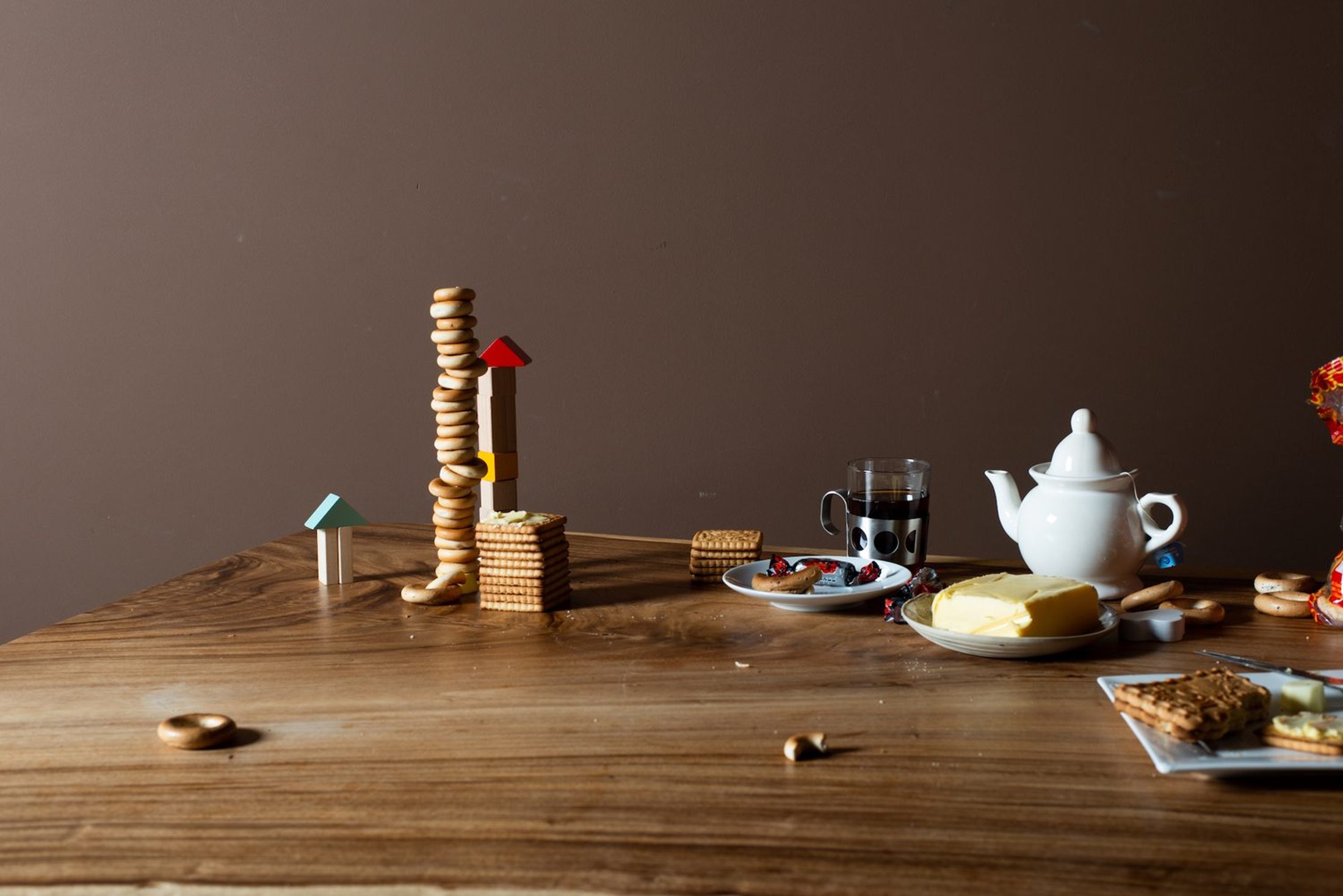
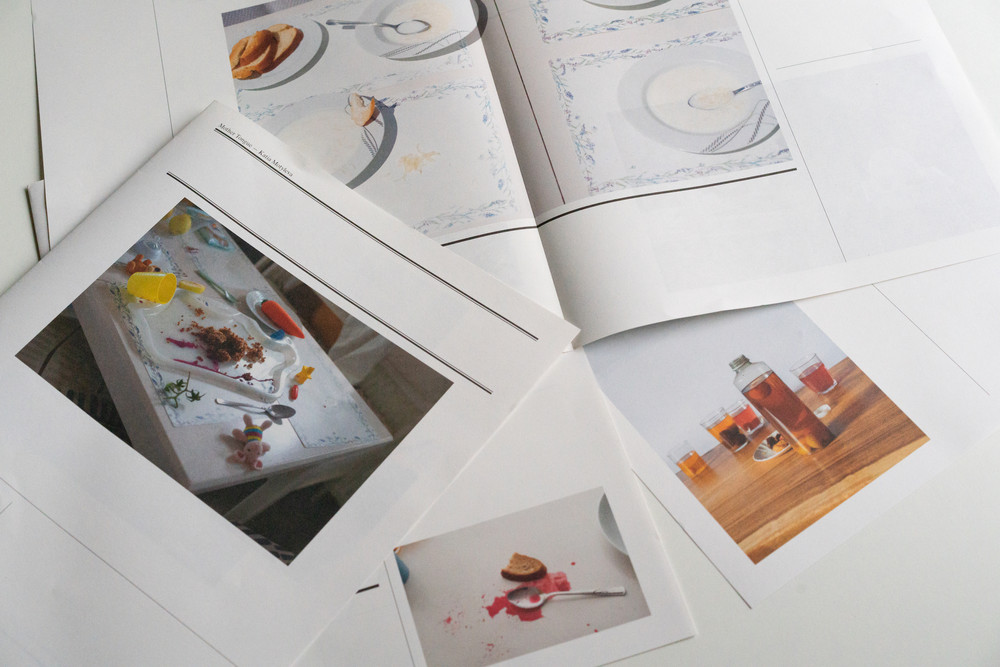
In Katia Motyleva’s Mother Tongue, it is in the kitchen that the stains of conflict are found. Documenting the messy aftermath of her daughter’s mealtimes, Motyleva’s daily ritual of nurturing her child is haunted by the trauma of several generations of her family. Colorful eruptions of leftovers become charged still lifes, accompanied by the moving poem Mother Tongue by Lyuba Yakimchuk addressed to her daughter, in which she reflects on the messages that linger in home-cooked meals and the act of cooking.
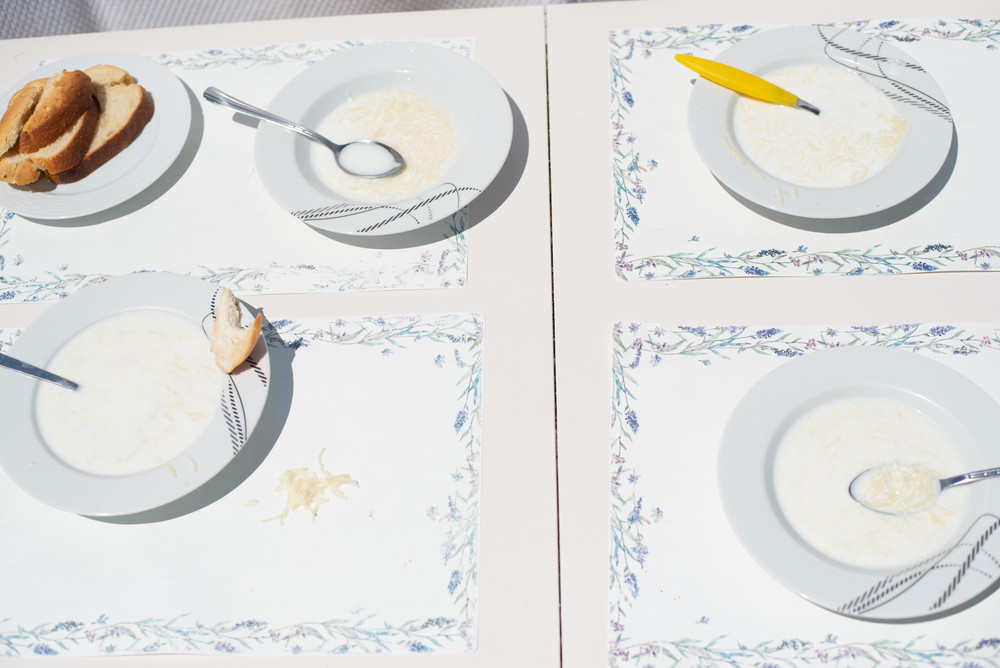
In eating family recipes, they were “chewing through history;” a commemoration of the starvation, suffering, survival and resistance of her relatives and a reminder that food is a matter of life and death, of pleasure and nourishment. Motyleva’s contribution also ends with a wish for the future; that in giving her child this “explanatory dictionary of food” she can break the cycle of “eating for all the dead relatives” and eat for herself.
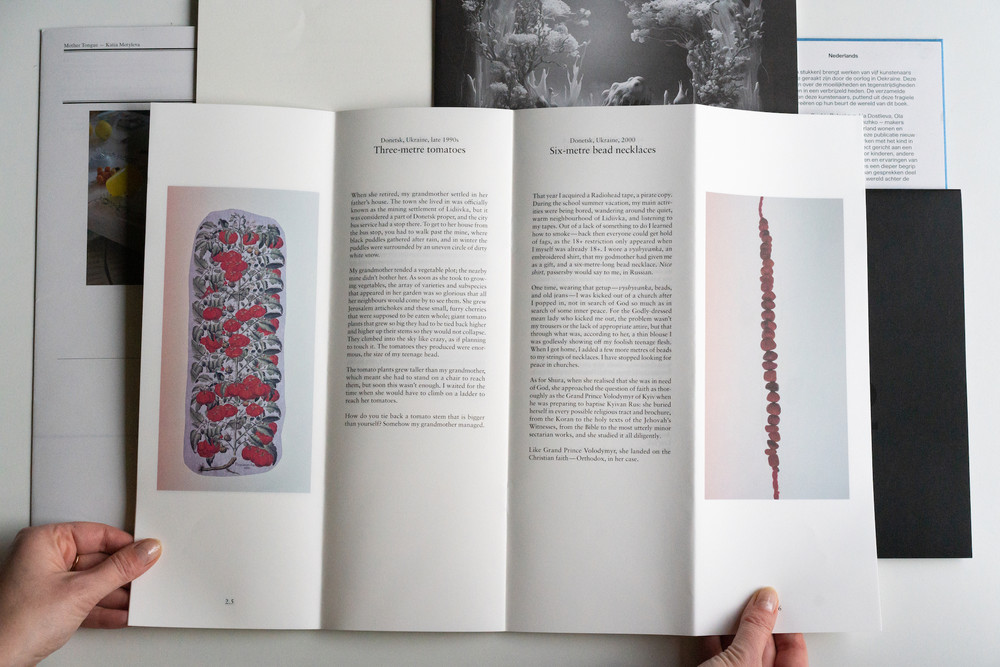
The Book of Long Objects is pieced together by a daughter and granddaughter, Lia Dostlieva. A testament to her female relatives, her scattered memories of lives displaced at the hands of multiple occupations take on a folkloric quality. Each short story is paired with a still life, shot in a typological style against a glowing gradient, feigning the quality of photographic evidence. The odd “long objects” in question, however, feel like they’ve been plucked from a fairytale; a leech burrowing through an eye, a stocking darned from hair.
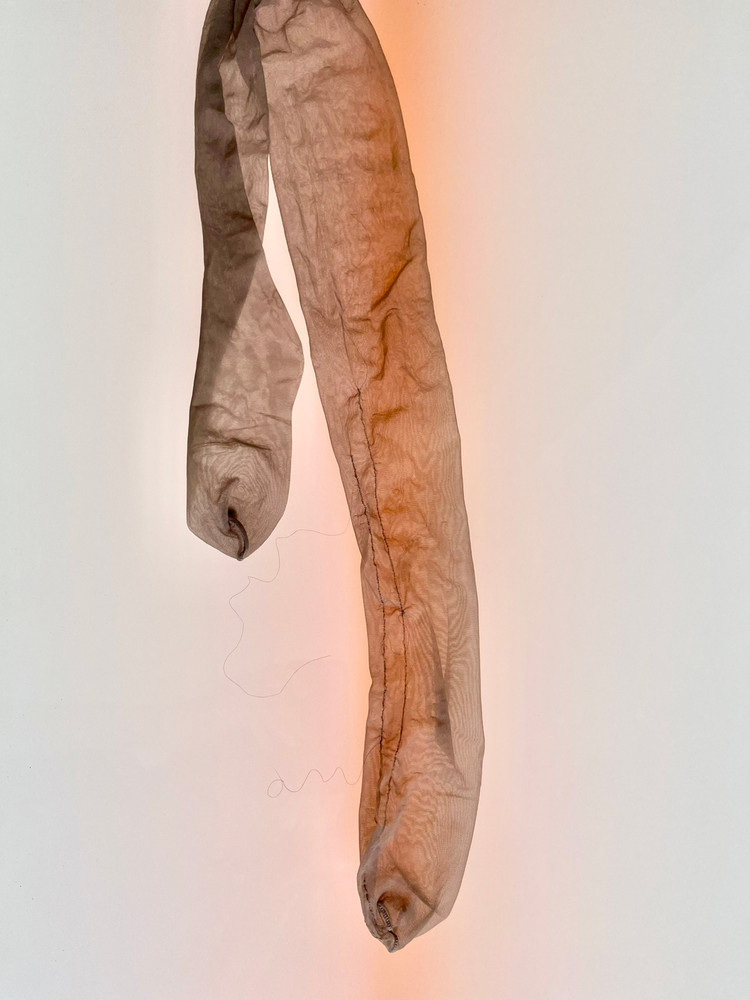
From her great-grandmother’s journey from Ukraine to Uzbekistan in 1941 to her family’s recent evacuation to Lithuania in 2022, Dostlieva darts between time and space, interweaving the many journeys her family were forced to make away from their home and preserving small acts of freedom, survival and care in the face of erasure. A question posed in one of the fragments, “How could a woman protect herself during war?,” resonates throughout these journeys. In some way, the photographer answers by remembering her family’s everyday gestures of resilience.
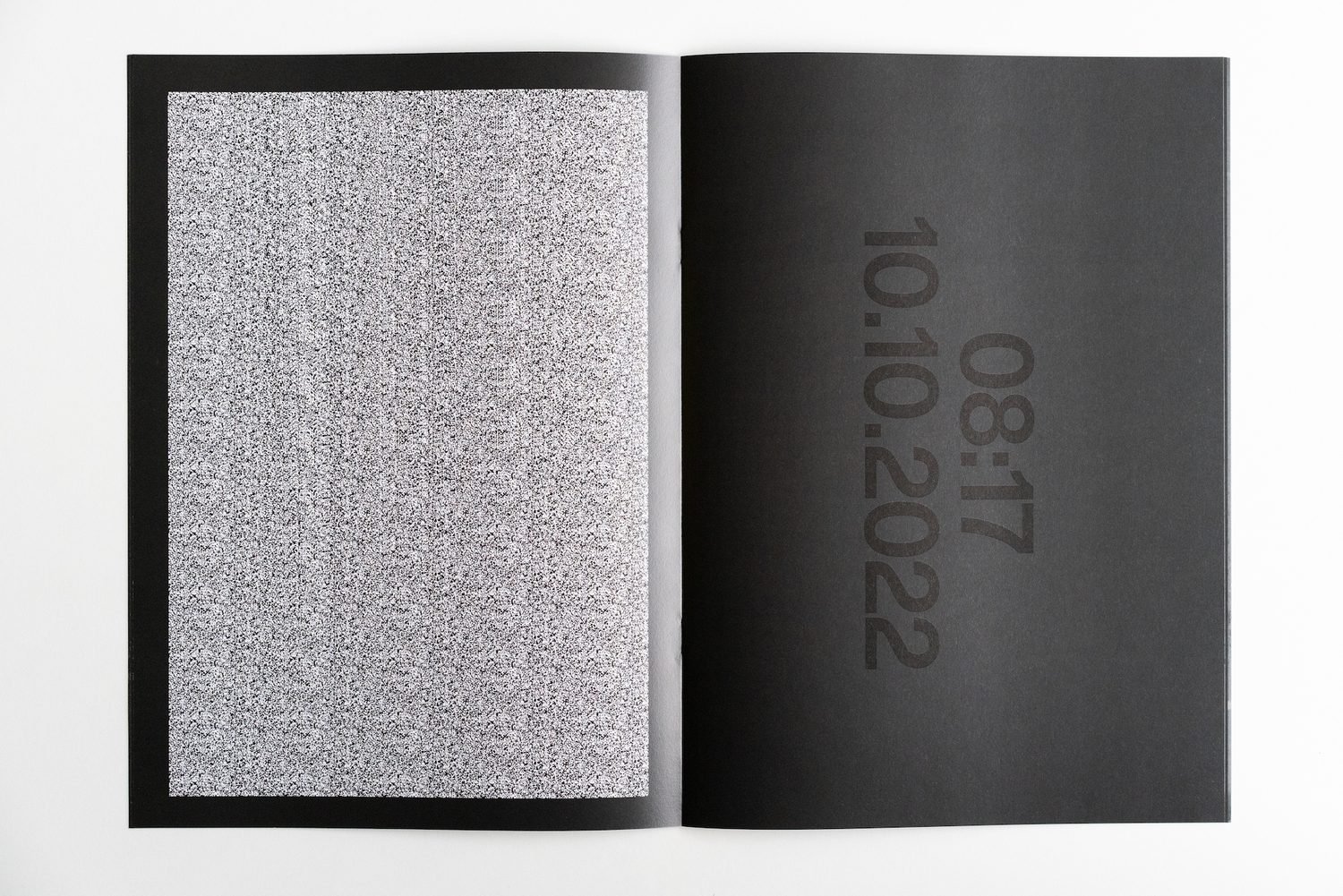
Where Dostlieva builds an archive of stories from past and present, Sophia Bulgakova’s we all woke up today from some kind of explosions inhabits the chaotic stream of instant messaging that has characterized this generation’s experience of war. Since leaving her hometown of Odesa and eventually moving abroad in 2014, the artist has been in a group chat with her childhood friends Di and Li. On February 24 2022 at 8.30 in the morning, the usual stream of life events and chit chat was ruptured by a message from Di: “we all woke up today from some kind of explosions.” The time-stamped ‘images’ that fill Bulgakova’s pages seem like a glitchy cloud of visual noise.
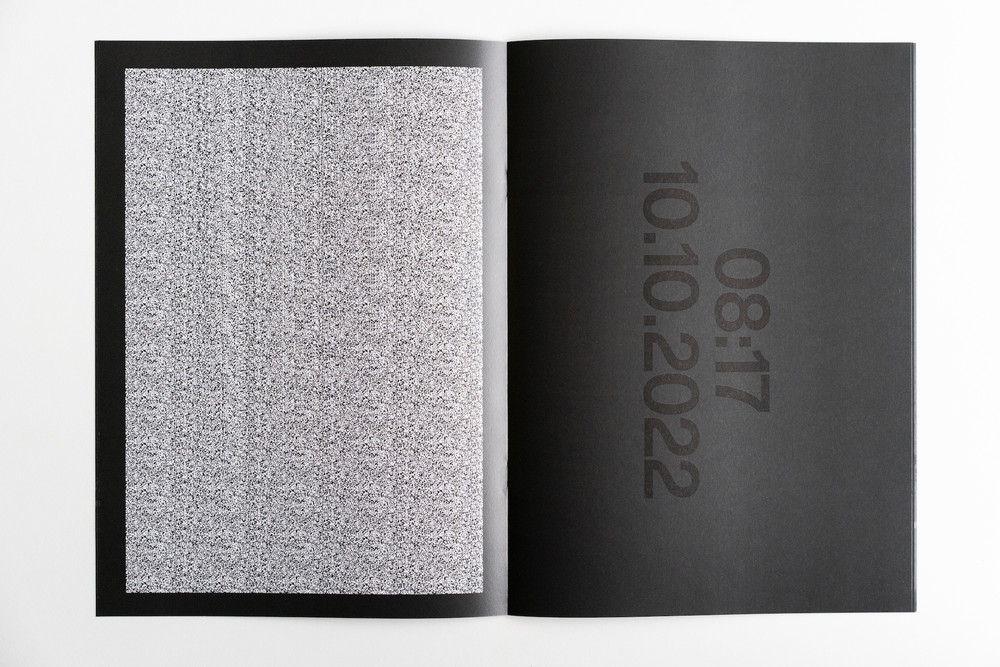
Yet buried in each sea of gray is a message. Sublimating fragments of text from her group chat, these 14 scrambled squares are actually stereograms—a medium popular in her childhood, often hiding naive, colorful visual surprises. Calling viewers into an active role of pausing and focusing in order for the text to reveal itself, Bulgakova makes the distant lens through which many have experienced this conflict part of the viewing experience. “This project reflects a possibility, or even the necessity, to find each other. But only if you want to,” she says. Saving these snippets from the continuous flow of messages becomes a tender act, preserving the correspondence into a reflective experience.
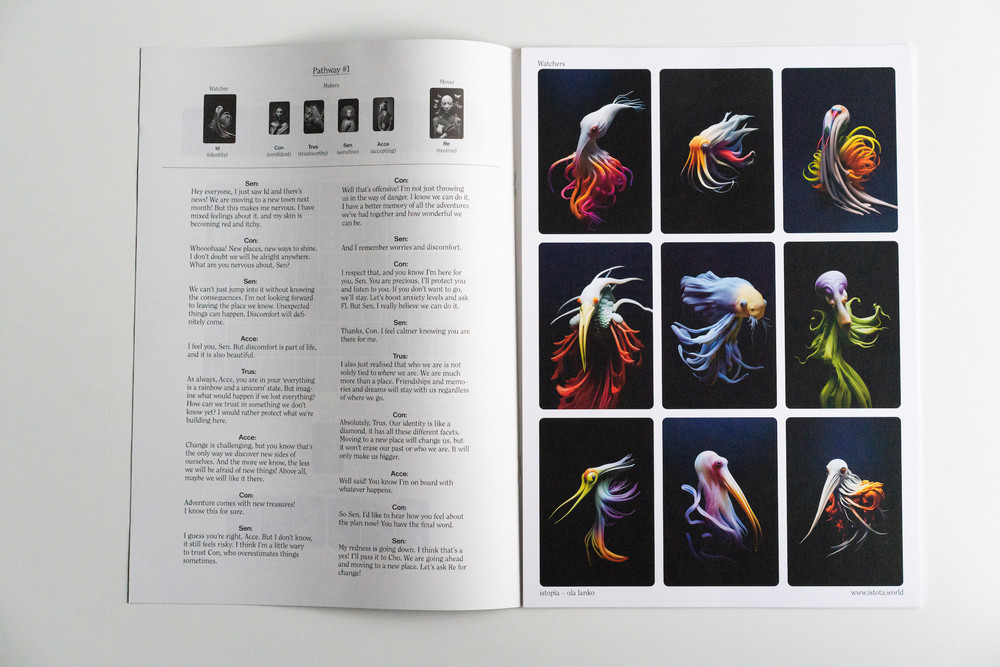
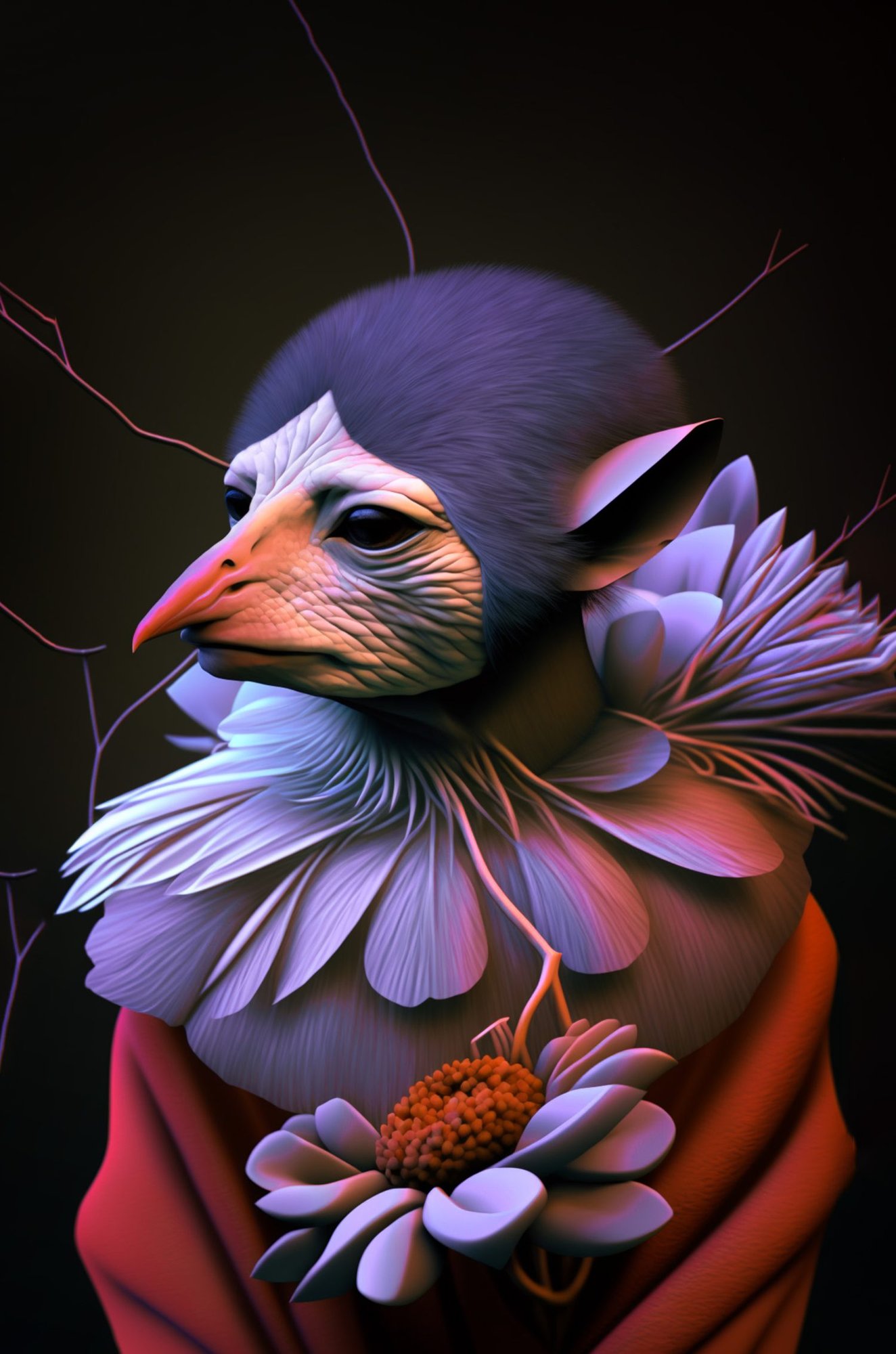
The anthology ends with a new beginning; Ola Lanko’s istopia is a game that invites adults and children alike to turn inwards and become friends with their emotional landscape. The artist dreams up a vast imaginary world where our feelings, thoughts and contradictions become ‘istotas’—characters that are in charge of how you move through the world. Working with AI to generate what this world looks like, Lanko’s istopia transports us to a magical realm in bloom that is populated by weird and wonderful beings. But the experiences one faces in this new world, and the skills we need to overcome them, are not unlike those we come across here.
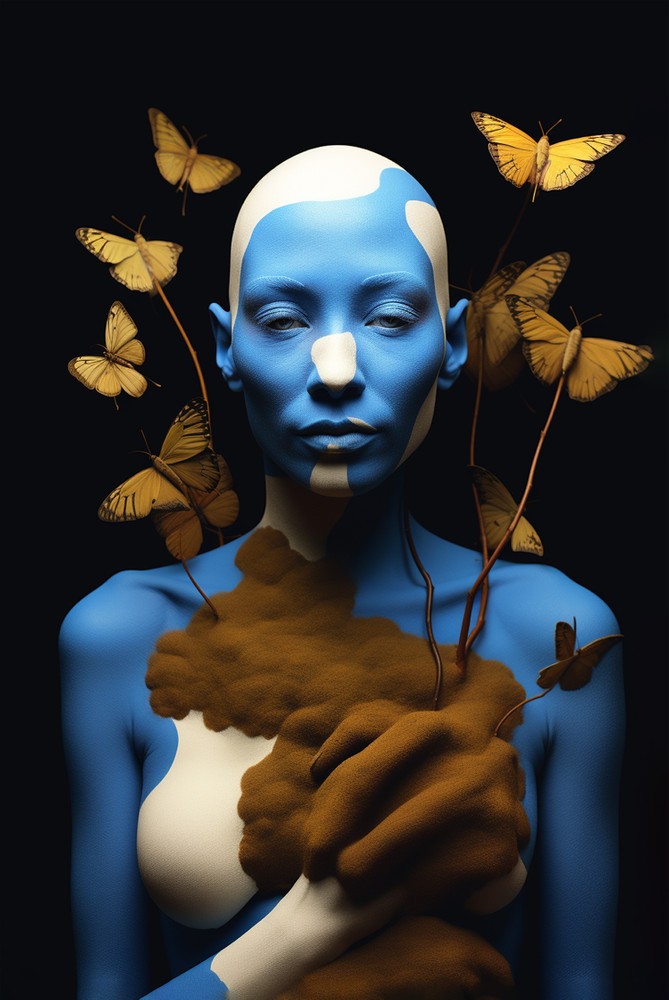
The game tackles the idea of having to move to a new town; each emotion is voiced by a character, inviting the player to work through the layered, complex reaction one might have in such a situation. Reading the dialog between different hopes, fears and anxieties, players encounter a range of skills that might lead to greater self-understanding. Istopia brims with resilience and resistance, framing some of the emotions and topics we have come across in the previous projects in a different light. Lanko gives bodies and voices to the invaluable “superpowers” that need to be cultivated to endure harsh times.
Seen as a whole, In Pieces is a portal that invites us both in and beyond the present moment it was created to respond to. It playfully weaves together the many threads that lead up to now, and in doing so, brings to life a tapestry of everyday heroism—embodied by the women that the artists were brought up by and the women they have become themselves, who share their experiences through their work with courage and generosity. In Growing Pains’ wider vision, both the pieces and the publication they make up, are the starting points for events, discussions, encounters and exhibitions ensuring the project still has many different lives to lead.
ISBN: 978-90-833635-0-9