
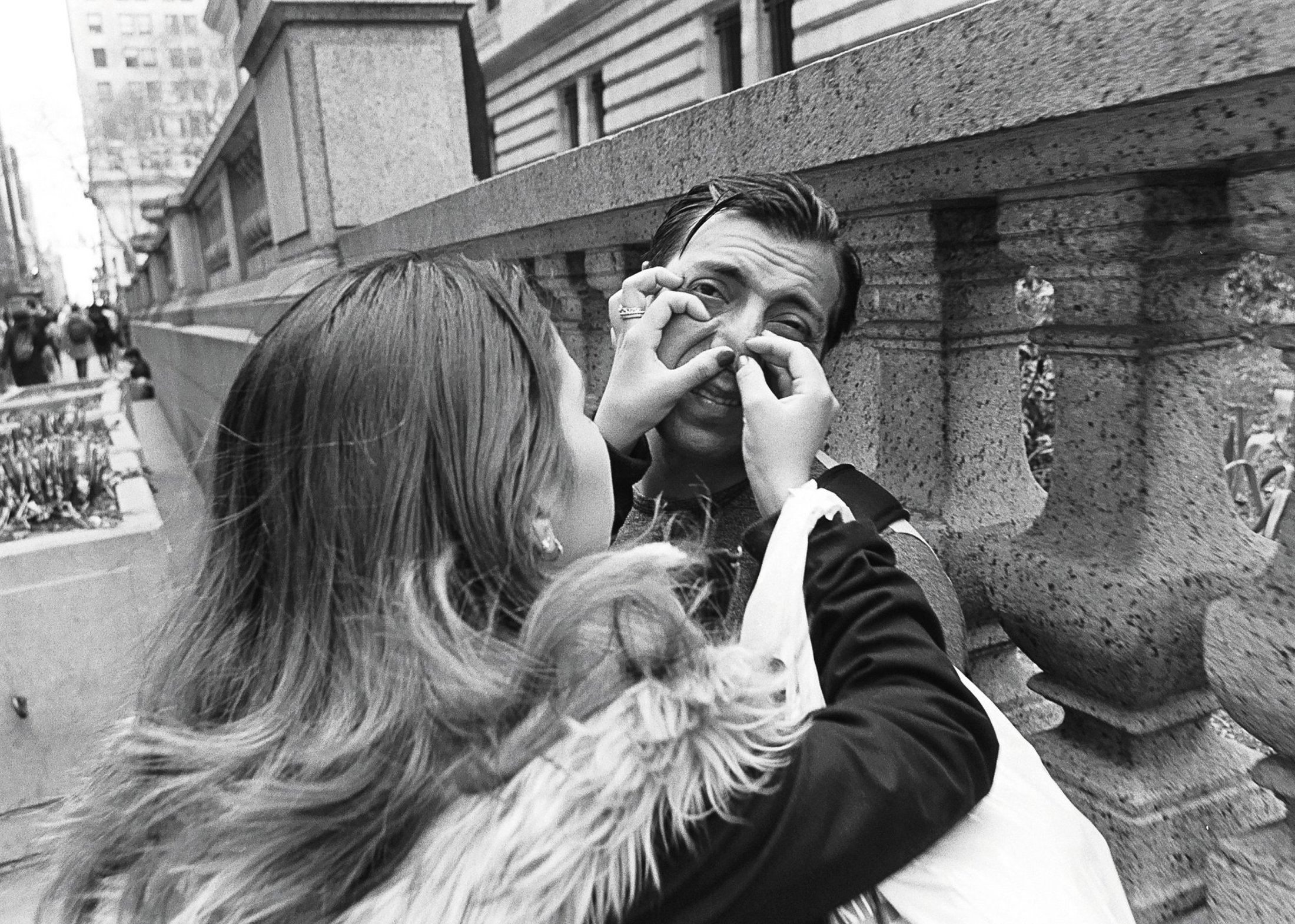
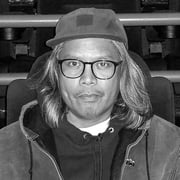
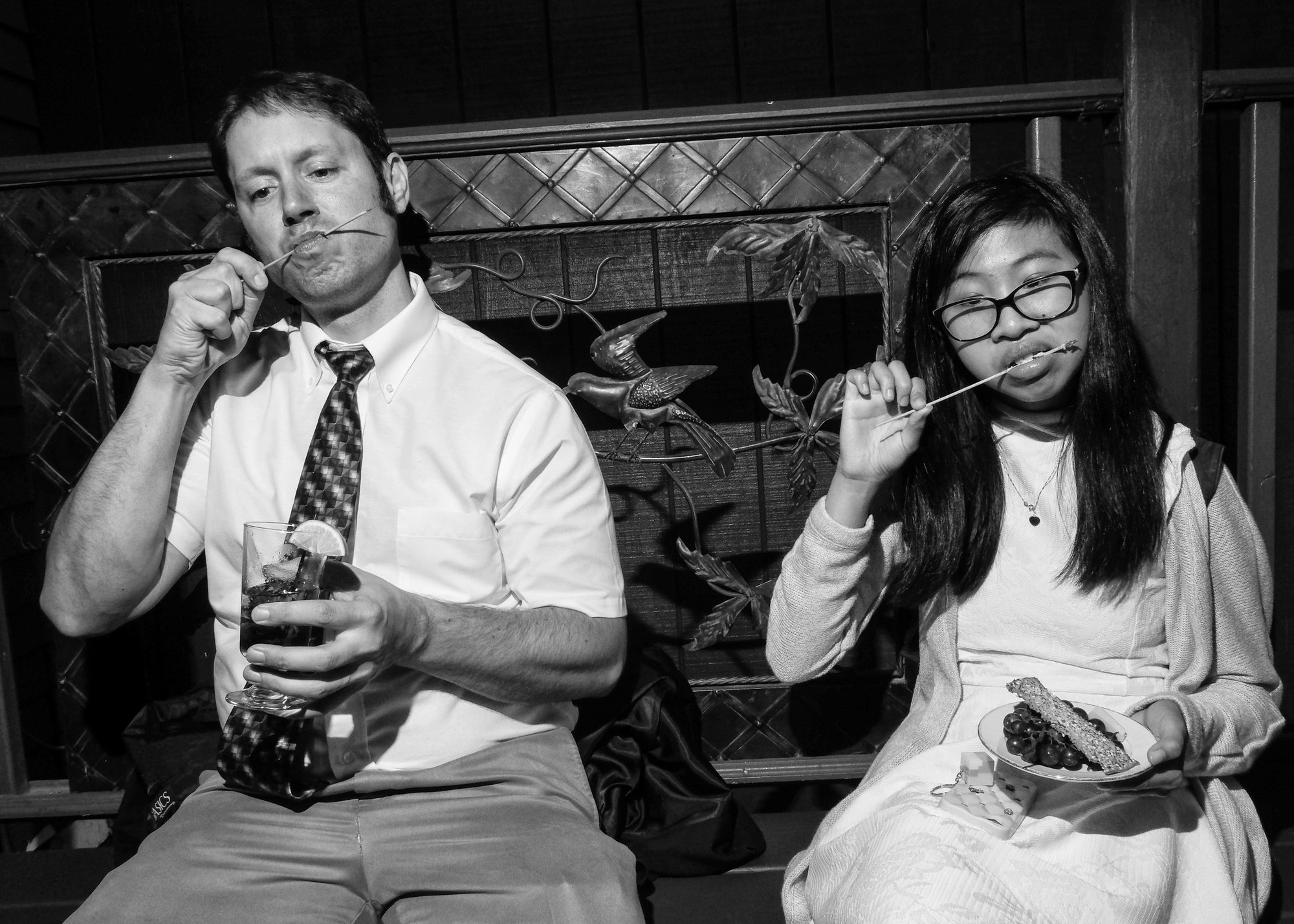
Ray Potes has been the driving force behind Hamburger Eyes for nearly a quarter of a century now. The format hasn’t changed much, but each issue feels fresh, alive, charged with energy, and infused with a goofy tenderness for simple and strange moments of life from all over the planet. The photos are always black and white, and the design is all about the pictures.
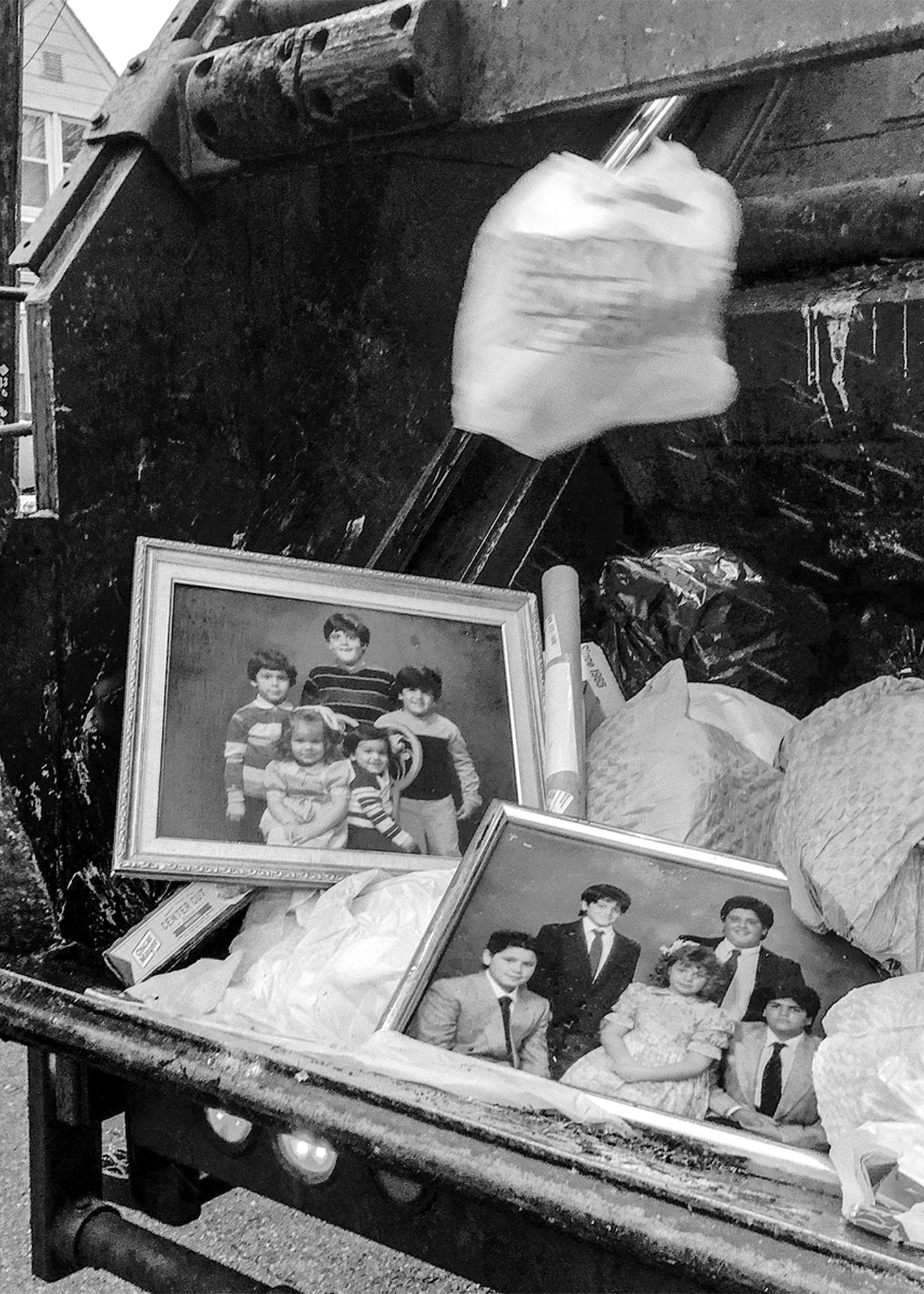
We’re honored that Ray agreed to be part of this year’s jury for the LensCulture Black & White Awards. LensCulture’s editor-in-chief, Jim Casper, spoke with Ray for this interview. They talked about zine culture, book publishing, the magic of black and white photography, Hamburger Eyes’ contribution to a big show at the San Francisco Museum of Modern Art, and the ever-expanding community of photographers worldwide. Here is an edited version of their conversation, along with 17 photos that have been published in previous issues of Hamburger Eyes.
Jim Casper: I think I first met you in the early two thousands when you and Hamburger Eyes were hosting great photo parties in San Francisco, south of Market.
Ray Potes: I think it had to be like 2003 or 2004.
JC: Yeah. You got me excited about photography, and it was such a nice scene back then. You were always showing lots of different kinds of photography, and the people who showed up at the opening parties were really interesting. There was punk music and beer. Everything came together really well.
RP: Yeah. It was so simple back then.
JC: And now you’re being featured in a really long-running show at the San Francisco Museum of Modern Art!
RP: Yeah. It’s been great. The people at the museum were planning for a San Francisco show, the f.64 show, so it was like Ansel Adams and some of the people in his crew, and then the surrounding people of f.64. It was all San Francisco related — the whole photography floor at the MoMA. So they wanted some contemporary stuff and then we ended up having a Hamburger Eyes wall there as part of the exhibit.
JC: Whose work did you show?
RP: It was a bunch of people from the Hamburger Eyes universe, people that we’ve published over that past 20 years or so. We had made a book called SF Eyes, and it was all San Francisco photographers and photos of San Francisco. So that book helped us get this show at the museum.
JC: It seems to me that you’ve always been really smart with your do-it-yourself promotions and making things happen.
RP: I don’t know if it’s smart or just being lucky. I feel lucky. I have friends that work at the museum, so I feel like our name was thrown in the hat when they were looking for San Francisco people.

JC: Tell me a little bit about how you got started. What drew you to photography, and also what drew you to making the zine?
RP: Well, two things. One, my family always had photos going. We had a point-and-shoot family camera every time we had party at our house or whatever. It was so fun to take the rolls to Costco and come back with all these prints. That’s how I kind of got into it. I’m Filipino, so I have a big family. We’d have huge parties and everybody was just passing the camera around. So that was always fun.
RP: I’m talking elementary school. I would always be grabbing the camera and then probably by age 14, my dad gave me an SLR that he had. He bought a new camera for himself and I got to keep the old one, which is a Minolta, and that’s how I got started. Then by high school I was taking photo classes and heavily into skateboarding and punk music. And those cultures were already making zines, and that’s just how I got into it.

JC: As I remember, even your early zines were feeling really professional even though they there was a grittiness to them, they always felt like a big step above the ordinary. Through you, I discovered that zines were an interesting way to experience photography and to look through someone else’s eyes at what the world looks like for them.
RP: We got lucky with that too. So we were doing photo zines that were Xeroxed and stapled. I worked at Kinko’s and my brother worked at some kind of reprographics place. We quickly became friends with the guy who ran the offset printing press. I think Hamburger Eyes issue number 5 was when we started working with him. And that’s when it changed from being a low-cost handmade zine to offset printing: It was really nice, really expensive. Their minimum was a thousand copies. So we were making a ton of copies at a time.
But then 2008 happened, when the economy crashed. We took over a darkroom space here in San Francisco. I was printing out a lot. This woman that ran it, she’s like, I’m closing. You guys want to buy any equipment? And we’re like, no, we’ll help you stay open. We ended up taking over the darkroom and turning it into a little gallery space. We did that for a few years. But the economy had taken Hamburger Eyes into a different route. So we went back to making stapled paper zines. But by then digital printing had become better and a lot cheaper. So now we’re doing digital print runs.
JC: In addition to Hamburger Eyes, you also publish Ray’s Reports, which features only your own photographs and text.
RP: Yeah, that started off as a blog. I don’t know, I go back and forth about Instagram, like hating on Instagram or using it. And then I think when I left San Francisco, in 2015, is when I started a blog and I just called the blog Ray’s Reports. And then sooner or later I started making the physical copy of the blog.
JC: Hamburger Eyes doesn’t have much in the way of text. It’s really largely photo driven.
RP: Yeah, the only text in there is the photo credits.
JC: And what’s your philosophy behind that?
RP: When we started there were already several magazines that I liked a lot. That’s kind of how I got into it, just being in love with magazines in general. But there’s always once a year, the “photo issue,” a lot of magazines do this or the “Year in Pictures” issue. T
JC: It’s a great format. It’s just great. How would you describe the kinds of photographs that you’re interested in?
RP: Well, I grew up wanting to be more of an assignment photographer or a documentary photographer. I thought I was trying to be a photojournalist, even though I didn’t go to college or anything. But that’s what I was pursuing in my twenties. I lived in Hawaii for a while. I got some photos in the Honolulu Weekly. I got some photos in the Honolulu Star Bulletin. Then I came to San Francisco and I couldn’t get any jobs. But meanwhile, I started Hamburger Eyes, and I started picking up steam again. So it was like this back-and-forth thing.

JC: And you really built a community around it. I mean, you had these events that were really nice events and it seemed like everyone knew each other. They were really happy to be meeting each other and inspired by each other’s work.
RP: That’s probably the best part of this, is just meeting like-minded people and becoming friends with them.
JC: Tell me more about what you look for, and what makes a good photograph for you. Why black and white? And what elements in a photograph make it interesting for you?
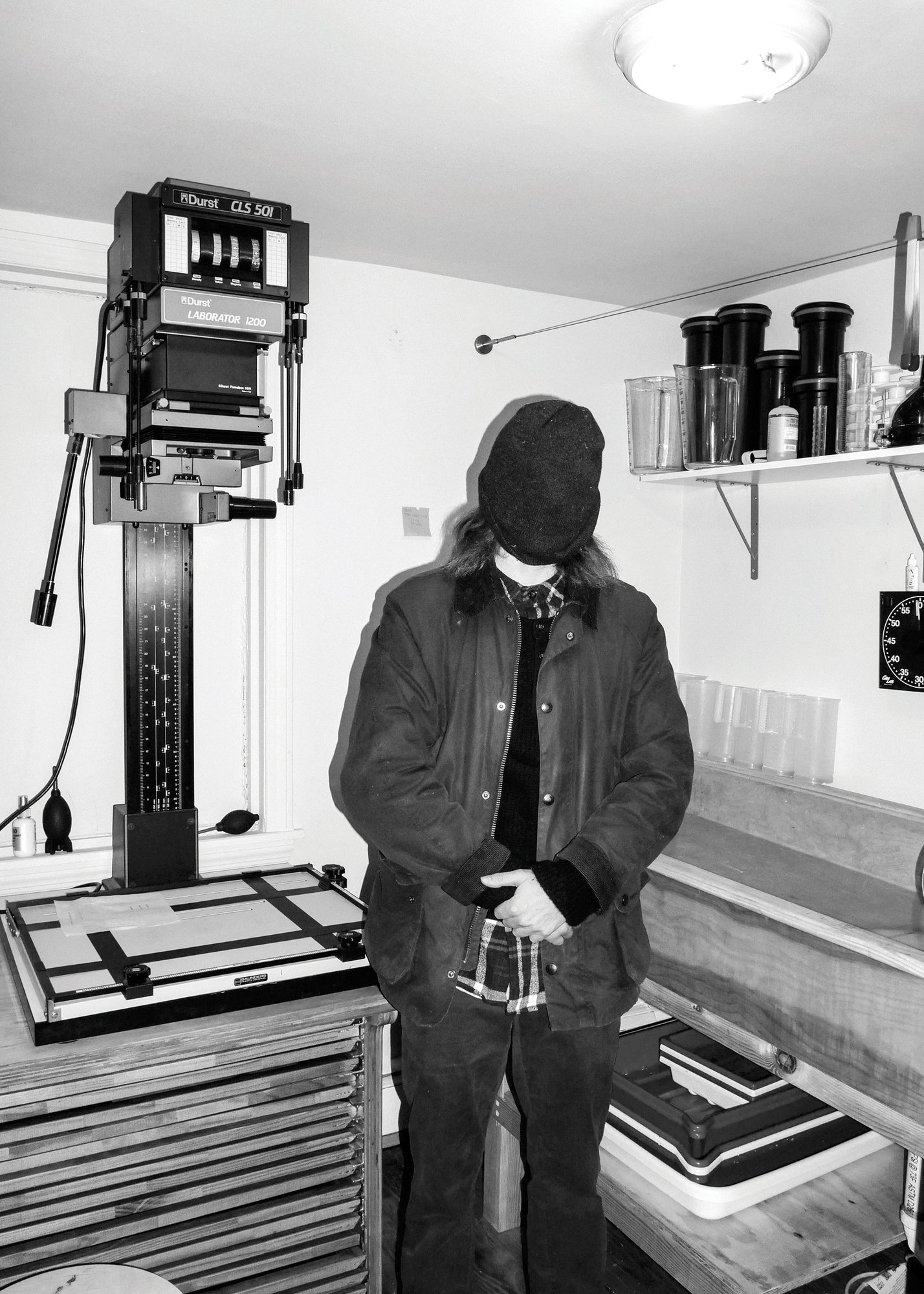
RP: It’s hard. I mean, this is what photographers stay up all night discussing. It’s kind of the reason we’re still doing this is to try to find those type of answers. I don’t know, it’s cliché, but I fell in love with black and white in the darkroom, just seeing the images come up out of the liquid. And those were the kinds of photos that I fell in love with when I was first getting started. When you’re studying photography at a young age, you’re getting into the darkroom and you’re getting into Robert Capa and Henri Cartier-Bresson. And those styles of photos were always black and white. And people like Garry Winogrand and Lee Friedlander. And then you just kind of feel, once you start shooting and collecting those type of photos, just, I don’t know, I got stuck. I don’t really have a good answer of why I don’t shoot that much color.
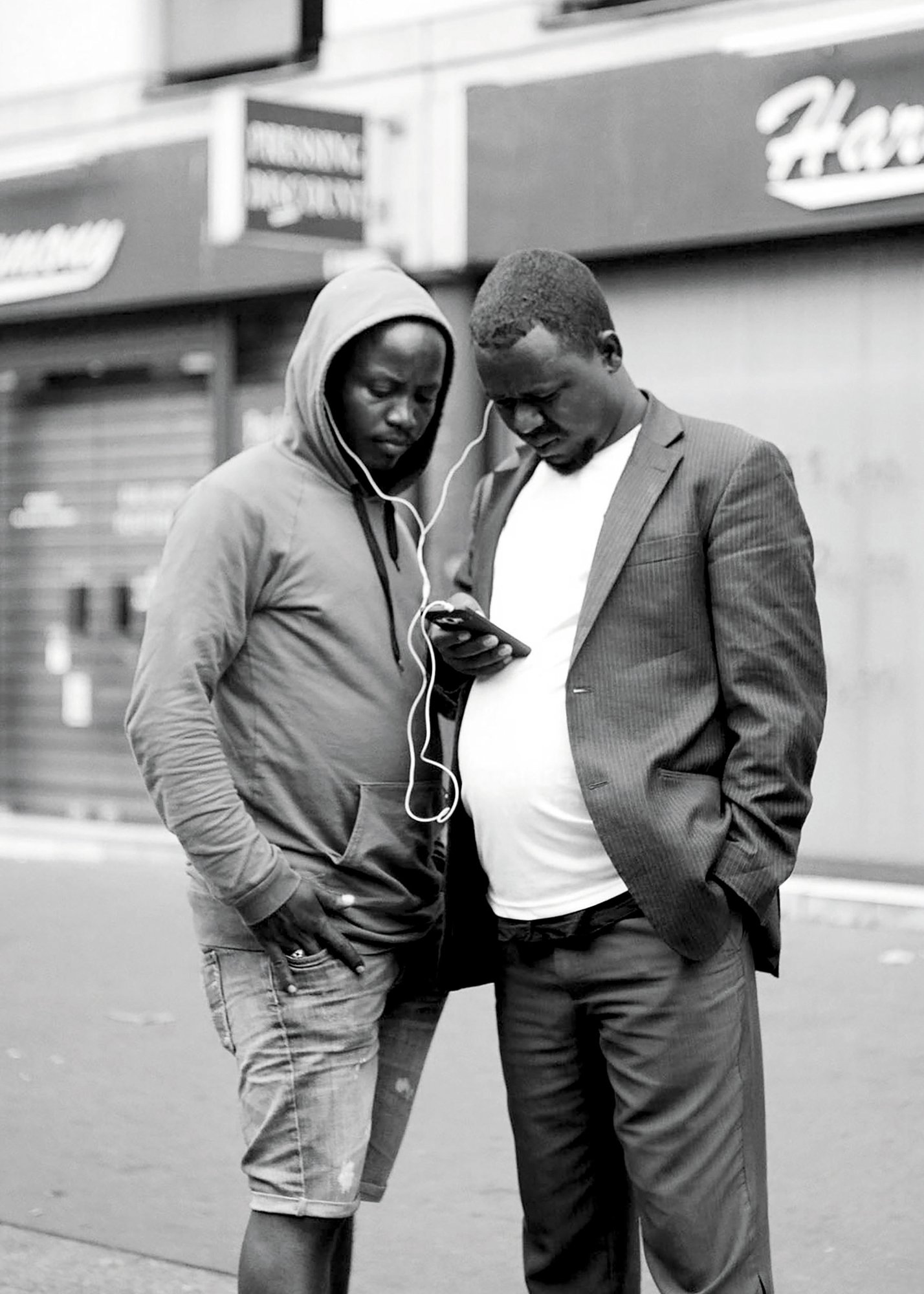
JC: Yeah, that’s fair enough. When I talk with people about what you do, almost every time someone says they like how Hamburger Eyes is gritty. It’s in the streets. It feels like it’s now. It’s not planned. It’s just these kind of unusual, funny, weird, nice emotional moments.
RP: You describe it better than I could. Yeah. That’s the funny part though, too: I don’t shoot a lot of that gritty stuff myself. But meeting photographers, that’s another thing is you meet photographers and they have this amazing work that no one’s ever going to see. So it’s fun to be able to publish it and share that stuff. Or they might be a photographer that shoots studio photography for their day job, but on the weekends they’re shooting this other stuff and I get to see it and publish it.
JC: And it makes a difference. It’s really a nice way to get to know someone through the pictures that they make. Yeah, it’s really seeing through their eyes.

JC: Earlier, you mentioned the darkroom. Are you still using film or do you shoot digital?
RP: No. So we had the darkroom here in San Francisco, but it closed finally. I was kind of sad about it. But since then I’ve been shooting digital and that’s been fun too. It’s a whole different thing and it’s fun learning it and playing with different cameras.
JC: Have you found that your approach changes from digital versus film?
RP: Yeah, kind of. Especially with phones. I feel like the phone has kind of changed the way I shoot photos. I shoot vertical more. I like long lenses now. I like to zoom in on my phone and now I want to buy long lenses for my cameras! So weird little things like that have kind of changed, but I feel like I’m still kind of, for my personal stuff, kind of the same.
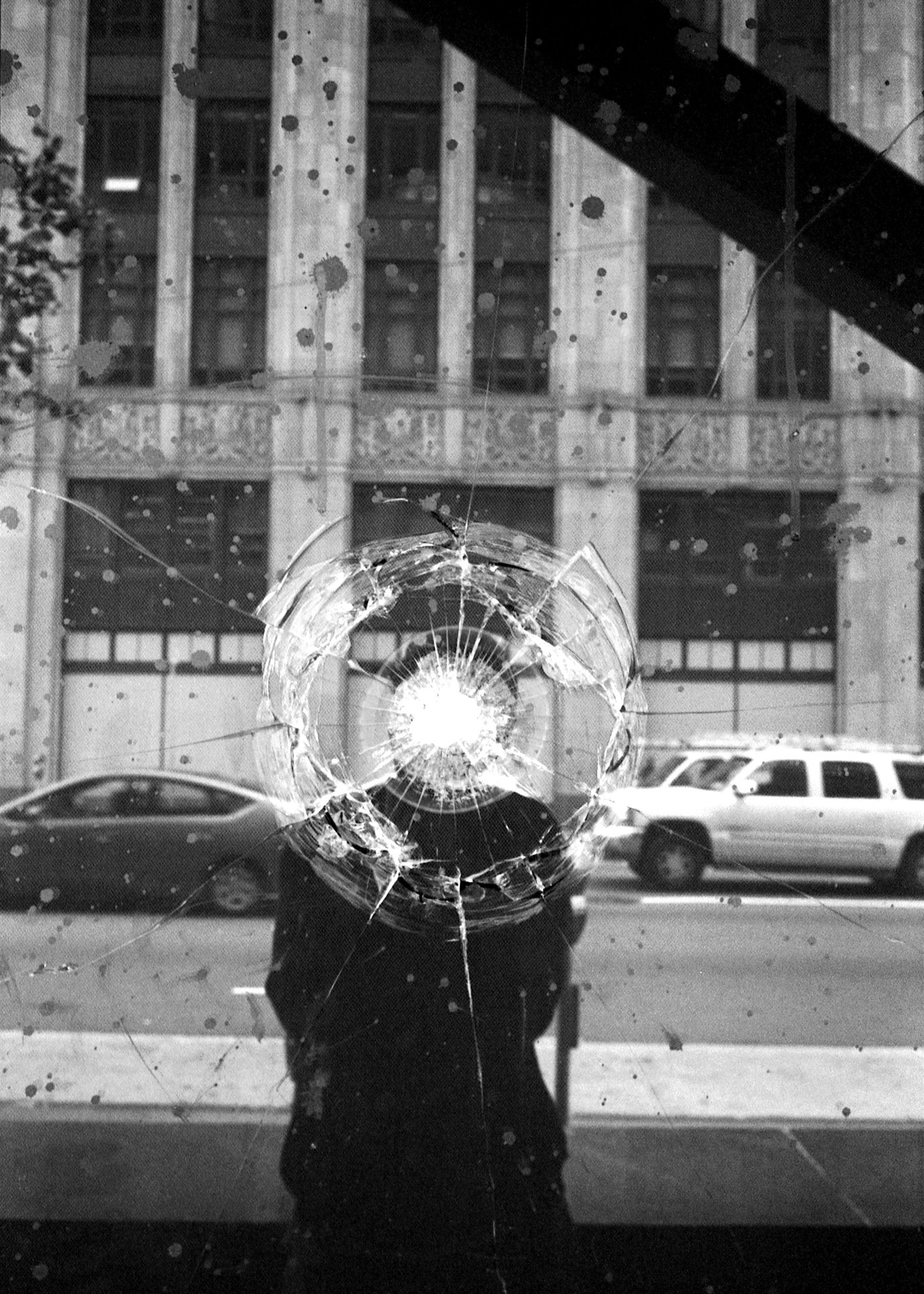
JC: I see from your website that you’ve had events in San Francisco, Los Angeles, New York, Tokyo, Munich and Calgary, and others. That’s pretty international.
RP: It’s just crazy that you meet people and you become friends and then you meet their friends and then you meet their friends. So now Hamburger Eyes is getting shipped to all these different places and sometimes I get to come along.
JC: Do you consider it an American magazine?
RP: I call it an international magazine. I like to use photographers who live in different countries just to showcase that we all have similar ideas and similar thoughts about photography.
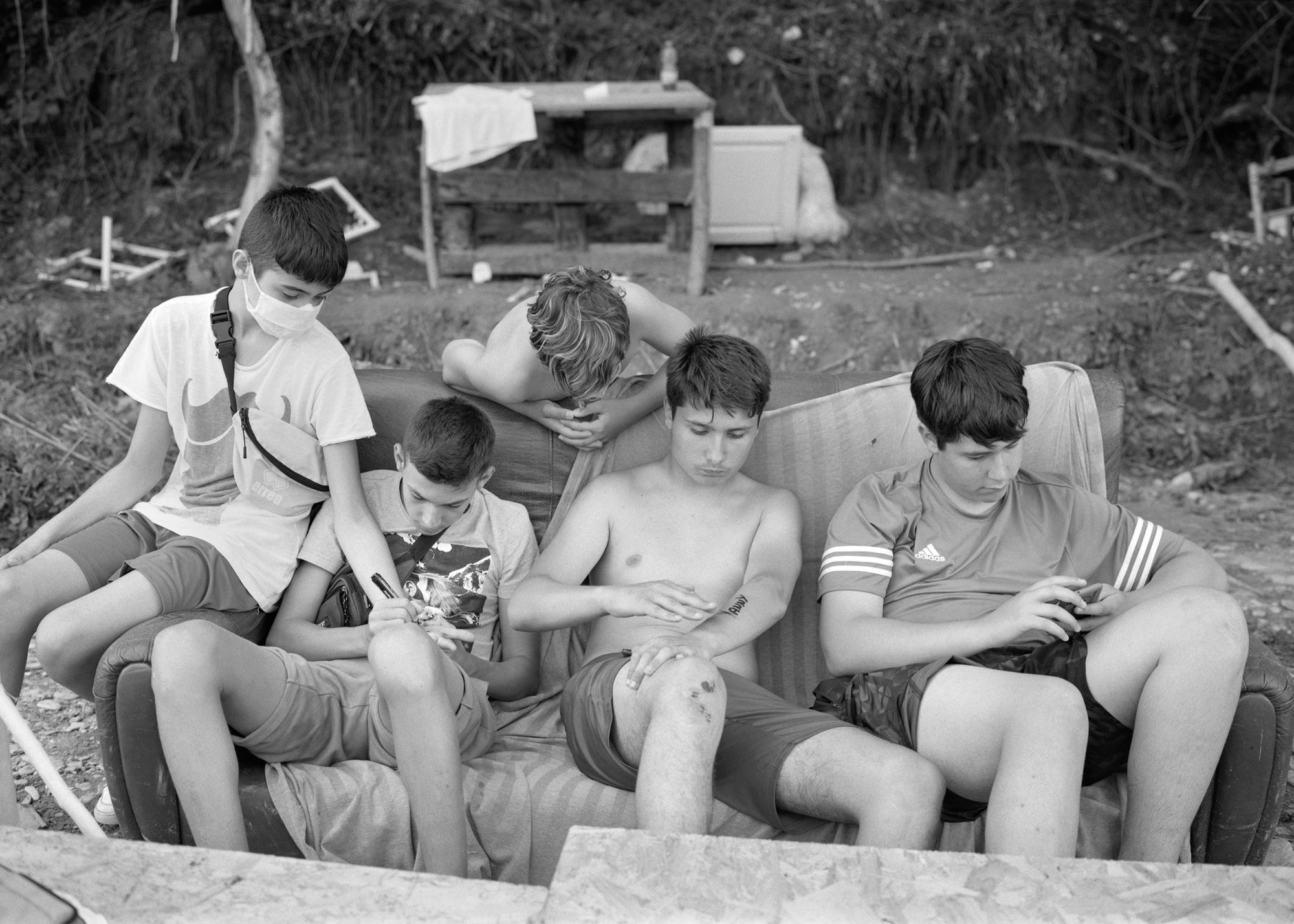
JC: I think I know the answer to this, but what do you think making a zine does for a photographer that’s different from a show in a gallery or a show in a museum?
RP: For me, it’s a lot freer. Also, since learning photography through the darkroom, I really love to see the photos in print. So on one hand it’s an easy way to see your photos sequenced. It’s very cheap compared to having a book made. And it also gives you the the ability to share the volume of it. You can make a hundred copies pretty easy and just get ‘em out there, share ‘em that way. That was how I got into zines before Instagram. That was how I liked to get my own photos out there. But also versus a gallery setting — sometimes there’s not very many places to show your photos and often it’s hard to get your photos on some walls out there. So making a zine is an easy way to share photos.
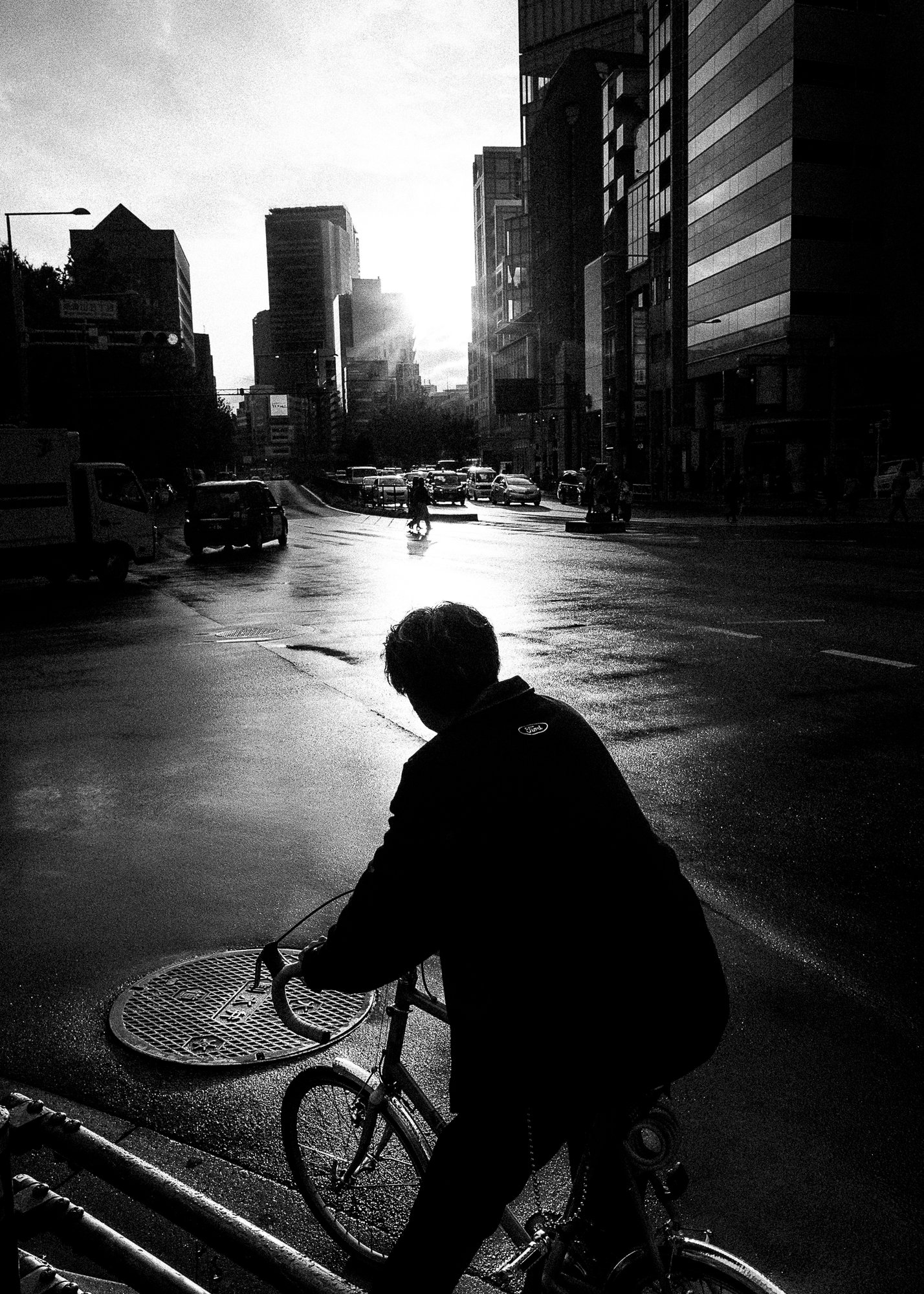
JC: And how have you solved the distribution challenge? How do you get it out into the world?
RP: Well, back in those days when we were just giving ‘em away for free, it would be like, let’s say we had 20 photographers in an issue. I would give them each a bunch to just go put wherever. And they live in different cities. And that’s kind of how we did it. Now with the internet, we have an online store and we still try to get ‘em into shops. And now the funny part is we’ve been doing this for so long, people will find them at garage sales or thrift stores. They’ll find old copies! That’s even funner. I met some photographer in Brazil. I’ve been emailing with him. I haven’t met him in person, but the way he found Hamburger Eyes was at a thrift store in Brazil!
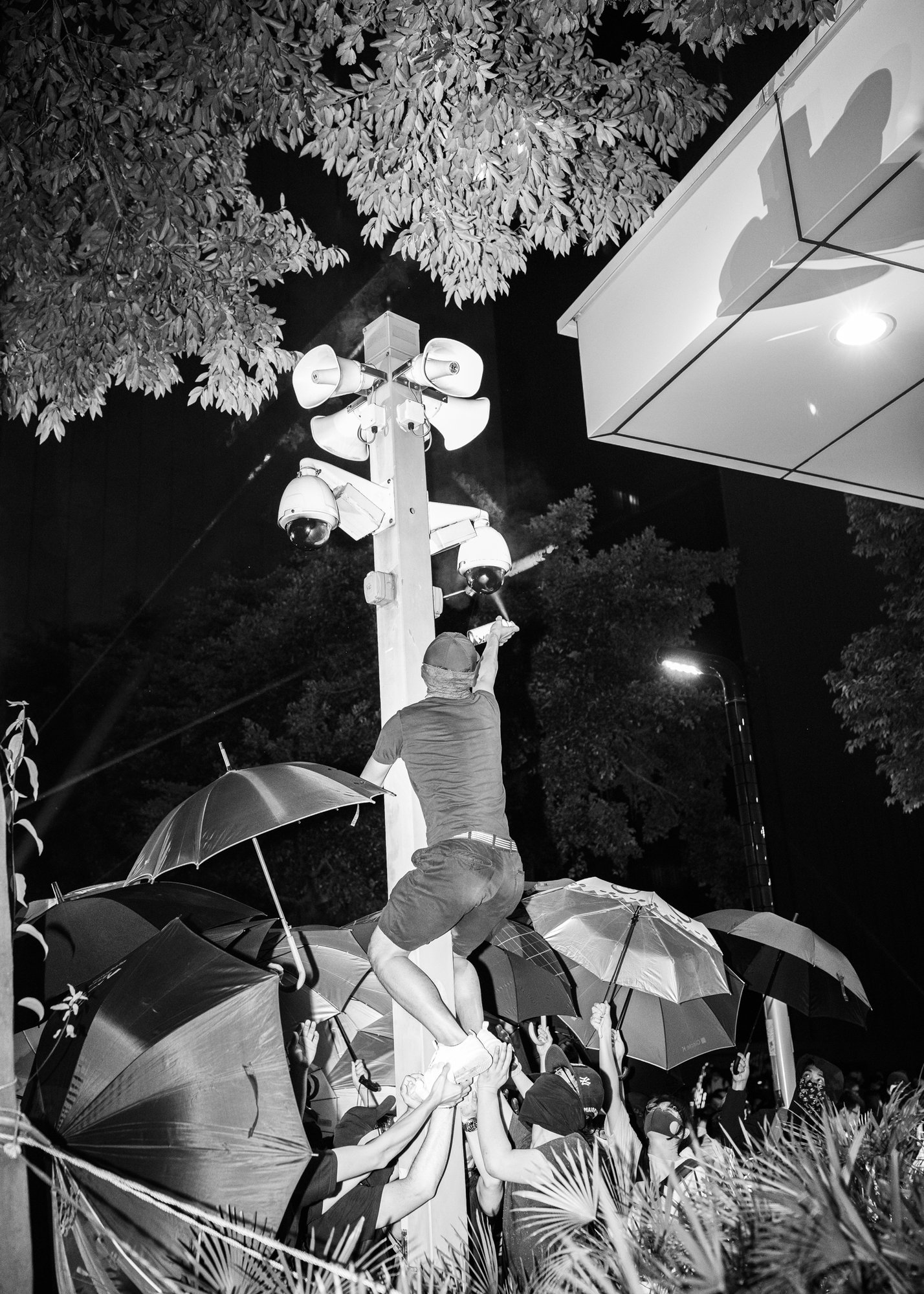
JC: So your show at the Museum of Modern Art has been up since January. It’s ending in October. What’s next? That’s a pretty big deal, right? It’s a pretty hard act to follow maybe.
RP: Well, I was already working on the 25 year anniversary book, which will be next year. So I’m working on a Best of Hamburg Eyes book that’s scheduled to come out next year.
JC: That’s another big accomplishment. You mentioned that you started off with black and white and the darkroom kind of kept you there, and your heroes reinforced your love for black and white. But can you describe how black and white makes you feel?
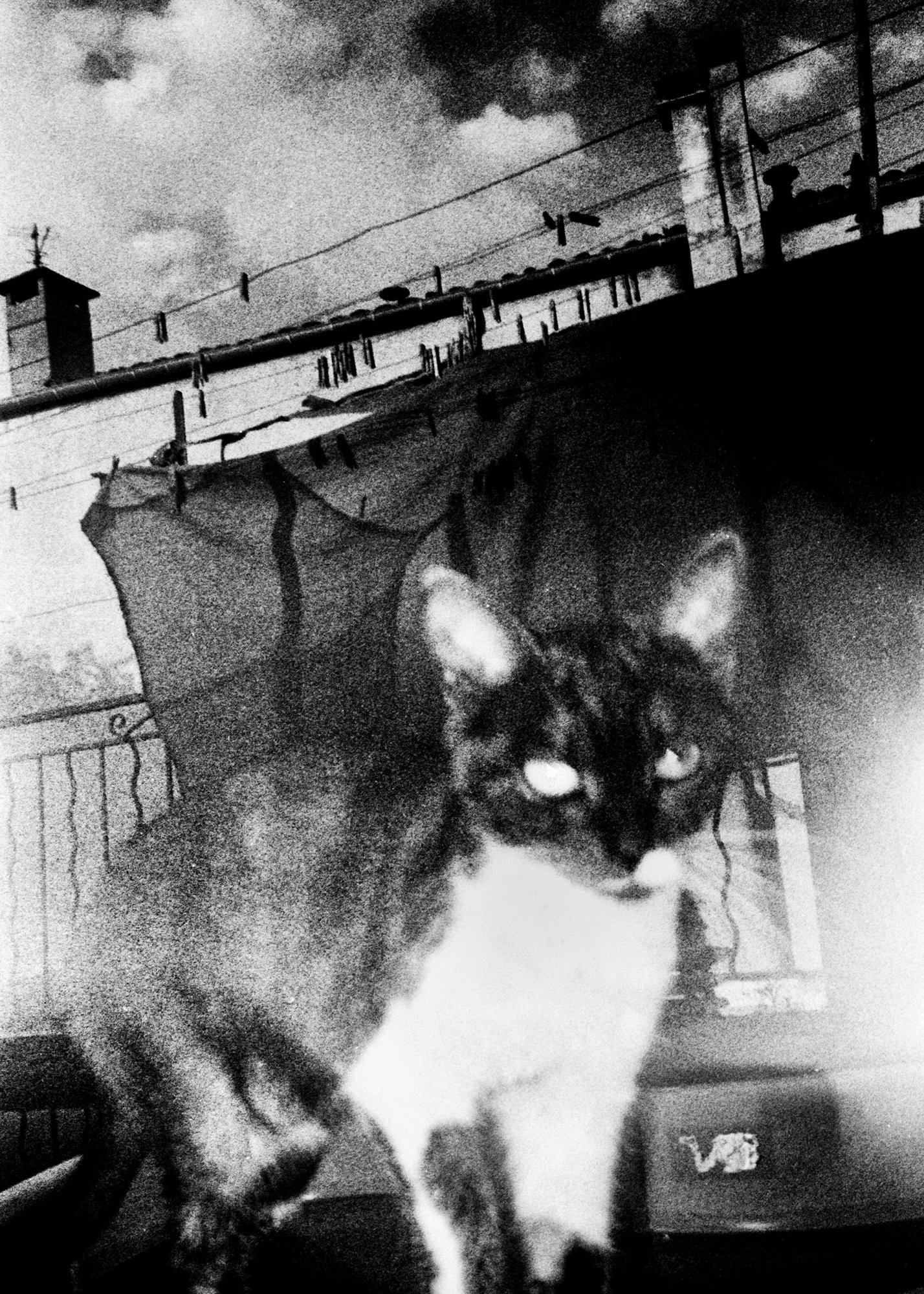
RP: I think that’s what it is. It conjures up feelings and emotions and triggers some things sometimes for me, whereas maybe color is factual, almost too factual. Maybe this is going too far. Color is very real and I feel like black and white’s a little surreal.
JC: And it’s dreamy for me, out of time a little bit. Something’s happening that’s real, but a little removed from reality. It’s maybe like a memory.
RP: Yeah, that’s a good way to put it.

JC: And I think black and white’s also kind of universal. In my world now, black and white really stands out when almost everything else is so color-saturated in the rest of our lives. I agreed when you mentioned your love/hate relationship with Instagram, but if I’m scrolling and I see something in black and white, it stops me because it’s the unusual thing these days.
RP: Yeah, black and white has become less usual these days, but it’s also such a part of the tradition of photography I feel connected to. Even though I shoot digital and convert it to black and white, I still feel connected to the whole history of photography itself.
JC: So coming on 25 years, what keeps you excited about it? Do you still have the same passion that you had 25 years ago or is it different?
RP: It’s the people. I keep meeting amazing photographers. They don’t run out. It’s the same thing for you. You all of a sudden meet someone, and you’re like, how have we never met? Or, how have I never seen your photos? Or you’re friends with this person and this person and this person — we should have met already by now!
JC: It’s a great community.
RP: There’s just a great ever-growing community and it’s ever changing and it just doesn’t run out. So that’s how it keeps going. I can’t publish quick enough.
JC: Hey, thanks for this. It’s great to catch up with you and I appreciate it. And also, thanks for being on the jury for our Black & White Awards.
RP: Thanks for asking me. It’s great to reconnect with you and be part of the jury. I’m looking forward to seeing what kind of new work comes in.

Ray Potes is on the jury of the LensCulture Black & White Awards 2025 — We’d love to see how you see your world in black and white. Enter your best photos today!

