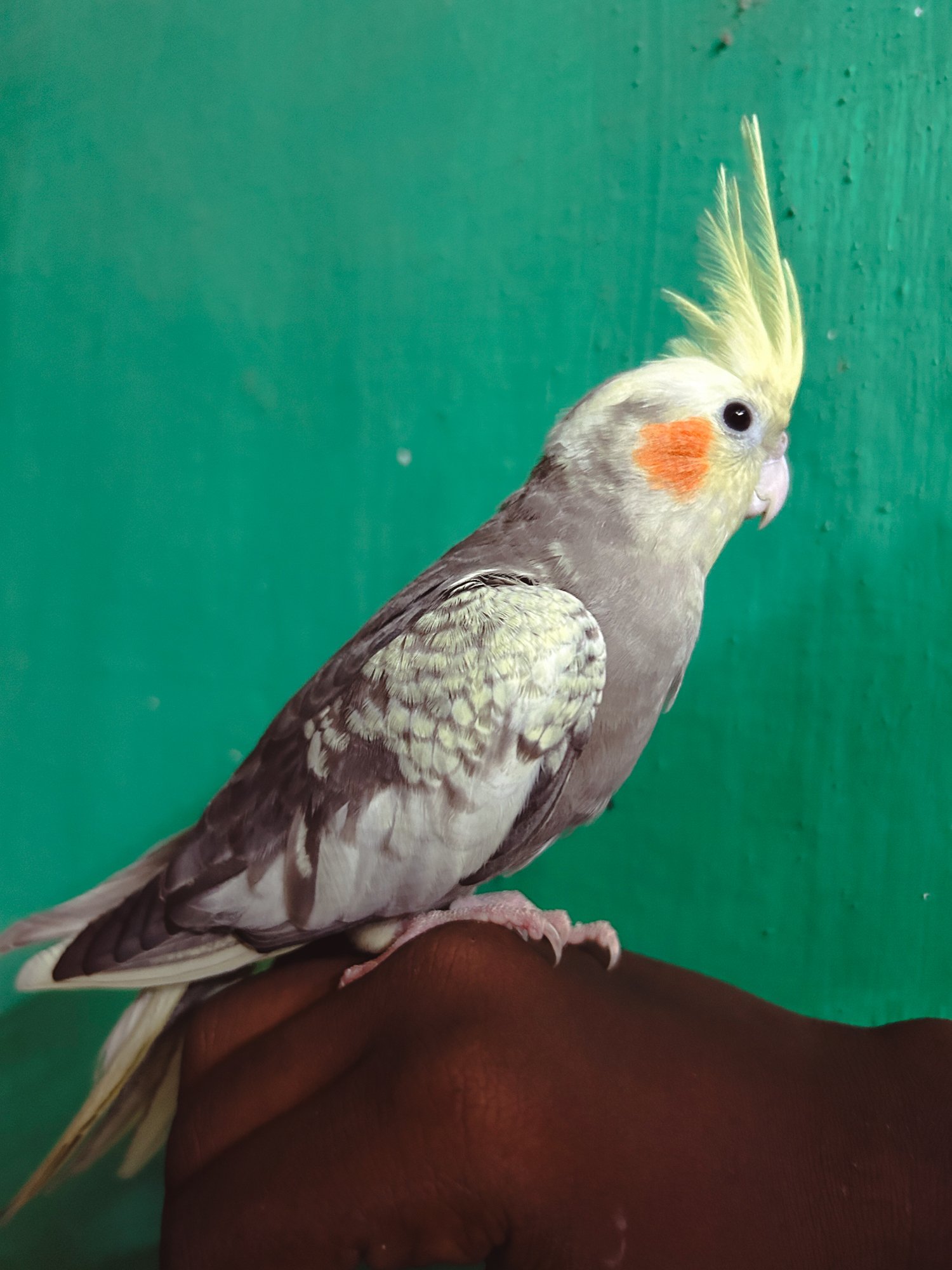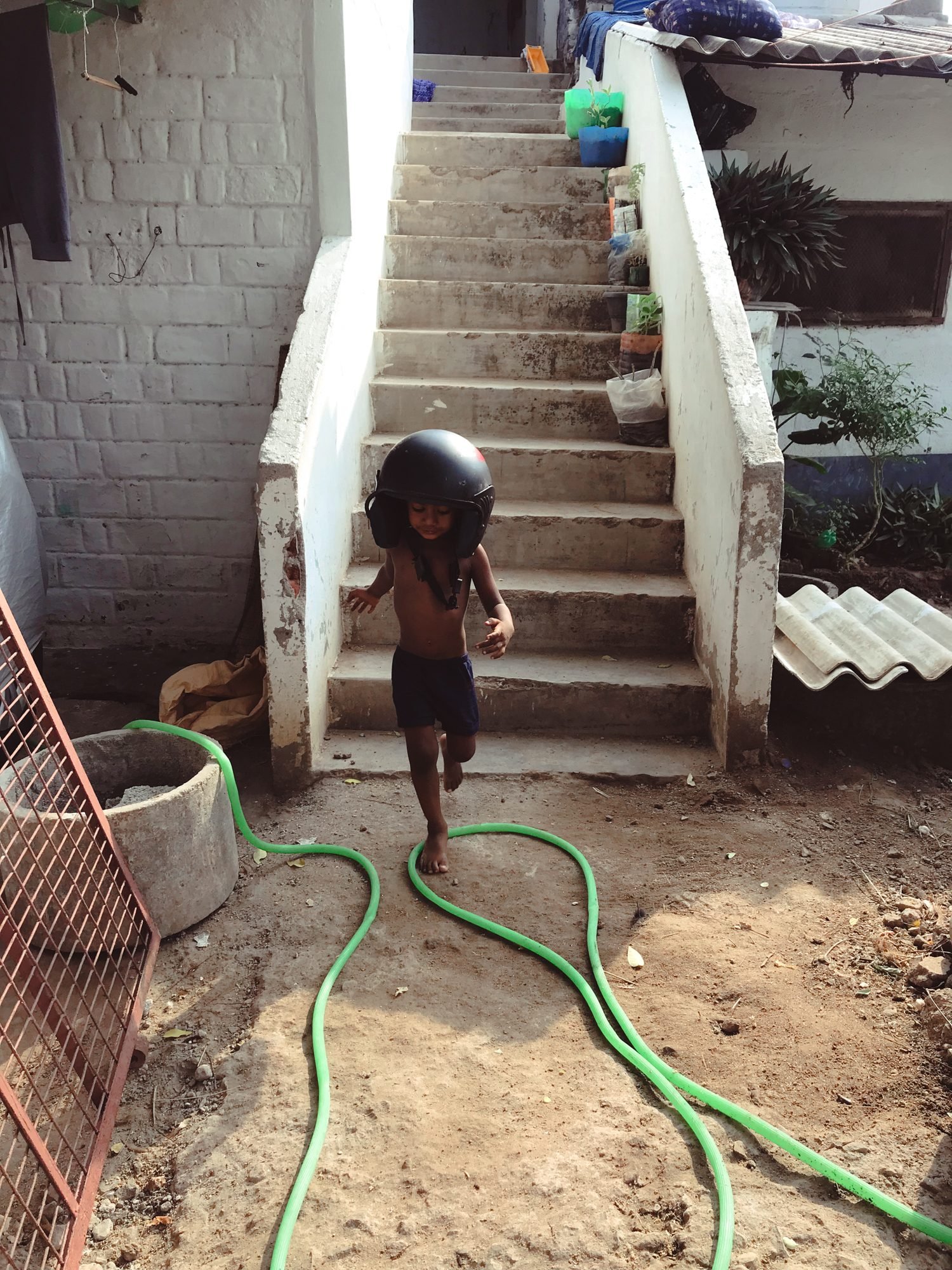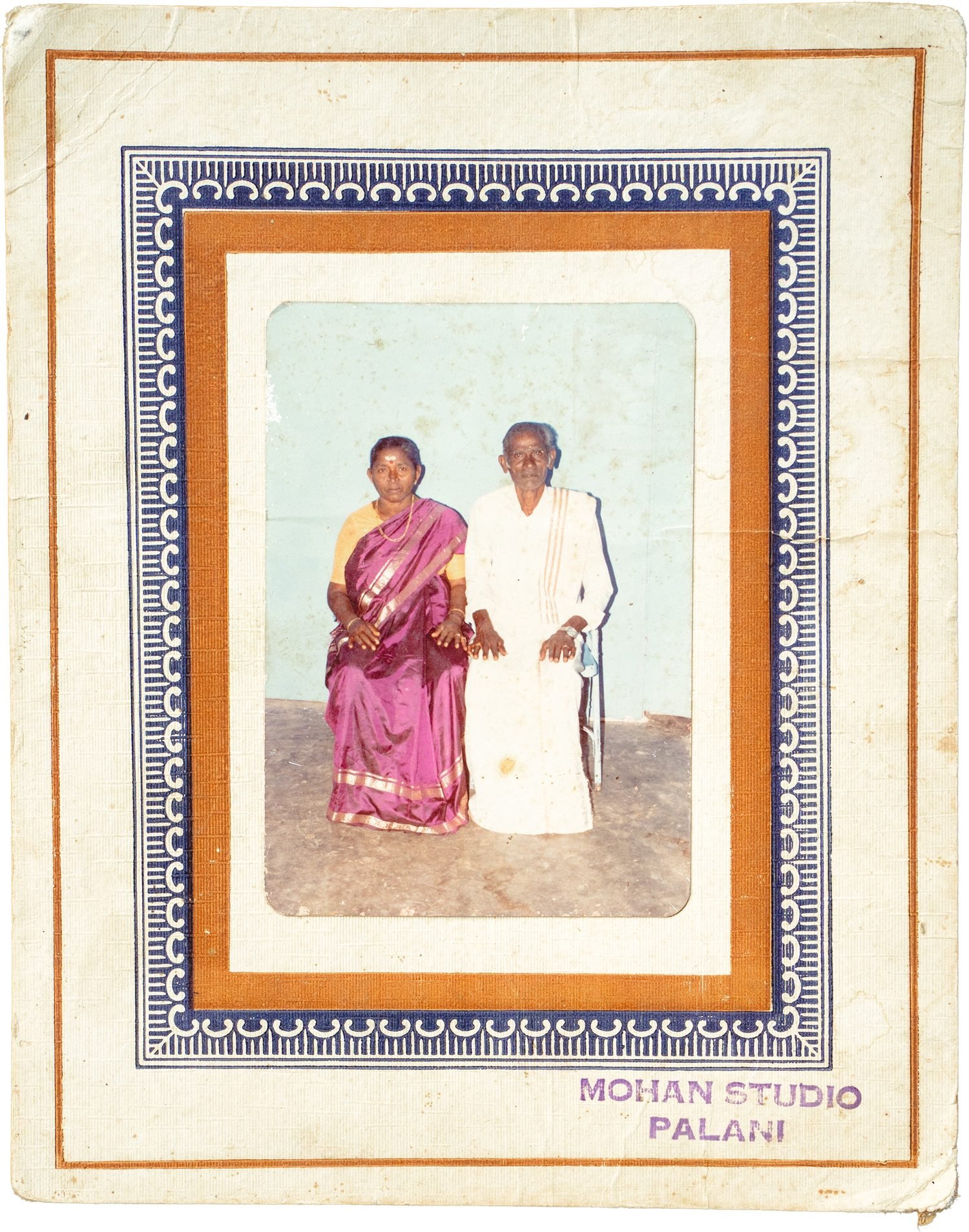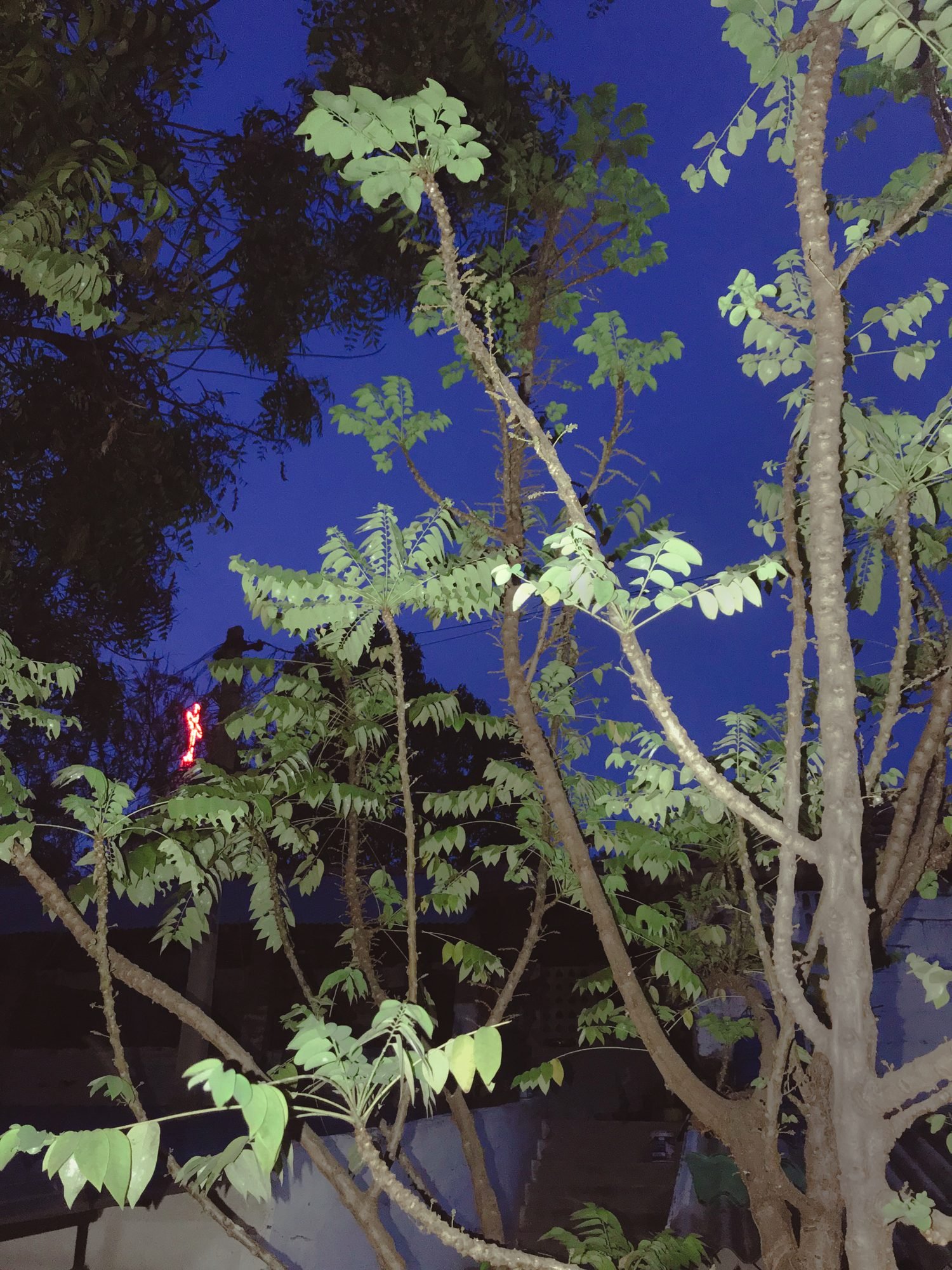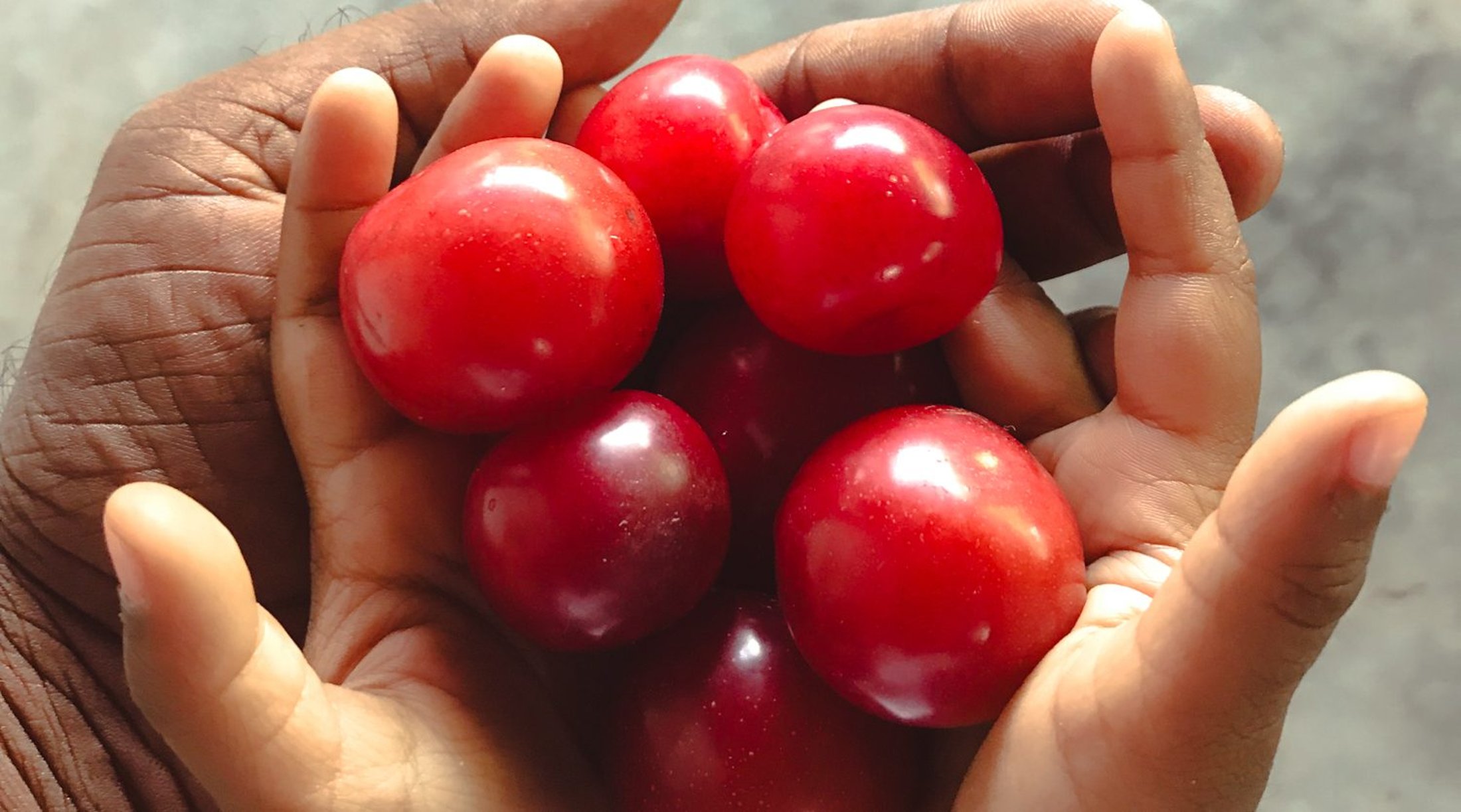
Jaisingh Nageswaran describes his grandmother—whose spirit of resistance fuels his latest project—as a “miracle.” Ponnuthai was born in 1928 in the southern state of Tamil Nadu to a family of Dalit descent. Dalits are the lowest strata of the Indian caste system, which dates back thousands of years. Known as the ‘untouchable’ caste, people of Dalit descent face discrimination, exclusion, and violence.
Ponnuthai dedicated her life to fighting against this cruel system. In the late 1950s, against all the odds of a class-based, patriarchal society, she set up a school. In the beginning, she taught from her own house and sometimes even outdoors. Eventually, she secured a permanent location in a modest thatched-roof building. This became known as the Ponnuthai Amma Gandhiji Primary School.
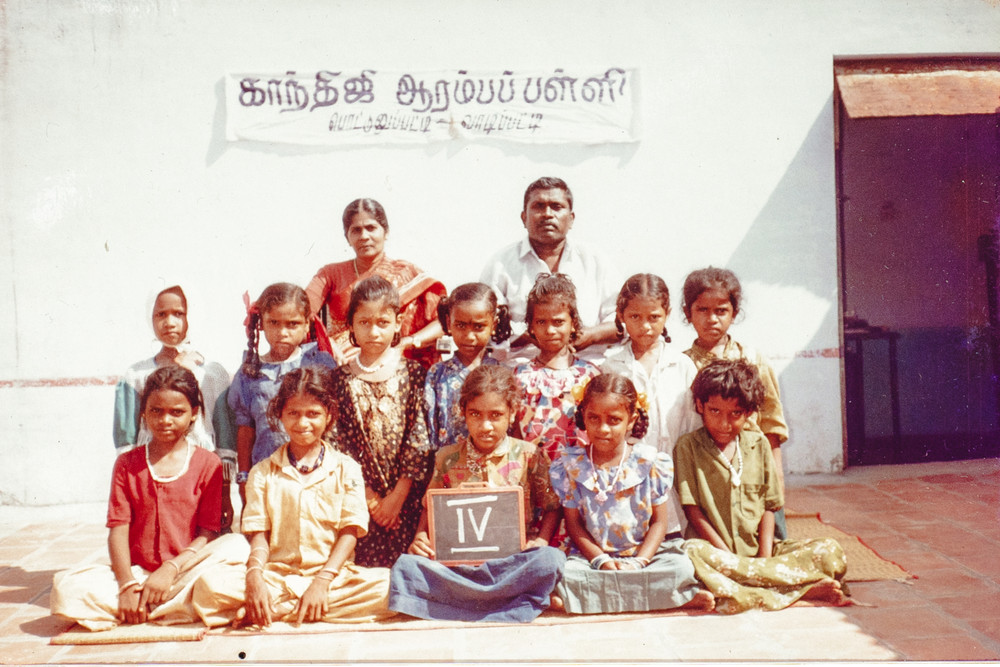
As a Dalit-owned institution, it faced many challenges. The school was victim to vandalisation and vindictive petitions that sought to tear it down. This violence peaked in 1980, when the school was set ablaze in a suspected arson attack. But, with each attempt at its destruction, Ponnuthai and her school rose from the ashes. Today, Nageswaran’s family carries on her legacy, inviting all students—regardless of their caste—into their building to learn.
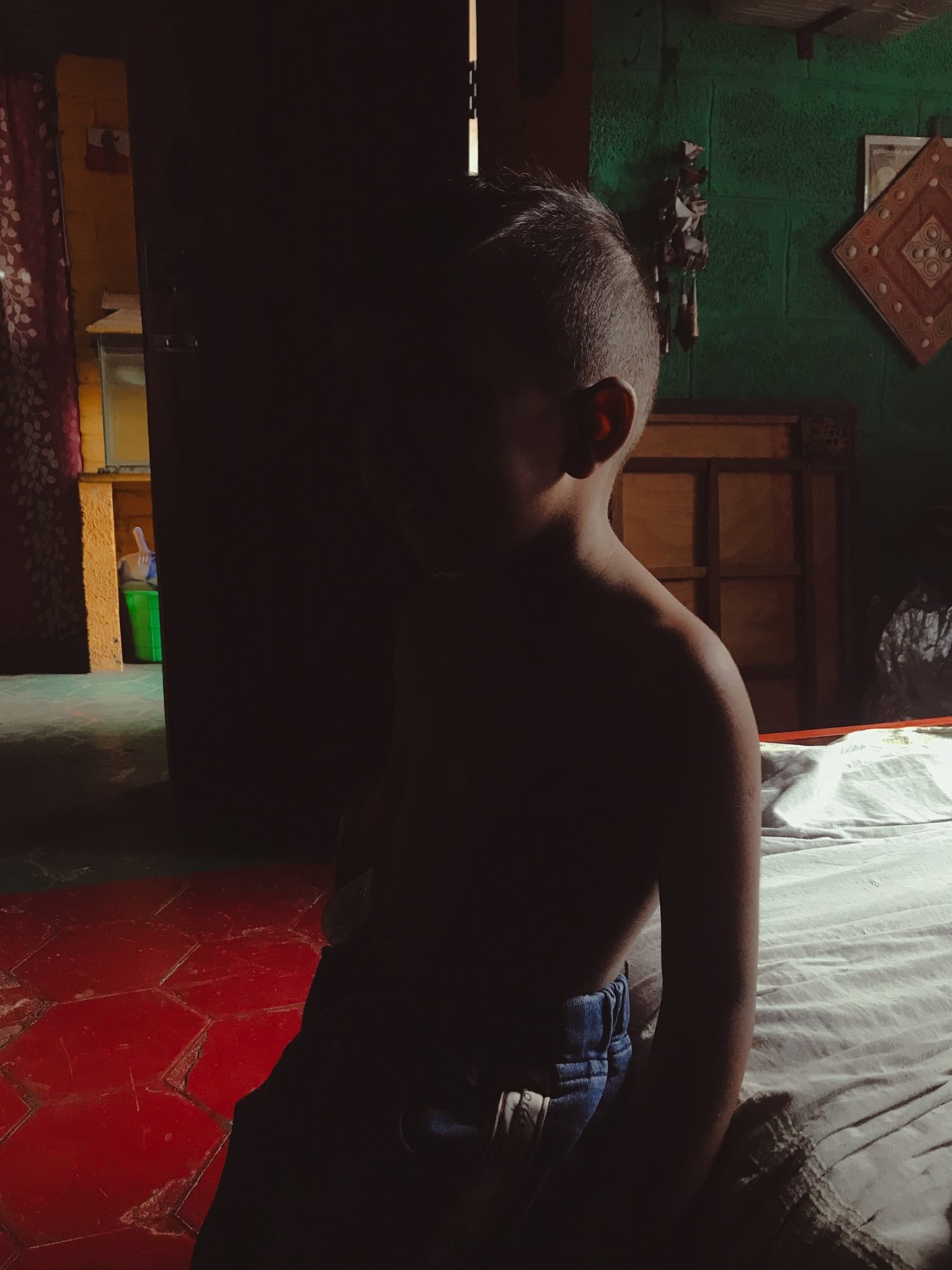
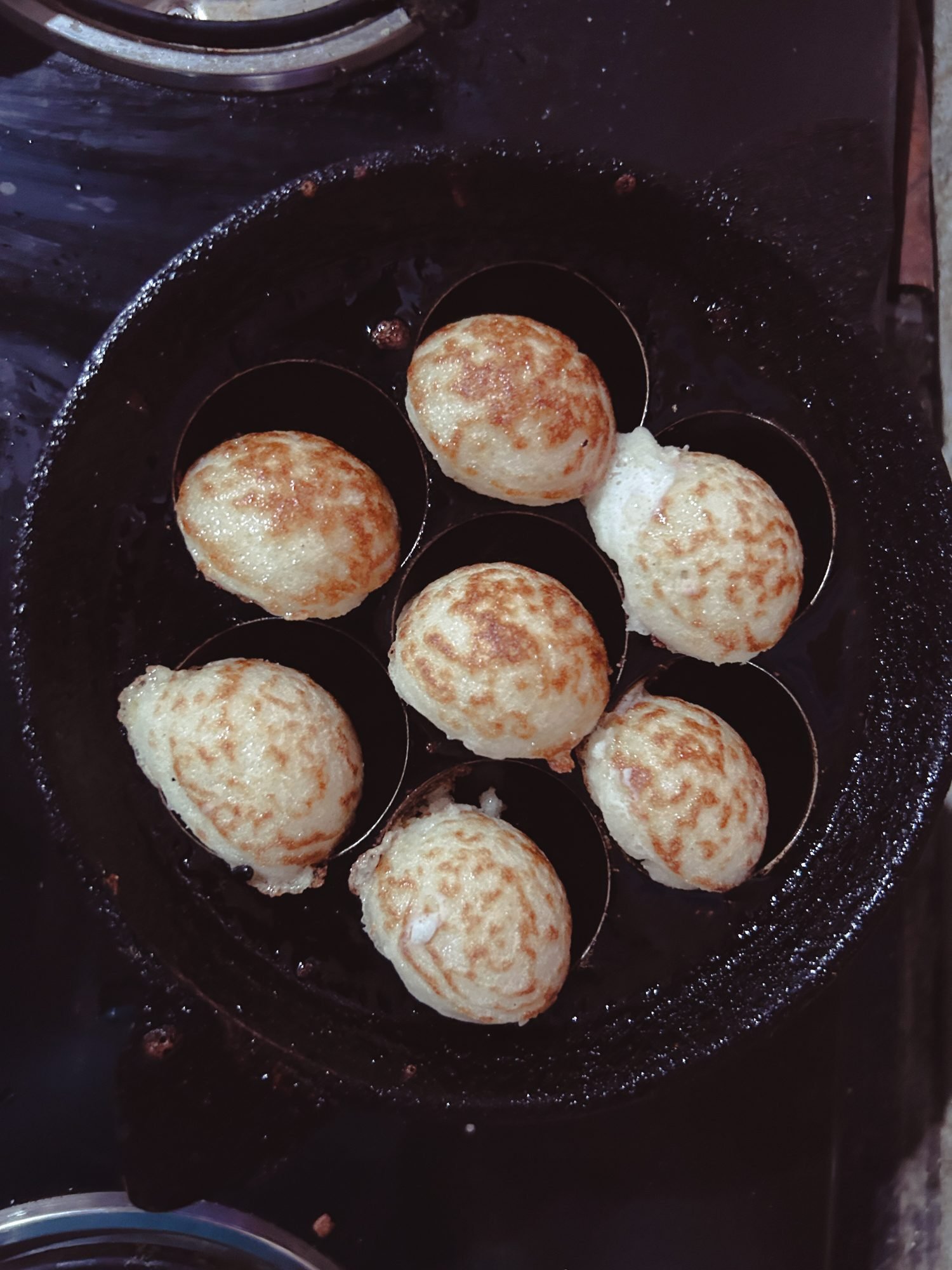
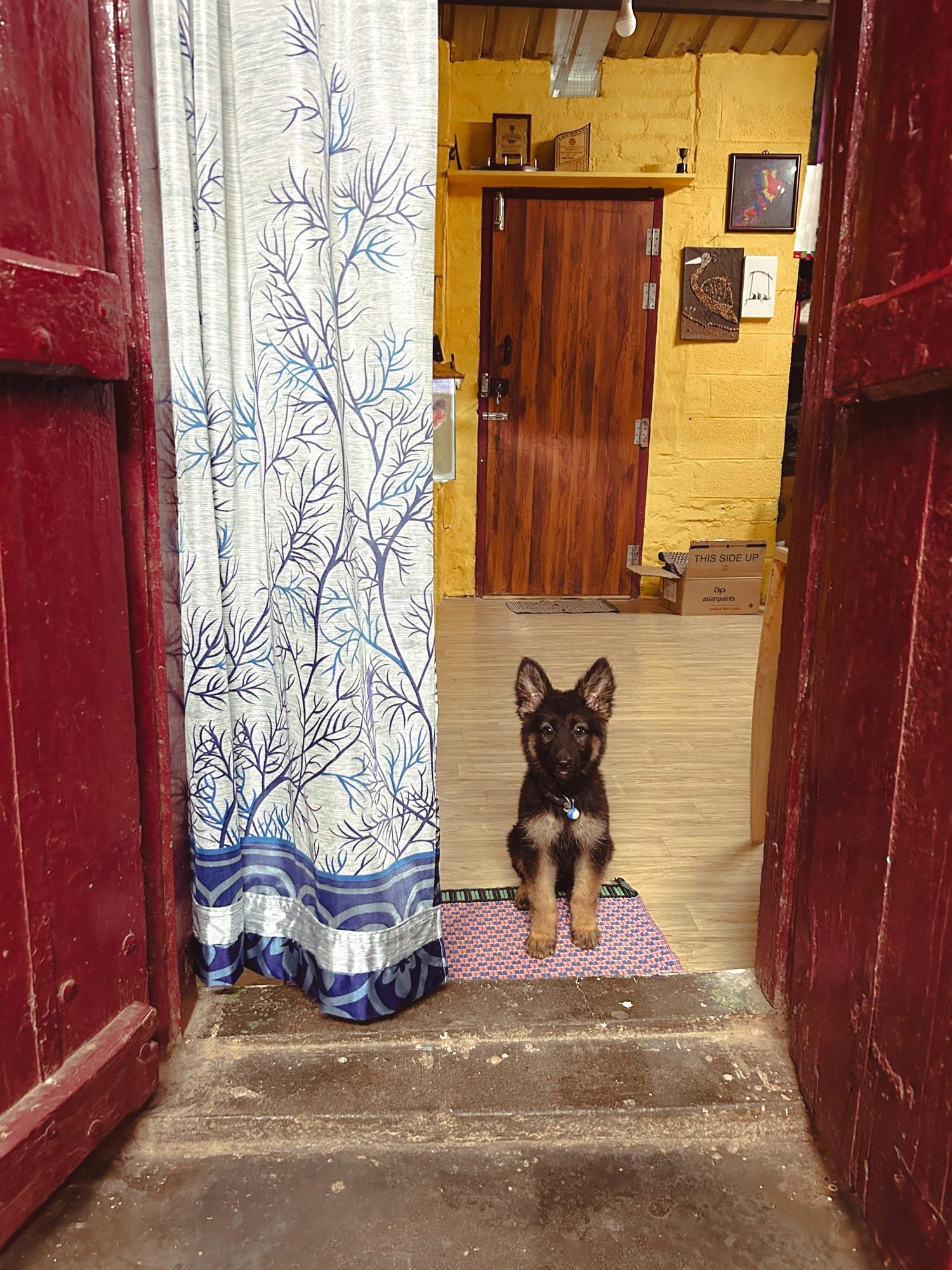
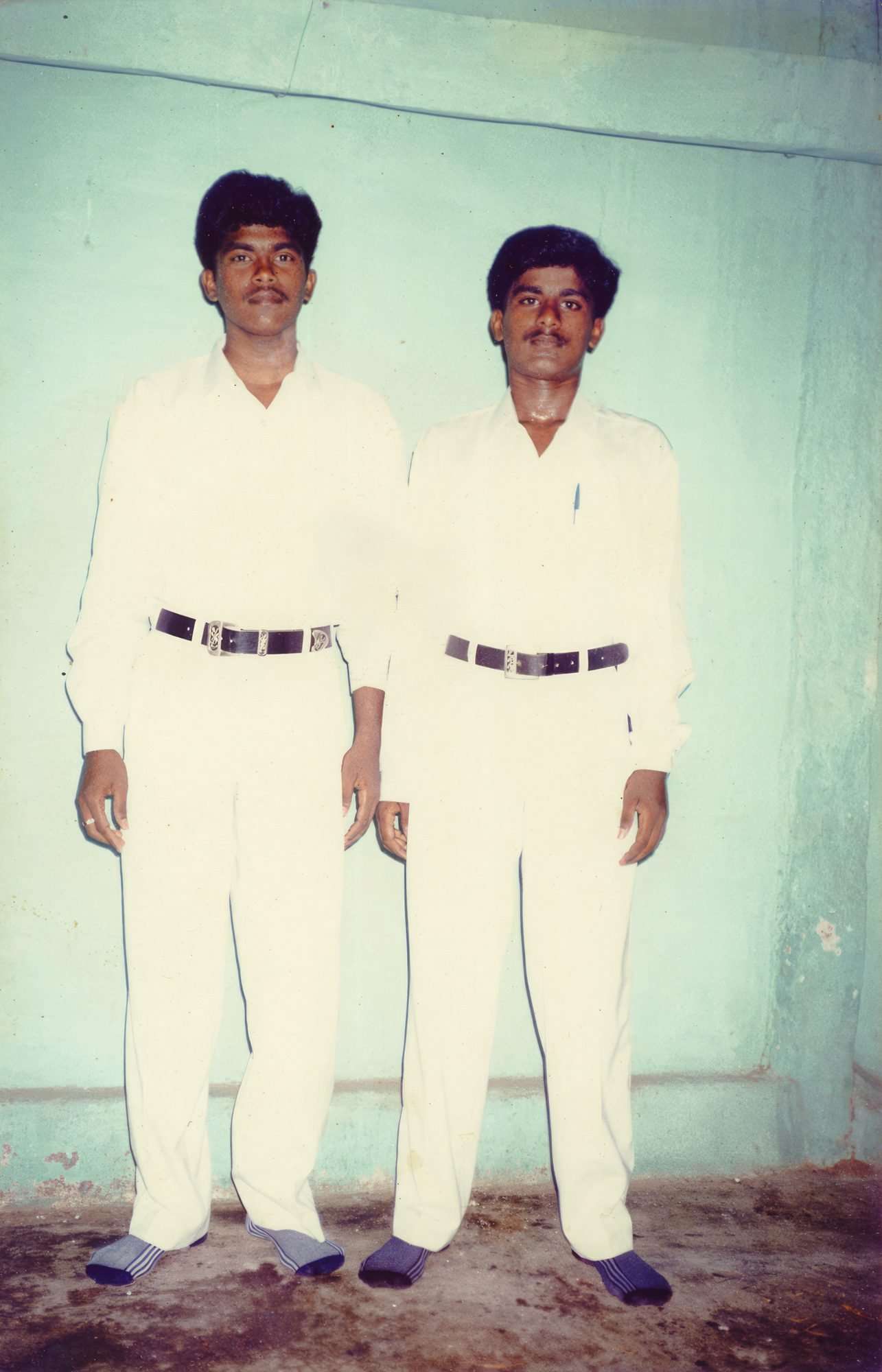
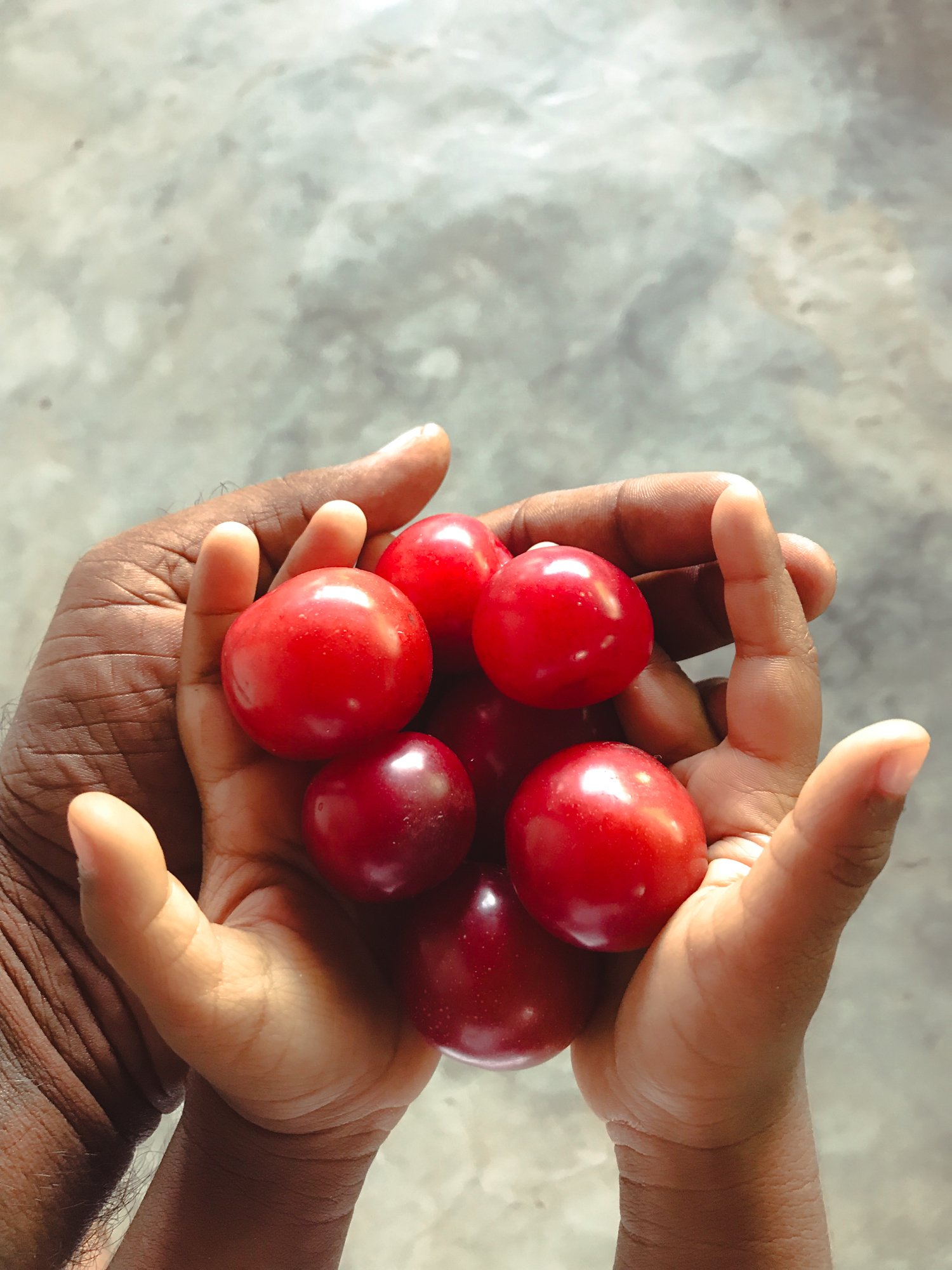
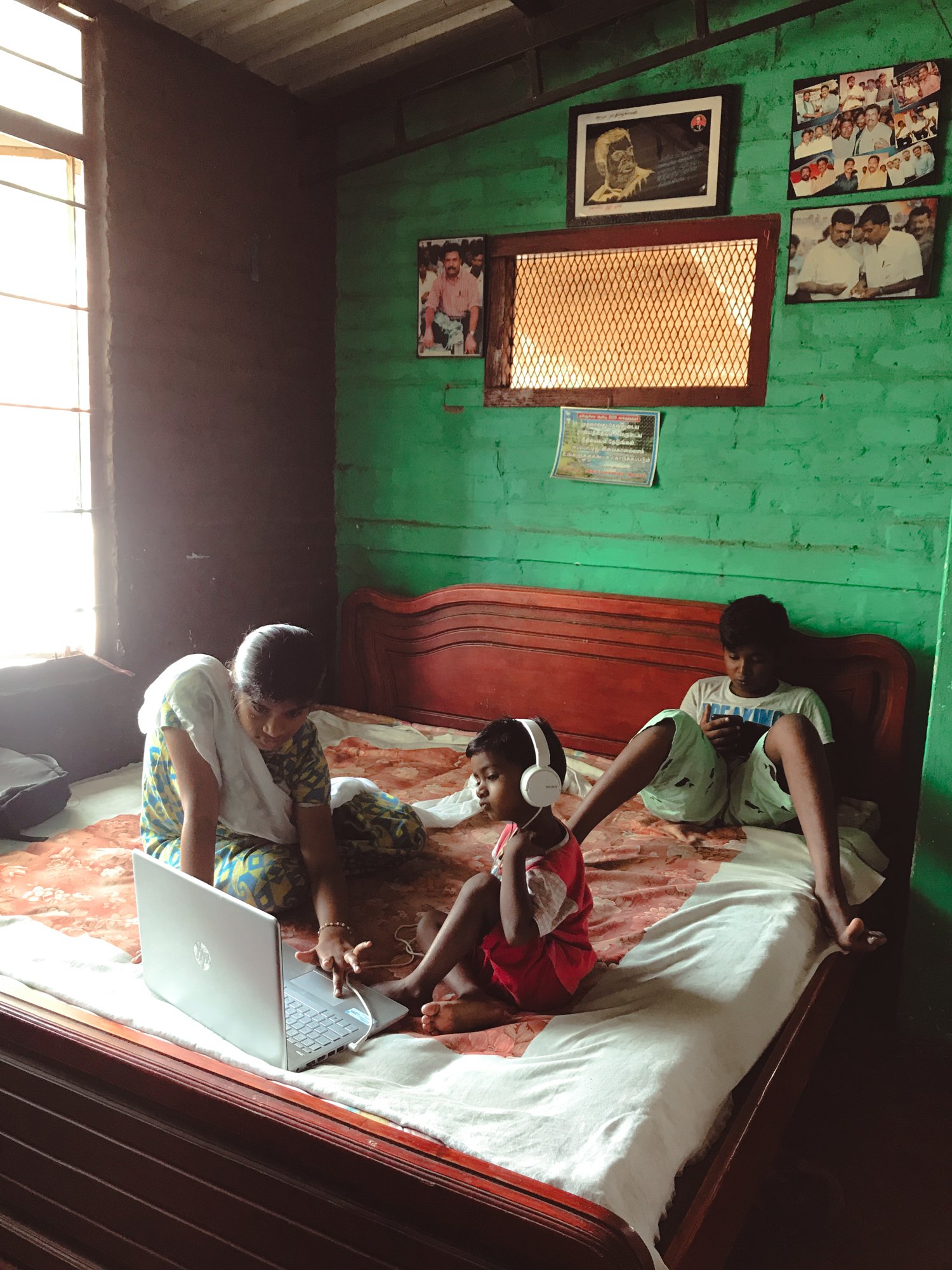
Caste-based discrimination is deeply entrenched in Indian society. Regardless of academic or professional achievements, stigma will follow an individual from birth to death. According to Nageswaran, this affects all aspects of life; from education, work and housing, to daily interactions with friends and neighbors. “If you Google ‘Dalit life in India,’ you won’t find any positive stories. Everything is about violence,” says the 46-year-old photographer. “But my story is a positive one.” Nageswaran’s project, I Feel Like a Fish, combines new and archival images to narrate a story of struggle and resilience, as experienced by four generations of his family.
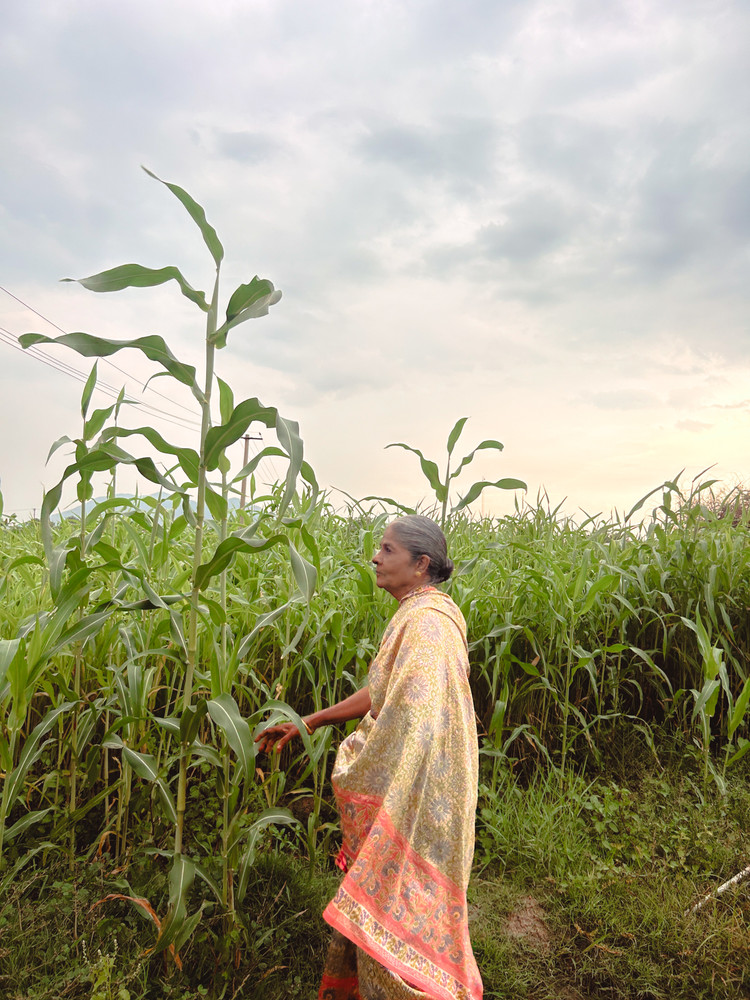
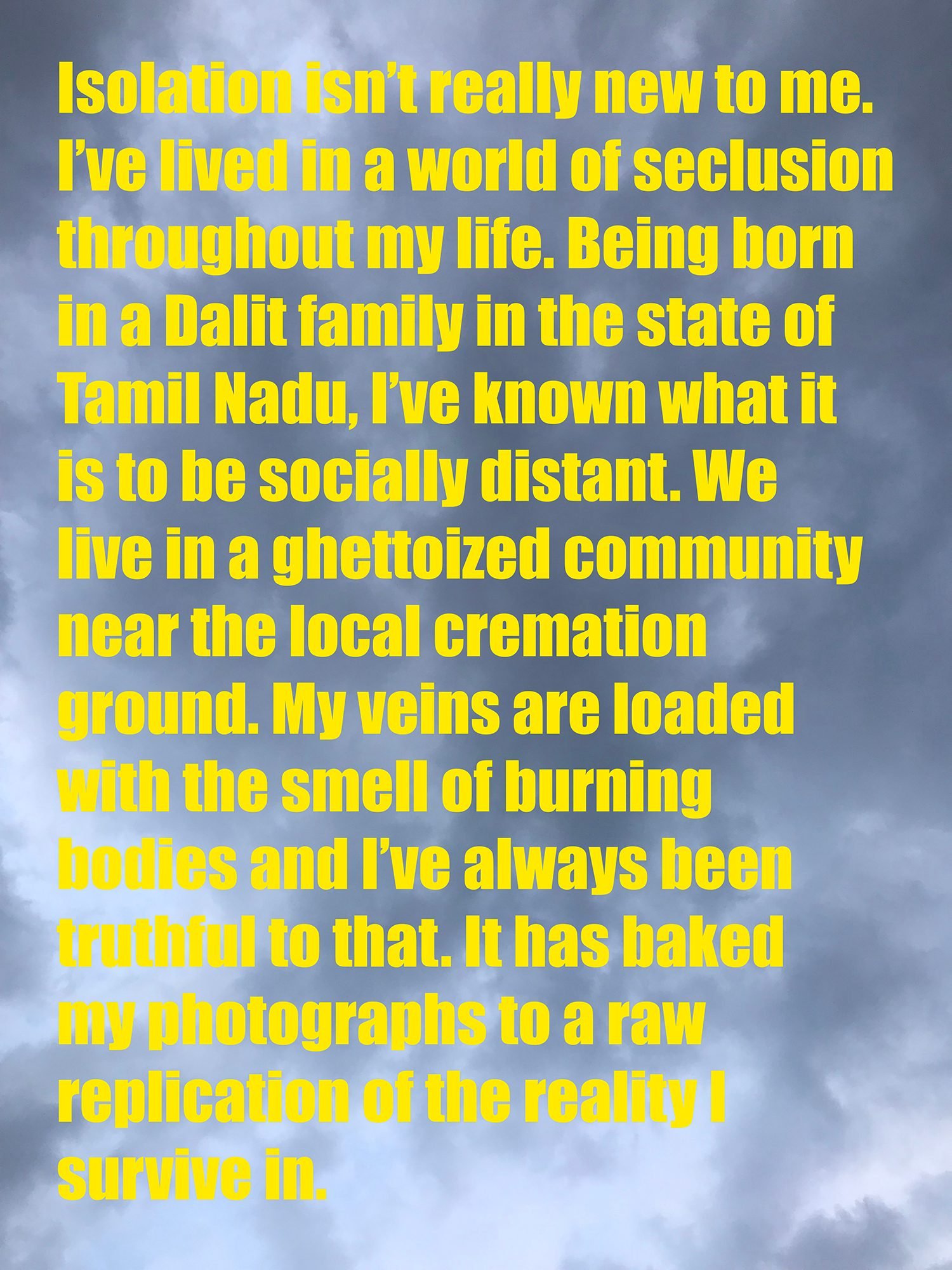
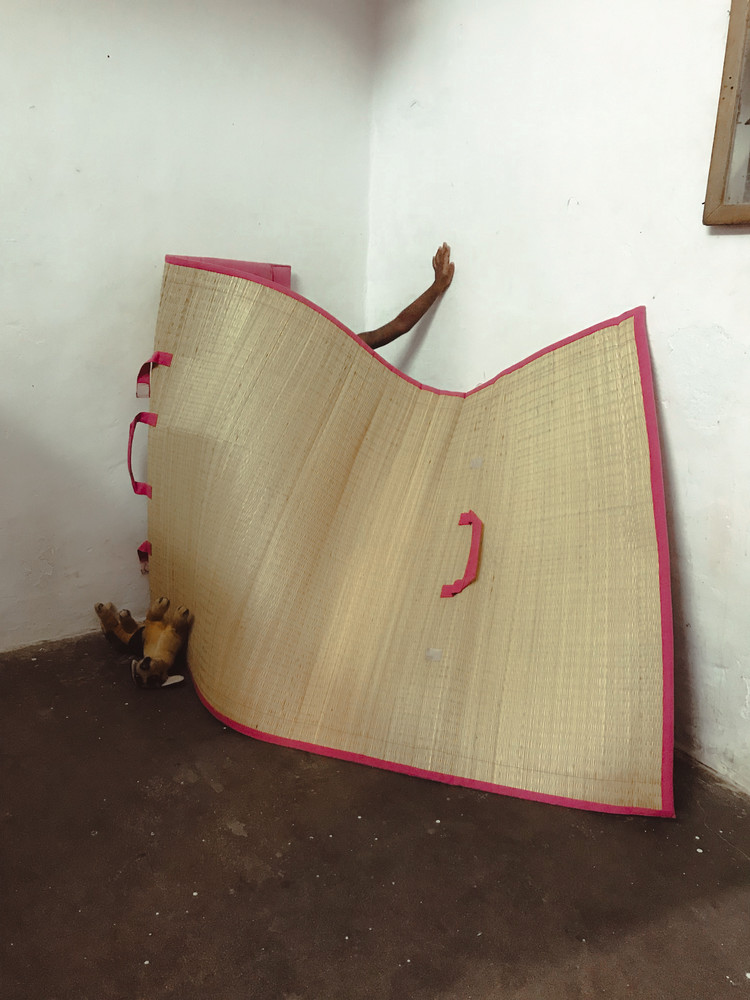
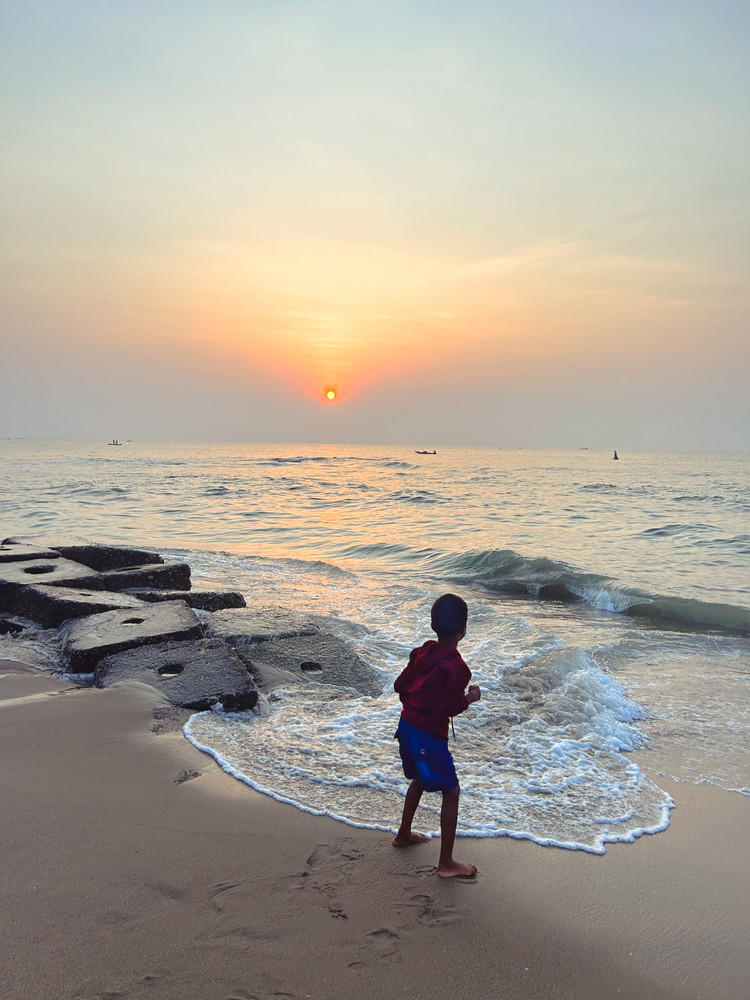
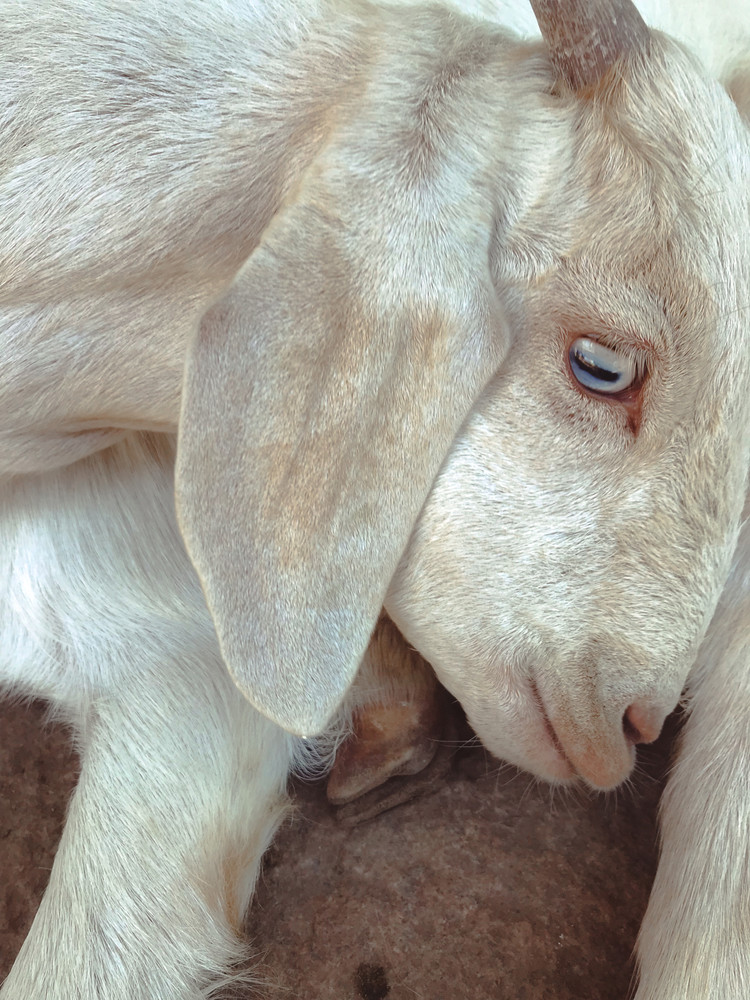
Though the work was fuelled by anger and frustration, the resulting images are poetic and quiet. Some feature bold yellow text, laid over a photograph to communicate the photographer’s experience. Others are left to speak for themselves—a rumination on family, home, and belonging.
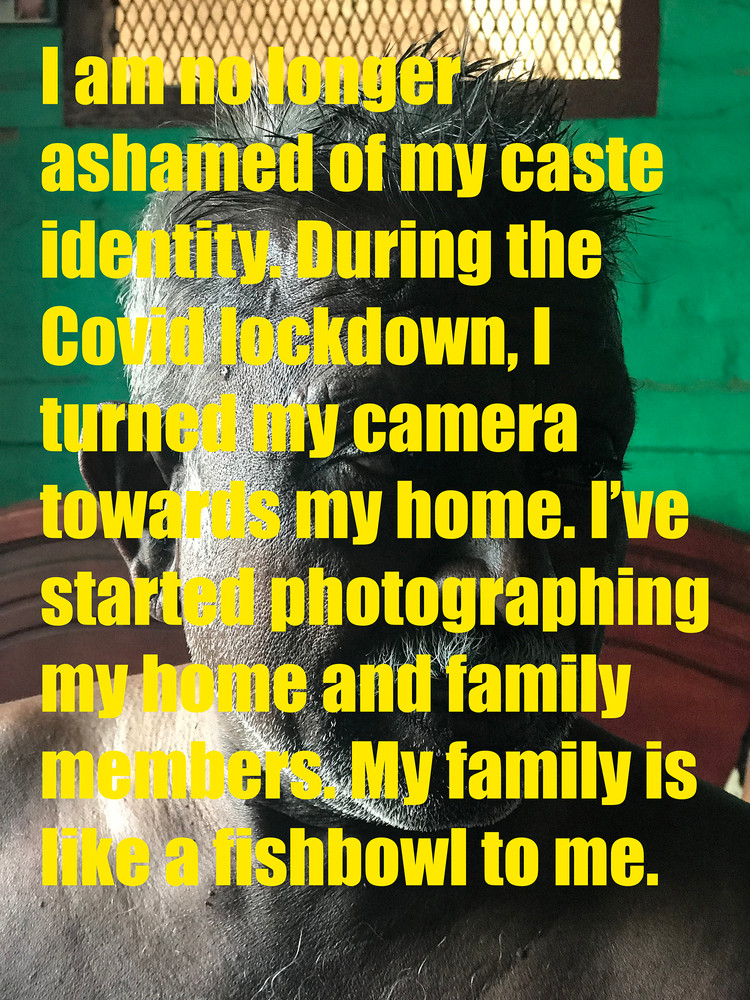
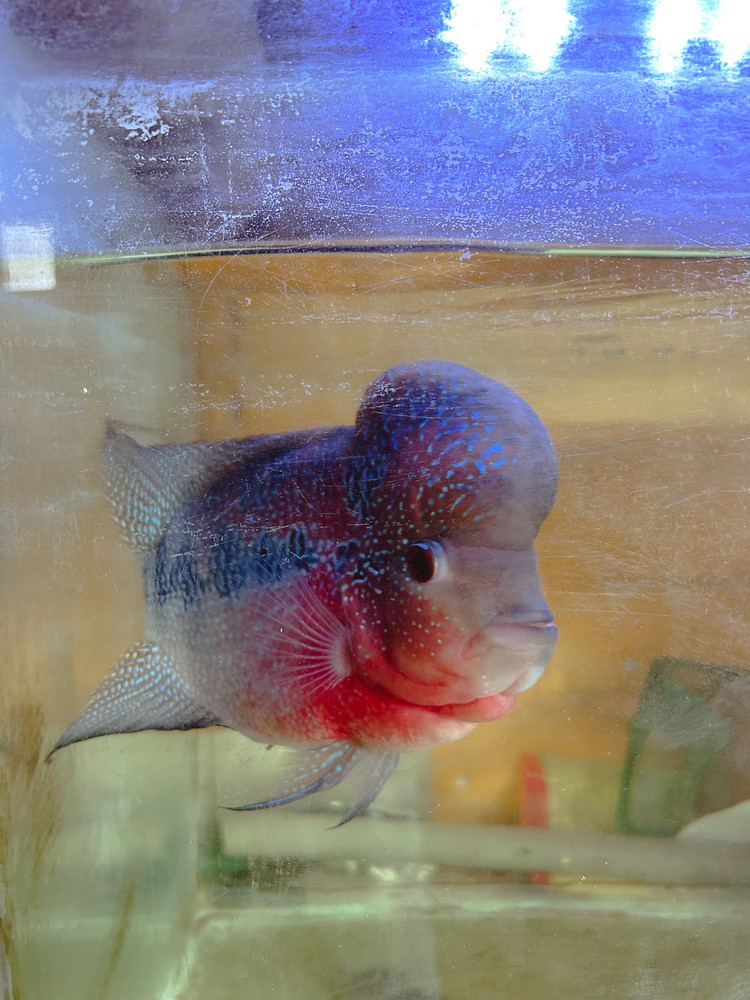
The project, and its title, grew out of Nageswaran’s experience of the pandemic. He had been working as a stills photographer in the Bollywood film industry in Bombay, but returned home to Tamil Nadu when the lockdown was called. With nothing else to do, he began to document his family as they passed through the groundhog days of Covid-19. One such day, he found himself staring into the fish tank at home. “I realized that I felt like a fish, and the house had become my fish tank,” he says. “But, also metaphorically. The caste system creates many fishbowls. And the lower your caste, the smaller your bowl.”
Photography has been an effective tool for Nageswaran, not only to communicate, but to connect with people. Growing up as a self-described introvert with dyslexia, Nageswaran found it difficult to learn. Instead of going to school, his parents sent him to work on a farm. This stifled his confidence. But in retrospect, Nageswaran feels that he gained an alternative education, which would eventually shape his outlook on the world. “I was very connected to nature, and that became my school,” he reflects.
When Nageswaran eventually got his hands on a camera—his brother’s old Yashica MF 2—in his early 20s, he finally found a language that suited him. “I had so many doubts and questions about society and my world view,” he says. “Photography helped me find answers.”
Alongside his career in the film world as a stills photographer, Nageswaran works on long-term, personal photography projects. These span a wide variety in terms of subject matter and process. The land that is no more is a grainy, black-and-white, poetic meditation on the lifespan of the Narmada River. In contrast, Skin, is a more confrontational documentary project, about a community of people experiencing homelessness in Cambodia. The Lodge, which was awarded Kyotographie’s KG+ prize last year, is a series of empathic polaroids documenting India’s largest annual gathering for transgender people.
Emotive, lyrical and executed with compassion, Nageswaran’s work has been recognized by several institutions in recent years. In 2021, he was selected as a Magnum Photos fellow. In 2023, he scooped up the Musée du quai Branly Jacques Chirac grant, as well as the Khoj Stuiod’s curatorial fellowship. This spring, he will exhibit I Feel Like a Fish as part of Kyotographie festival’s core programme.
With all of these accomplishments behind him, does Nageswaran still feel like a fish? “I’ve gone deeper down, deeper inside the fish bowl,” he says. “My work serves to voice the ongoing atrocities in the Dalit community. Each day I wake up to news of people from the Dalit community being hacked to death and witnessing various caste-based atrocities,” he says. “I realize that the awareness created through my art has a deeper narrative to unfold. Until the caste system is eradicated, I will continue to feel like a fish in a fishbowl.”