As a young artist Jesse Lenz dreamt of following in the footsteps of his heroes; travelling the world, photographing conflict, or faraway places like Eastern Europe, or South American jungles or the seedy underground of a major metropolitan center. However, Lenz also wanted a family and he soon discovered that the two dreams were incompatible. For three years he and his young family lived in an airstream traveling the country, searching for images and stories for a magazine he had founded. But running a successful quarterly magazine was as challenging as being on the road with three children, and he and his wife finally decided to move back into the family home in Ohio.
Lenz’ return forced him to become brutally introspective. This was not where he wanted to live and the midwest farmland surrounding his home was not what he wanted to photograph. “I felt the need to really take stock of what is the reality of my life and then find a way to see it in a way that I think is interesting,” he says of this time. So, instead of traveling the world to photograph other people’s kids and the wildlife of other countries, Lenz settled on doing the same thing in his own backyard. His first monograph, The Locust, published in 2020, was Lenz discovering his acceptance of the choice to move back to Ohio. With The Seraphim, now settled into this life, he finds himself asking the question, “Ok, how far can this go?”
The Seraphim is the second book of a planned septology. Lenz’s subject matter is what’s right in front of him: his children, his home, and the creatures inhabiting the surrounding landscape. With both books Lenz worked in a four-year pattern: two years of shooting, a year of editing, with the aim to publish a book by the fourth year. Both books are sequenced by the seasons; The Seraphim begins in the fall and circles twice around back to the fall, creating a natural rhythm for the edit. Lenz abstains from the idea of “project work,” emphatically declaring that, “Whatever is going on right now IS the work.” His job, as he sees it, is to react to what is—not what should be.
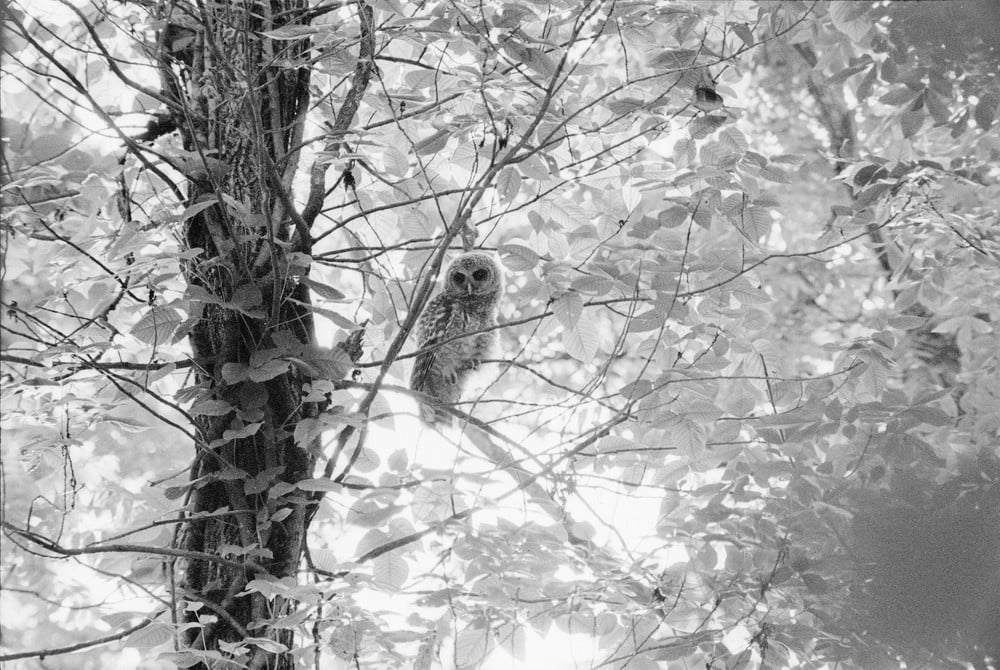
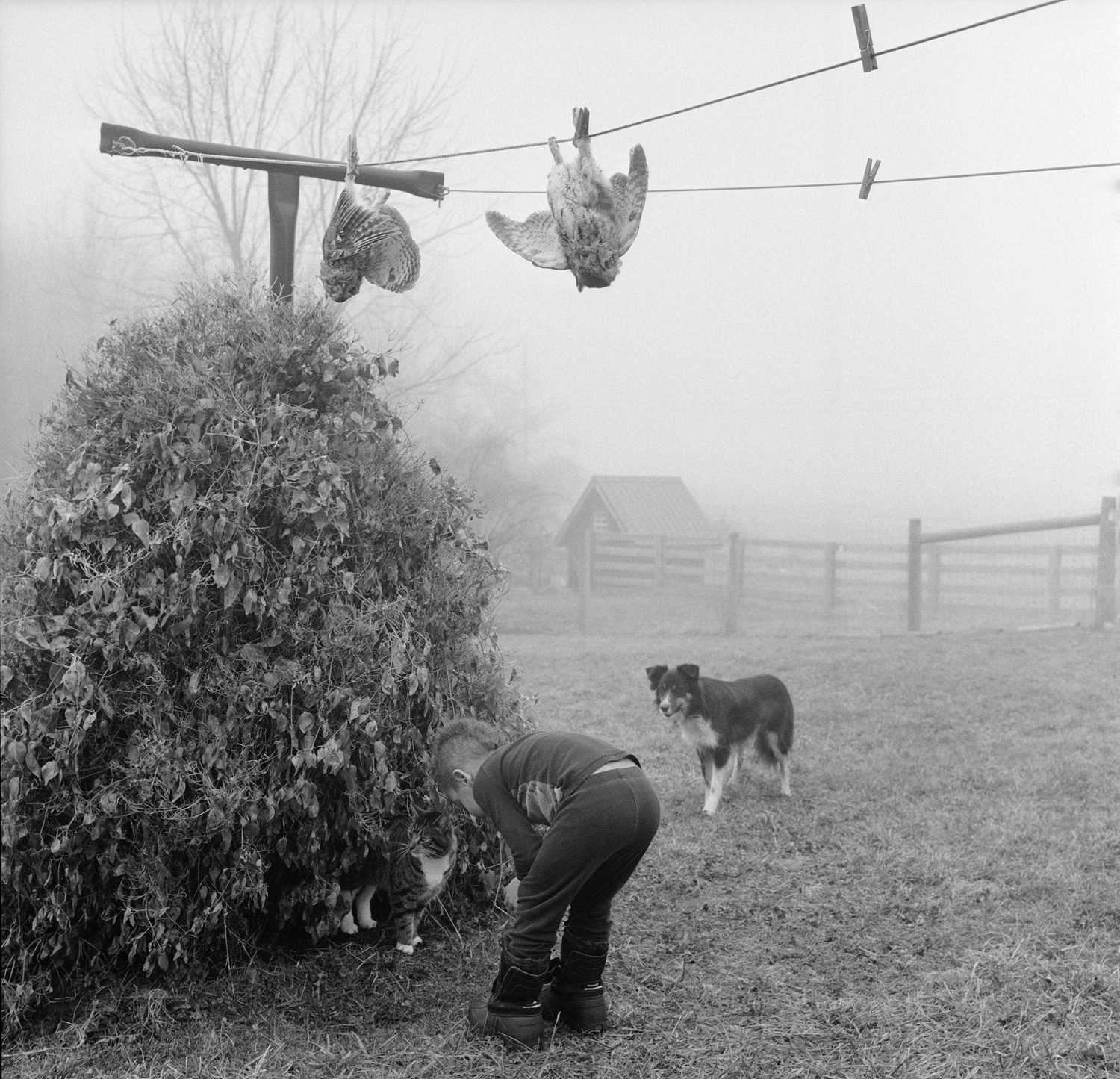
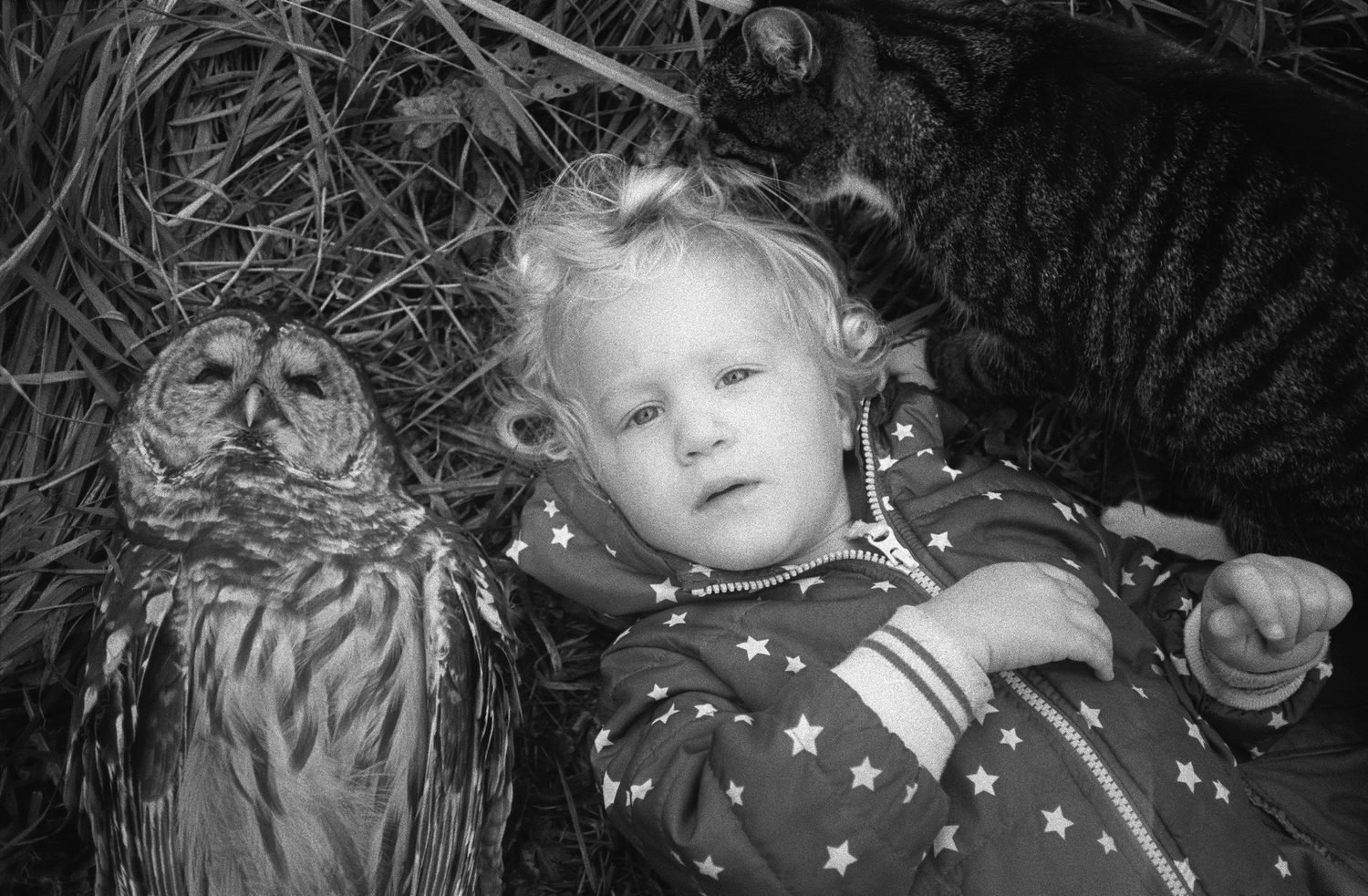
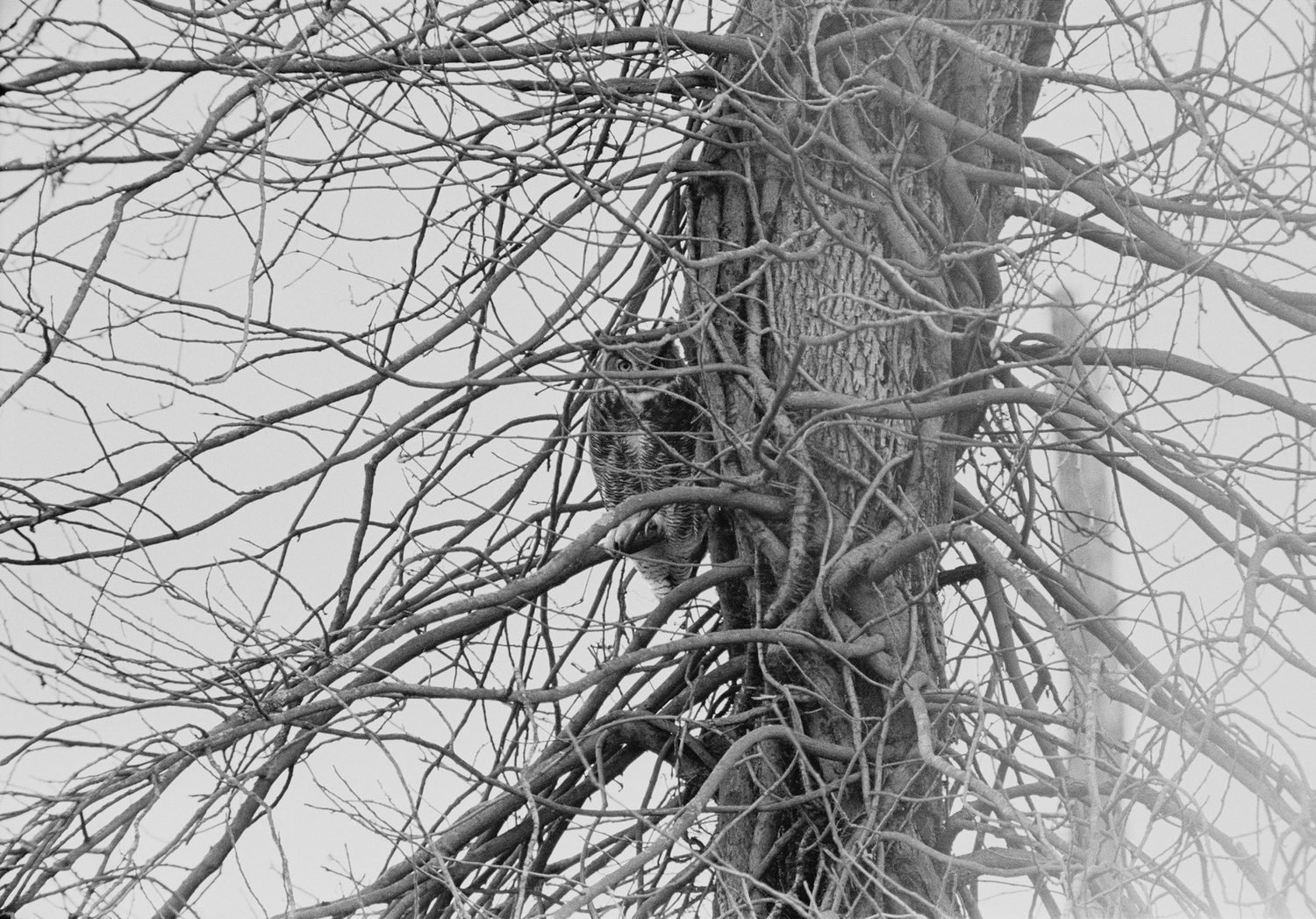
With every book he makes, Lenz’ long-term commitment to this photobook septology seems to have prompted a deepening of his relationship to his surroundings, awakening his curiosity and guiding him through the landscape. The entrance point to The Seraphim is the photographer’s obsession with owls. Nine make an appearance in the book, some alive in trees, some dead on the ground. “There’s something unnerving about being around these owls,” he says. “They’re beautiful animals, but they’re also apex predators and wild creatures.” To photograph the owls in daylight, Lenz had to consistently return to the same locations in the woods—a practice he saw as a form of paying penance. “When you see an owl they’re allowing you to gaze upon them,” he says, “I didn’t sneak up on them; they know I’m coming.”
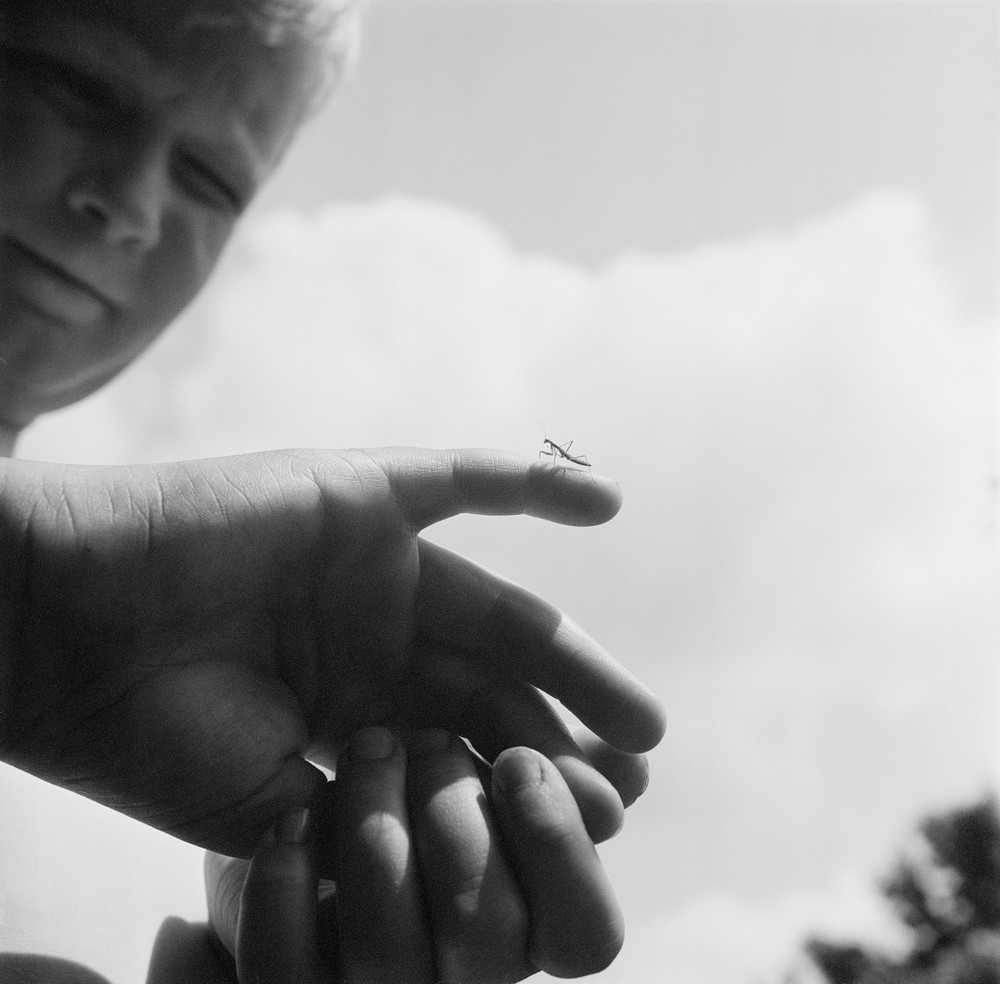
Lenz is the son of missionaries and grew up considering things he couldn’t see with eyes but were in fact very real. “Poetic truth is more profound to me than literal truth,” he says, “and walking through the woods, knowing that there are things out there that are invisible to my eyes but living in the same world as me leads to a world full of enchantment.” His work is charged with a keen sense of observation as he scours the land for discoveries, reminding us of the rich and mysterious beauty that we often overlook in our day-to-day life in search of more momentous places and events.

In Angelology, Seraphim are the highest ranked angel, described in the Book of Revelation as six winged creatures with eyes everywhere. Whenever there is an encounter with an angel throughout the Abrahamic religions, the first thing the angel would say is, “do not be afraid”—a gesture that fascinated Lenz. “As beautiful as an angel may be, they are undoubtedly just as terrifying,” he says. Day after day, he would wander the woods near his house in hopes of seeing an owl, always surprised when he did.
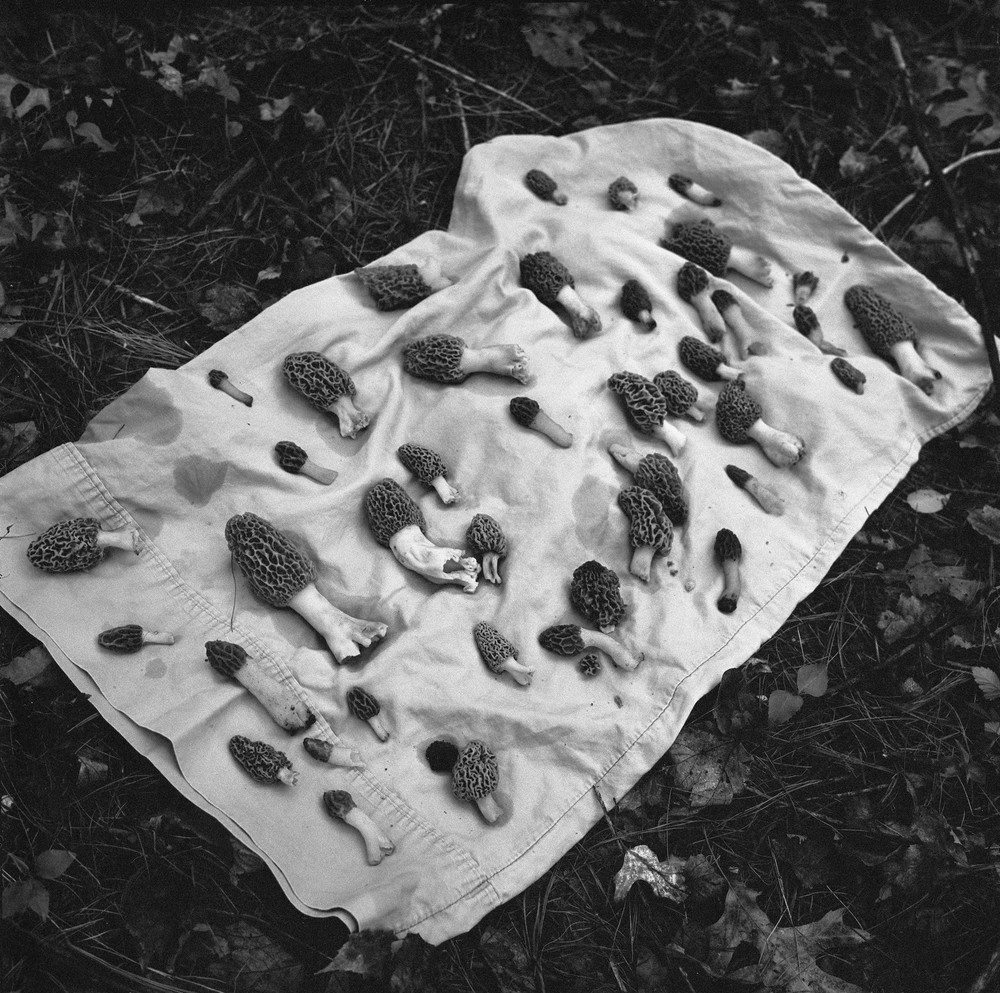
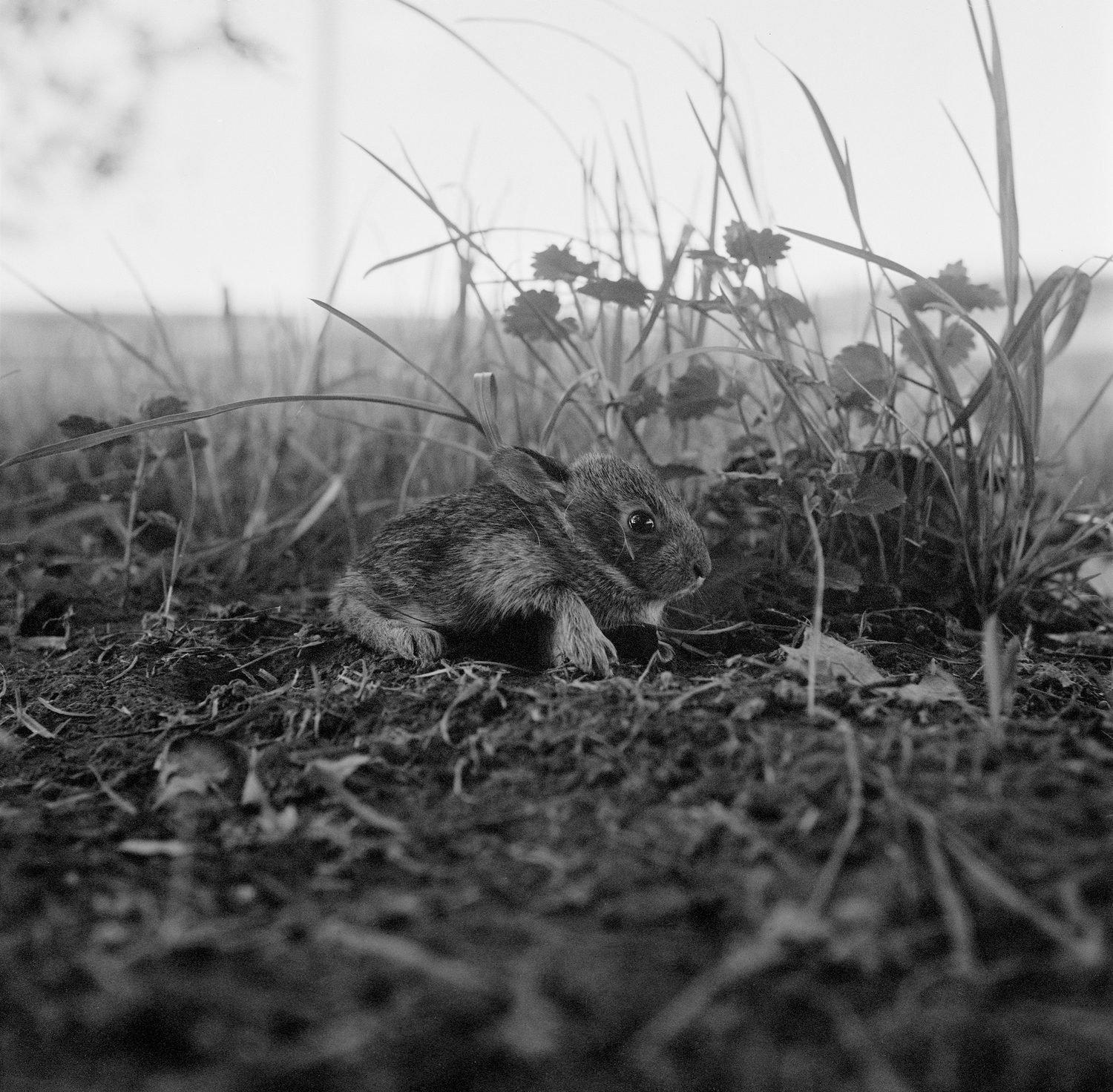
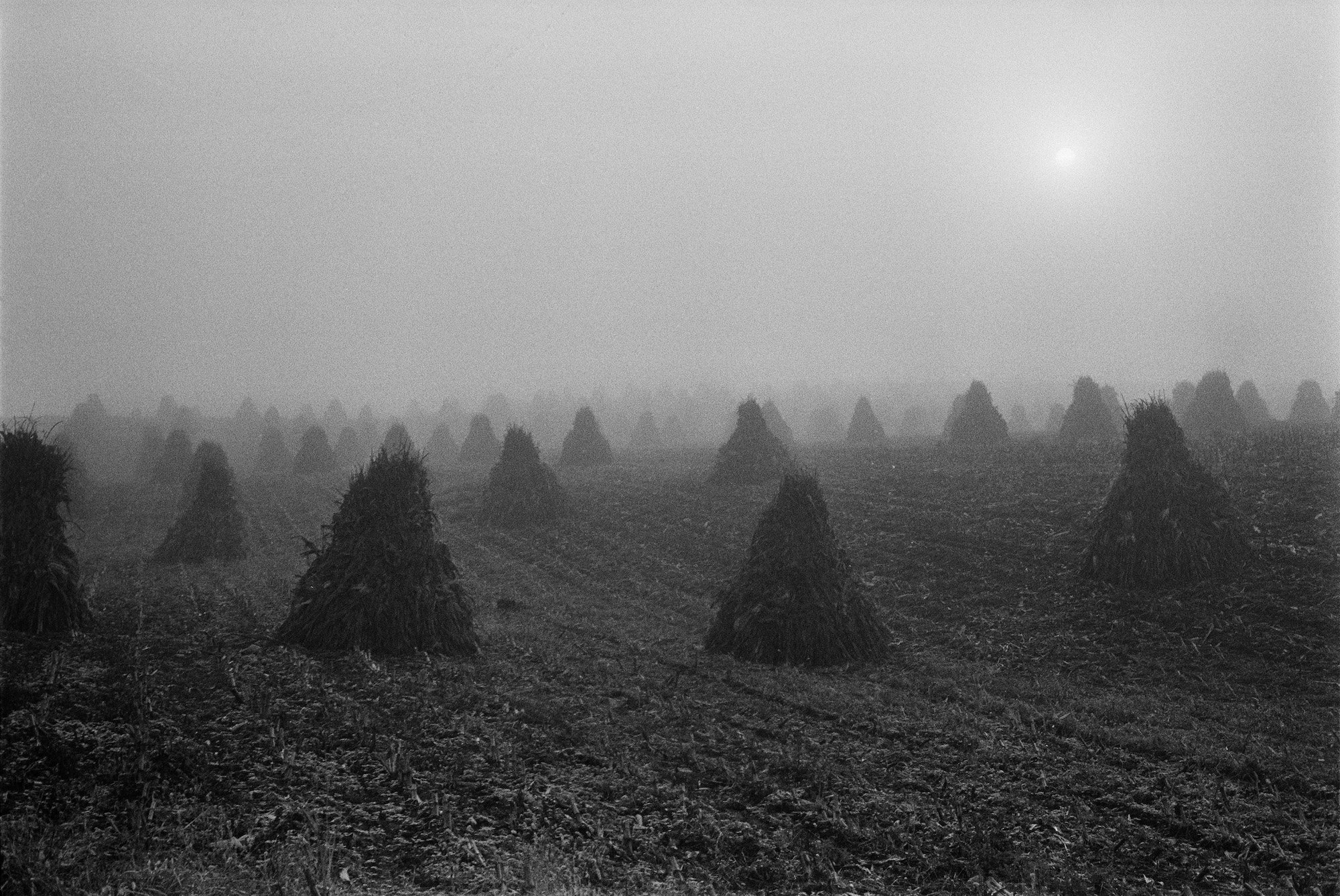
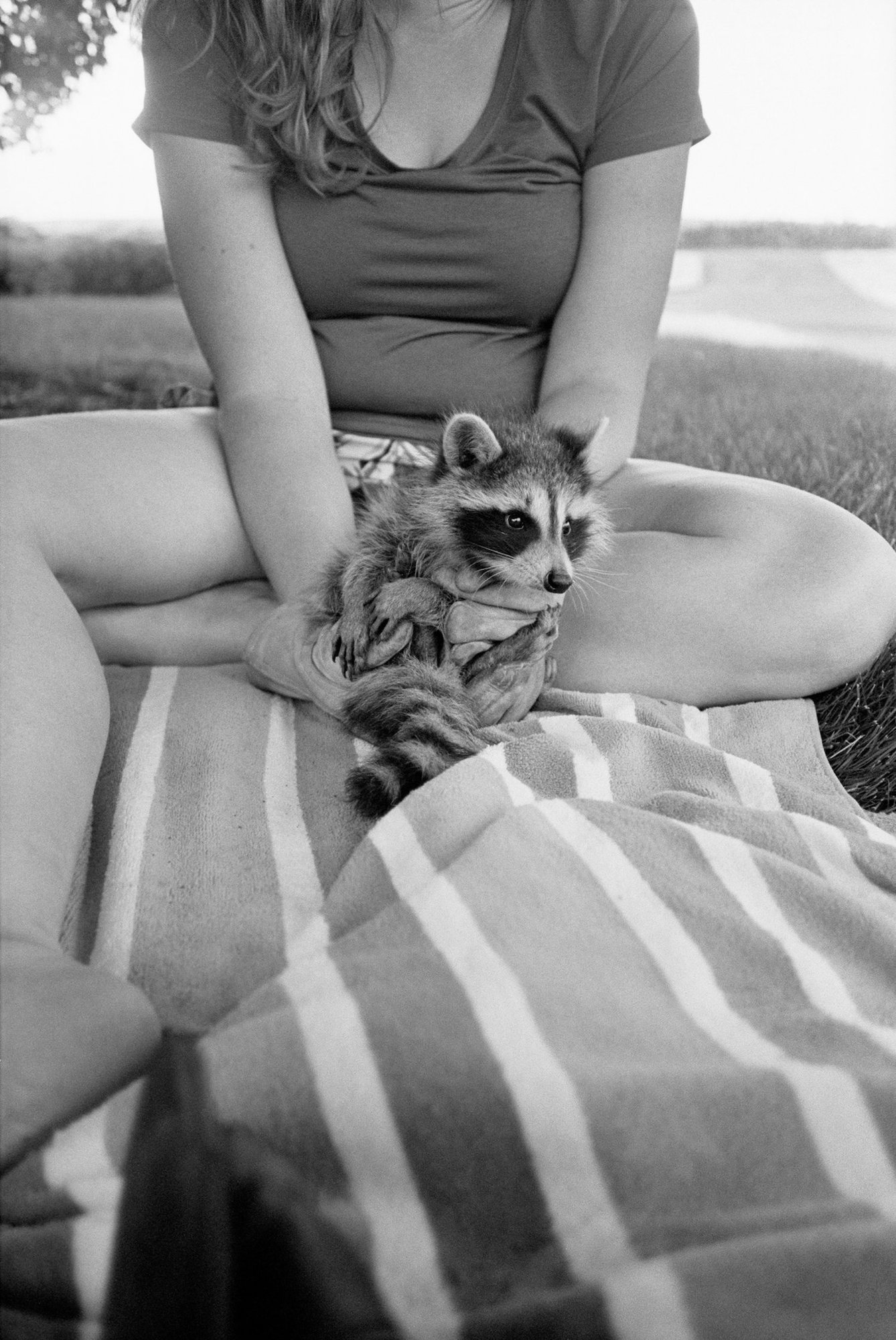
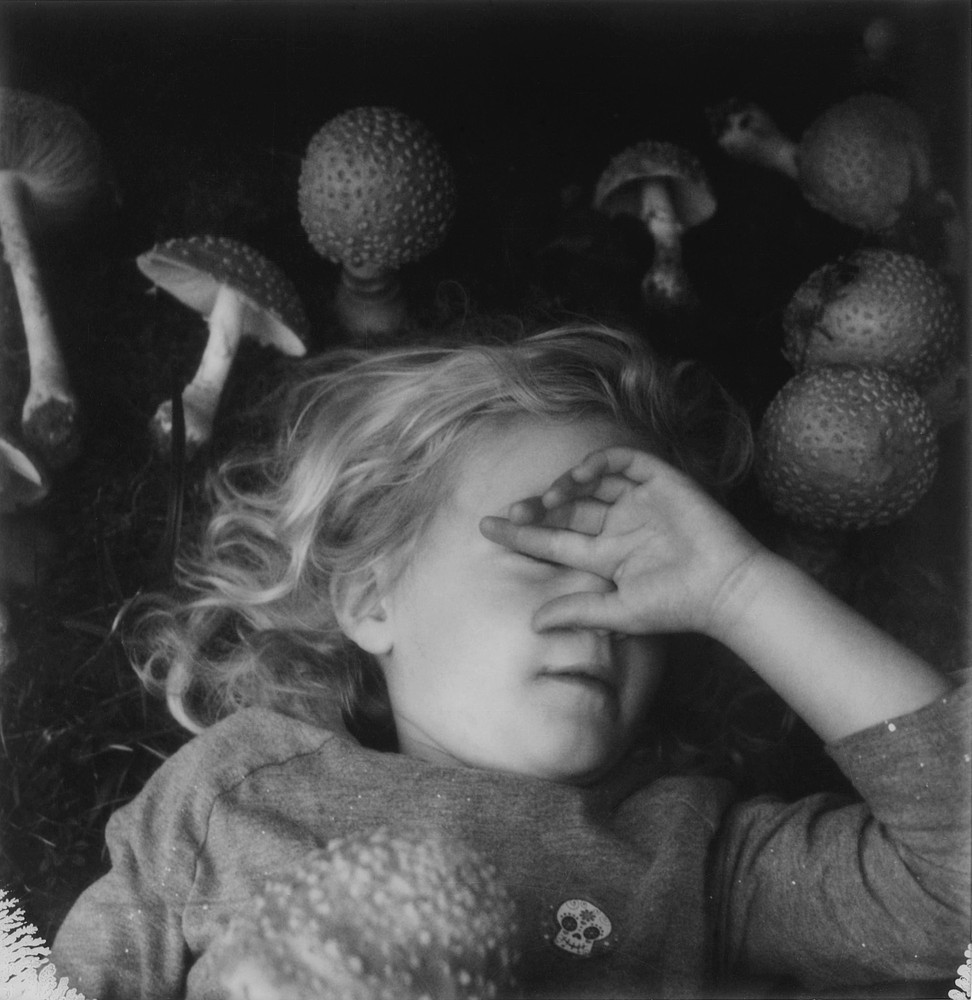
Along the way, the rest of the work began revealing itself to him. The Ohio countryside in his photographs is enigmatic and labyrinthian, the woods enchanted, and the owls otherworldly. Along the roadside Amish buggies and draft horses pass by, their presence adding to the layers of reality that emerge in the work. In the woods, little goes unnoticed by Lenz. Morel and chanterelle mushrooms grow in the underbrush; a snake slithers out of a tree; and through the seasons, the artist crosses paths with possums, rabbits, beavers and bears.
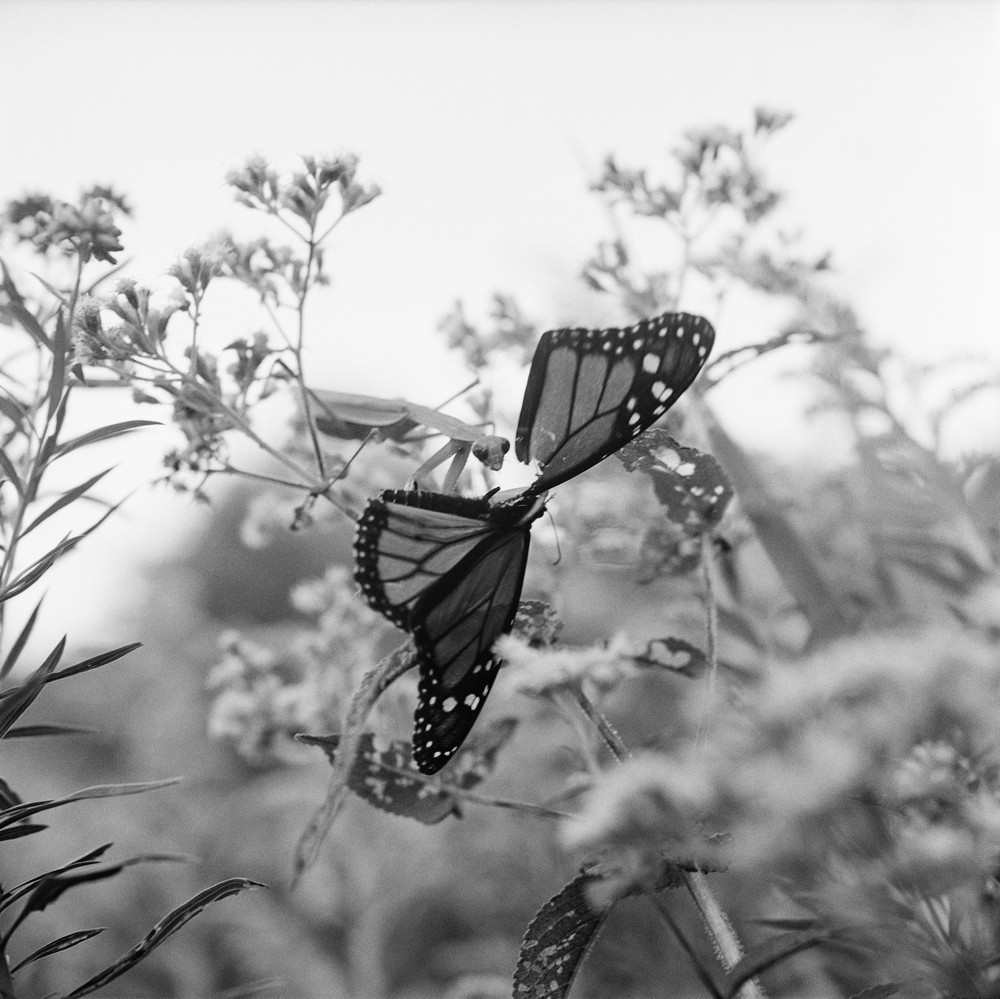
The Seraphim oscillates between sweeping cosmic wonderment to curiosity of the infinitesimal lives of bugs and beetles. In one photograph, a praying mantis eats a butterfly, the massive bug eyes of the insect staring directly into the camera. In another, a caterpillar worms its way through the tomatoes in the garden. The animal sphere, the sphere of man, and the sphere of the heavens swirl and mingle in a quiet crescendo.
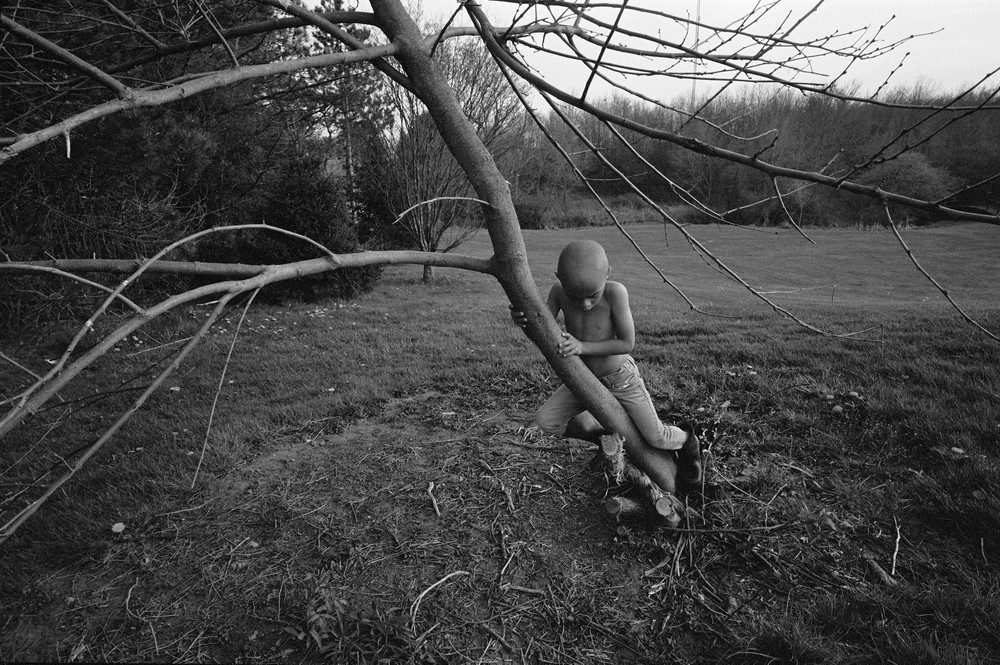
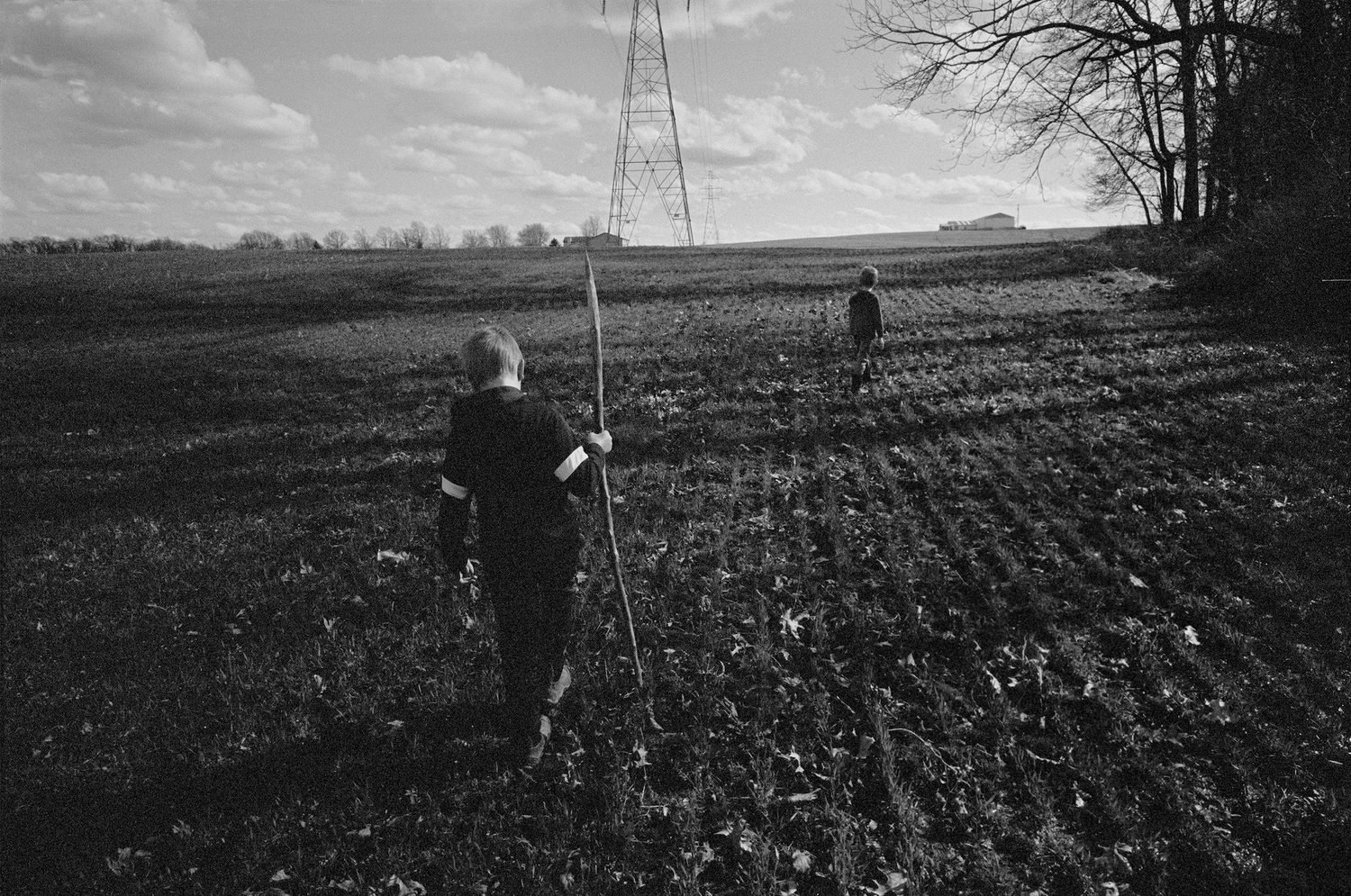
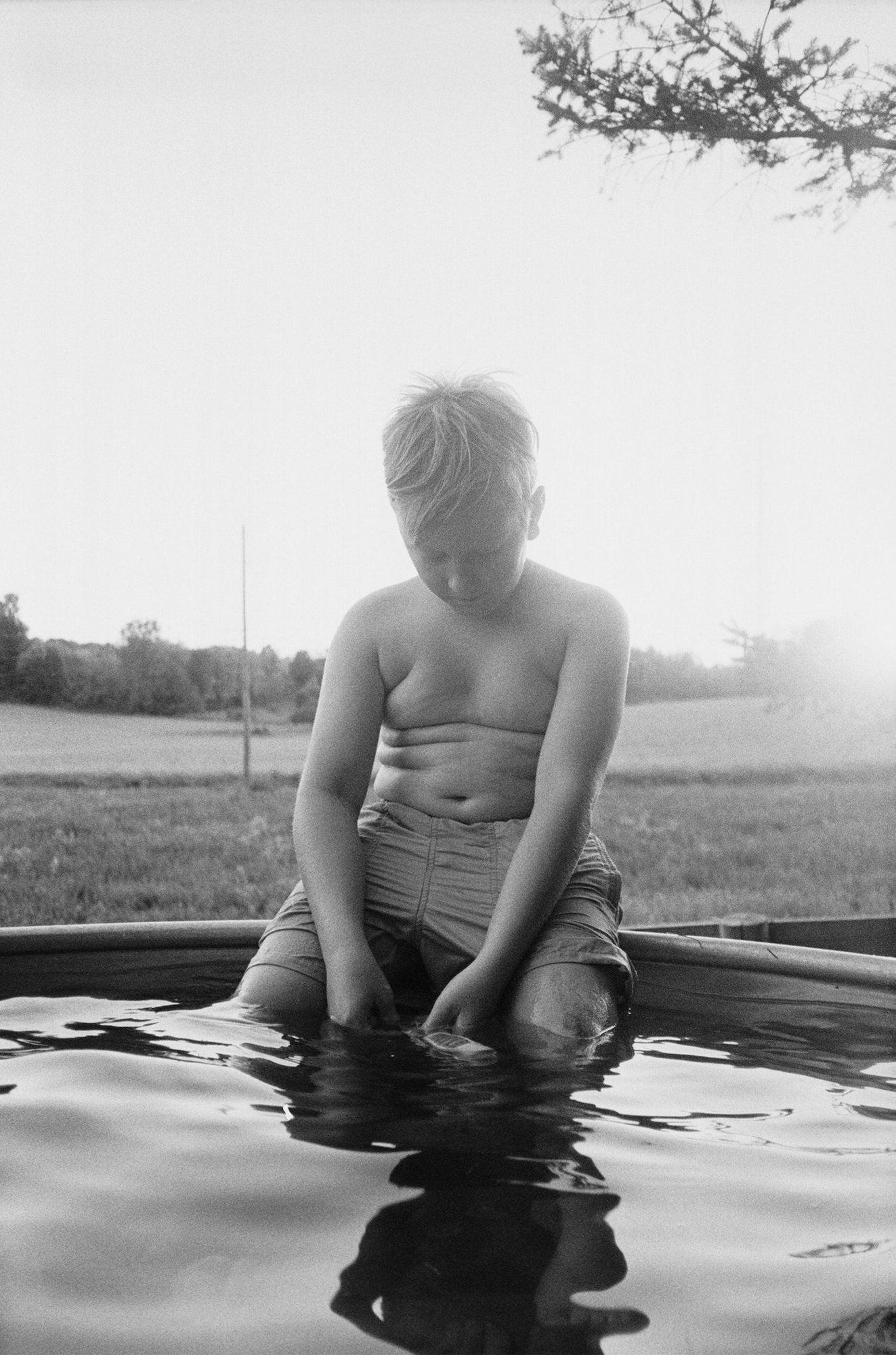
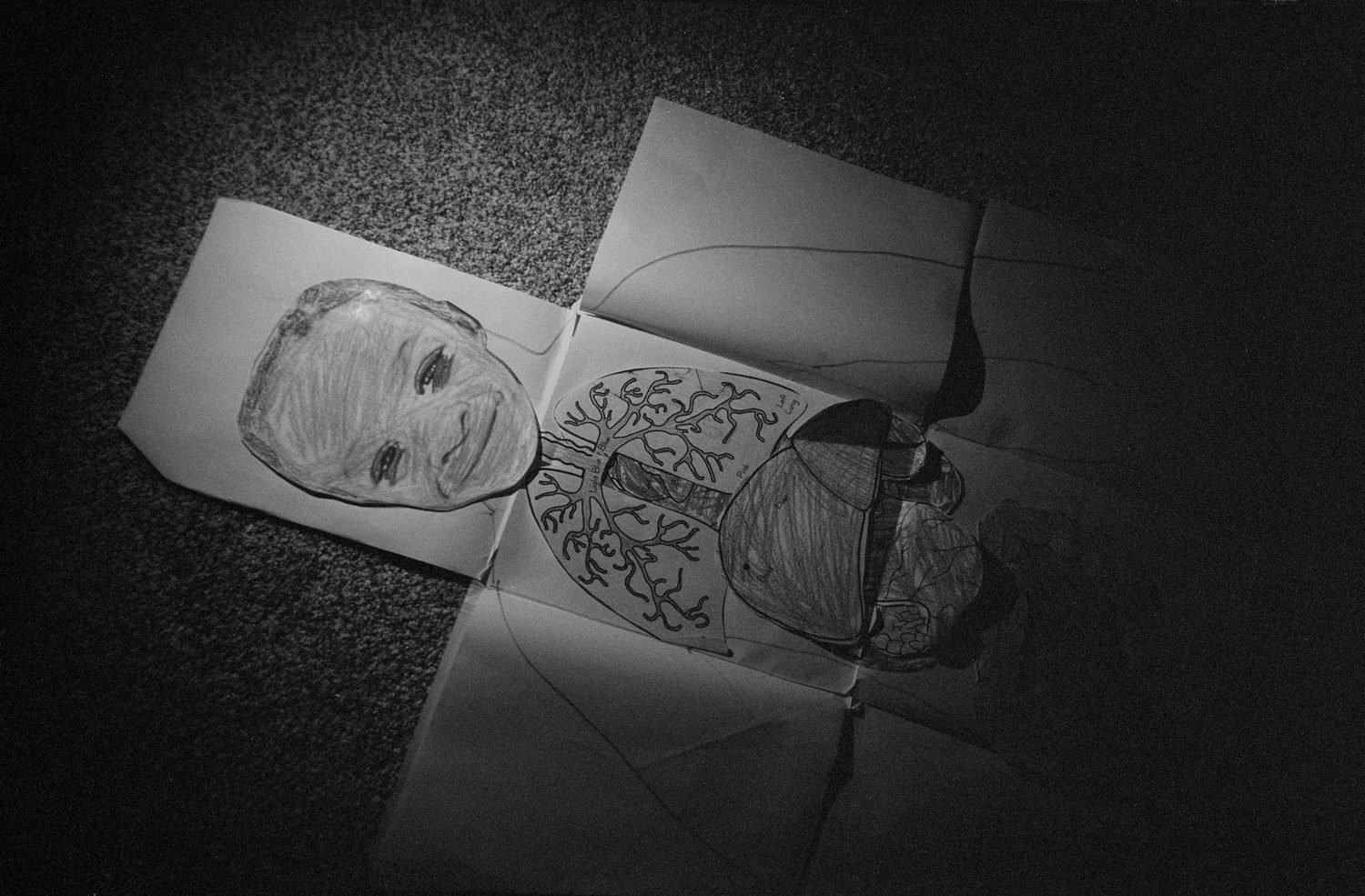
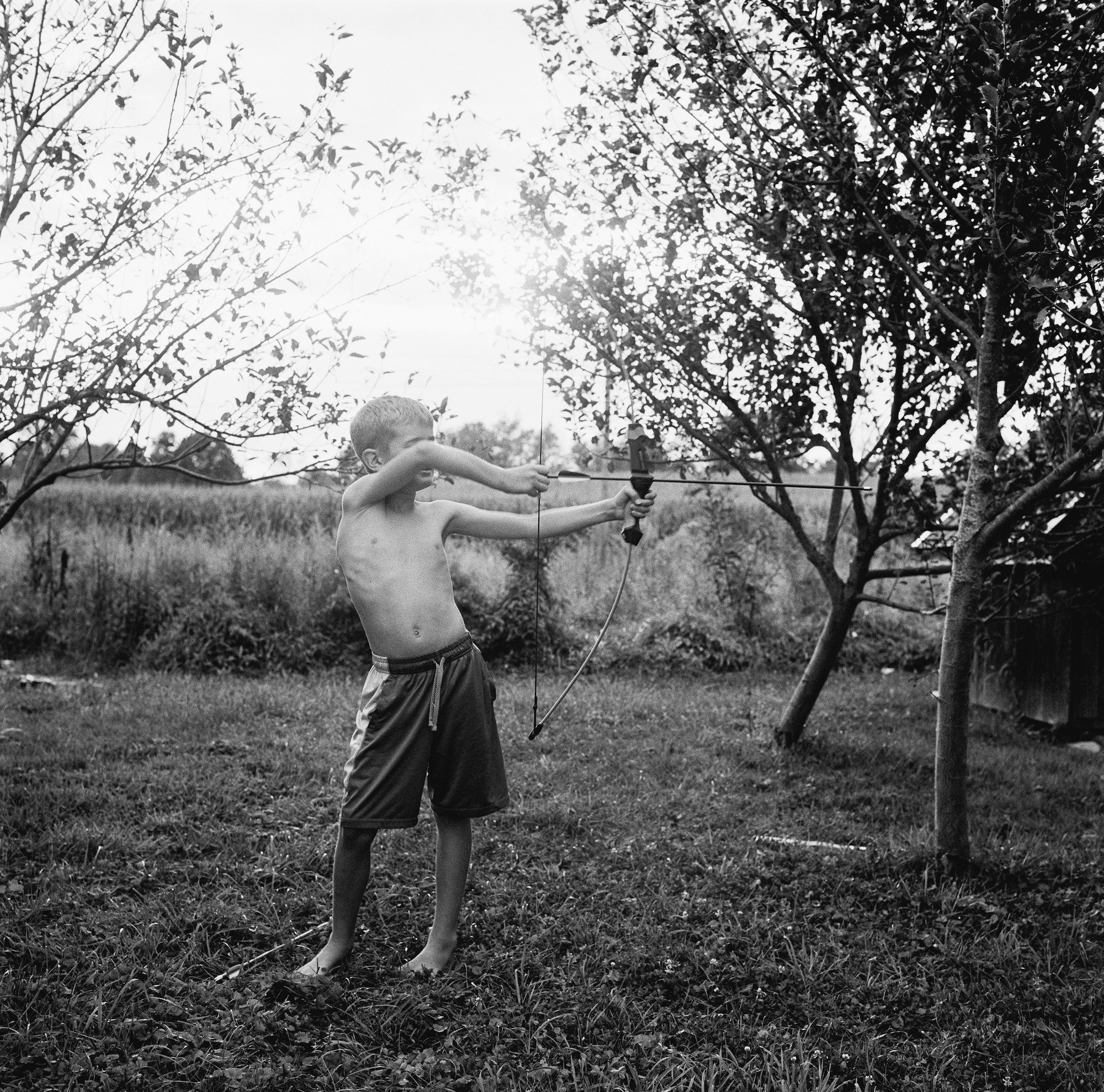
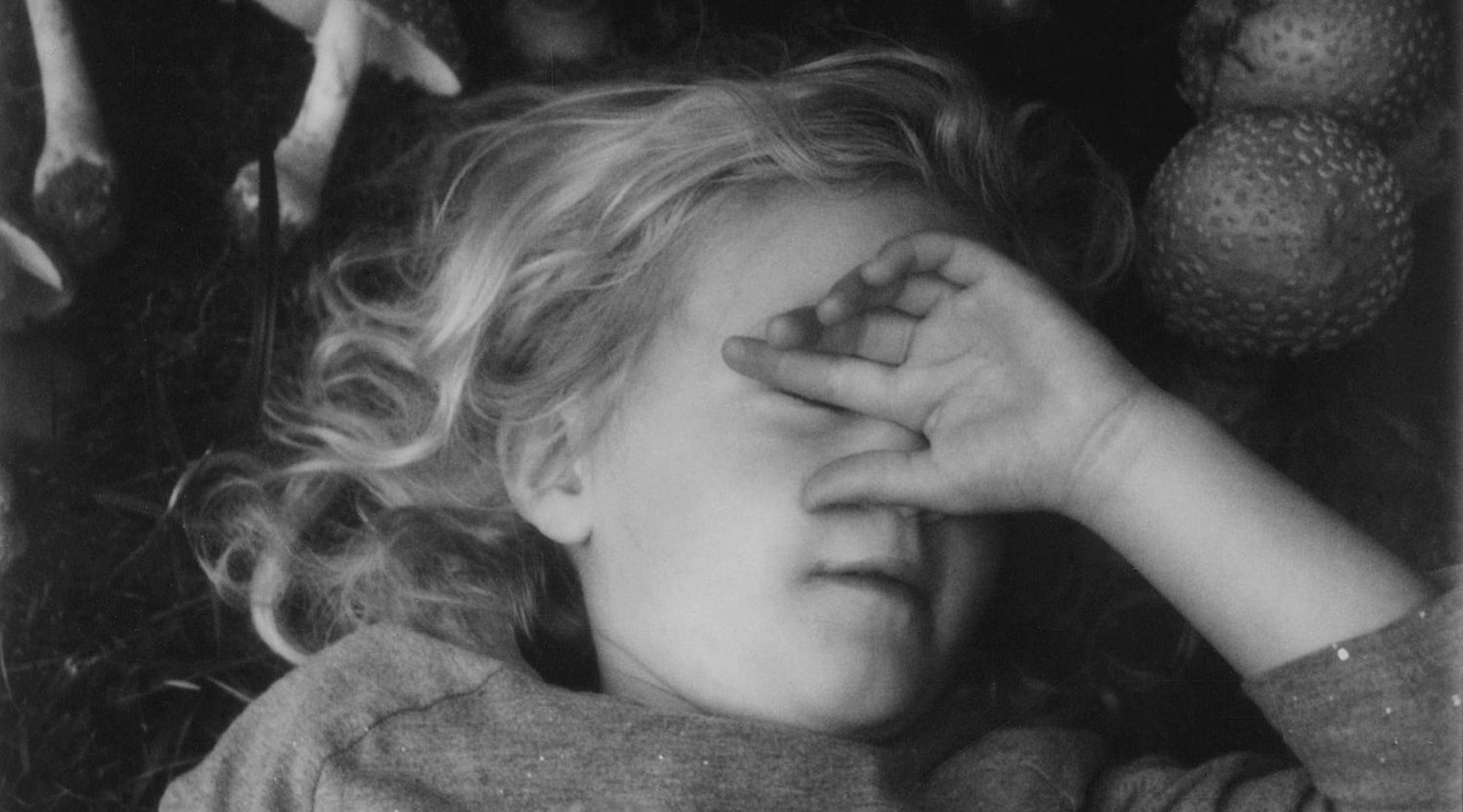
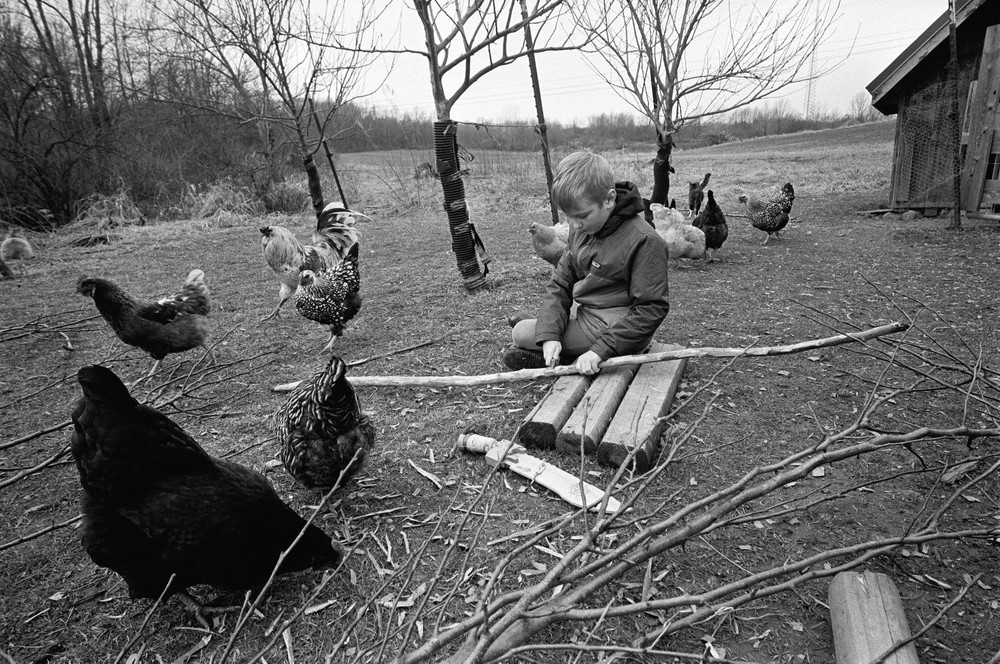
Alongside Lenz are his children whom he photographs running through the woods, playing around the house, and swimming in a creek. As much as can be said about his fascination with owls, it is clear that this is a father fully present in the life of his children; a father who seeks to share his wonder of the world with them, and they in turn allow him to see theirs. Again the parallels between art and life blurred as Lenz realizes the similarities between making art and raising a child. When a child is young, the parents encourage different life paths and disciplines depending on the parent’s vision. But over time the personality of the child develops until finally they come into their own. So it is with work: nurture and wait long enough and the work becomes something the artist could have never planned for.
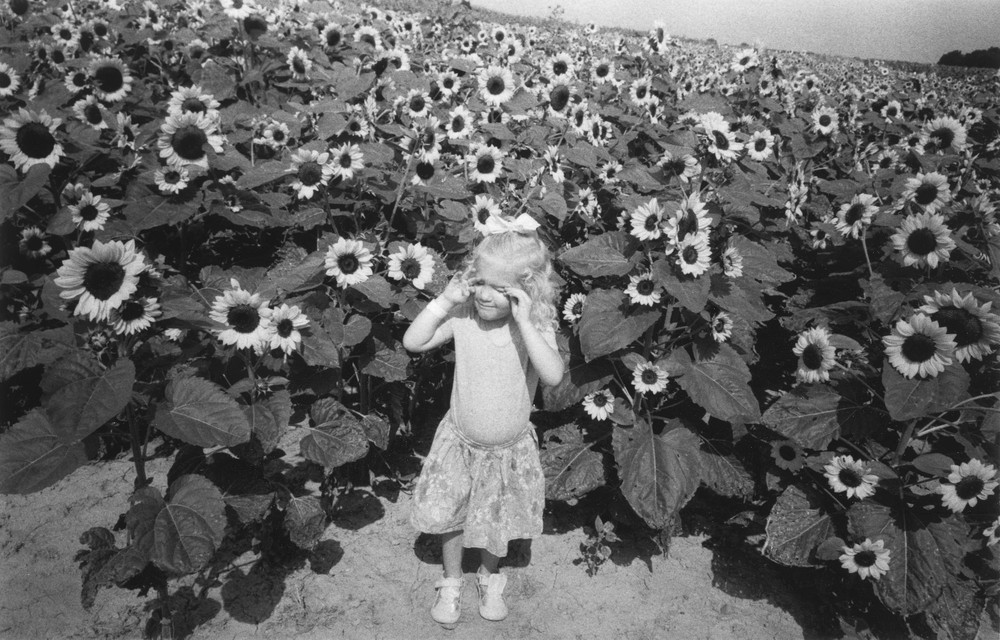
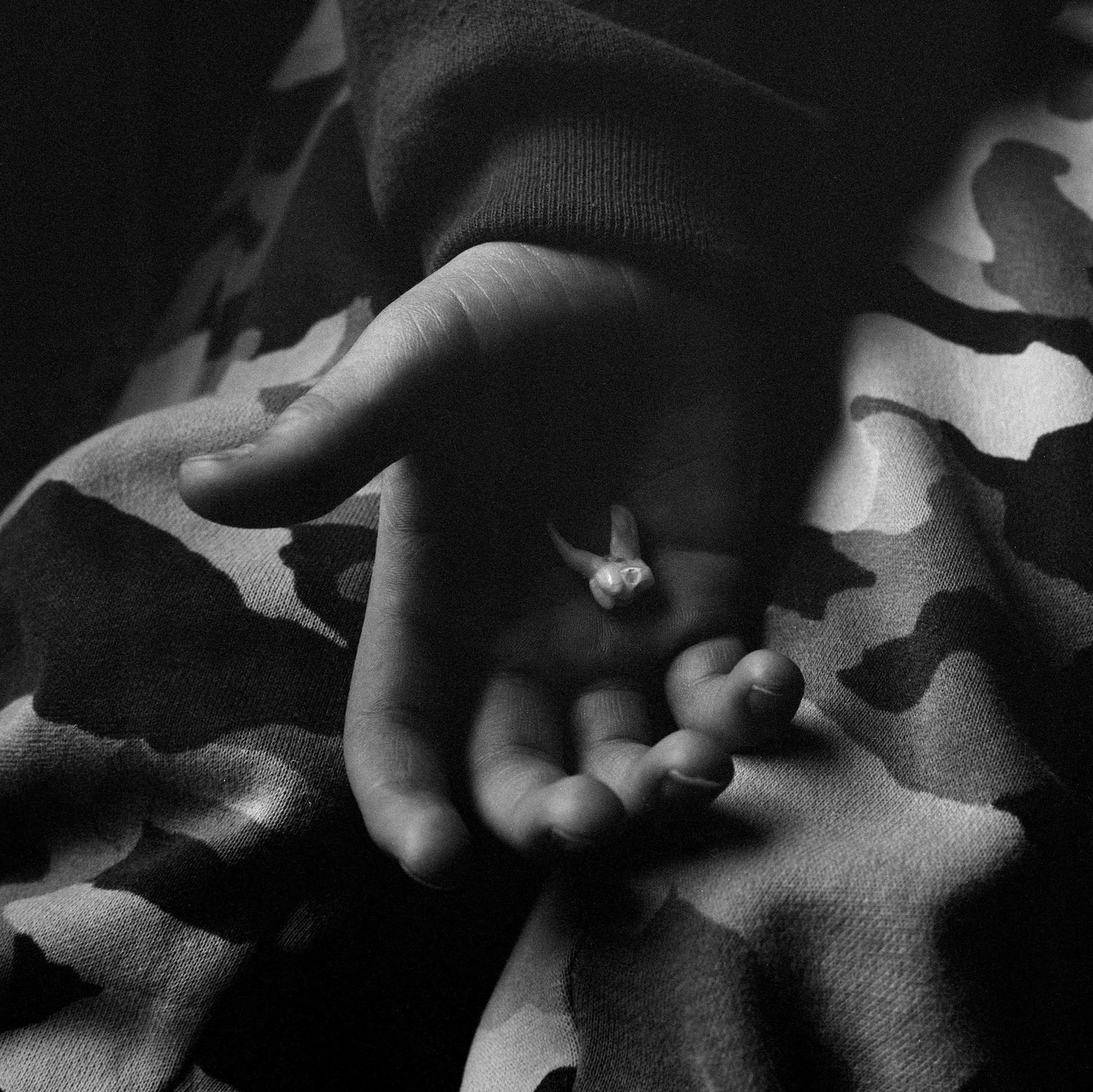
Through a difficult process of giving up what he thought he wanted, Lenz discovered that no matter what the subject matter or the setting the work is made in, art is about seeing with intention. “The purpose of the work is the intimacy of the experience,” he says. “It’s not to get the picture. The picture is just the result of the desire of my life to be so close to these things that I feel like there is still magic in the world.” In other words, the photograph is a bi-product, not the end goal. The images in The Seraphim are by an artist fully engaged in what is right in front of him, and who, through patience and attention, reveals a world filled with enchantment.
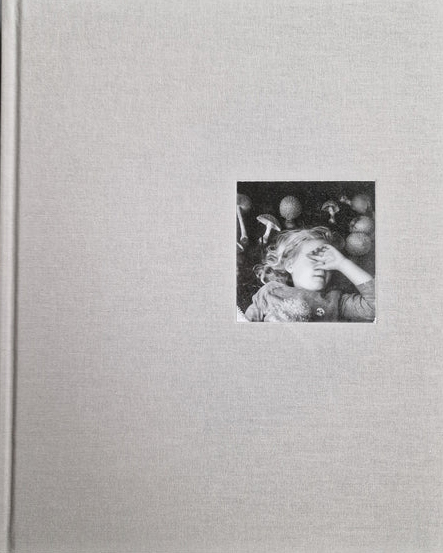
ISBN: 978-1-7362345-3-2