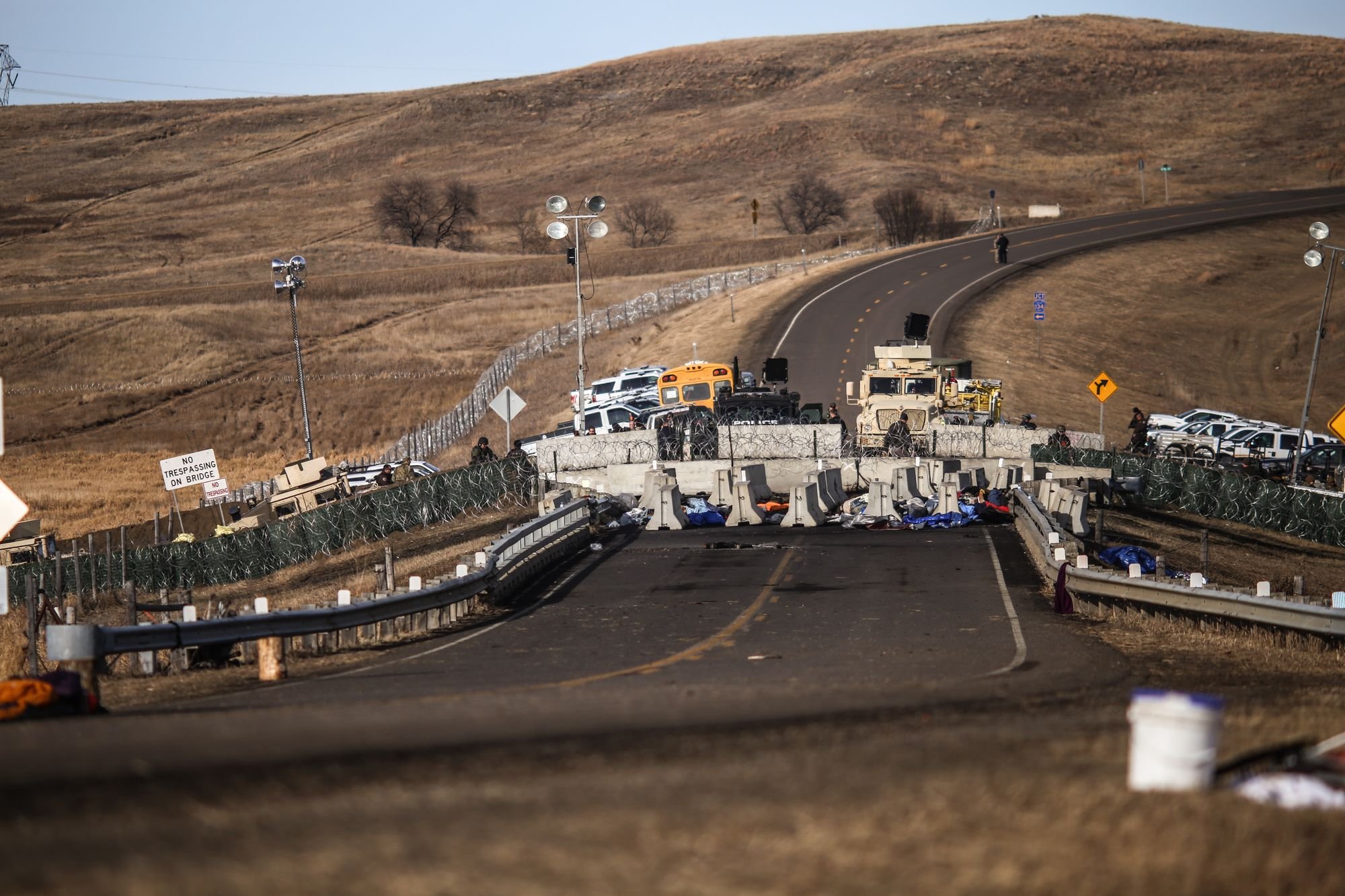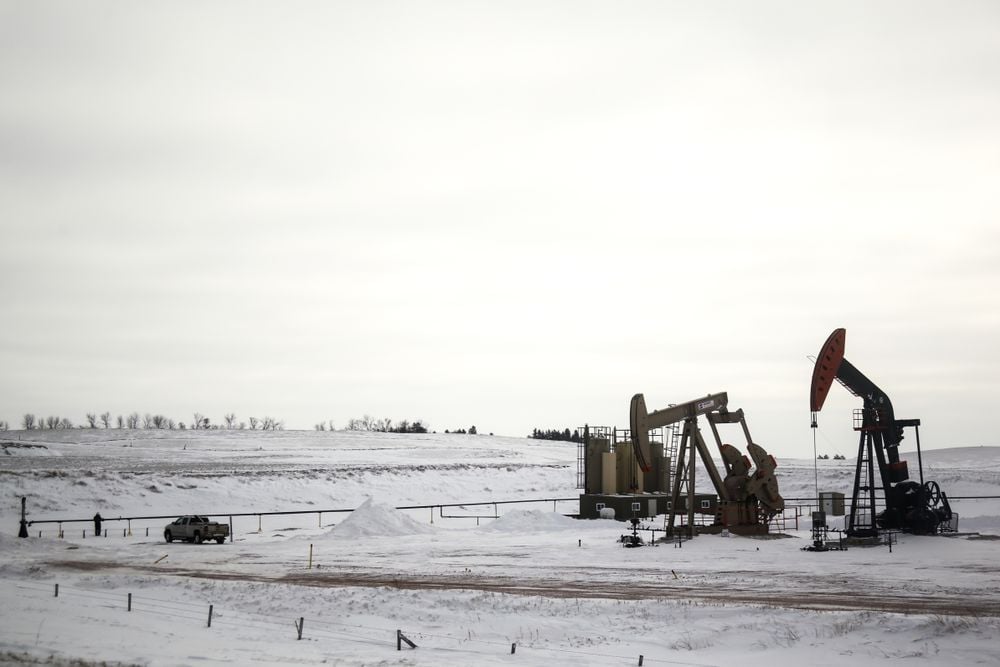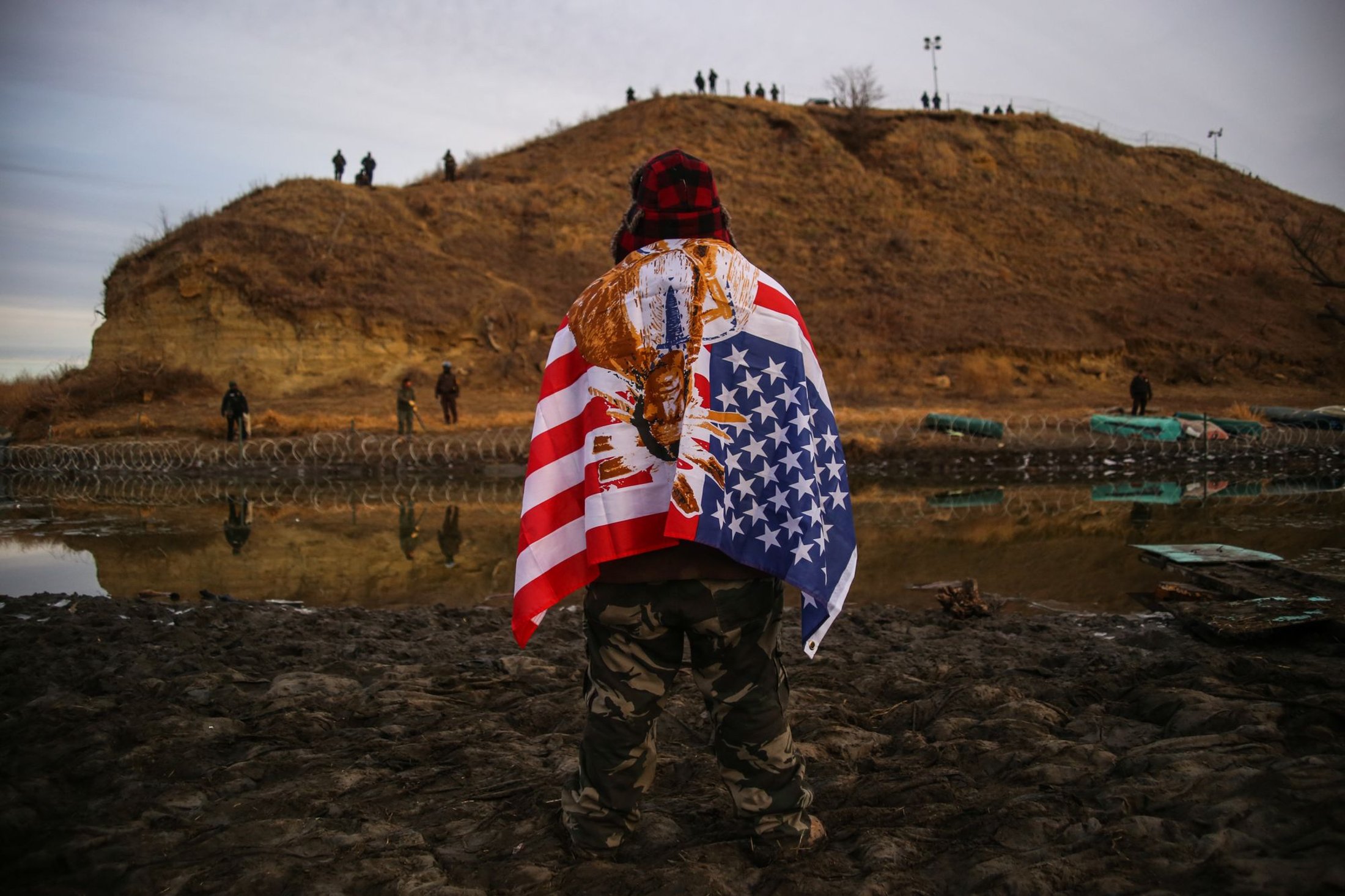
The Dakota Access Pipeline, if completed, will run 1,172 miles underground—through North Dakota, South Dakota, Iowa and Illinois—transporting crude Bakken oil to an oil tank farm in Patoka, Illinois. A $3.8 billion endeavor by Energy Transfer Partners, the pipeline has sparked conflict and controversy at a key construction site that runs alongside the Standing Rock Indian Reservation in North Dakota.

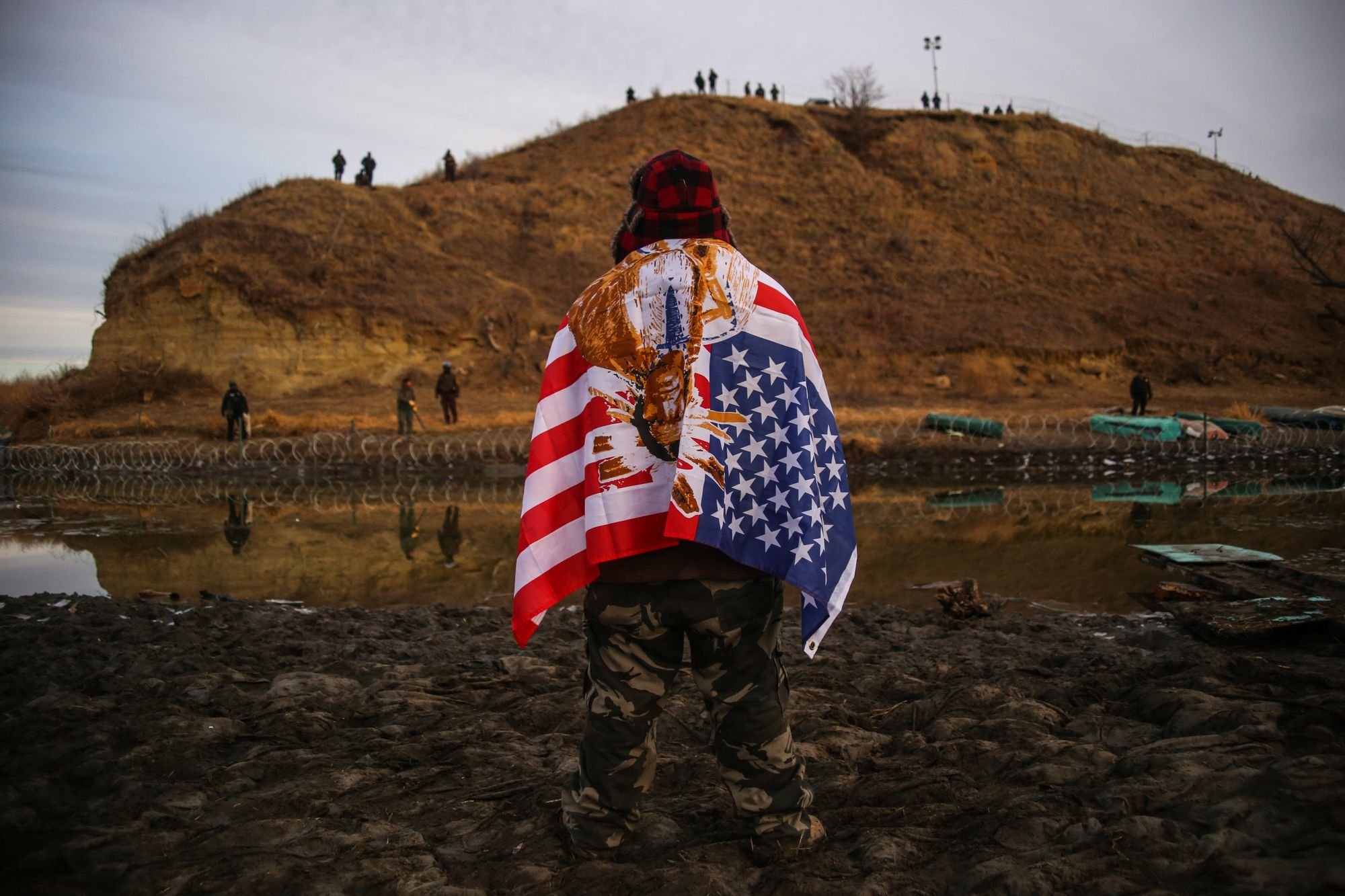
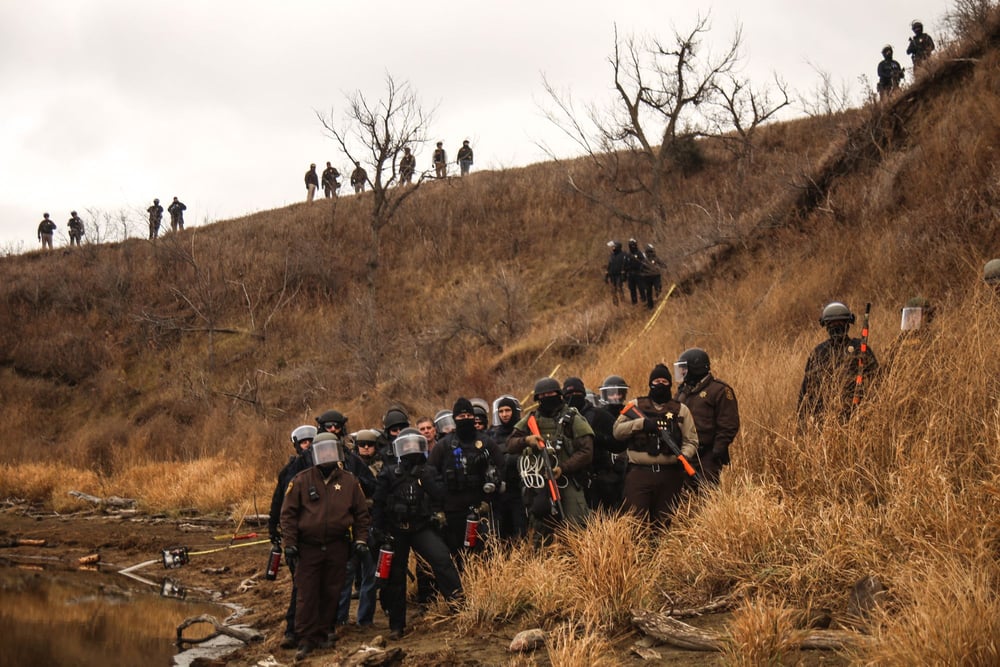
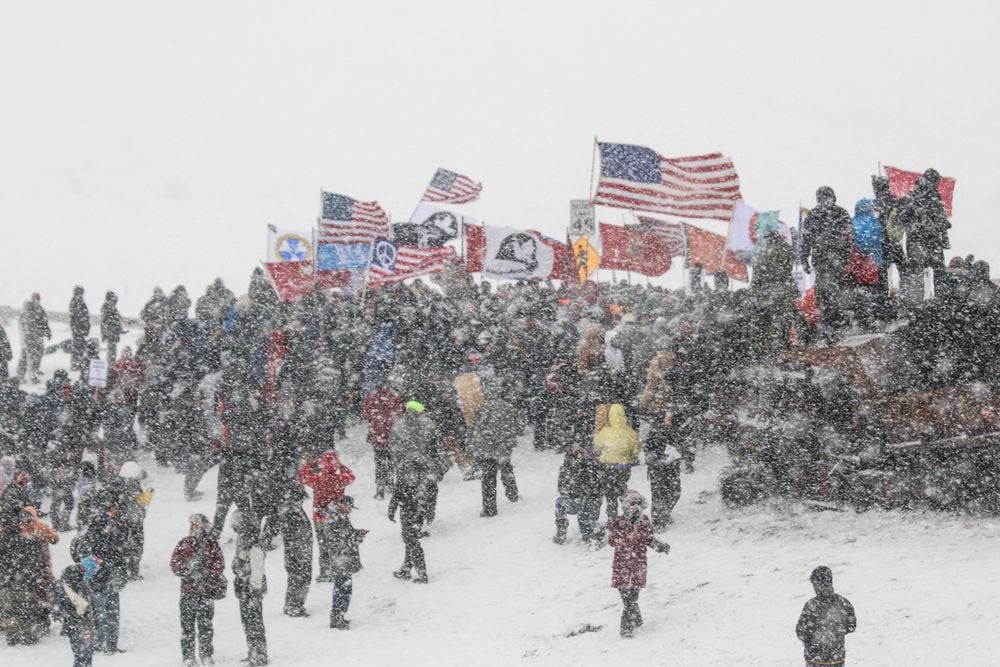
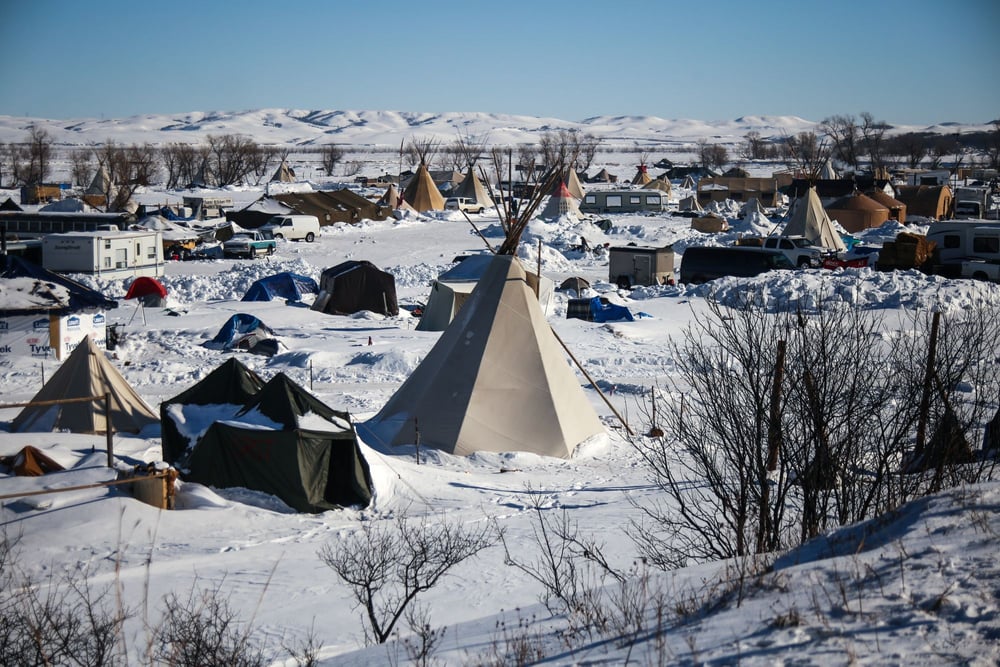
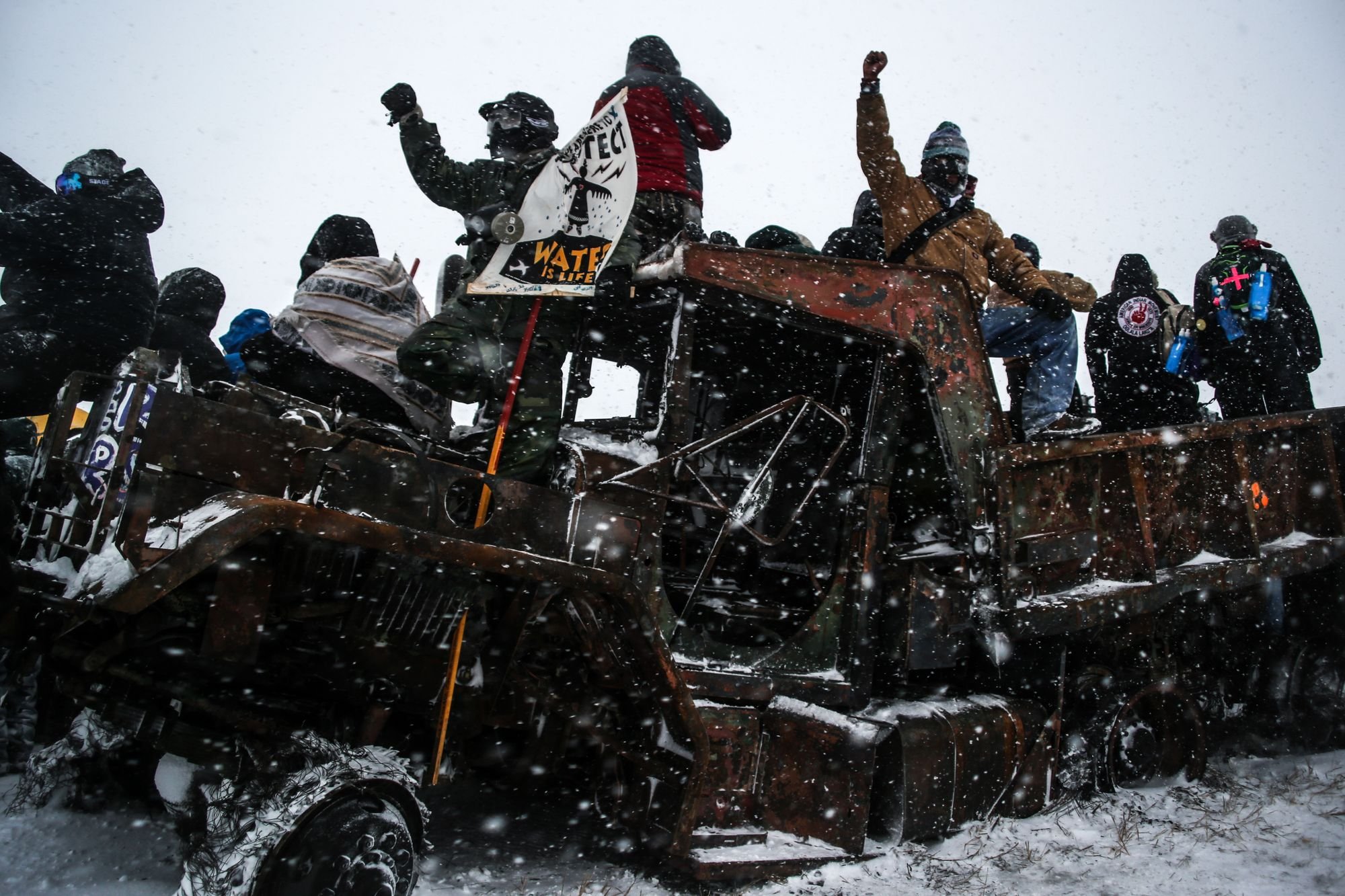
Native Americans and environmental groups have gathered at the disputed Army Corps of Engineers land, just north of the reservation, to protest the construction of the pipeline underneath the Lake Oahe reservoir of the Missouri River. They have been congregating for months, with some people arriving in early 2016. Protestors say that the pipeline could contaminate the Standing Rock Sioux Tribe’s primary water source.
The pipeline has been routed onto land managed by the Army Corps of Engineers, and yet this control is disputed by protestors, who say that it should be controlled by the Standing Rock Sioux Tribe as a result of the 1851 Treaty of Fort Laramie. The treaty established Native American territories and interactions between the tribe and the United States, but was not respected by non-Indians. The treaty council met again to resolve some of these issues in the 1868 Treaty of Fort Laramie, which established specific territorial boundaries and land cessions to the United States. In the new treaty, the Sioux lost land; they would continue to lose territory in the following decades.
On the other side, the oil industry in North Dakota has supported much of the state’s economic success and infrastructure. According to a recent study by Grand Forks firm AE2S Nexus, cities in North Dakota’s oil-heavy Bakken Formation are expected to see a growth in population as oil prices recover. The population growth will require an expansion of city infrastructure and services to keep up with its residents’ demands. Energy Transfer Partners claims that the completion of the Dakota Access Pipeline will generate abundant tax revenue and create thousands of employment opportunities, though only a few dozen jobs would remain permanent.

The Obama administration denied the final easement to Energy Transfer Partners LLC for construction of the pipeline in December 2016. The US Army Corps also committed to the completion of an environmental impact statement that same month.
In January 2017, newly elected US President Donald J. Trump signed an executive order advancing the Keystone XL and Dakota Access pipelines, sweeping aside the efforts of the previous administration (and the protestors).

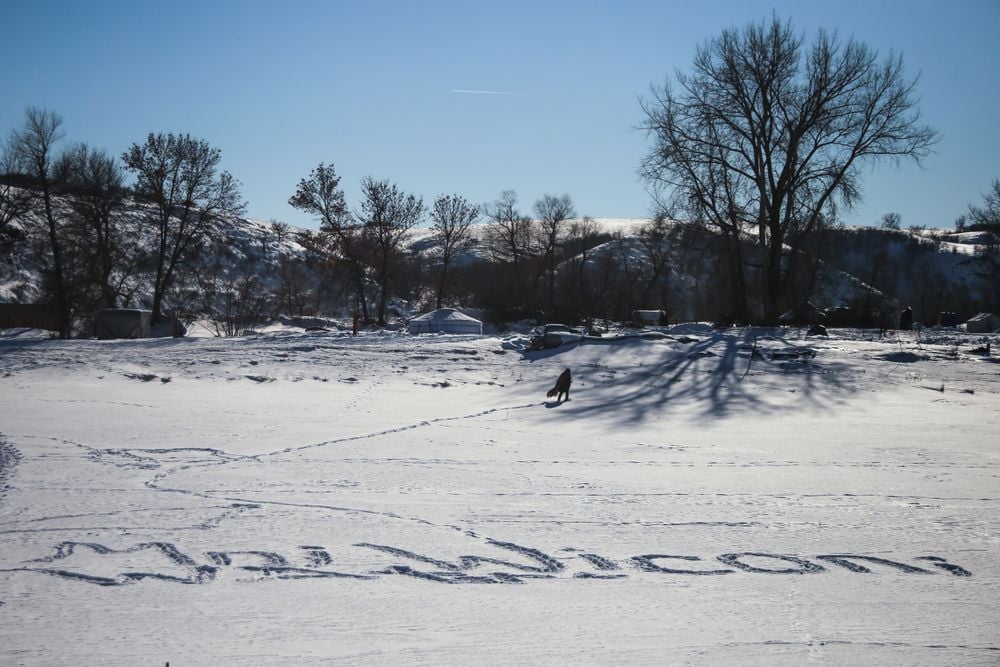
The protestors’ camps, situated on US Army Corps land, are located on a floodplain of the Cannonball and Missouri rivers. Concerns of flooding, coupled with environmental damage caused by structures and waste at the camps, have prompted evacuations and evictions ordered by both the Army Corps of Engineers and the Tribal Council.
On February 7, 2017, the US Army Corps of Engineers granted the final easement needed to complete the construction of the controversial Dakota Access Pipeline in a court filing. An environmental impact statement that was delaying efforts to grant an easement was also terminated by the Army Corps, despite claims that one would be finished before moving ahead with the pipeline.
—Joel Angel Juarez