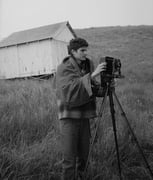
Referred to as the “humongous fungus” by those in the know, the subject of Jonah Reenders’ Armillaria is a little harder to photograph than its nickname might suggest. The ancient organism, which weighs more than 200 gray whales, is subterranean, its tentacle-like roots unfurling underneath the forests of eastern Oregon. It is the world’s largest living organism—and it is mostly hidden out of plain sight.
For Reenders, who has a background in biology, the Armillaria is a mysterious well of knowledge that can speak multitudes about human life that unfolds above ground, as well as the more-than-human activity going on under it. Mirroring the behavior of its subject, the project itself entangles people, places and things: experimental spore prints made in the darkroom, portraits of people interacting with the environment, poetry and surreal landscapes come together into a thick and layered whole. A tutor in the interconnectedness of ecosystems, Armillaria imparts a blueprint for coming together as individuals and questioning the boundaries between human and environment.
In this interview for LensCulture, Reenders speaks to Sophie Wright about the overlap between science and photography, growing fungi in the studio and how cultivating care is the key to living in uncertain times.
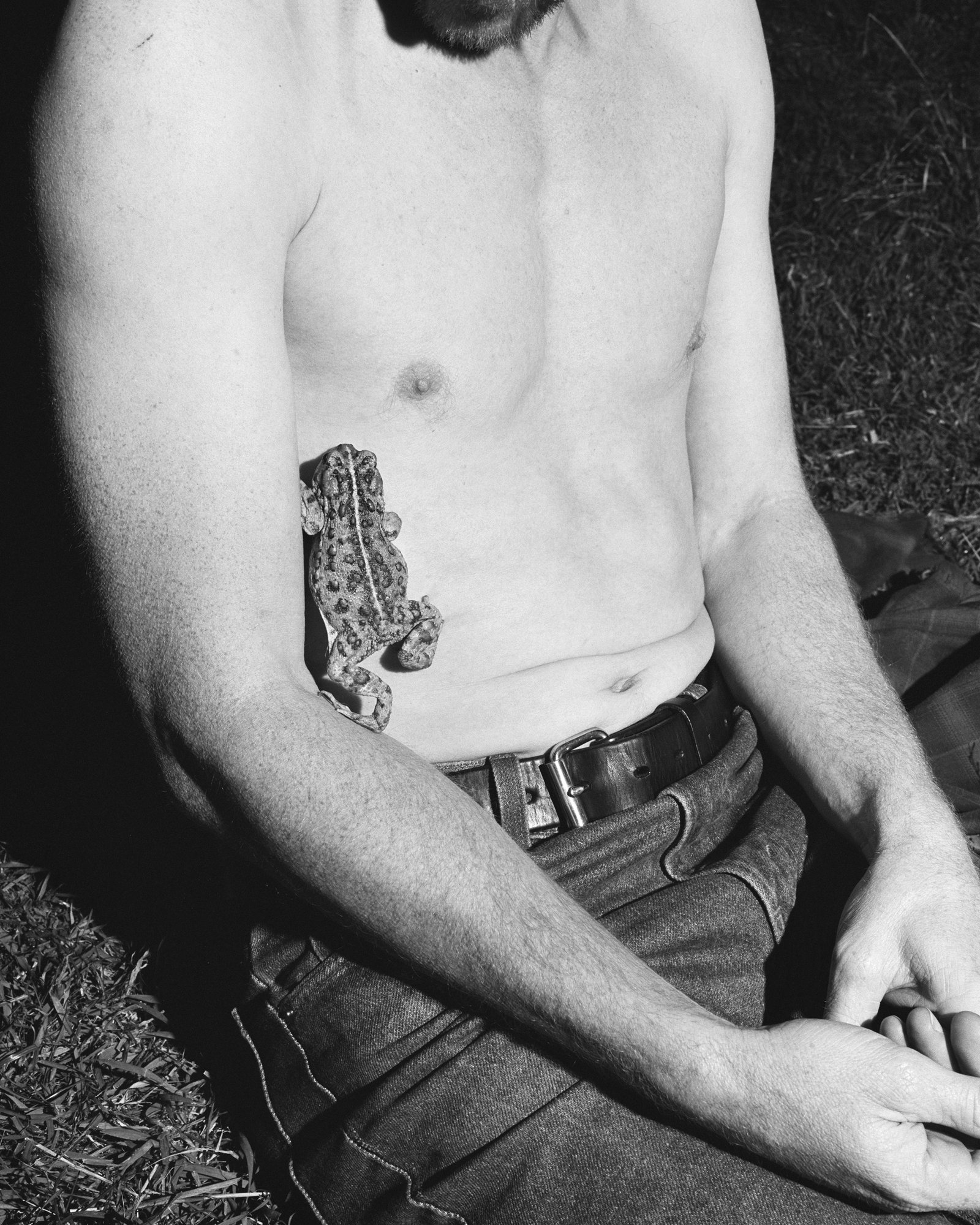
Sophie Wright: At the root of your project is a 10,000 year old fungus that weighs 35,000 tons. How and why did this gigantic organism first grab your interest?
Jonah Reenders: I first heard about the Armillaria during a mycology course in my undergraduate studies in Northern Michigan. Another species of Armillaria grows there, and I was immediately fascinated by its age and scale. I’ve always been drawn to the fungal world. It feels like there’s still so much we don’t understand, and so much we can learn from them.
SW: Would you say Armillaria grows out of any of your previous projects or does it represent a new branch of your practice?
JR: I think it’s a continuation of my practice. I find topics that pique my interest, like Armillaria, and build a project from there. I never know where it’s going to lead, or if it will lead anywhere at all, but as long as I’m interested and excited to make work around it, it feels worth exploring.
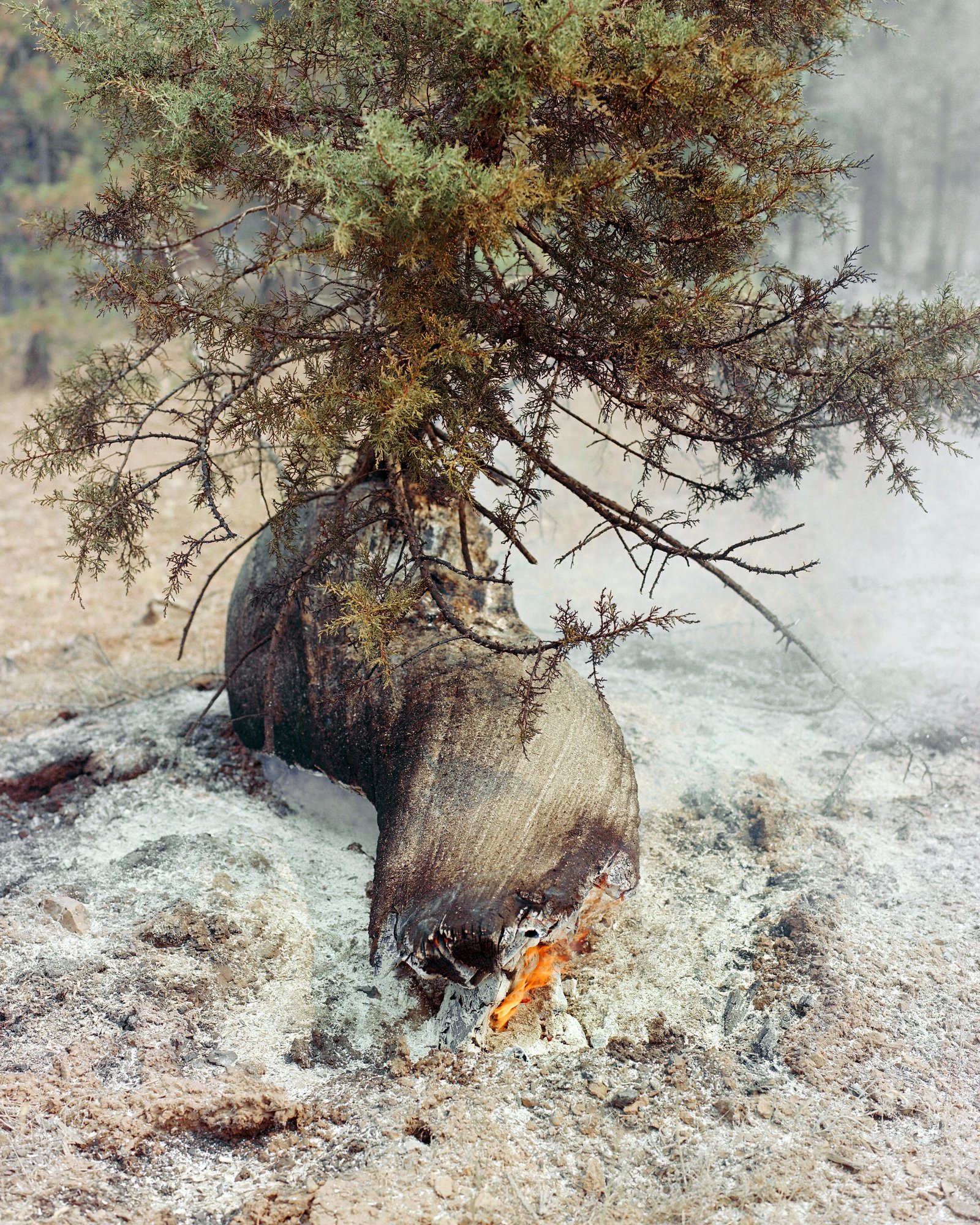
SW: How would you describe the kinds of themes, desires and questions that drive you to follow the seed of an idea into a project? Why is photography your chosen vehicle for your artistic journey?
JR: I’m drawn to parts of the natural world that open up larger questions, not just about the subject itself, but about our role within the ecosystem, our relationship to it, and how art can shift or complicate that understanding.
I started using a camera when I was 16. Coming from a farming family in a small town, it was my first introduction to art. I carried it with me on walks in the woods near my home and got excited by what it was able to capture that I related to. I’ve always been more interested in how an image can make you feel. I didn’t really use it as a way to document my life, but as a way to write small visual poems and try to understand the emotions I was feeling deeply.
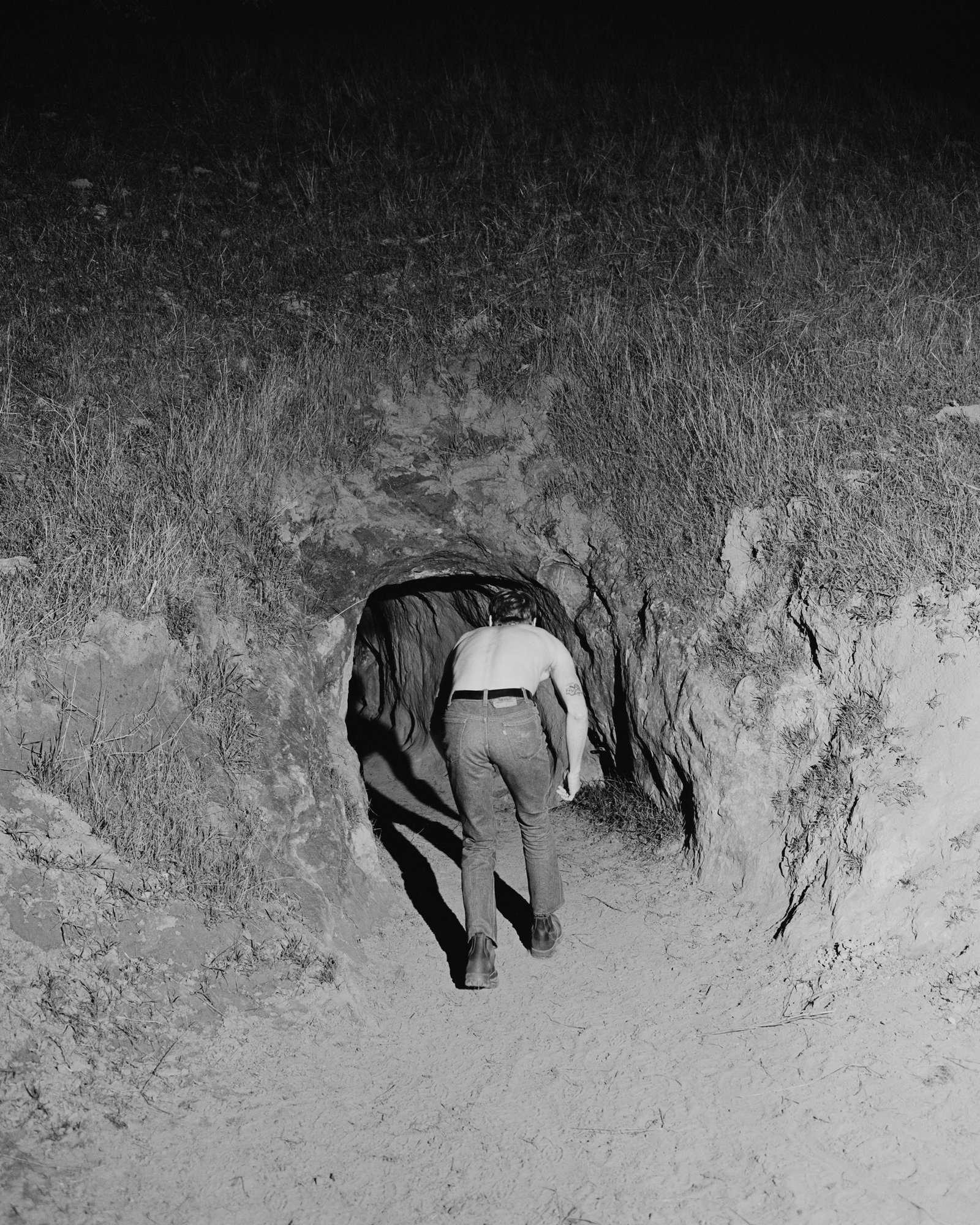
Photography can feel limiting in that it’s fixed to whatever is placed in front of the lens. But that constraint is also what keeps me coming back to it. I’m really interested in working within and against those limitations. It also feels like there is a connection with photography and science. It’s a way of looking and observing the outside world. I think that’s why I also use film because I like the slower process. It feels, in a way, like collecting data. It forces me to be intentional in how I see and continually focus on the surrounding environment.
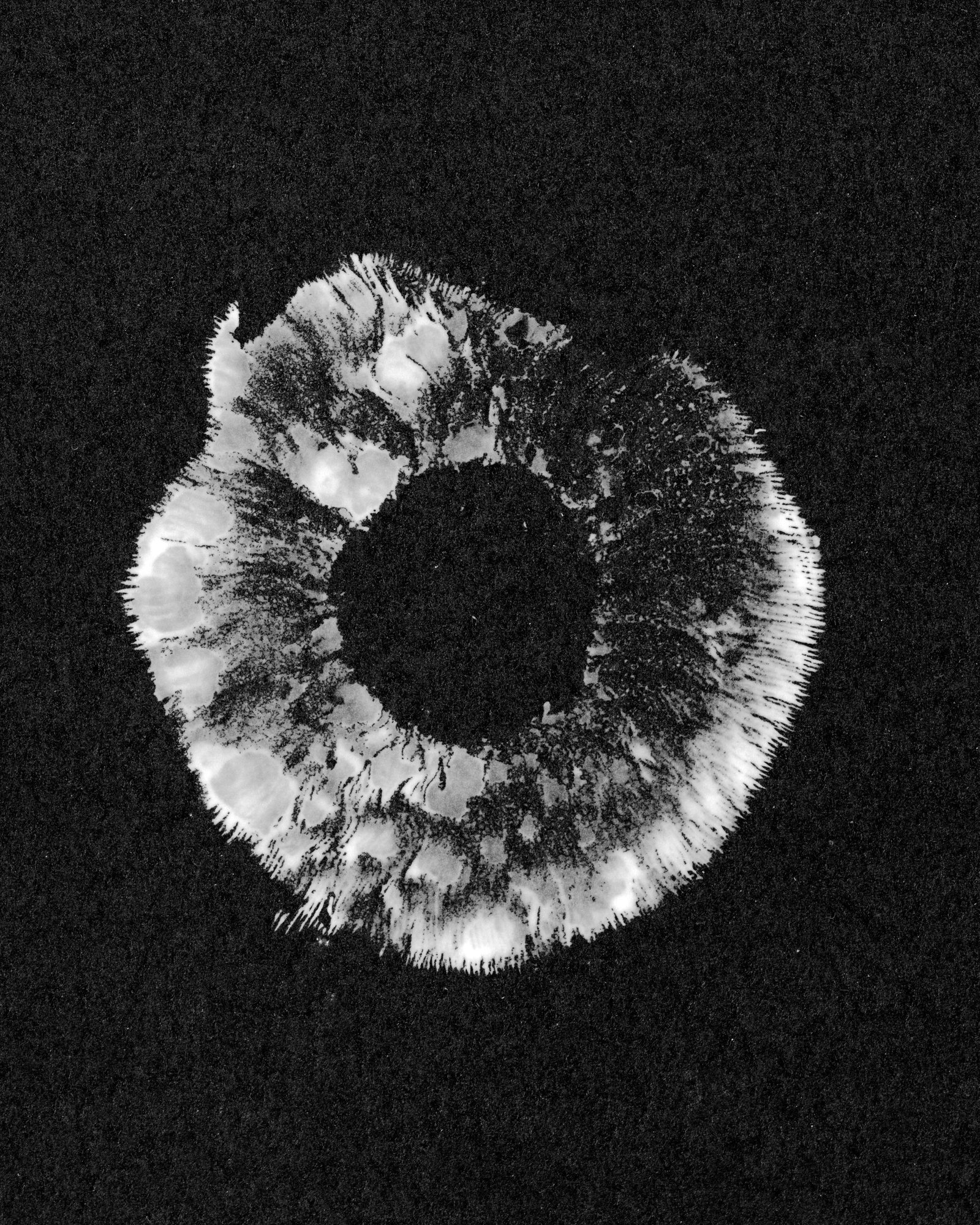
The darkroom has also become a big part of my practice because it allows for deeper intervention within the medium. It lets me treat negatives more like materials, something I can work with and push in ways that deepen their connection to the project. For Armillaria, I started making spore prints on glass and bringing them into the darkroom to expose onto photo paper. One of those became the cover of the book I made, and it almost feels like an eye overseeing the body of work.
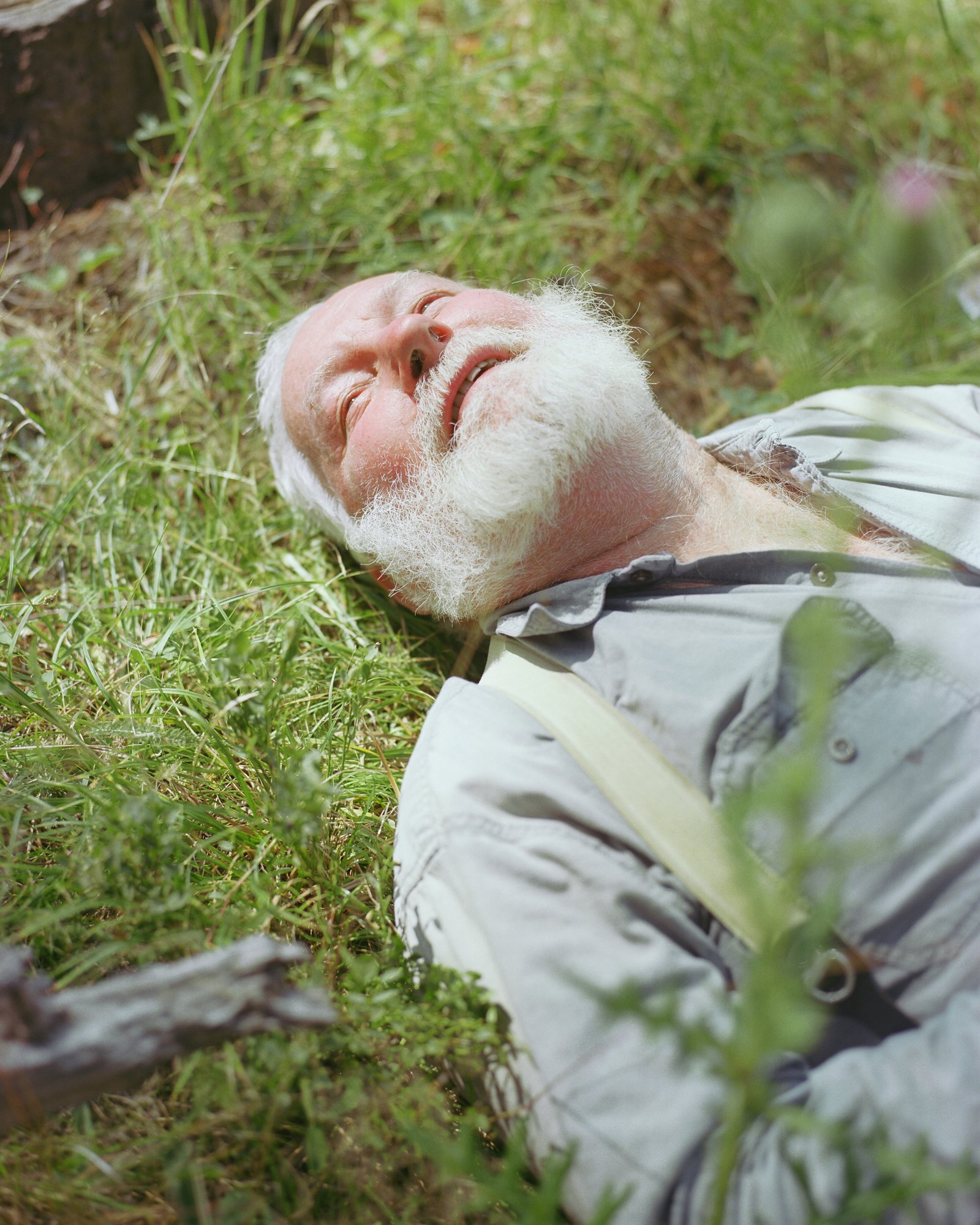
SW: From conversations with a professional mycologist to growing a fragment of the fungi in your own studio, there are multiple layers to how you deepened your relationship to your subject. Tell me a bit about your work process and what guided it.
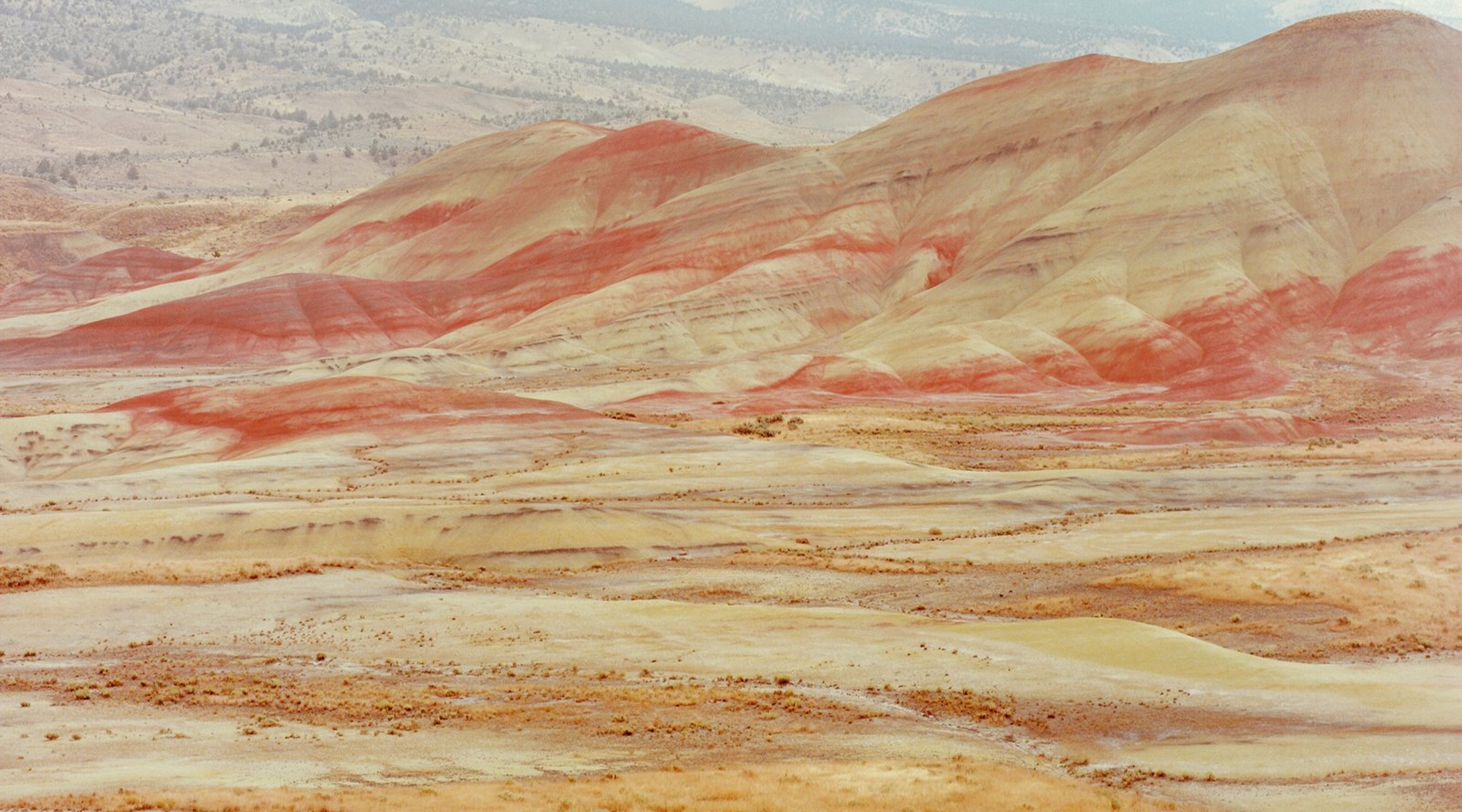
JR: It took me a few months to get this project started. I knew the first place to begin was to visit the organism itself. However, it lives in a remote forest in eastern Oregon, so it was going to be difficult to find. After some research, I contacted Michael McWilliams, the biologist who had worked closely with the fungus. He was kind enough to come out of retirement to bring me to the site.
The mycelium was wrapped around the trees across a three mile area, so I collected a small piece and brought it back with me. I then worked closely with another mycologist in the Bay Area to isolate the organism and grow it in agar plates. I didn’t know at first how I would end up using it, but I knew I was interested in working slightly outside of photography for this project.
The living plate ultimately became the center of the book I made, with the images unfolding from it in a four fold accordion, almost as if they were growing outward from the organism itself.
SW: How did you arrive at the constructed narratives and psychic landscapes that make up Armillaria? What shaped your visual language?
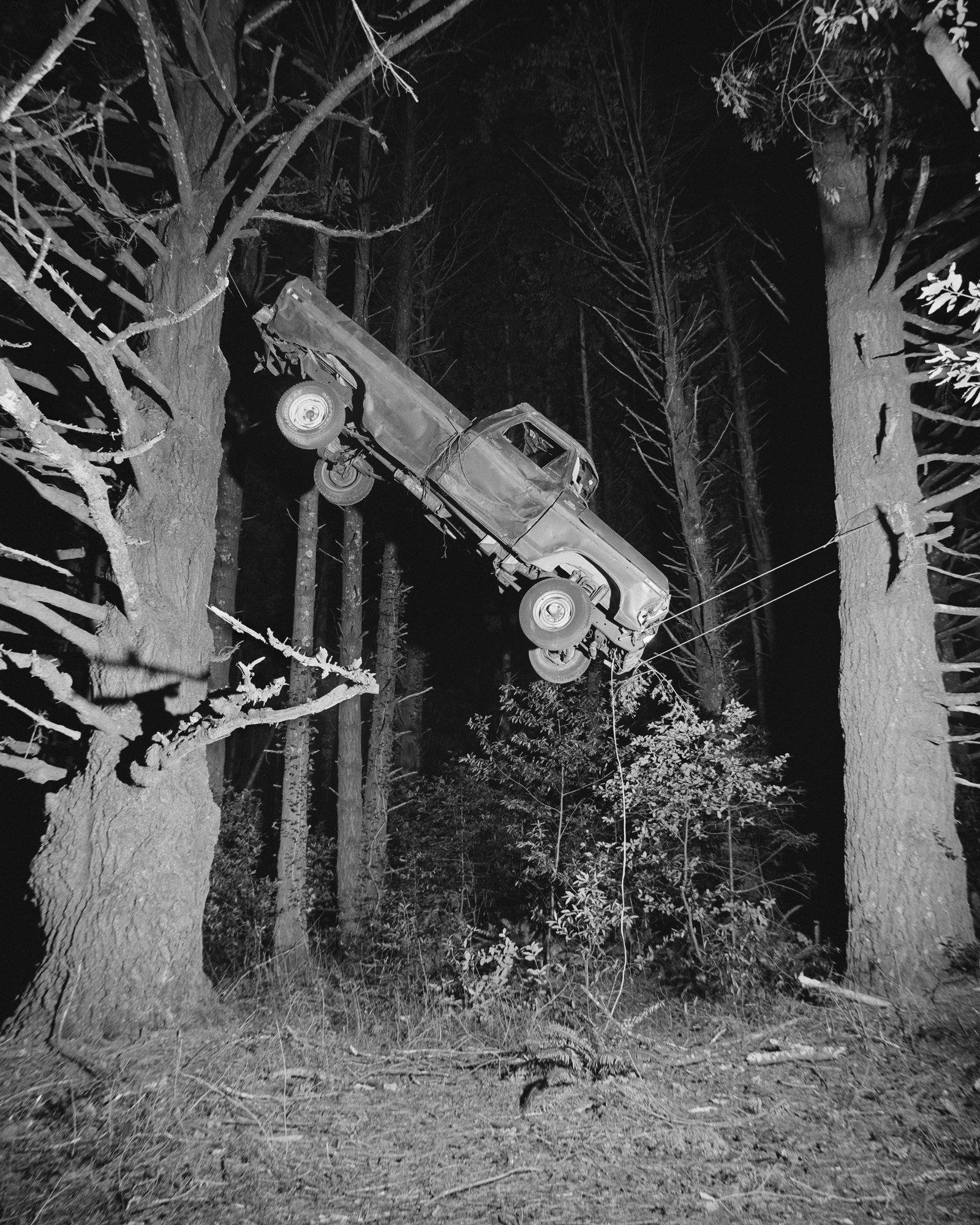
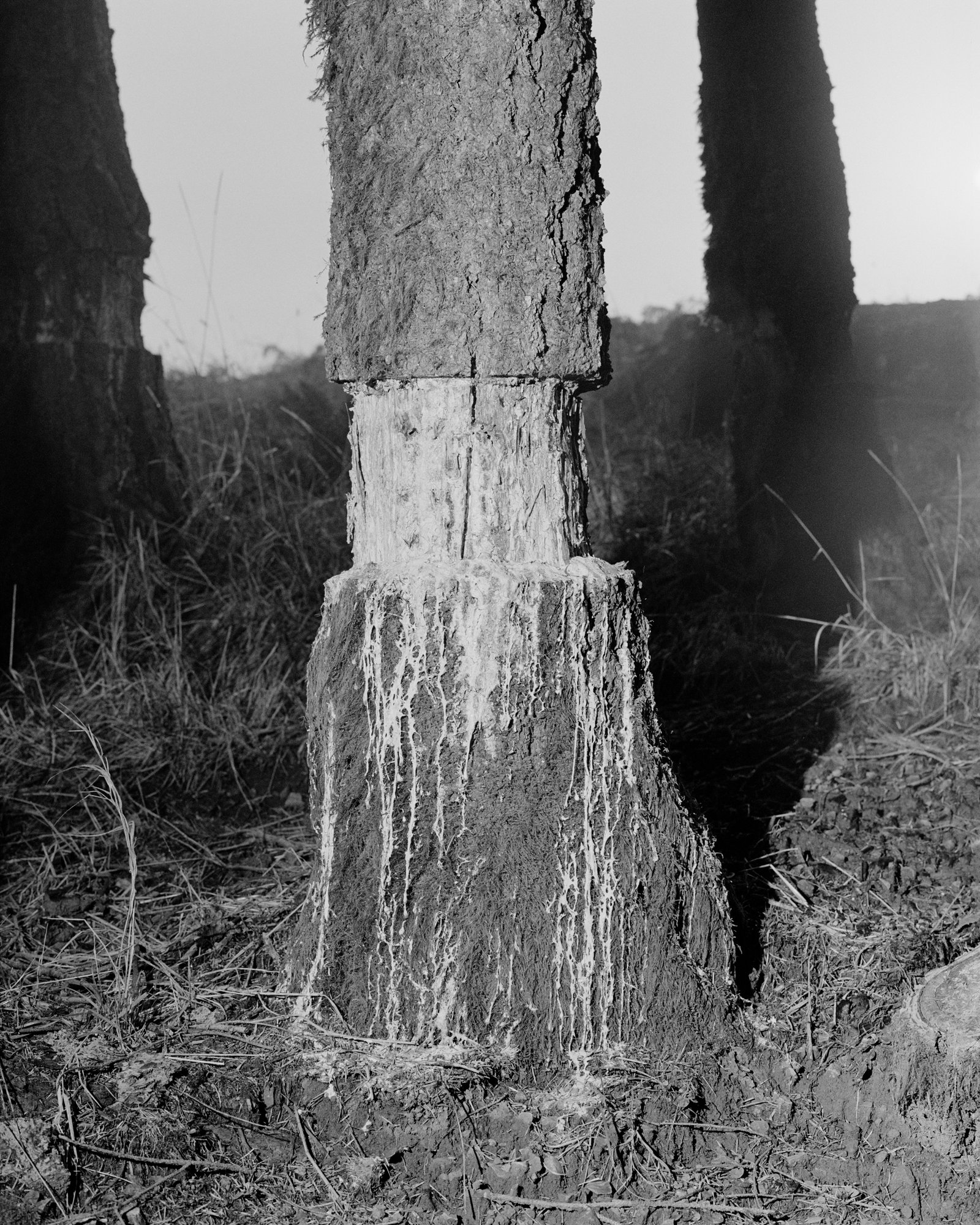
JR: The Armillaria is almost completely invisible, aside from its mycelium and when it produces fruiting bodies. So while exploring it, I began creating images that reflect where the species led my thinking, rather than trying to document it directly.
This organism operates as a single individual, yet it can separate from itself and reconnect, which pushed me to think about what it means to be an individual at all. It opened up ideas about how we’re made up of millions of organisms, and how entire ecosystems might function as a kind of unified being.
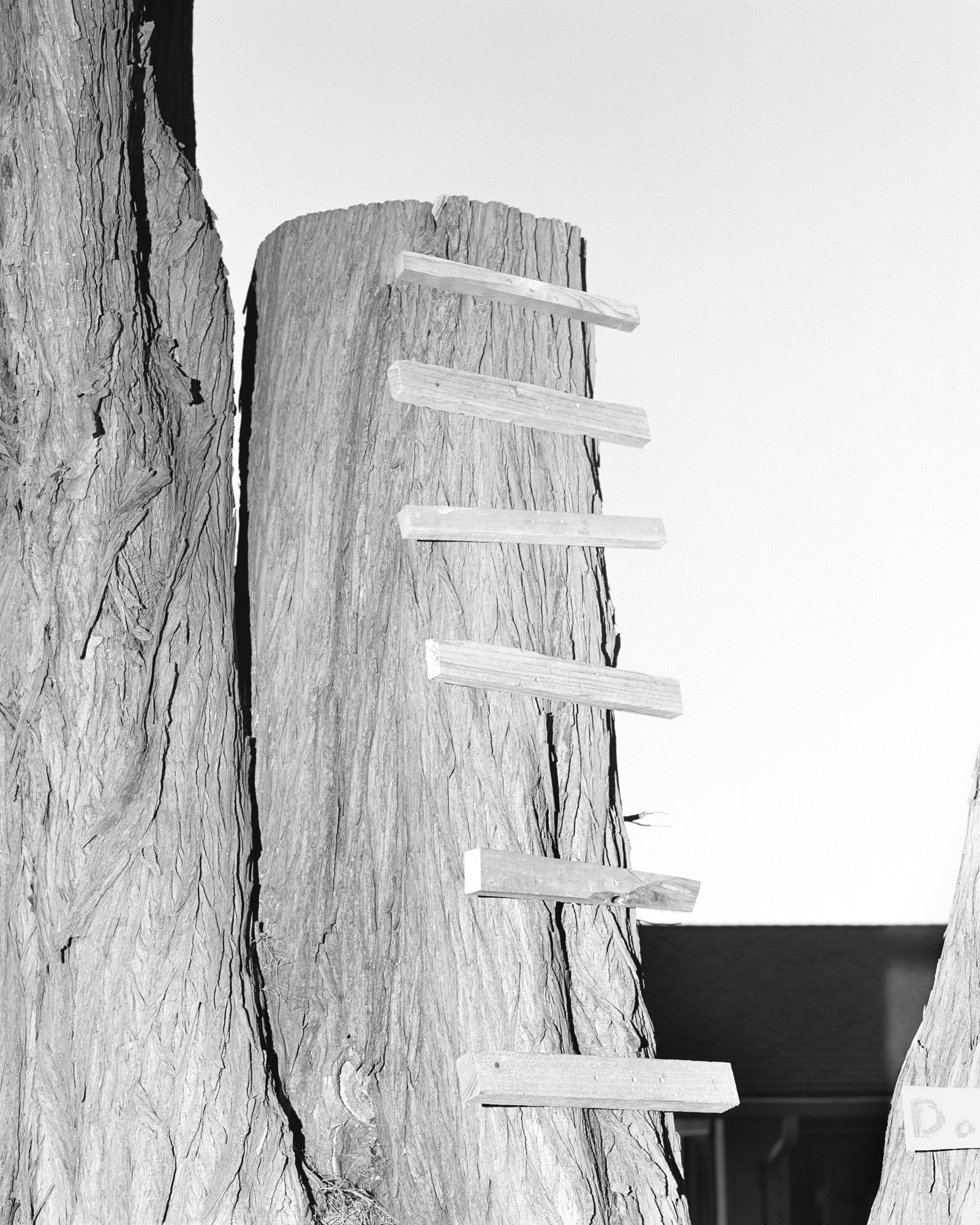
The images ultimately became about the human ecological relationship, the surreal nature of this organism, and more poetic reflections on our connection to a shifting natural world.
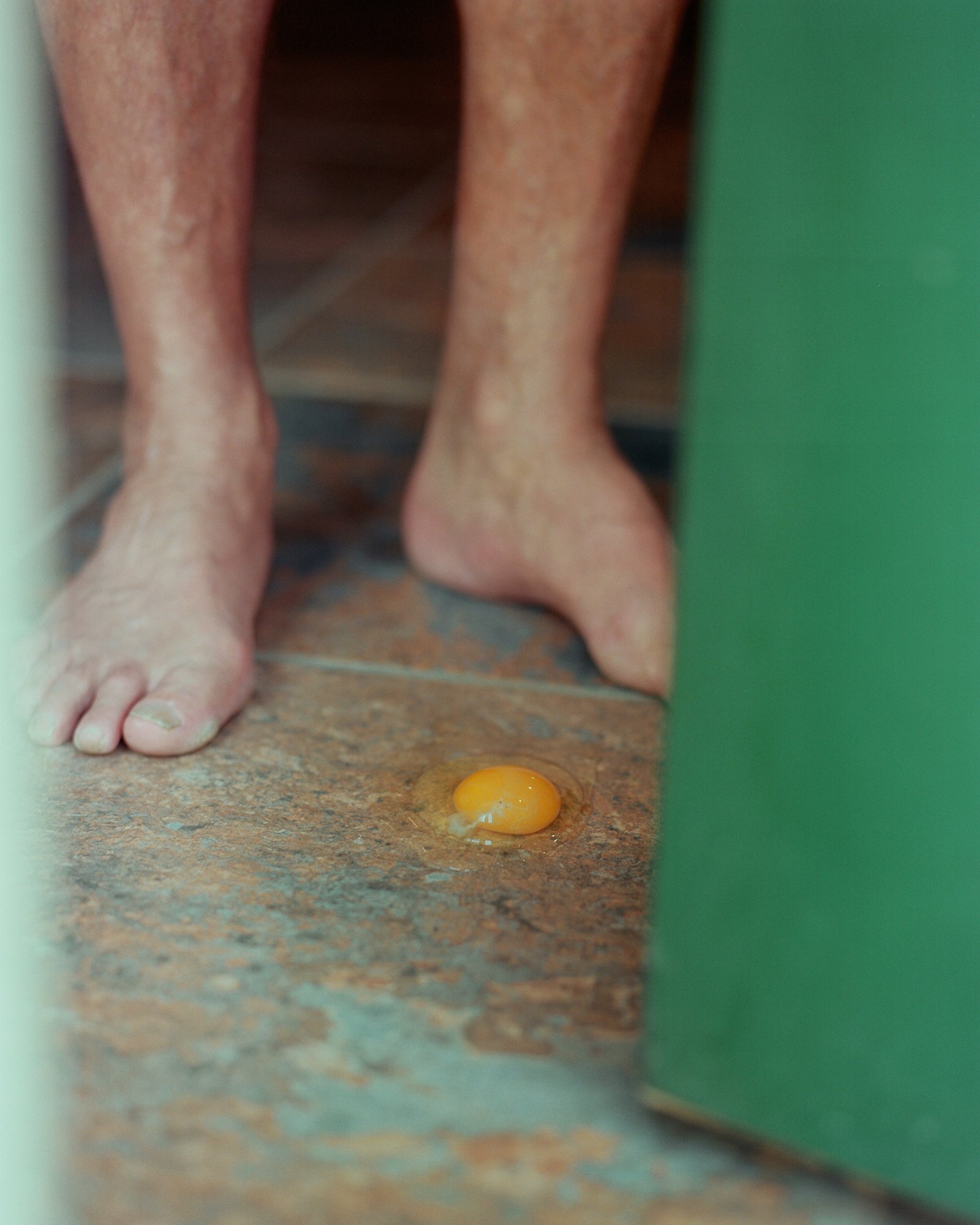
SW: While the traces of your background as a biologist throughout your images, there’s a mysterious slant to the bigger picture they form together. Could you tell me about the type of ecology you’re interested in pursuing through your photography?
JR: I’ve found that what I’m really interested in is forming a deeper dialogue with the natural world. I realized there are many ways to explore and investigate it beyond traditional scientific findings. Art and science have long been connected, often overlapping in ways where their collaboration can lead to real change and impact, and that relationship is what excites me when I’m making work.
In that sense, I want to ask questions about our place within an ecosystem without needing to arrive at a fixed answer. I see a lot of imagery around climate change, and the destruction of the natural world, and I think that work is incredibly important. But right now, I’m more interested in how we got here, why we’ve distanced ourselves from that relationship and allowed it to unfold this way.
I believe that what’s needed to move toward a more sustainable future is a sense of care, love, and deep connection. Because once you truly care for something, once you hold empathy for it, you want to protect it.
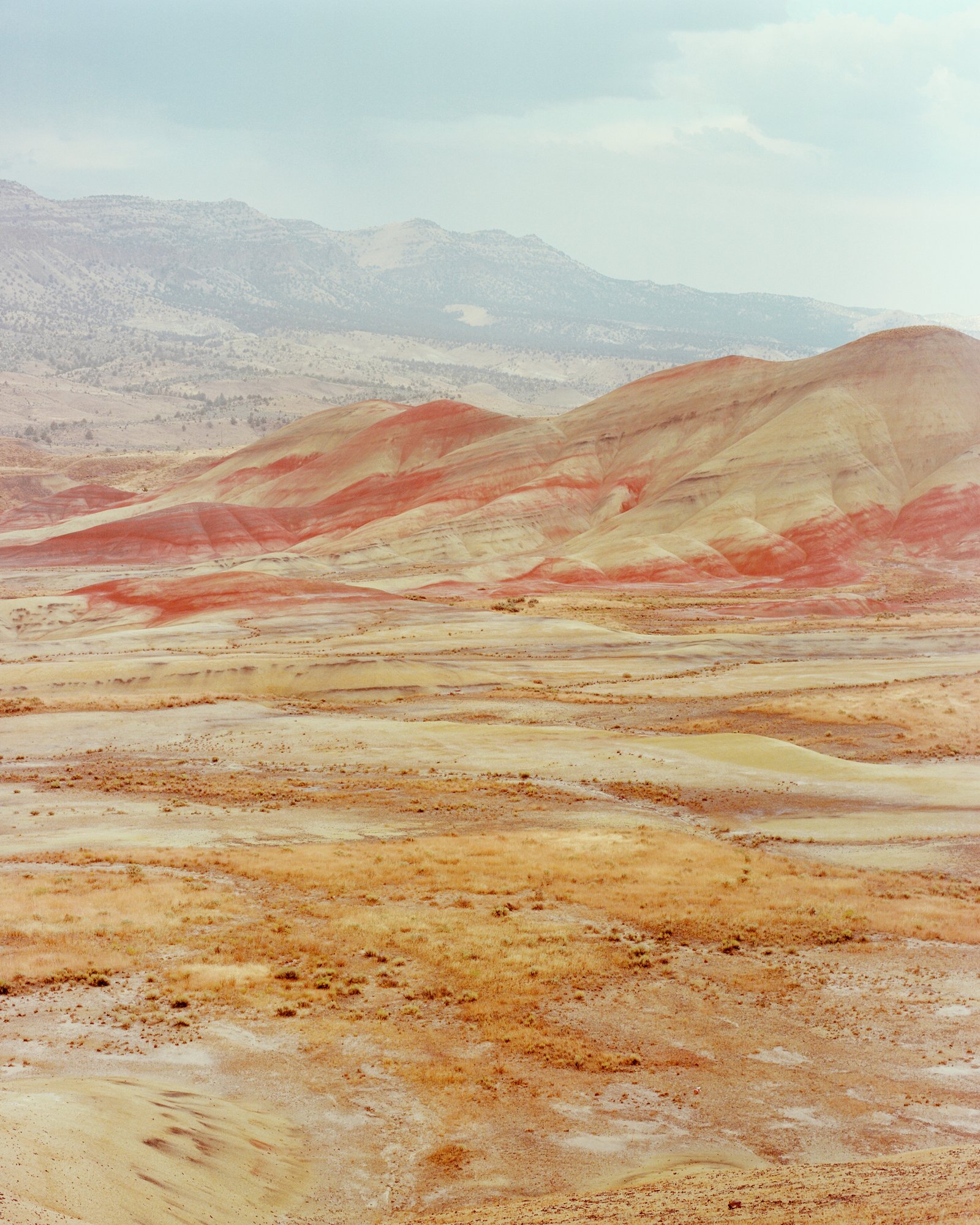
SW: What did you, and by proxy us as an audience, learn from observing the armillaria?
JR: I learned that there is still so much unknown about the natural world, and species to be discovered that can open new ways of understanding ourselves, as well as the frameworks we place around our own identities. Organisms like the Armillaria can help us question and expand those boundaries.
It also shifted my sense of time. We often measure time through our own perception and the span of our lifetimes, but there are organisms on this earth, like the Armillaria, that live for thousands of years and operate on an entirely different scale.