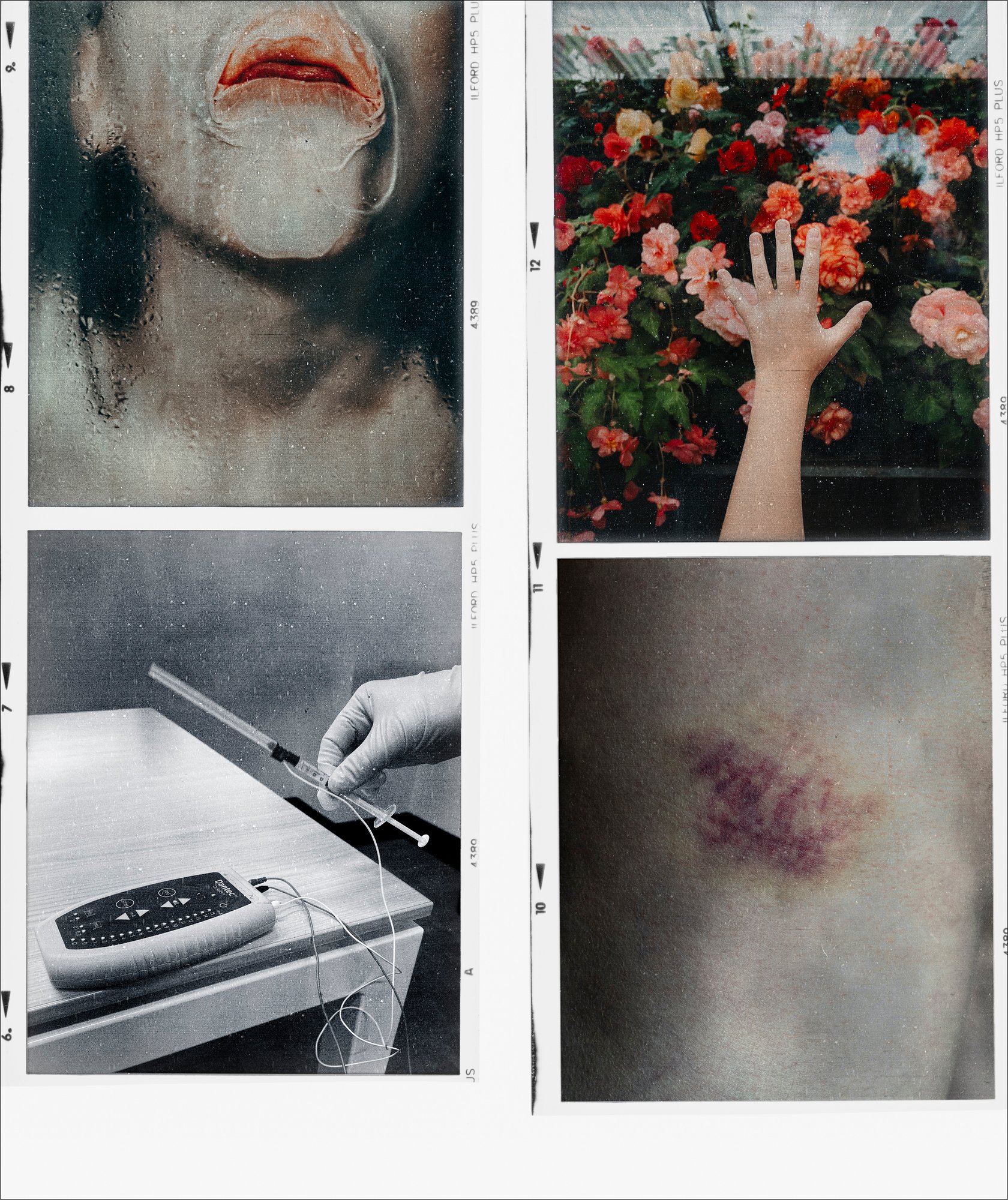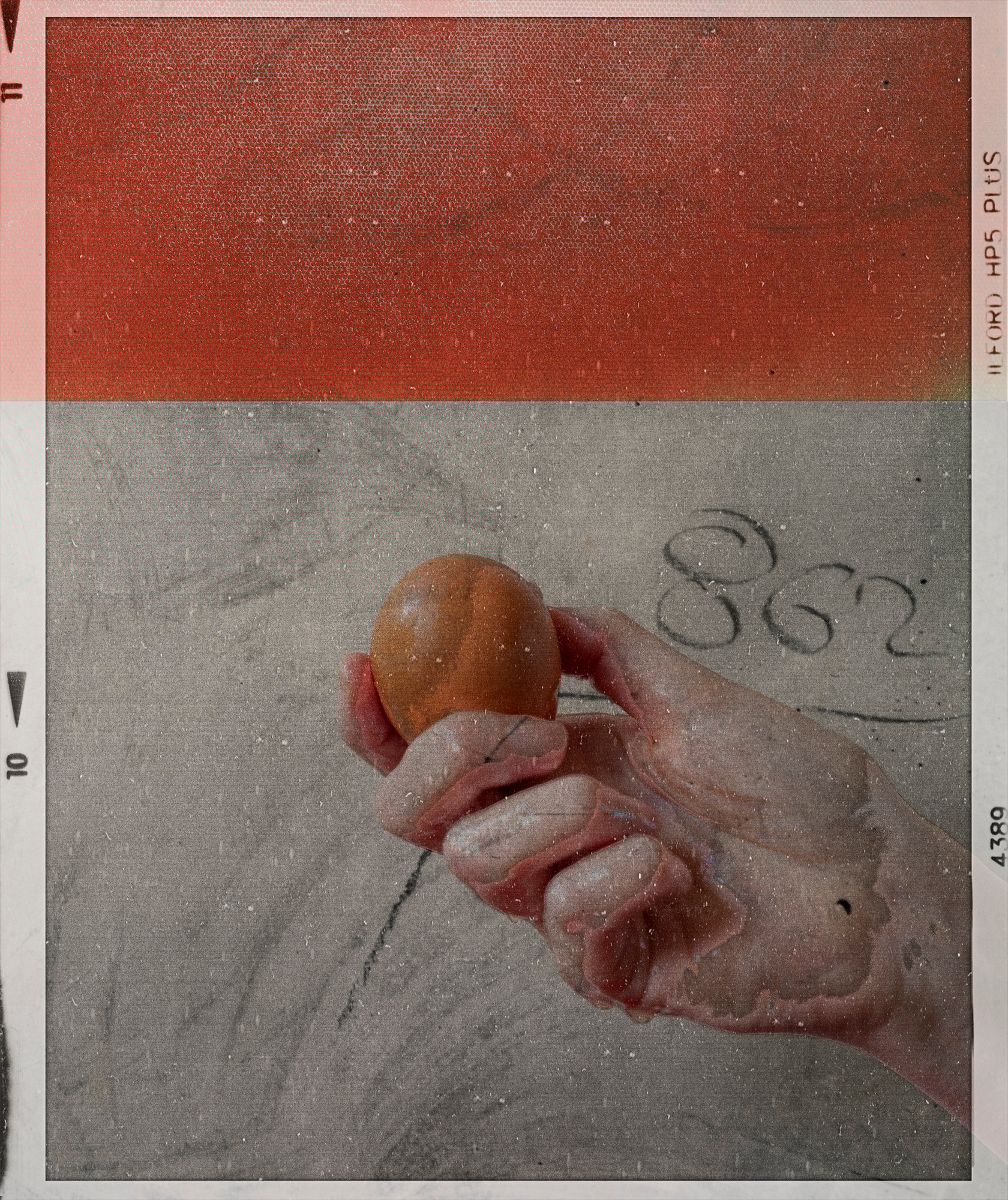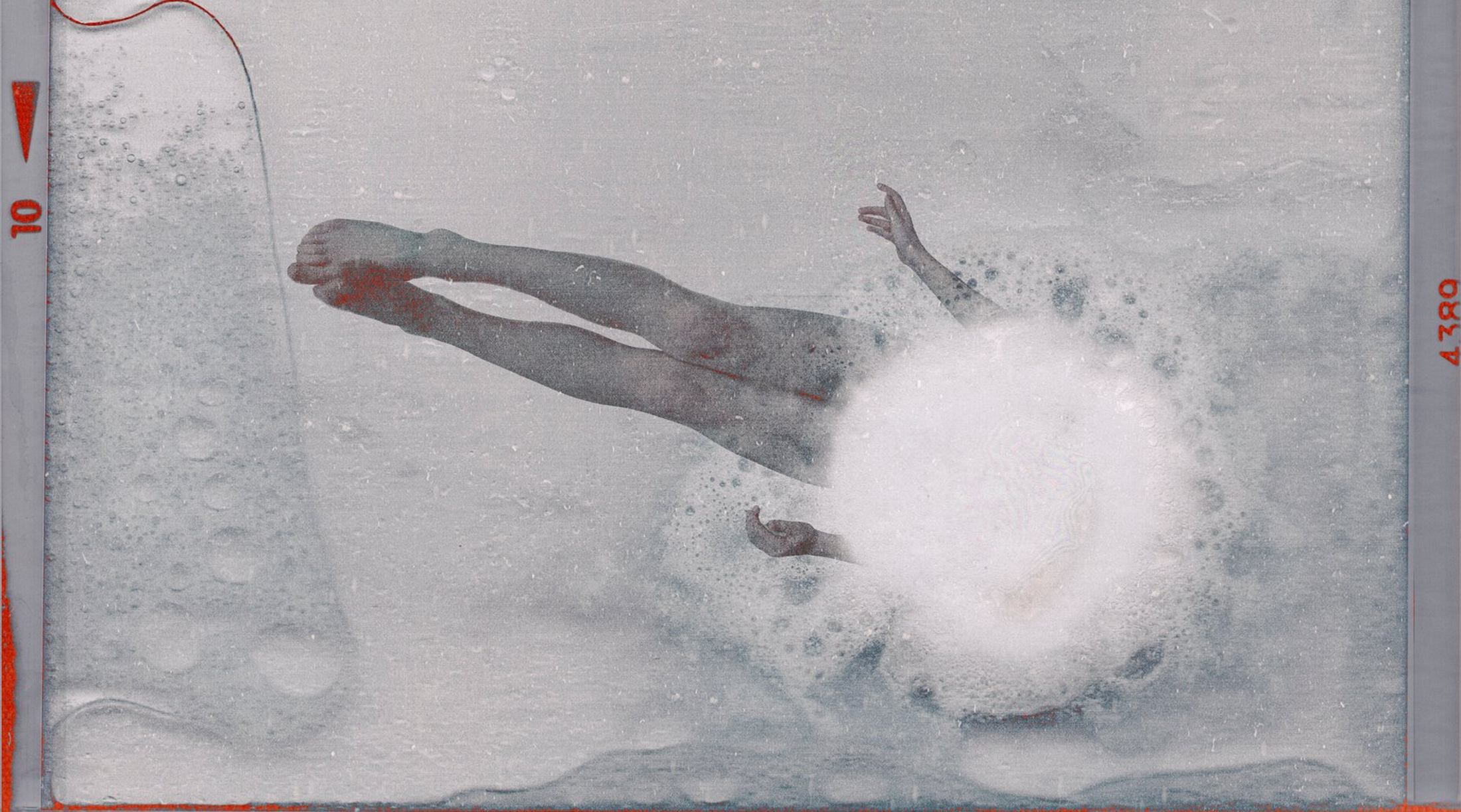
The social and emotional benefits of art as therapy is well documented. But what is it that makes the camera such an effective tool in processing complex emotions and trauma? “Photography gives me the ability to translate what I’m seeing in my head onto the page,” says Lisa Murray, a multimedia artist whose practice centres around tending to her trauma. “I find the creating part really meditative and really healing, because if I don’t create it, the images just sit in my brain.”
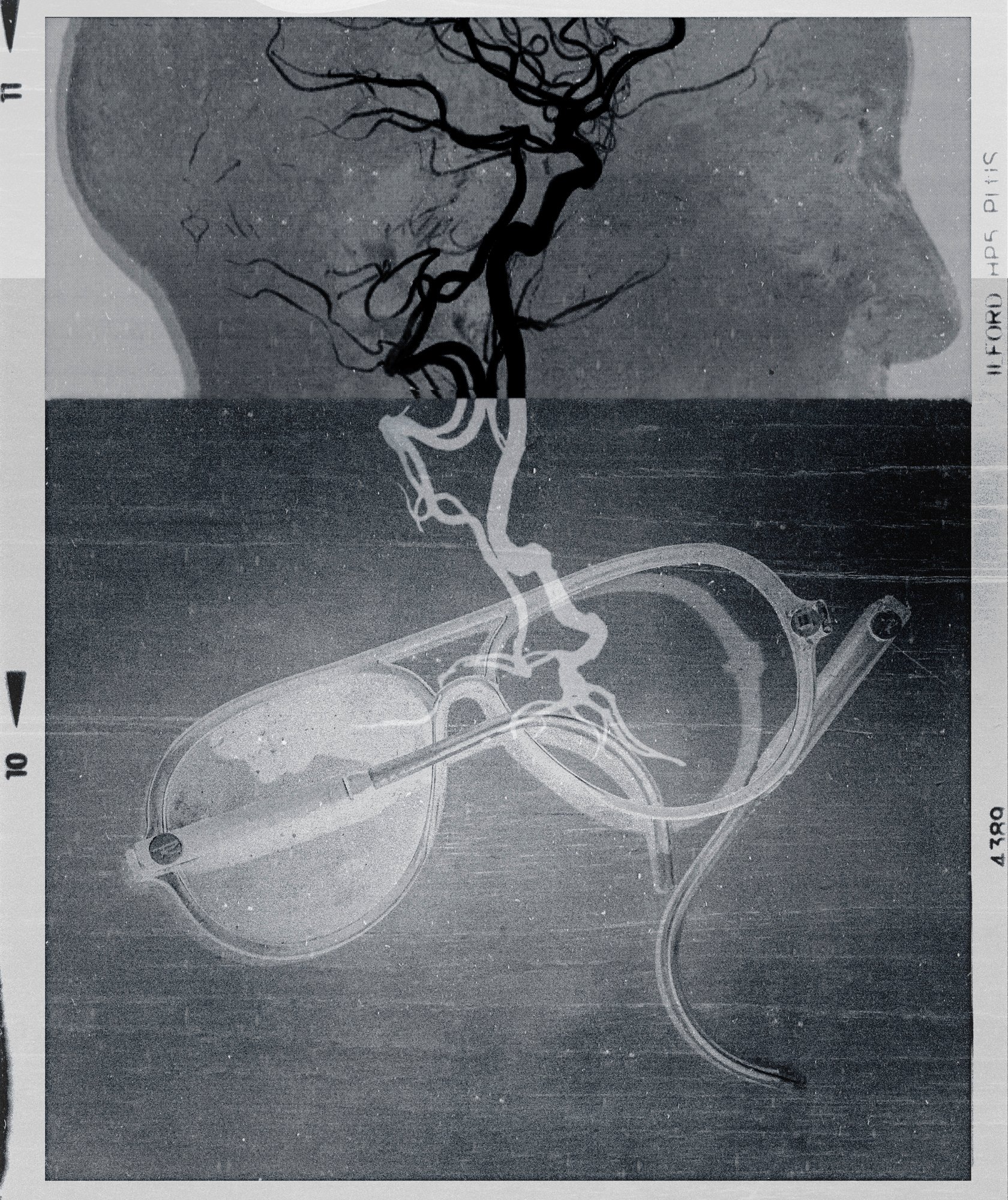
Murray’s latest project, This Too Shall Pass, is about juggling various medications throughout her life due to illness and a series of traumatic events. In two previous series, Through My Child’s Eyes and For Parts Not Working, the photographer dealt with these experiences directly. The first dissected her battle with breast cancer, while the latter dealt with the somewhat-invisible wounds that emerged from a traumatic brain injury following a serious bike accident
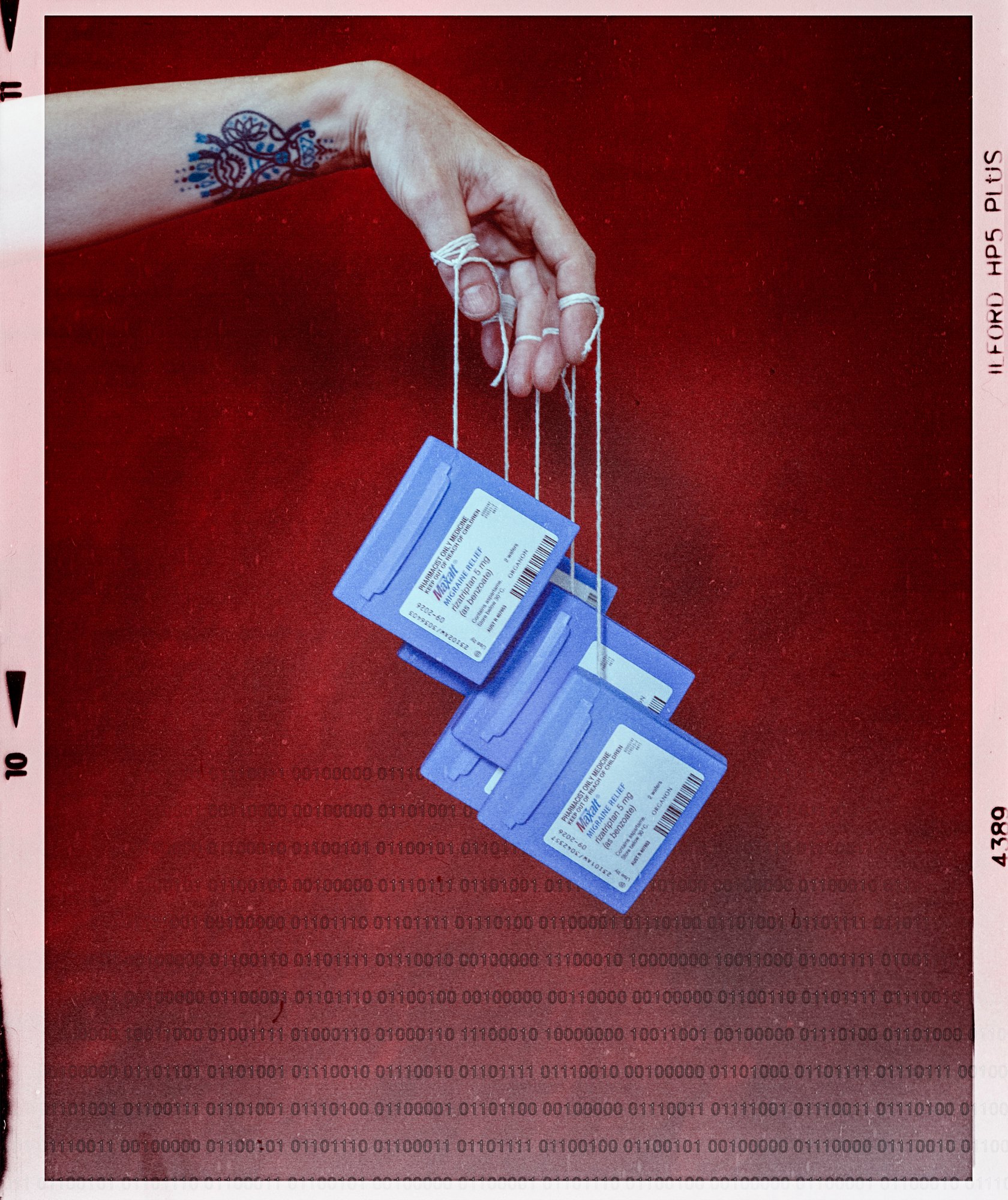
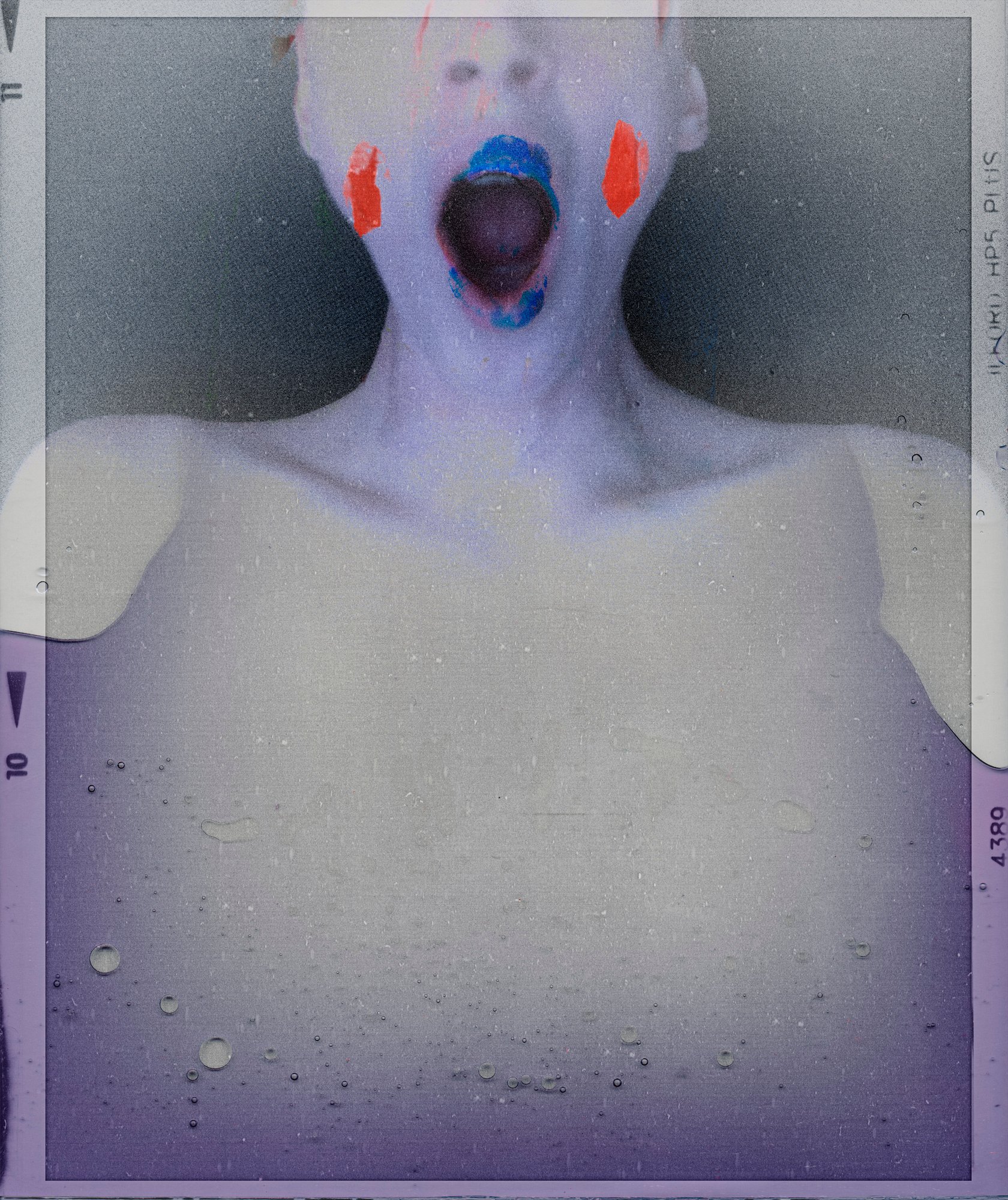
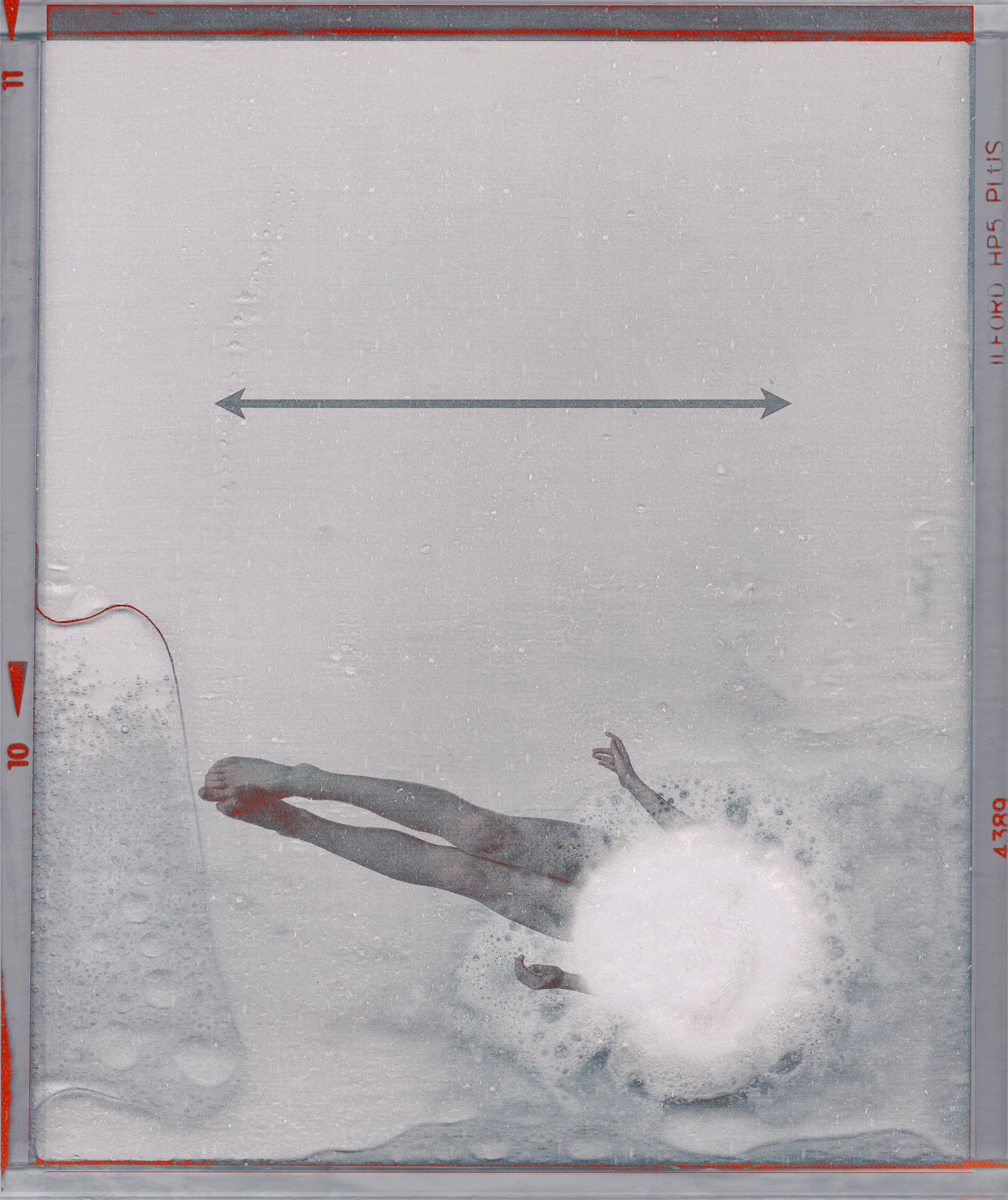
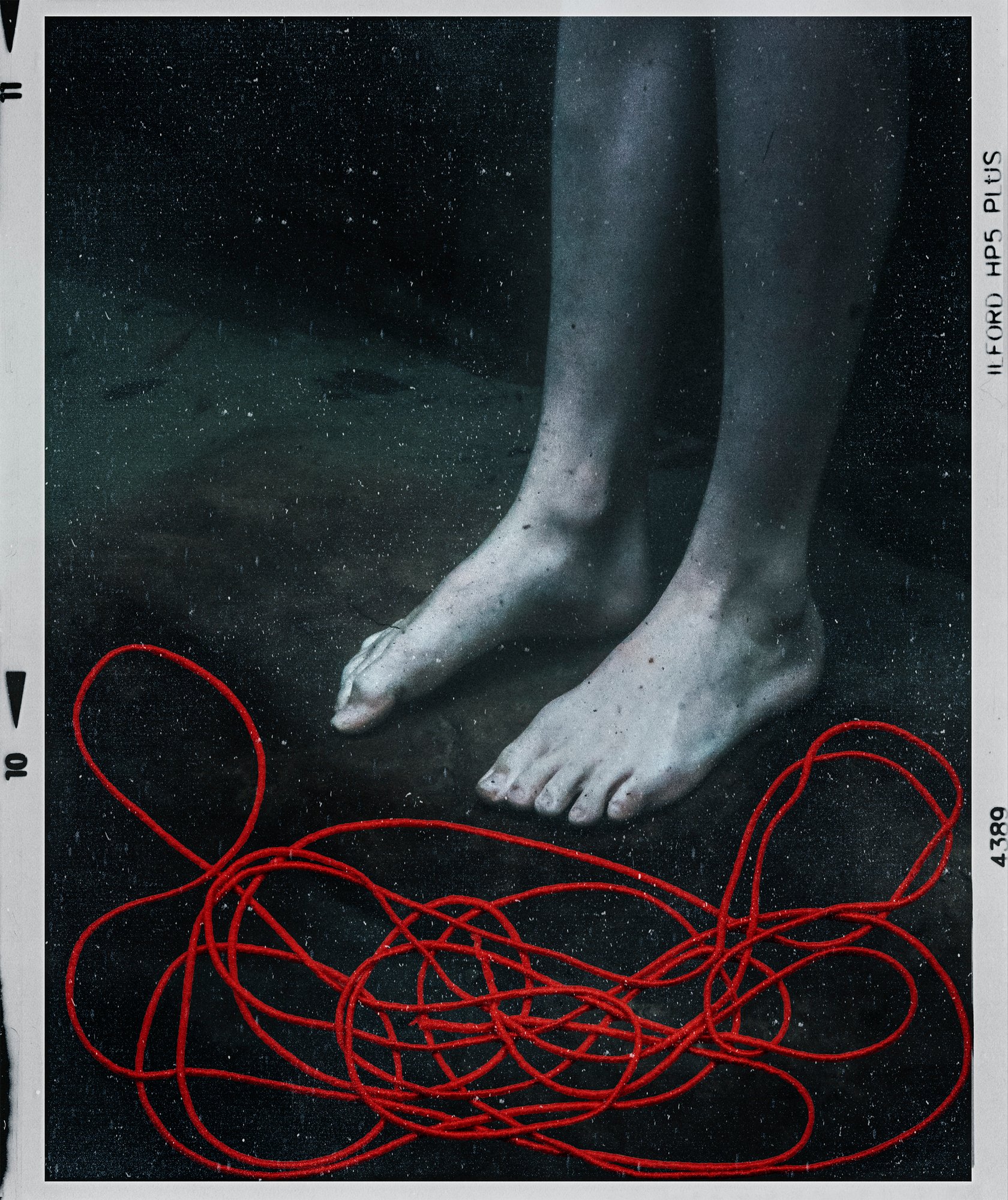
This Too Shall Pass began a little differently, with a doctor’s visit. After struggling with migraines for many years, Murray eventually saw a neurologist who explained it simply: everyone’s nervous system has a baseline, and life events can take them above or below that line. When Murray’s brain drops below the baseline, she tends to get a migraine. “No one had ever given me visual guidelines before, and it suddenly made so much sense. He said, ‘Let’s see if we can try shifting the baseline.’” This Too Shall Pass emerged out of a desire to visually express this physical and psychological journey, combining photography with scanned objects and archival images to create striking digital collages.
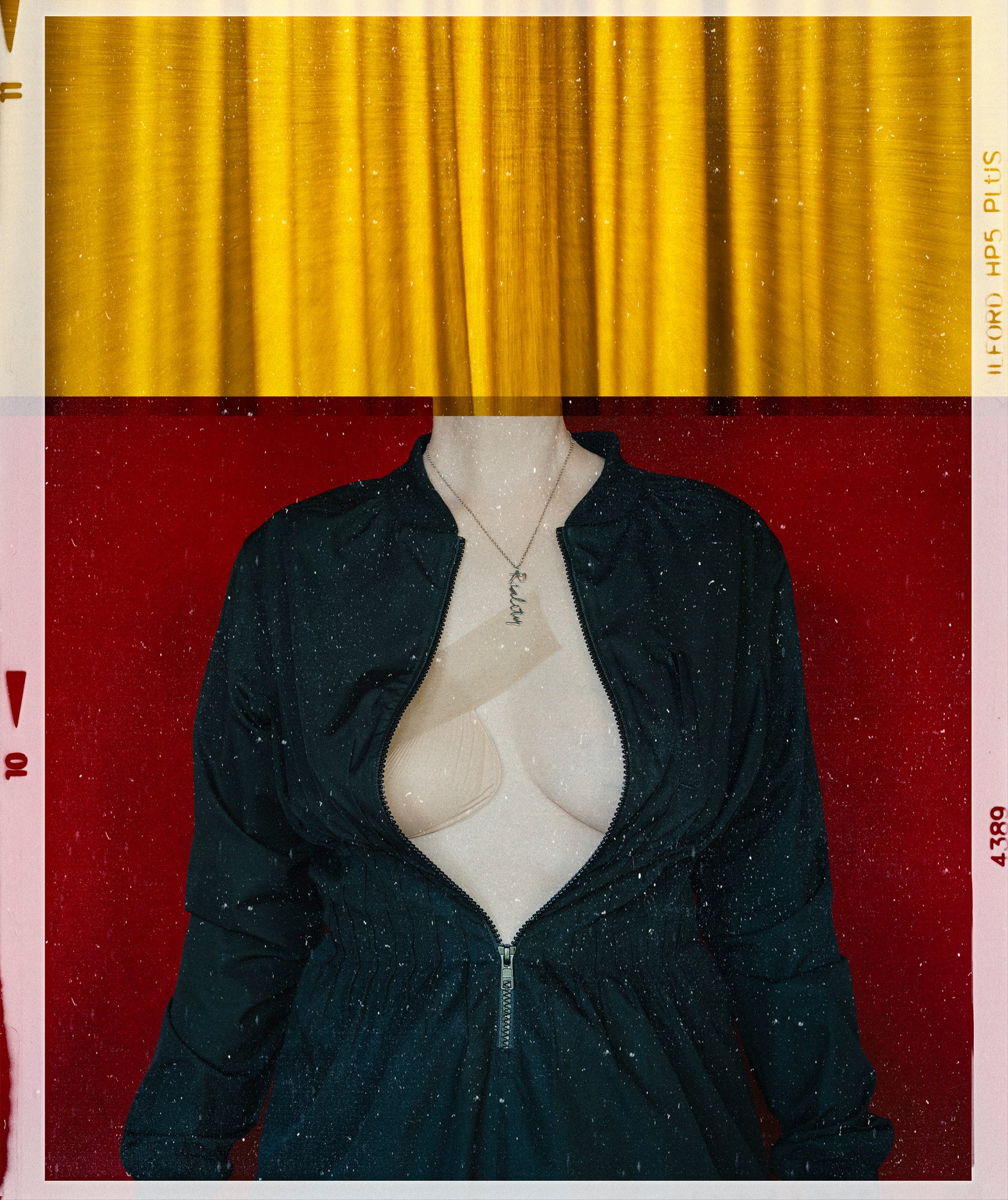
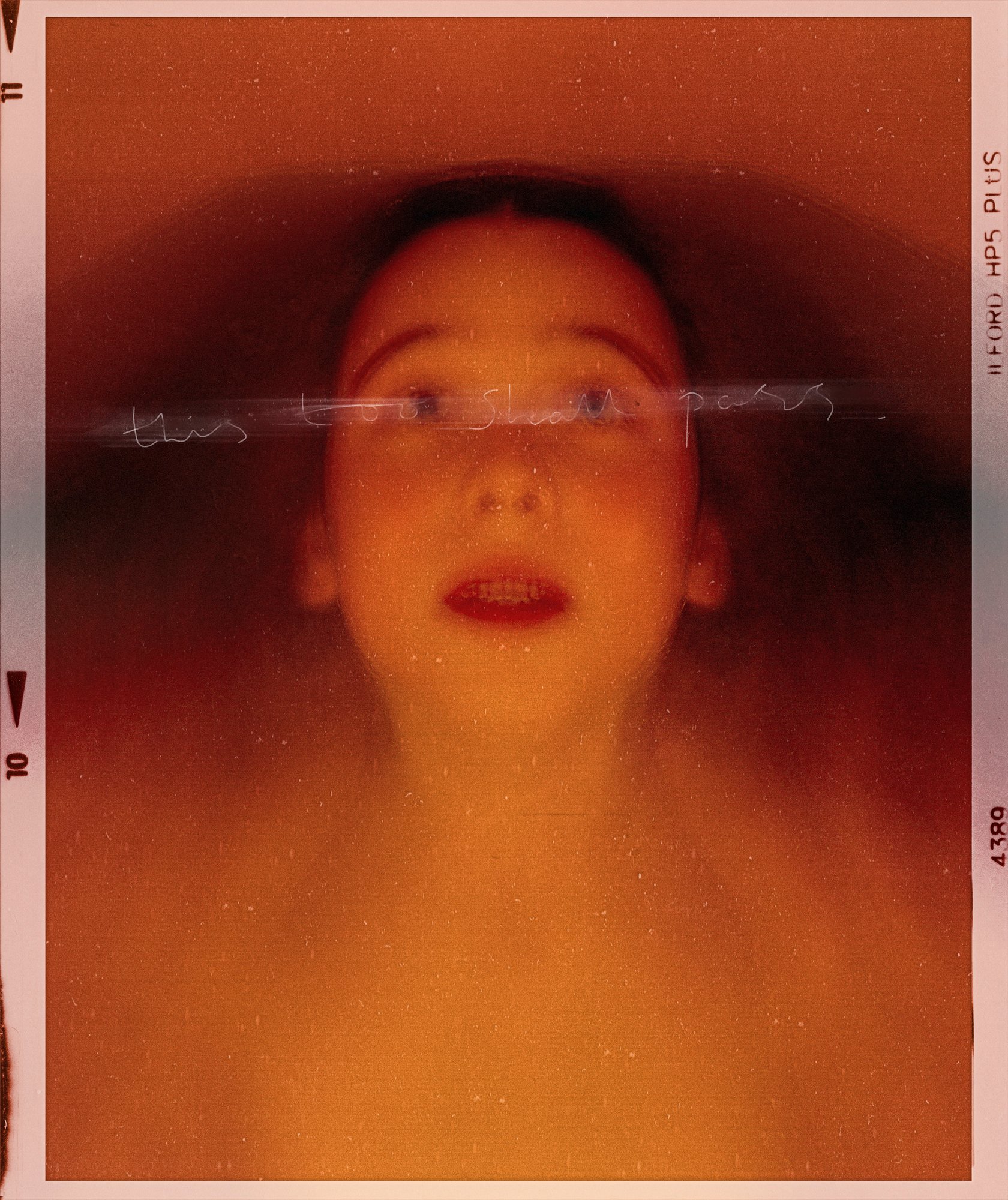
Each image in this series is layered with meaning. For example, the orange-hued portrait that holds the series title, This Too Shall Pass, illustrates the relief of emerging out of a migraine. “There are these incredible color auras that happen following a migraine where the world is incredibly beautiful—the smallest things are so stunning,” she explains. Another image, entitled Reality, deals with the difficulty of coming off a breast cancer medication that she took for 10 years. It depicts Murray, wearing a prosthetic breast and a necklace with the word ‘reality’ hanging the opposite way. “People point out that I’m wearing it back to front, but whenever I put it on and I’m looking in the mirror, I see it the right way,” she says. “The photo is also about coming to a place where I’m no longer thinking about having reconstructive surgery, and being at peace with my reality in wearing a prosthetic.”
Running throughout these images is a binary code, inspired by an unexpected discovery made while working with medium format film. Murray noticed the standard technical markings of the numbers 10 and 11 printed along the film’s edge, and found herself drawn into the logic of binary notation. In digital systems, 1 signifies ON and 0 signifies OFF: a fundamental expression of presence and absence. For Murray, this offered a precise vocabulary for her own experience. “Some days I’m present, and I’m ‘on’, and then other days when I’m juggling medication and trying to get back to that baseline I’m ‘off,’” she explains
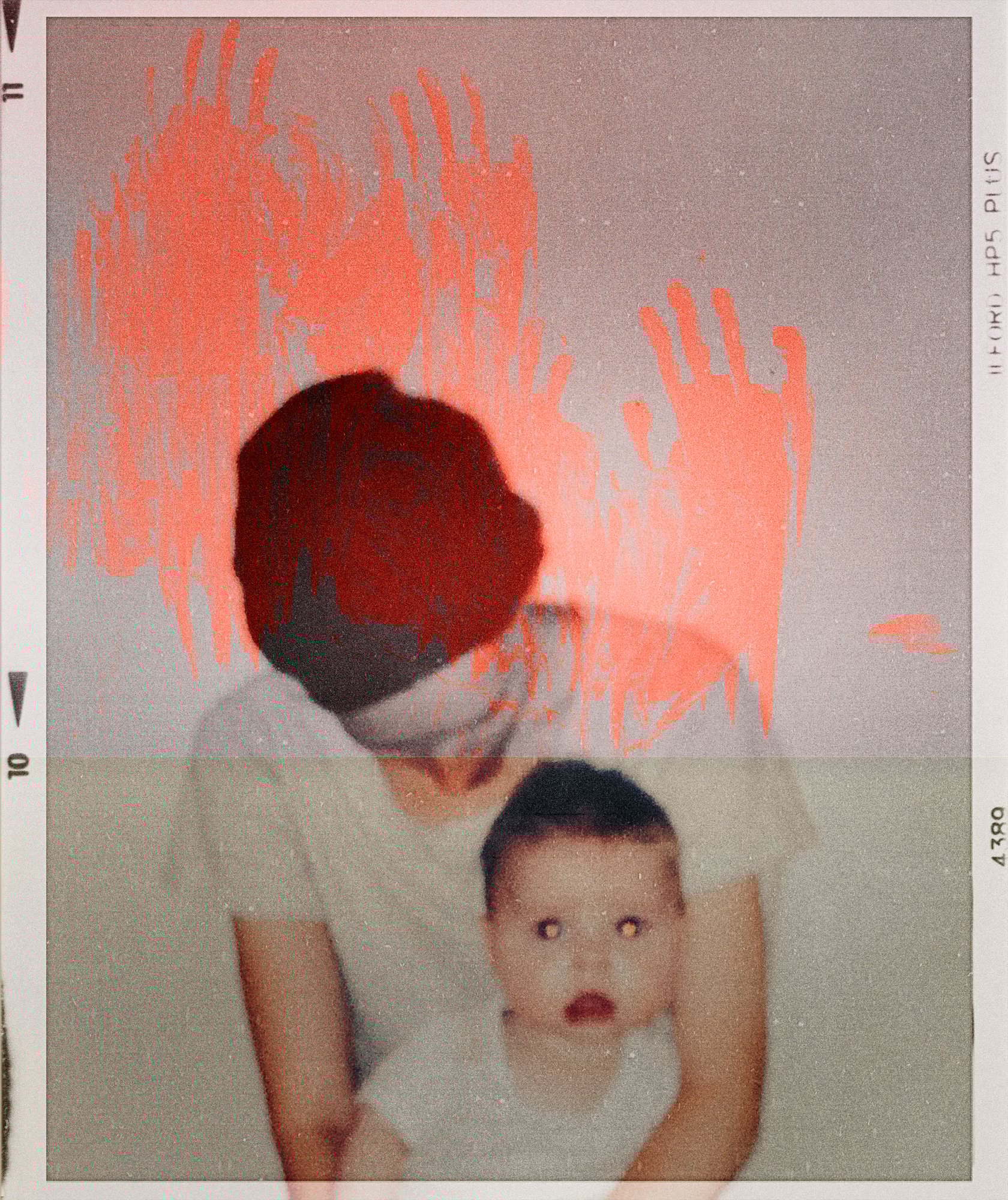
Murray’s process always starts with photography, but “the more I learn, the more my work has expanded to include mixed media, which can help to express my ideas more cohesively,” she says. Putting the project out into the world is all part of the healing process too. “With my first series, there was an element of feeling incredibly embarrassed… [But] if I didn’t put myself out into the world, I wouldn’t get the healing in return, because it’s people’s response to it that normalizes the traumas. I have connected with so many people that are going through similar things, who are grateful for the work that I make. And having those connections by far outweigh the isolation I have felt in dealing with health issues.”