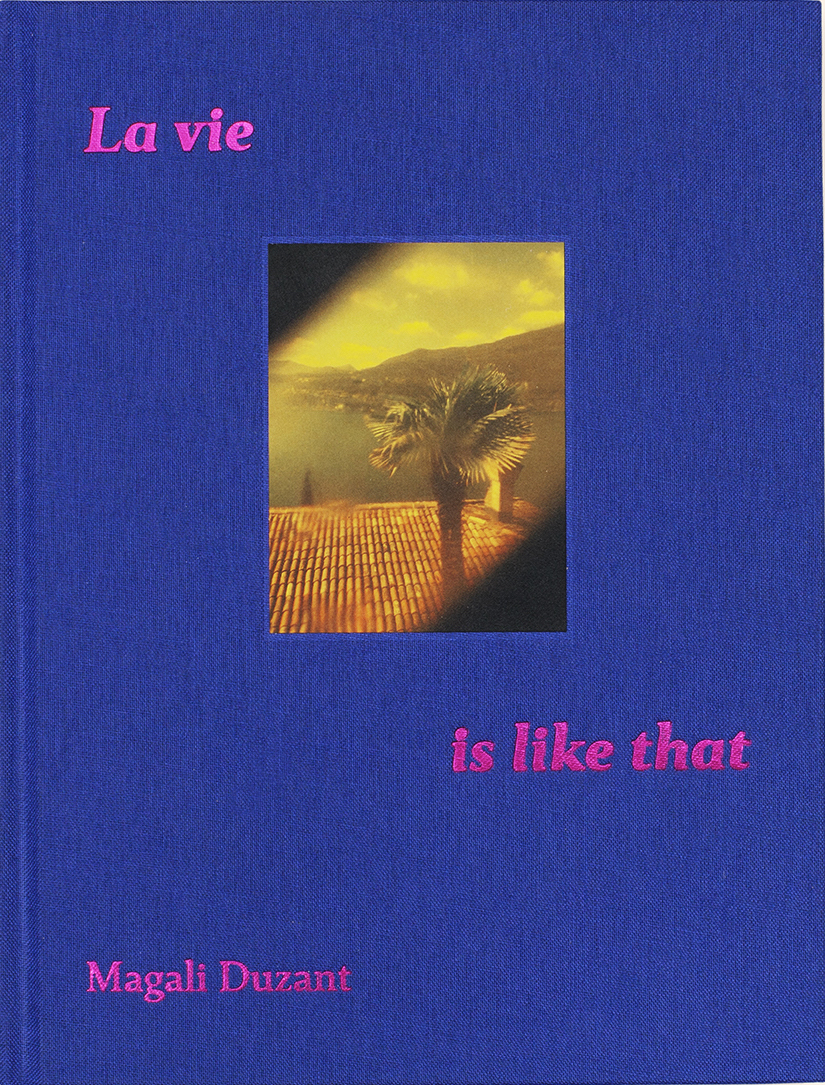
After moving from New York City to Zürich, artist Magali Duzant resolved to keep in daily communication with her father, who had been struggling with memory loss. While she was learning new languages, she witnessed him gradually forgetting his own. In her latest book, La vie is like that, Duzant explores their shifting identities through her photographs and writing.
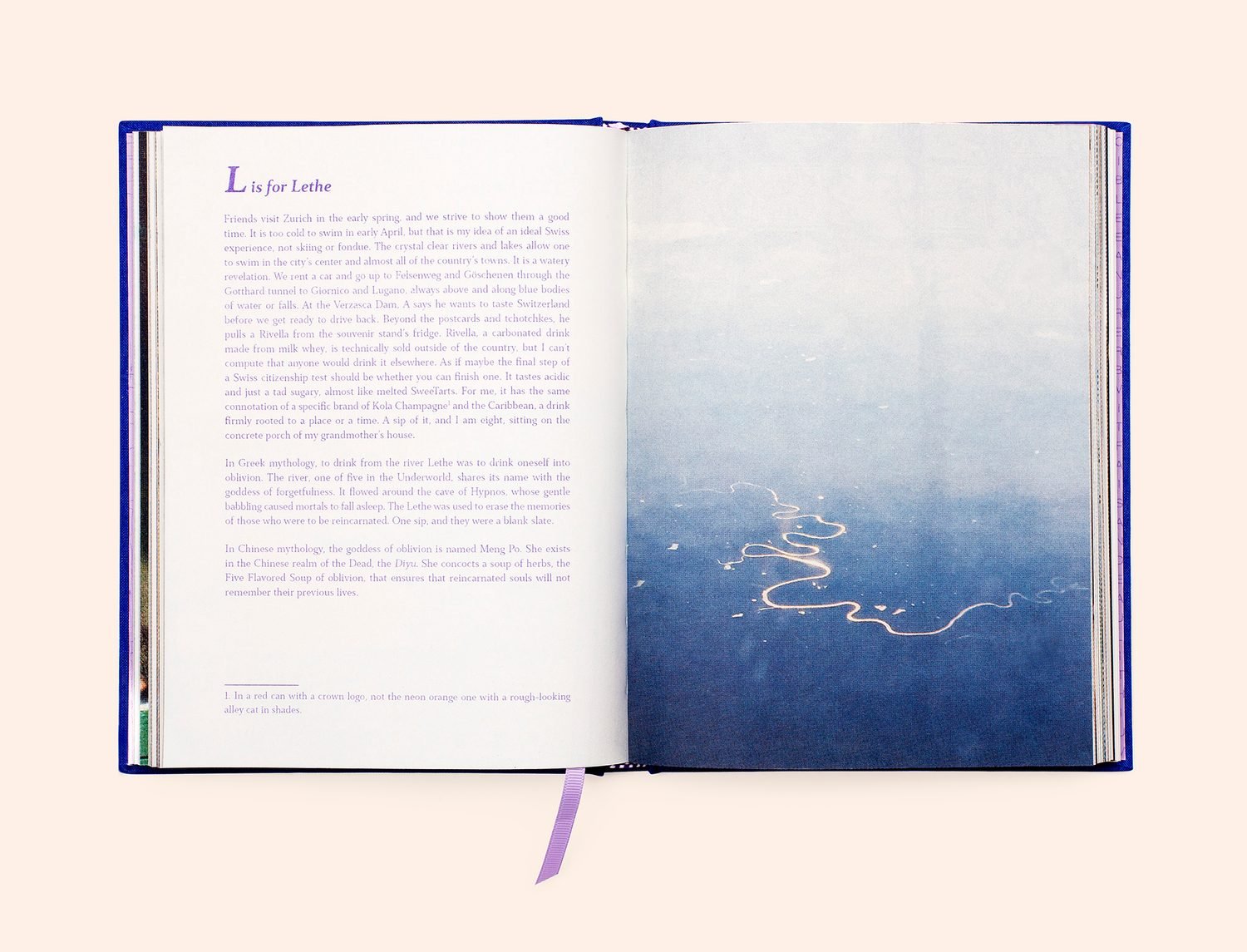
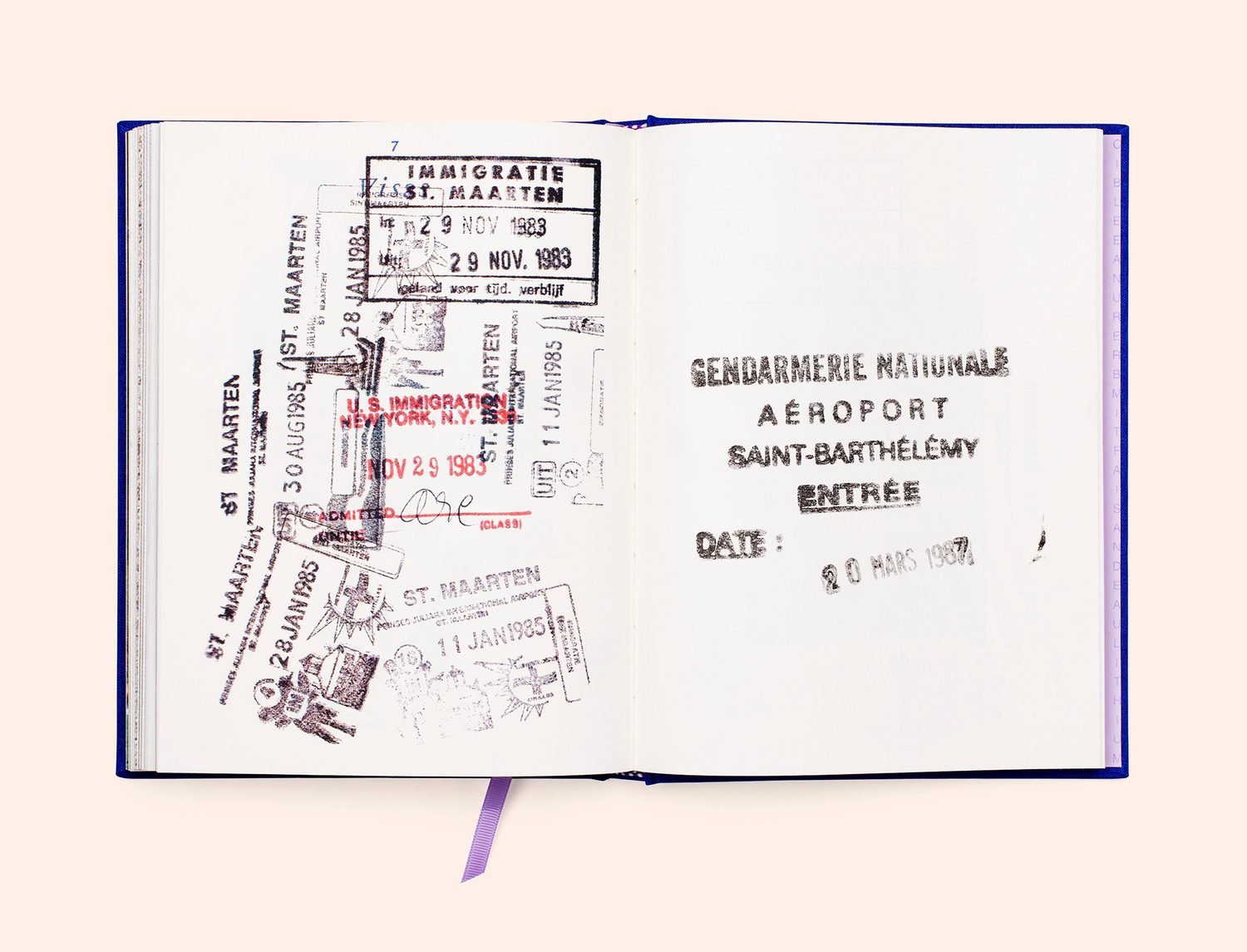
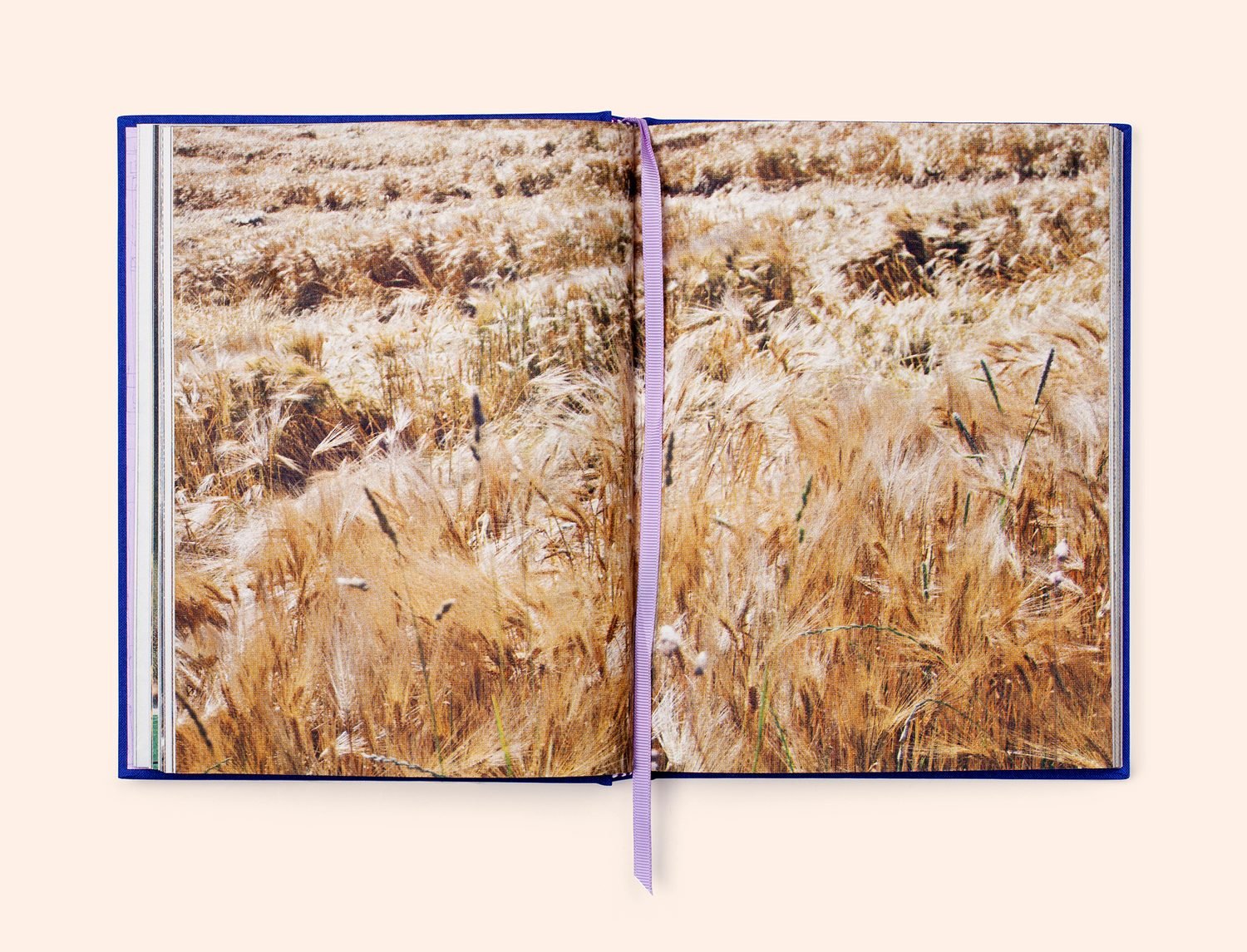
More than a compilation of photographs and texts, La vie is like that is an art object that immerses us in a story about language, memory, identity, love, and grief. Duzant collaborated with Seaton Street Press to print the pages using a Risograph printer, applying yellows, scarlets, blues, violets, golds, and blacks to each page separately to give the delicate textures, gentle color shifts, and nuanced patterns in the artist’s portrayal of everyday scenes a unique atmospheric aesthetic.

The book opens with a photograph of the ocean’s opaque surface. Unbound by land or sky, the water appears to extend endlessly. Through the middle of this expanse, a striking yellow highlight from the sun cuts a luminous path and invites us in. This image is accompanied by a passage titled “Ship of Theseus,” in which Duzant recounts the story of the mythical king who slayed the Minotaur, saving Athens’ youth from sacrifice and escaping with them by ship. The Athenians preserved their hero’s vessel, replacing each of its decaying planks over time, one by one, until nothing of the original remained.
Ancient philosophers used this myth to pose a paradoxical question: do the Athenians still possess the same ship that belonged to Theseus? Extending this question to her own identity, the artist writes, “I began to ponder the nature of this ship during a period of unprecedented change in my life. …[I]n a new country, was I the same person? In a new tongue?”
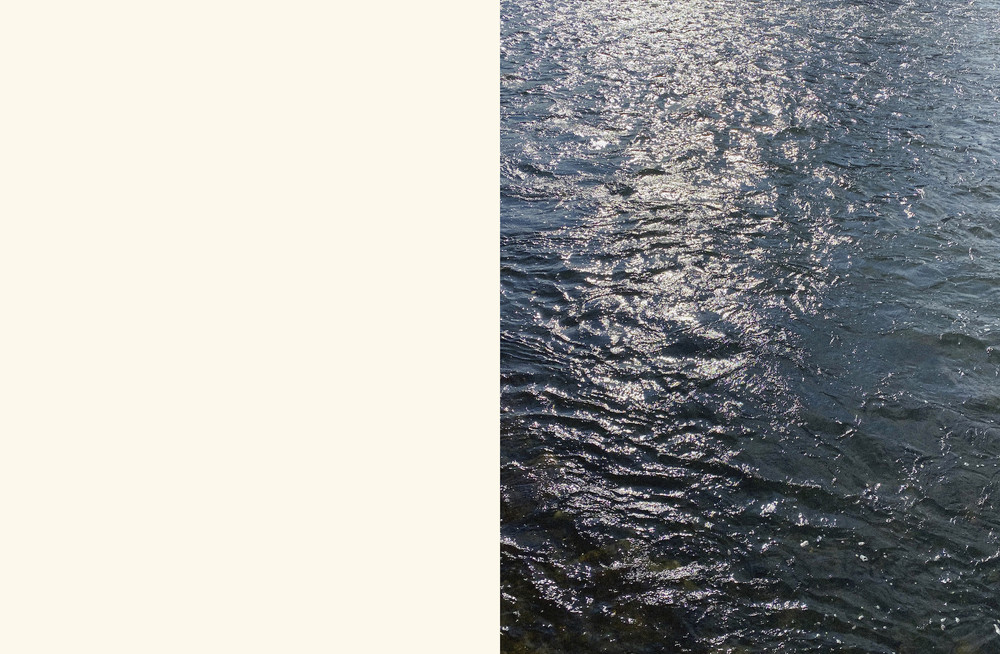
In response, this question is followed by a second photograph of the ocean’s surface. However, in this image, the light is cool-toned and extends down the left half of the frame. Like Theseus’ Paradox, these two photographs are presented as a contradiction—simultaneously the same and different. Setting the thematic tone for the work, the interplay invites us to reflect on the nature of change and continuity in both the artist’s identity and our own.
The main body of La vie is like that is structured like an alphabet primer, with chapters corresponding to letters (“A is for Aphasia, B is for Blumen, C is for CAPTCHA, D is for Dementia”). As an organizational structure, the alphabet cleverly arranges Duzant’s personal anecdotes, research, lists, reflective insights, and observational photographs in a linear format.
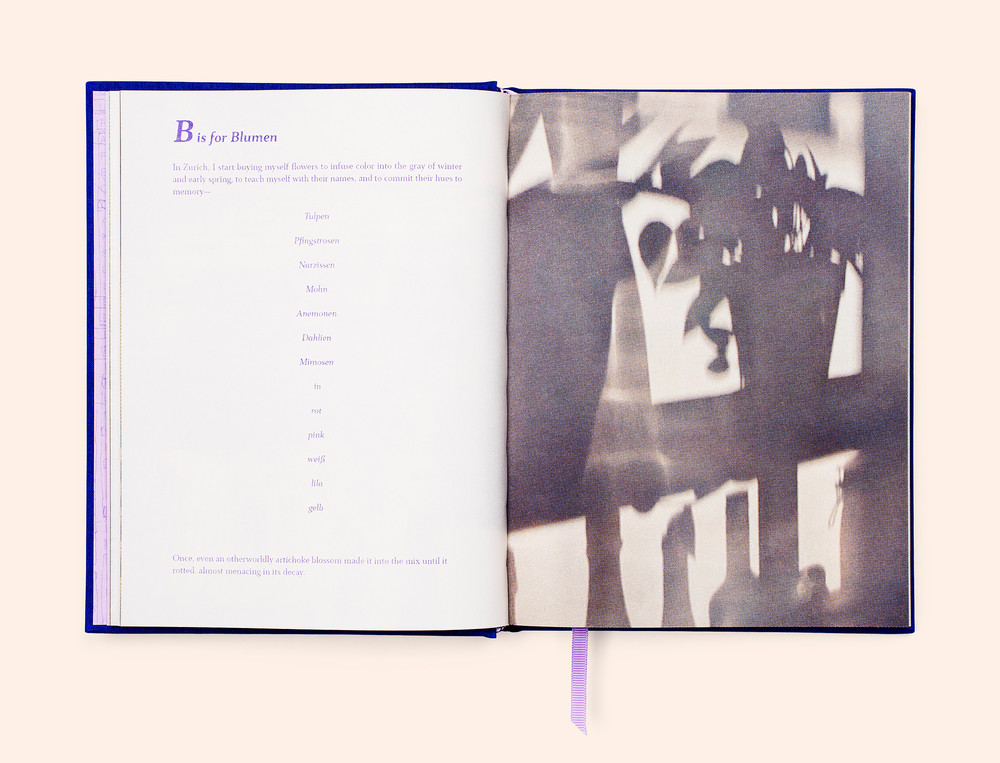
The Latin alphabet is particularly poignant as it is a common thread through her father’s languages—French, Creole, and English—and her own study of German. So it’s a particularly apt choice for drawing parallels between her father’s stories of adapting to a new language after moving to the US and her own experiences as a recent immigrant to Switzerland, which included reading German alphabet primers to improve her language skills.
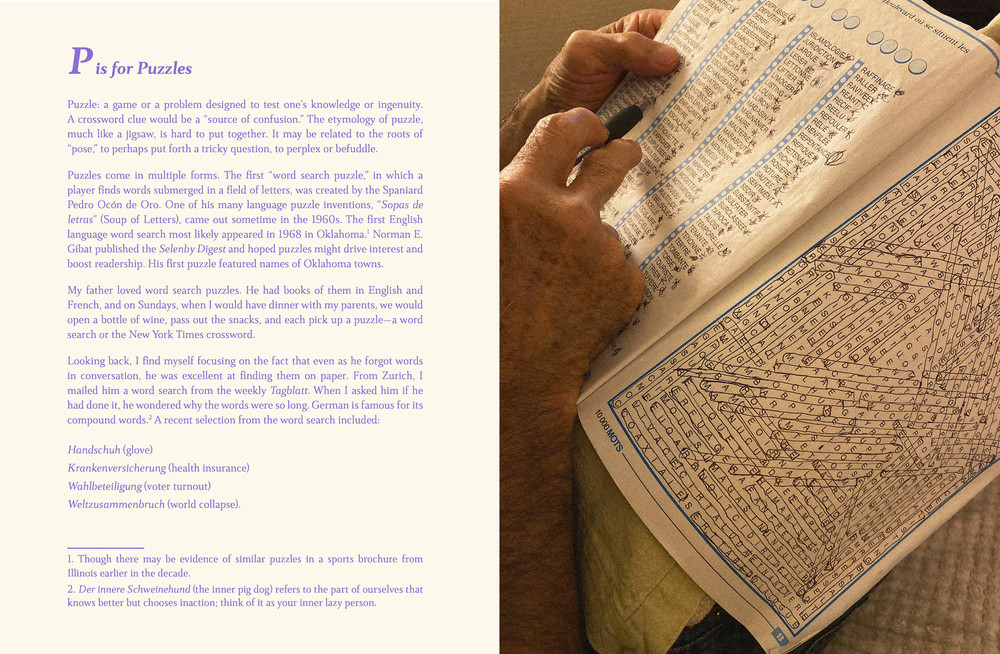
In each chapter, the photograph and text work together to create a richer, more emotionally resonant understanding of the author’s experience. “P is for Puzzles” includes a photograph of Duzant’s father completing a word search puzzle. In the close-up image, his left-hand holds the puzzle book while his right-hand points a pen at an obscured word, ready to check it off the list. The page is filled with circled words.
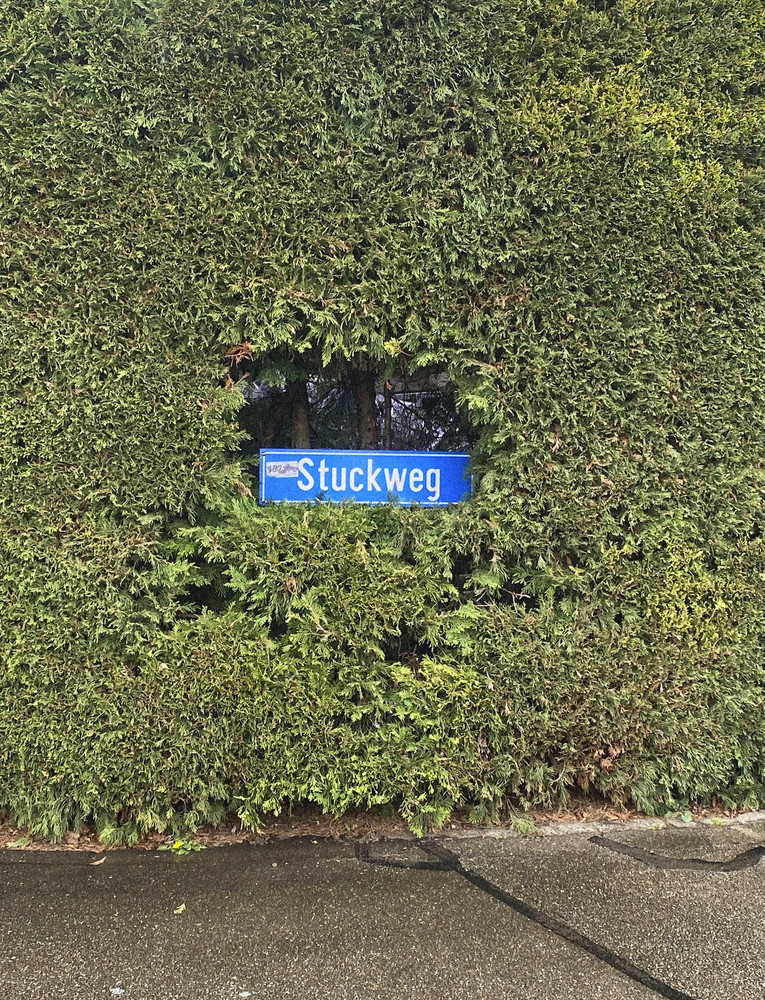
In the accompanying text, the author elaborates: “My father loved word search puzzles. He had books of them in both English and French. On Sundays, when I would have dinner with my parents, we would open a bottle of wine, pass out the snacks, and pick up a puzzle—a word search or the New York Times crossword. Looking back, I find myself focusing on the fact that even as he forgot words in conversations, he was excellent at finding them on paper.” This chapter includes a second image: a forest green German street sign reading “Stuckweg,” encircled by an oval-shaped opening in a thick wall of foliage, like a puzzle’s word found.
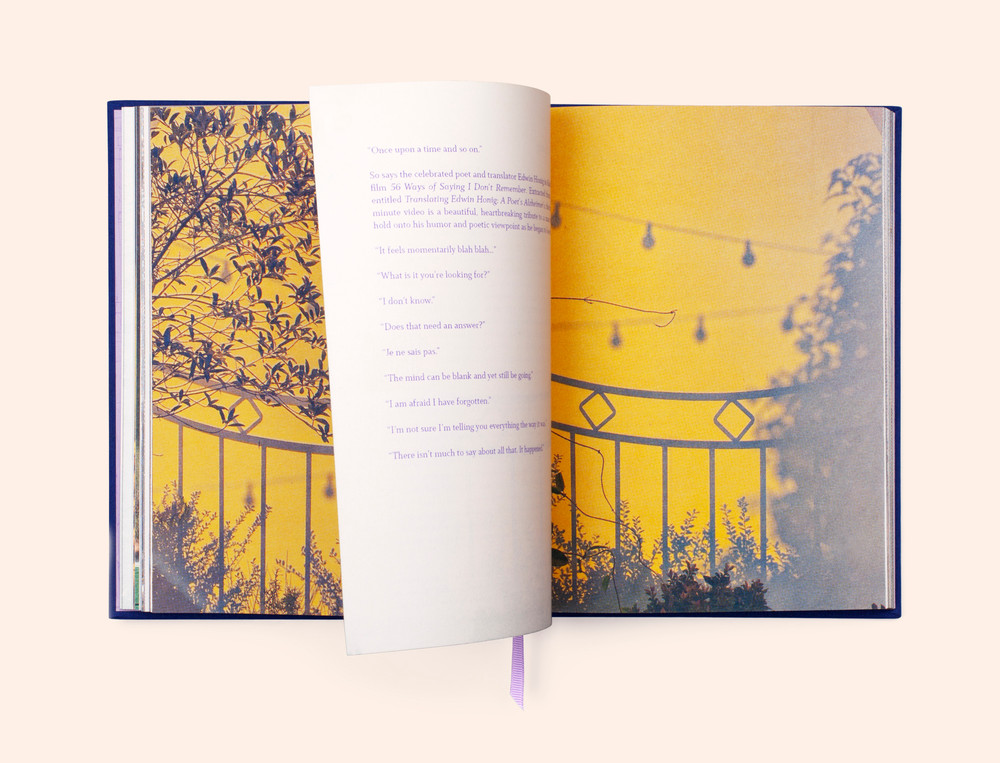
A recurring word in La vie is like that is “dementia,” with Duzant referring to its etymology and contemporary meaning, its medical and everyday usage, its occurrences in art and literature, and its effects on identity. In the chapter “V is for Vanishing,” she writes: “Author and Chaplin Lynn Casteel Harper explores how we, as the society, are the ones who force those with dementia to vanish, not the disease itself. Our existential fear of loss of cognition challenges our sense of self. We use phrases such as, ‘he is no longer himself,’ ‘she is not there anymore,’ or ‘it is like they’ve gone somewhere else.’ This type of language, one of vacancy, allows us to believe that in those living with dementia, there is a loss of personhood rather than a change.”
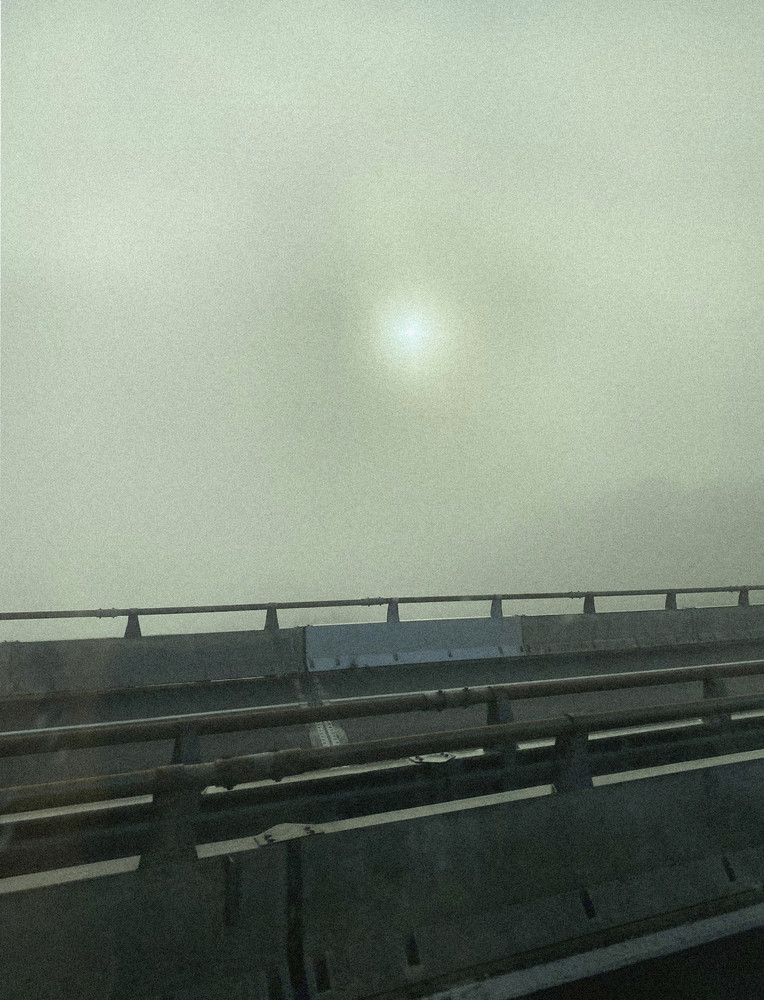
The image on the verso shows train tracks running across the bottom of the frame on a gentle incline, against a backdrop of smooth fog, illuminated by an indiscernible sun. Instead of straightforwardly documenting her father’s dementia, her image conveys her feelings, avoiding the visual language of vacancy.
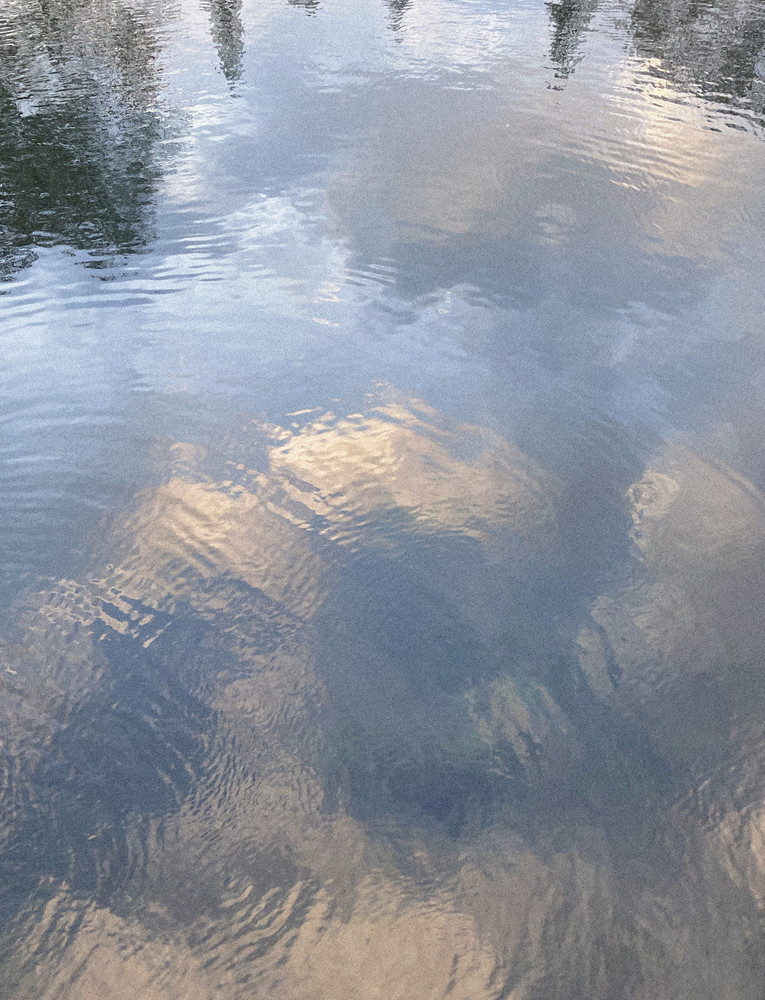
The final chapter of the book includes one last image of the water’s surface, this time with a rich spectrum of blues and whites that stretch from edge to edge of the frame. It recalls Theseus’s Paradox, and the various thinkers who have explored it. Substituting Theseus’s ship with another mythological vessel, Roland Barthes uses the paradox to discuss the ever-changing nature of the phrase “I love you.” Maggie Nelson picks up his analogy in her book, The Argonauts, writing, “Just as the Argo’s parts may be replaced over time but the boat is still called the Argo, whenever one utters the phrase ‘I love you,’ its meaning must be renewed by each use, as ‘the very task of love and of language is to give to one and the same phrase inflections which will be forever new.’”
Ultimately, La vie is like that serves as a declaration of this kind of ever-changing love— a love that endures shifting identities and thrives on continuous reinvention.
ISBN: 979-8-9903703-0-2