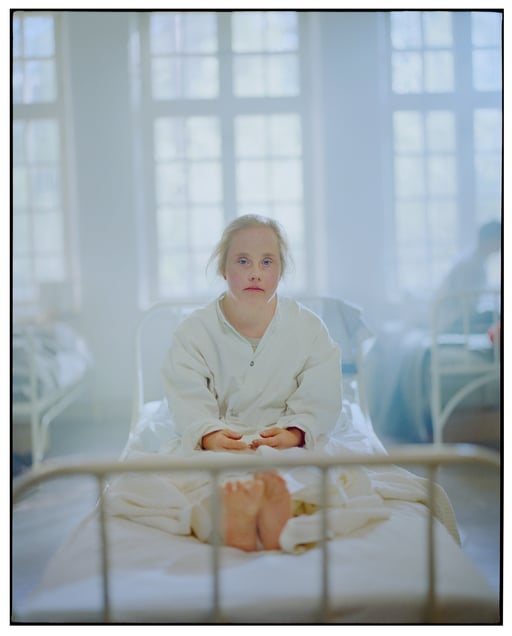
In the movie poster for It Could Have Been Us, a young woman sits upright on a hospital bed, her hands loosely unclasped in her lap, gazing directly into the camera. The image is awash in pale tones—white walls, white sheets, a white bed frame—all softened by daylight streaming through tall windows behind her. She is bathed in this gentle light, wisps of hair catching the glow to form a faint halo. This is not a still from the movie, but a collaborative portrait created off-screen by photographer Magnus Laupa and actress Ida Johansson, shortly after she had performed a physically and emotionally demanding scene.
Laupa, a Swedish photojournalist and co-founder of the Kontinent photojournalism agency, served as the on-set still photographer for It Could Have Been Us, a film written and directed by Björn Tjärnberg and Rebecca Brander. This project also has journalistic undertones as it confronts a dark chapter in Swedish history when people with intellectual and developmental disabilities were legally excluded from society under state-sanctioned eugenics policies that lasted from 1934 to 1975. Facilities such as Vipeholm Hospital in Lund, where the film is set, became sites of confinement and unethical experimentation, including dental trials in which patients were force-fed sugar to study tooth decay.
Laupa recalls feeling proud to be involved in a project that helps audiences learn about past injustices and aims to help them understand the profound emotional pain these individuals experienced. “I was honored to be working on a project that raises awareness about historical injustices and promotes dignity and respect,” he explains. “One story that moved me was of a boy named Olle, who was institutionalized at around four or five years old. He wrote hundreds of letters to his mother Greta, asking to return home.”
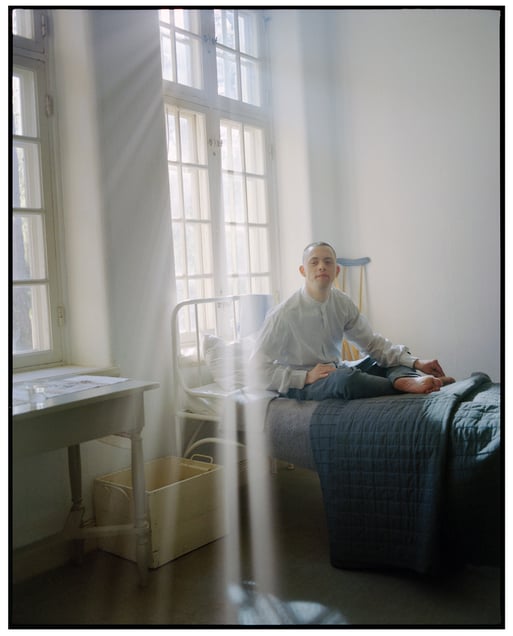
It Could Have Been Us is described as a documentary because it’s based on real events, drawn from historical archives and personal letters. However, the film doesn’t follow the traditional rules of the genre. Instead, it includes staged scenes that blend historical fact with collaborative performances. These scenes are performed by people who share the same kinds of disabilities as those who were historically institutionalized. Leads Ida Johansson and Emma Örtlund played a pivotal role in shaping the film from the inside out, bringing their lived experiences to bear on how the story was told. Laupa’s philosophy of portraiture is shaped by a similar ethos. “My work is grounded in presence. I sit down, I talk to people, I try to connect. I know Emma and Ida are not representatives of everyone who has an intellectual disability,” he explains. “It was important to me to honor their individuality.”
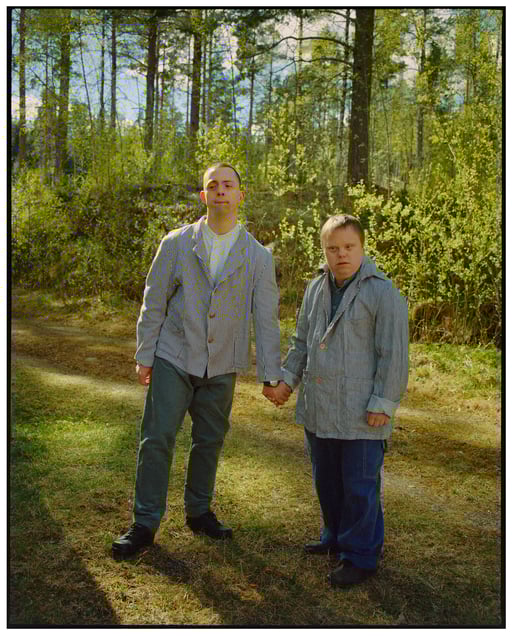
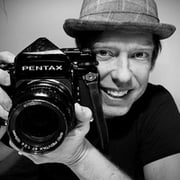
Laupa attributes his slower pace, in part, to his choice of medium: he works with analog film—an uncommon approach within the context of production photography. “My friend Bjorn knew I wouldn’t be making traditional behind-the-scenes pictures.” He explains, “I shoot with a Pentax 67 medium format camera. Instead of taking 200 pictures in 5 seconds, my process is very slow, deliberate, and fully manual: I focus on light, timing, and creating a sense of atmosphere.”
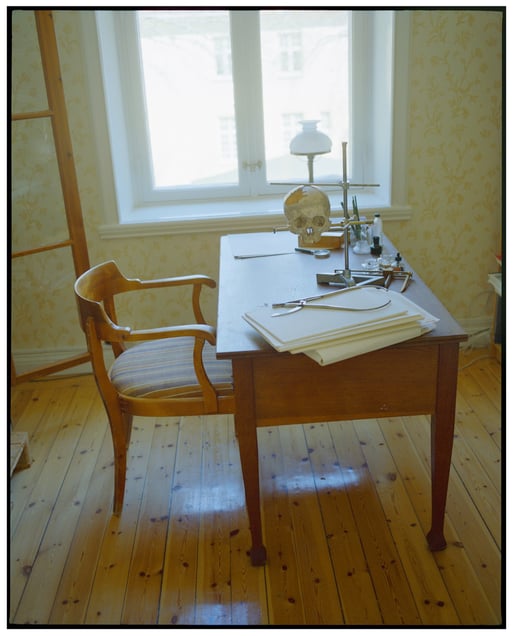
Perhaps it is this slower way of working that sets Laupa’s images apart—not only in how they’re made, but also in how they’re received, as evidenced by their circulation in the photography world. This type of crossover would be difficult in the mainstream film industry, where studios typically retain all rights to on-set photography. As a result, photographers rarely independently submit, exhibit, or publish work tied to a production.
Laupa’s act of creating a parallel series of photographs during a film production evokes JoJo Whilden’s work on High Art (1988). Whilden helped shape the story and develop one of the lead characters, Lucy Berliner, by creating a complete set of photographs credited to the fictional photographer. Berliner feels like a real artist—not just because of Ally Sheedy’s performance, but because Whilden gave her a distinctive photographic vision. As viewers, we believe in Lucy’s talent in part because we can actually see her excellent work in the images Whilden photographed and hand-printed for the character.
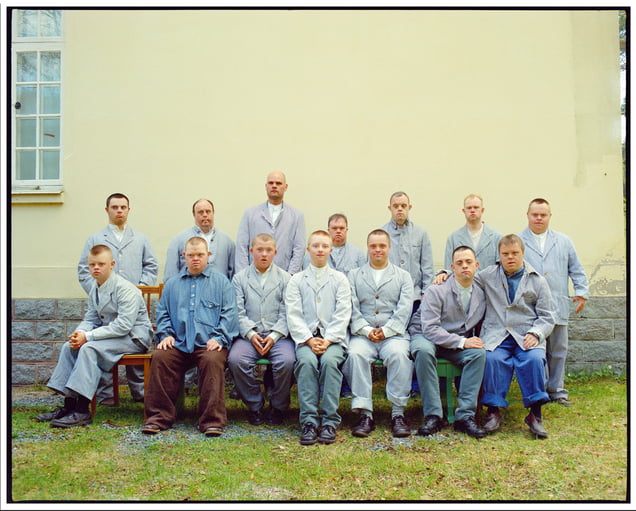
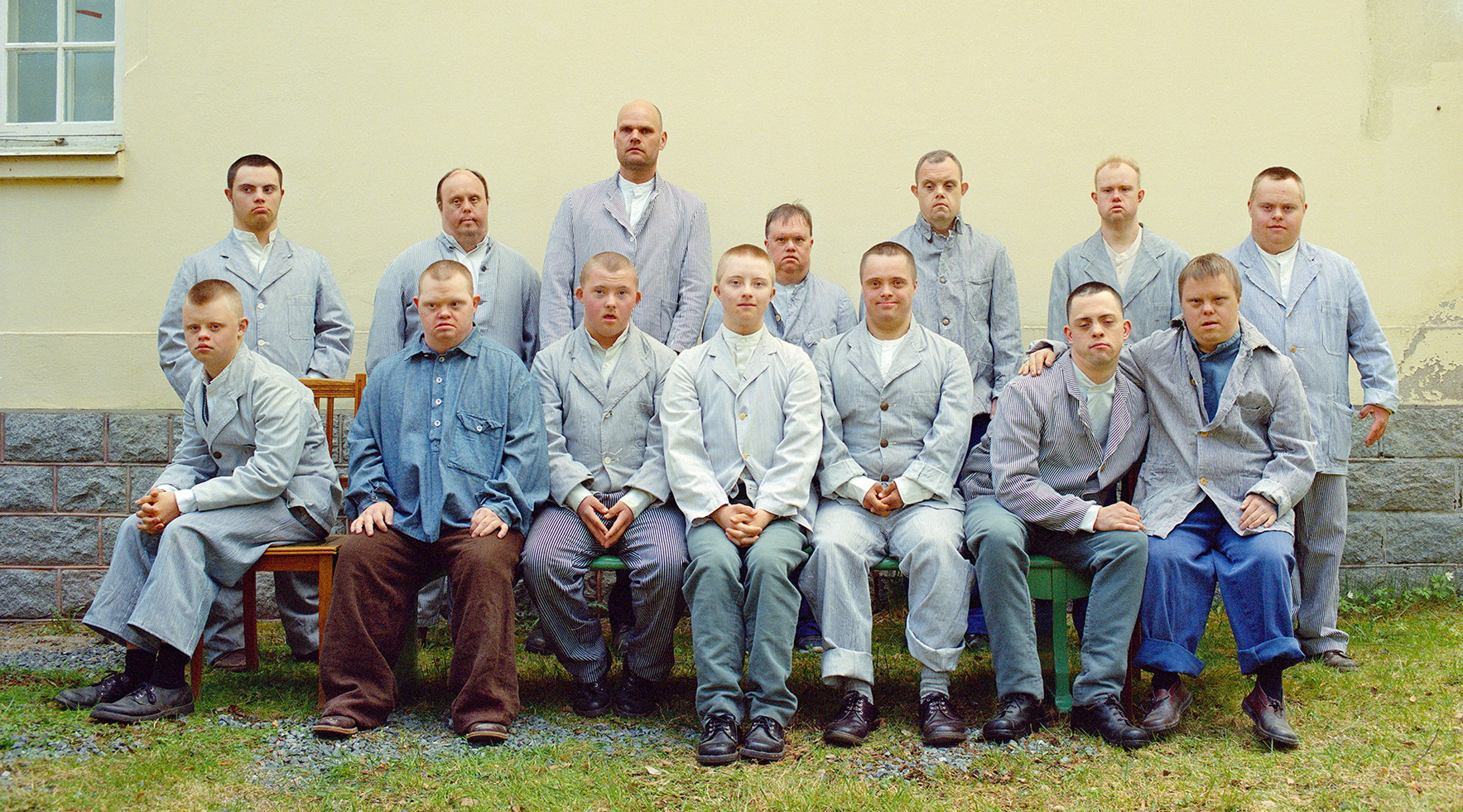
Laupa’s photography work also appears within the film itself. One of his images carefully recreates an archival photograph, originally taken by a photographer visiting the Vipeholm Institution in the 1930s. In the film, Laupa actually appears on screen as this historical photographer. In this role, he stages a new group photo of the film’s participants, who act out the moment when the original picture was taken.
They are arranged in two rows: the back row of men stands before a yellow wall that cuts the image at waist height, while the front row sits on wooden chairs, feet resting on patchy grass and gravel. Their expressions vary. Some seem solemn, others uncertain, and a few wear quiet smiles. Two men lean gently together, arms draped across each other’s shoulders. There’s a hush to the moment, a blend of formality and ease, as the group holds still for the camera. Blending historical reenactment, collaborative authorship, and genre fluidity, this image crosses contexts and frameworks.
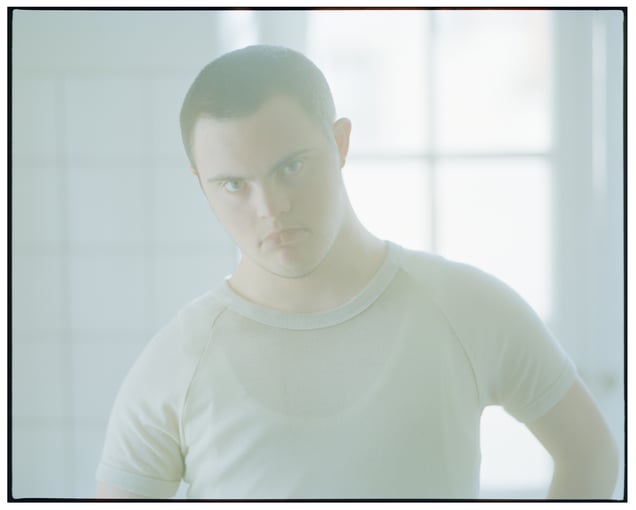
Ultimately, Laupa’s photographs—like the film they accompany—navigate a subtle interplay of reality, narrative, and historical reenactment, unearthing a buried history of prejudice against people with disabilities. His deliberately unhurried process aims to foreground the beauty of his subjects, allowing them to emerge as both visually compelling and emotionally resonant within the cinematic narrative and on their own.
Magnus Laupa was one of 39 international photographers awarded by the LensCulture Portrait Awards 2025. Discover all of the winners and finalists here.