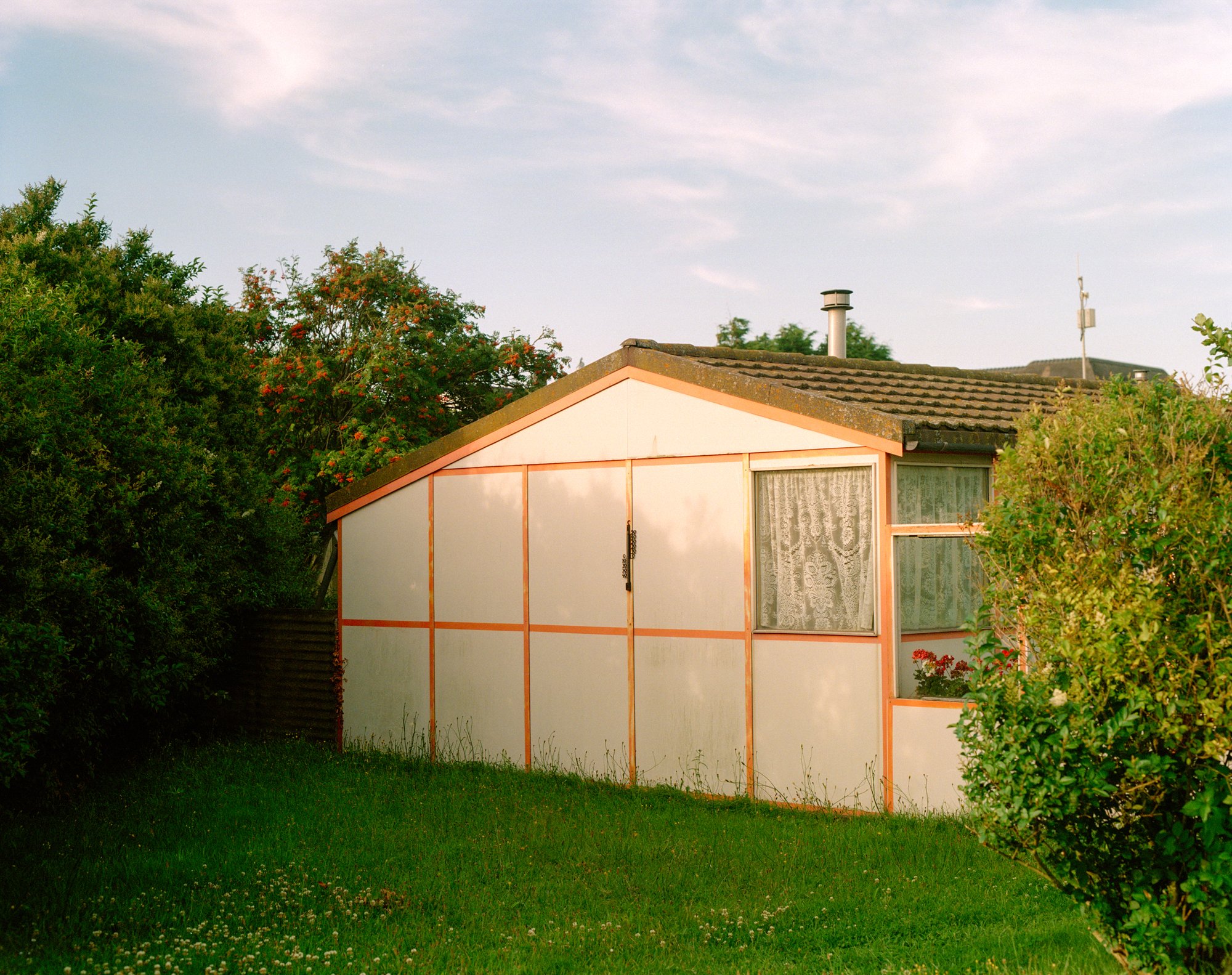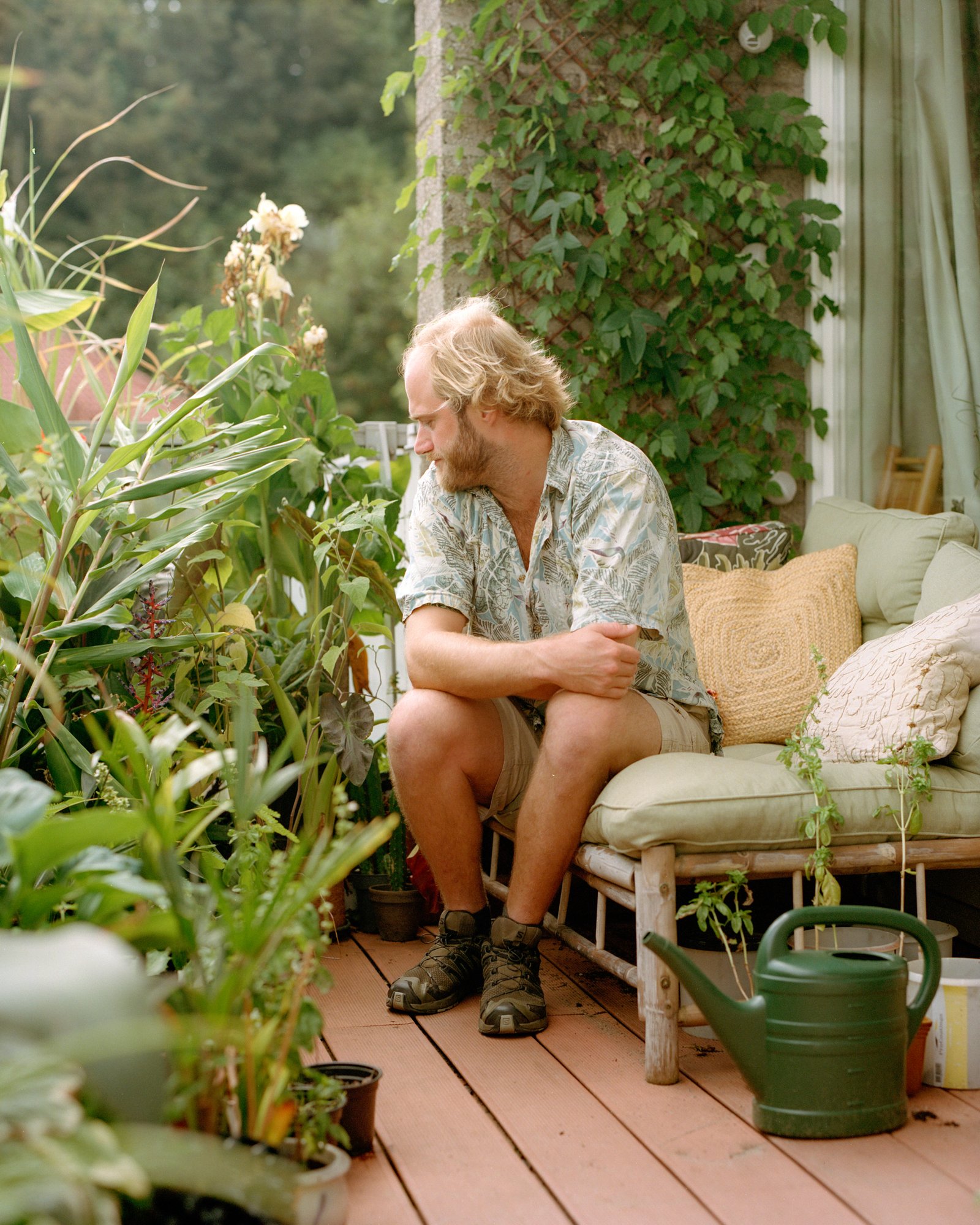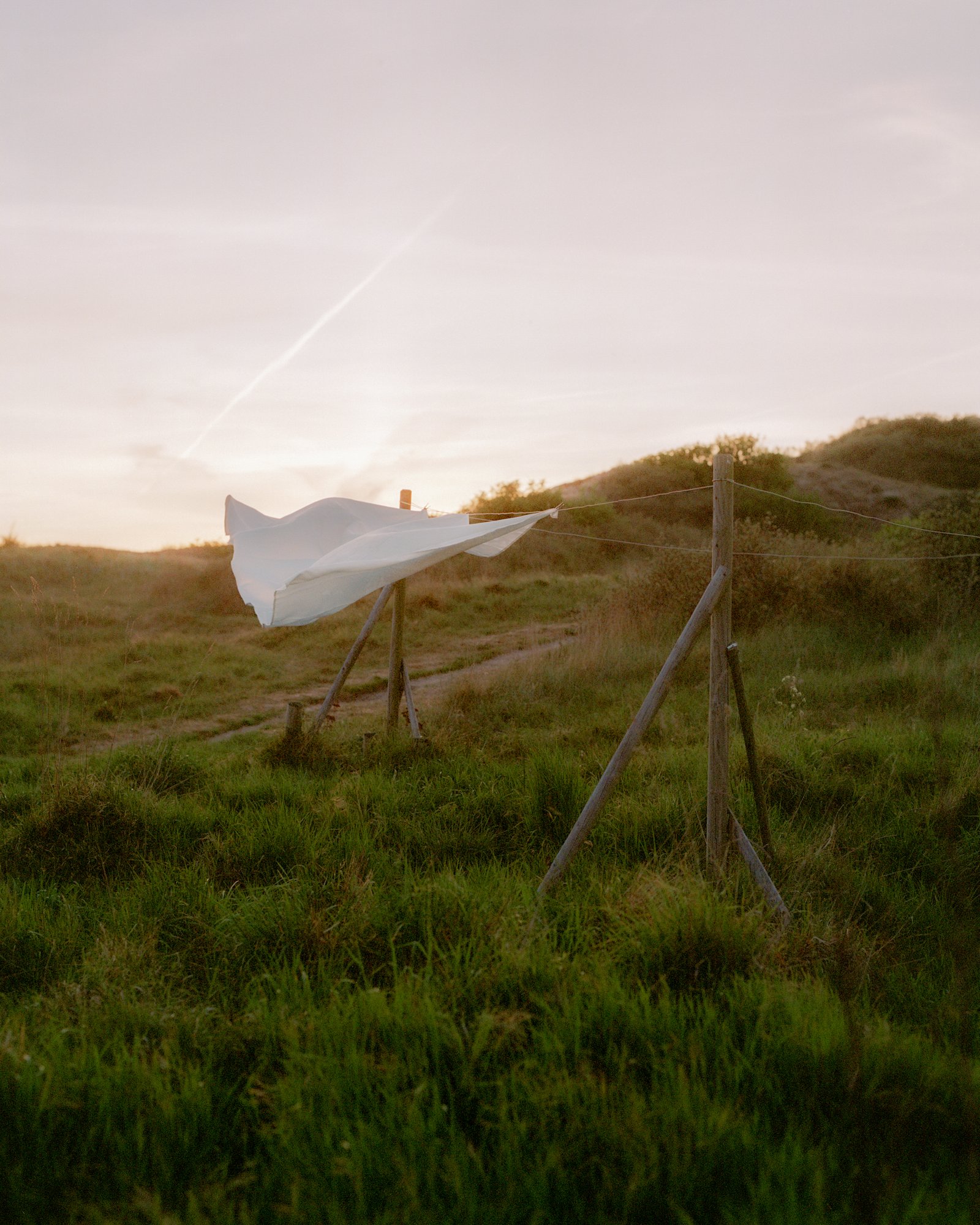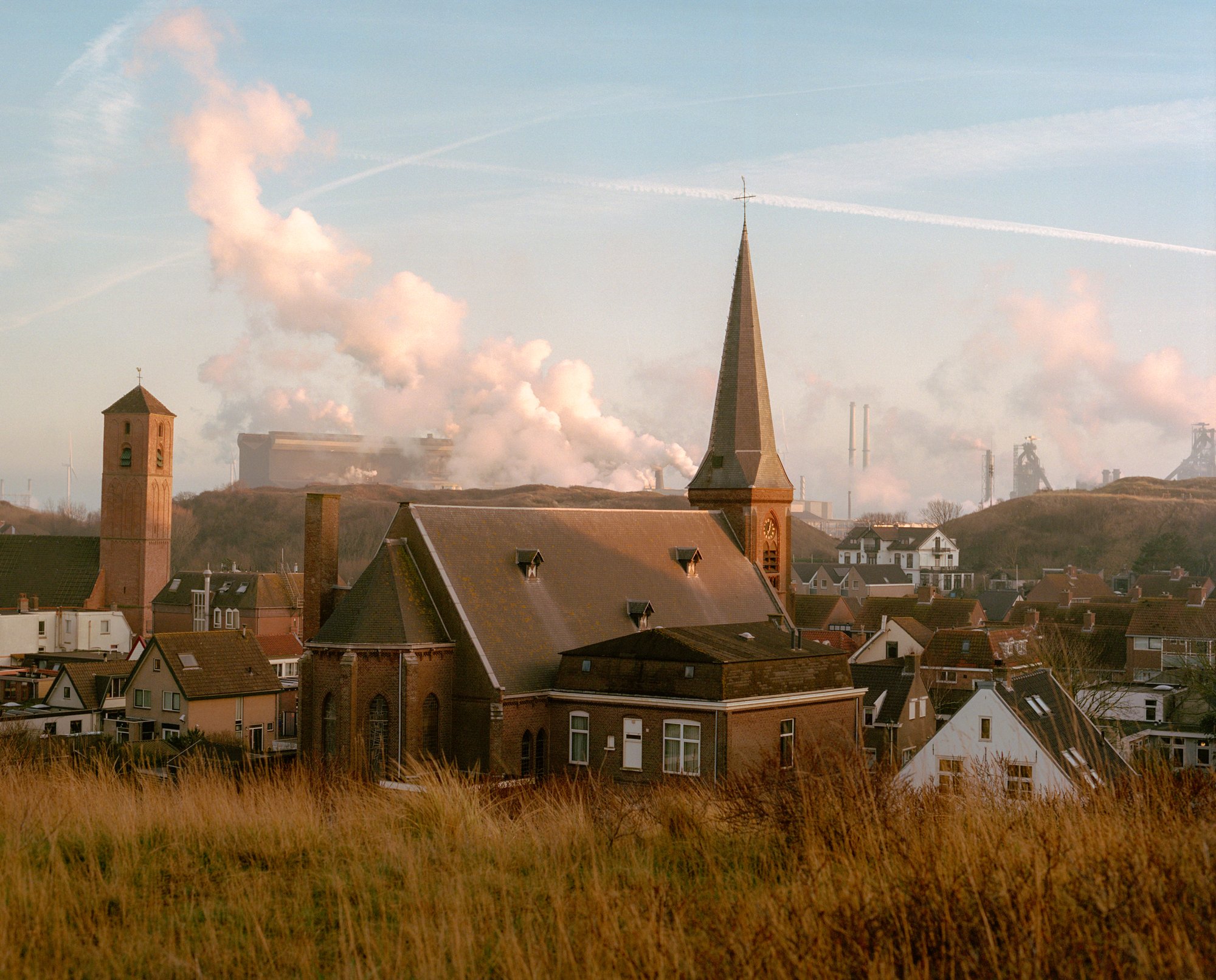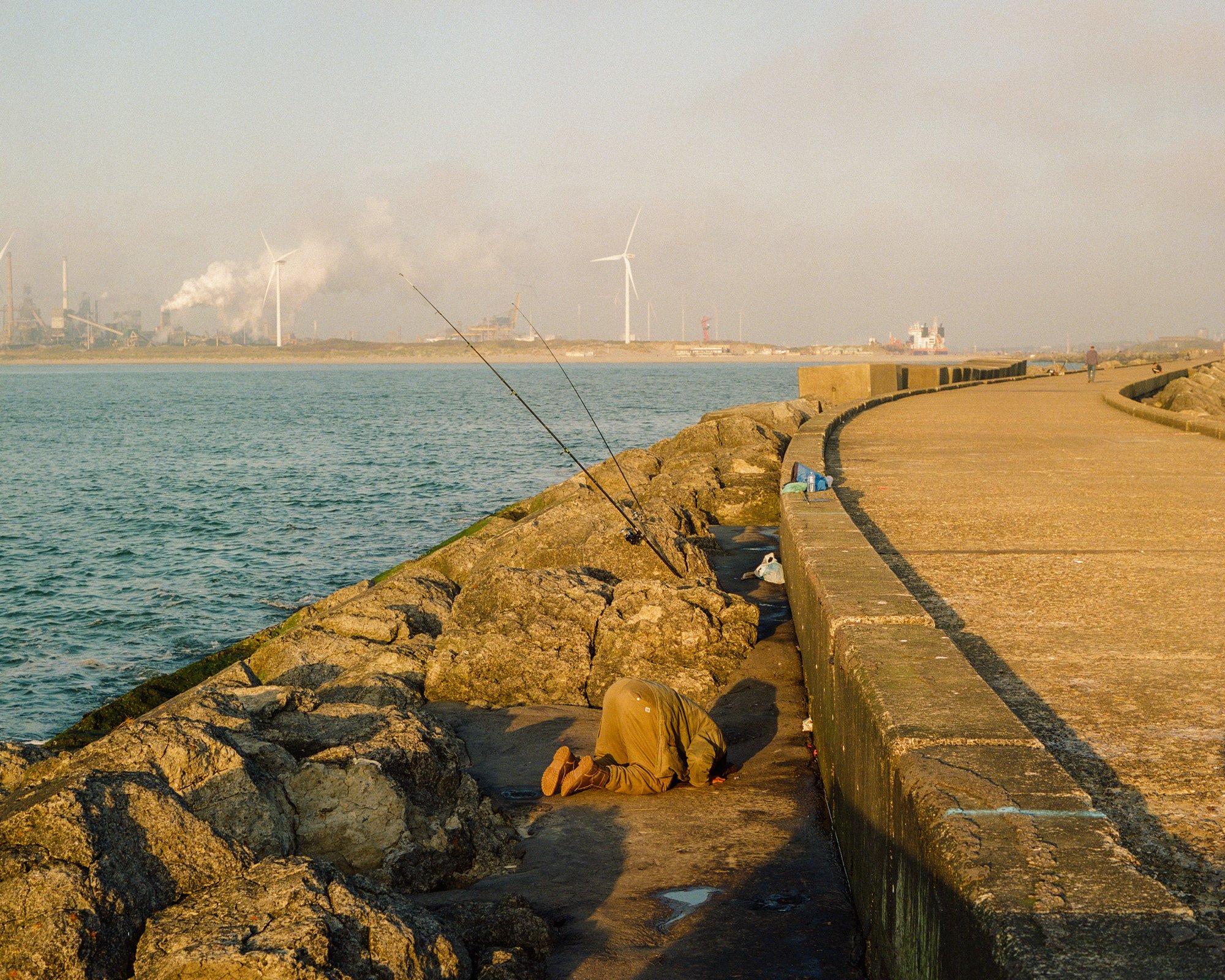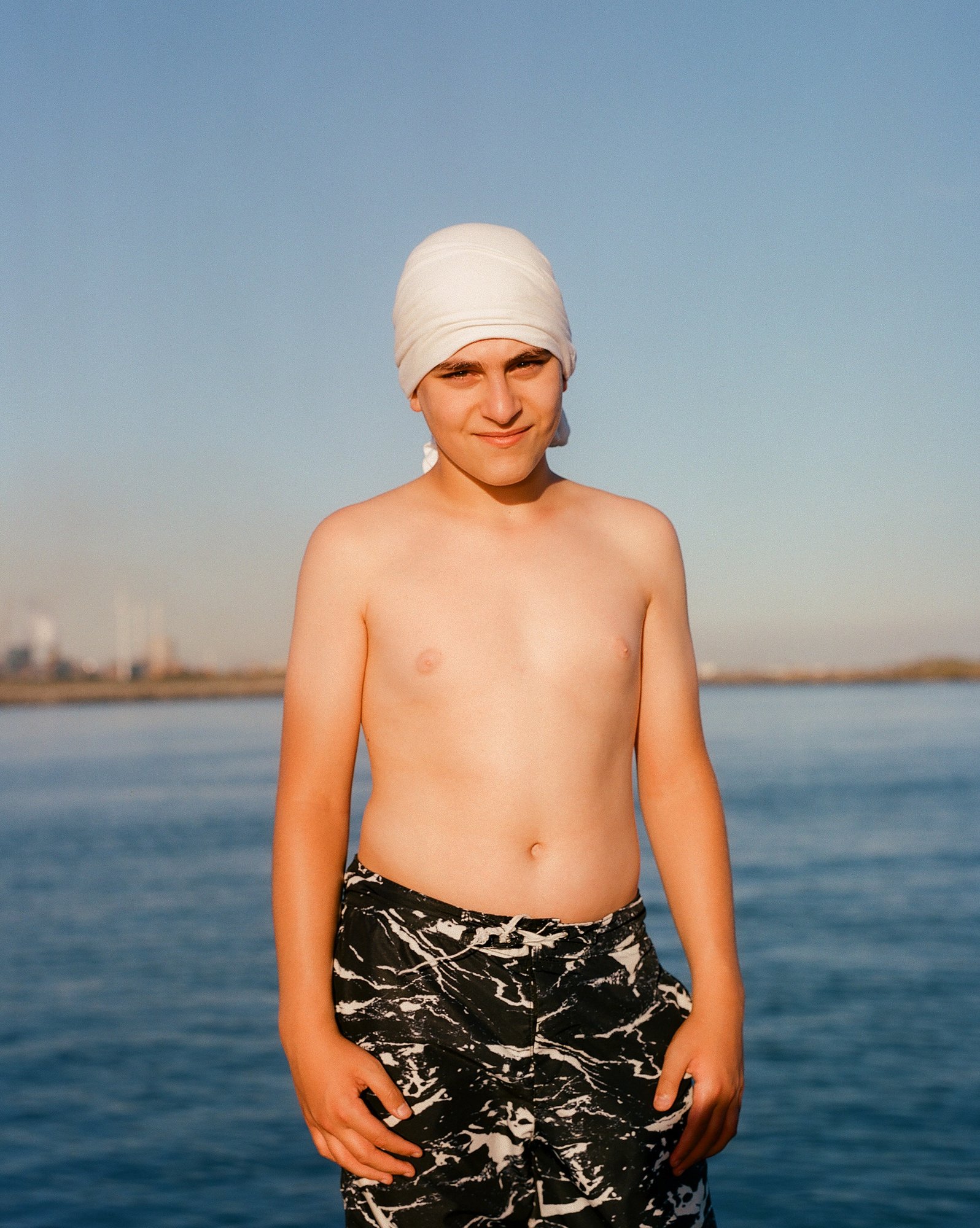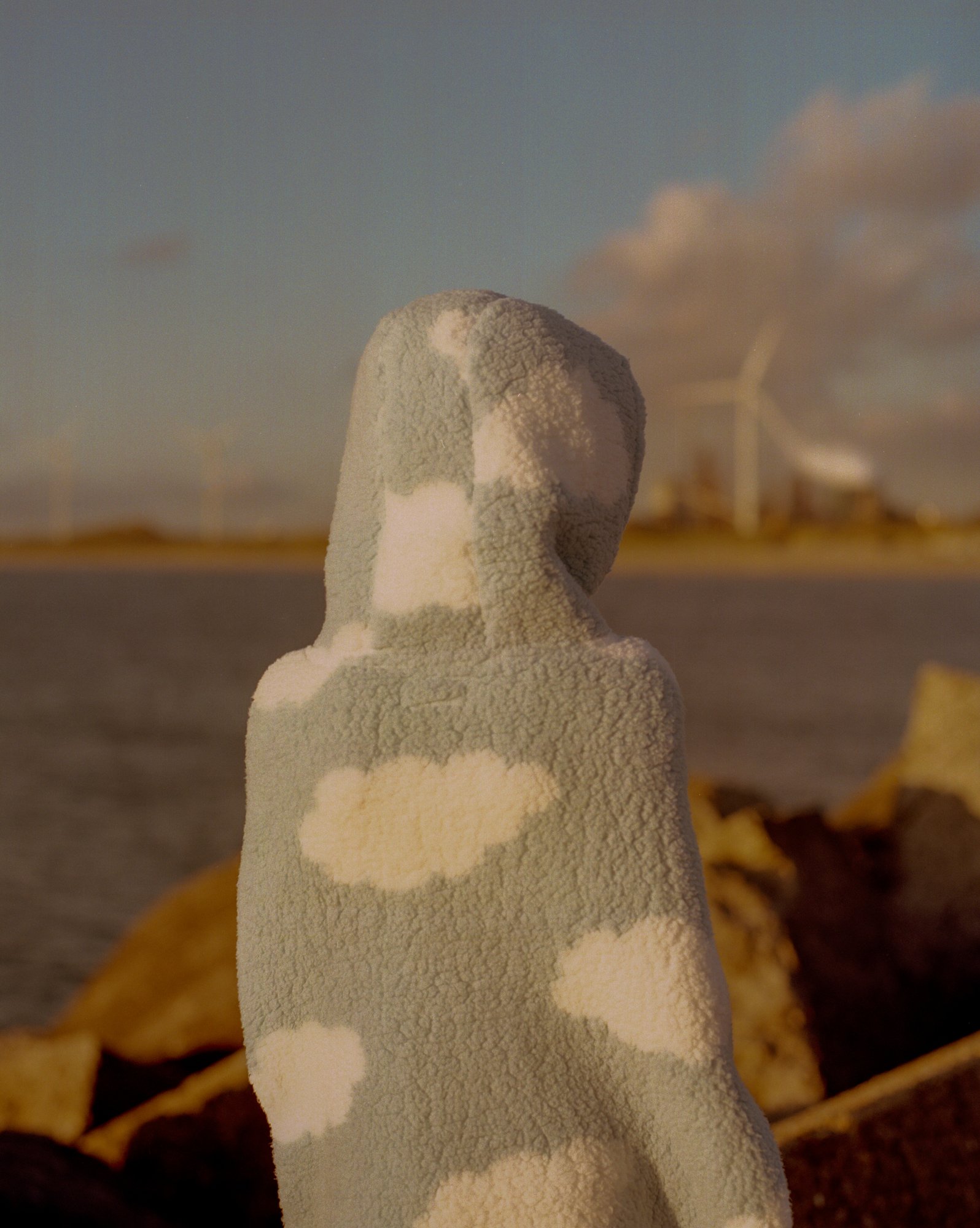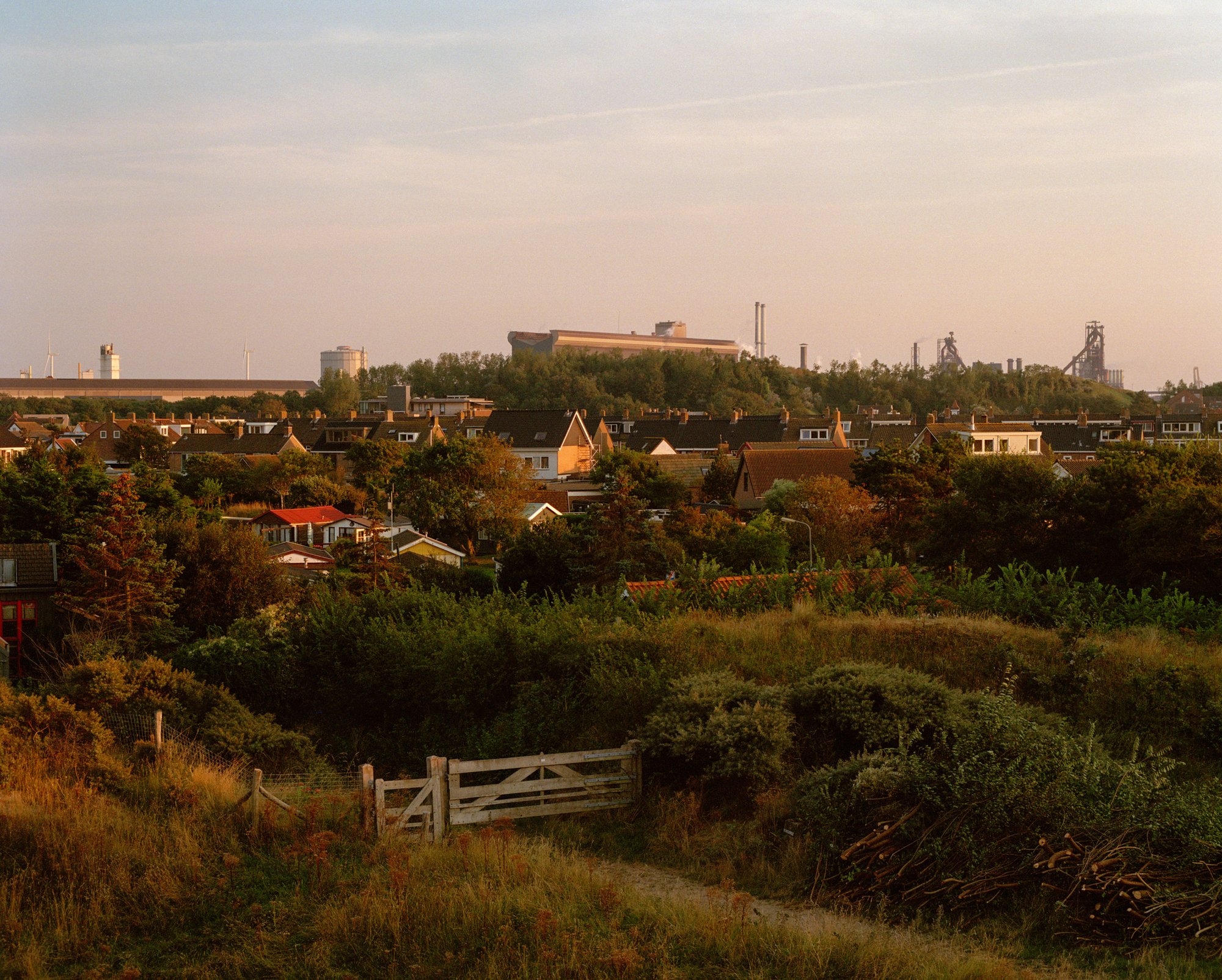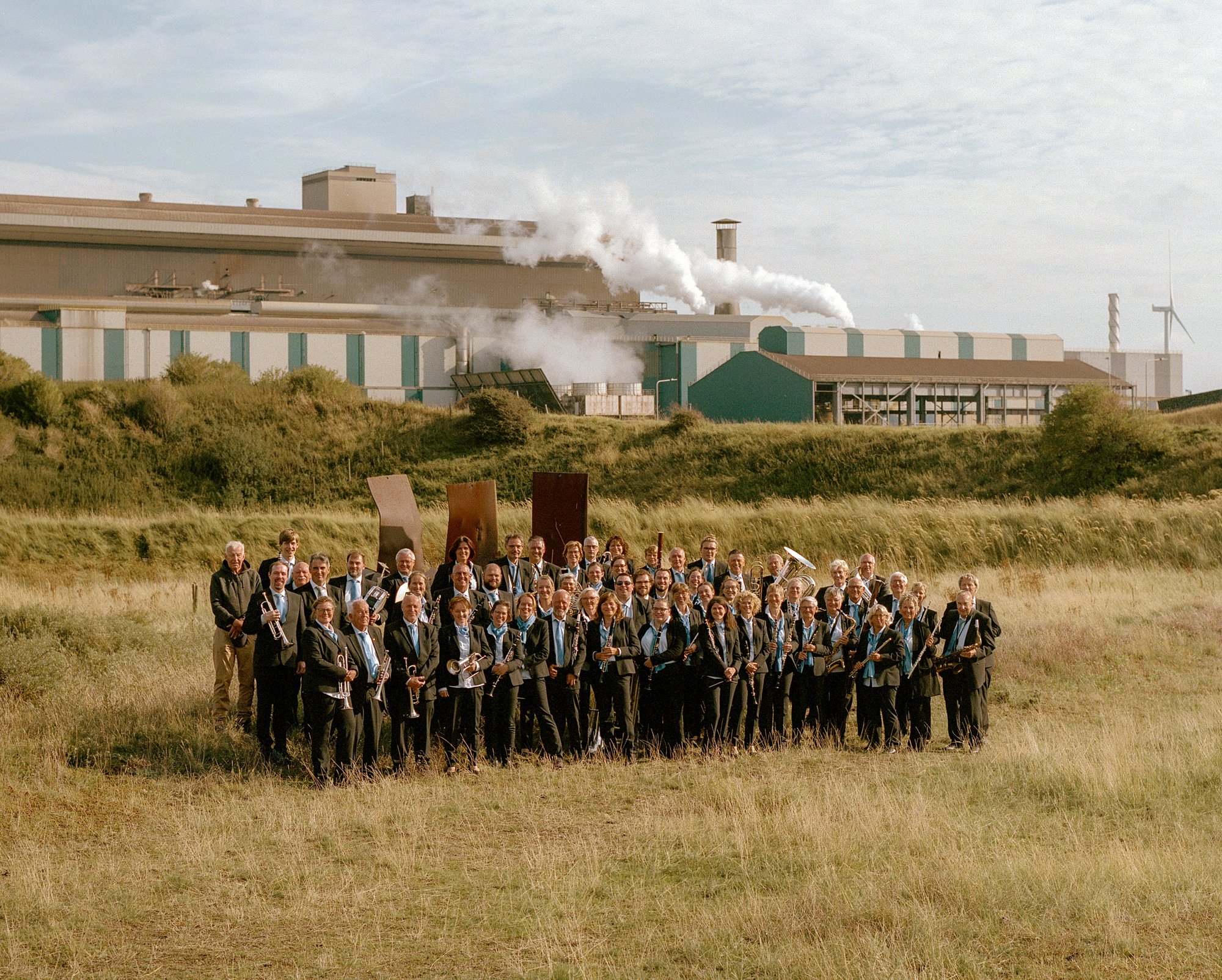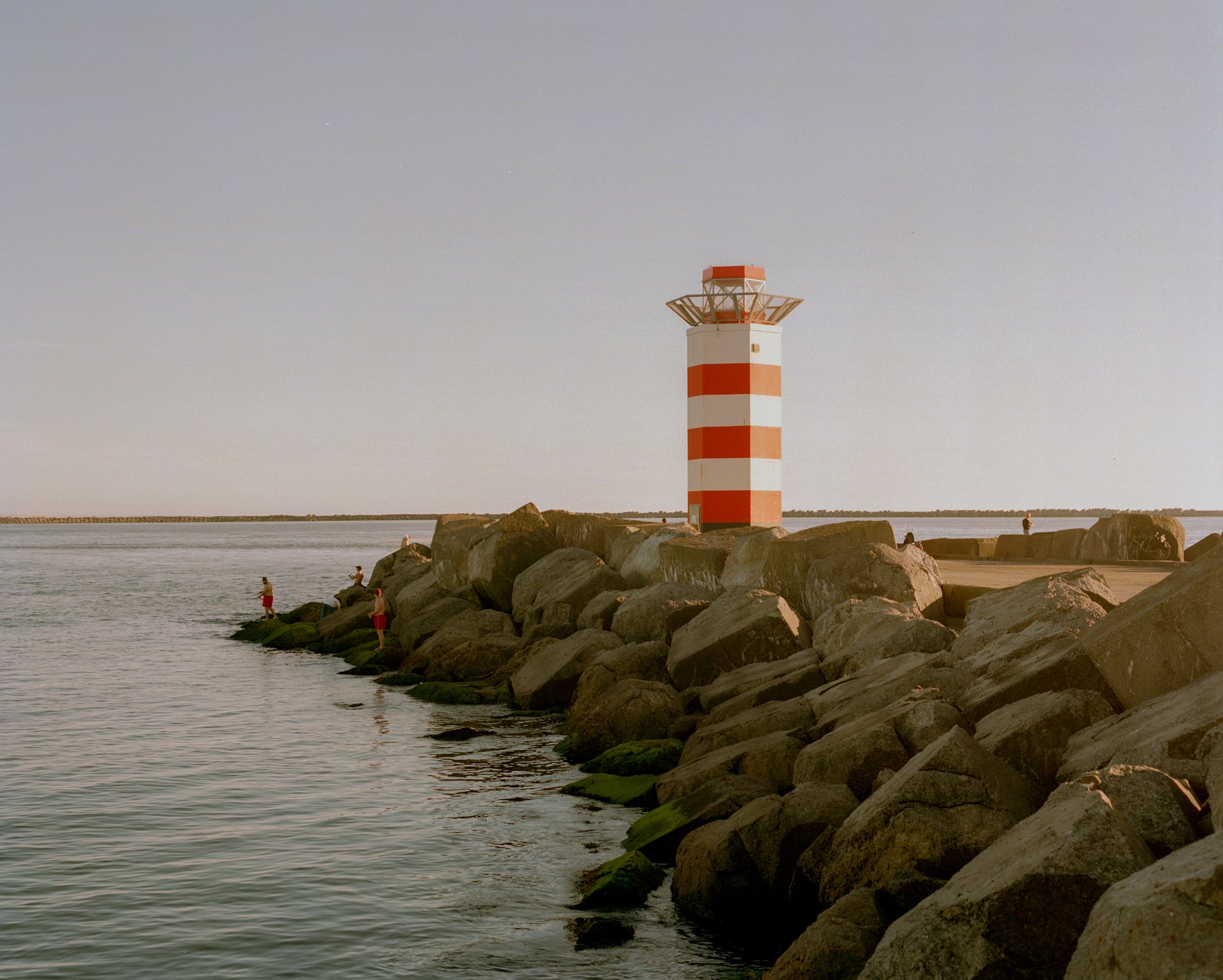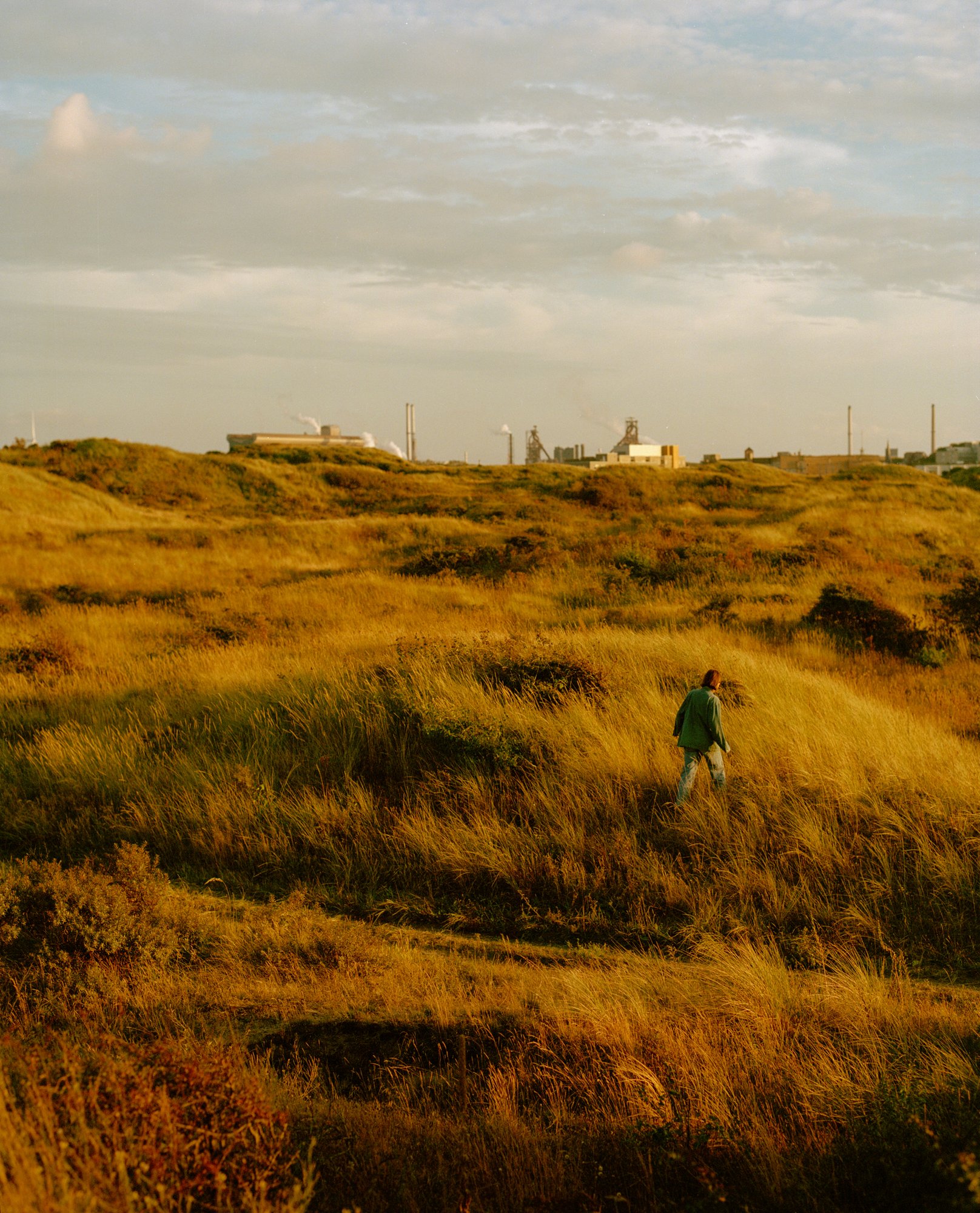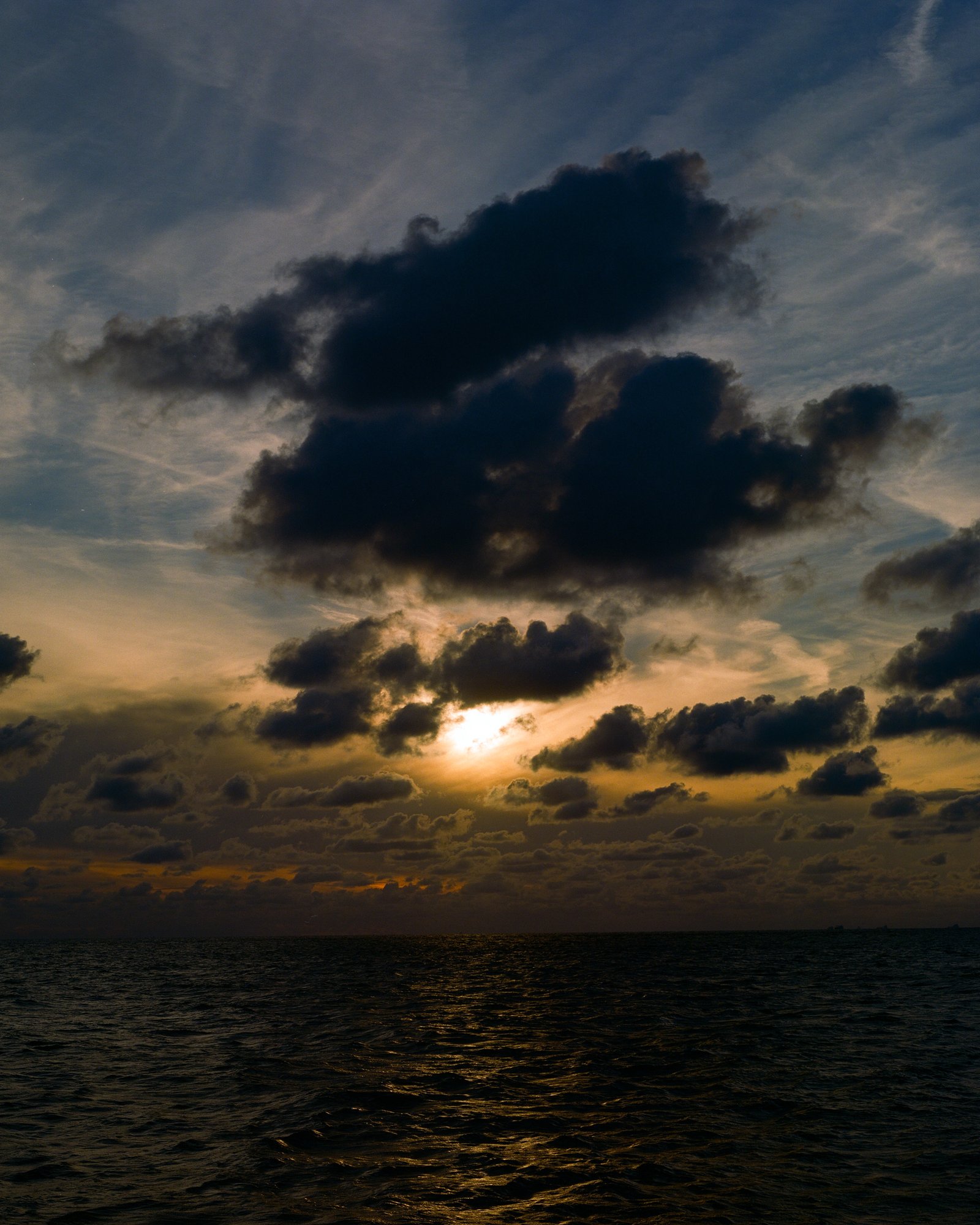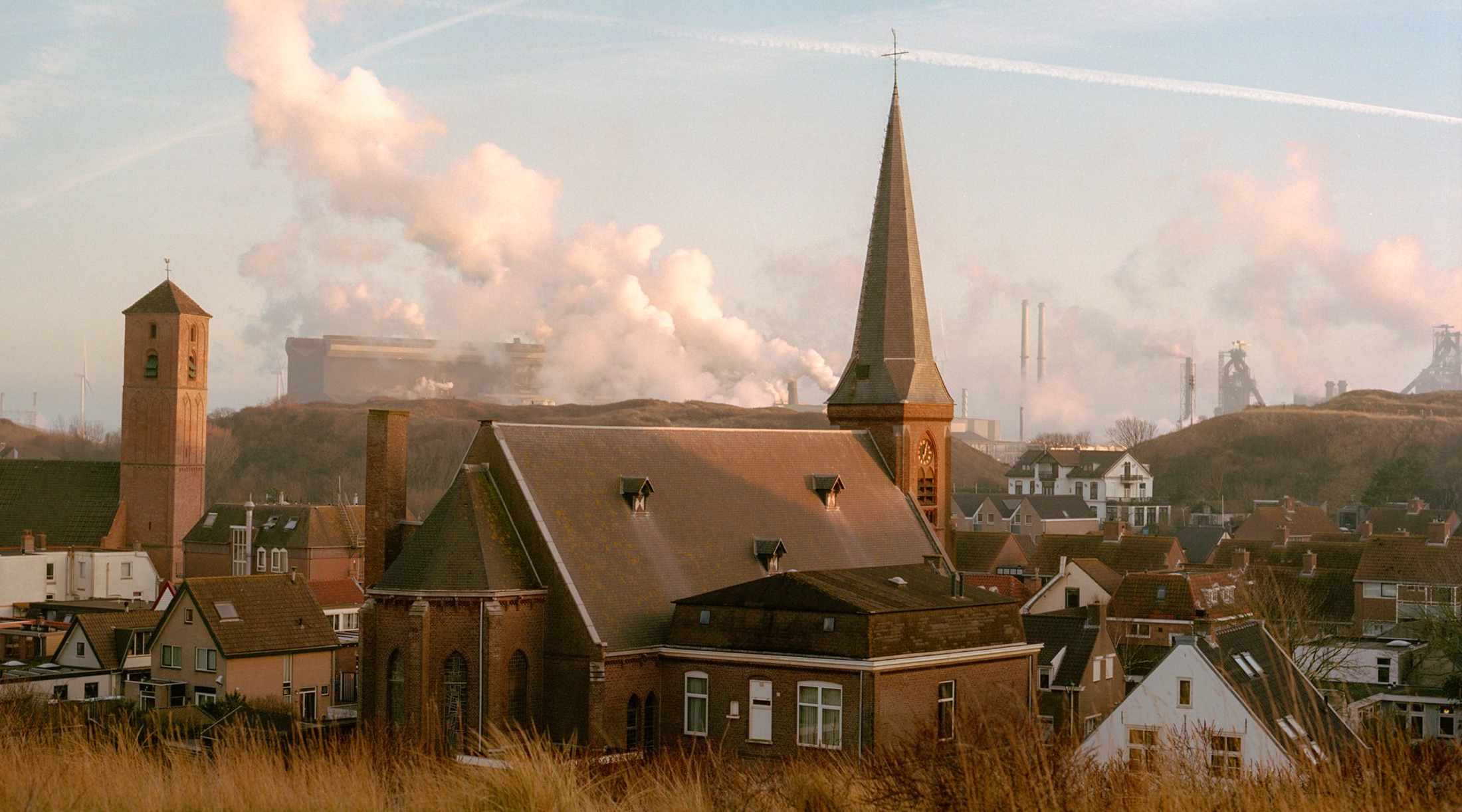
I expected, after reading all the headlines, to find a village in a state of urgency, at the mercy of a steelmaking behemoth. Instead I found myself in a quiet place nestled between the greys of the North Sea and tall dune grasses dancing in the westerly wind. I was met with kindness and told that living here is bliss. ‘There’s nothing like walking through the dunes towards the sunset, listening to the birdsong and the sound of waves crashing on the shores’.
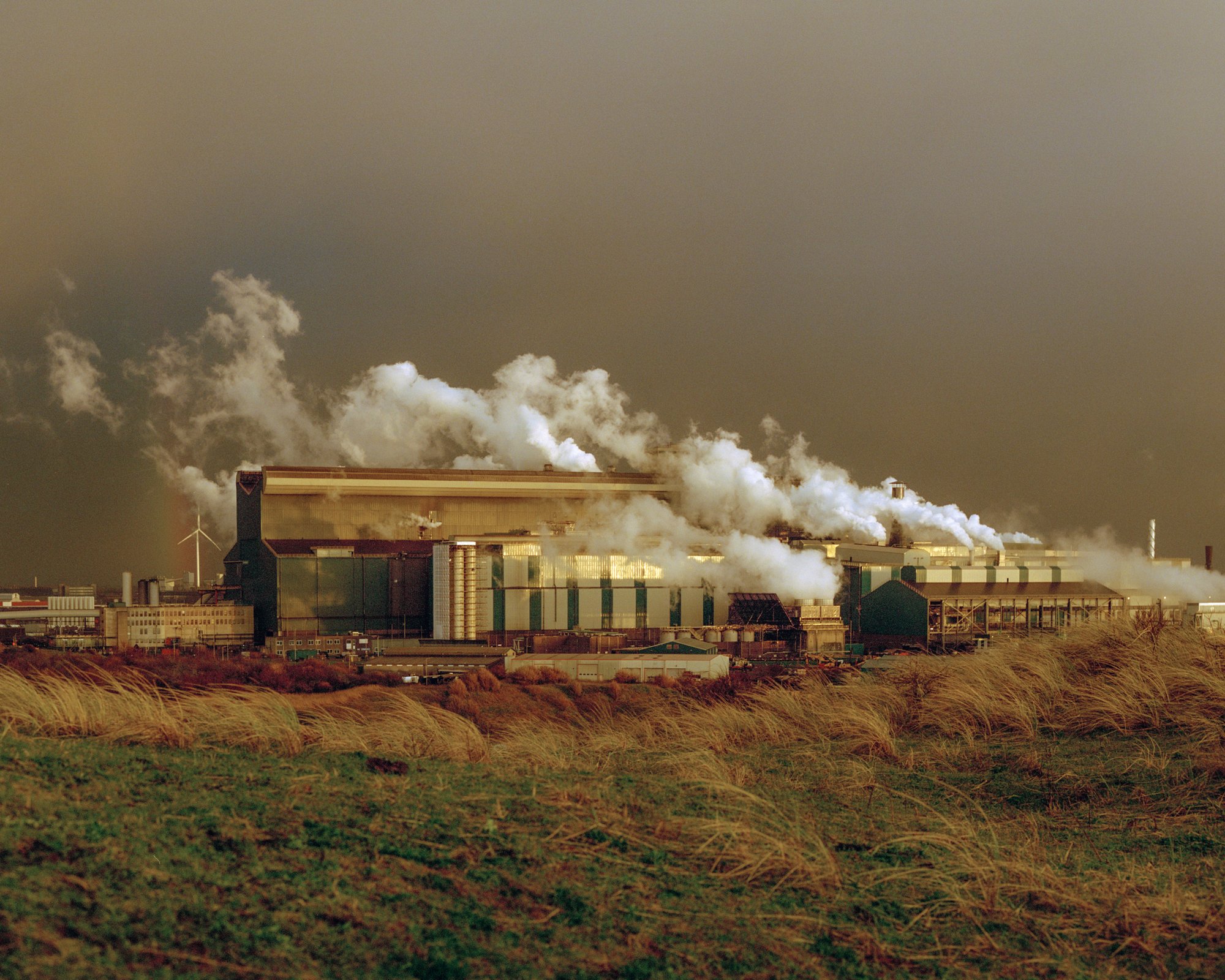
Wijk aan Zee lies next to the biggest industrial polluter and number one emitter of greenhouse gases in the Netherlands: Tata Steel. This steelmill is also the largest employer of the region. The continuous developments in the battle against global warming, as well as the recent trade sanctions imposed by the US, have a deep impact on the community. It’s also one of the most polluted areas in the country, and predominantly defined by this negative image of continuous conflict and problems surrounding the factory.
After years of feeling isolated, the silence of the landscapes and the warmth of the people in this village finally made me feel at home. It offers a place for contemplation in times of social and ecological unrest. It’s an opportunity to reflect on how we present these communities in precarious situations to a wider audience. The focus on conflict leaves little room to get to know the people behind the news, with the risk of blanketing an entire community with a generalizing blanket.
— Mark Rammers