A hitch, an anomaly, a temporary malfunction or setback, a brief irregularity, a sudden surge of current. These are but a few of the definitions of the word ‘glitch.’ It is a word that today feels inextricably bound to our contemporary digital age. However, its origin can be traced back to an earlier time when it was used to describe mistakes made live on the radio and in early television broadcasts. The astronaut John Glenn is credited for popularizing the term in the 1960s during the years of the space race to describe on-board technical problems. Glitch found its way into the English language from the Yiddish word ‘glitsh,’ meaning a slippery place.
And so it is fitting that the artist duo Andrea Orejarena and Caleb Stein have named their most recent body of work American Glitch. Has there ever been a place or perhaps an idea as slippery as America? The phrase feels emblematic of an American landscape that has given us Hollywood, Manifest Destiny—the concept that drove US territorial expansion—and Silicon Valley, along with a million ways to rewrite history and play with spectacle.
As an archive of images and wormhole of oddities, American Glitch plumbs the depths of photography’s inherent dance with truth. Or as the artist duo describes the work:“a slip between fact and fiction.” Combining original photographs made by Orejarena and Stein with images from the Internet collected across years spent searching online, the project investigates a world in which the ‘real’ is constantly up for debate.
Operating in the genre of classic road trip-meets-deep-Internet dive, the project responds to our world of images and the satirical and humorous or conspiratorial coping mechanisms often used to confront and subvert a society mired in disinformation, late-stage capitalism and technological dependence. The Internet is treated as a collective subconscious that influences our emotions and actions from the background. American Glitch has shapeshifted in its own right, starting its life as a book published by Gnomic Book and changing form through a series of exhibitions that are responsive to the spaces they find themselves in.
In American Glitch, the artists have chosen to never personally define the word glitch. It lives in the ether—a part of life that is increasingly hard to pin down. An accompanying insert gives space to over 30 contributors’ responses to the term. This booklet is in line with the project’s scope, allowing in more voices and viewpoints and, much like an online rabbit hole, expanding out into myriad paths. David Campany’s essay, The Glitch Is In Us, weaves the personal, pop cultural, and political together as a coda to the book.
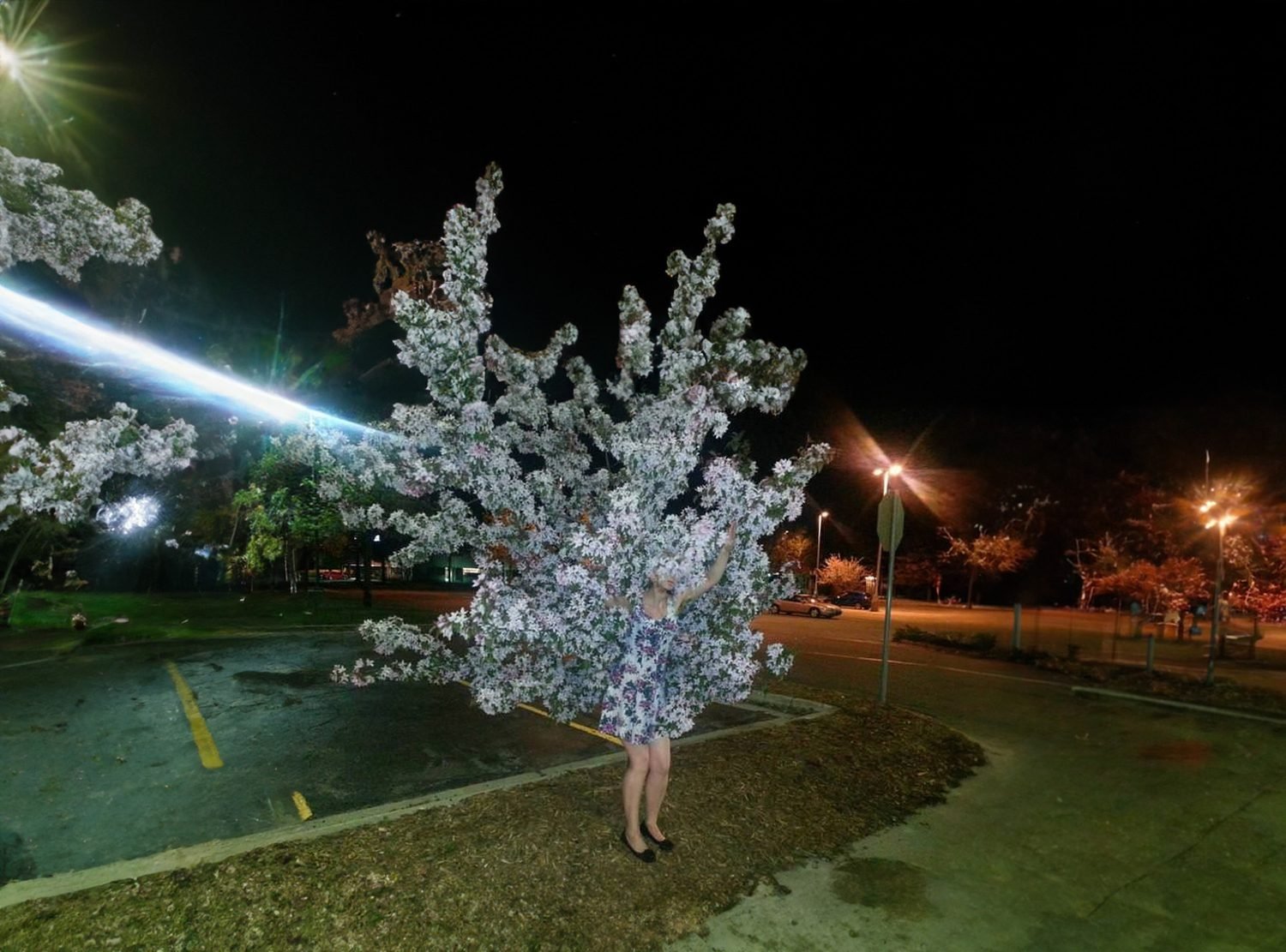
In images that rove across the Internet—posted, shared, liked, over and over again—one feels the myriad undefinable disruptions and reactions present in a glitch. Is it a bubble of laughter or a jolt of strange recognition? The unease of something uncanny or a reinforced idea that lingers? As the artists note: “One way of viewing a glitch has something to do with a sort of schism between expectation and perception.”
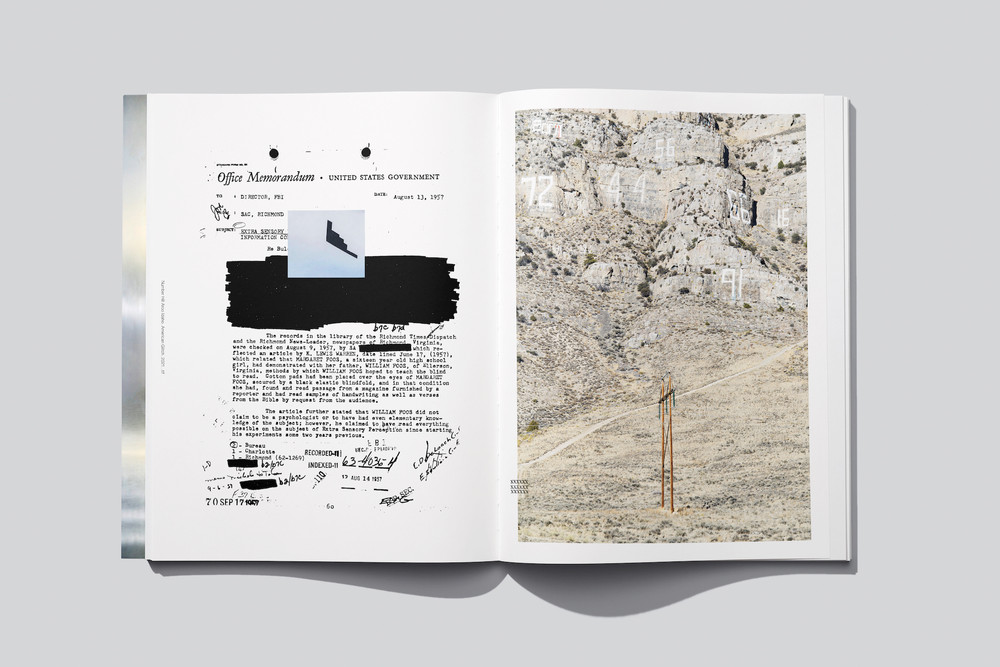
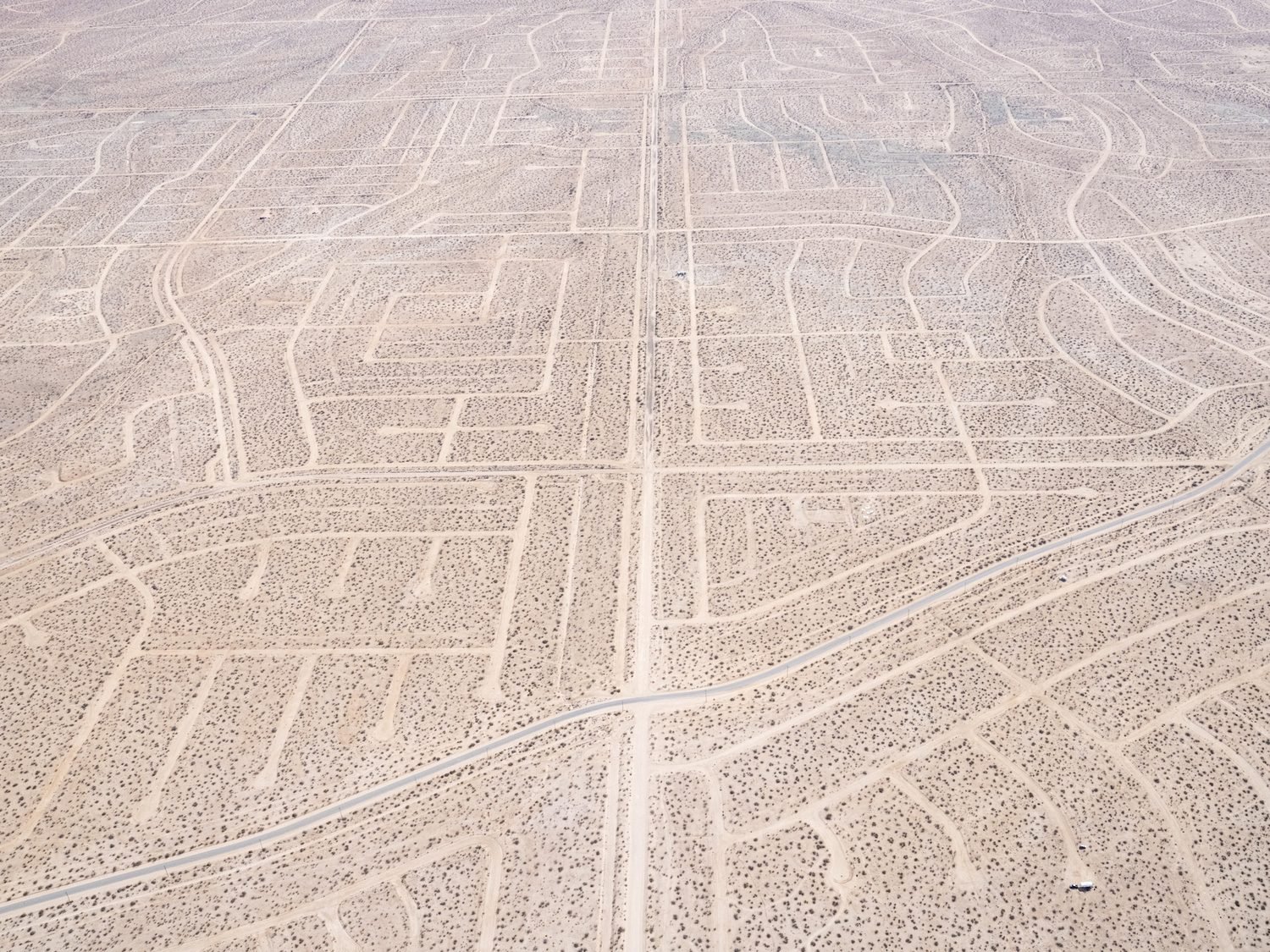
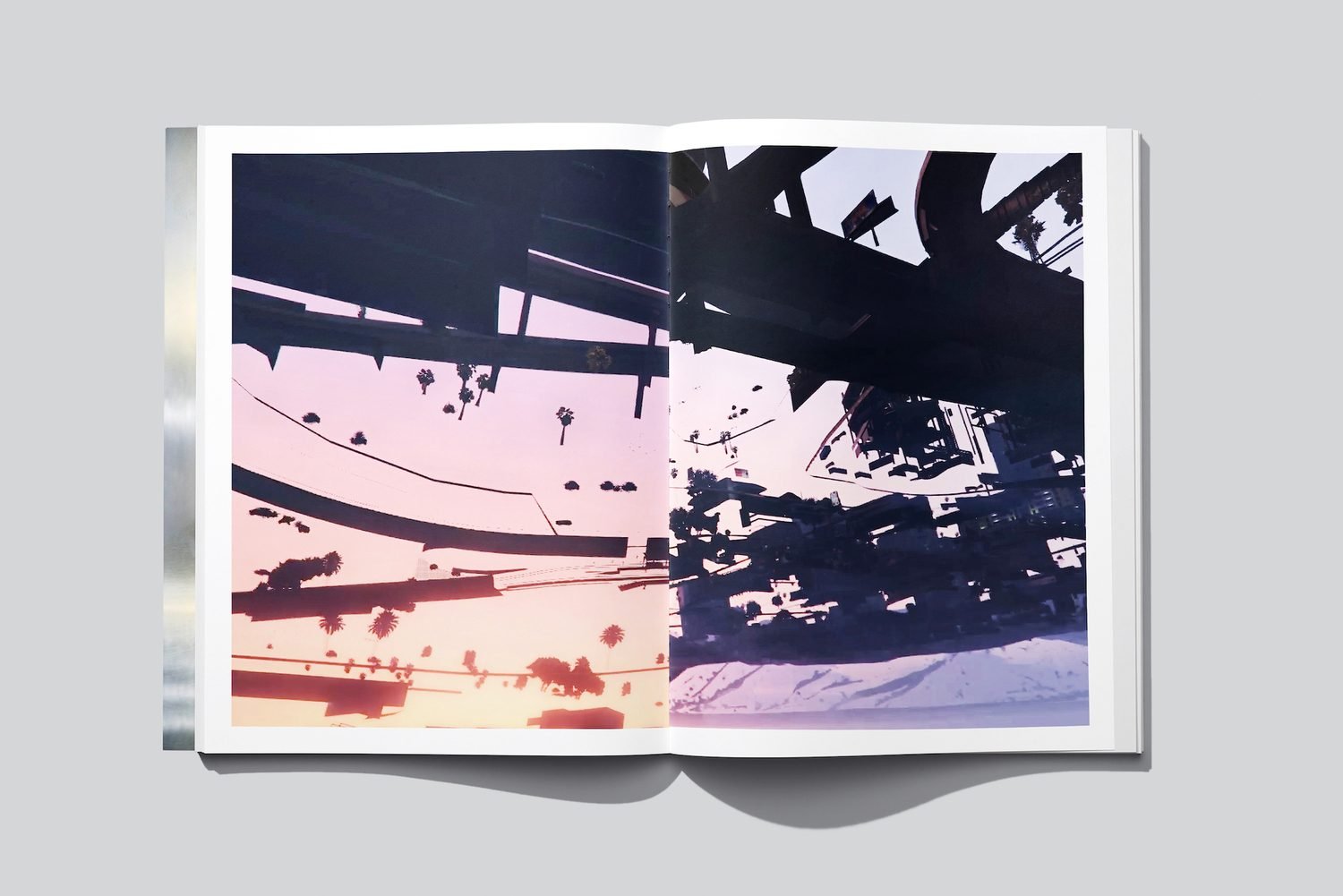
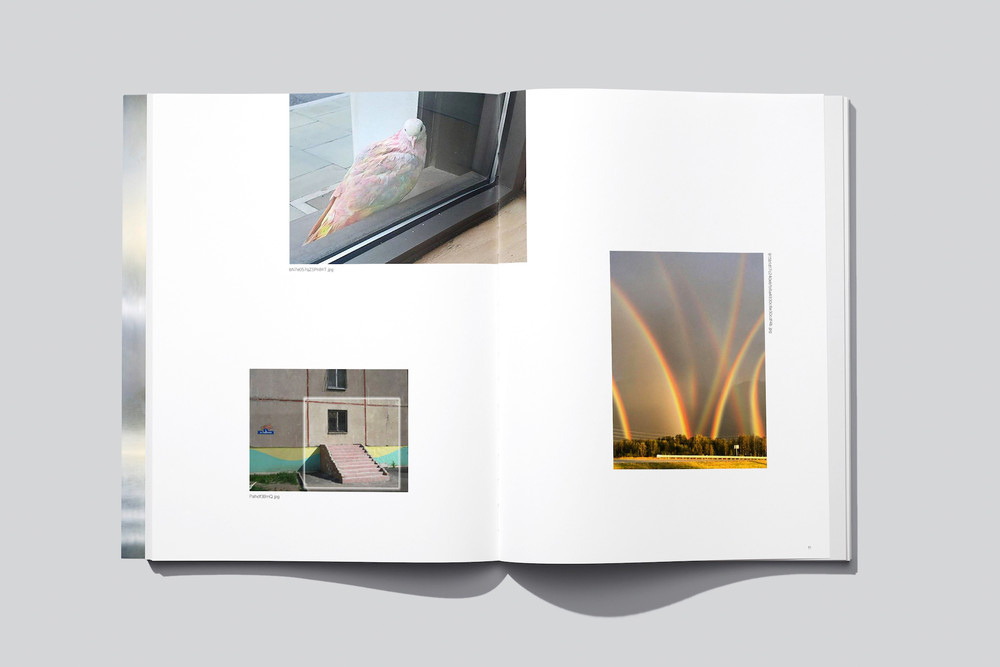
The duo play with this ambiguity with their sequencing. Angel-shaped cloud formations in various sunset colors hover above an overhead desert grid before spilling onto the next spread. Odd pairings or trios appear: white cars stacked up, runners dressed to match, figures in puffer coats who seem to multiply and diverge. Each of these images is marked with its file name—often a string of letters and numbers which, when immersed deep in the book, one might read as a secret code as much as a random computer-generated sequence. The book’s design delightfully toggles back and forth between the world of the desktop screen and the world seen through a photographer’s studied lens. Layering images atop each other and documents with black bar redactions, the artists create a sense of unfurling meaning and paths to more and more connections.
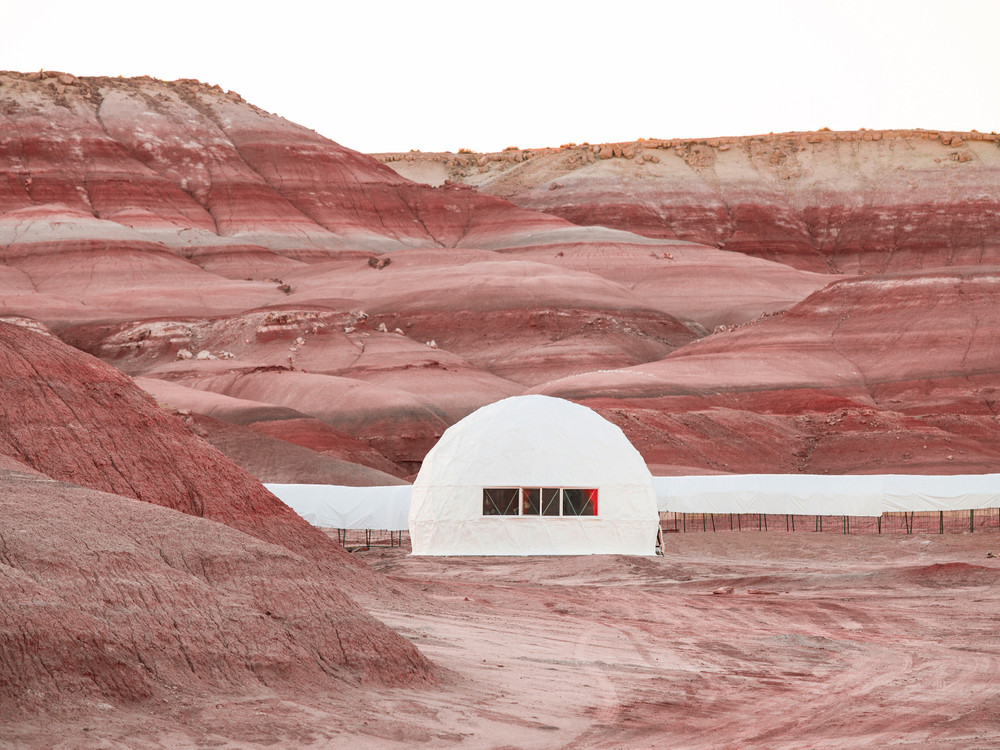
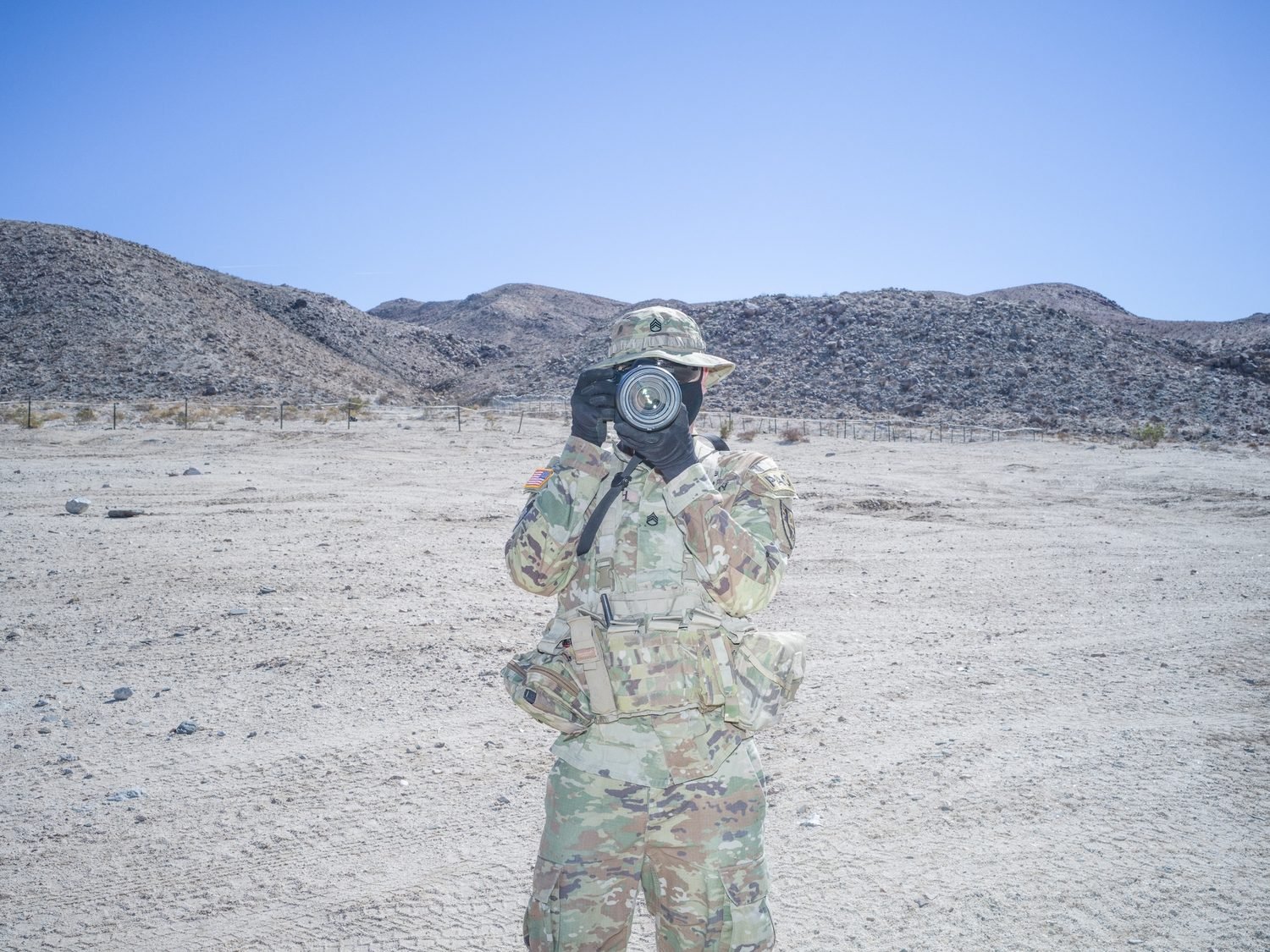
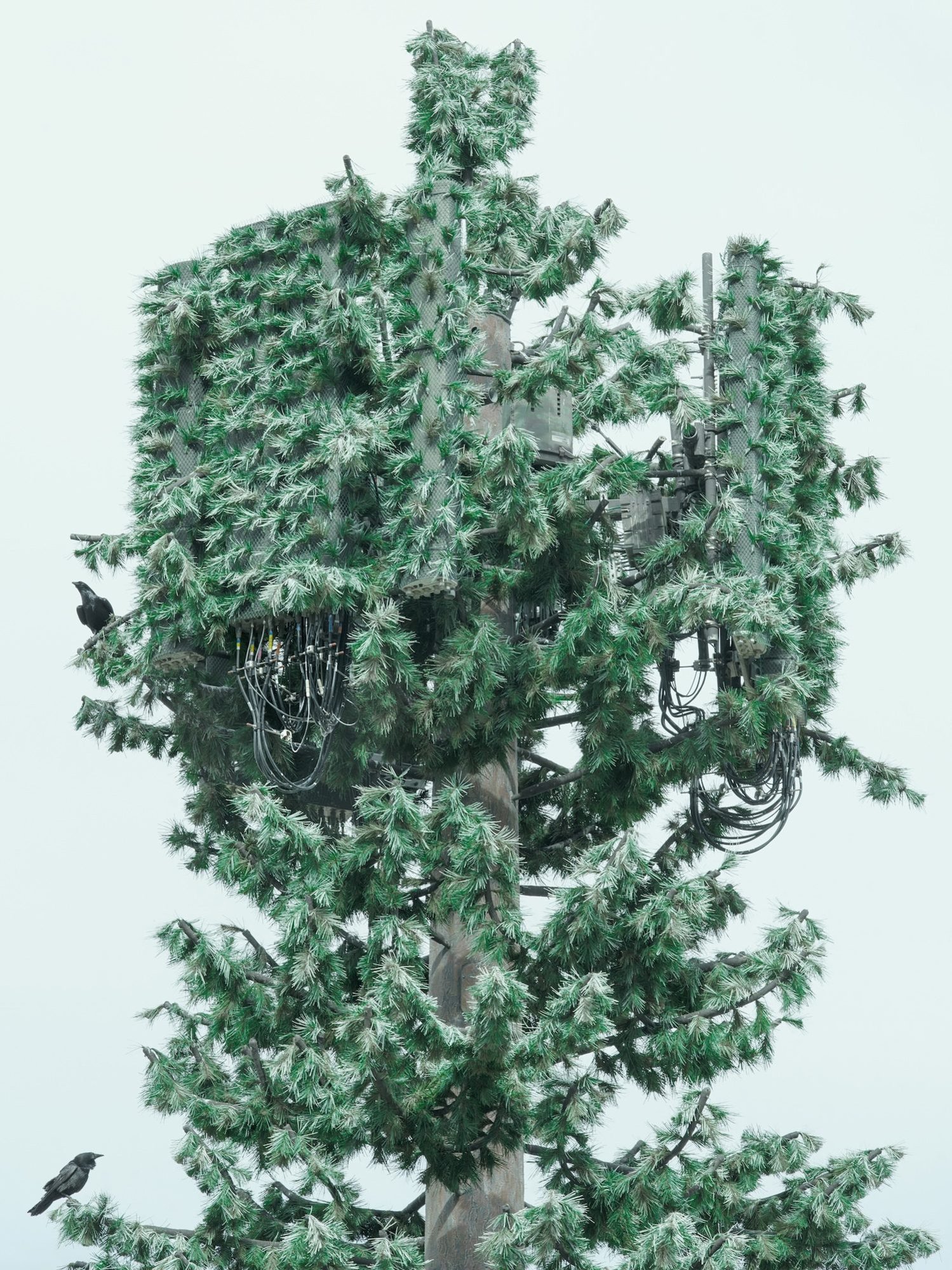
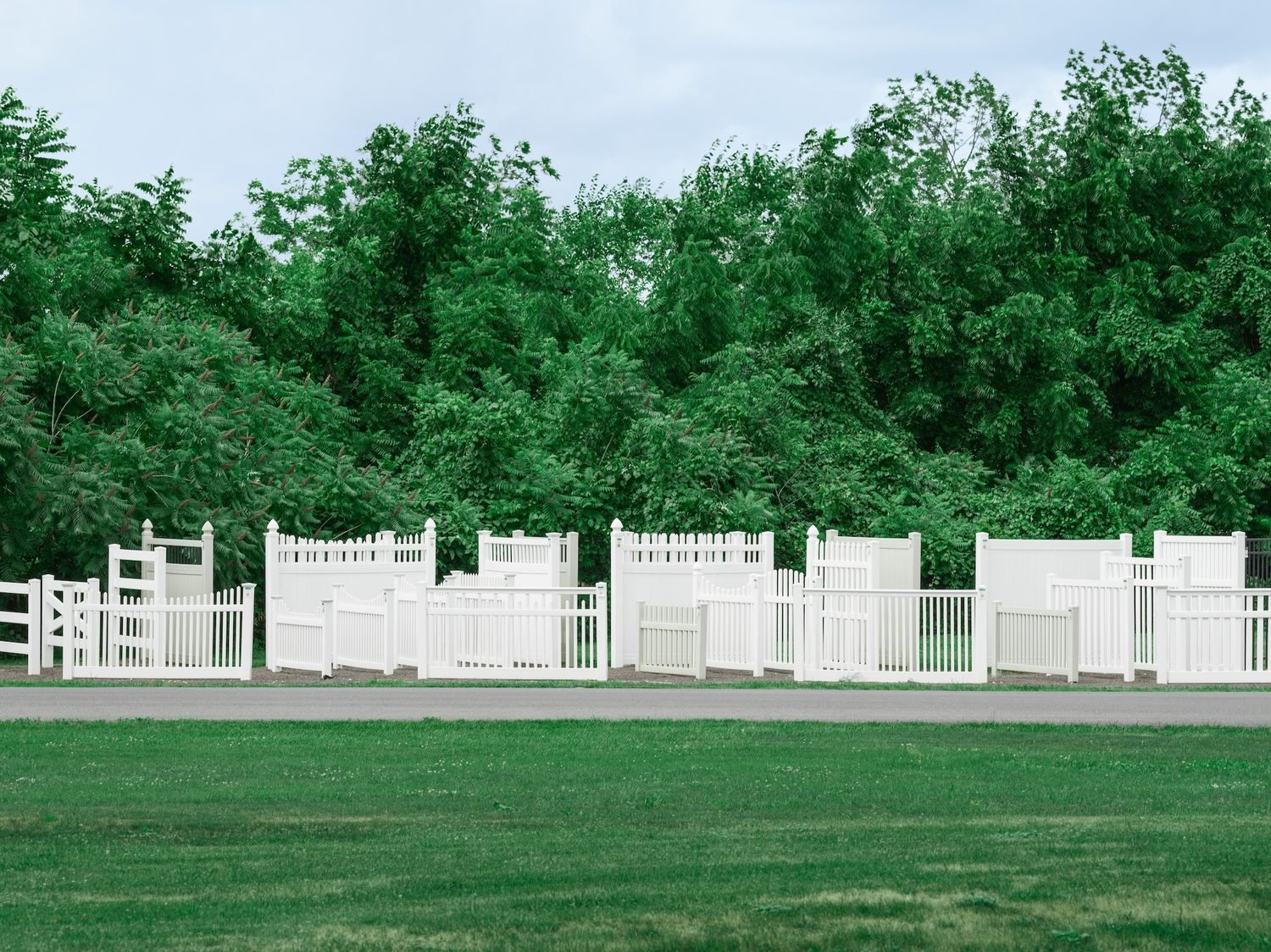
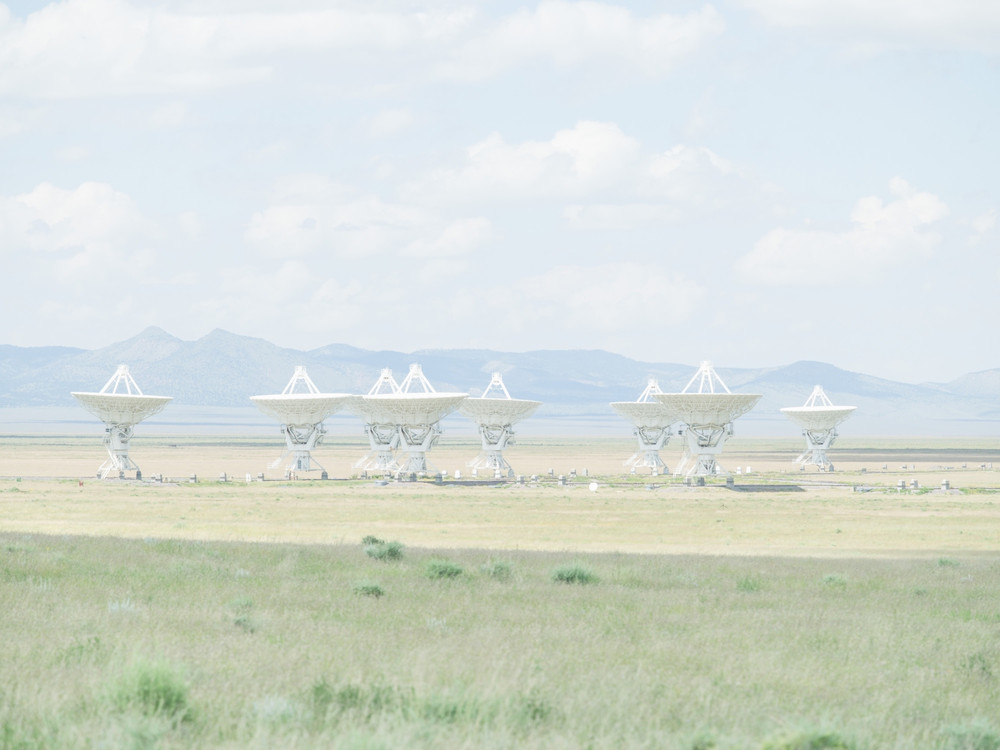
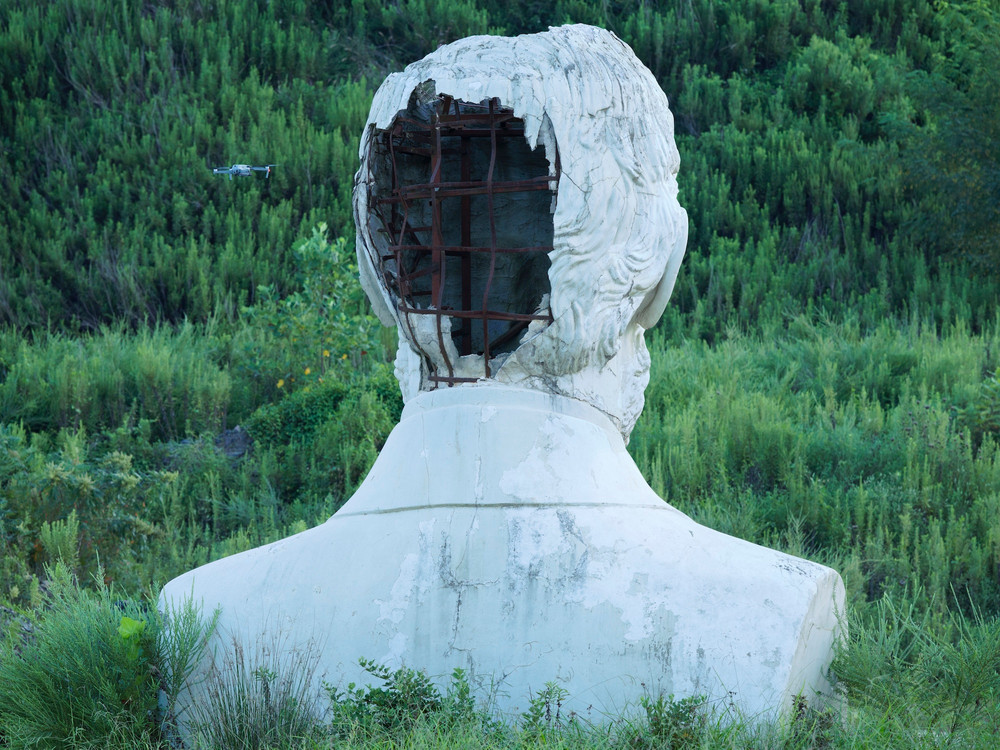
Mysterious interventions into the landscape amp up the sense of spectacle that runs through the book. A Mars simulation center sits within a landscape of pink and red rocks like a perfect stage set. A power plant looms over the green lawns of tract housing. Classically composed images of army training grounds and constructed desert cities appear. The fake trees that camouflage cellular network towers and the gaping hole in the back of a larger-than-life sculptural head of Abraham Lincoln accompanied by an almost oddly delicate drone, round out what Campany refers to as the duo’s “essay in visual form.”
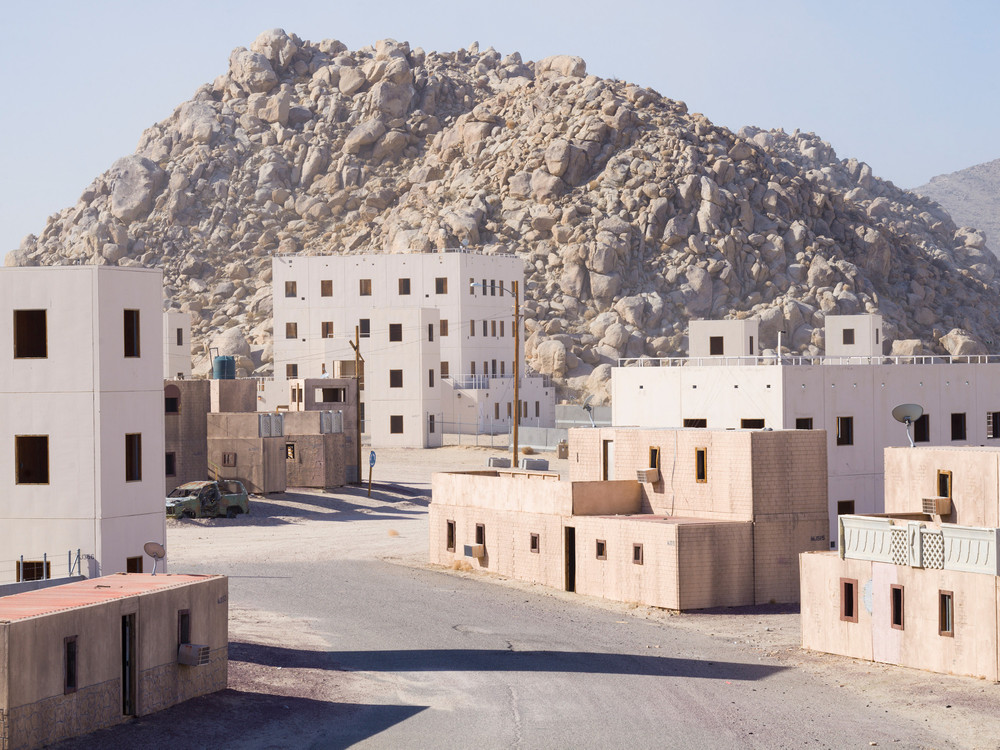
“We’re interested in the relationship photography has with veracity, especially now that we’re just surrounded with an inundation of images and text. It takes a new critical skill to know what’s real, what’s fake. What is fiction, para fiction, meta truth, all these different styles of veracity that we’re not categorizing?” explains Stein.
Working with a straightforward, frontal aesthetic the images Orejarena and Stein have made themselves play with the ‘truthful’ connotation this style brings to the medium. “Each photograph is playing around, manipulating in some way. This is an updated way of engaging with questions of photographic veracity for an era where we need these critical skills to discern what is real and what is fake,” notes Stein. “But to be frank, it’s now getting to the point where you could have all the critical skills in the world and you still might not even know.”
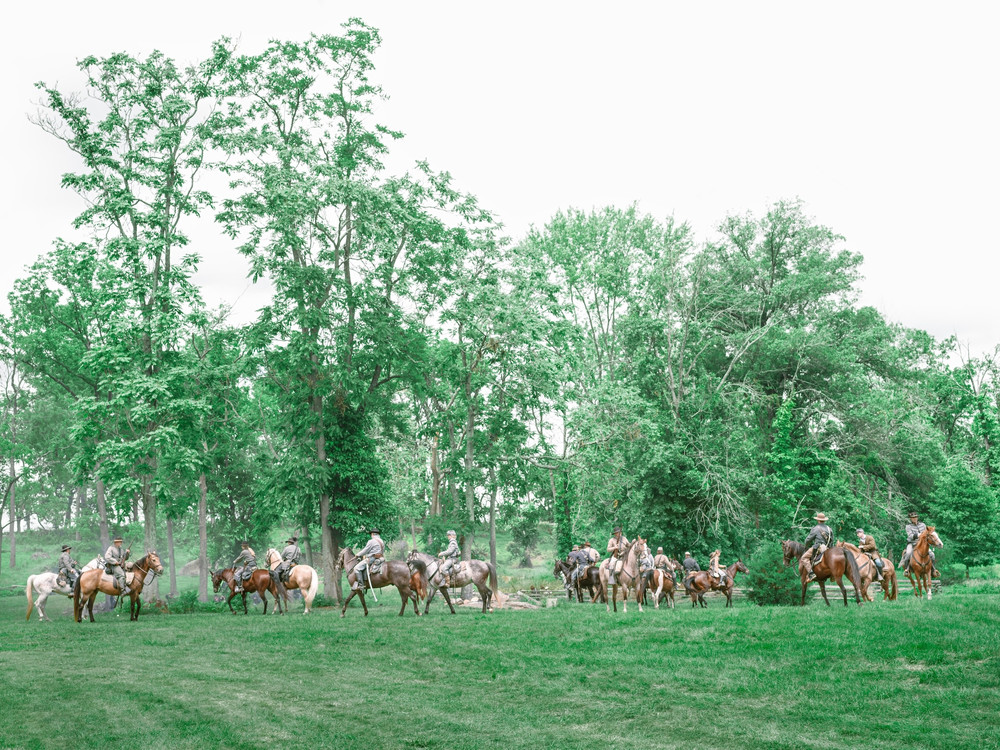
American Glitch was born during the particularly slippery era of the pandemic—a moment in which time seemed to lose discernible meaning. The artists had noticed an increase in algorithms pushing wild stories, declassified documents from the CIA, and online chatter about living in the matrix. “We started creating archives, pulling every single image that someone posted where something was a glitch,” explains Orejarena. “A lot of times they were repurposed. And the same photo kept coming up on different social media accounts, to the point where you can’t track whose image it is.” As their archive grew, they began digging through subreddits and comments in which users tagged their own version of the images they had collected. From there, they ventured out onto the road to see if they could find these glitches themselves.
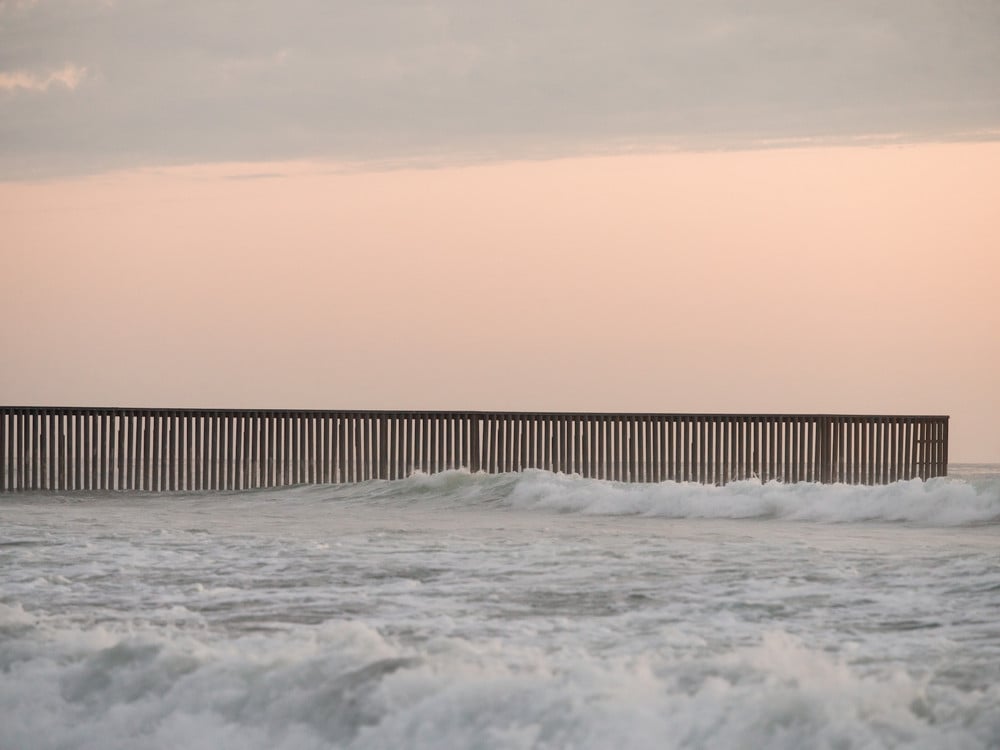
As a glitch slips between the here and there, so did the images they encountered. “Sometimes we found the spots that people were talking about. Sometimes we found places in between these locations,” says Orejarena. “We wanted to approach it in a way that has many meanings and layers. Different people come to it in different ways, some people view it more spiritually, like an uncanny thing that you cannot explain, but it was there. Sometimes it’s simply an error. But what even is an error?”

For both Orejarena and Stein, the US is their adopted home. In exploring the narrative and mythology of the American landscape, both physical and digital, they note: “A lot of the work that we’re doing together is in one way or another a form of placemaking. And even though we’ve had radically different experiences of the US, it’s sort of a negotiation and exploration of that through the work that we do together.” What works so well in American Glitch is how at no point does the work come off as cynical. Instead, it reads as quite an earnest look at both the weirdness of contemporary times and the inventive ways that many are searching for something—be it answers, comfort, community, or a sense of place.
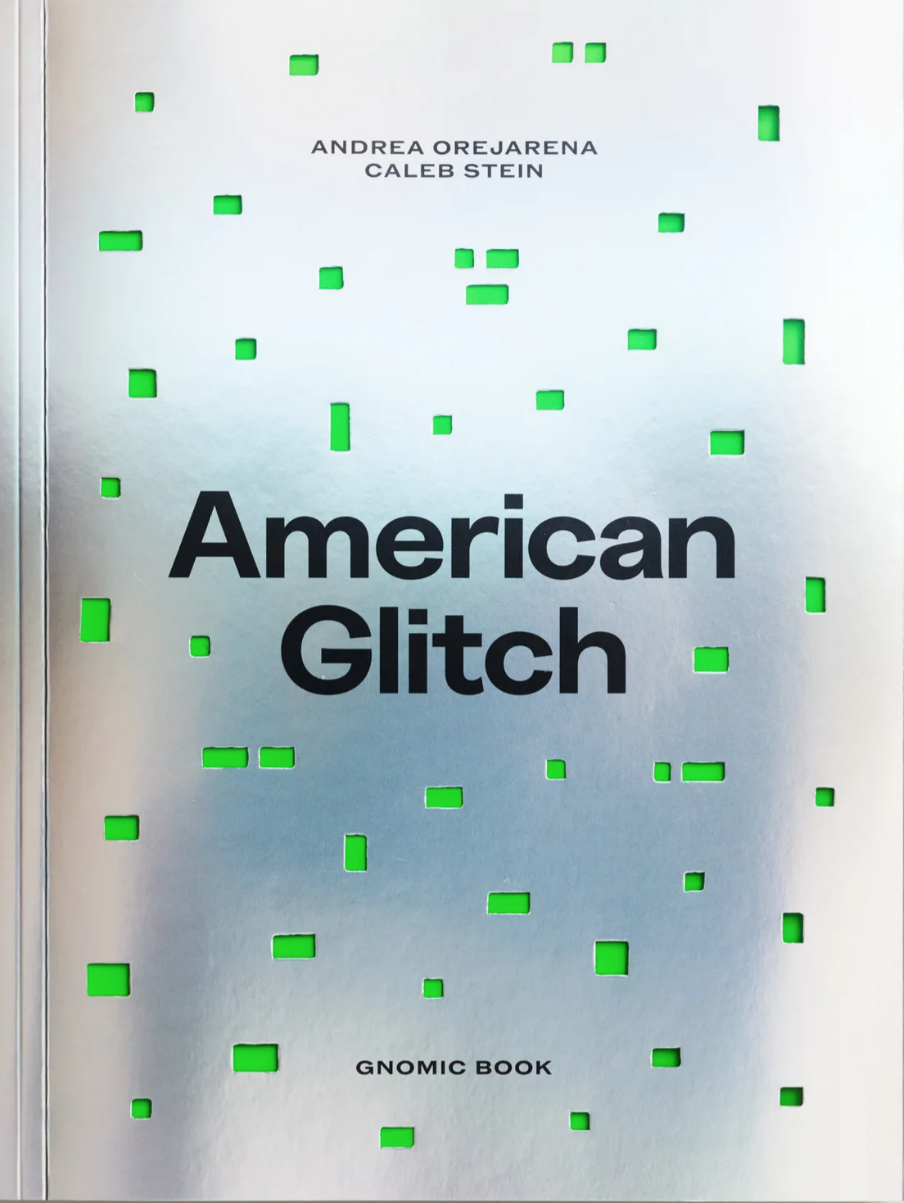
ISBN: 978-1-957301-04-4