In a search for a past left largely unphotographed, Patricia Howard looks to land, material, and process, creating a body of work shaped as much by what is missing as what remains.
Photographs by Patricia Howard Essay by Liz Sales
Unknown Ancestors
In a search for a past left largely unphotographed, Patricia Howard looks to land, material, and process, creating a body of work shaped as much by what is missing as what remains.
For much of her life, Patricia Howard knew little about her family’s background. Her father was reluctant to talk about his heritage—a silence shaped by a time when being Irish carried social stigma. Her Irish ancestors immigrated to the United States during the Great Famine, which occurred right at the dawn of photography, a time when the medium was rare, slow, expensive, and not suited to people in the midst of a large-scale crisis. As a result, there are essentially no photographic images of Ireland from this period. Unknown Ancestors was crafted in response to this absence.
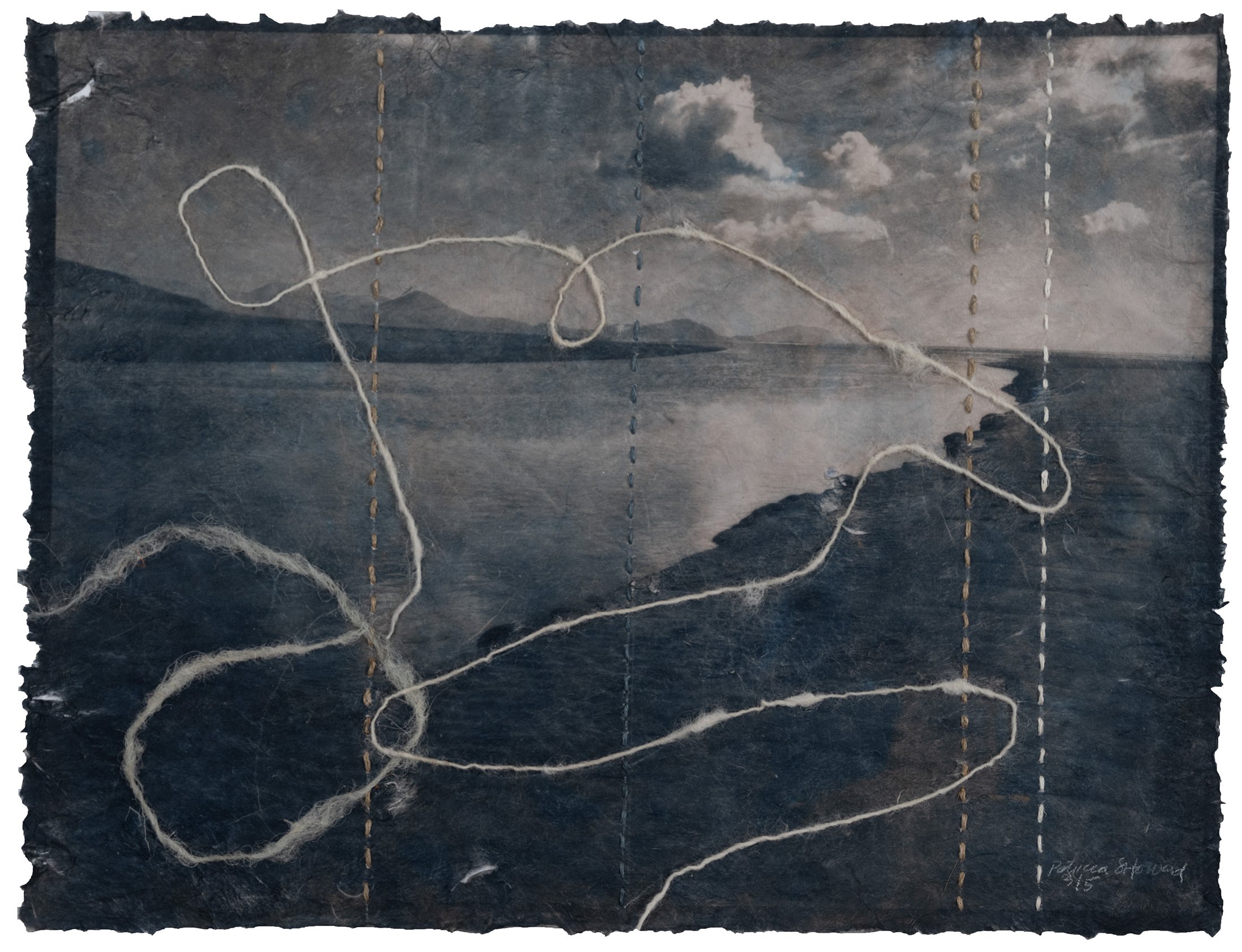
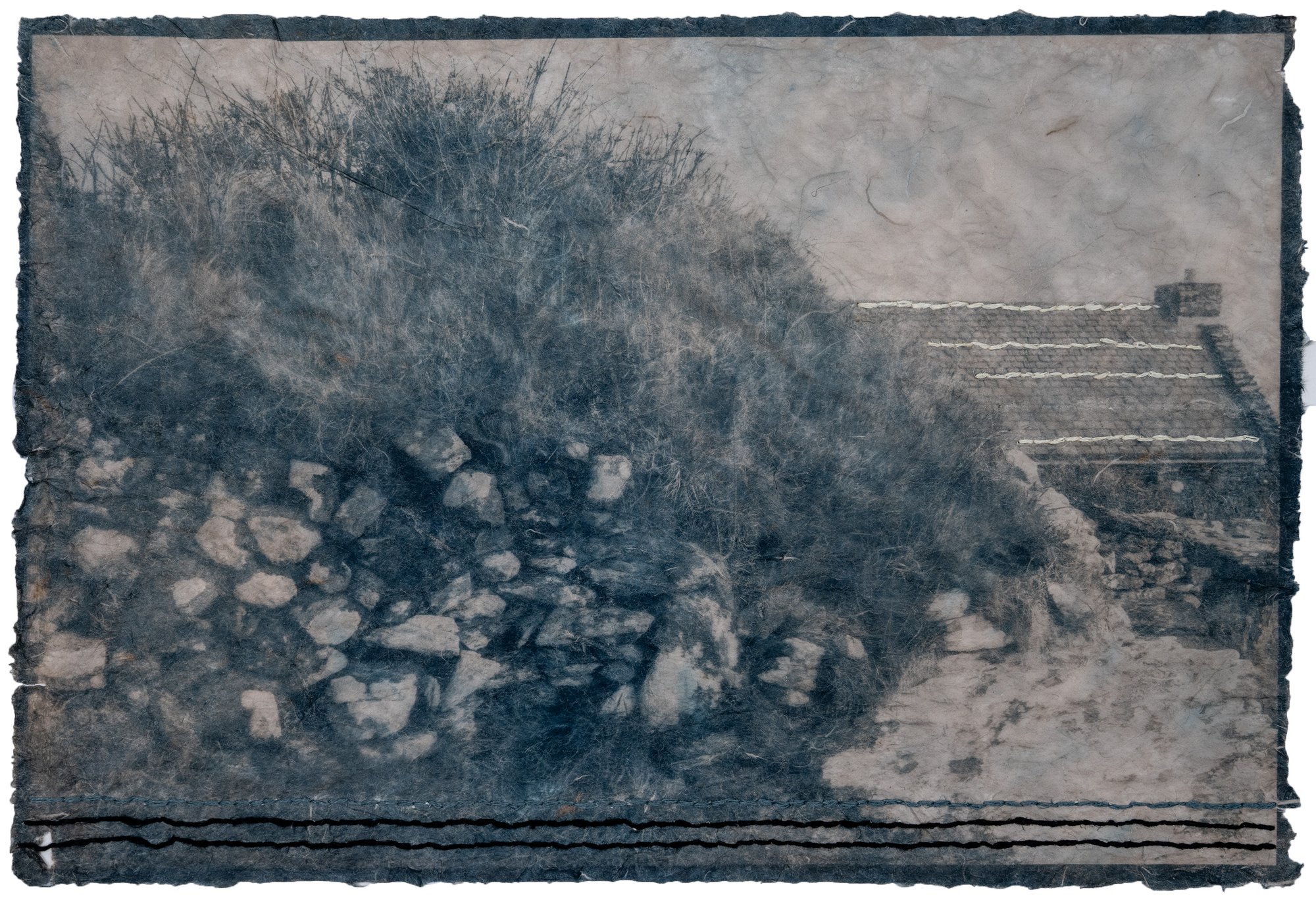
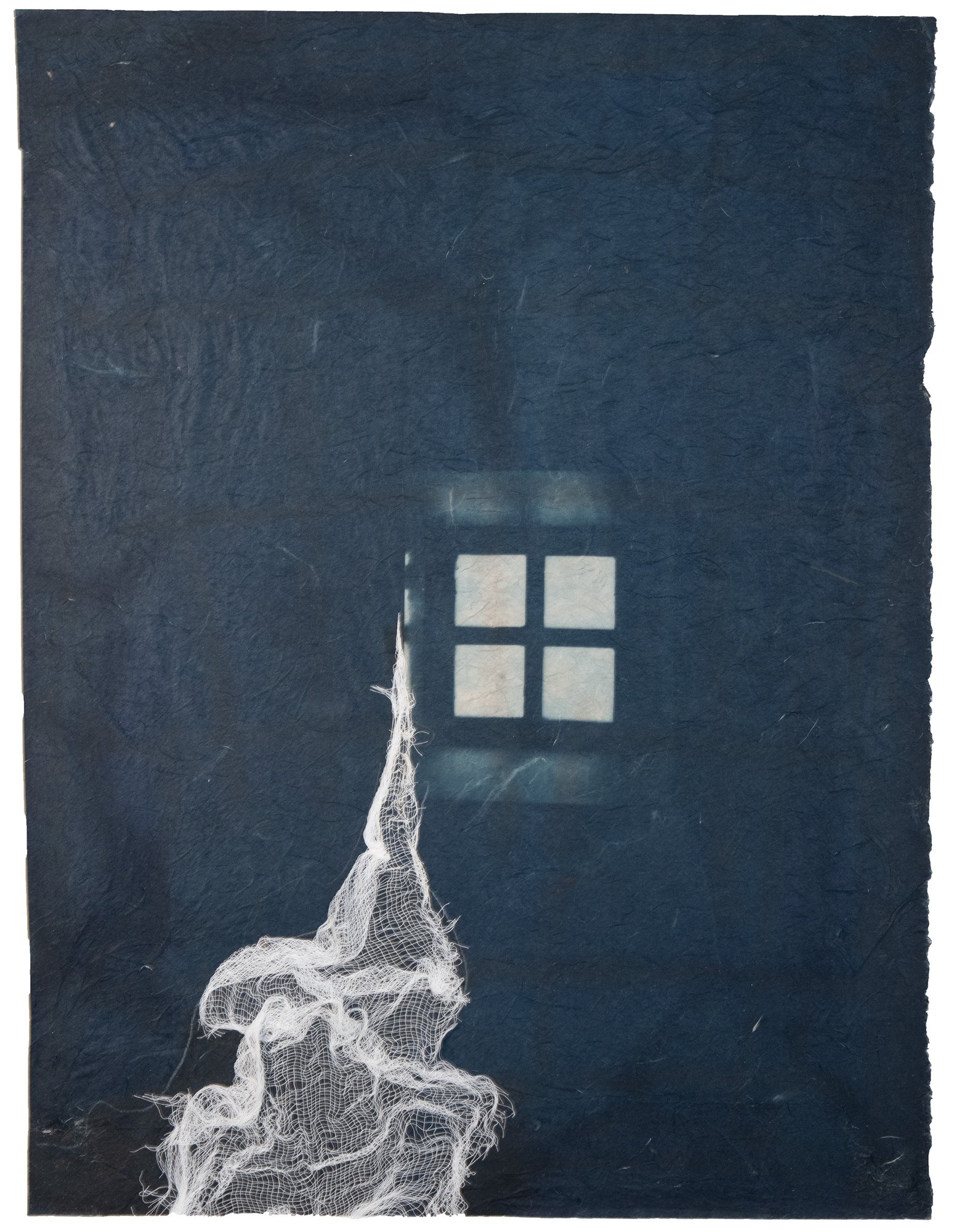
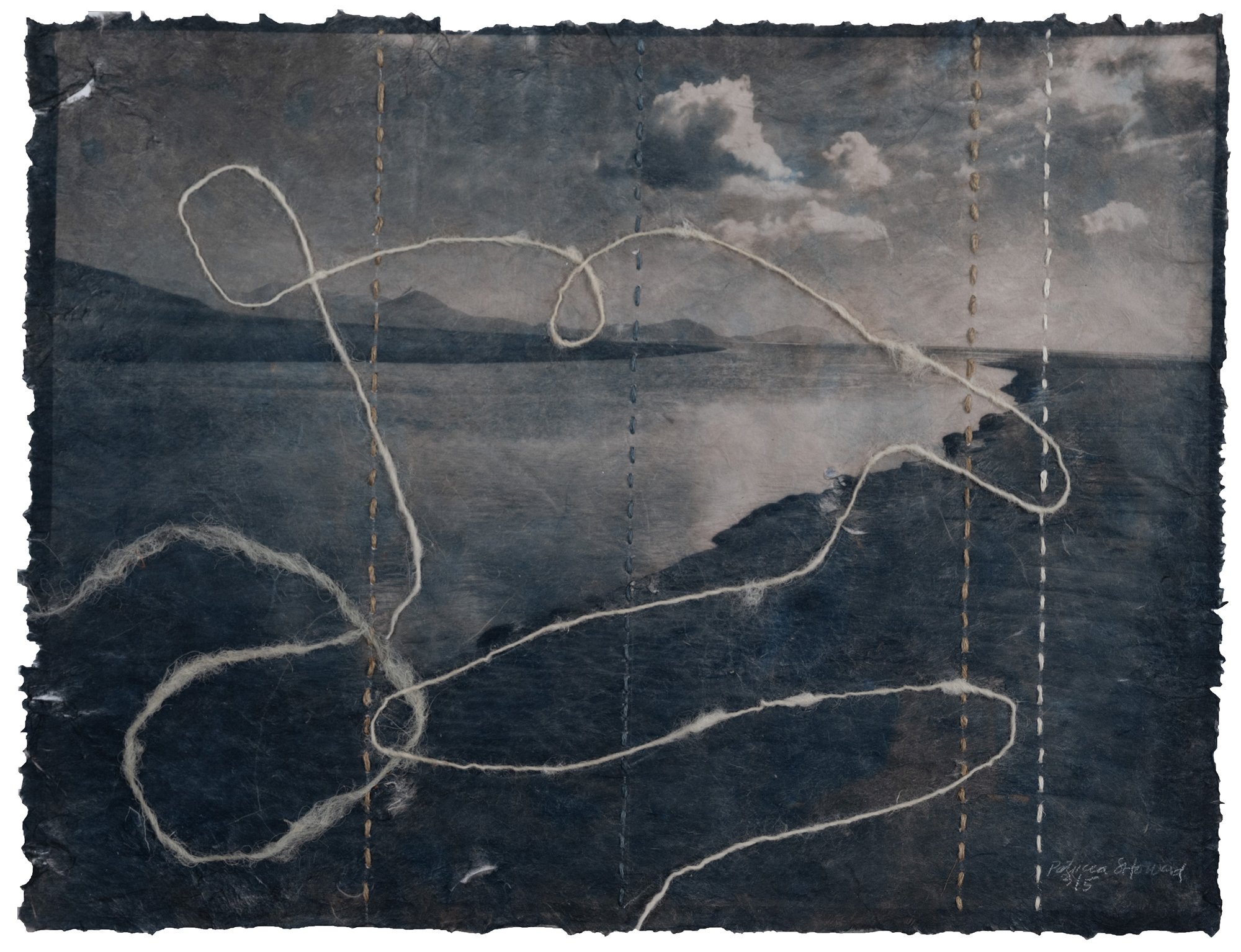
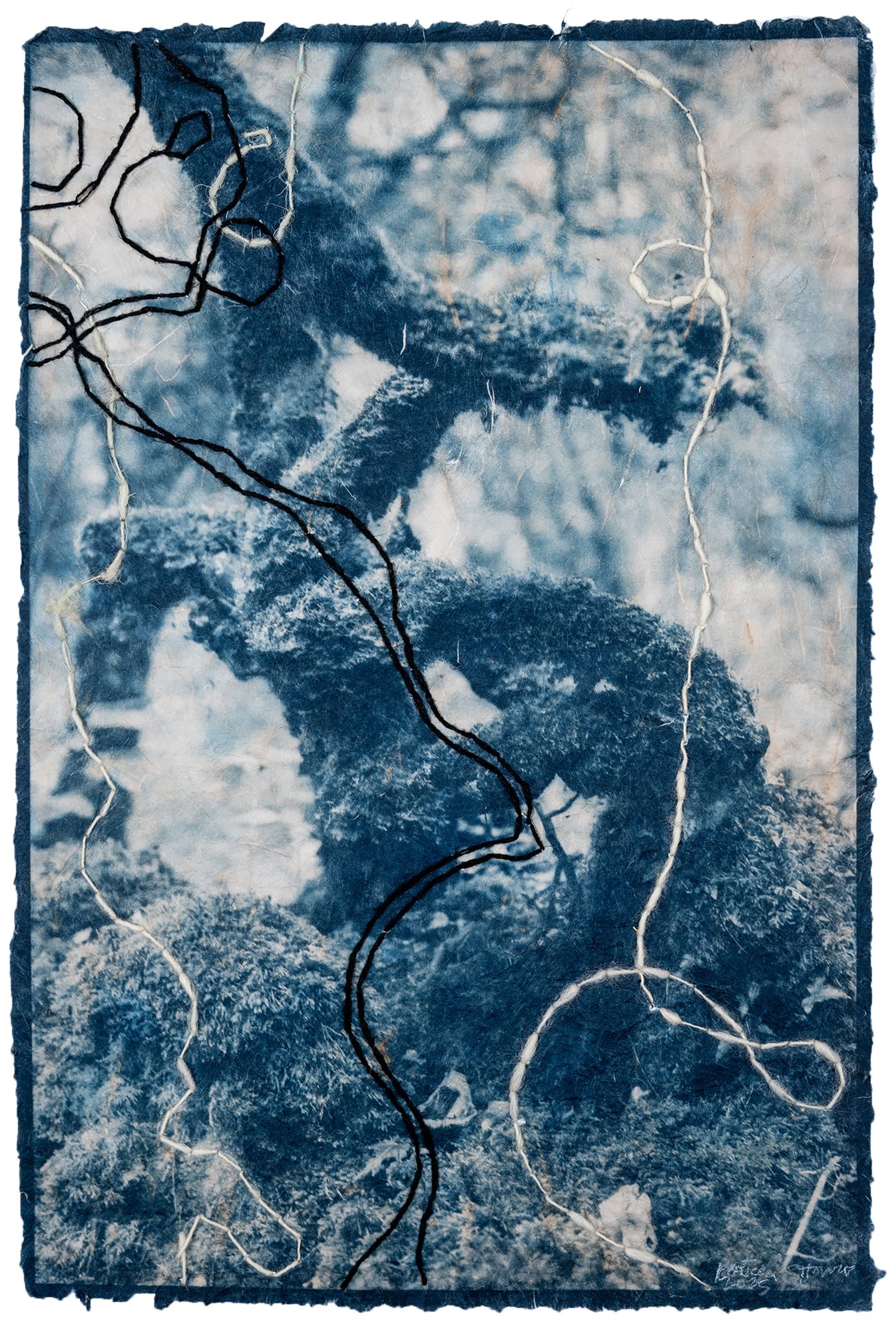
During a residency in County Kerry, Ireland, Howard worked in a rural cottage, accepting the constraints of the environment as part of the process. There, she photographed the surrounding landscape, using a deliberately simple, stripped-down setup. “Because there are no photographs from the Great Famine period in Ireland, I turned to landscapes, places still marked by history, as a way to evoke the lives once present there,” the artist explains.
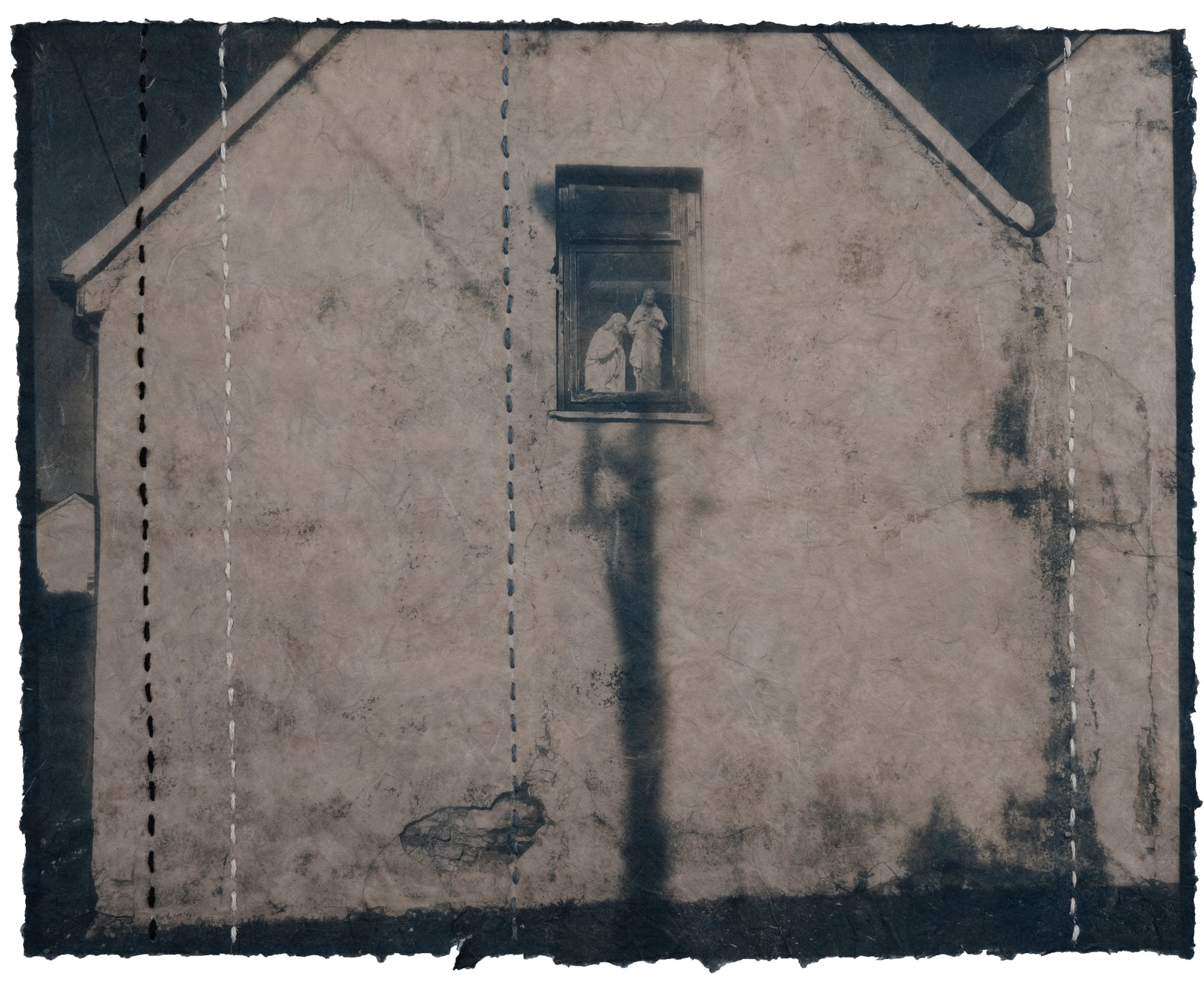
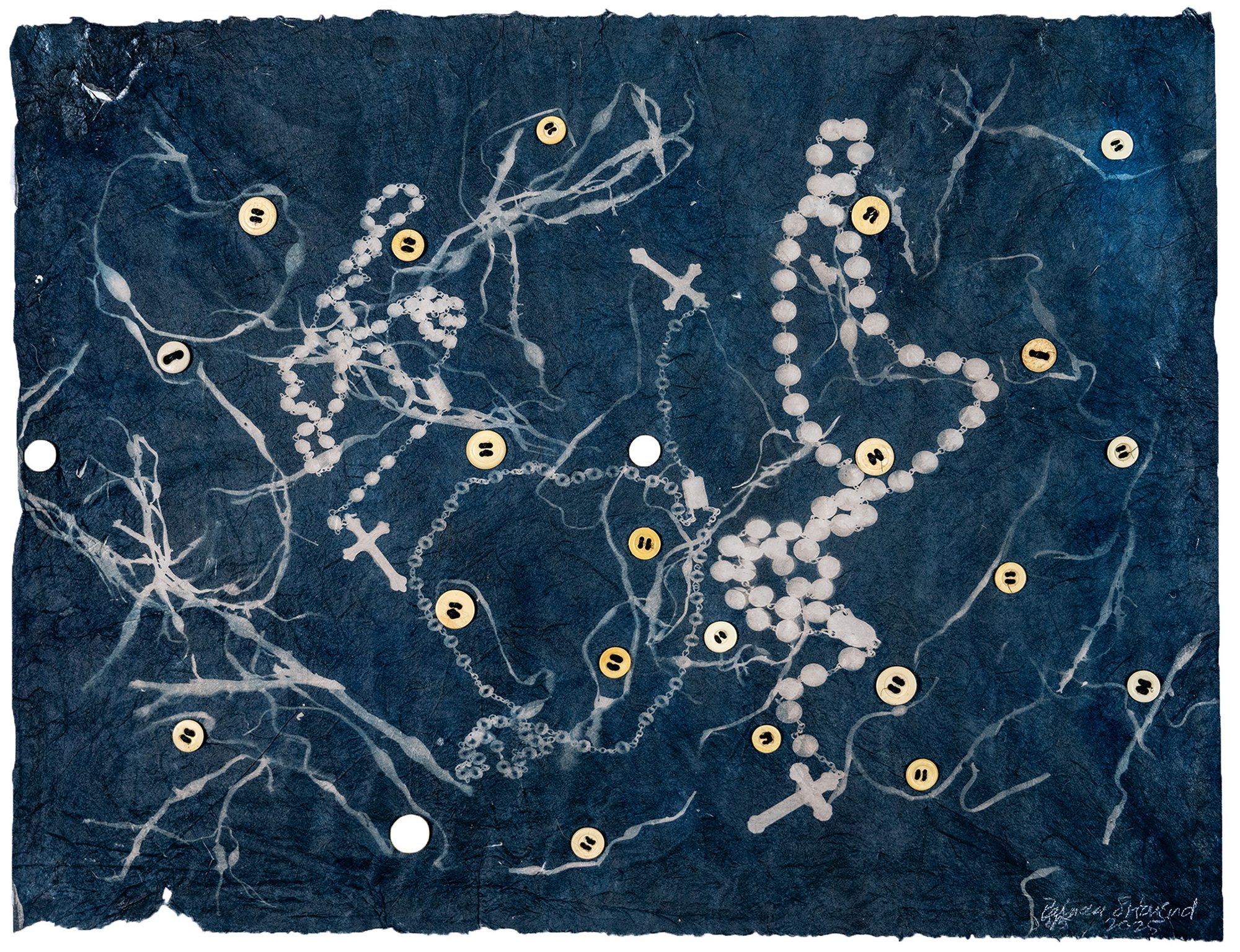
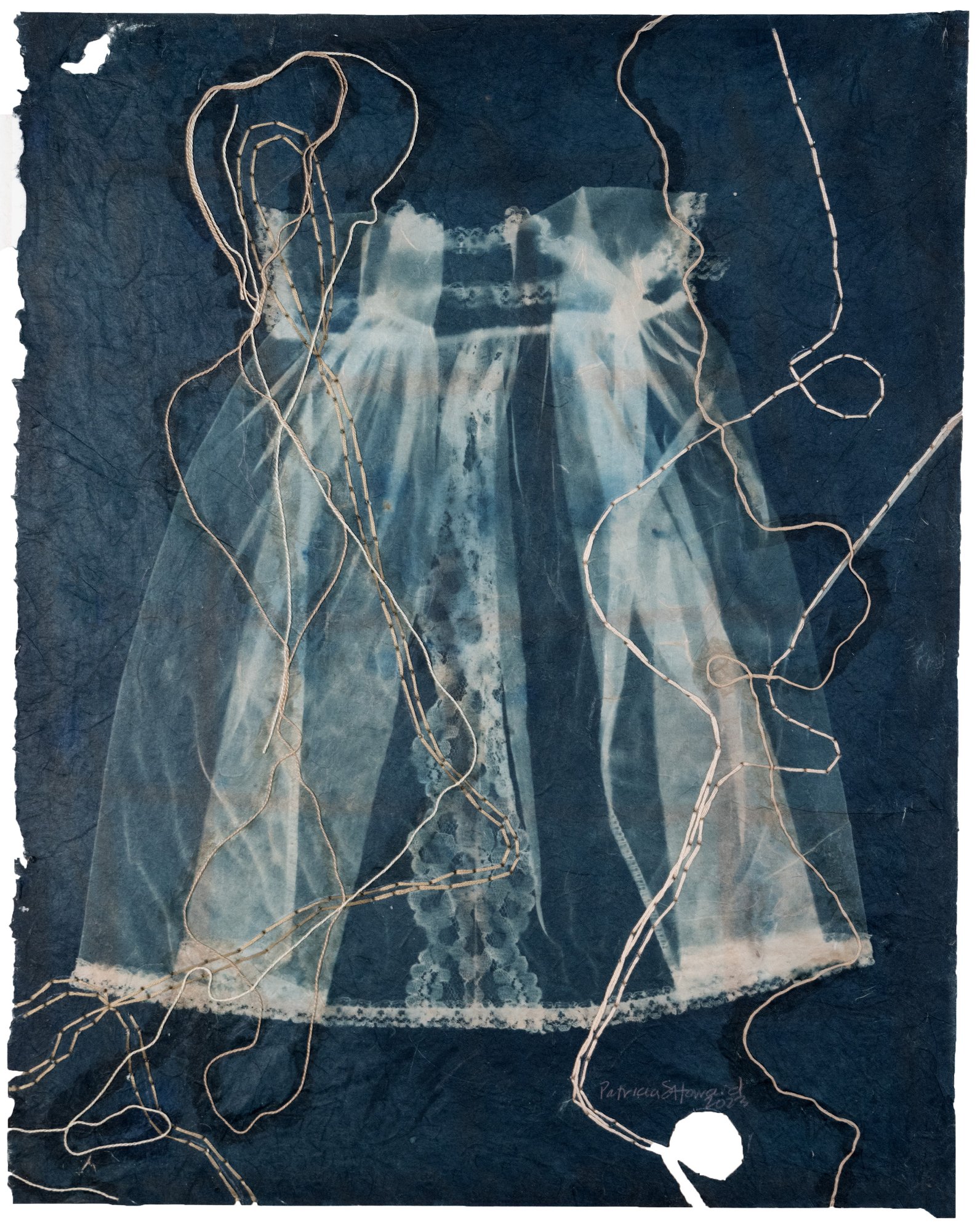
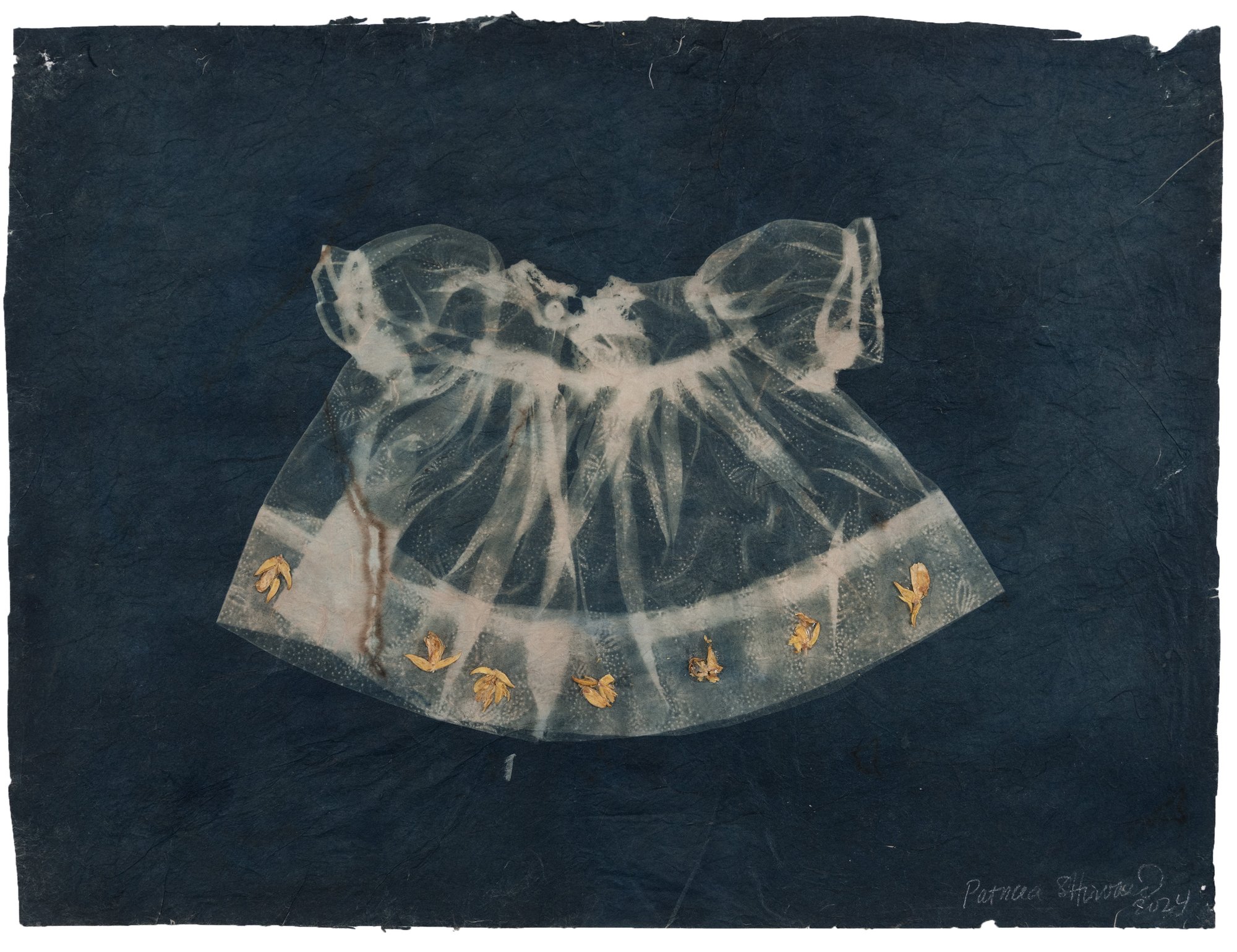
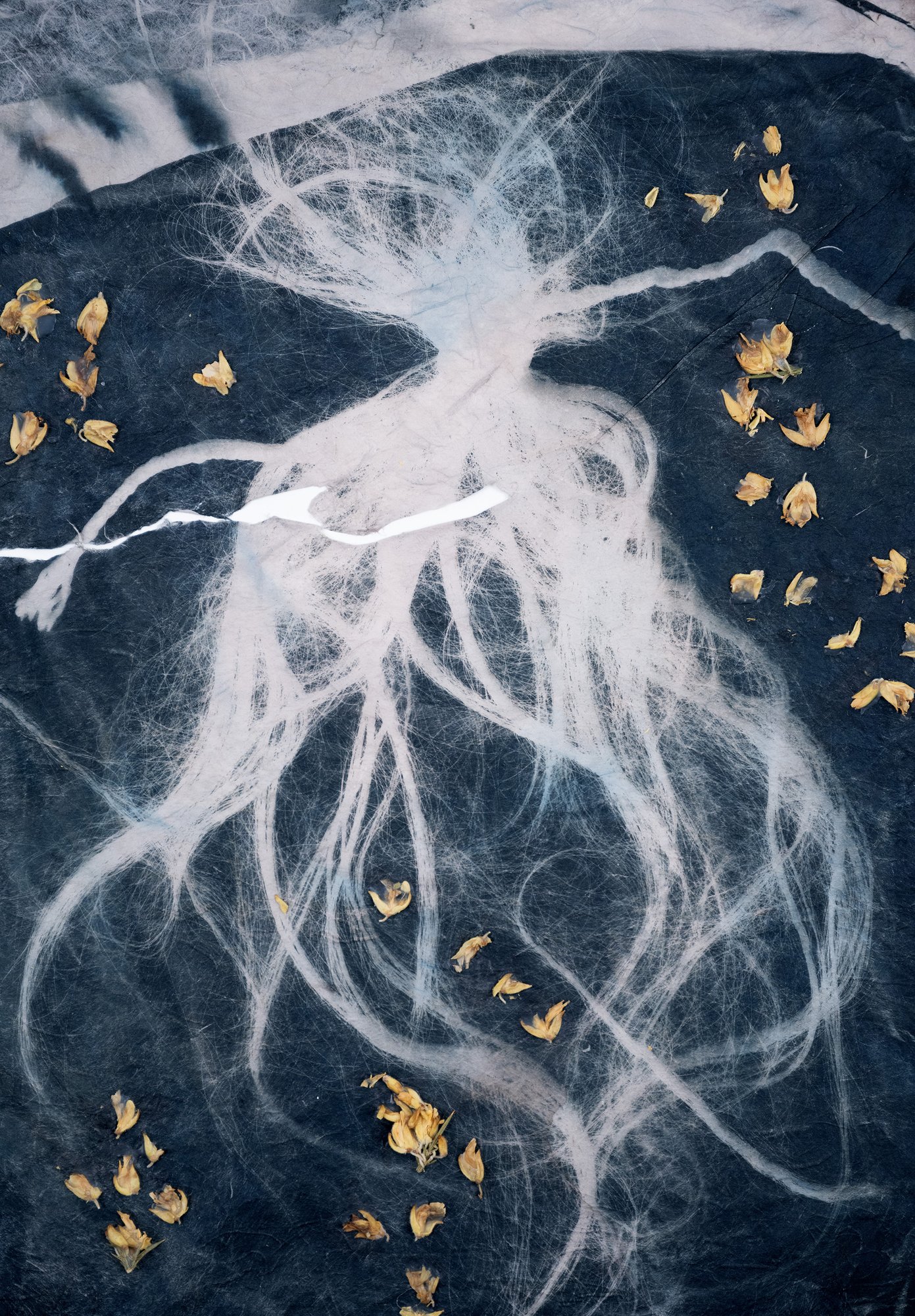
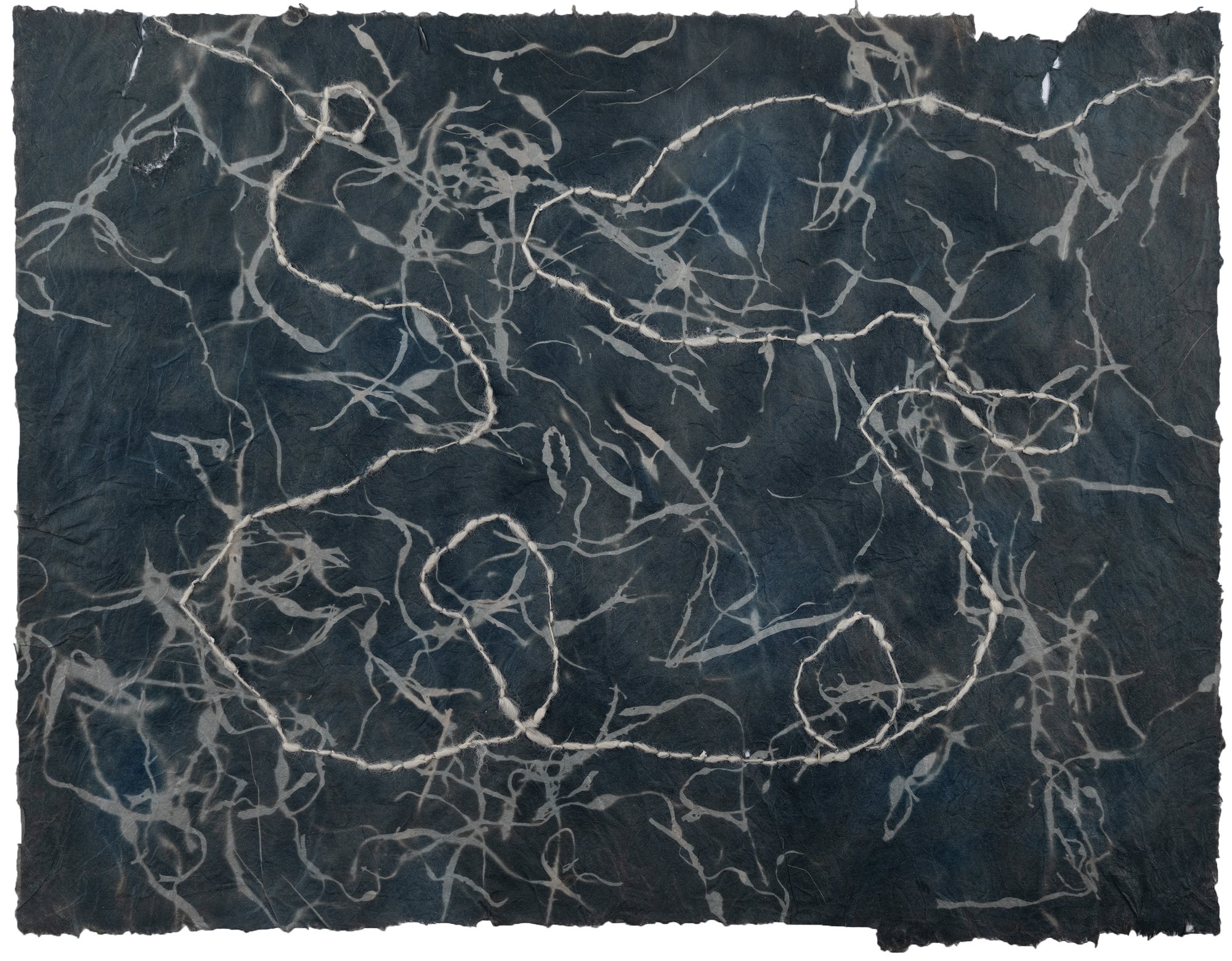
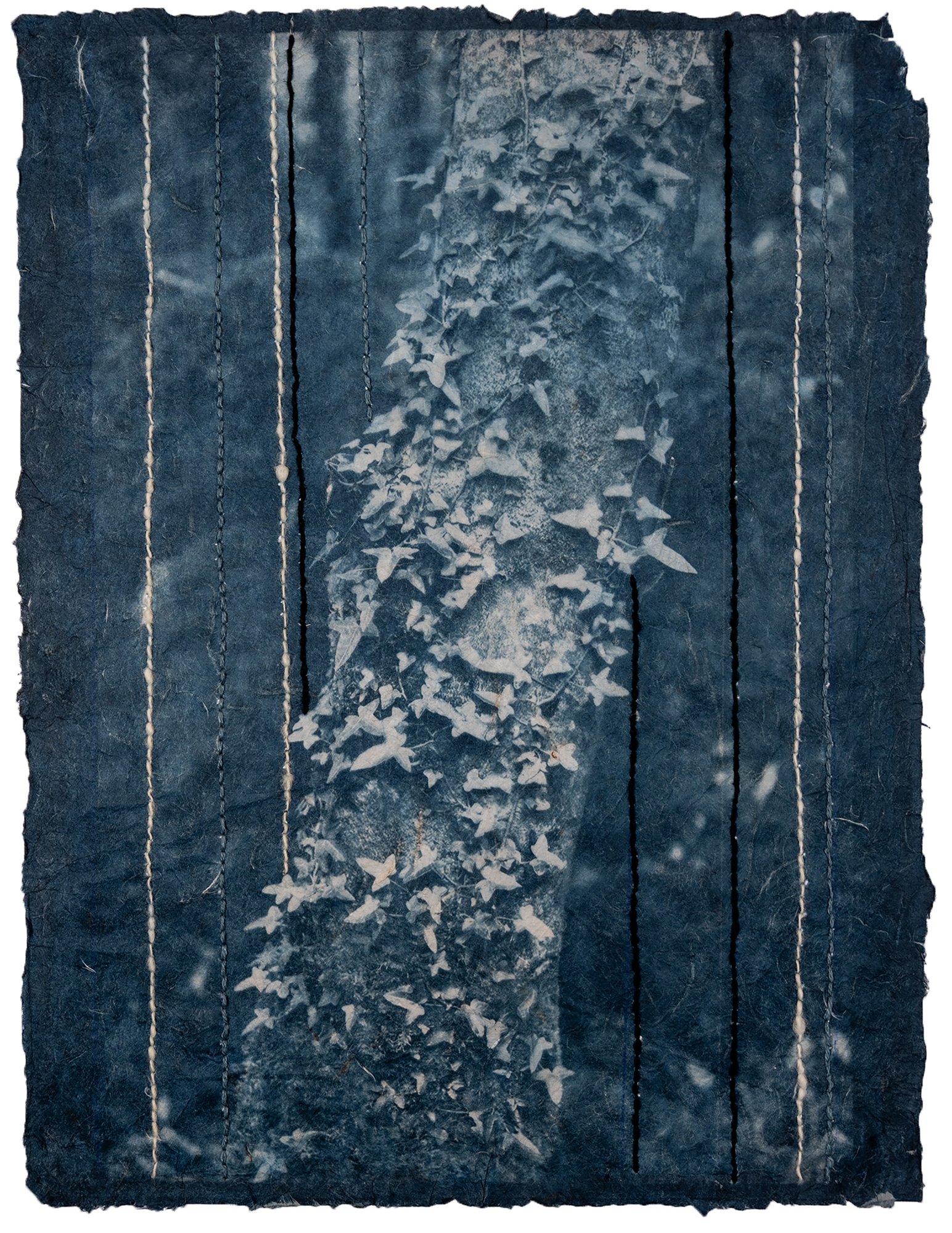
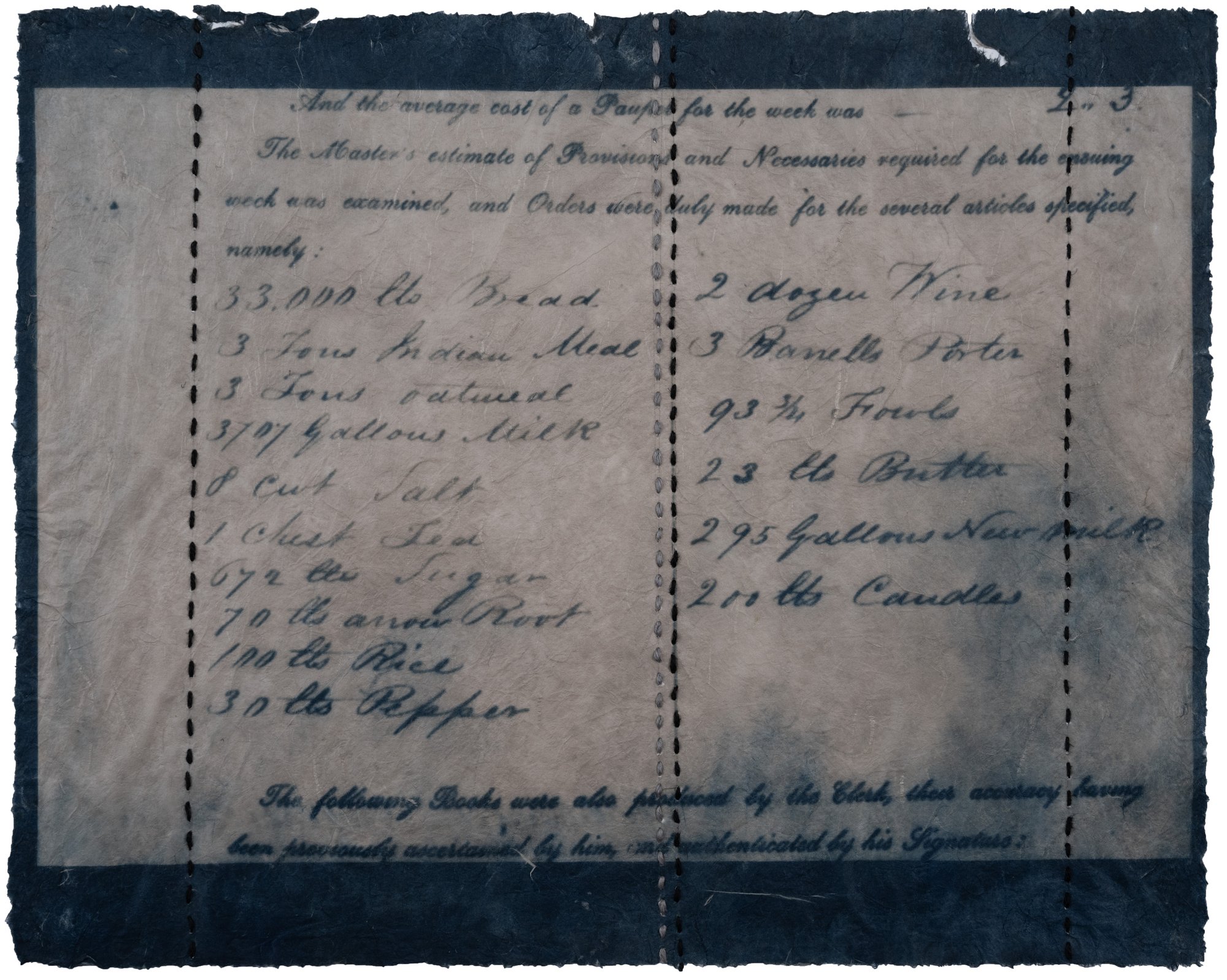
After returning to her home of Denver, Colorado, she selected the images she felt best conveyed the area’s character, then translated them into prints by creating digital negatives and contact-printing them on semi-transparent hand made paper coated with Cyanotype. The final works are not just printed surfaces, they are marked by the image of the landscape, inseparable from it.
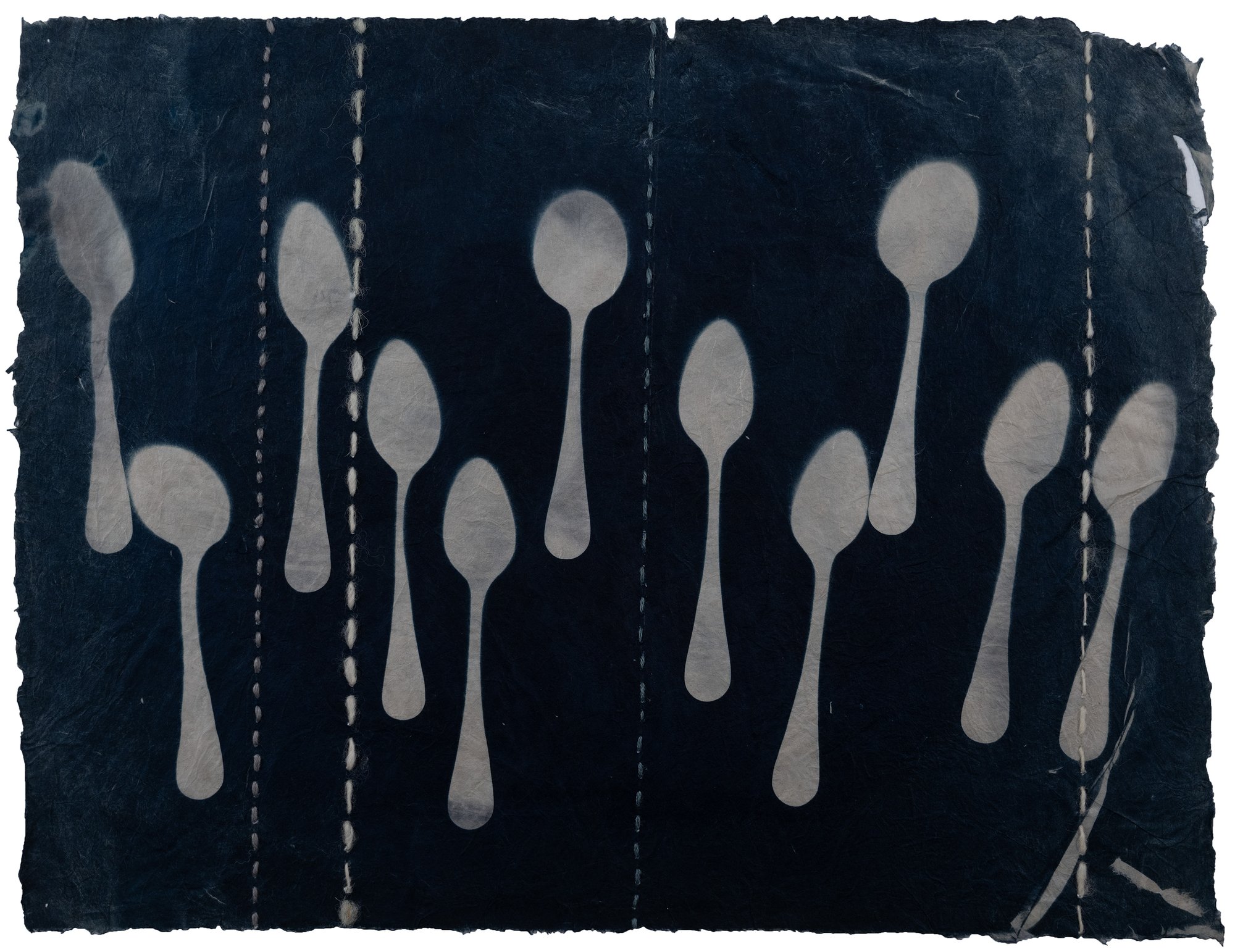
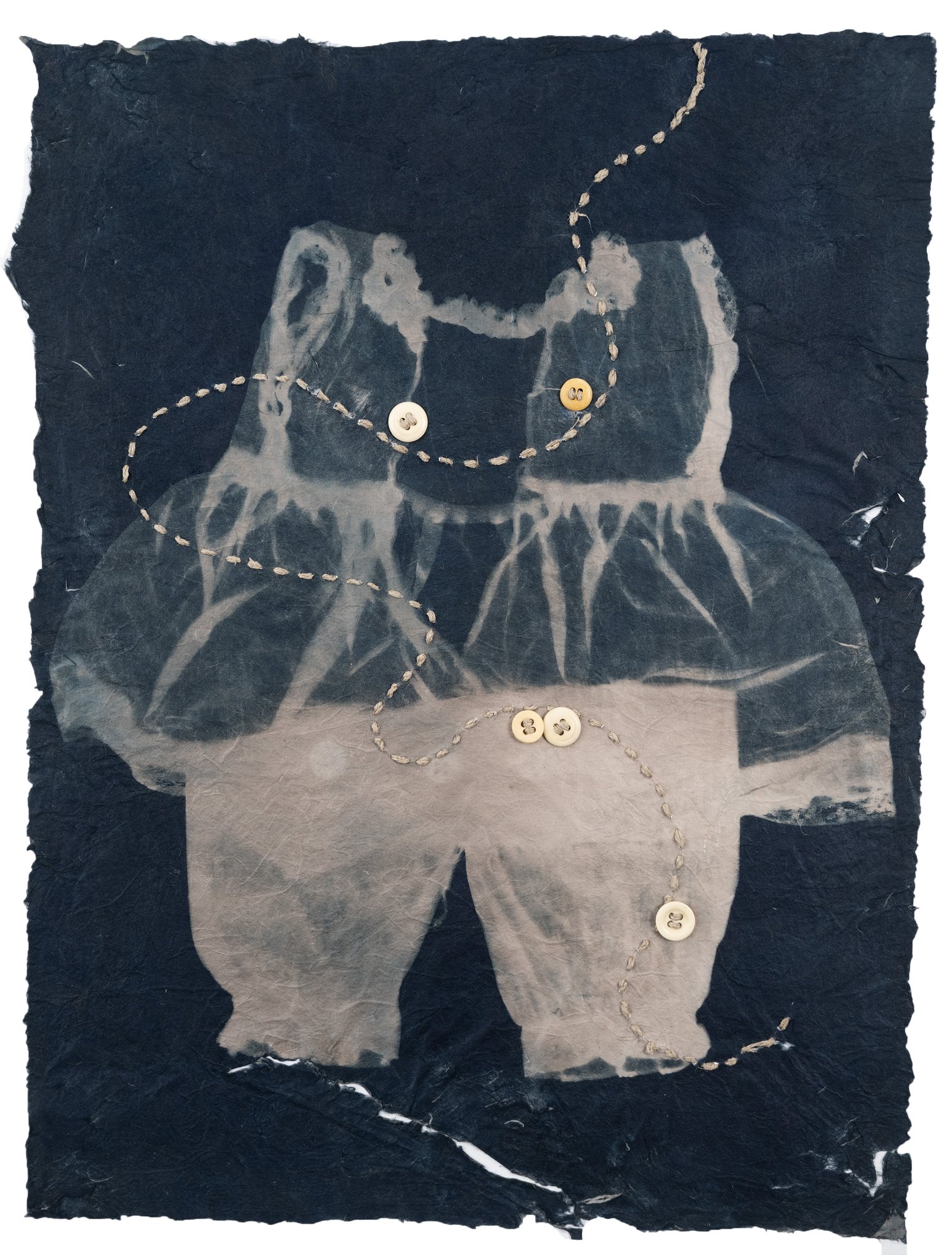
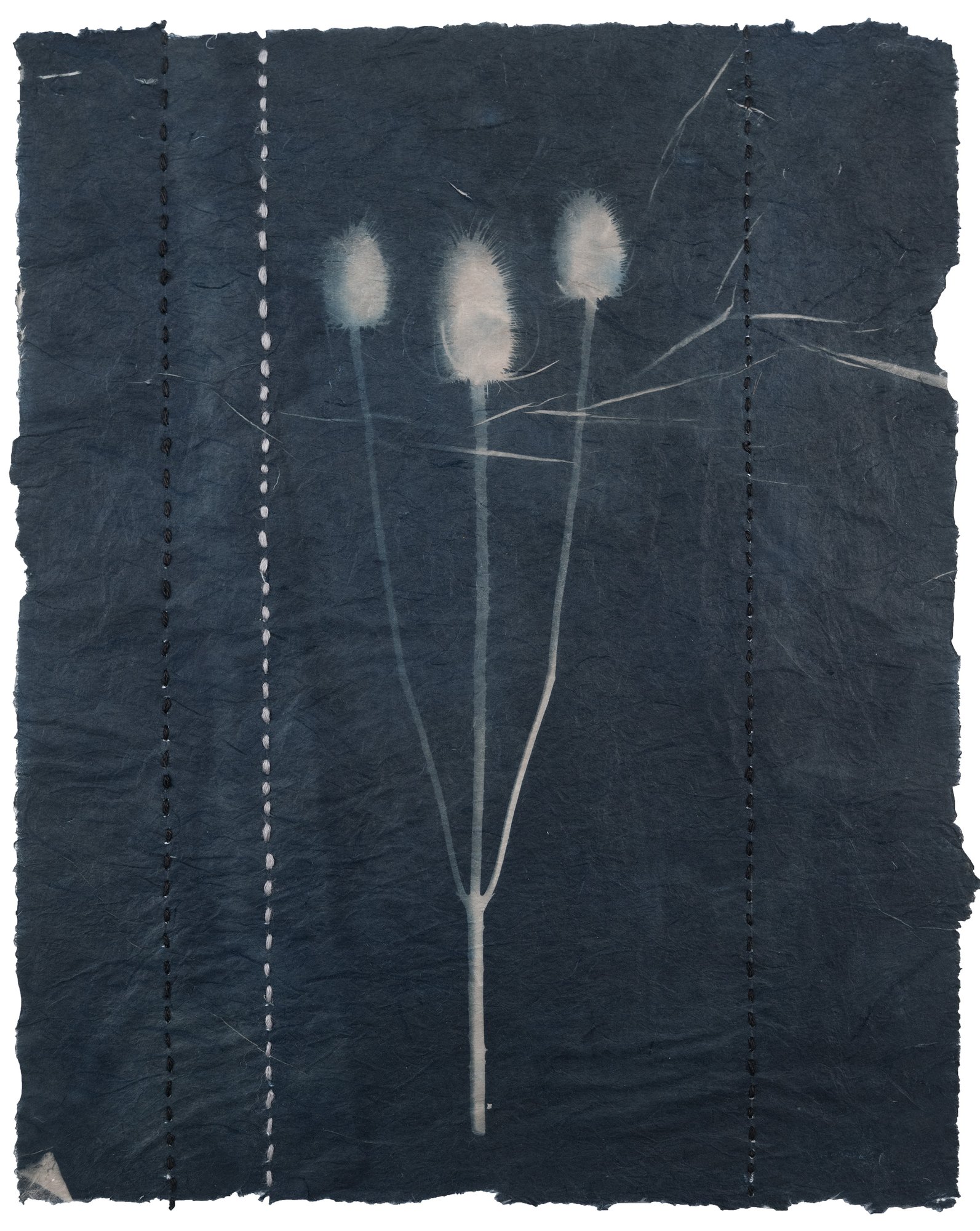
Howard also incorporates objects from Ireland into the series through various techniques. She collected wool from fences and picked wild gorse flowers, pressed them, and attached them to the prints. In addition to these natural materials, she contact-printed objects such as clothing, hair, spoons, and rosaries into the works. These seem to stand in for absent figures, grounding the project in the cultural context of Catholicism and everyday domestic life.“Each one is chosen for its connection to the land and the time period. I wanted to create works that represent human life once present in this place,” she explains. “It seemed to me that, like the landscape, objects connected to people who are now gone could express those feelings.”
Many of the Cyanotypes in Unknown Ancestors are also carefully embroidered, as Howard threads the mark of her hand across the series. This choice draws on a long lineage of women working with embroidery, while also reflecting her own personal memories. “When I was a kid, I had asthma, and since they didn’t have inhalers then, I often had to stay home from school,” the artist recalls. “My mom taught me how to embroider. It became this calming way to work with my hands.” In the series, embroidery is both a tactile continuation of the image and a gesture shaped by an embodied knowledge carried across generations.
Top Awards include: Full publication with Nazraeli Press, valued at more than $25,000, Los Angeles Exhibition, Cash Prizes, Solo Feature on LensCulture.