Sibusiso Bheka was born in 1997 in Thokoza, a township south of Johannesburg. This makes him part of what South Africa calls the ‘born-free generation’: people who grew up after the end of apartheid. “While the label is accurate in terms of our increased freedom of movement and the change in our laws, it does not tell the whole story,” says Bheka, who still lives and works in Thokoza, which was one of the main epicentres of violence during the country’s transition period to democracy in the 1990s. “We didn’t live through it, but we are still marked by what happened in the past… Although the laws have changed, the physical and systemic distance remains.”
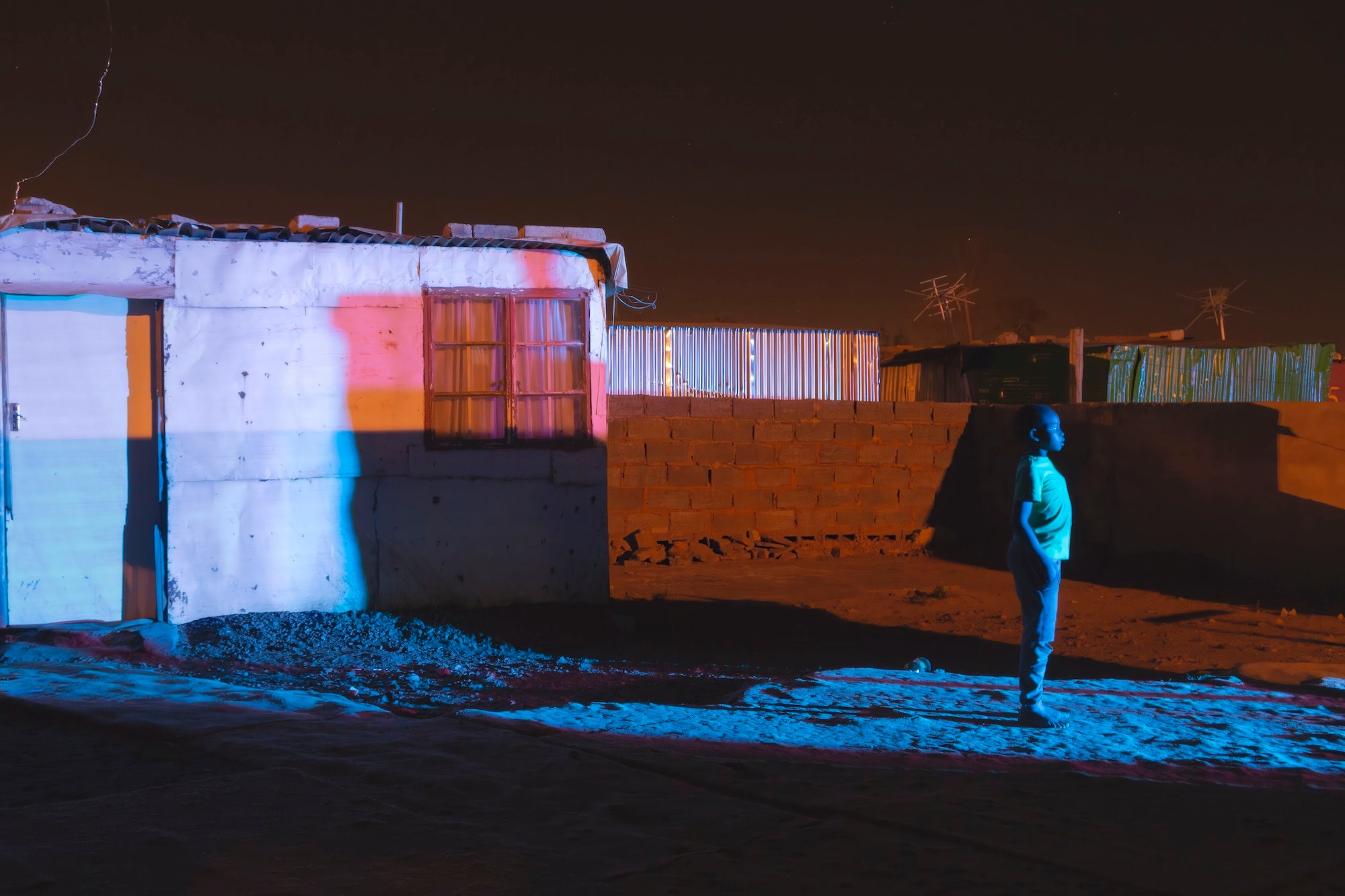
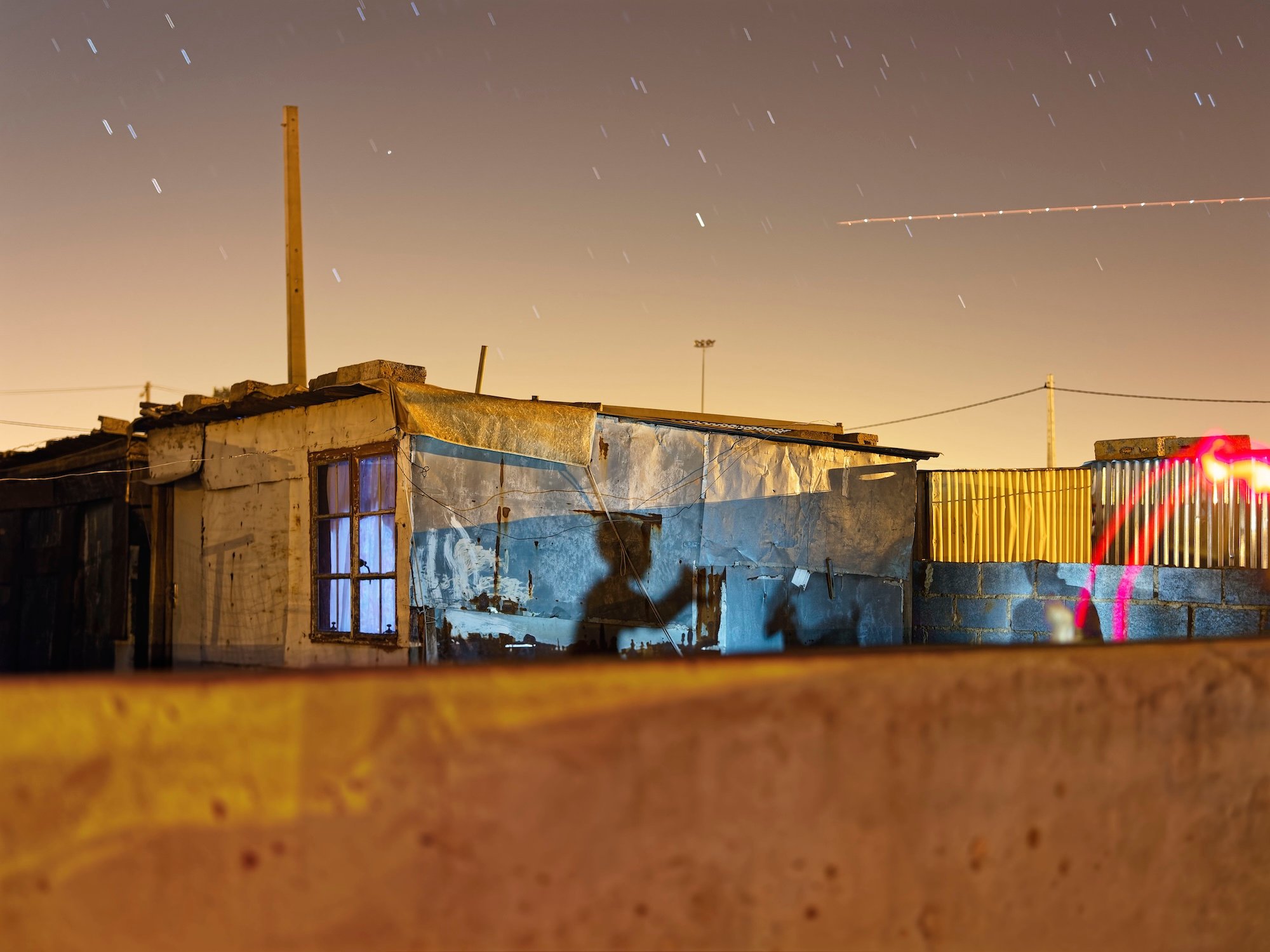
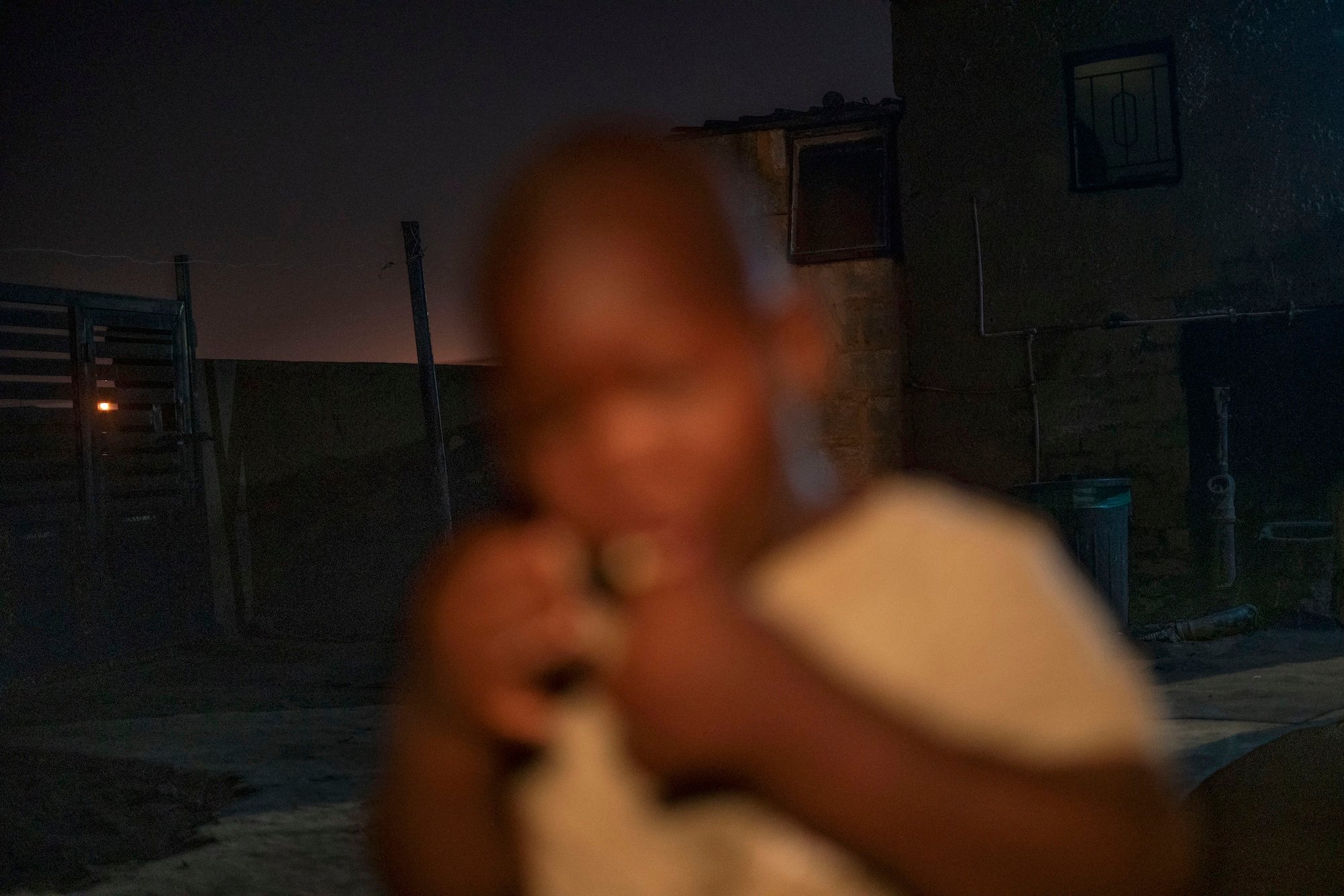
As a photographer, much of Bheka’s work is about looking between the past and the present, blending fiction and reality to reflect on experiences from his upbringing in the township. At Night They Walk With Me, for example, is based on an old wives tale of sorts. “Our parents would tell us that if you play at night, you play with ghosts,” says Bheka. “I didn’t understand at that time, but adults used this analogy as a way to negotiate with children, letting them know that it’s not safe to play at night in the townships.”
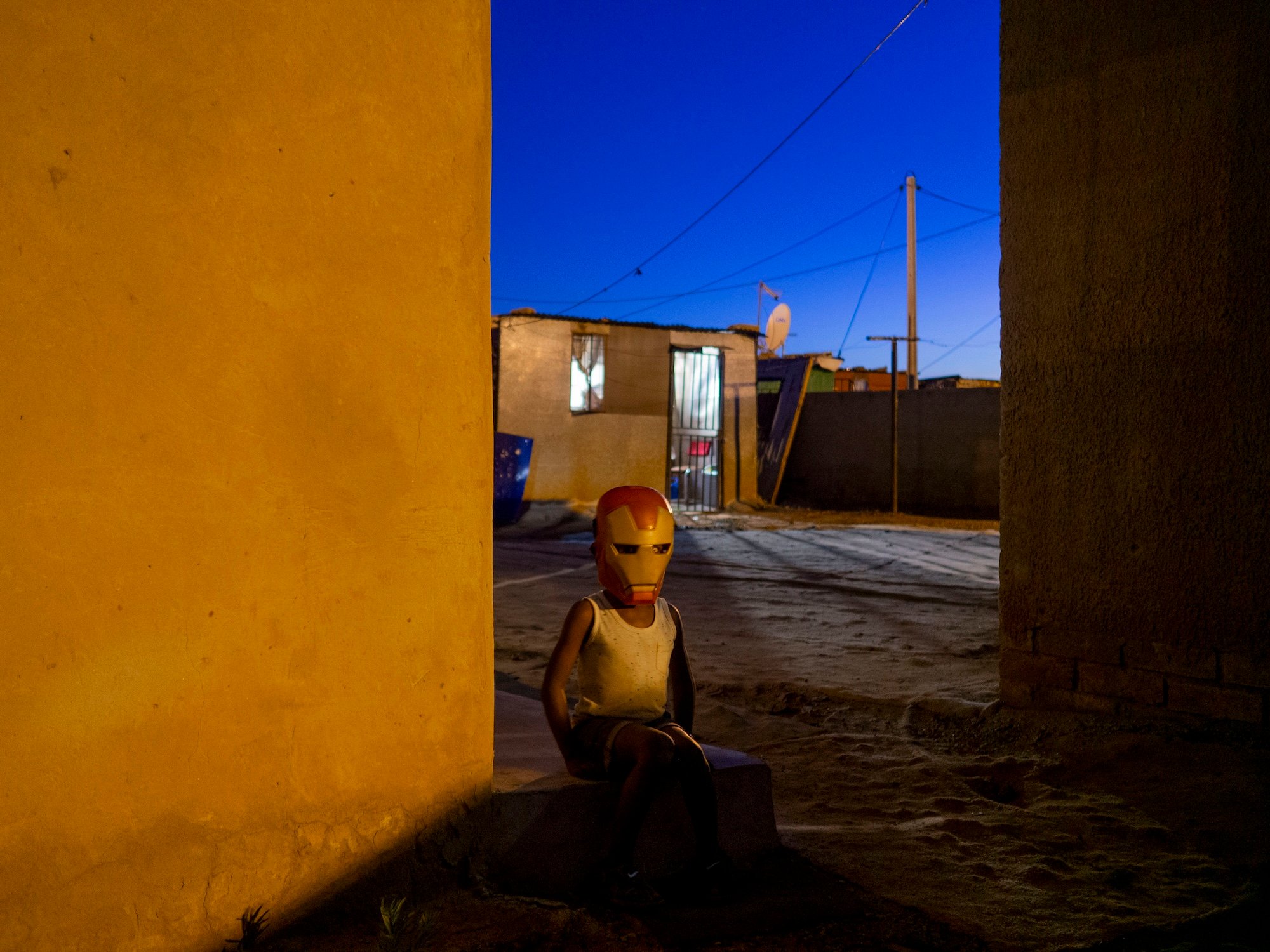
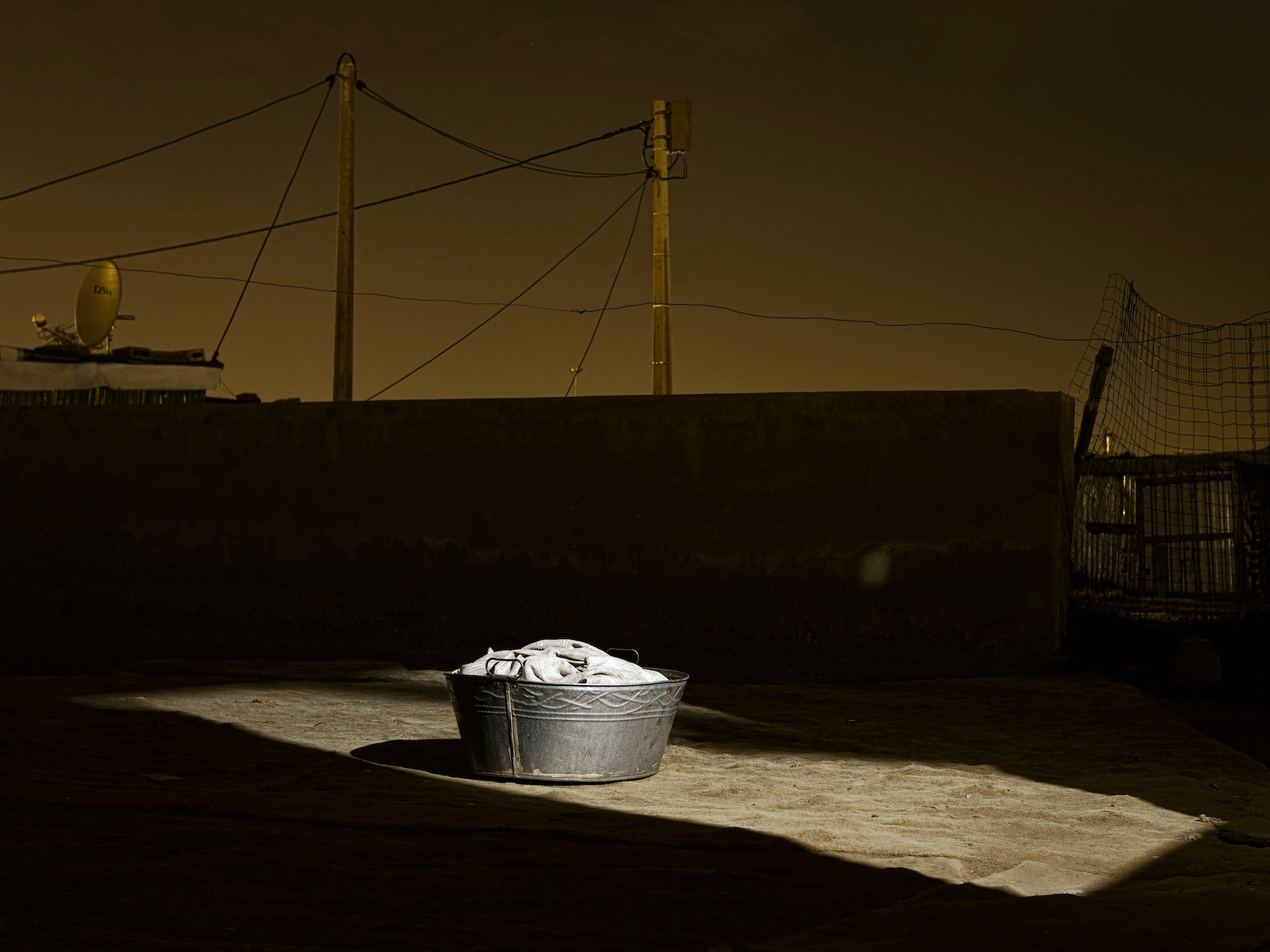
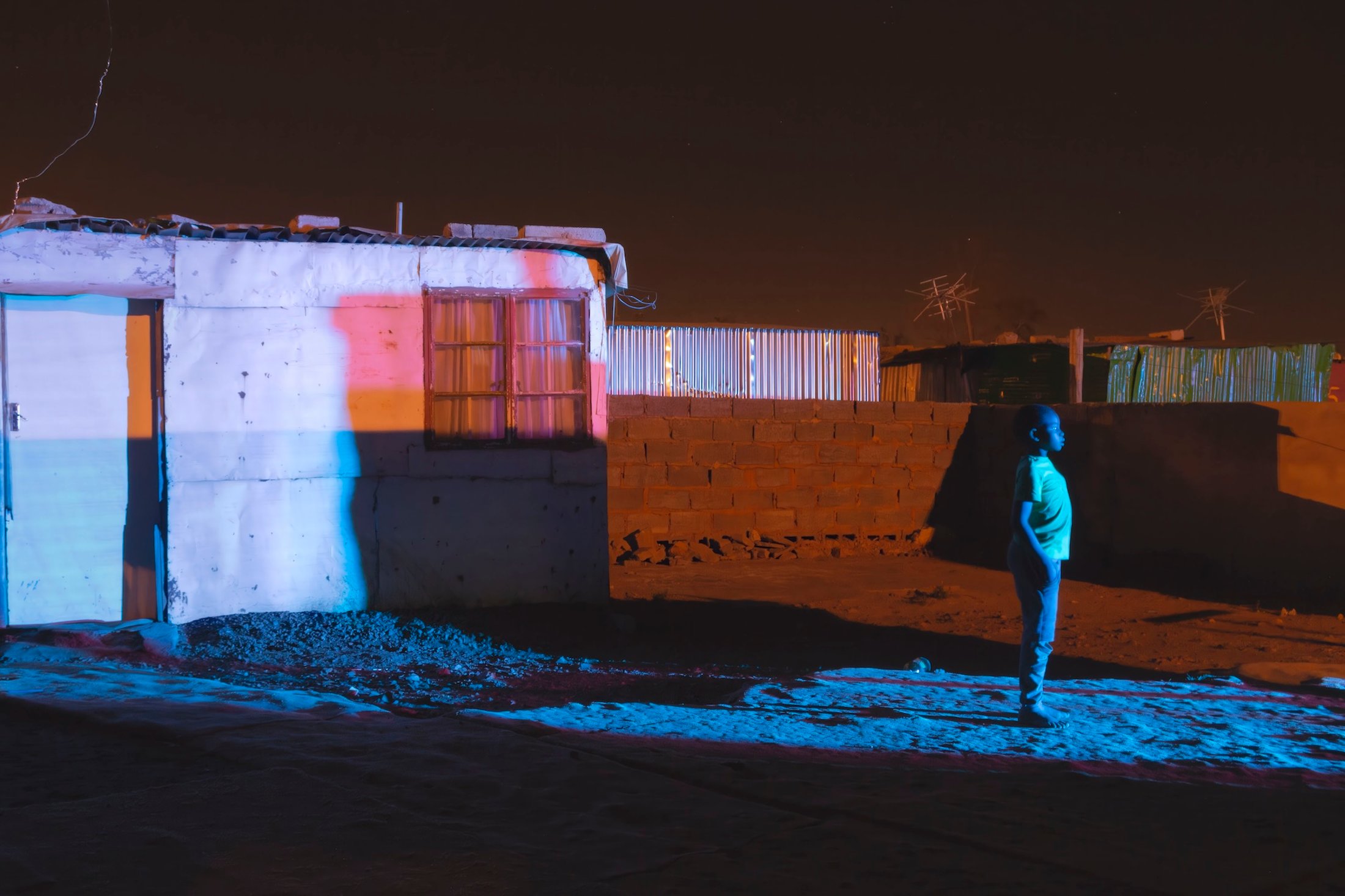
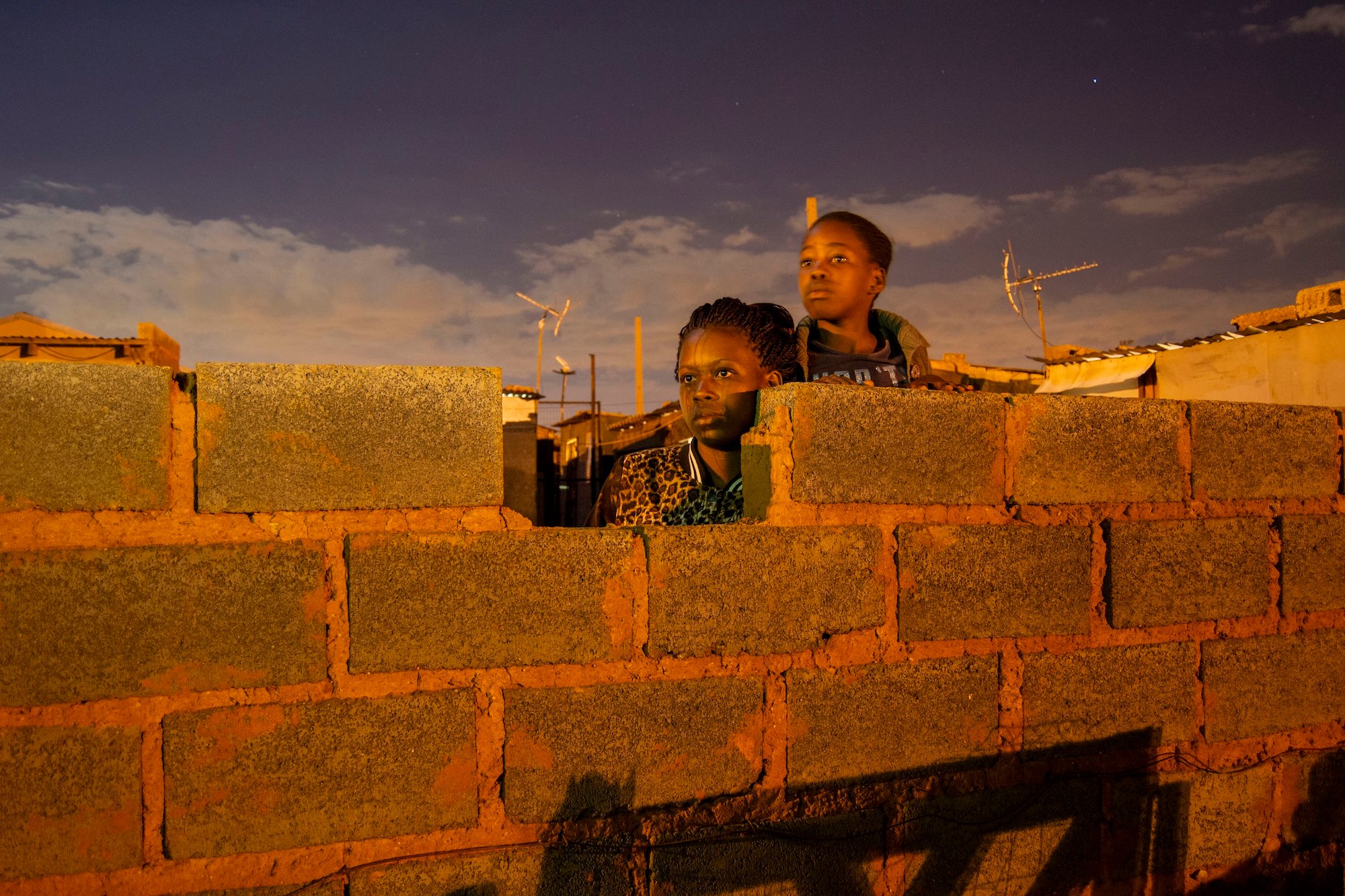
The resulting images chase this idea, picturing children and ghost-like figures darting around the township in a mood that captures both the freedom and trepidation of playing outside at night. His follow-up project, Stop Nonsense, also derives from a saying, about the walls around houses in the township “stopping your neighbor’s nonsense from your nonsense,” he explains. All of the photographs in this series have a presence of a certain wall or line that divides the frame. “I was using this idea of a wall as a canvas to speak about social and political issues of the past,” he says.
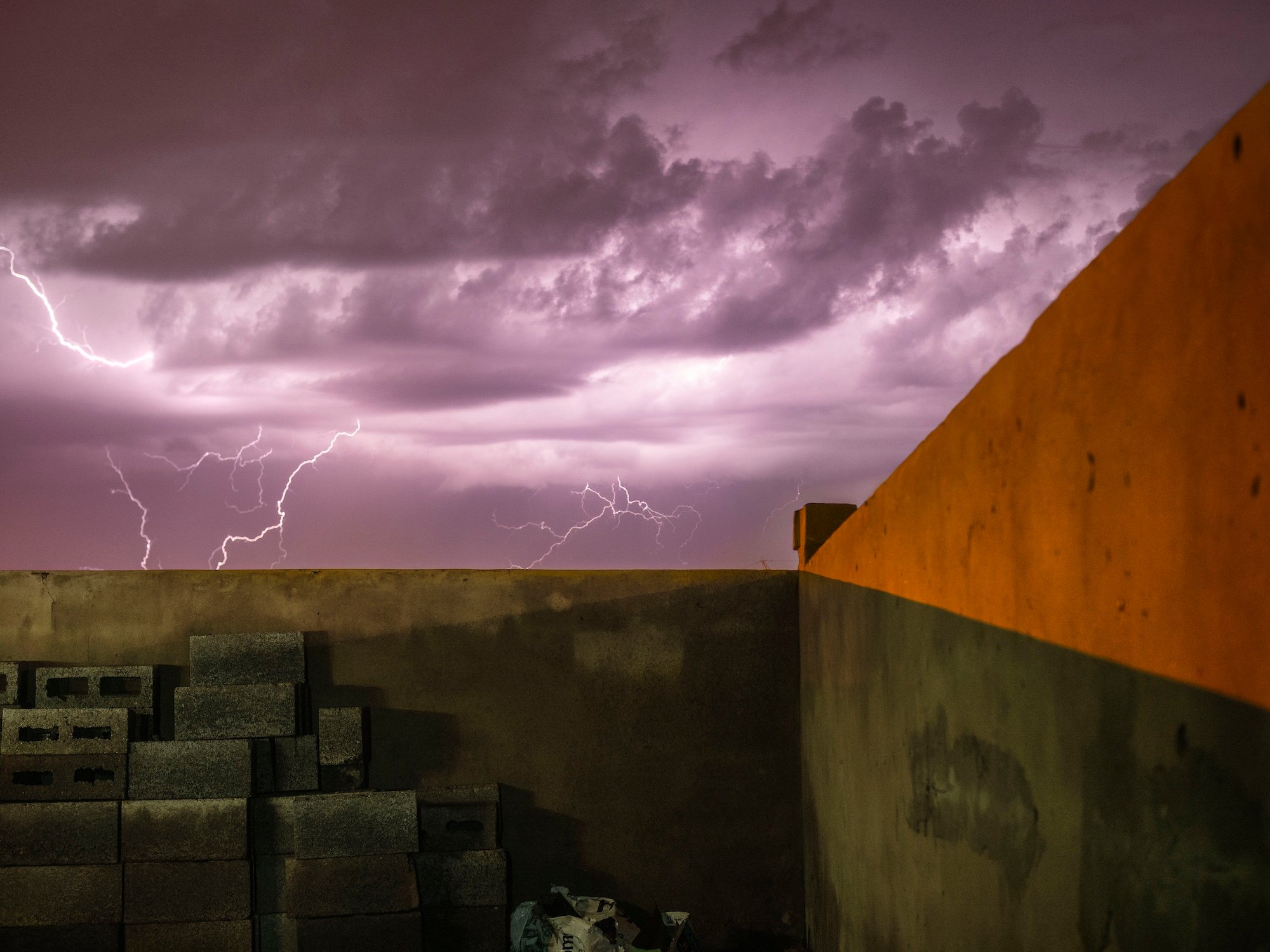
The images across both of these series are made at night, illuminated only by existing light sources to conjure a dream-like, ephemeral quality. This orange hue, which has become distinctive in his images, is tied to Thokoza’s history. The township was built under apartheid in the late 1950s to house Black families displaced by racial segregation policies, and the government deliberately lit the streets with high-mast lights that omitted a bright yellow-orange hue. “These lights were also used by white people to identify whether they were approaching a black area,” says Bheka. “It’s violent, because it was a way of surveilling the black communities, but it also casts very bright spots and very dark shadows. It’s quite something… I wanted to use it deliberately, because it has a very dark history, and yet it looks so poetic.”
Shooting at night was a choice that Bheka made early on in his photographic journey. He was introduced to the camera in 2012, at 14 years old, through the Of Soul and Joy Project—a social and artistic mentoring program created by Rubis Mécénat for young people from Thokoza. “I didn’t think of photography as something you could do as a career,” says Bheka, who soon discovered his country’s rich documentary tradition, including photographers and collectives like the Bang Bang Club that documented his own hometown during times of political upheaval.
“We were given an assignment to look at those photographs, and I don’t remember seeing any made at night,” he says. A lot of photography that was at night was mainly from Johannesburg, such as Sabelo Mlangeni’s images of street sweepers. “There’s a change in the atmosphere that you don’t find when you’re photographing during the day,” says Bheka. “It’s a nice way to use that time of day to speak of a reality that exists there, but also the fictionality of things.”
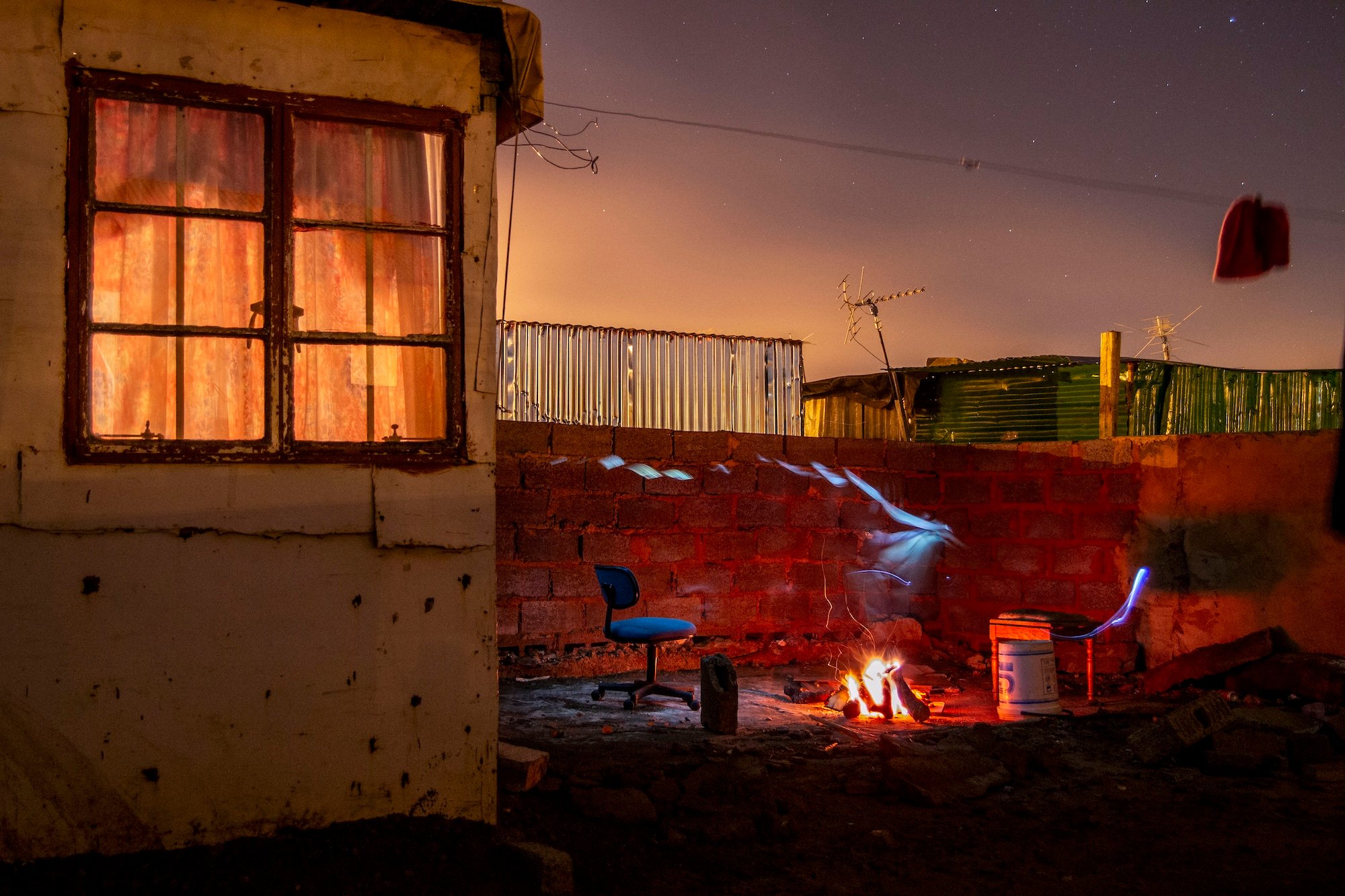
There is a lyrical realism to Bheka’s images; like ghost stories, they are mystic and quiet. “They are quite the opposite of what you would usually witness when you’re in the township,” he reflects. “Townships are quite surreal places. They are very fast-paced, anything can happen at any time.” Bheka is interested in capturing his town as a place of “conflicting realities,” where a shebeen (an unlicensed bar, typical in townships) can exist opposite a church or school. “Perhaps I’m just offering my own sense of what my reality is in the space that I find myself in every day,” he says.
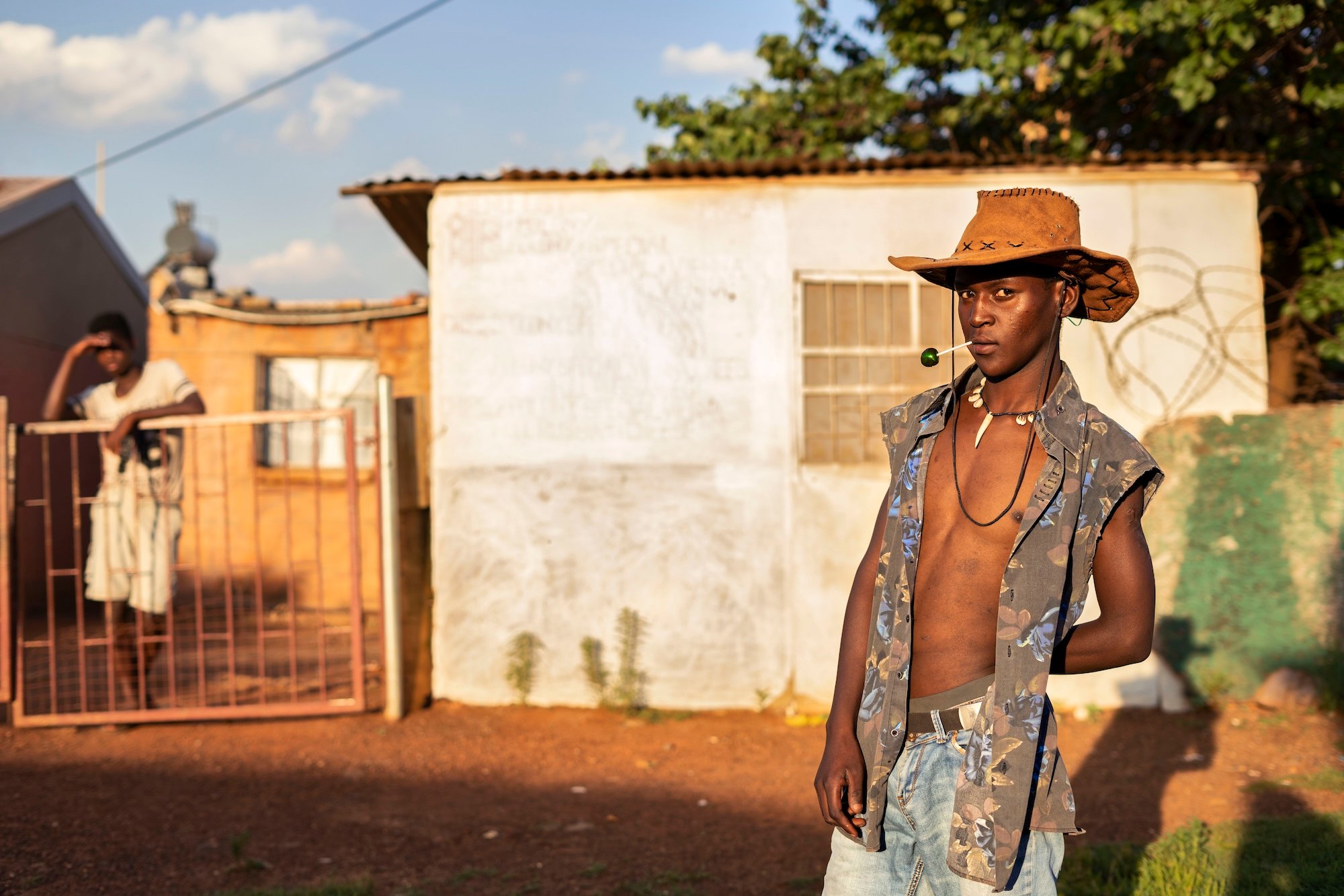
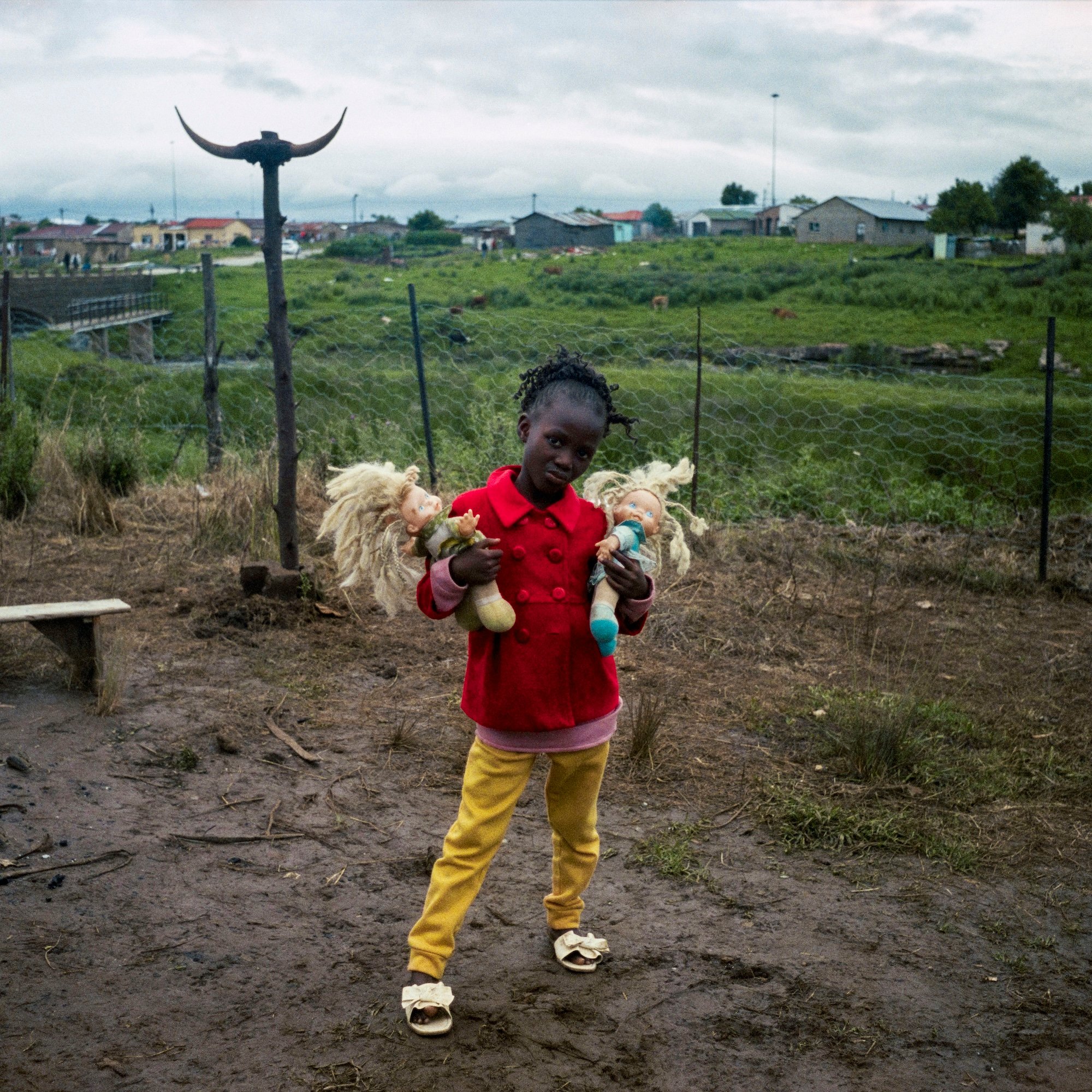
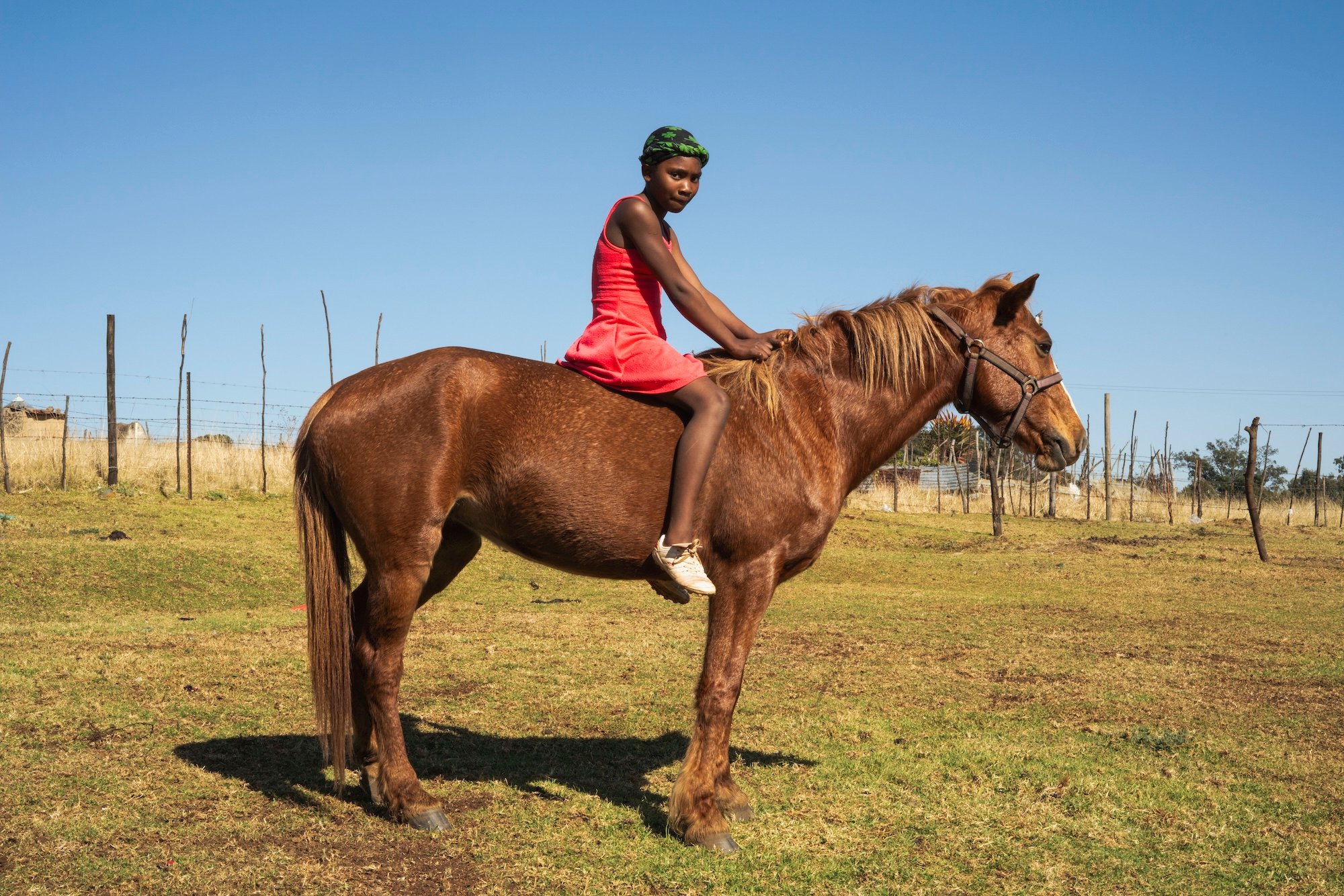
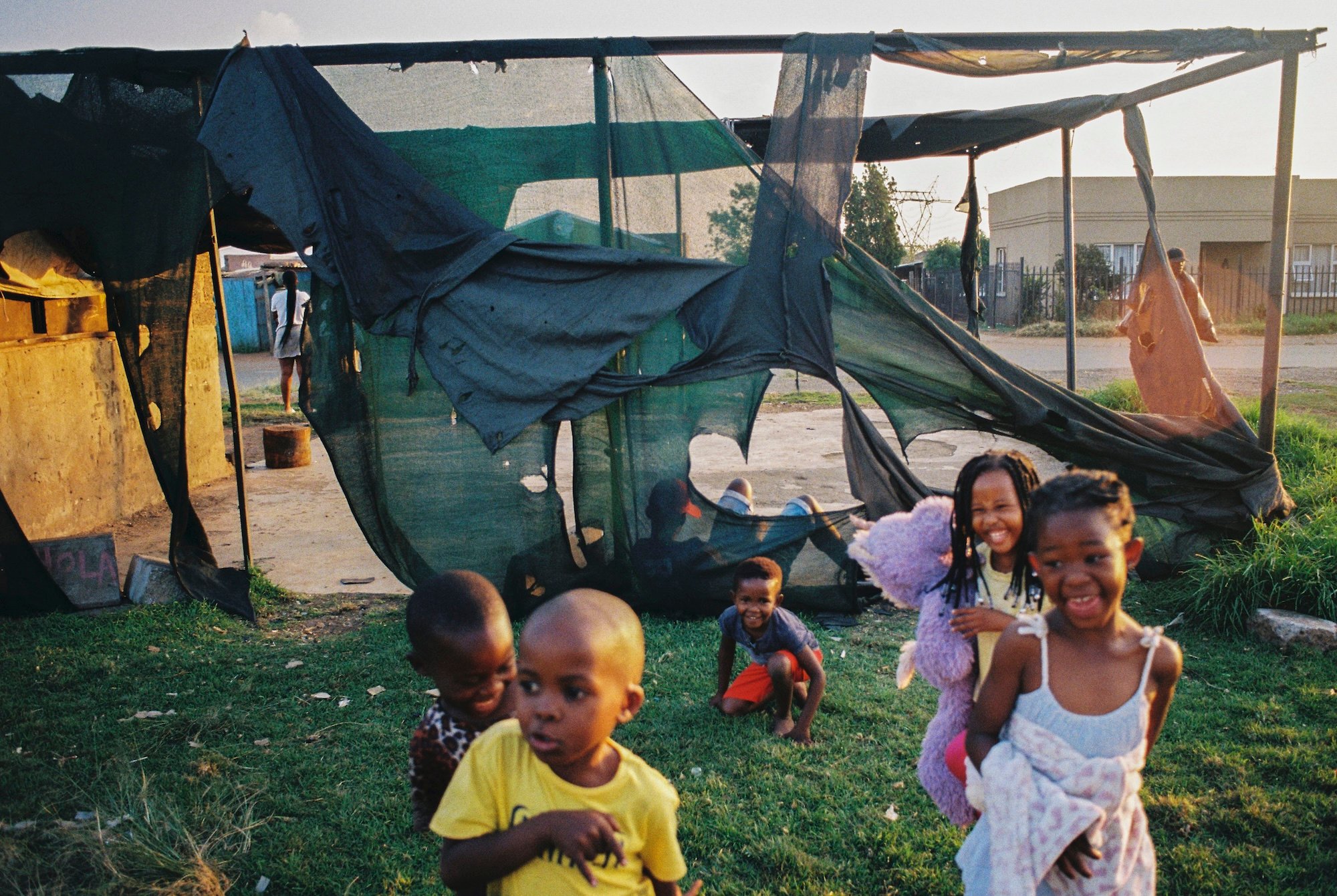
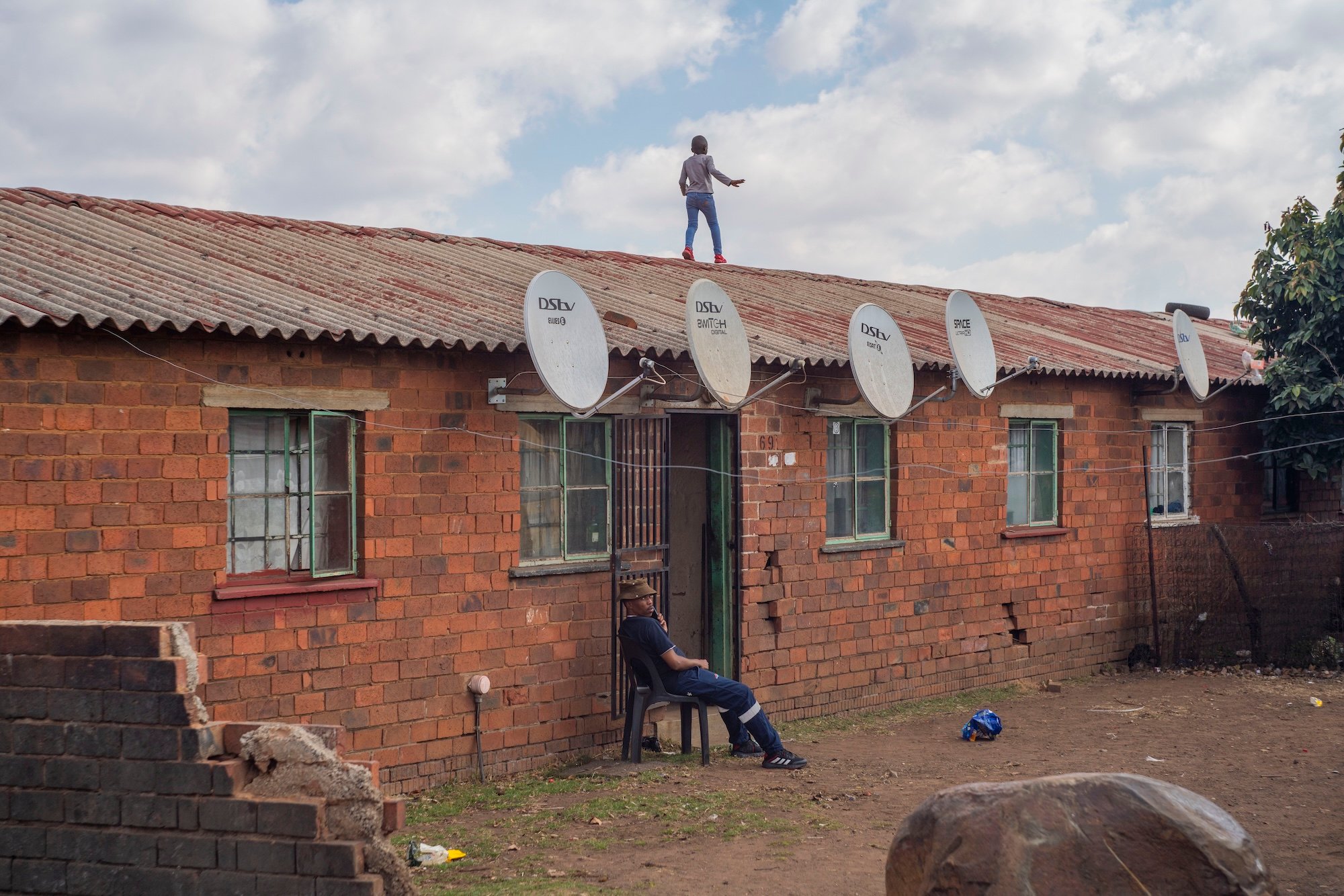
Bheka’s most recent project SEENS also draws on his childhood, but it marks a departure from previous works. Shot in daylight, this series is based on memories of running around the township, following the sounds of his neighbors’ TVs, and peeking in through a window or a doorstep to see what they were watching. “We used to see things on TV and take them to heart as if it was reality. Sometimes we’d even go and re-enact that reality,” he says.
A play on the words ‘scene’ and ‘seeing,’ SEENS is about revisiting that feeling. Bheka walks around the township, searching for interesting characters who may not be quite what they seem. We meet a man dressed as a cowboy with a lollipop dangling out of his mouth, for example, and a young boy wearing a balaclava. When Bheka approached him to ask why he was wearing the mask—usually a symbol of anonymity and rebellion—on such a hot day, the boy explained that he had a skin condition. “I look for people where when you see them, you might expect one thing, but it is the opposite of what it looks like.”
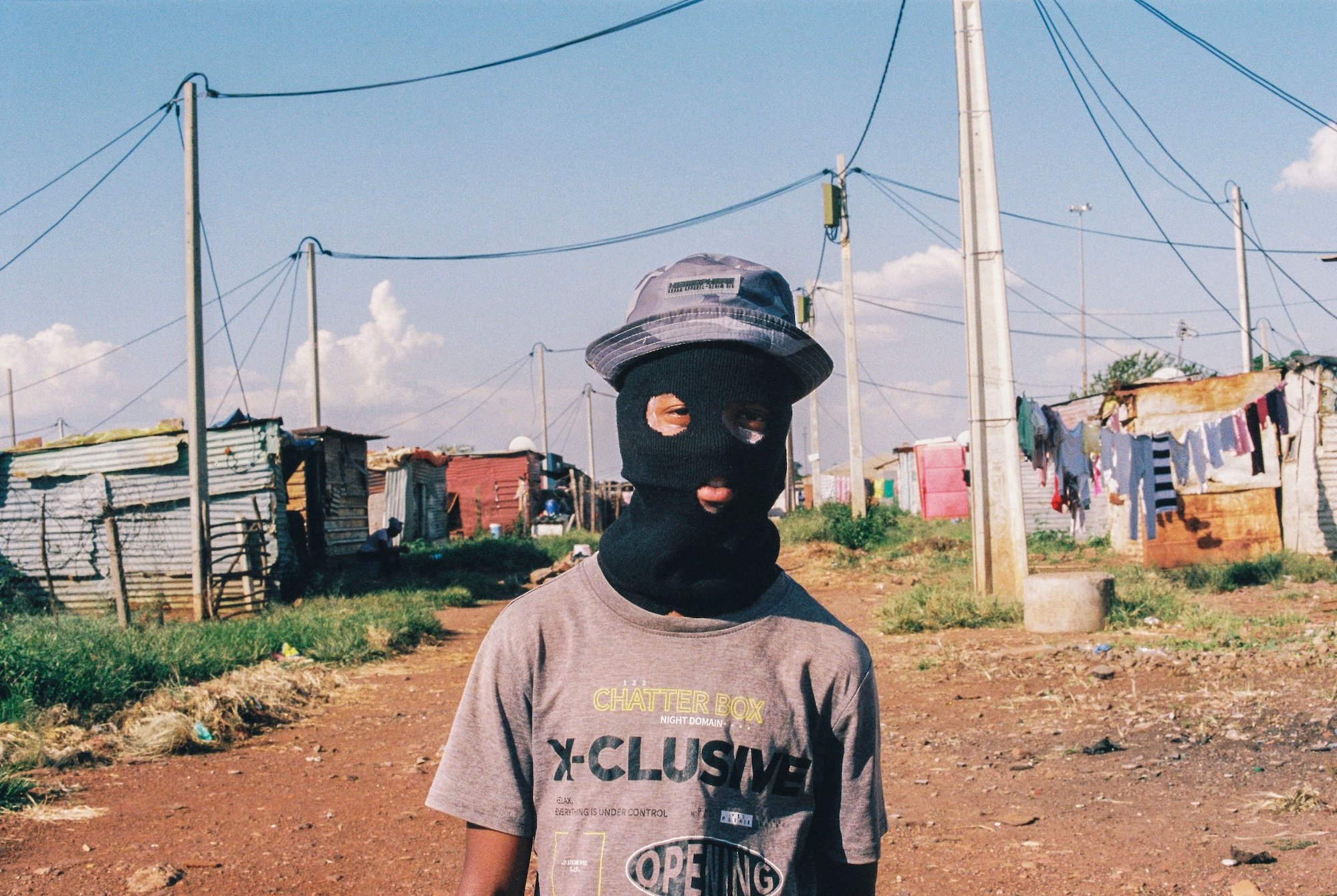
Bheka uses fiction and storytelling as a means to consider the weight of history in a township so deeply shaped by its past. “Living in the township means living on the outskirts, far from resources, opportunity, and access. The distance was not a natural occurrence but a deliberate design of our country’s previous laws,” he says. “This is the challenge my generation now faces. We are not fighting a visible wall, but rather a gap that has been made to feel normal. The ‘born-free’ label is only a small part of a much more complex reality.”