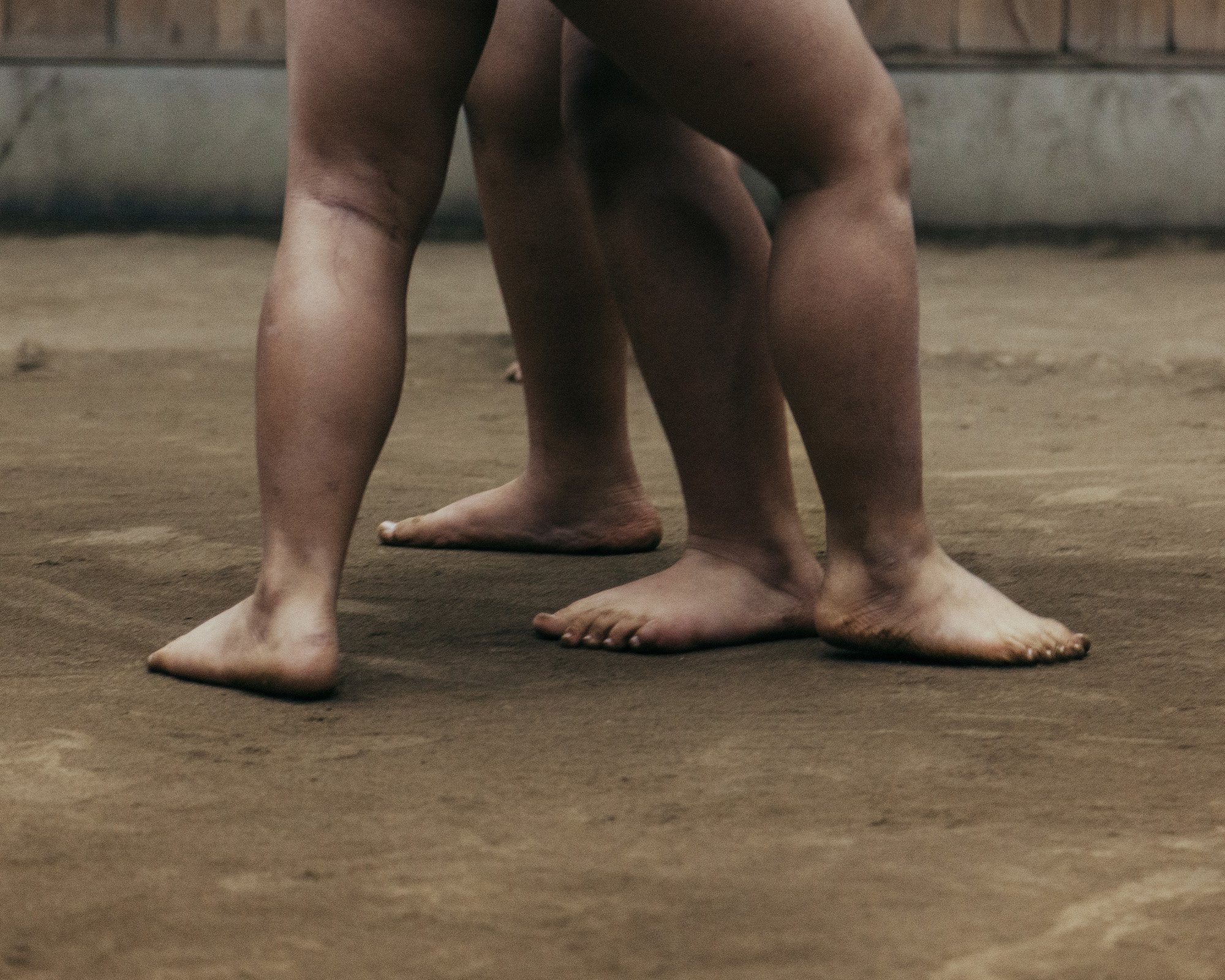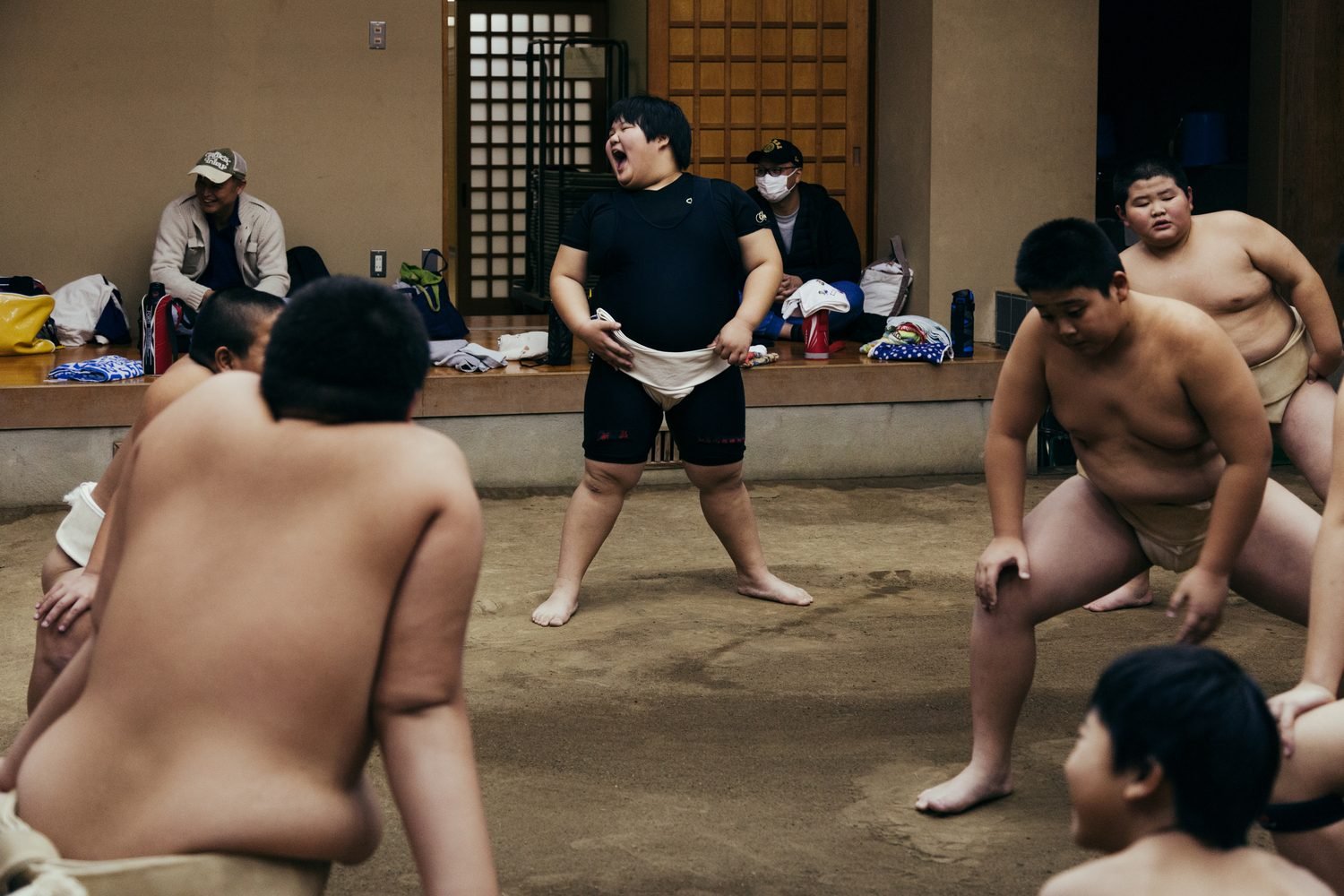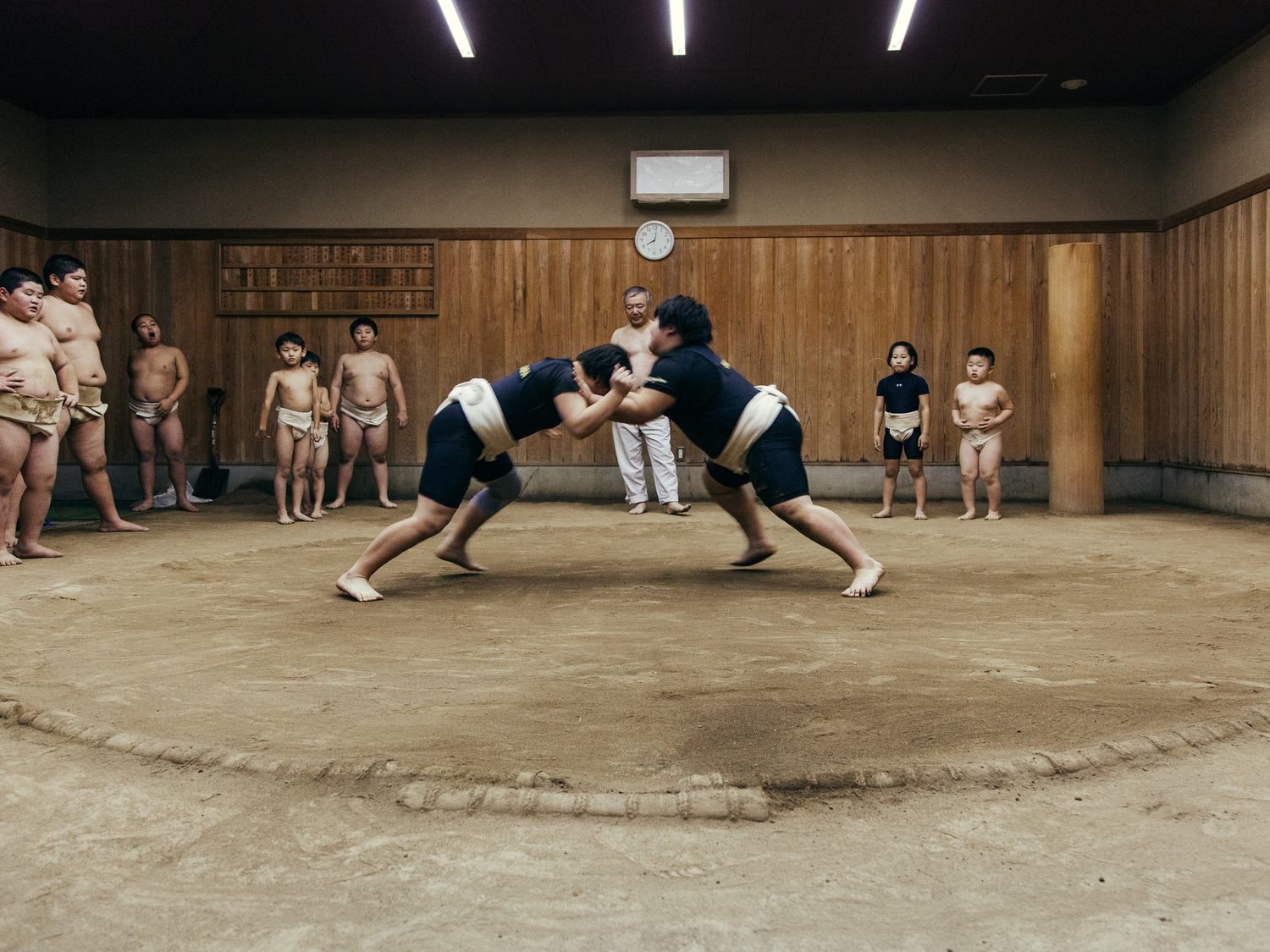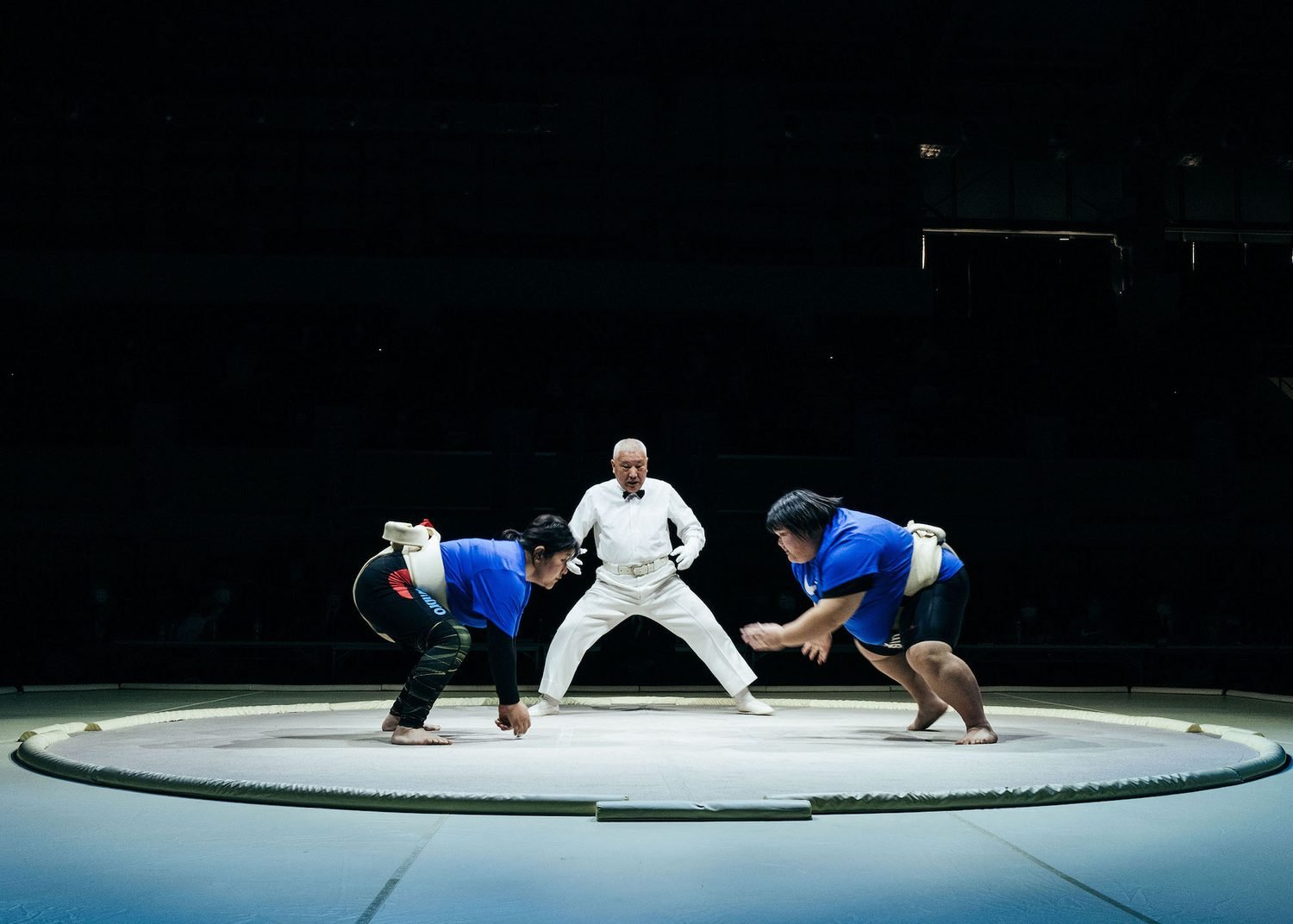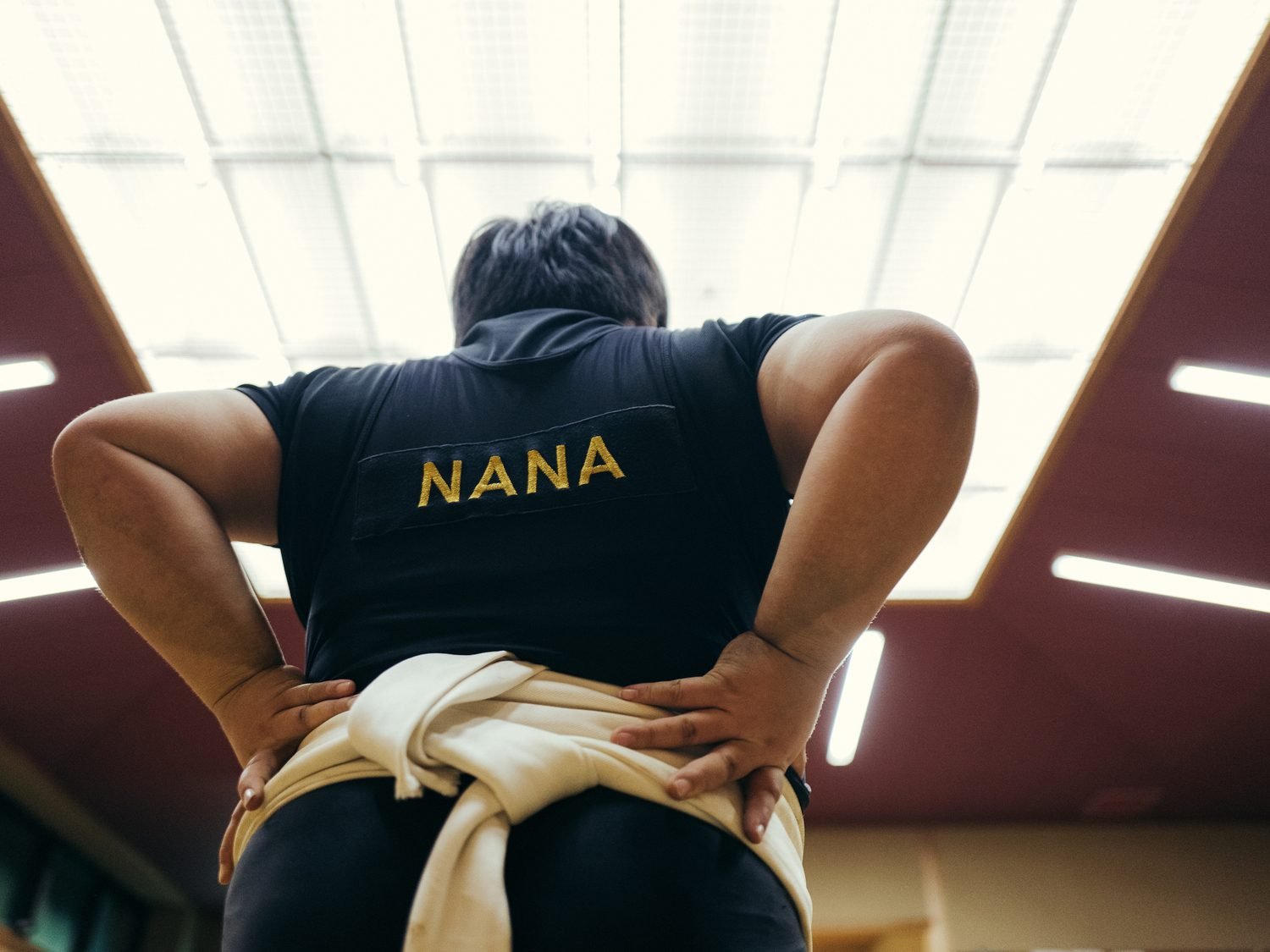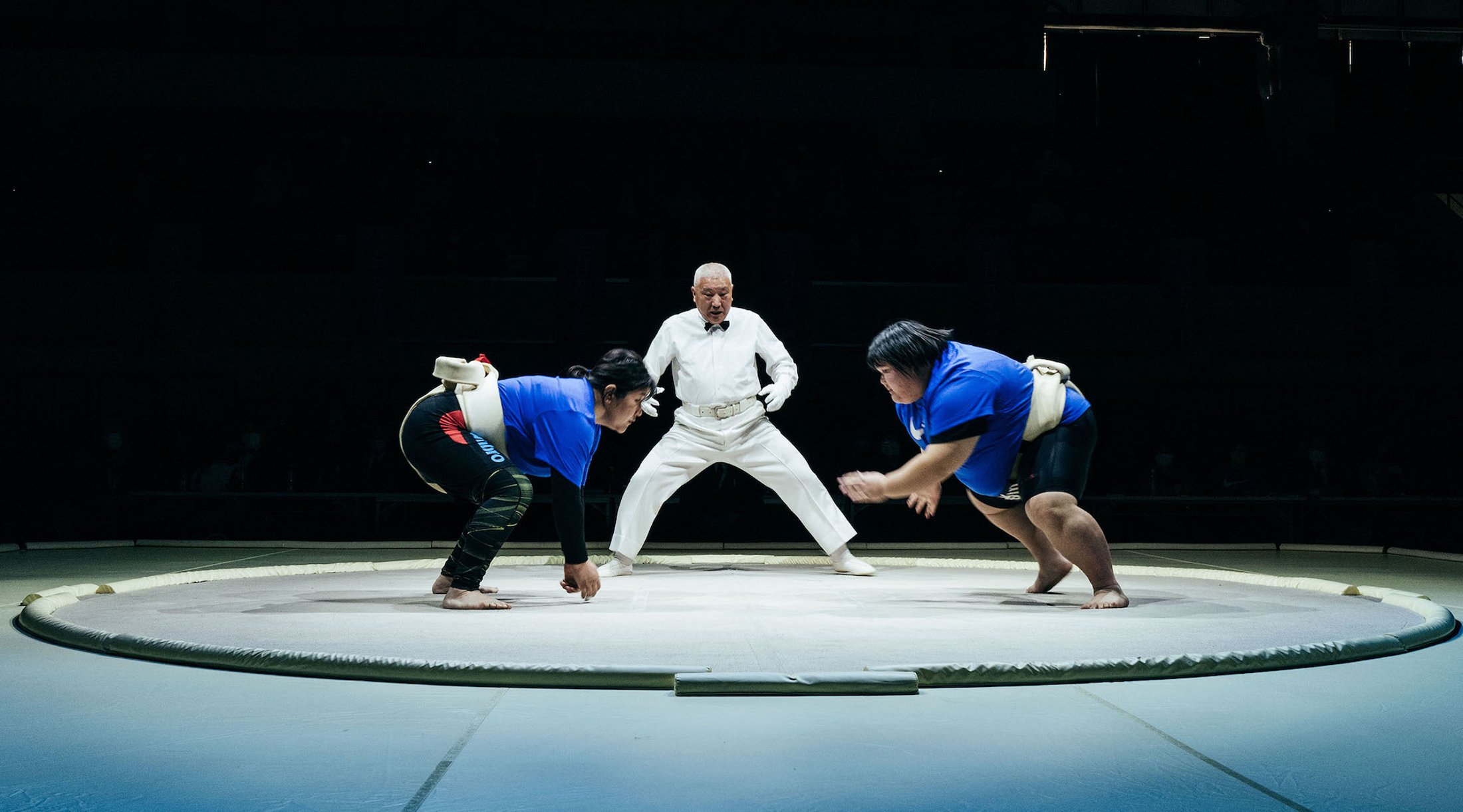
In September 2019, Yulia Skogoreva attended Japan’s first-ever amateur sumo competition for girls. For the first time in history, young female wrestlers gathered from all over the country to compete in a martial art that has historically forbidden women from taking part. As Skogoreva entered the sports hall, fitted with a temporary dirt floor and white wrestling ring, she noticed a handful of spectators holding up posters for a wrestler called Nana. “So many people were screaming her name,” the Russian photographer remembers. Who was this young girl, and why had she amassed such a following?
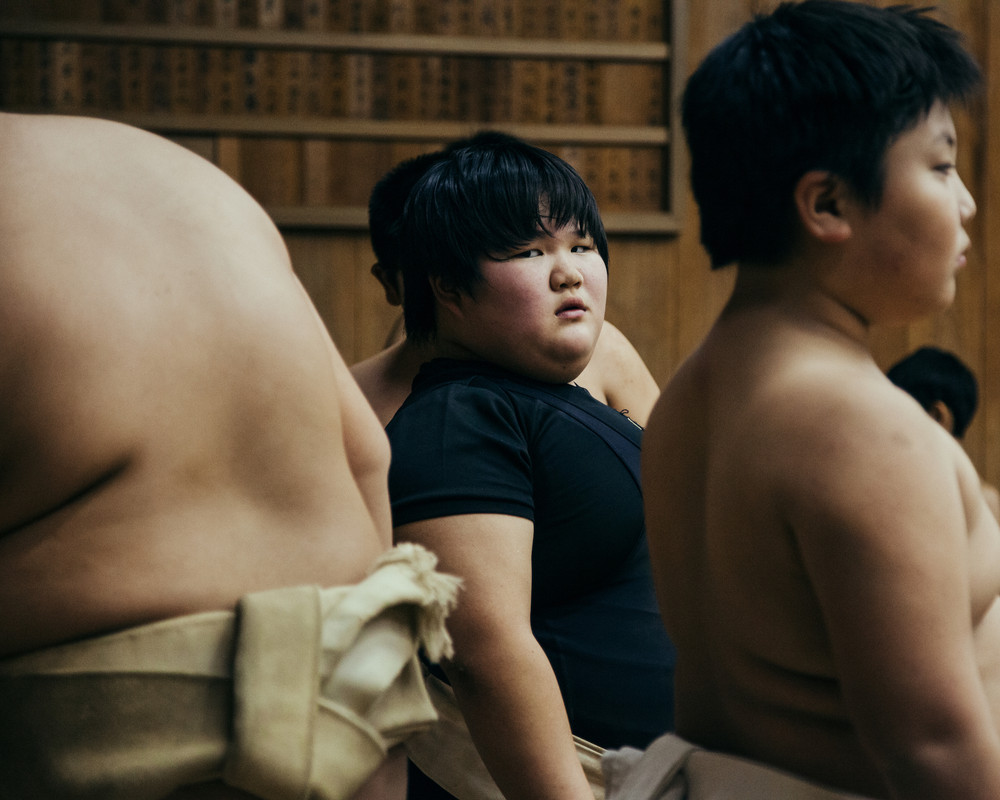
Skogoreva has followed Nana’s progress in the sport over the course of four years. “Nana became one of my main inspirations for this project,” she says, whose ongoing series, Salt and Tears, documents the little-known world of female sumo wrestling.
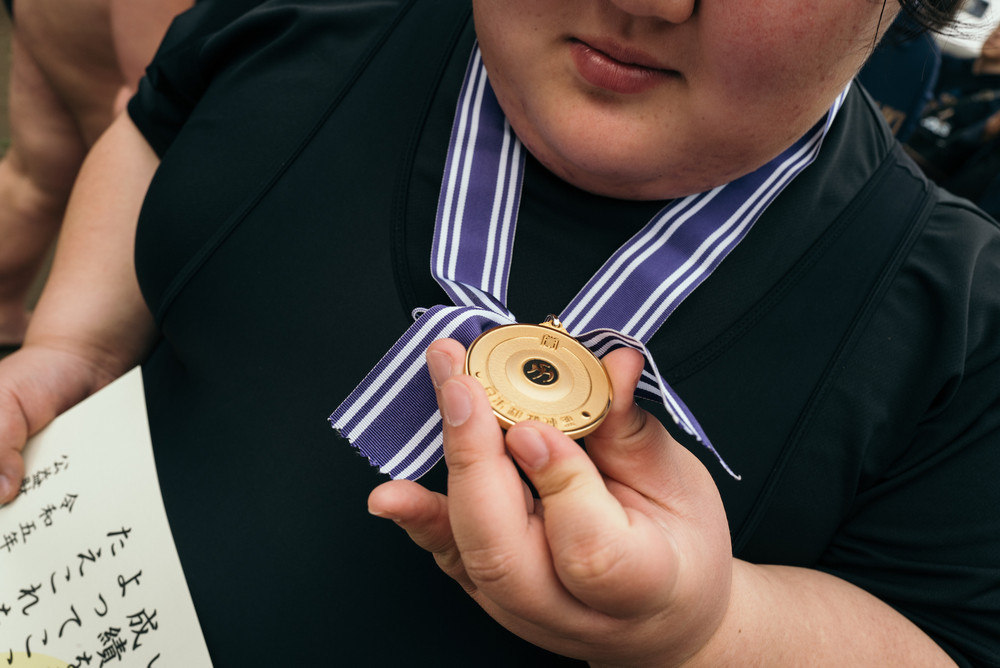
Sadly, Nana’s dreams of becoming a professional sumo wrestler is, at this time, impossible. Tradition not only bans women from competing in sumo, it forbids them from stepping inside the sacred ring. This is based on a Buddhist belief that their “impure” presence, due to menstruation, will pollute it. Nana, and all the other girls she competes with, are passionate about their country’s national sport, but their dreams are crushed by centuries-old rules.
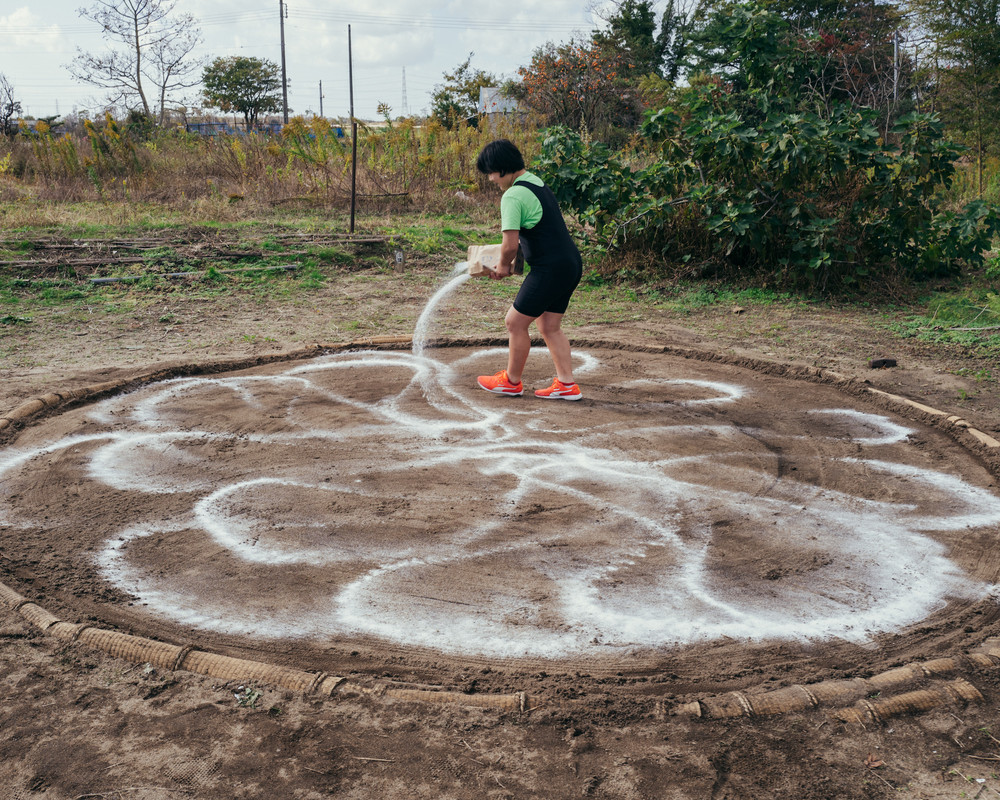
According to Skogoreva, women’s sumo is little-known in Japan. She has lived in Tokyo for over 13 years, and says the majority of people she has spoken to are unaware that women compete on an amateur level. Today, local clubs exist across the country, they are open to women and girls, and a growing community is fighting for women to be allowed to practice at a professional level.
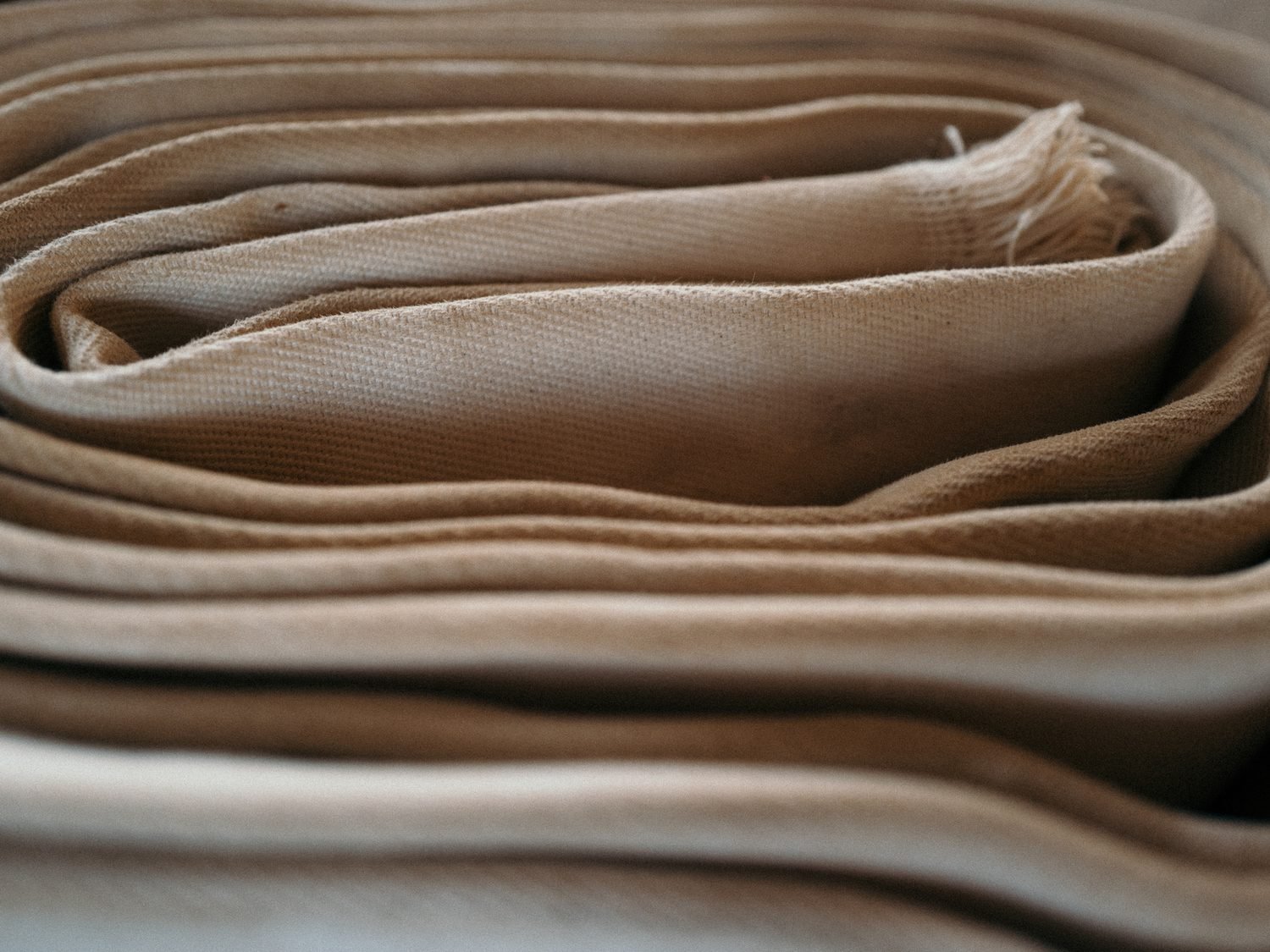
Salt and Tears became a way for the photographer to spread awareness about this fight, as well as capturing the beauty of movement and form present in the martial art. This is the main focus in her fine-art practice: “the concept of the body as living architecture”. After moving to Japan permanently in 2011 to study photography at the Nippon Photography Institute, she began to notice that many rituals of traditional Japanese culture, such as the tea ceremony, calligraphy, and martial arts, had a strong performative element. “That’s how I got interested in sumo,” she explains.
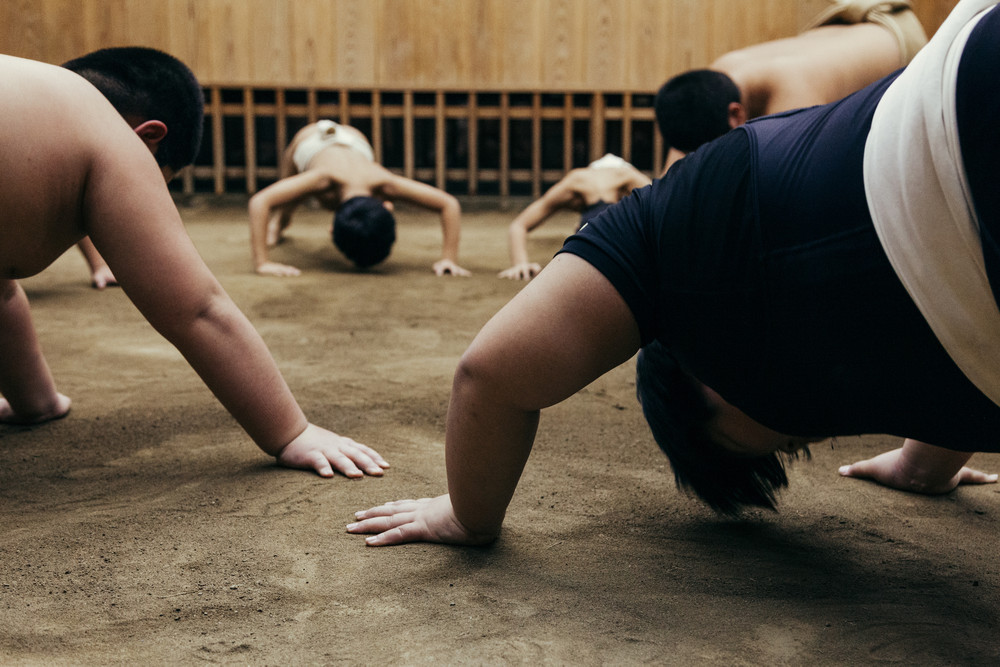
In documenting this small but thriving scene of young female sumo wrestlers, Skogoreva captures a microcosm of the wider structural barriers that women and girls face in Japan. In 2023, Japan ranked 125th place out of 146 countries in the World Economic Forum’s gender equality report. The lack of a professional female sumo league and the persistence of antiquated rules that forbid them from competing is just one example of how women are still treated as second-class to men.
“In Japan, there are so many stereotypes about how women should behave,” says the photographer. “Nana is really challenging that.” As new generations come of age, Japan will soon see a change in the guards. We can only hope that time will create the opportunity for women and girls like Nana to achieve their dreams.