


40 Award-Winning Artists Defining
The LensCulture Art Photography Awards 2026 honor 40 exceptional photographers and visual artists whose work expands and reimagines the possibilities of photographic art. Across an open call that attracted visionary submissions from around the world, this year’s selection reflects the rich diversity of contemporary practice — from experimental processes and conceptual gestures to deeply personal narratives and bold aesthetic statements.
Chosen by an international jury of curators, editors, and photography professionals, the winners, jurors’ picks, and finalists represent a wide spectrum of voices, ideas, and global perspectives. Their work not only demonstrates technical mastery and creative courage but also resonates with the urgent cultural, social, and artistic conversations of our time. Today we are proud to present 40 outstanding contributors to the future of art photography — each offering a distinct lens through which we can explore the world and ourselves.
Series Winner
1st Place
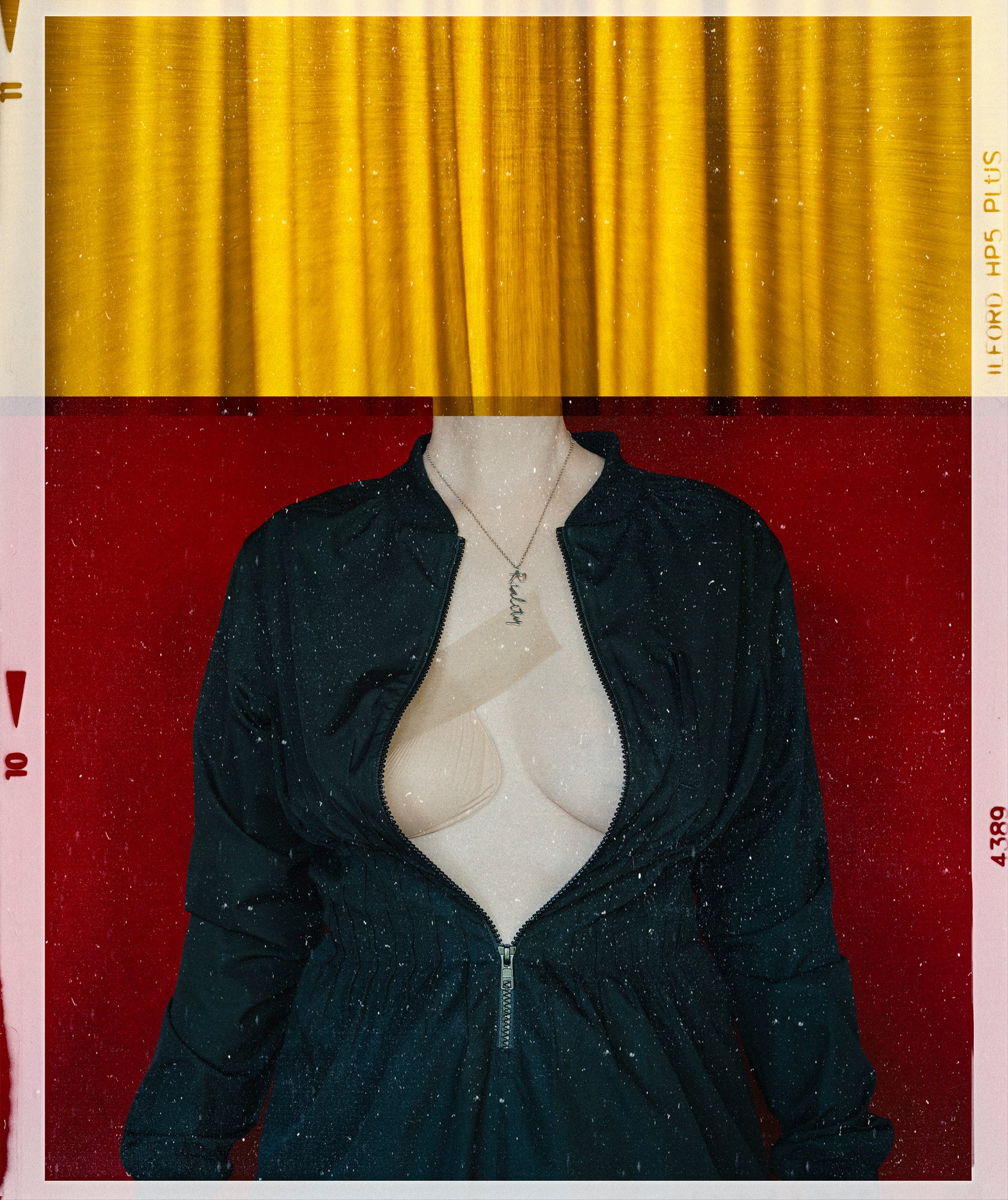
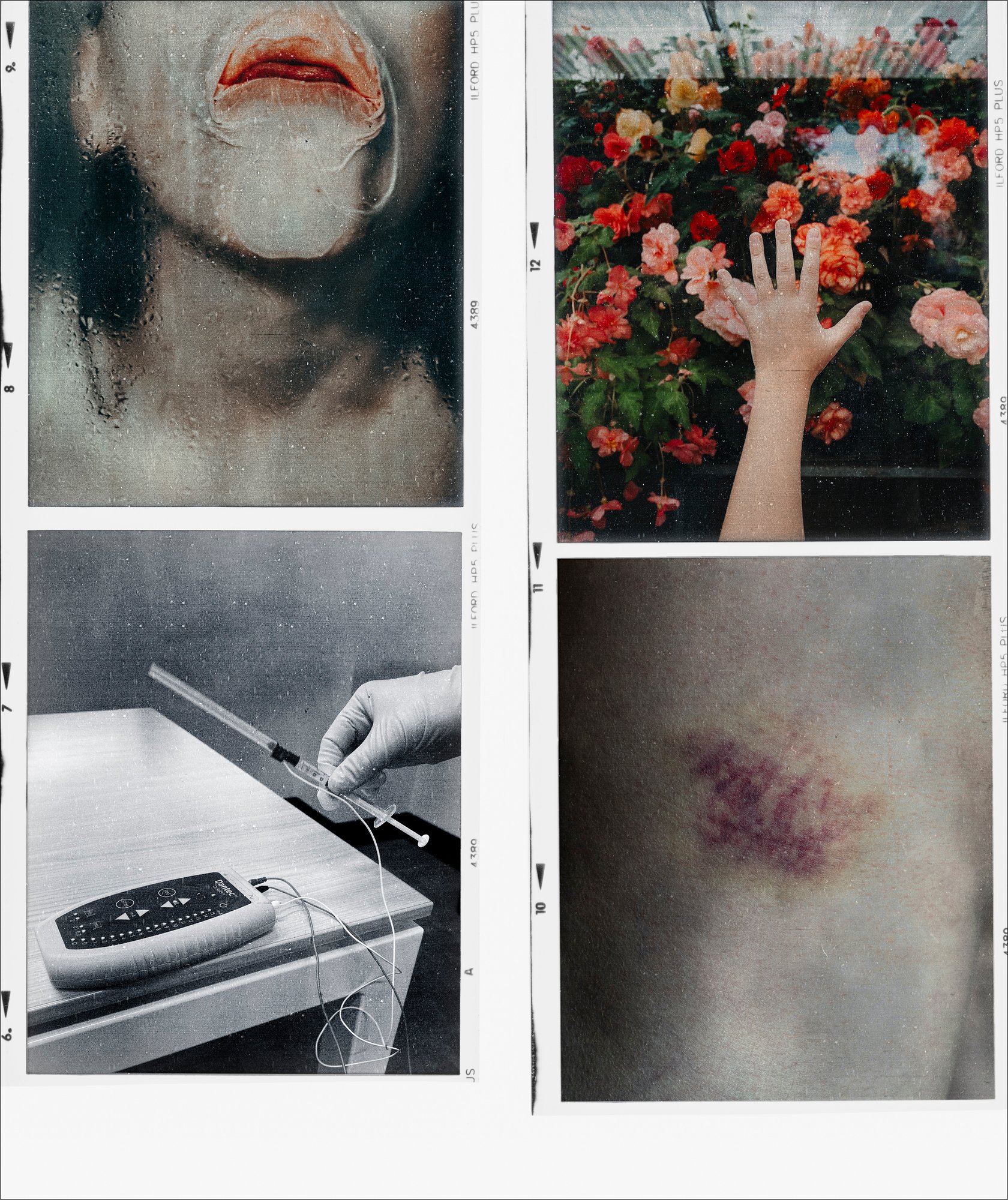
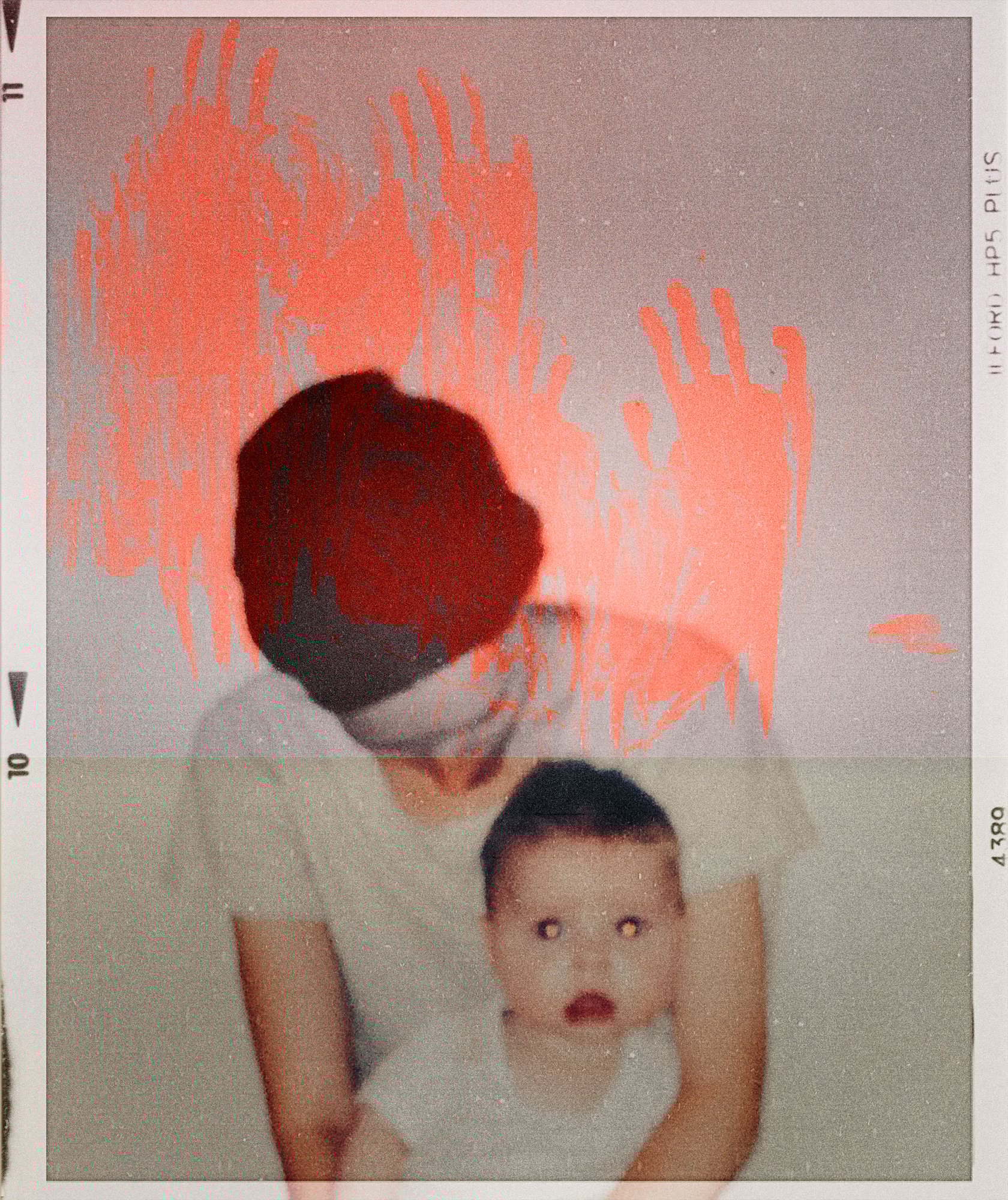
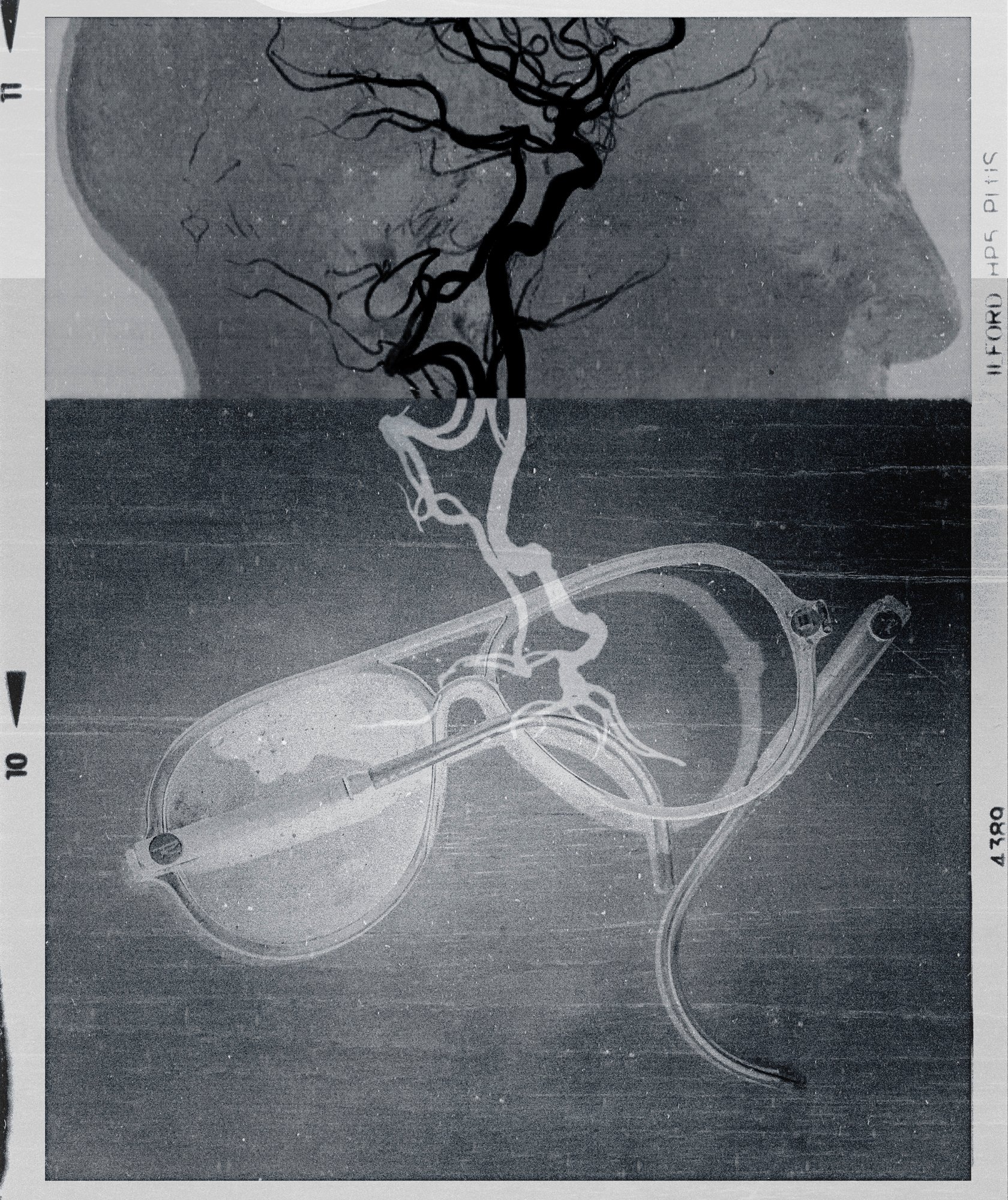
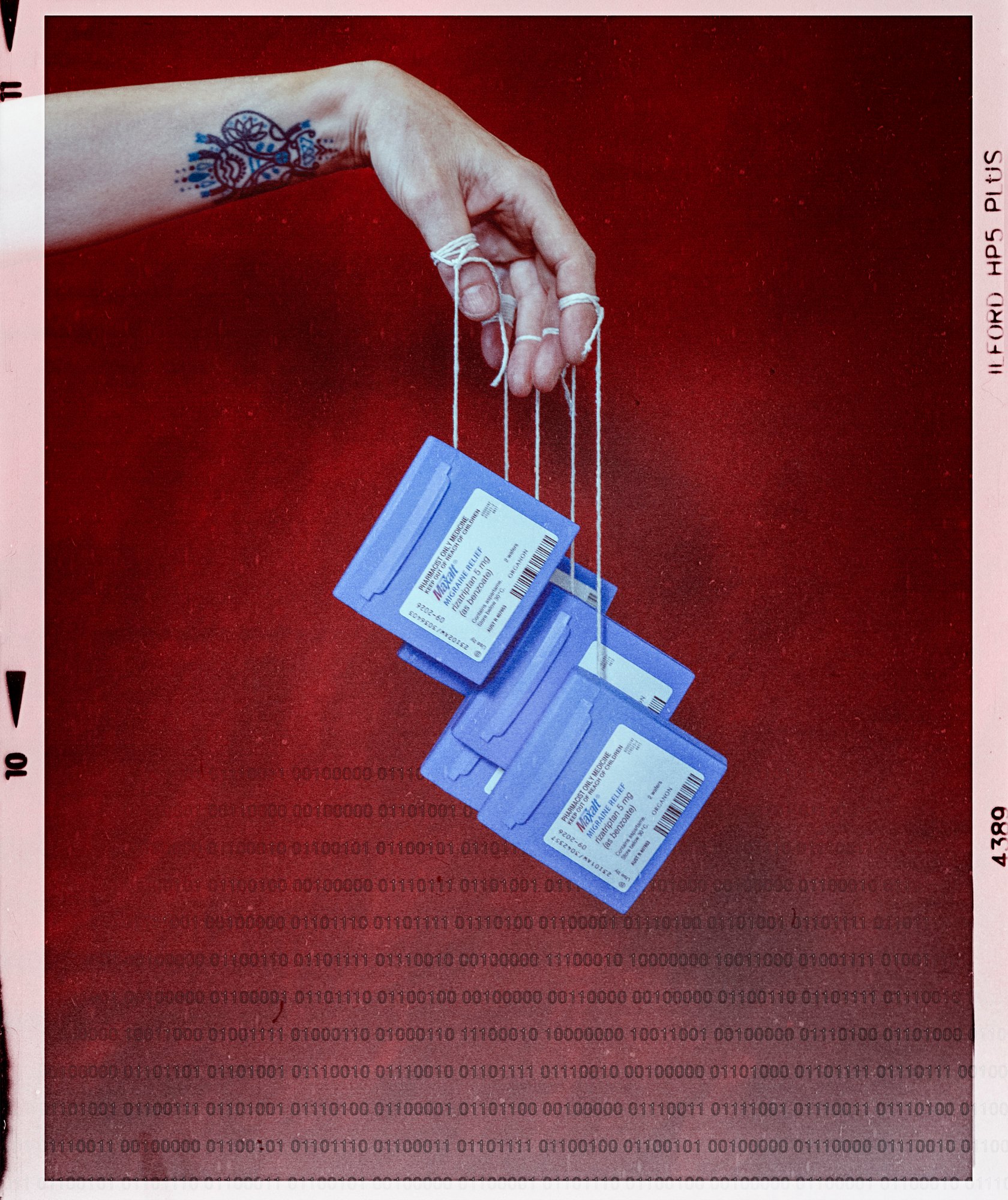
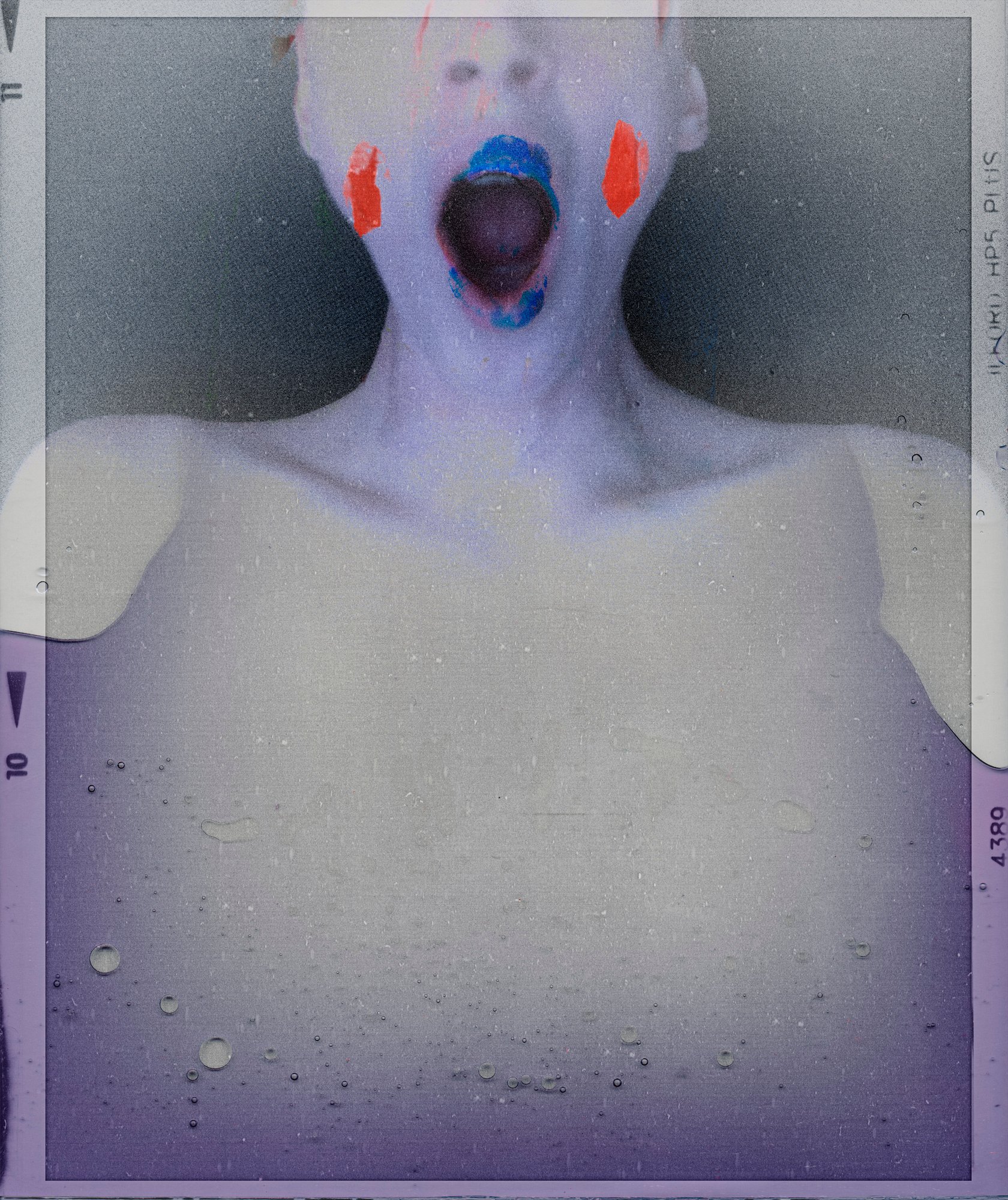
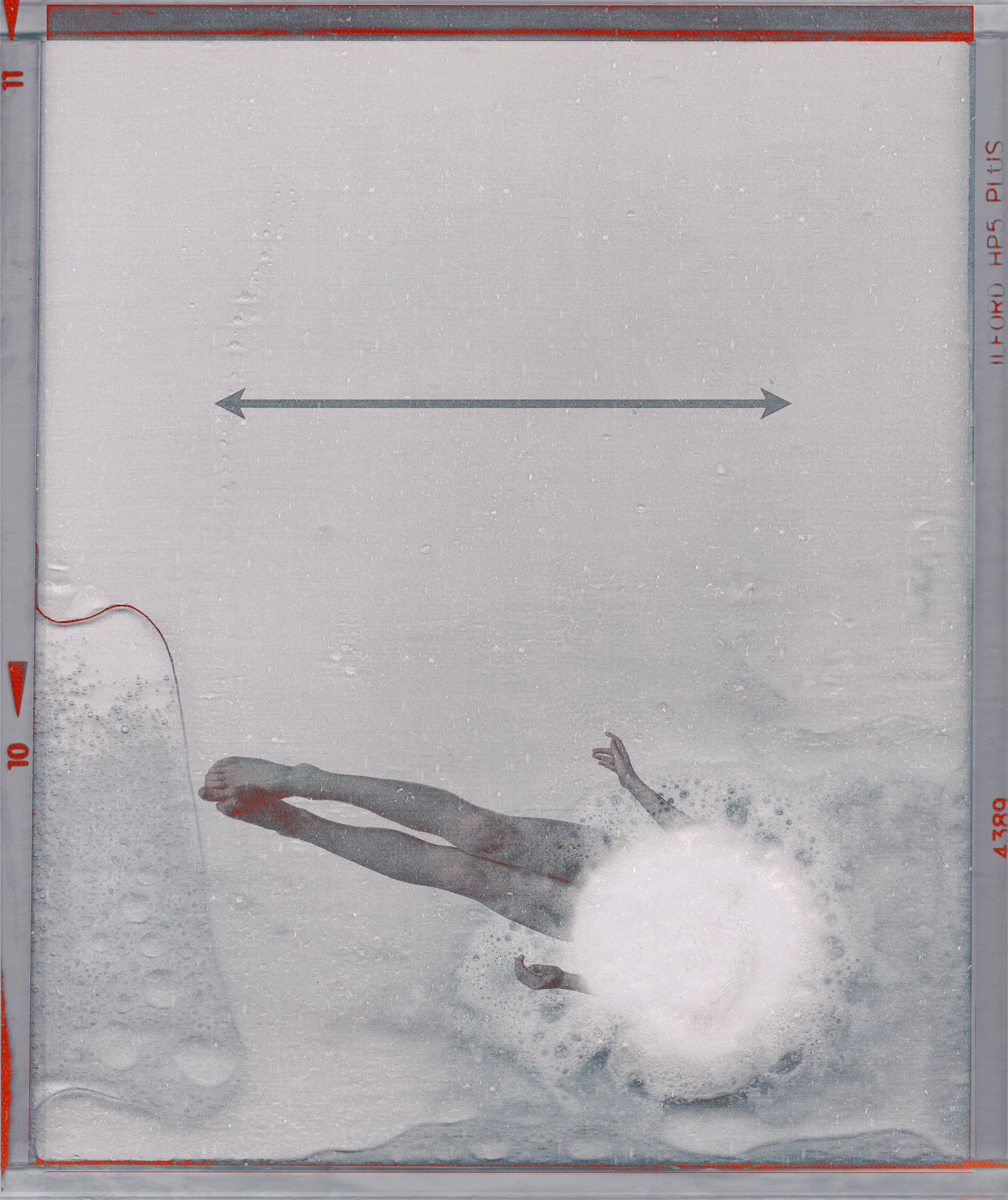
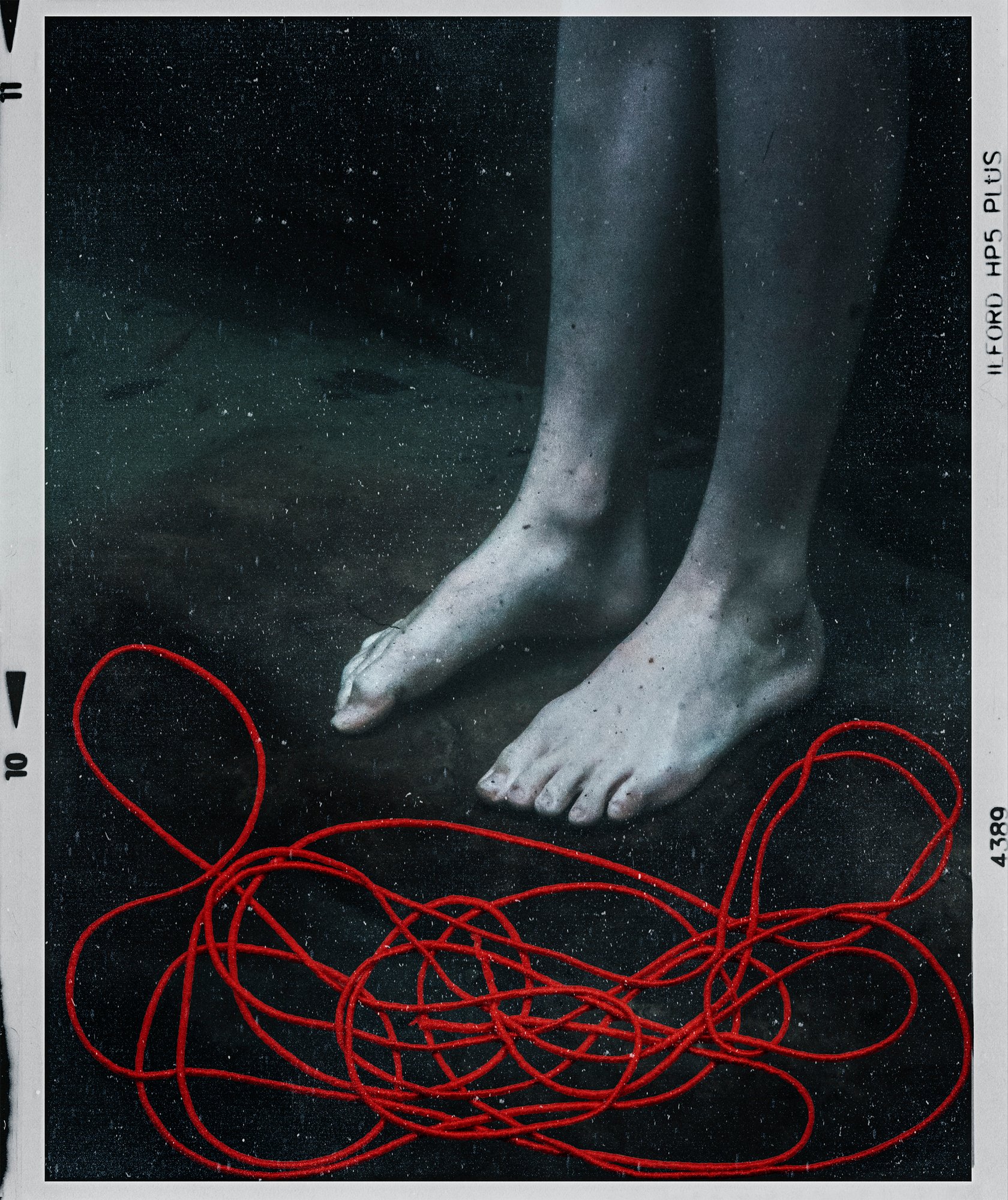
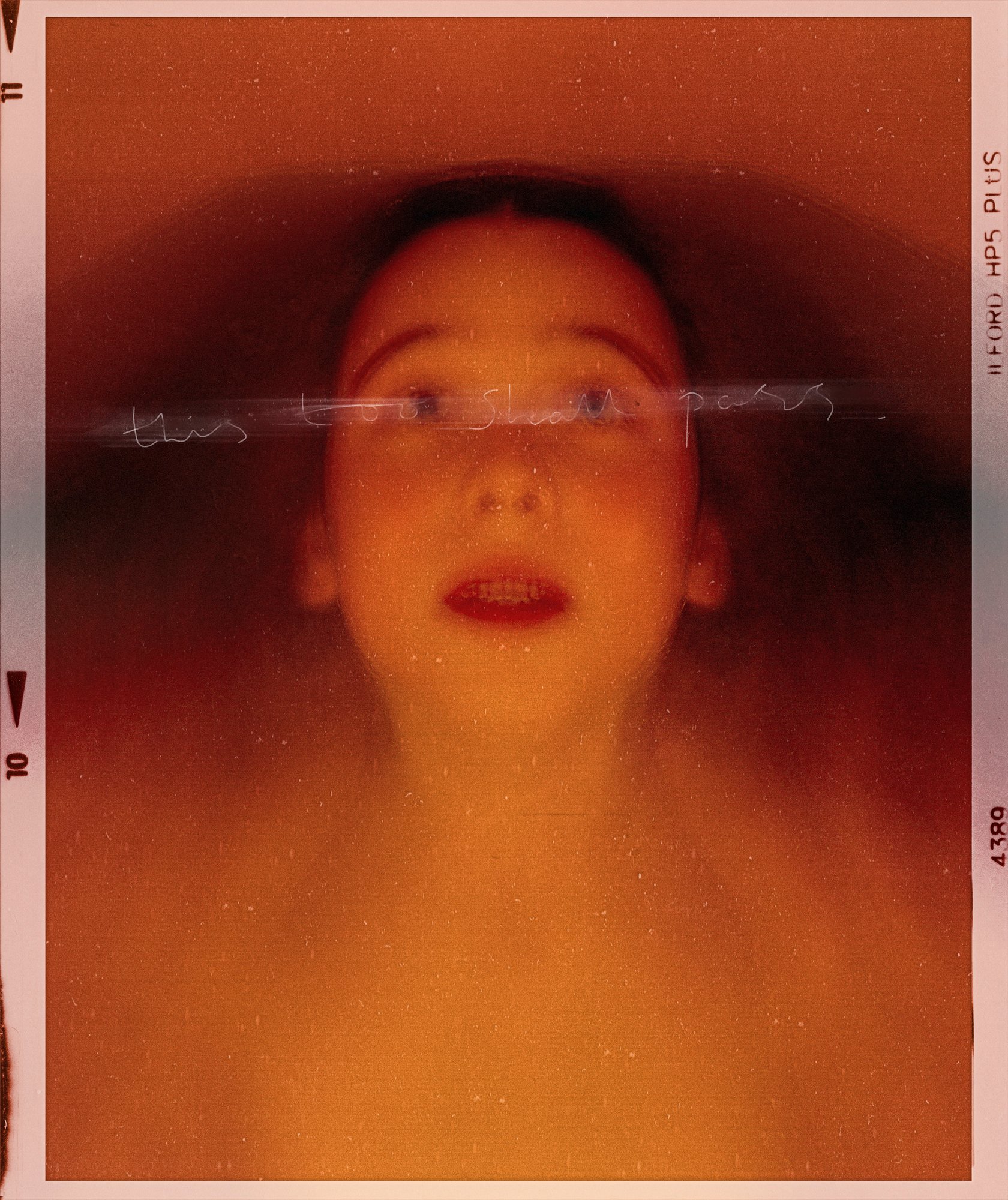
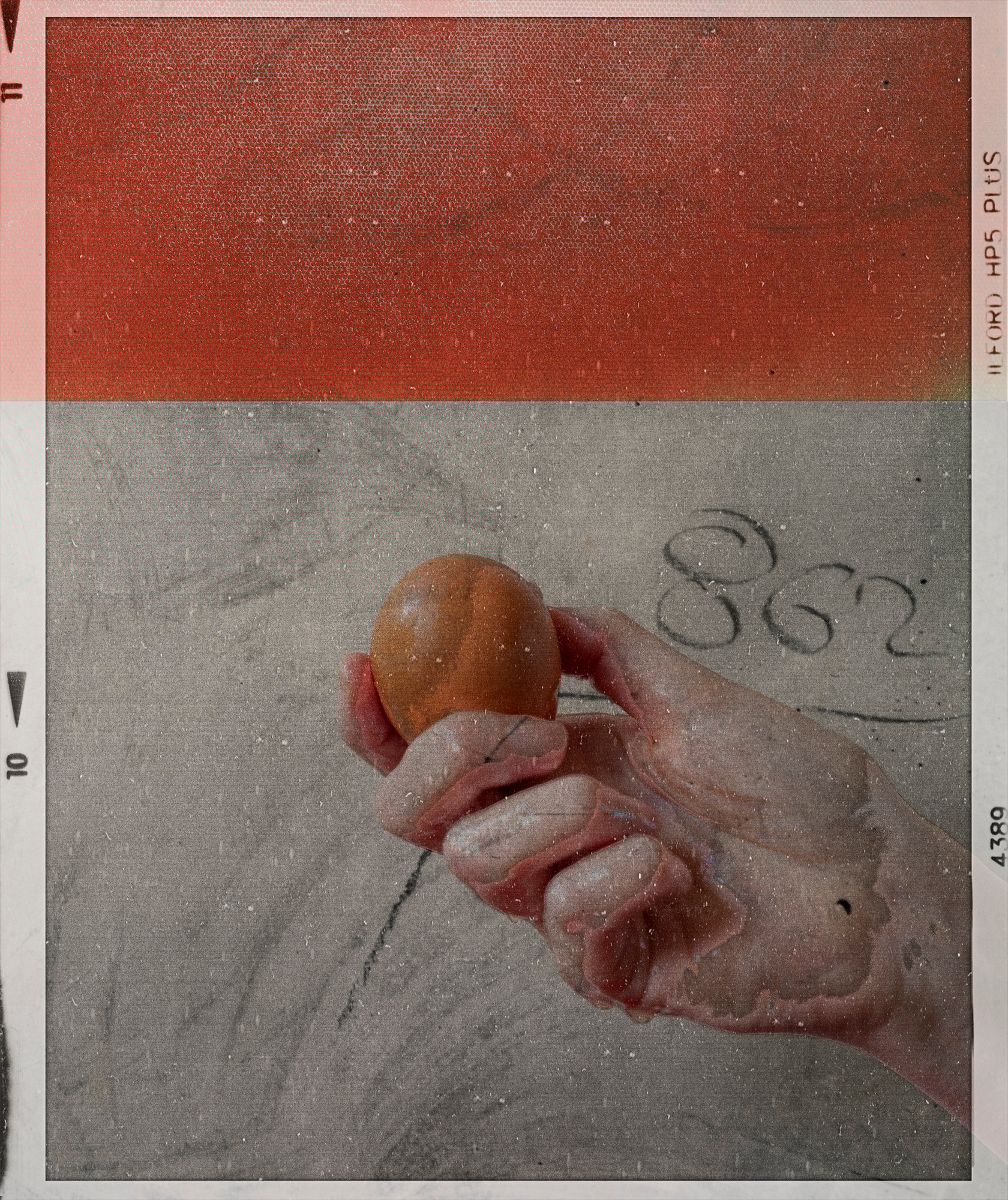
Australia
Lisa Murray
This Too Shall Pass
Series Winner
2nd Place
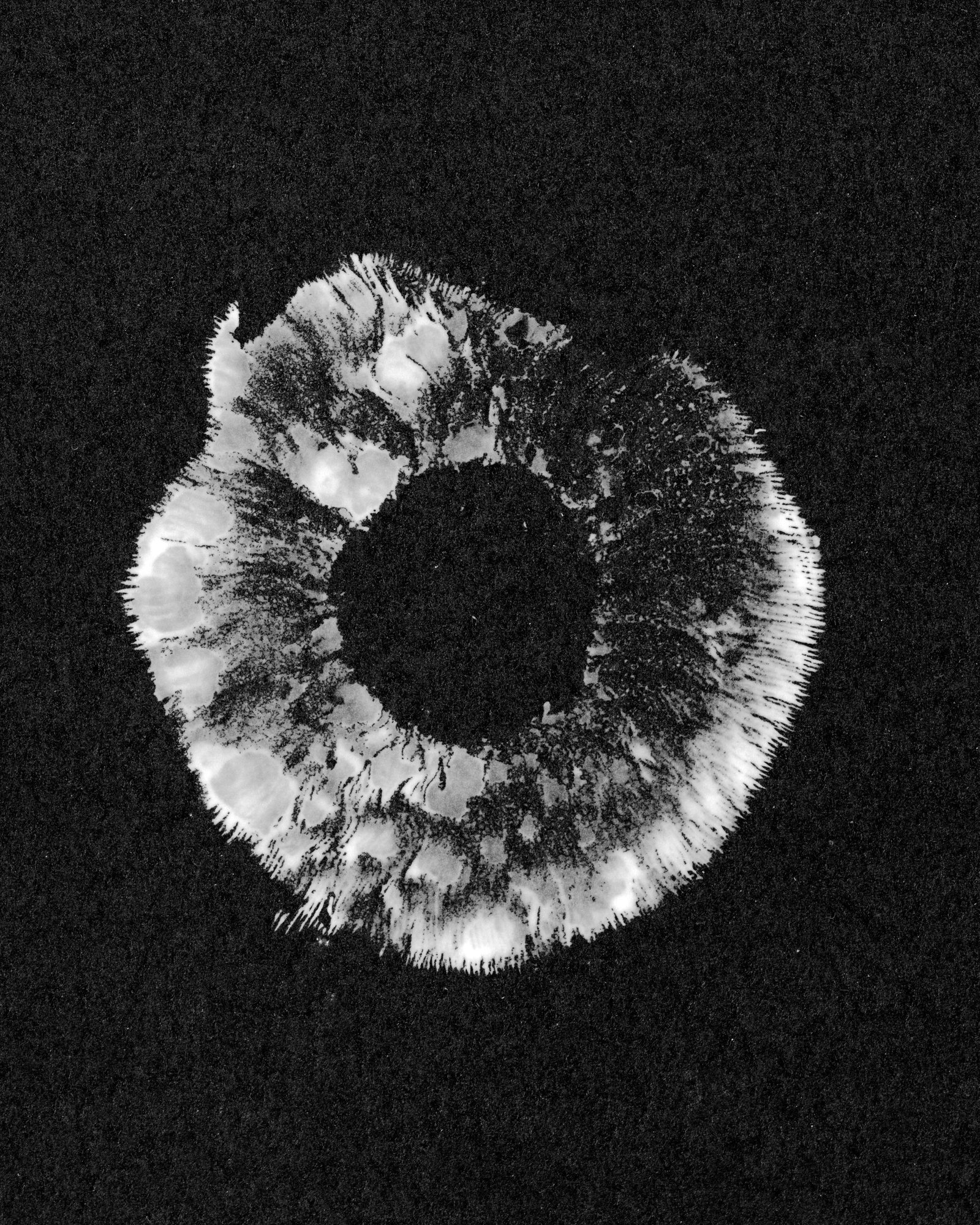
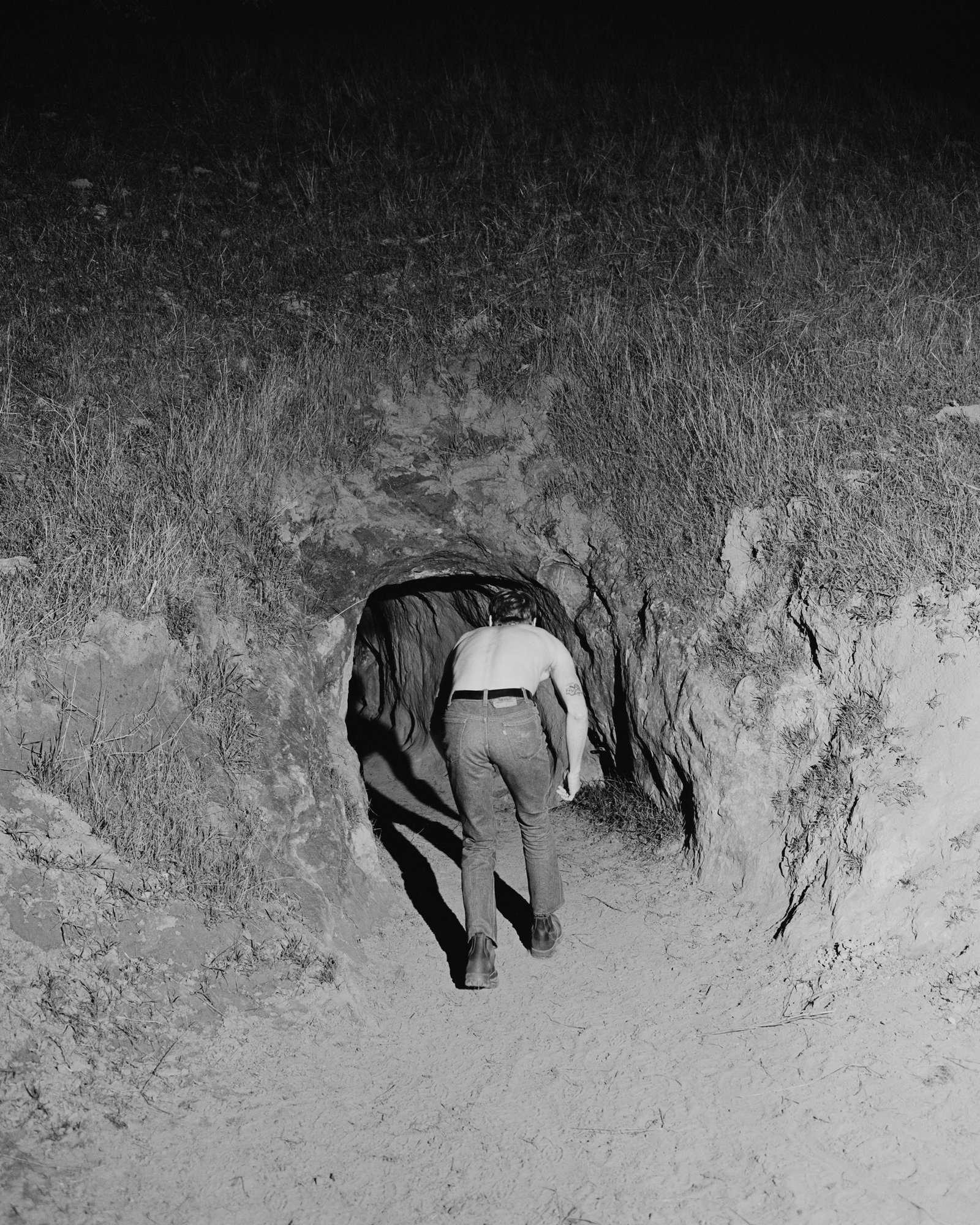
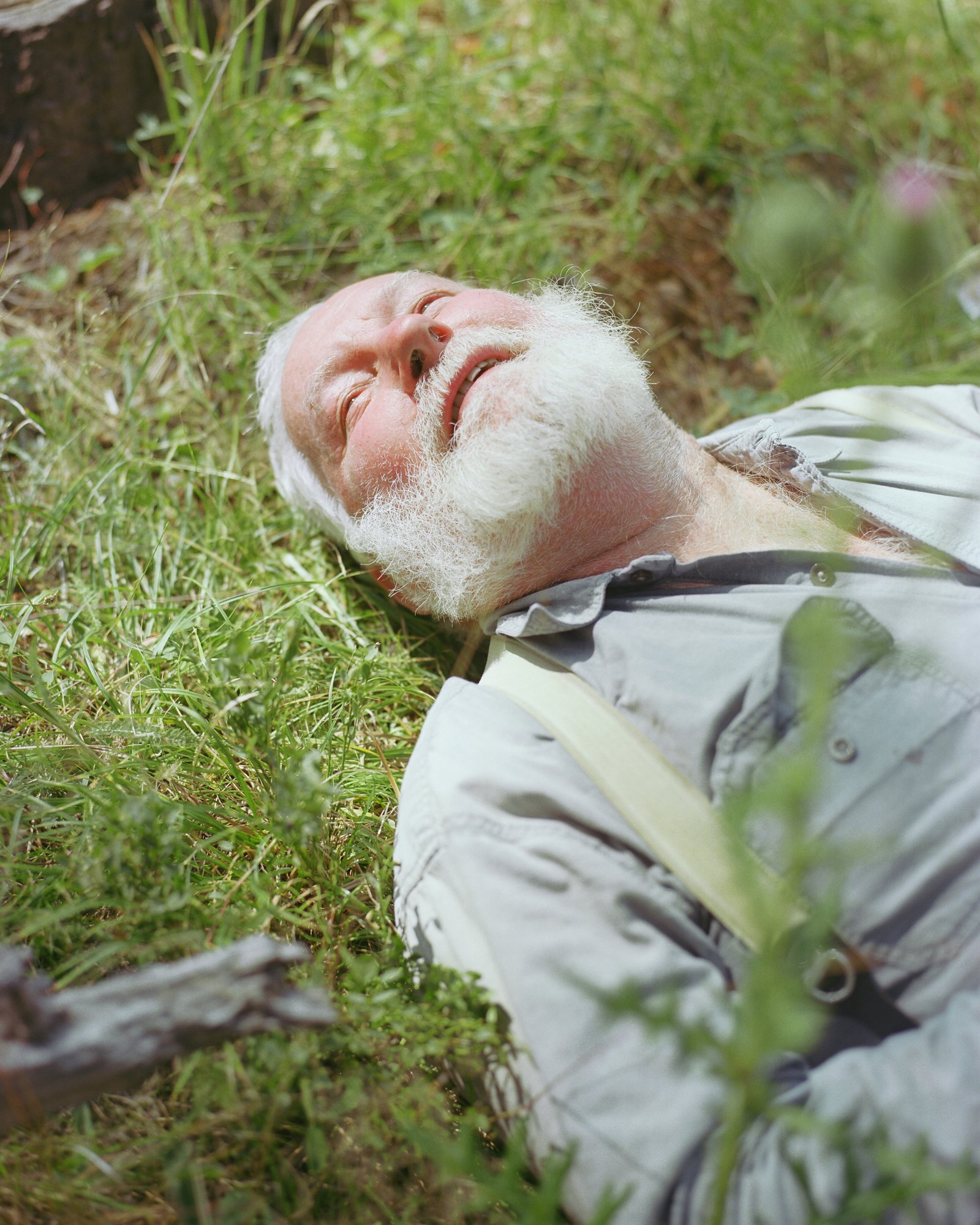
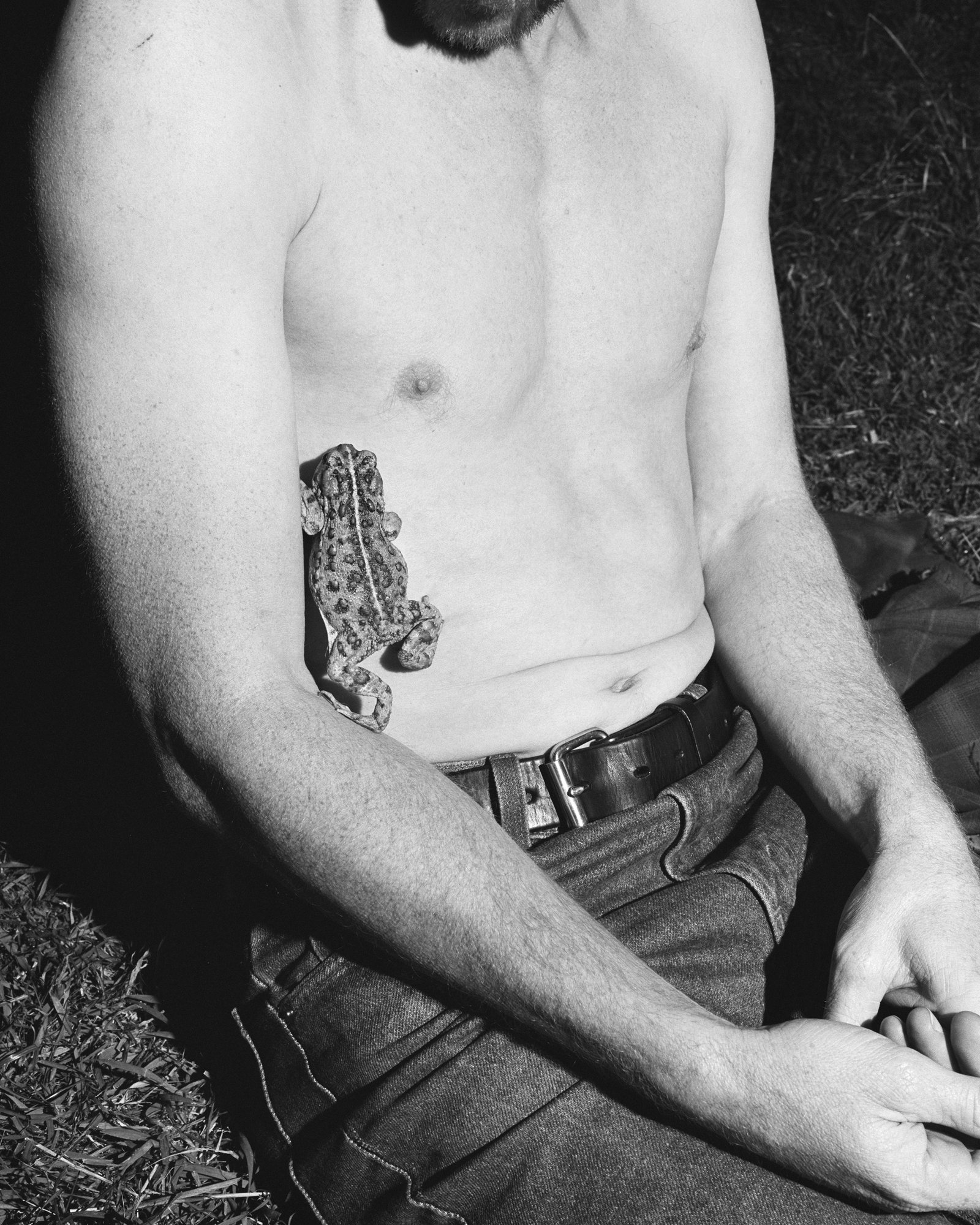
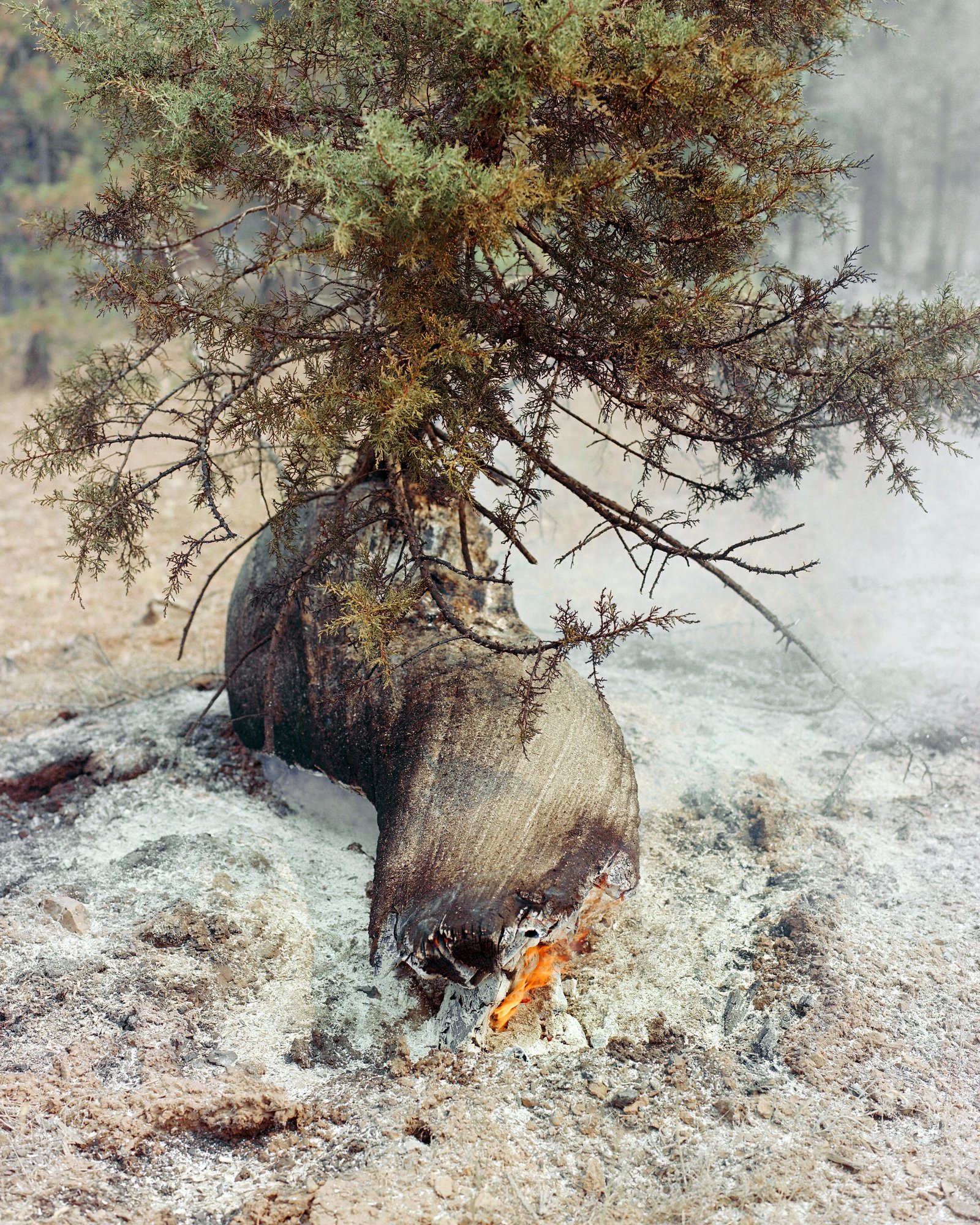
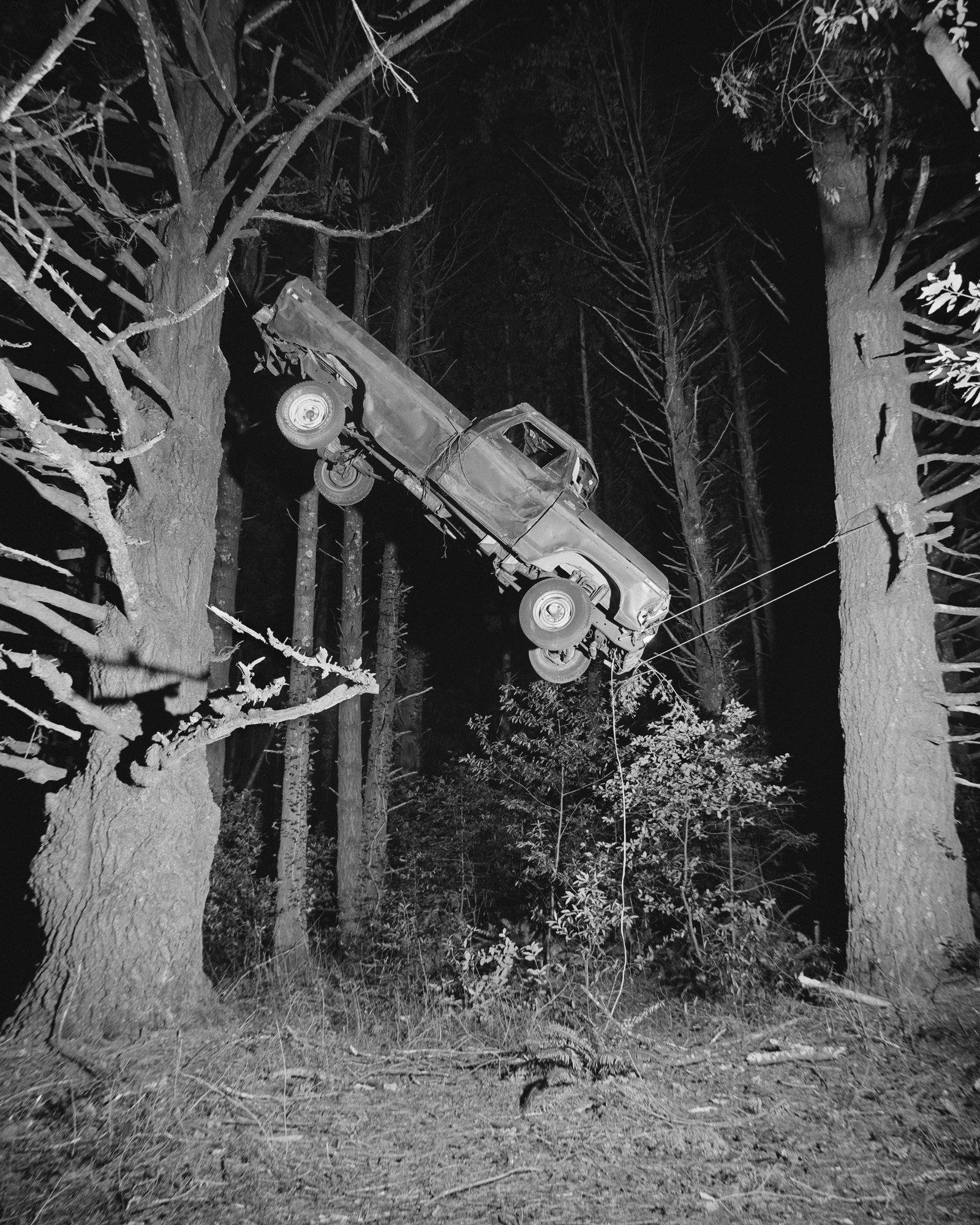
United States
Jonah Reenders
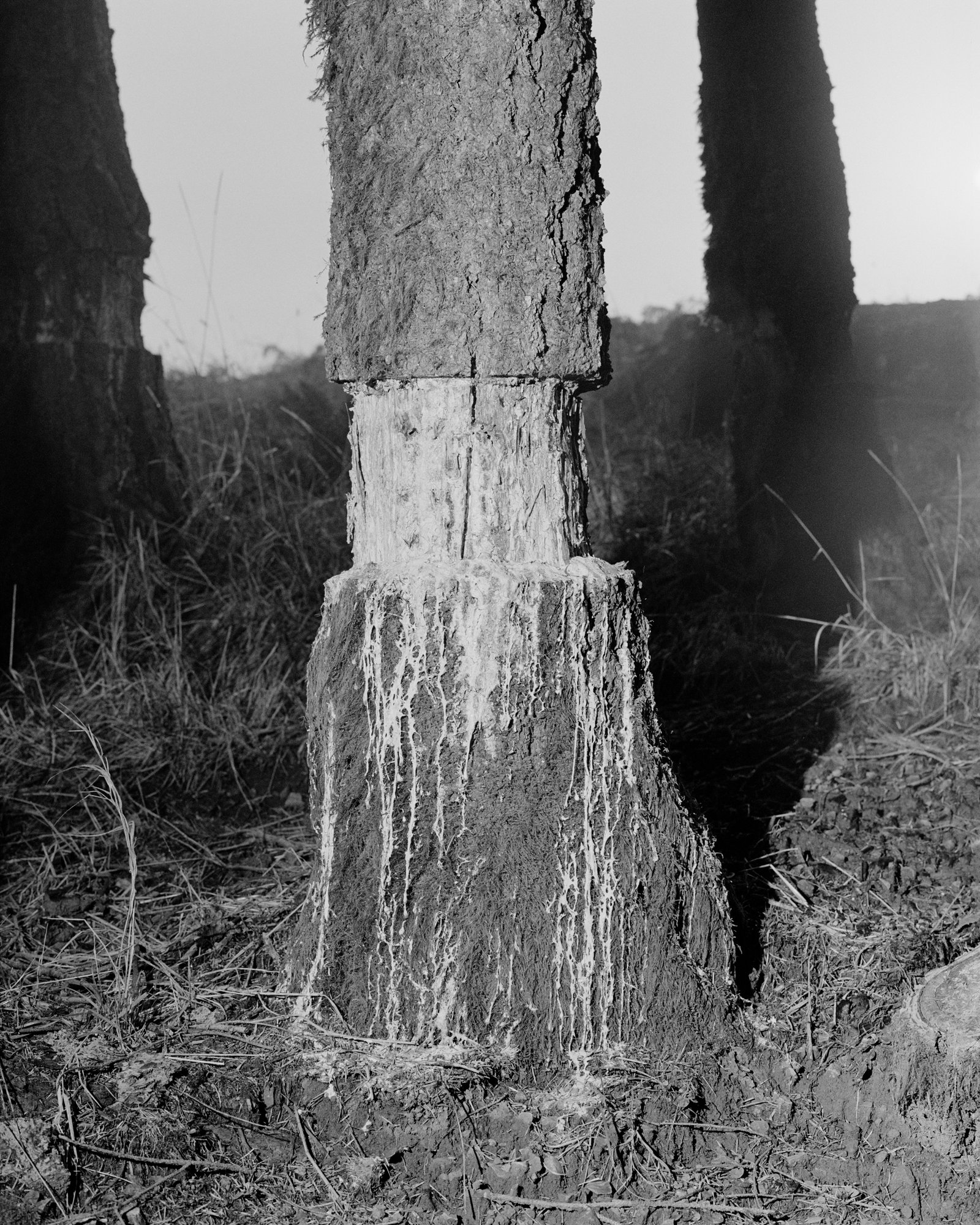
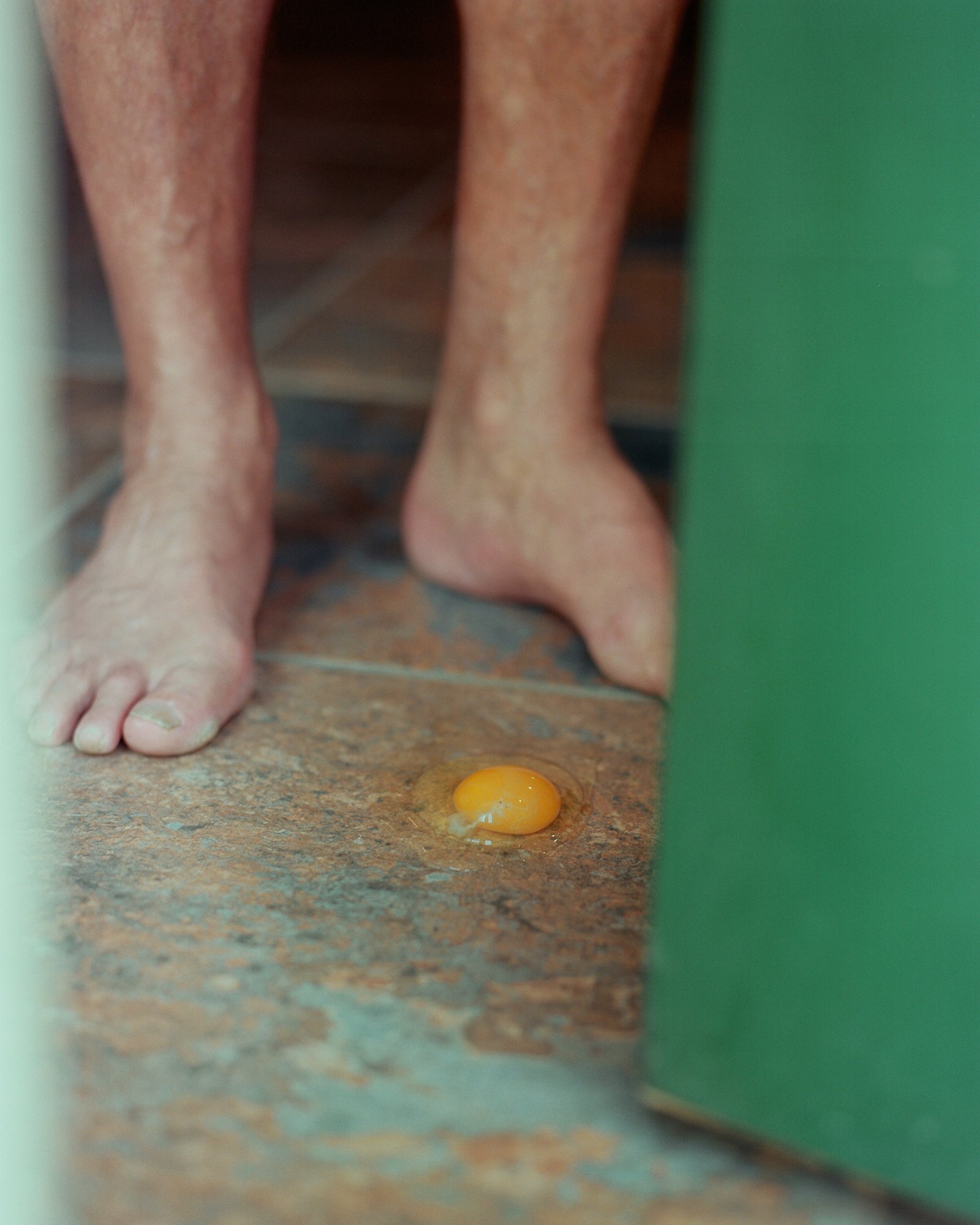
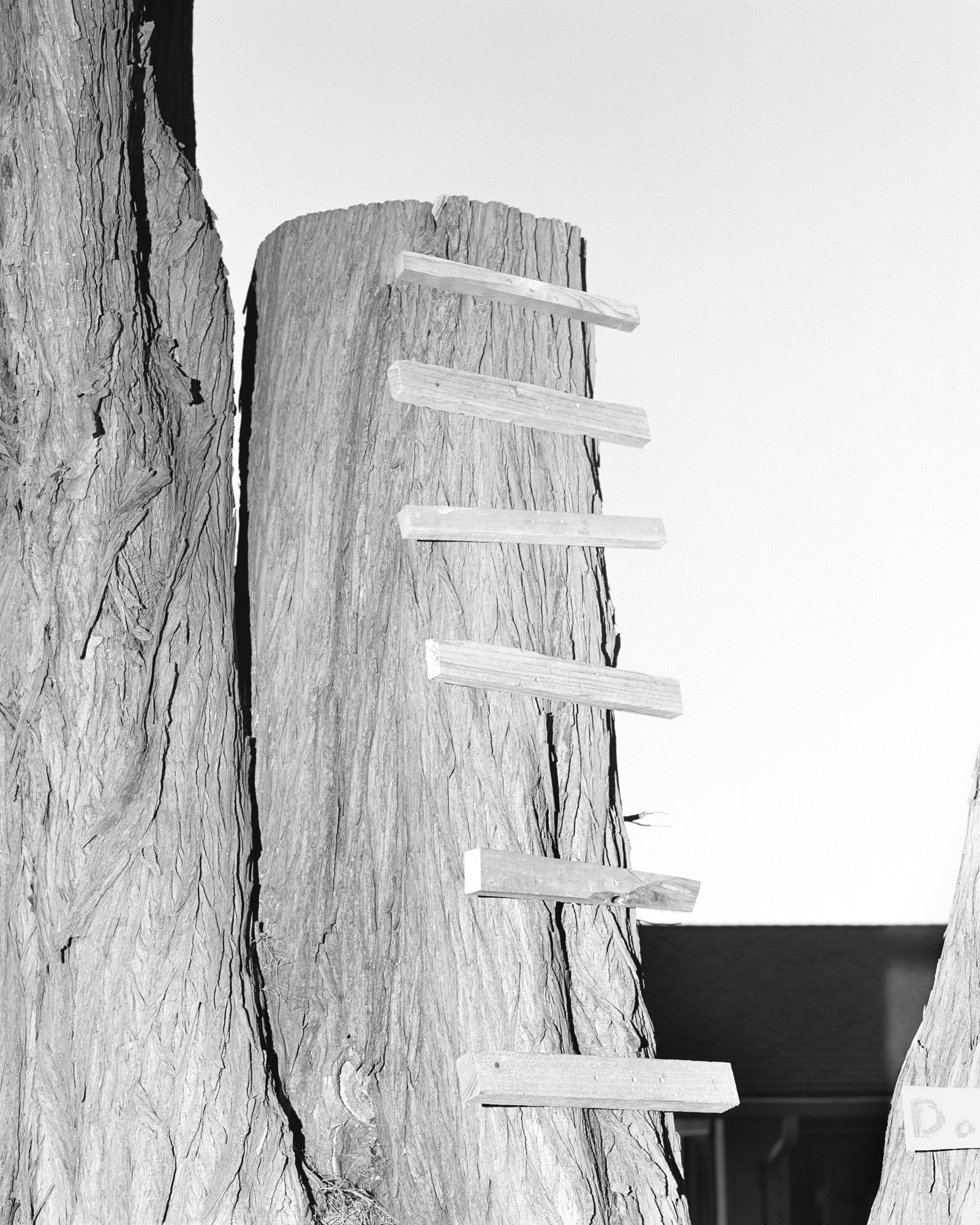
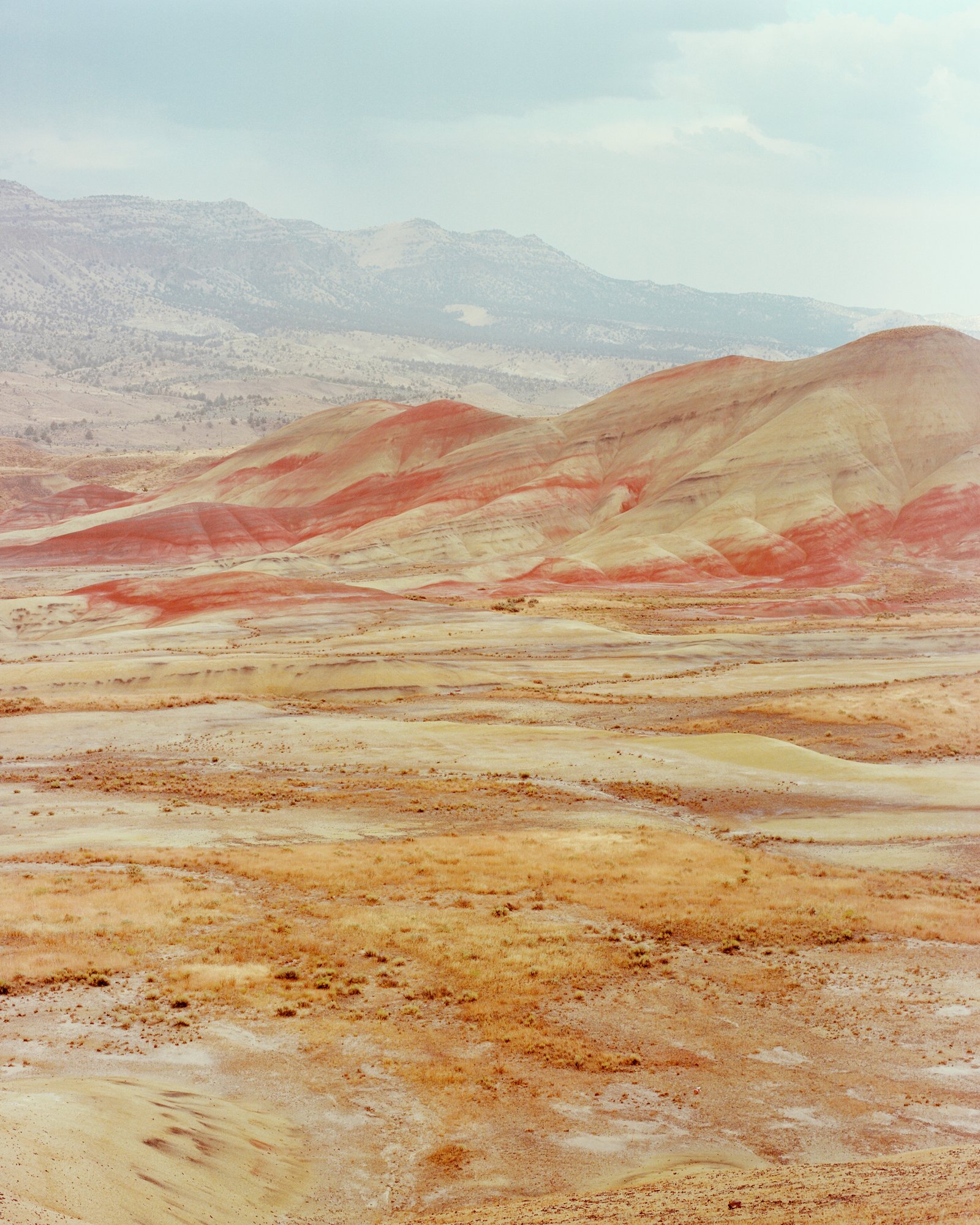
Armillaria
Series Winner
3rd Place
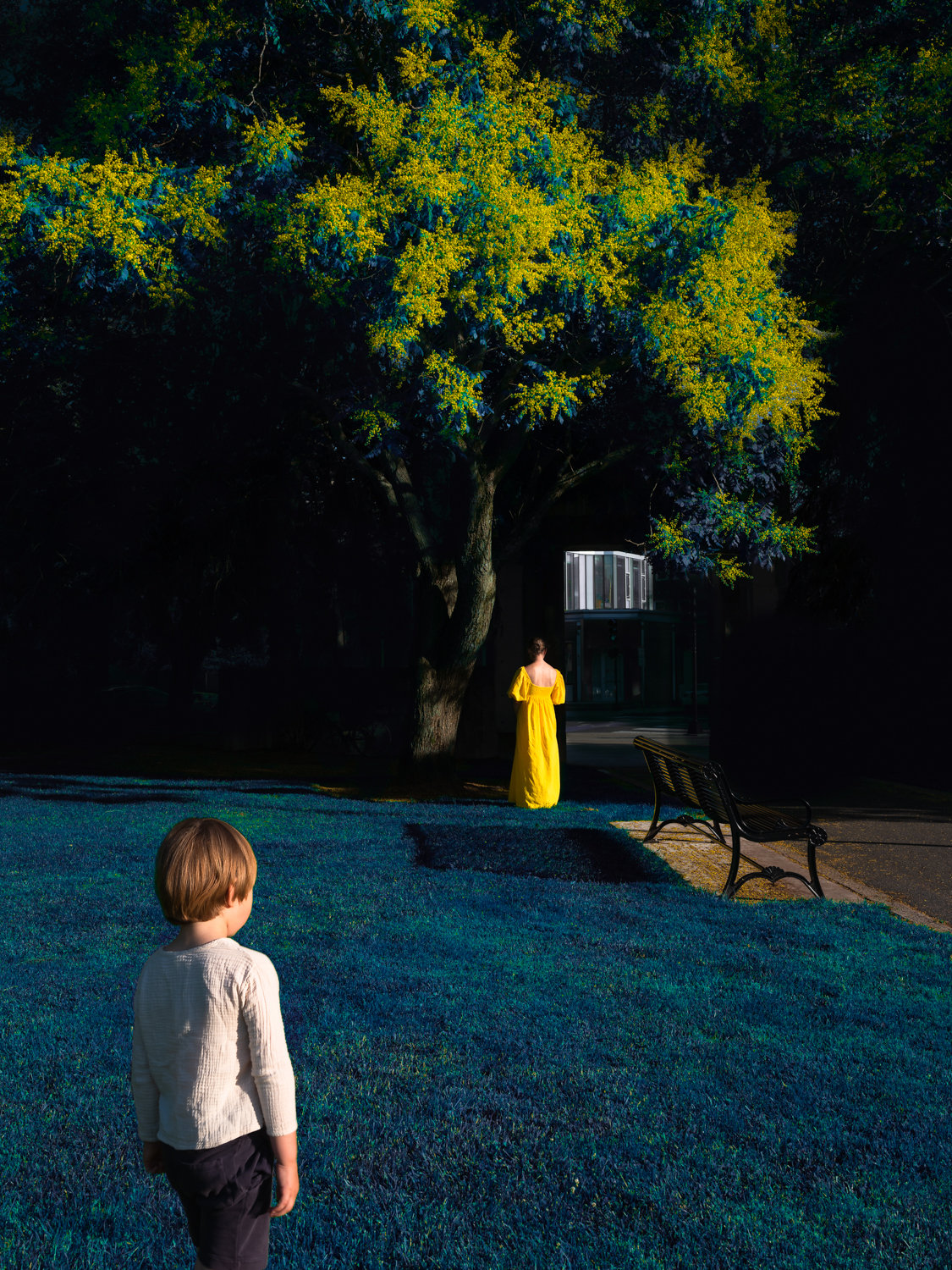
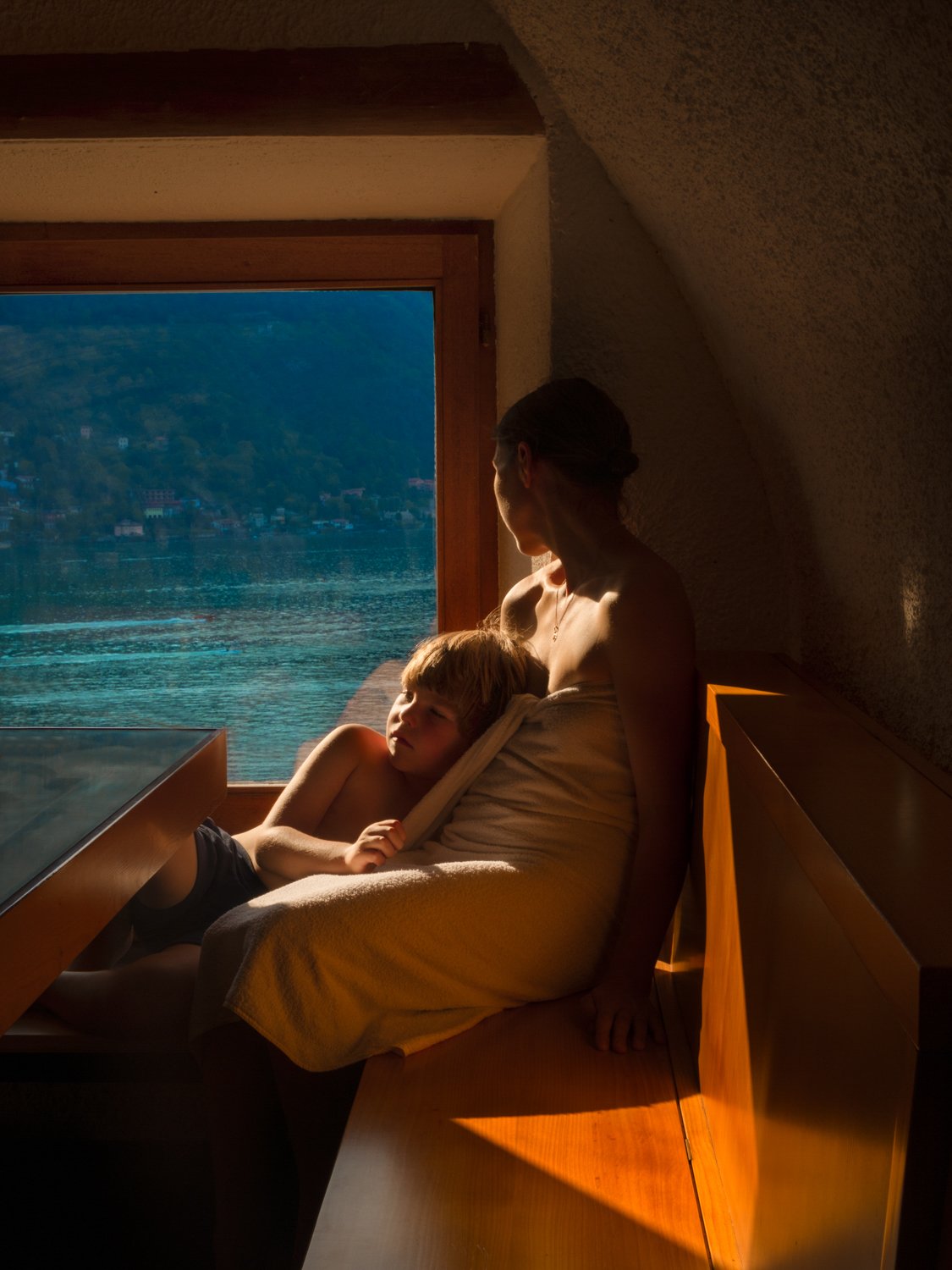
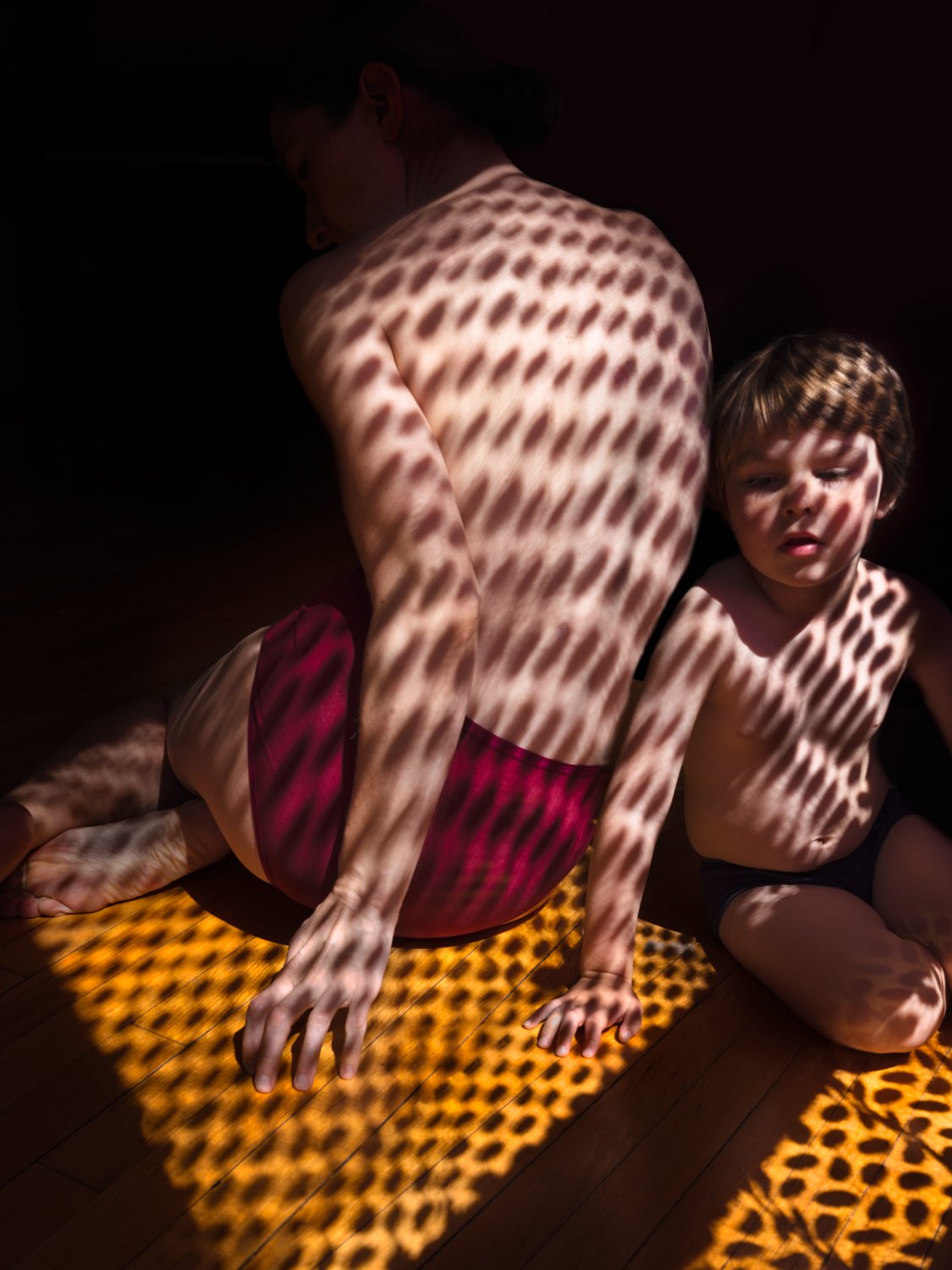
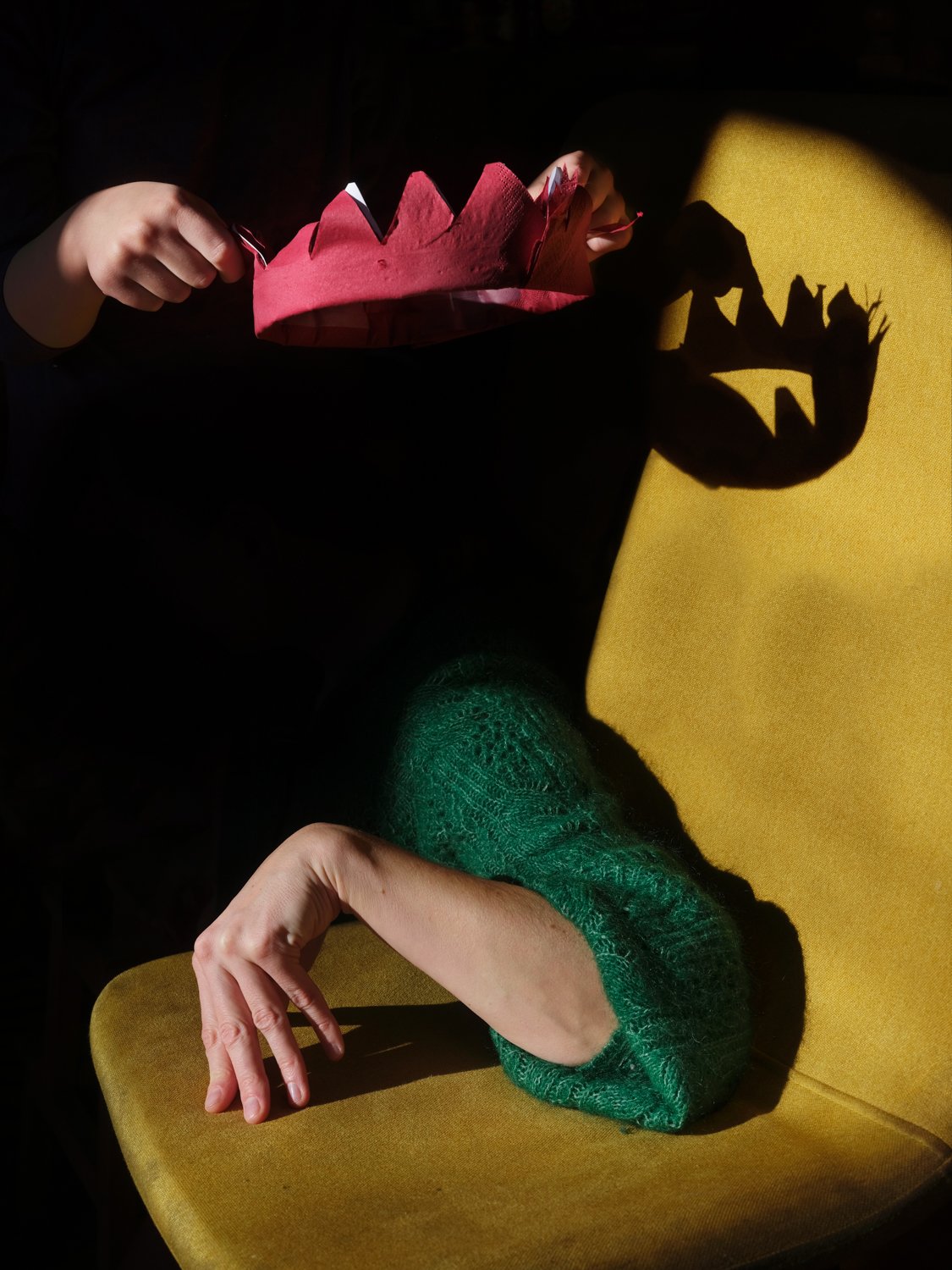
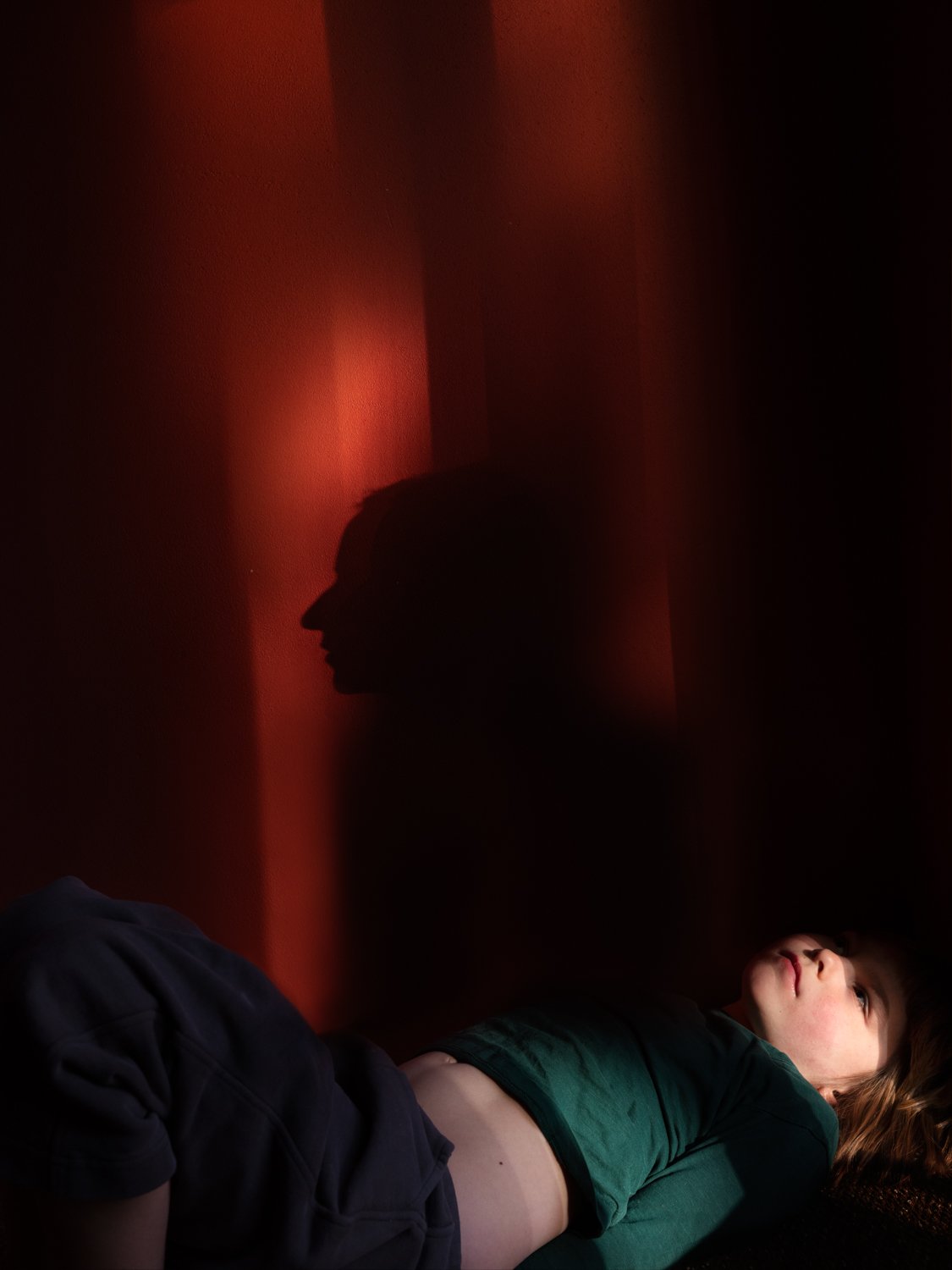
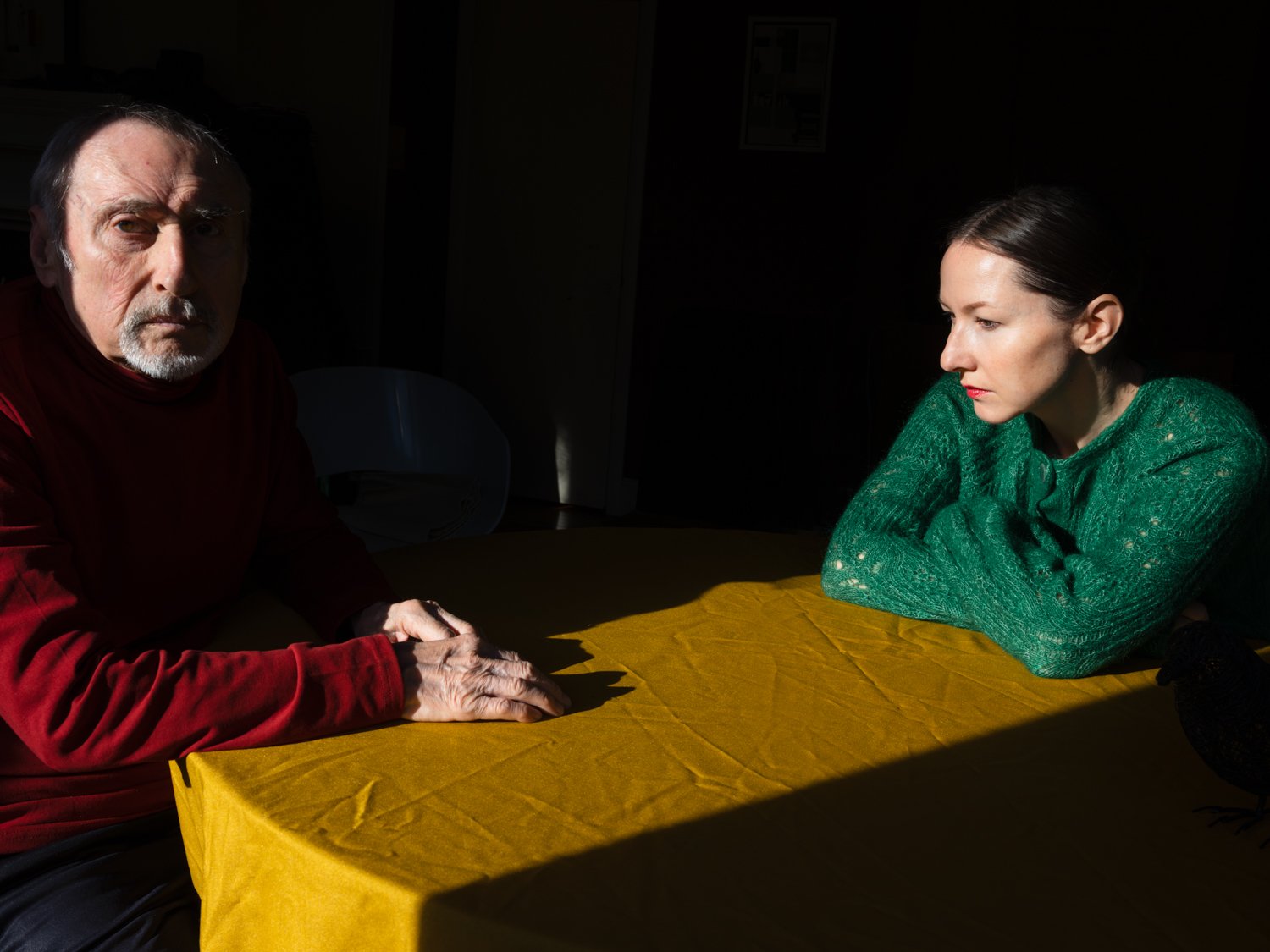
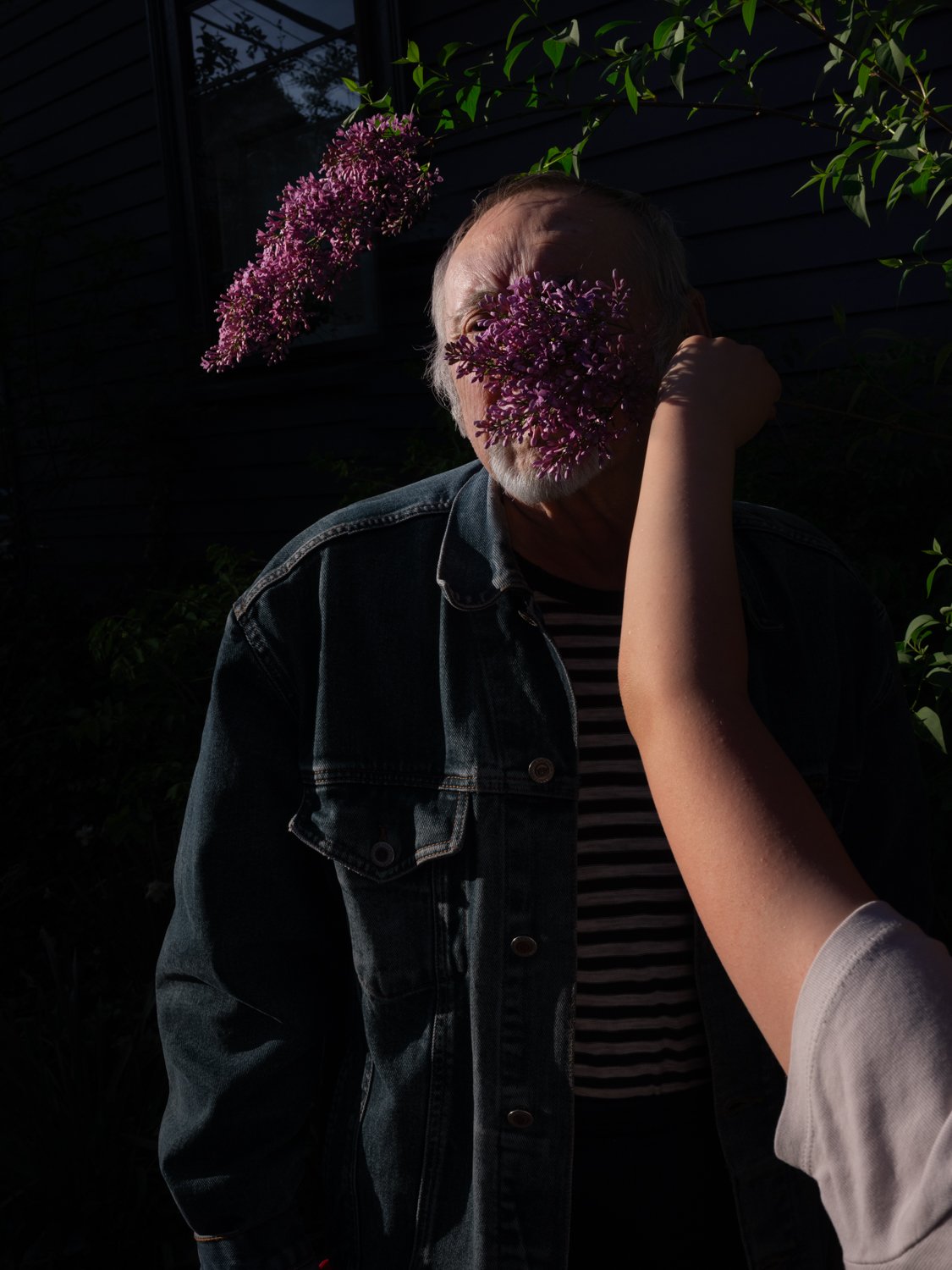
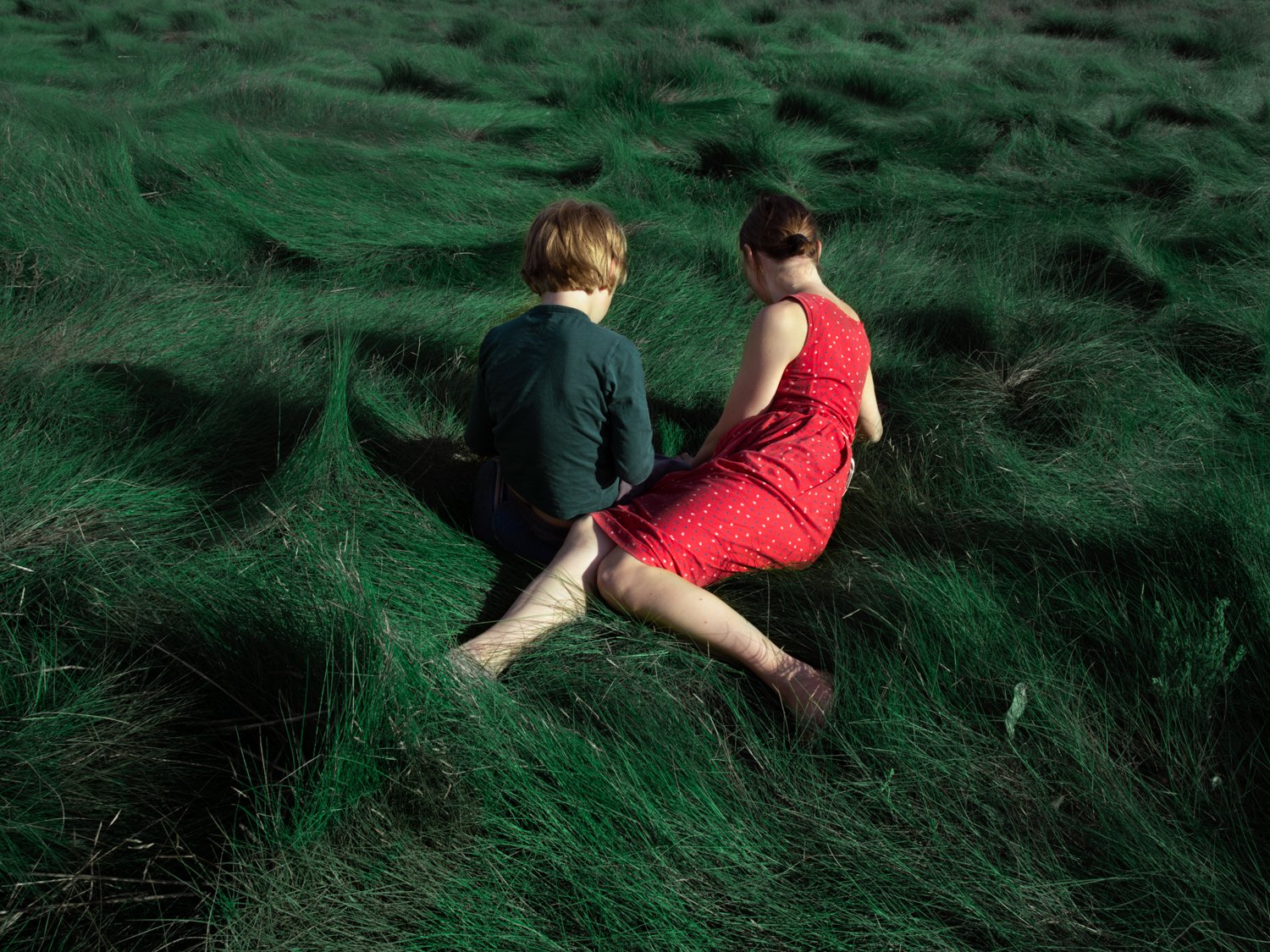
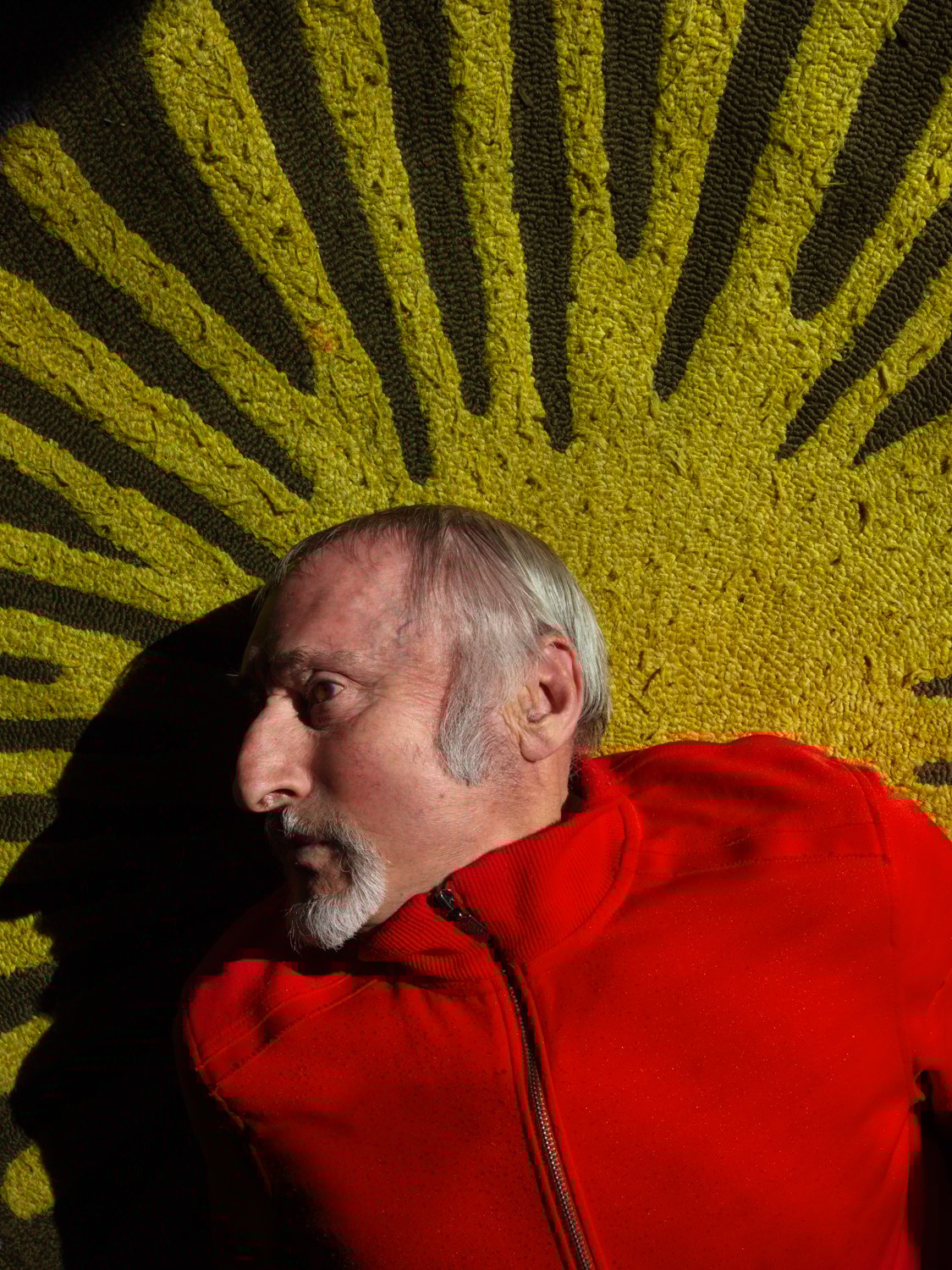
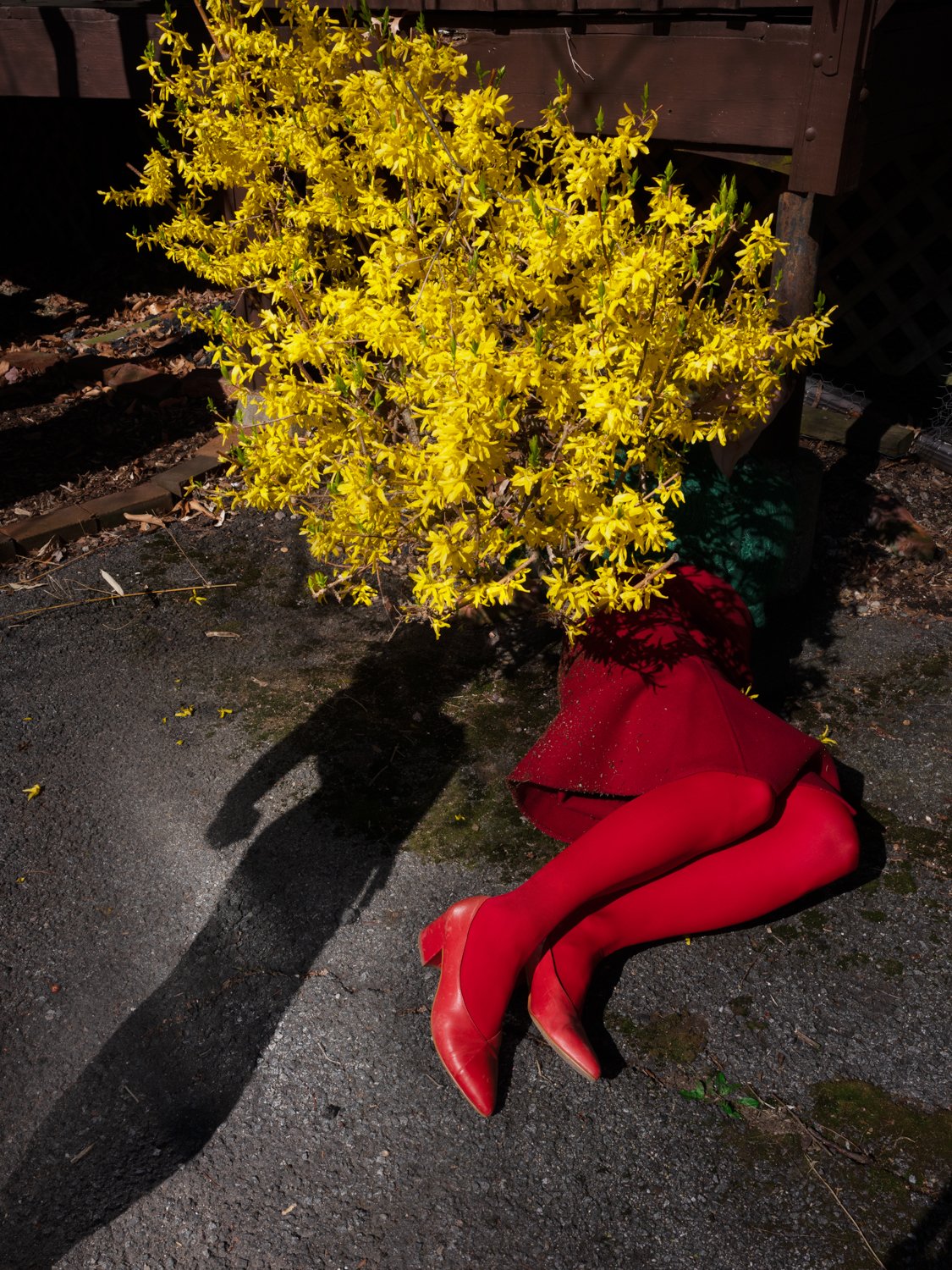
United States
Anastasia Sierra
The Witching Hour

The standard of all entries was exceptionally high, making the selection process both inspiring and challenging. It was particularly exciting to see how many artists explored common contemporary themes, often by reworking archive images and transforming existing photographs through techniques such as painting, stitching, and collage. ”
— Jessica Jarl, Global Director of Exhibitions, Fotografiska
Single Winner
1st Place
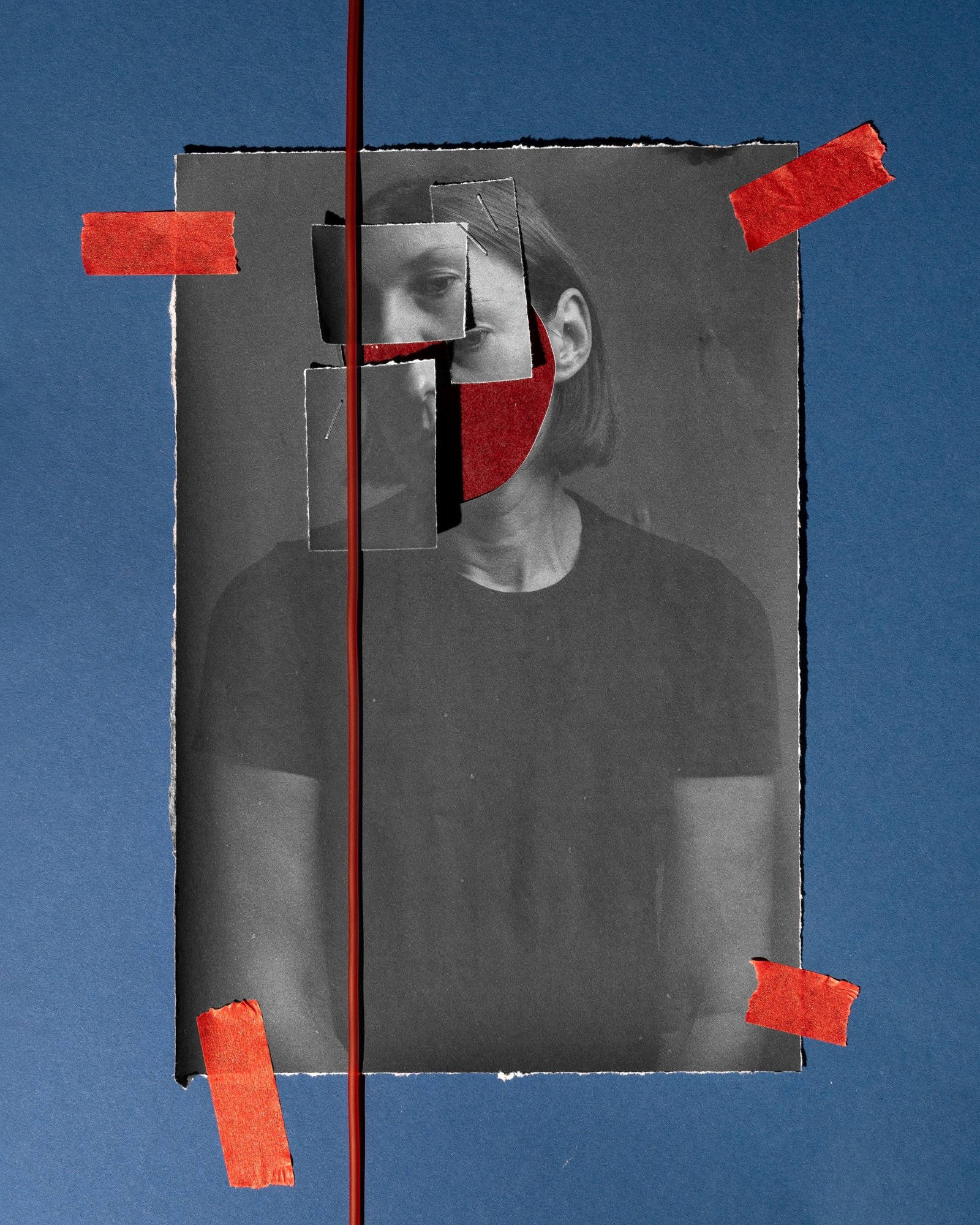
Slovenia
Alena Solomonova
Identity
Single Winner
2nd Place
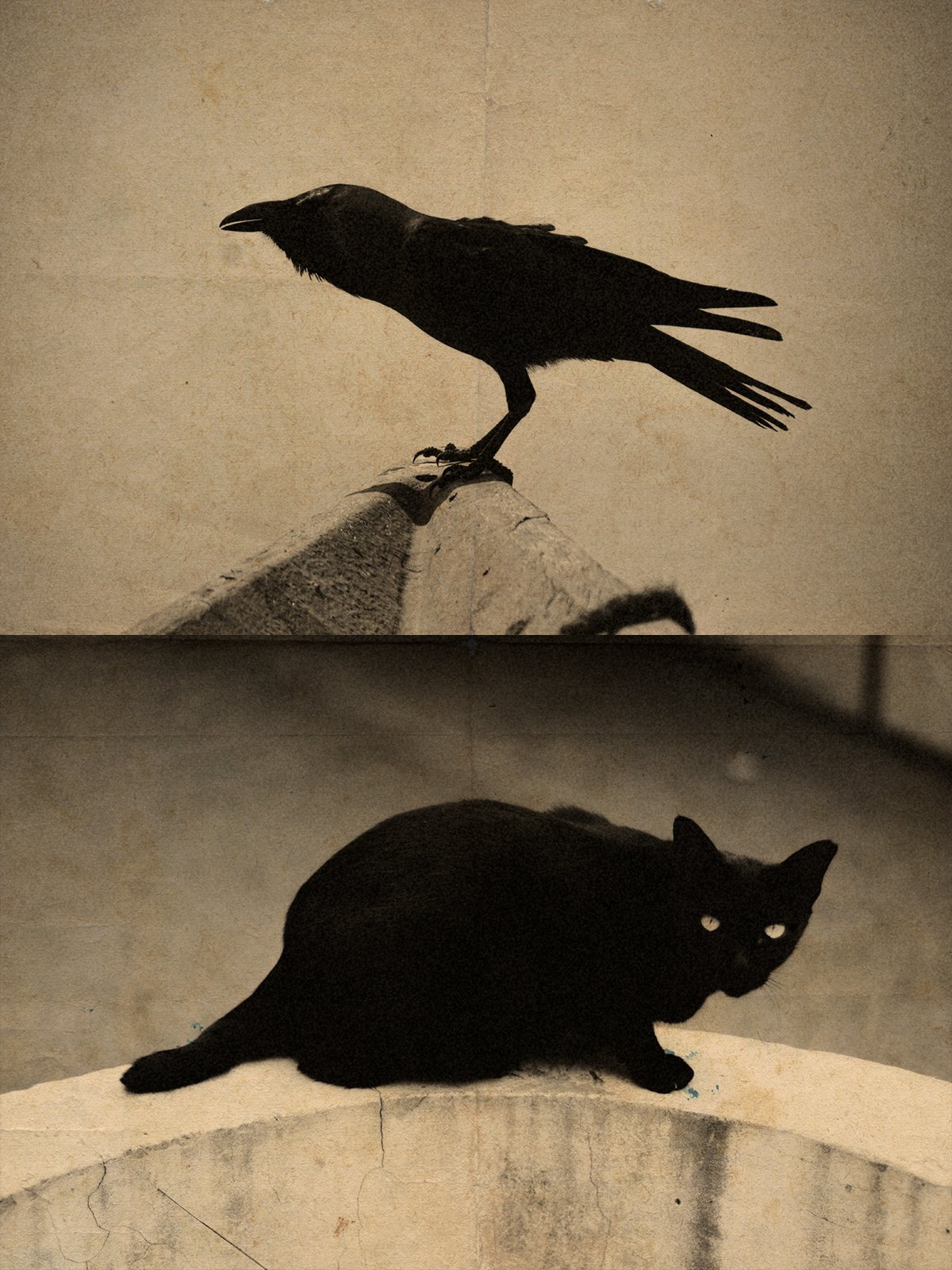
India
Mad Paule
Intimacy
Single Winner
3rd Place
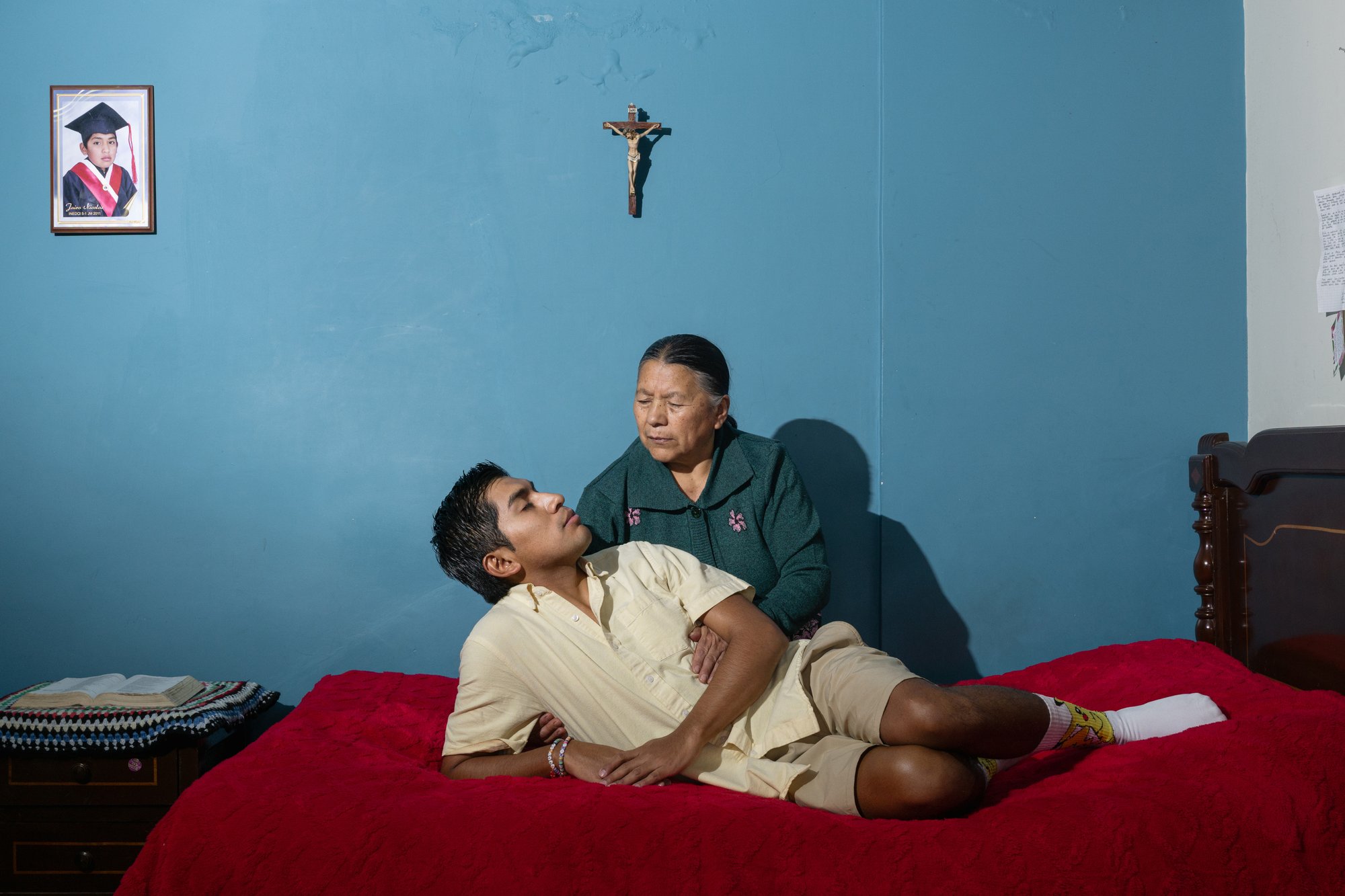
Colombia
Nicolas Bernal
Returning to You
Jurors’ Picks
Each of our jury members selected one photographer to be awarded special distinction. Here are the jurors’ special selections, with a brief quote from each expert explaining what they especially appreciate about these photographers and their work.
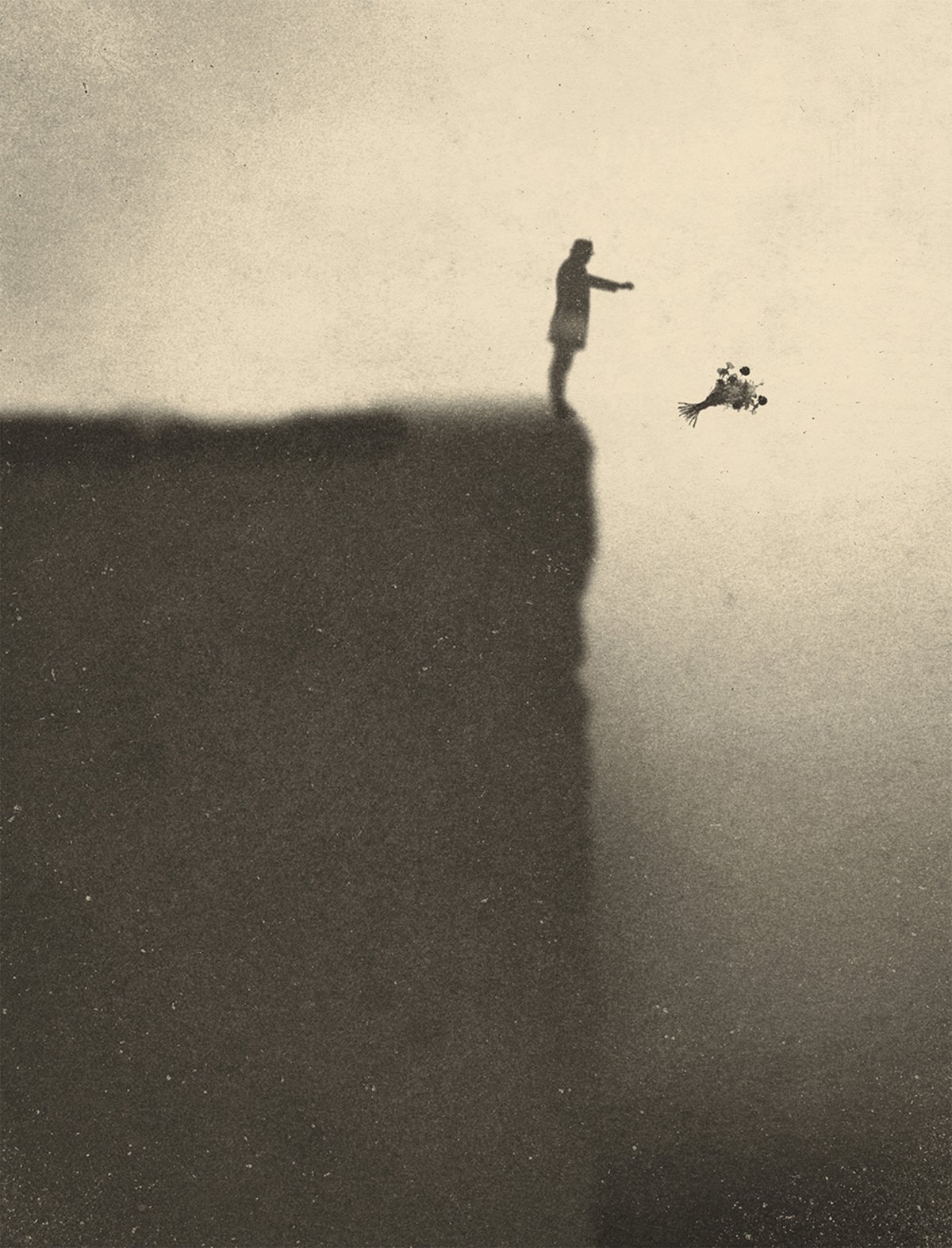
Antonio Carloni
Deputy Director Gallerie d’Italia
Italy
There are countless ways to describe a broken heart whose relationship has ended. Cesar Blay has chosen delicacy and surrealism. His images transport us to a world of tender feelings, where pain is present but does not destroy everything. Detachment, separation, and fatigue are described with the gentleness of someone who has experienced them but does not hate the person who is no longer there.
Resentment is kept out of this story, and the language is made up of black and white, imagination, and conceptual representation. It is a representation of a pain we have all felt, but which, with Cesar's images, could be explained to a child.
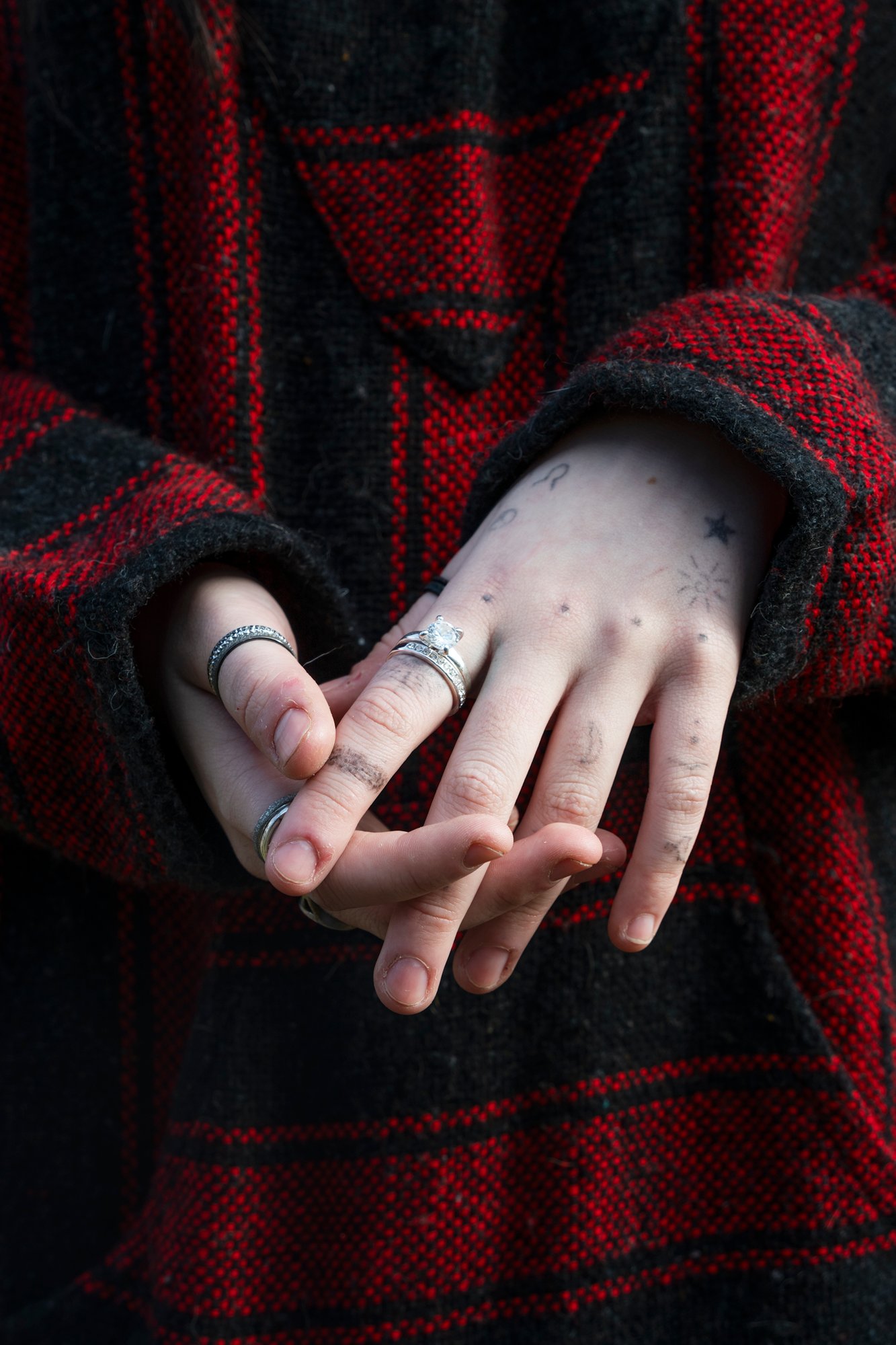
Jim Casper
Editor-in-Chief LensCulture
The Netherlands
I appreciate the care and artfulness that went into creating this series, Pinfeathers, by Chloe Ronco. At first glance these pictures might all appear to be rather straightforward photographs, but each one demonstrates the power of photography when all of the elements come together— the composition, the lighting, the comfortable and authentic interactions. Coupled with the backstory of the four women in this family (the photographer, her two younger sisters, and their mother), this nuanced sequence and edit drives home a sense of understanding and compassion that stays with the viewer.
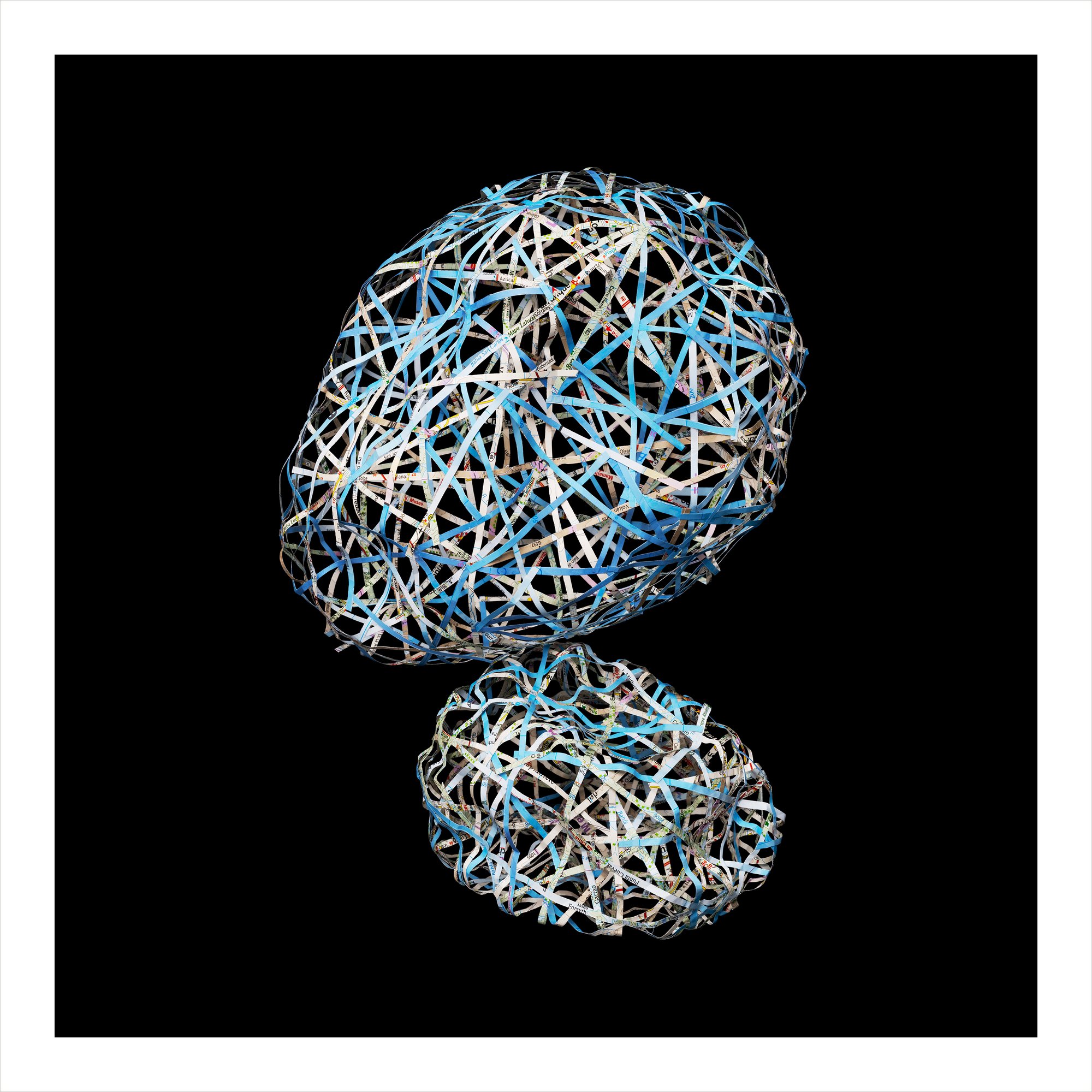
Jen Tse
Community Manager Adobe
United States
From concept to execution, Linda’s work struck me as both meticulous and thought-provoking. It recognizes two-dimensional political maps as literal flattenings of complex, lived realities, then intervenes by adding sculptural depth, only to re-flatten those forms through photography. Her images are at once a statement on the inadequacy of artificial borders to convey the immensity of human experience and struggle across cultural, historical, and ecological dimensions, while also acknowledging the limits of photography in bringing that complexity into view.
Michael Famighetti
Editor Aperture
United States
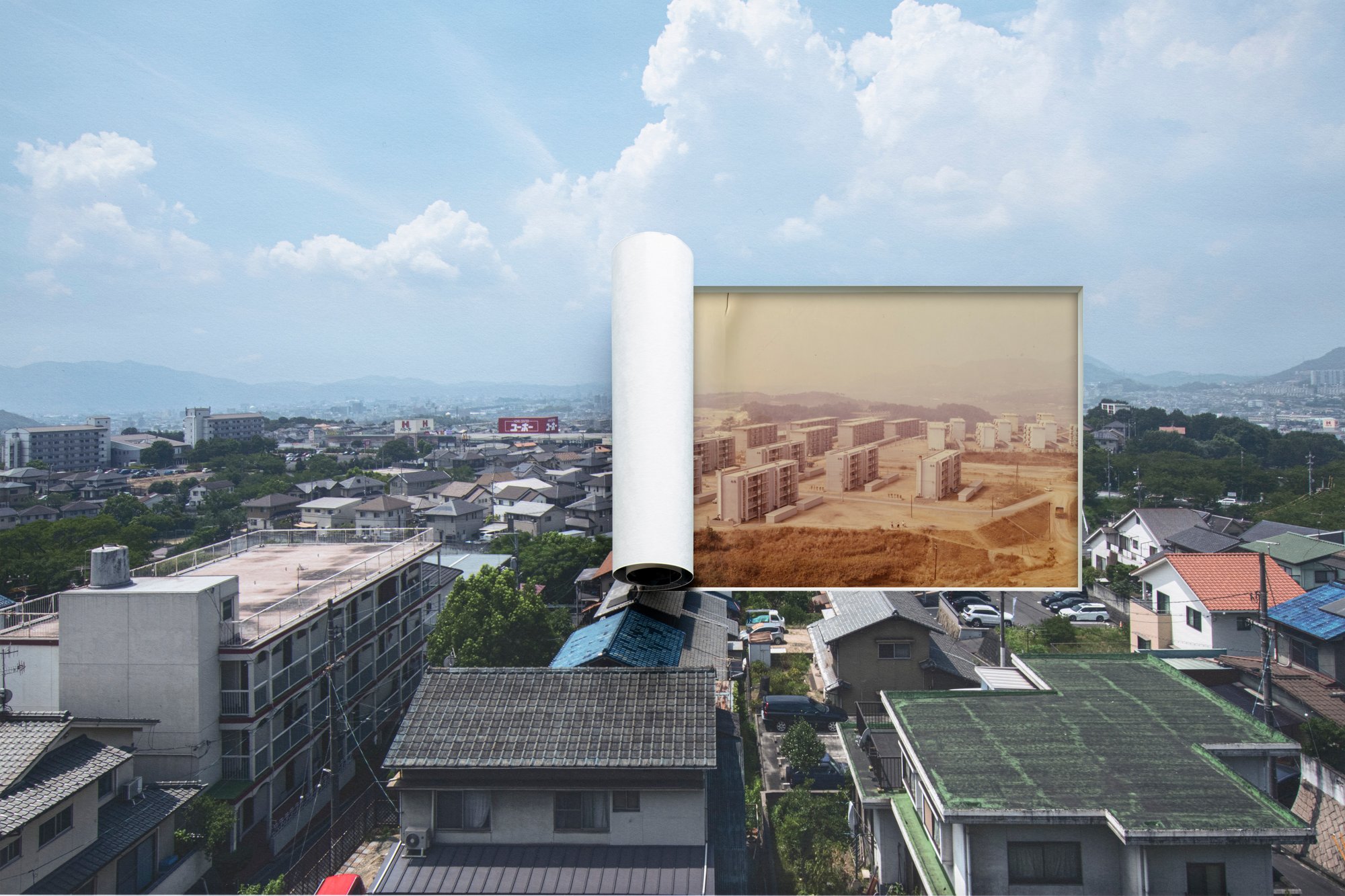
Japan’s topography has continually been redrawn due to natural disaster, war, and rapid economic growth. Seido Kino’s ongoing project, “The Strata of Time,” presents photographs as palimpsests, collapsing archival images against contemporary backdrops to explore moments of industrial advancement, urban transformation, and cultural change. In his work, two still images brought together are anything but static, revealing dramatic change.
Andrew Kung
United States
Jessica Jarl
Global Director of Exhibitions Fotografiska
Sweden
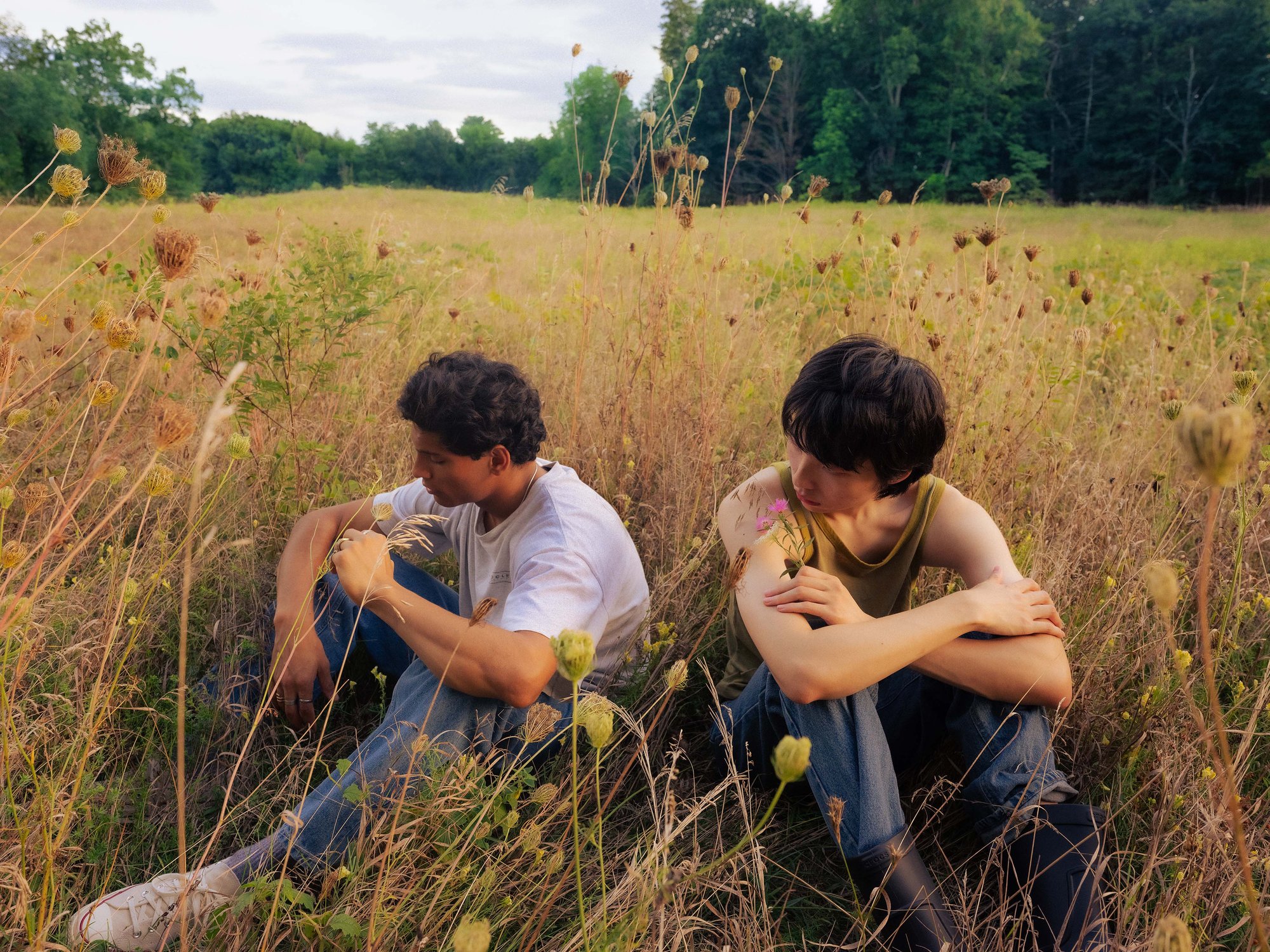
As my jury pick, I chose Andrew Kung’s series A River Once Dreamed. It is an intimate and visually strong series that explores belonging, masculinity, and friendship with the Hudson River as its backdrop. The young men’s warm and close relationship with each other, and their presence in the landscape, feels like a reconquest of the place, where both the men and the land hold equal weight in the story. For me, this is a significant project that touches on questions of identity, masculinity, and the human relationship to a place and its heritage.
Emmi Minkkinen
Finland
Selected by
Eugenia Macias Guzmán
Curator Instituto Nacional de Antropología e Historia (INAH) and Centro de la Imagen, Mexico
Eugenia Macias Guzmán
Curator Instituto Nacional de Antropología e Historia (INAH) and Centro de la Imagen, Mexico
Mexico
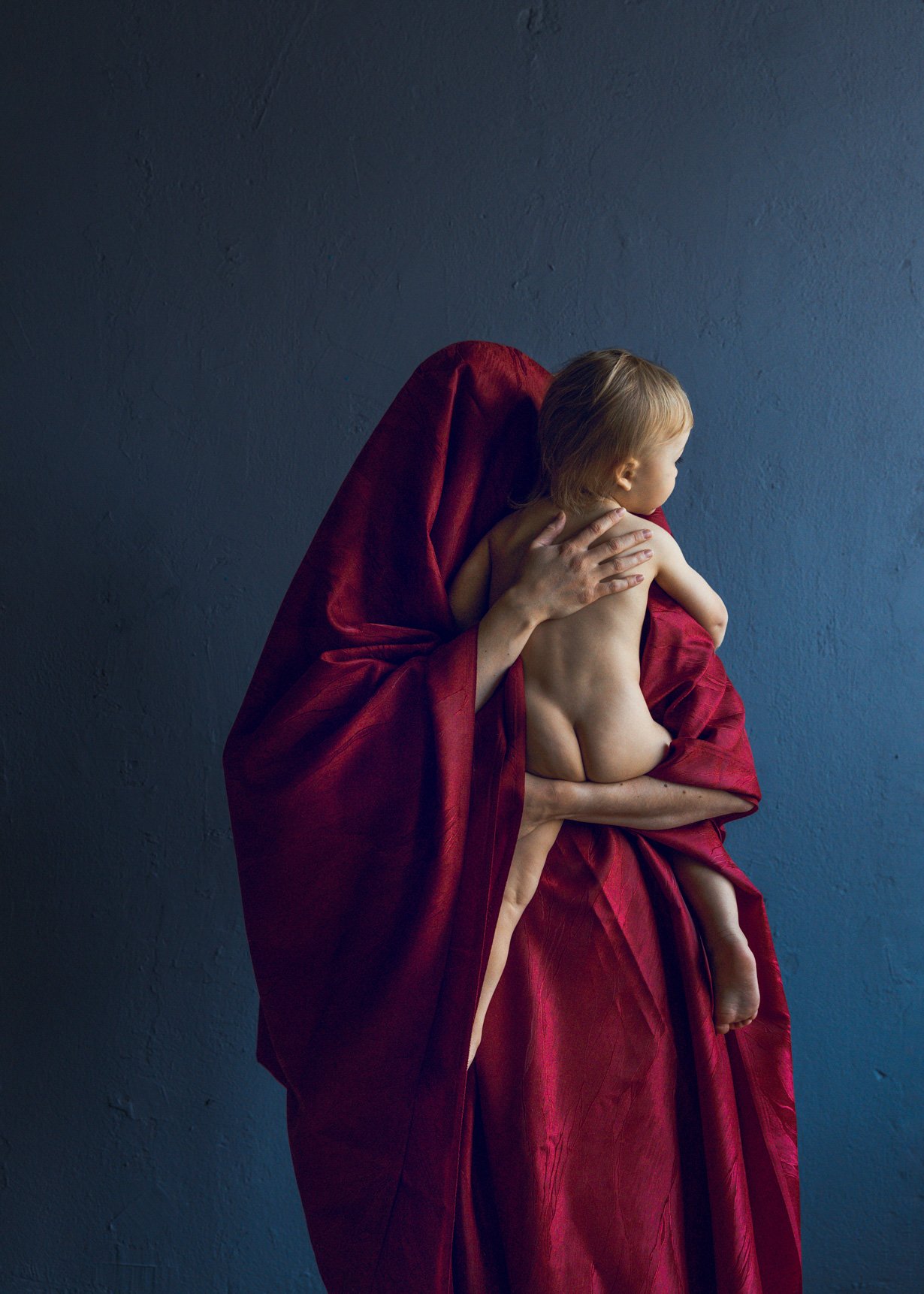
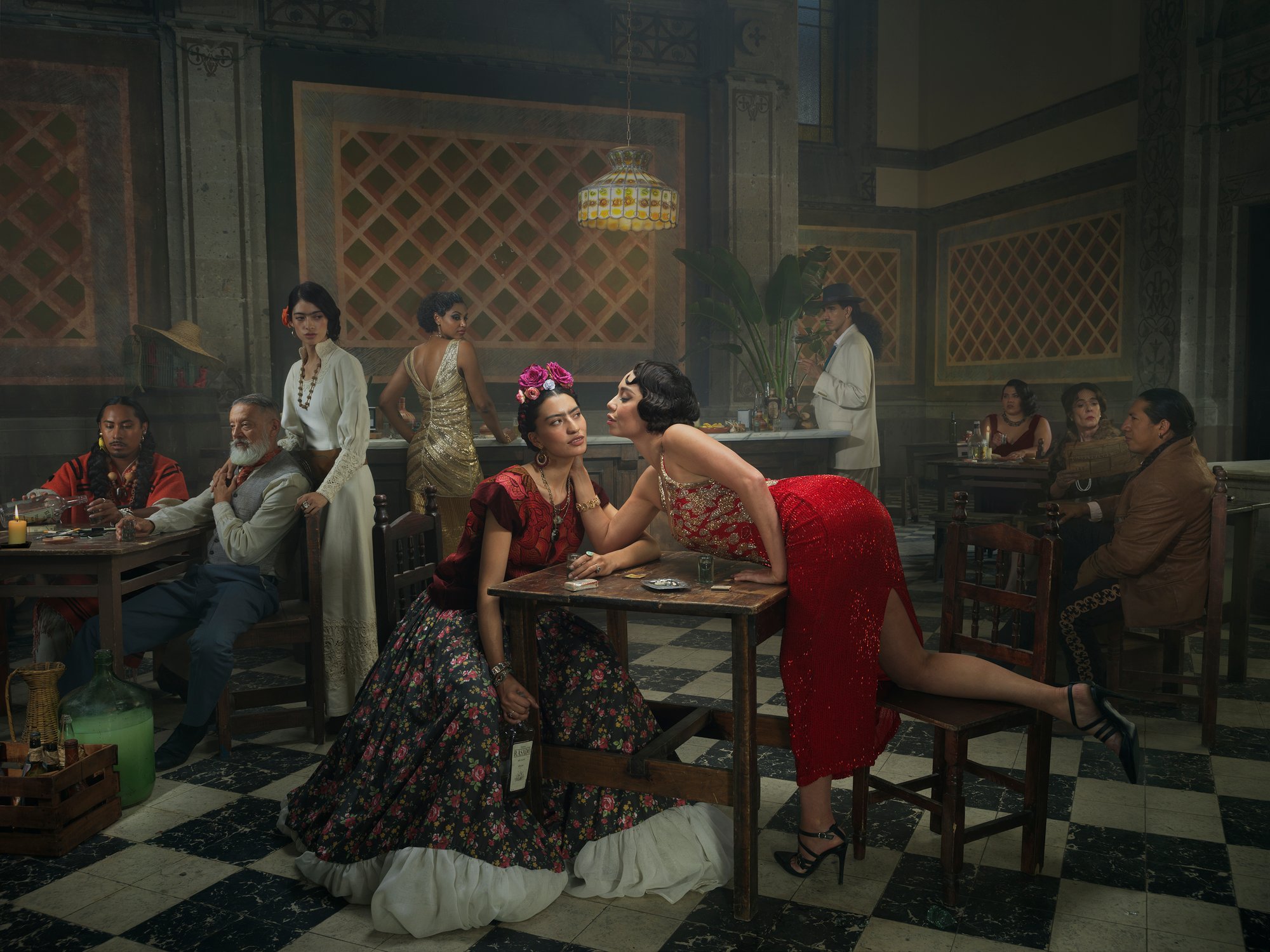
In this series, several important processes converge simultaneously in the visual: references to historical photographic and visual arts genres, the practice and experimentation of the photographic craft, and a relevant and current social critique linked to gender, motherhood and feminism.
Pippa Filippa
The Netherlands
Mick Moore
CEO & Creative Director British Journal of Photography
United Kingdom
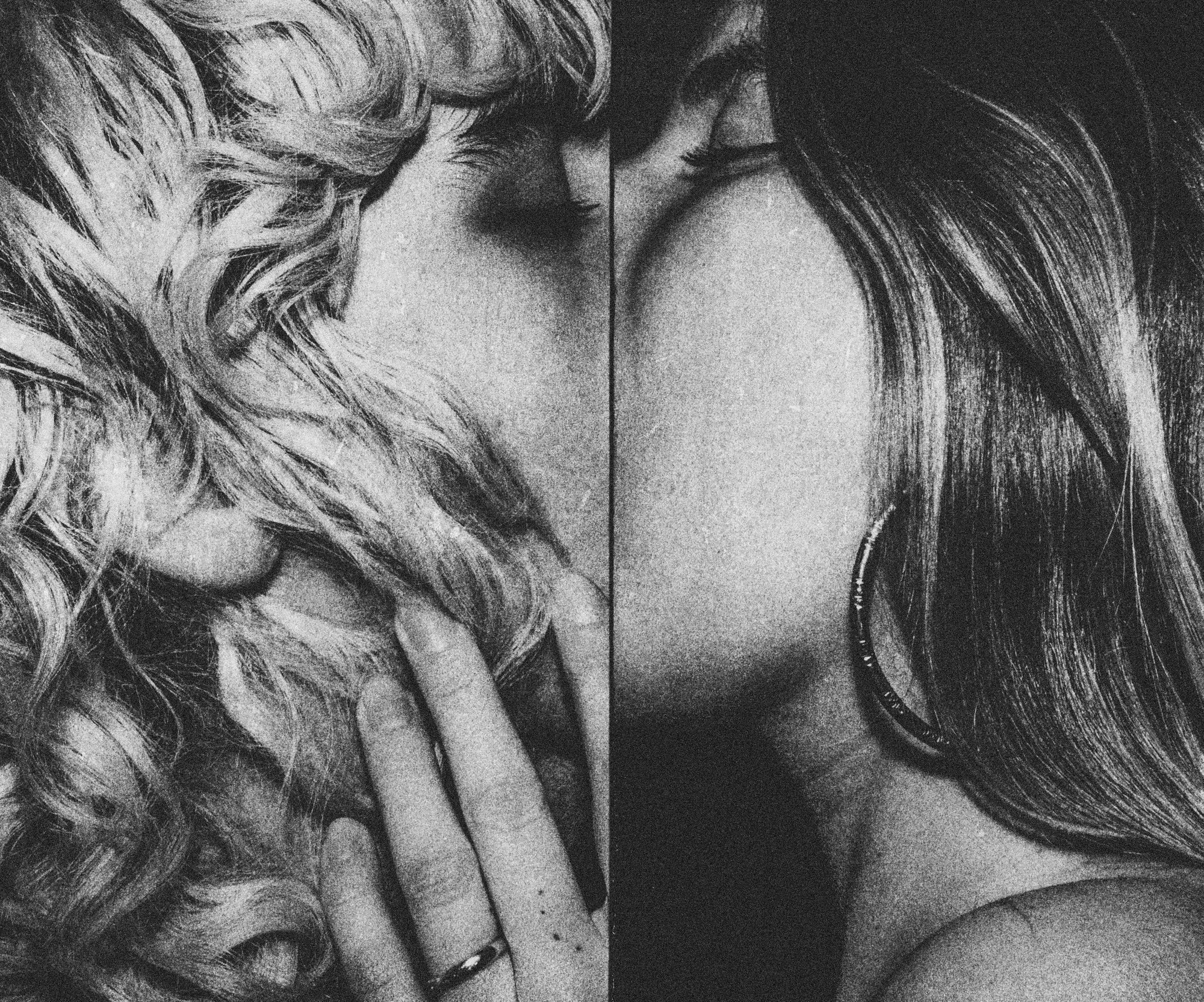
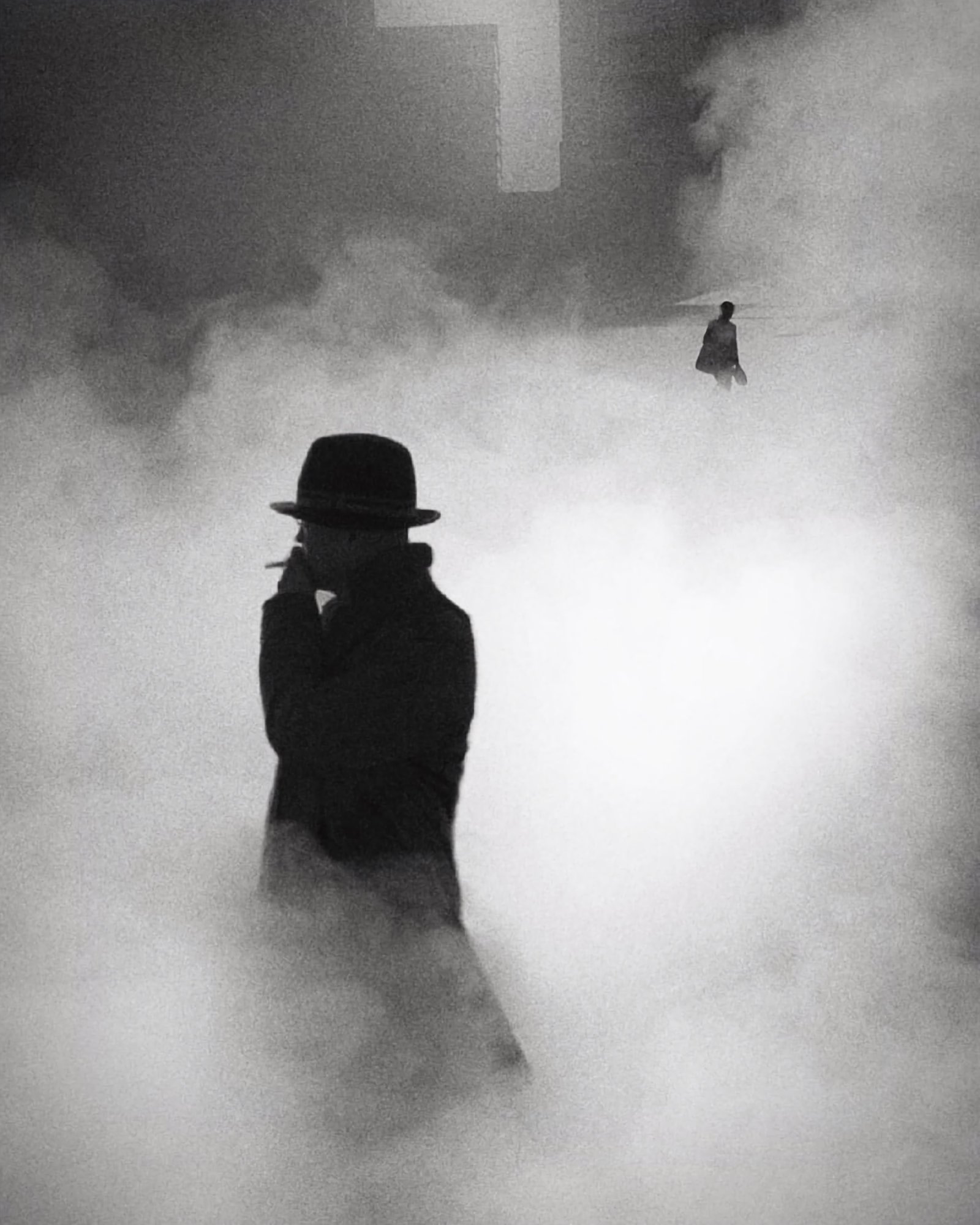
I chose this image for its stark, grainy quality and raw visual texture. The cut-up composition and sense of ambiguity make the work feel unresolved in an engaging way. It resists being overly polished, carrying a subtle, almost Xerox-like aesthetic. Yet within this roughness, the image holds a strong sense of energy and emotional charge.
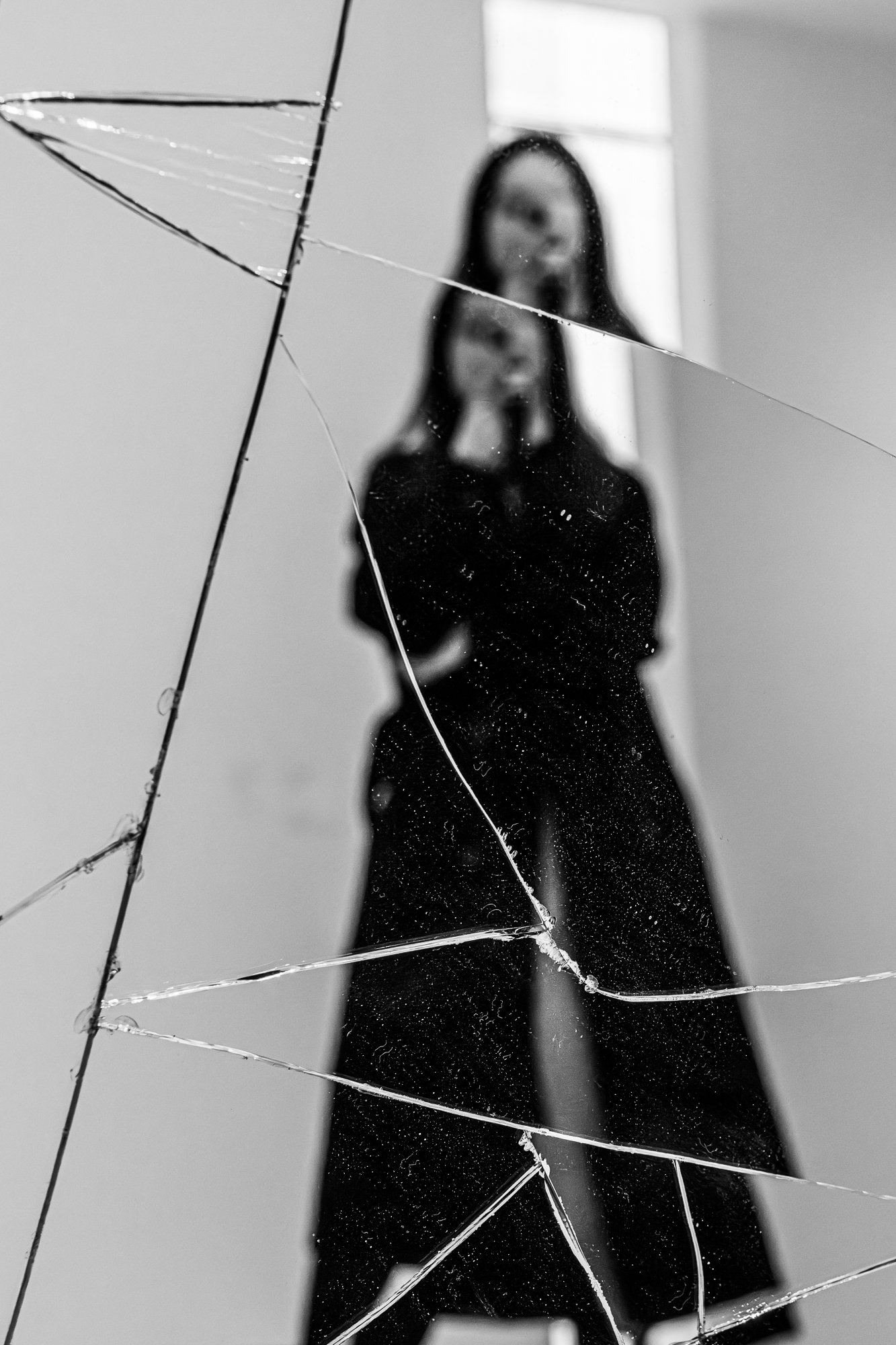
Yiorgos Michael
United States
Rebecca Morse
Curator Los Angeles County Museum of Art (LACMA)
United States
The mysterious images that make up Yiorgos Michael’s series Someplace / Not Here / Still There, But Not shift beautifully between landscape and figuration. Many are compositionally oriented along a vertical axis–a road, a crack, a wrinkle–encouraging the eye to follow that path as the image unfolds. Each photograph is a complex narrative that is ruled by emotion, a poetic musing on the human condition over time.
LensCulture draws an amazing group of photographers from all over the world with an incredible range of artistic styles. The experience of being a juror is stunning – it offers an unrivaled opportunity to see fresh, expressive photographs that illuminate our shared existence. ”
— Rebecca Morse, Los Angeles County Museum of Art (LACMA)
Finalists
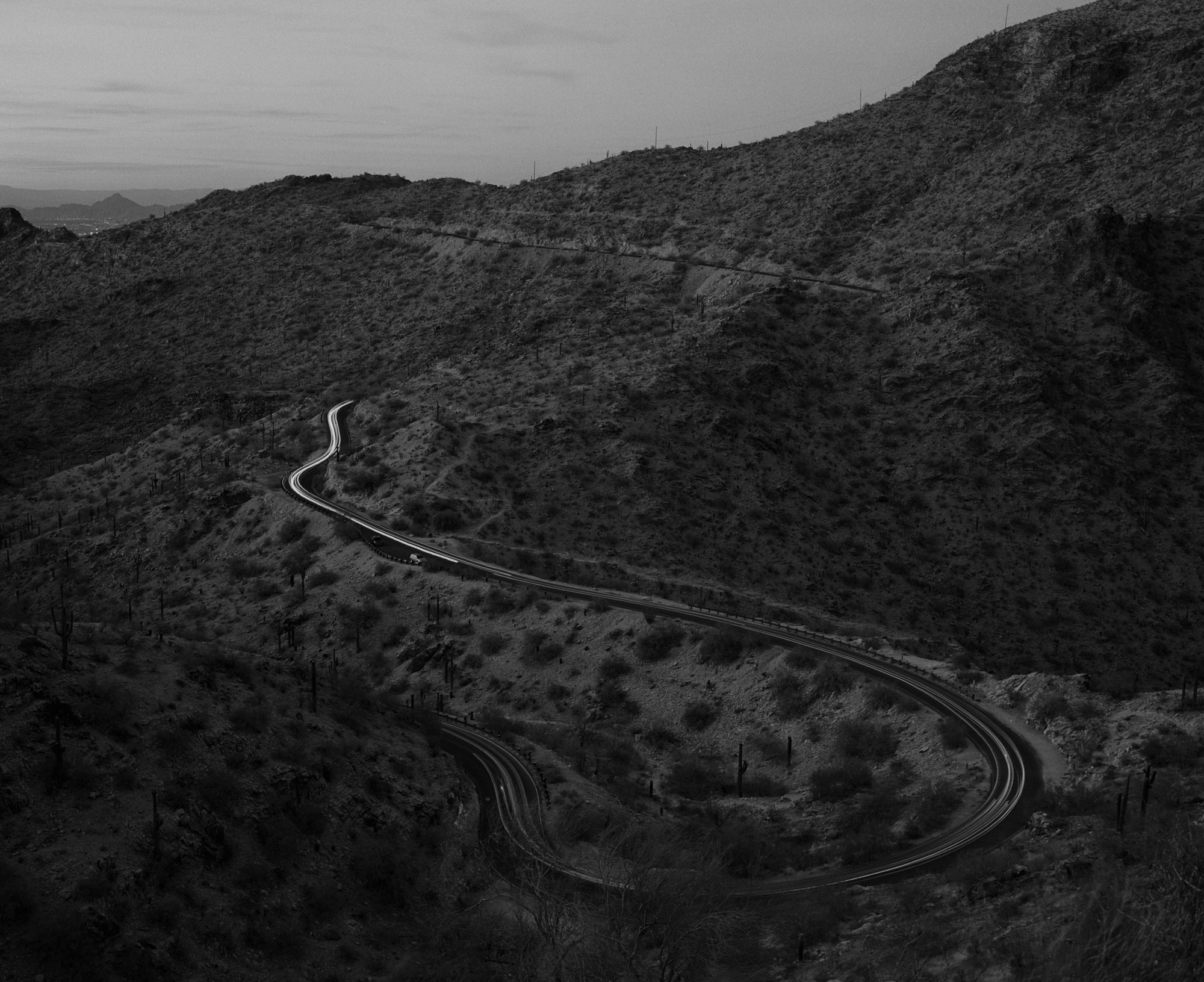
Oracle
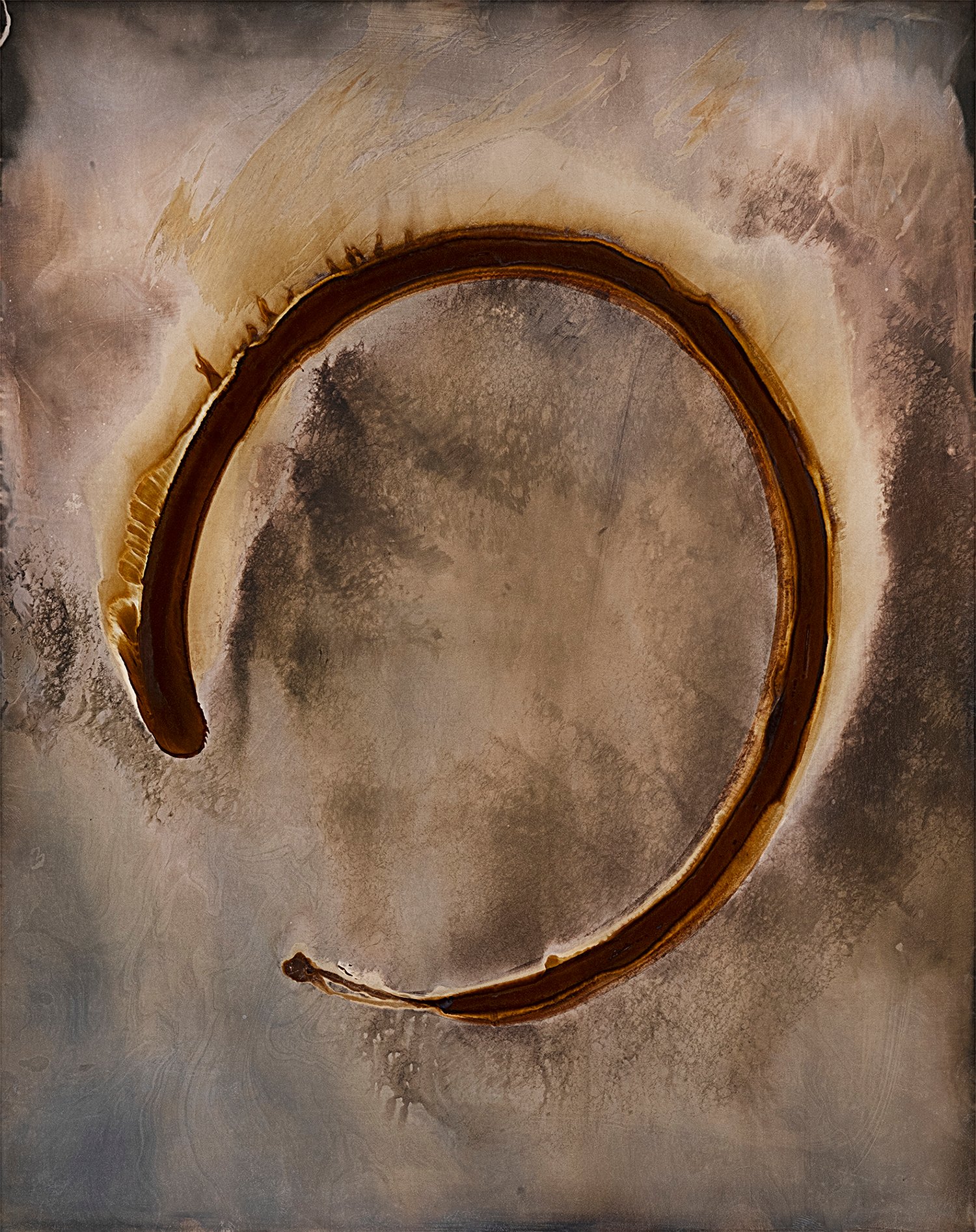
Manifestation of Light and Energy
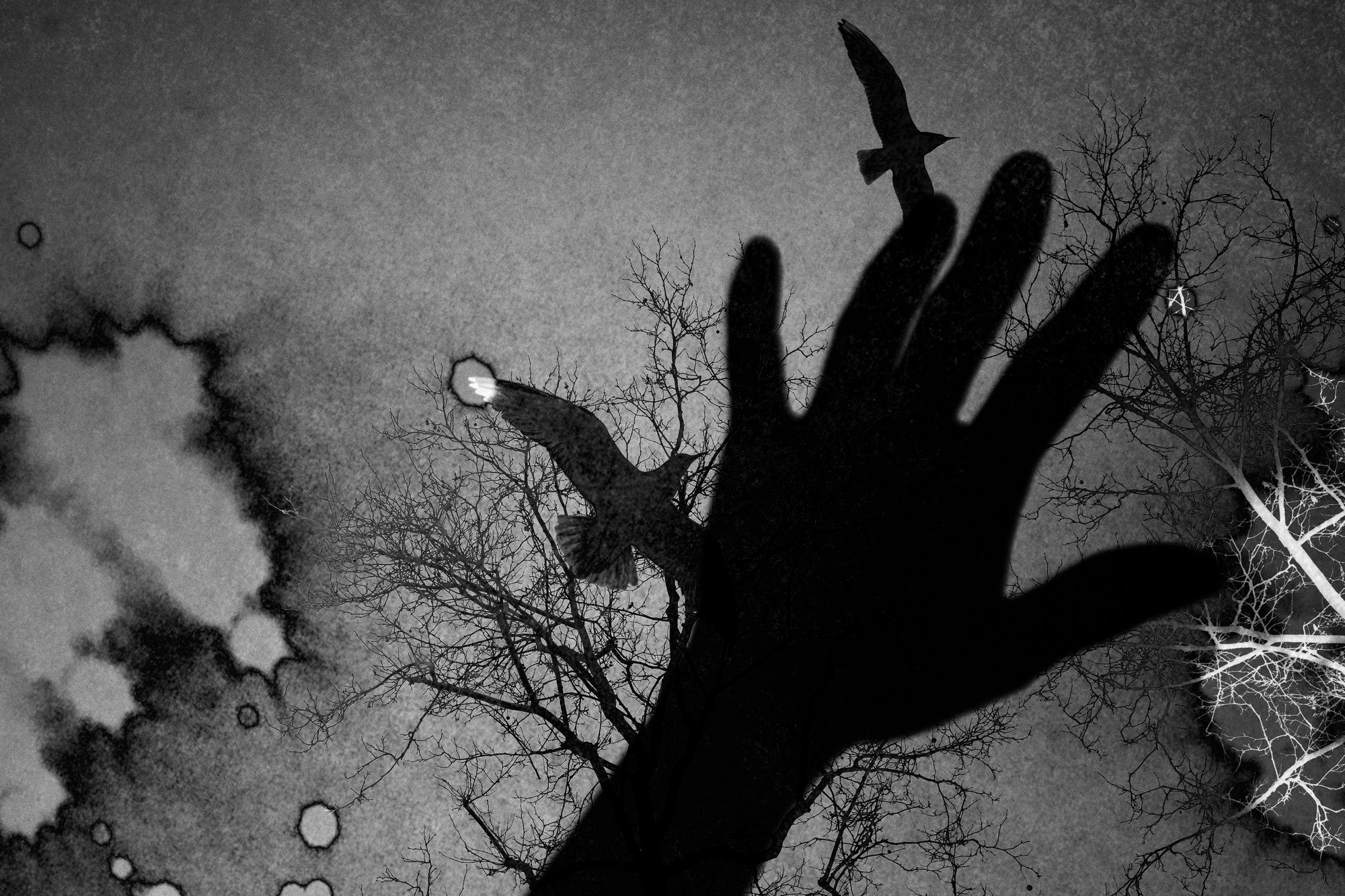
If Dreams Are Real, Let's Stay Asleep
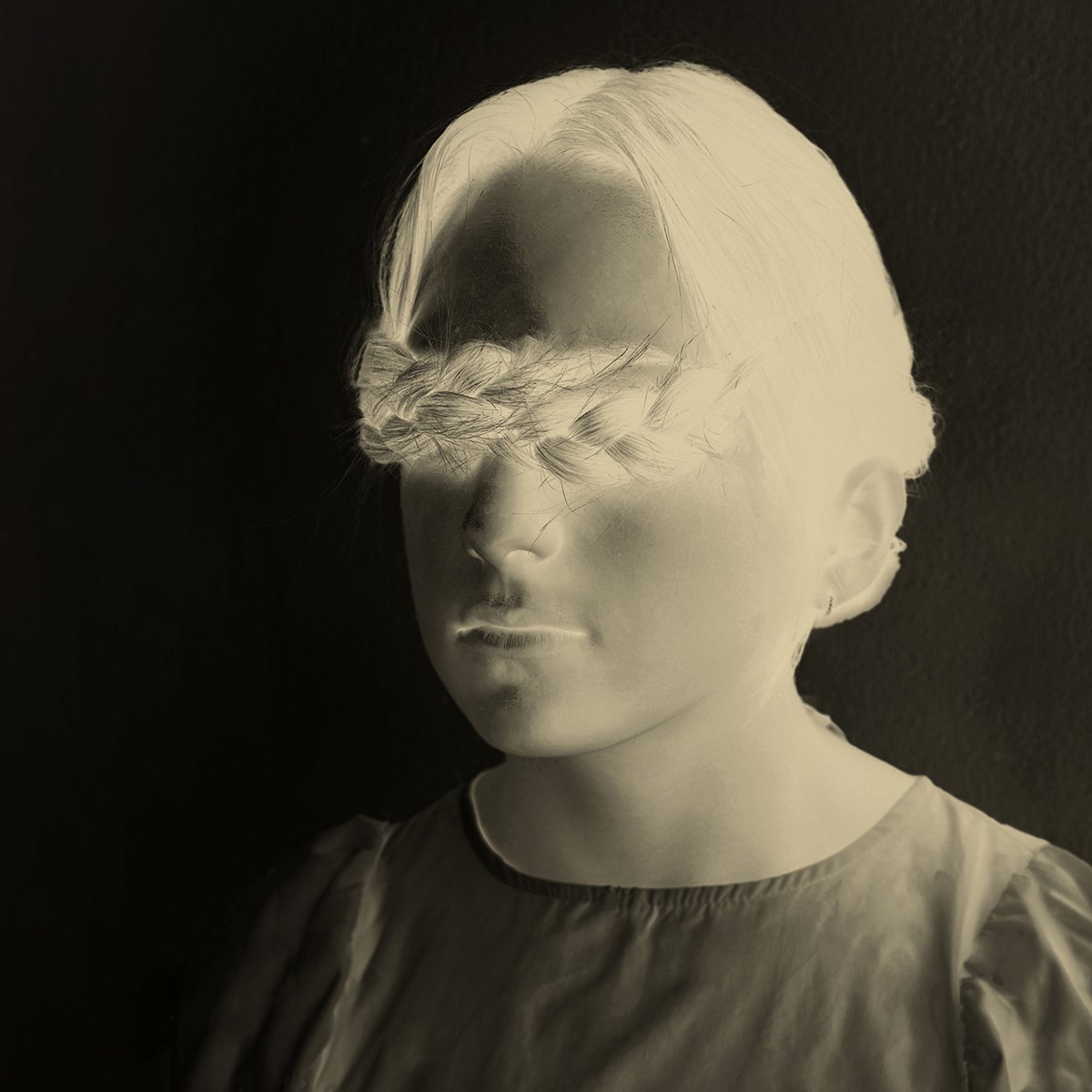
Murmures de L'âme
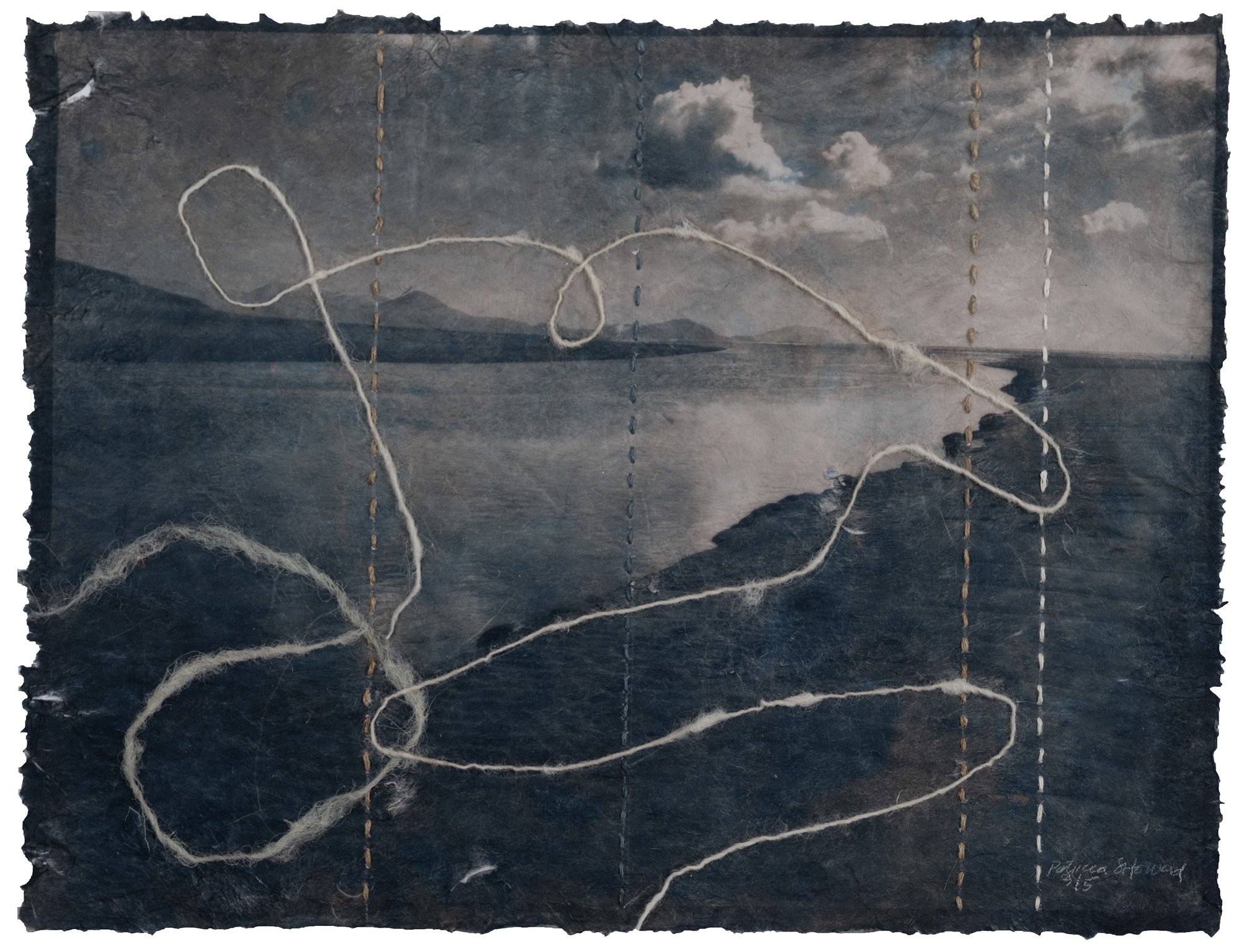
Unknown Ancestors
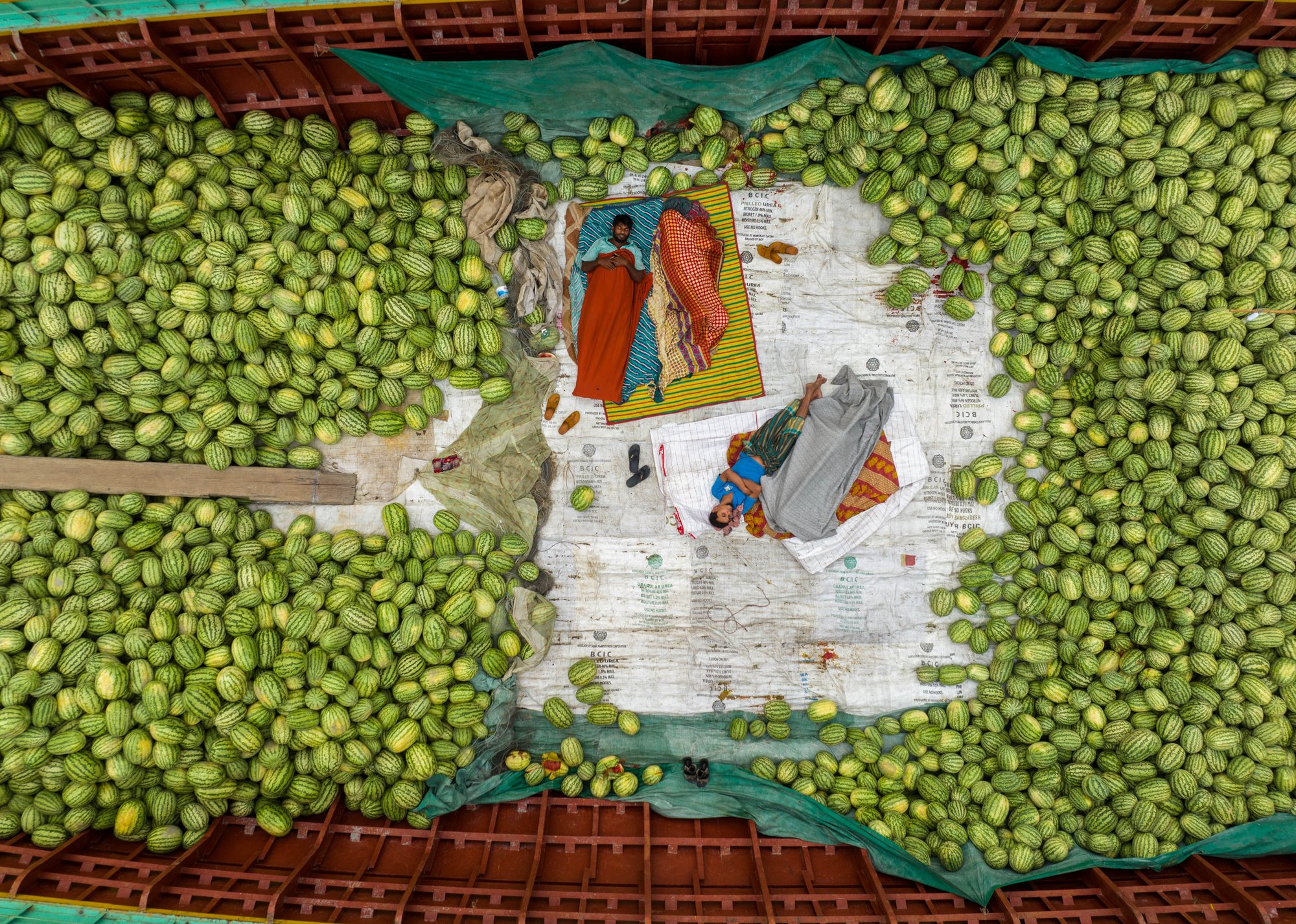
Beautiful Bangladesh
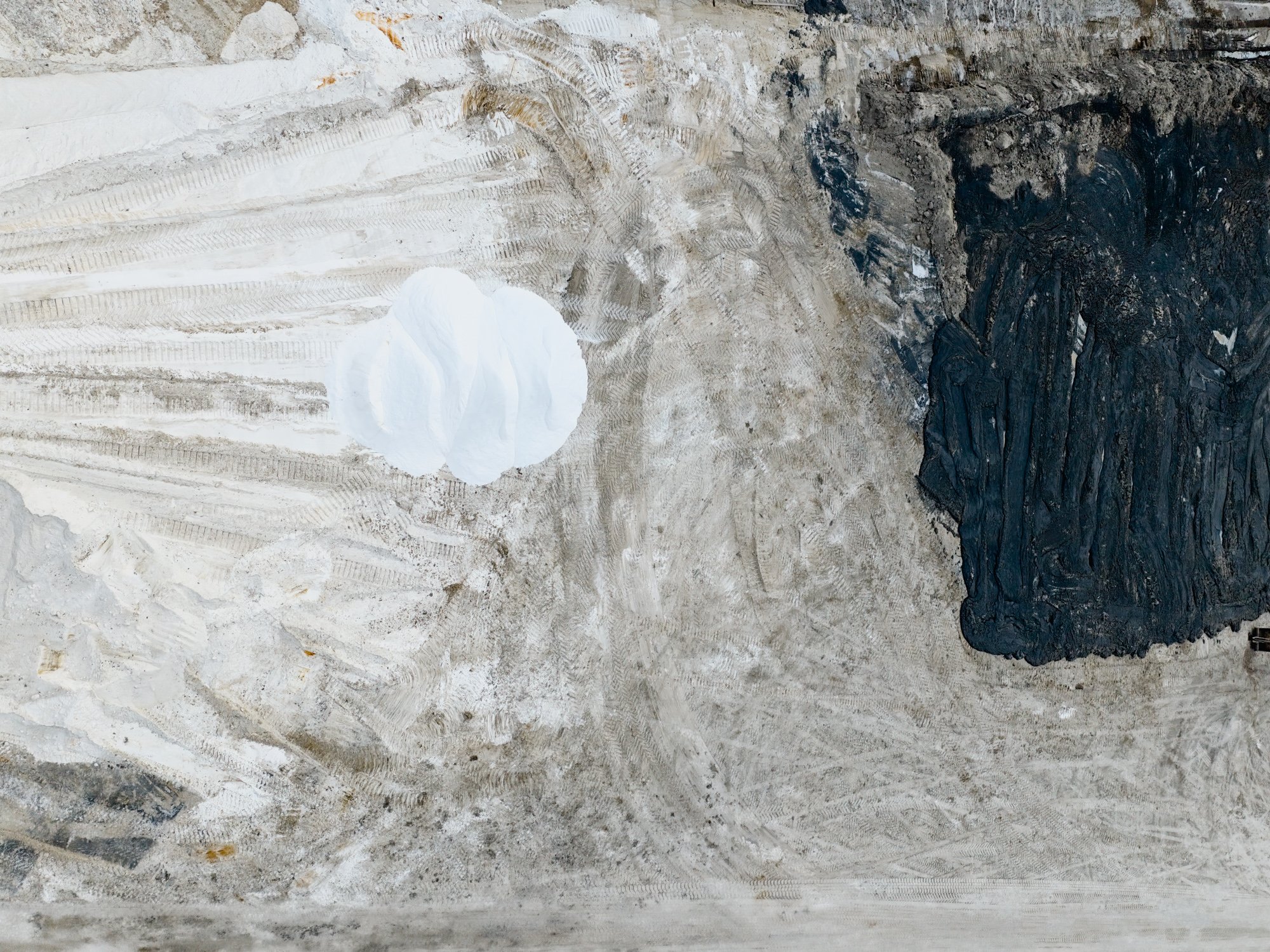
Bayscapes
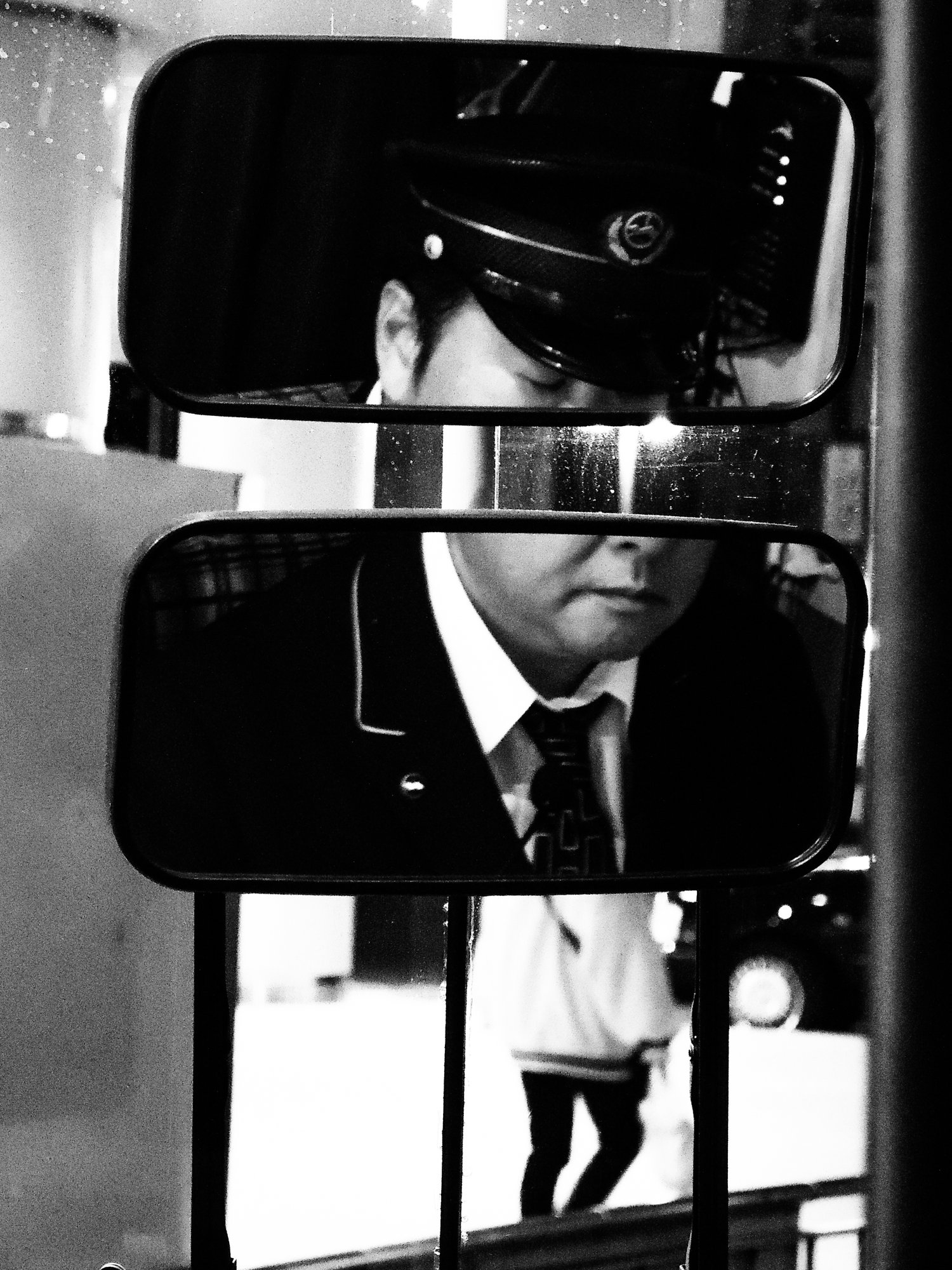
Self-Portrait
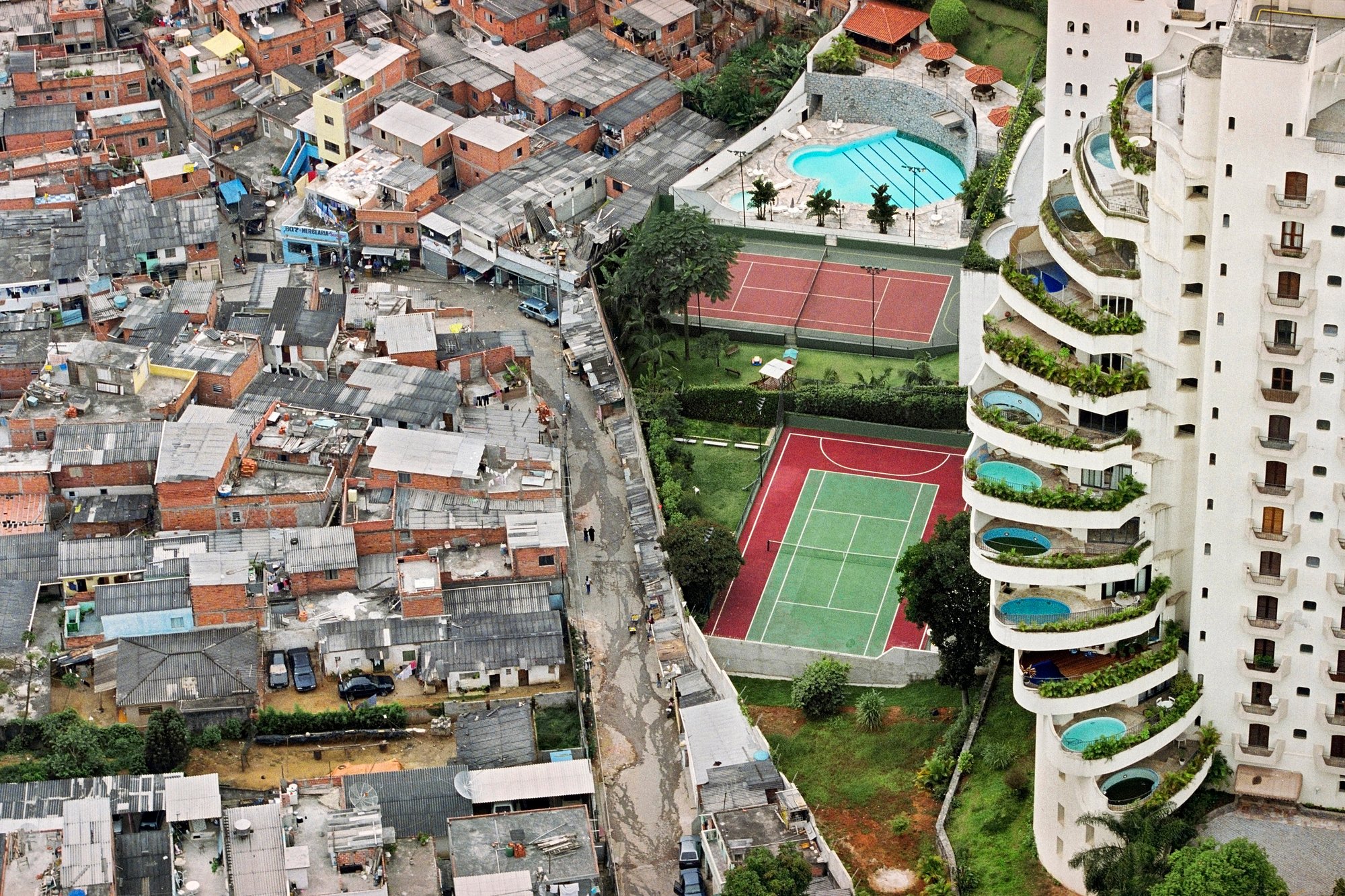
Paraisópolis
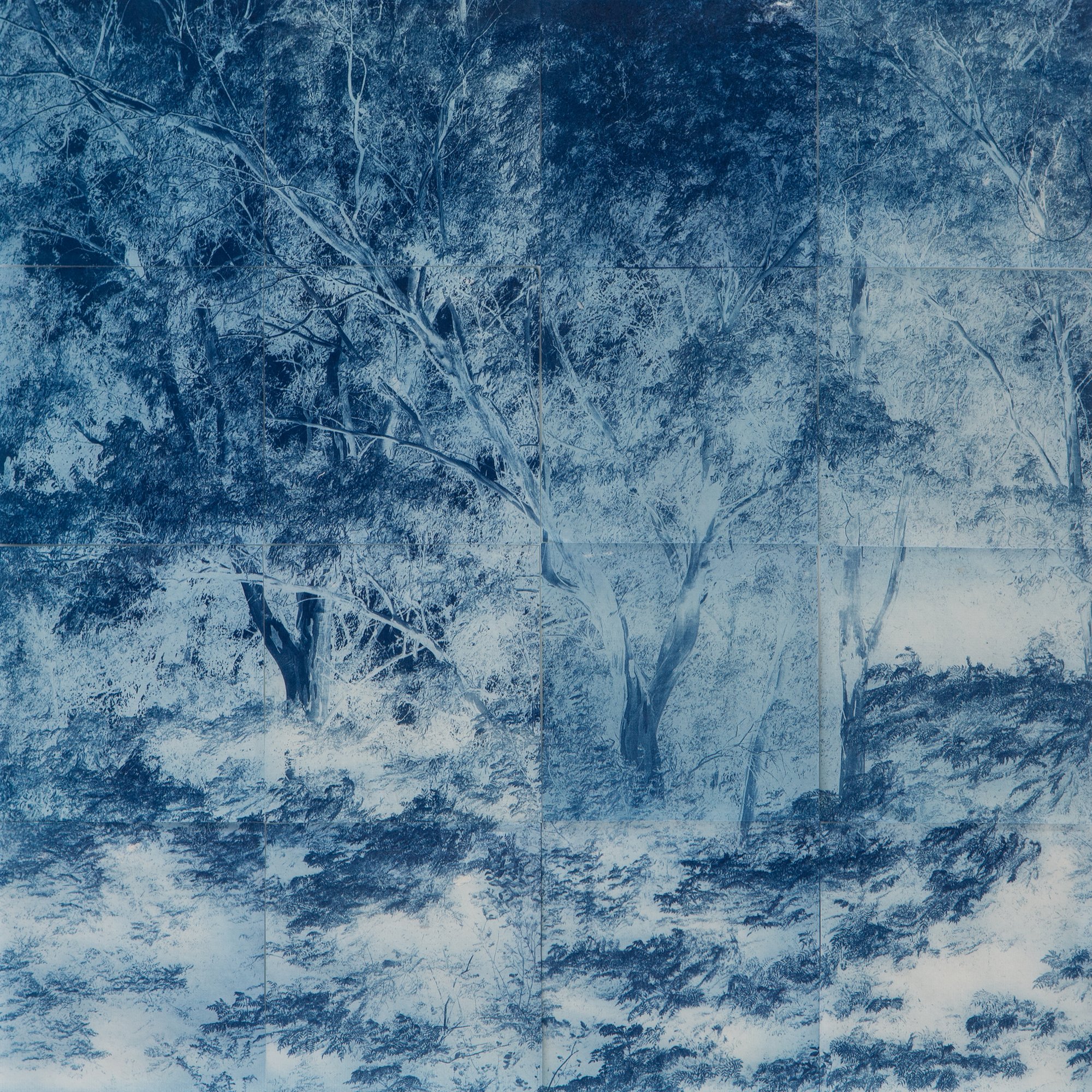
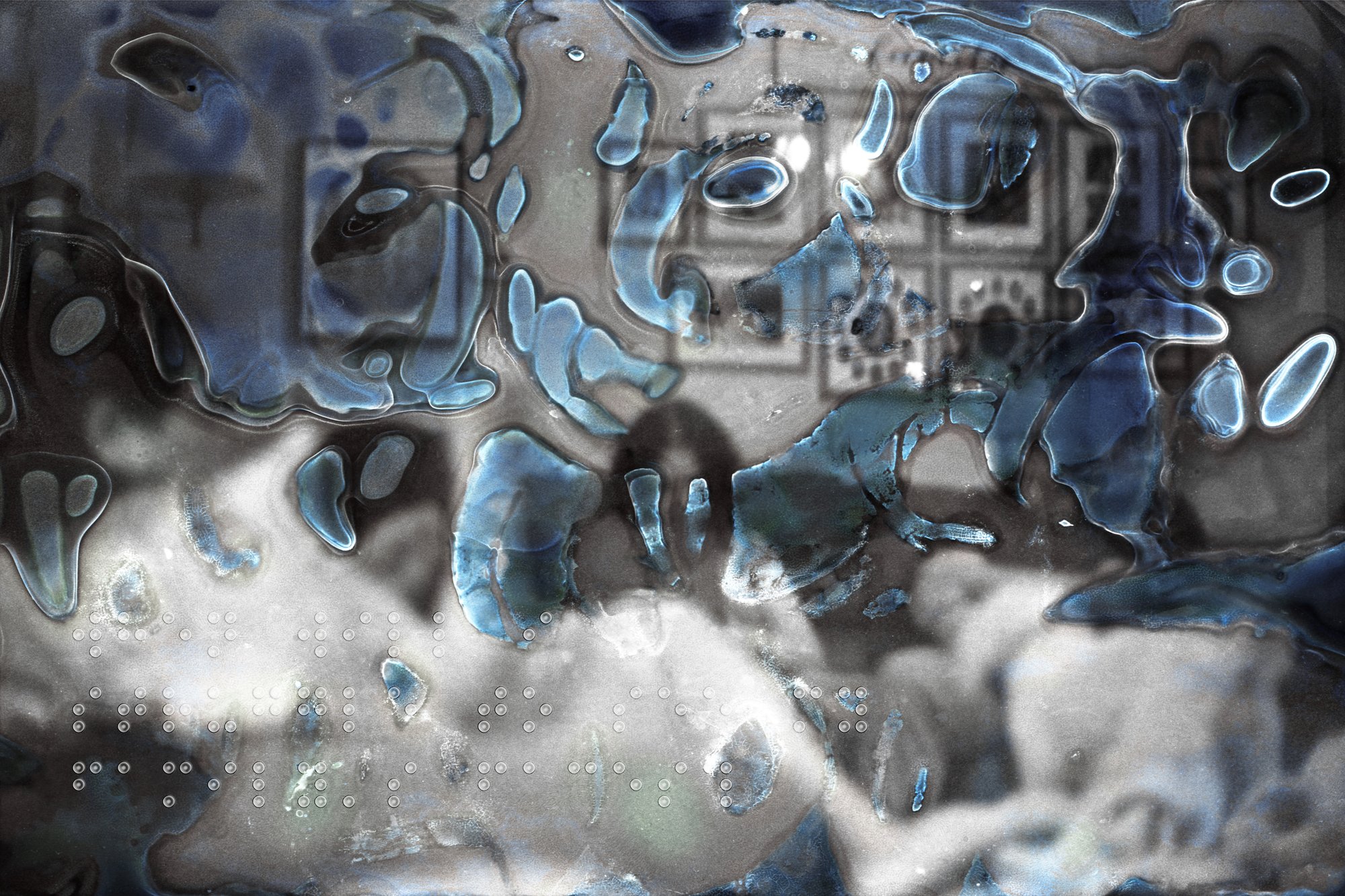
International Jury

Michael Famighetti
Aperture
United States

Rebecca Morse
Los Angeles County Museum of Art (LACMA)
United States

Mick Moore
British Journal of Photography
United Kingdom

Jessica Jarl
Fotografiska
Sweden

Jen Tse
Adobe
United States

Antonio Carloni
Gallerie d’Italia
Italy

Eugenia Macías Guzmán
Instituto Nacional de Antropología e Historia (INAH) and Centro de la Imagen
Mexico

Jim Casper
LensCulture
The Netherlands
Thank You
Congratulations to all 40 photographers! And to everyone who entered, thank you. We are inspired by the work you do and we are always delighted to discover how image makers around the globe are working with photography in new ways. We look forward to seeing more of your work in the future!
