
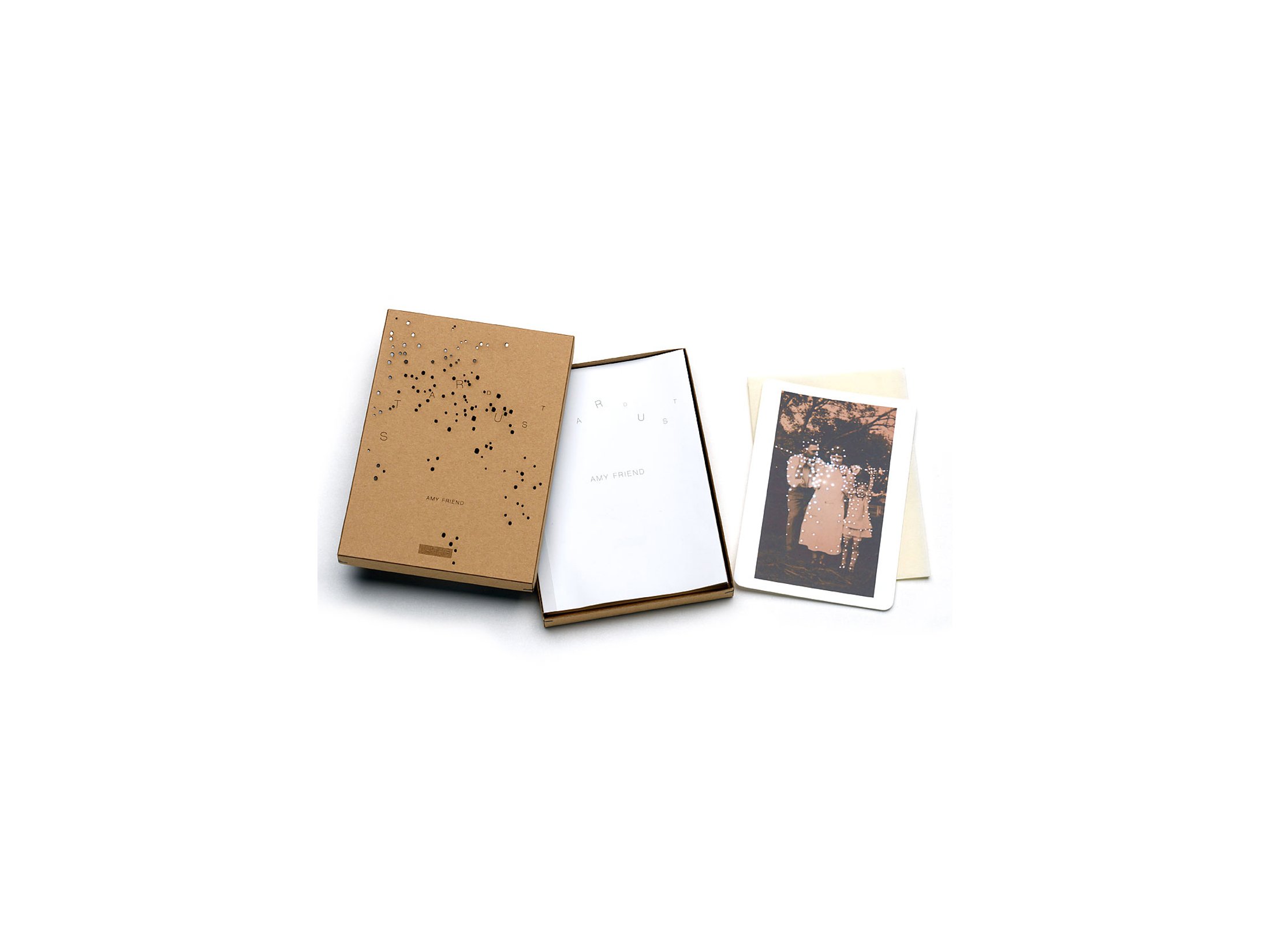

L’Artiere Edizioni is a photobook publishing company based in Bologna, Italy. It was founded in 2013 by twin brothers Gianluca and Gianmarco Gamberini. Coming from different, complementary disciplines (Gianluca made movies for 10 years, and Gianmarco had a background in production), they decided to join forces around an artistic medium that they both found fascinating — photobooks.
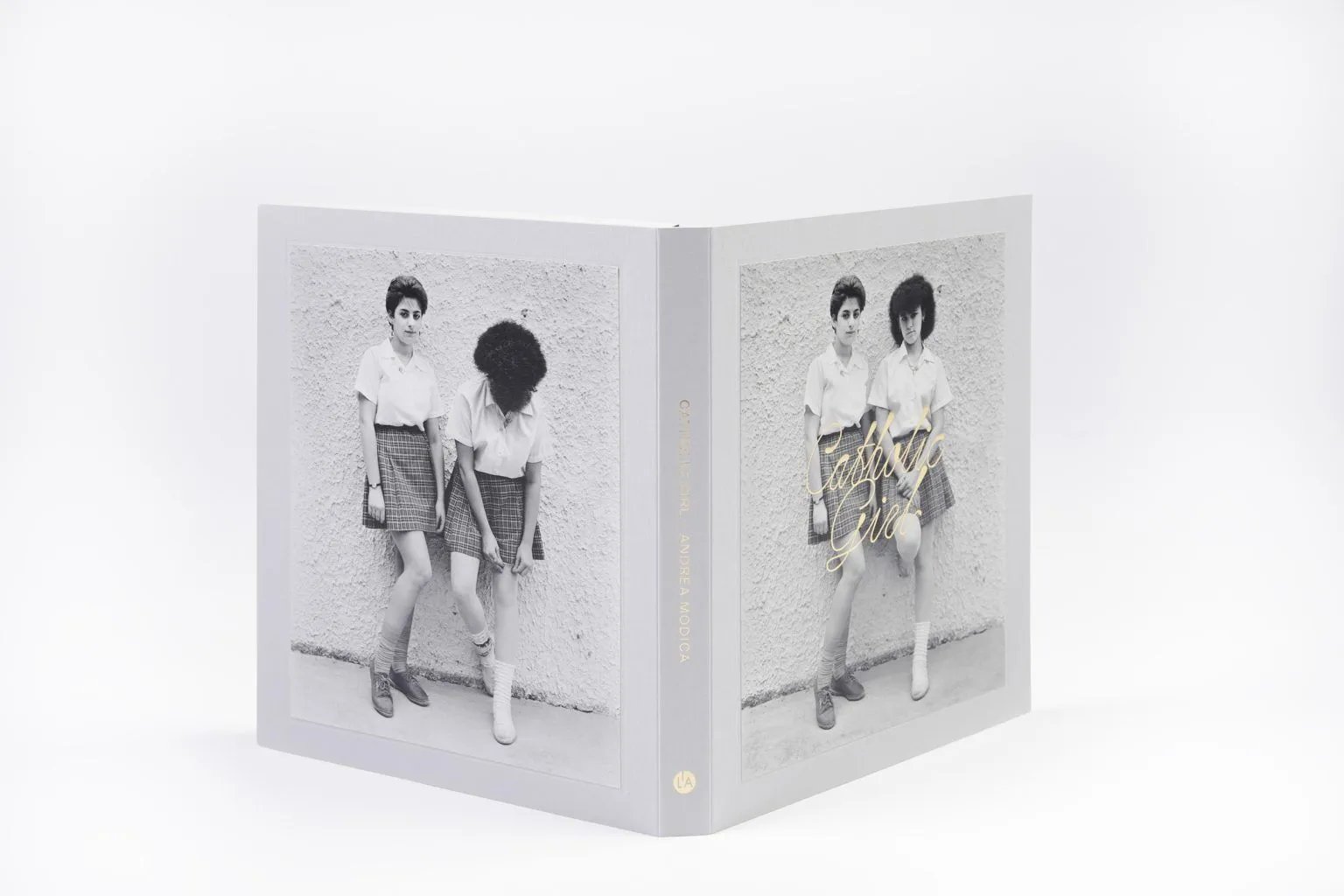
They got their start when their friend Larry Fink encouraged them to publish the European version of his book, The Beat. They began to develop a series of photobooks, and Larry introduced the brothers to photographer Andrea Modica, whose work they continue to publish today. After a couple years learning the business of publishing and distribution, they continually moved in more and more experimental, conceptual directions for their book designs. Today l’Artiere is highly regarded worldwide as a creator of books that are like collectible works of art themselves.
We’re delighted that Gianluca has agreed to serve on the jury of the first LensCulture Photobook Prize. He spoke with LensCulture’s Jim Casper for this interview. Their conversation has been edited.
Jim Casper: Hi Gianluca. We’re so excited about this new Photobook Prize and really grateful that you’re going to be on the jury. You are known for creating very unique photobooks. Can you tell me a little bit about how you got started, and how you describe your company to people who don’t know it yet?
Gianluca Gamberini: It’s an honor. Thank you.
I think that in our DNA, there are a lot of ideas of experimental things.
After our first two years of publishing excellent traditional books, we wanted really to do something that was more into our idea of a photobook. With Larry’s book and books like the first book with Andrea Modica, we had this chance to start to understand the market and to make the connections with others in the book world. So that was amazing, but it was a little bit limited.
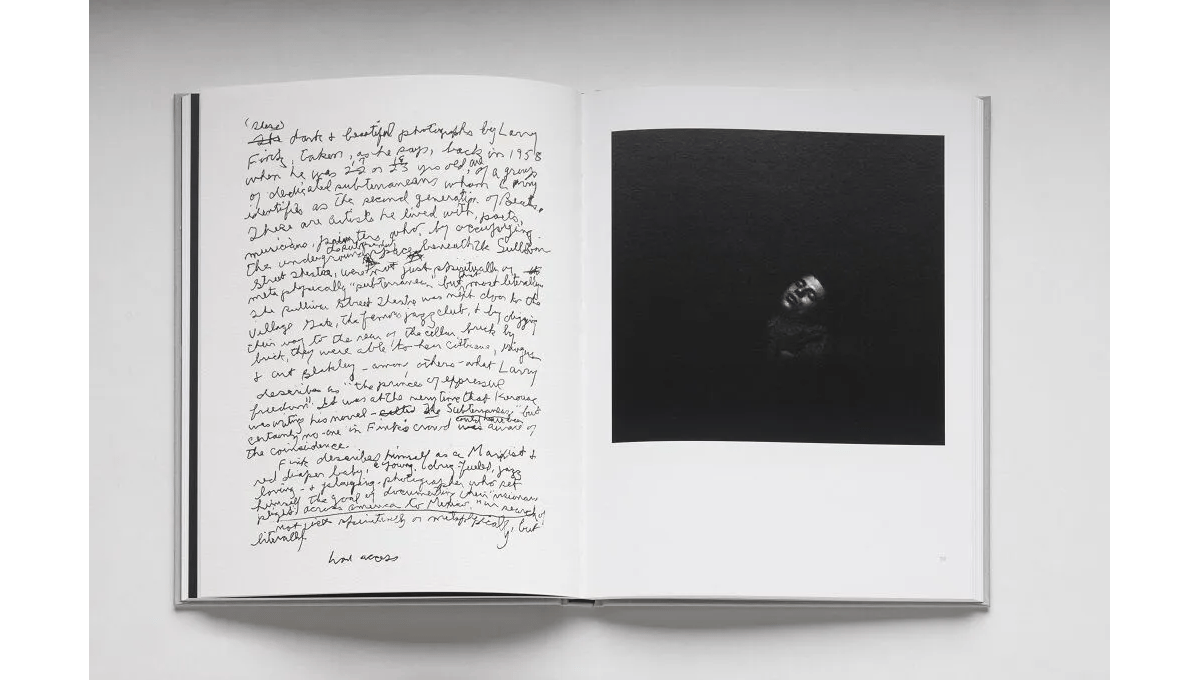
So Gianmarco and I found that we both really loved this work of Amy Friend — Stardust. She won the Photolucida Award that year. When we saw the work we said, “Oh, I think we could do something different, something unique — in between an artist book and something for a larger public audience.”
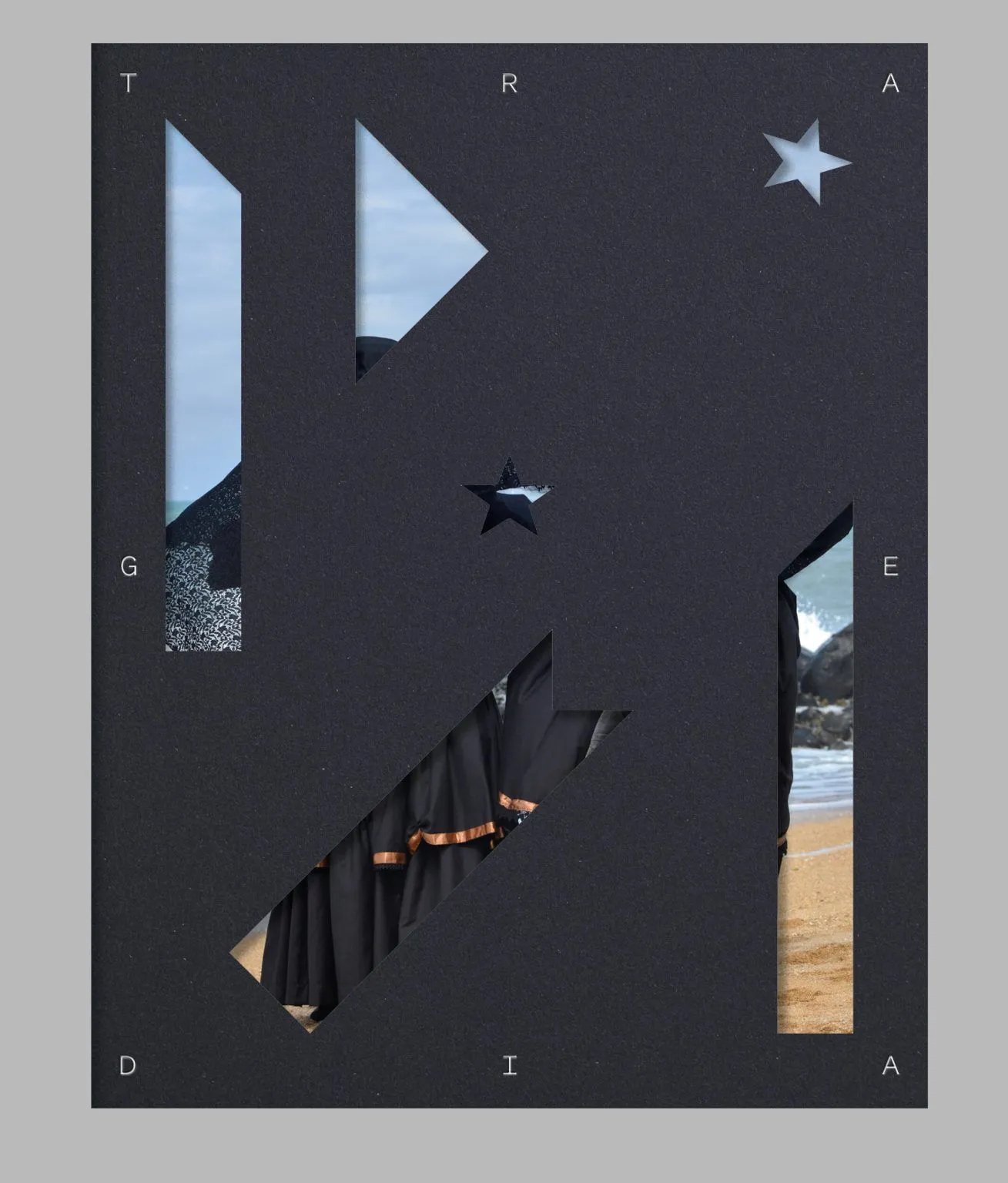
And so with Gianmarco, we came up with this idea of interpreting her physical approach to working with archival images in a book. We used the laser to recreate the holes on the page. And then with French binding and very thin paper (like a Bible paper) when you turn the page, you have this impression of light passing through. And that was really like, “Okay! This is what we really like in book.”
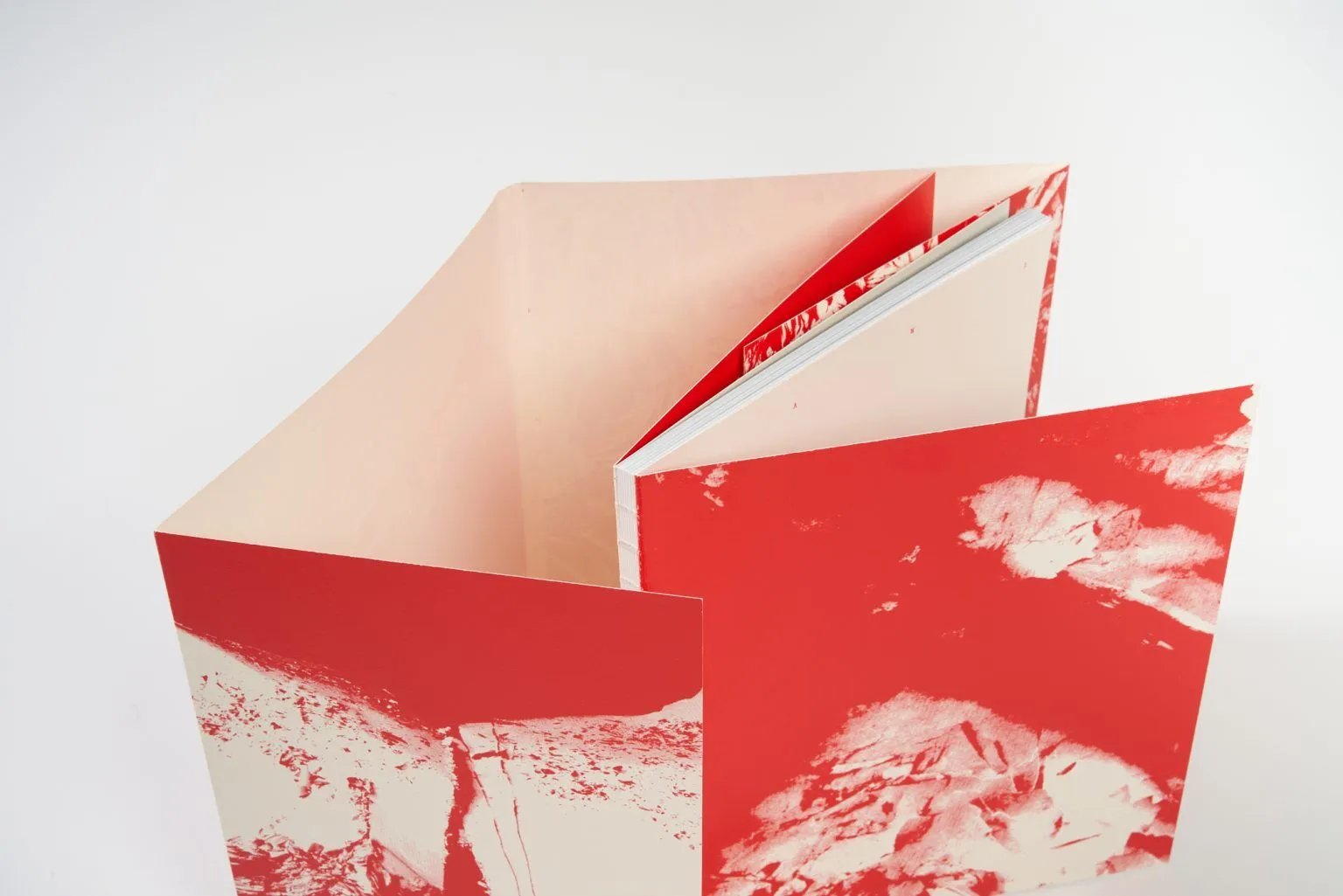
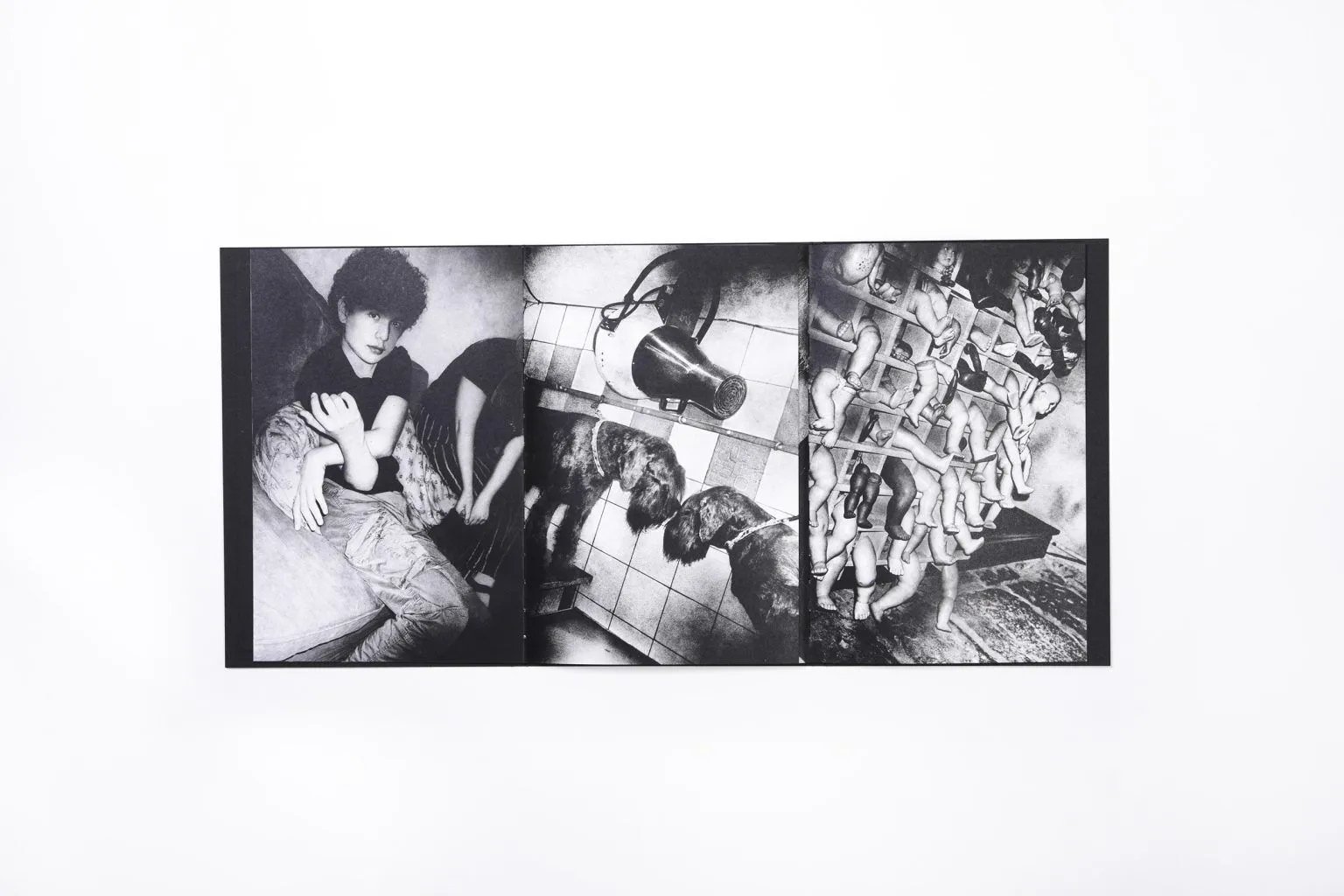
From that moment on, we were always trying to treat every book like it was unique. We work with different designers. Every time at the beginning when we decide to work with a photographer, we try to think which designer is the best option for the photographer. And then together with the designer, we work with some idea or concept, and then little by little we create the book.
It sounds like you’re doing something that you’re really passionate about, and it seems like it makes you really happy on a personal level, too.
Very. Very. But I think that every publisher has the same feeling. Otherwise, we probably would do something else.
Yes. Tell me what kind of work seems to fit especially well with L’Artiere?
I think that sometimes it’s difficult to say, but basically we have to fall in love with the work. It has to have a strong sense of empathy for sure. We have to feel the empathy through the image. Sometimes I see that we are very connected also with stories about with connection with family or community. Not always, but that for sure. We really love long-term projects. But this is not always something that you can apply for every book. And also at the end, we need to be able to sell the book to the public. That’s also an important consideration.
After 13 years, do you feel you know when a book is going to sell? Do you feel pretty confident?
Gianmarco is better. I’m always confident. He’s better than me, I have to say, in predicting this. But we are 50-50. It’s a democracy, so we try.
It seems like it’s working well. For the LensCulture Photobook Prize, we’re asking photographers to submit 20 to 30 images and a short statement. Is that enough for you as a publisher to gauge whether something would be a good book?
I think that it’s enough to understand or at least to maybe say, “Oh, I want to see more. I want to know more.” It’s a good starting point. Sometimes when I receive an application, I ask photographers to send me a PDF with their own idea of sequence. Even if we will do something completely different, at least we see an intention. And sometimes also I ask if they have already a dummy, send me a video of the dummy even if, again, we will do something completely different. But at least I see something, an intention about it. But I think the 20 image is more than enough to ask. We also have to judge if something that is appropriate for a larger public, and I think the 20 image is great.
And how important is writing to you? A statement, a title, captions, essays — is that a big part of your books or would you say they are more picture and object-oriented?
I think that it is fundamental for a photographer to write about his work. I always ask every photographer to write a little statement about their work. Maybe we will not publish it, but I think it’s very important to have it for both them and for us to better understand the work. We tend to not have curatorial texts. If I have to add something, I prefer to have four or five lines from the photographer at the end at the colophon that is telling in his or her own words. They are photographers, they’re not writers. Nobody’s looking for a Nobel Prize. But I think that that’s the most important text that you can have in a photo book if you need to have it. And some works, of course, are so connected with a text, so of course you need to combine the image with the text.
Tell me how you get your books out into the world.
Photo fairs are the greatest for us, even if it’s a lot of work. A fair offers a great way to show your book because at the end we all produce physical objects that you can only appreciate live. And that’s an incredible way of meeting your public. And then of course, as an independent publisher, we sell a lot online on our online store. Also our heroes are bookstores, and especially specialized bookstore around the world. In Europe, I think we have maybe a little bit more of very independent photo bookstores, but there are some in US too. Independent bookstores are our first target for where to sell our books. We have several distributors: a US distributor, and a European distributor, and a Japanese distributor, who all help us also to sell copies to a larger public.
Our books are objects that become more and more elaborate and precious, and the quantities are not so big, so I think at one point the people who buy and sell our books are really very passionate about photo books.
What does a photo book do that an exhibition or a website or a magazine feature can’t do? What makes a photo book different from those things?
My background is in movies. So for me, this is really a good question. An exhibition is in one moment in time. You create something on a wall, but you give a lot of freedom to the audience to interpret it, the narrative. But a book, to me, there is a line and there is a narration. So to me, it’s much more connected to an idea of movie maybe. And also a book stays for a long time. A book doesn’t need electricity to switch on. The magic thing of a book is that when you produce a book, when you publish a book, the book has its own life, and then you never know who will be in touch with the book and how many people will pass the book from one to the other. So that’s also quite magical, I have to say.
Yes. Magical is the word for it. I have favorite books that feel like friends to me. I can take them off my bookshelf and suddenly I’m in a very happy space again. It’s really nice.
That’s exactly the happy space. I think that when you’re not feeling super great, you just spend some time with some photo books, and even if the topics are not maybe the most happy ones, they still give you hope.
Can you give any words of advice to photographers who want to make a photo book?
So first of all is really to do some research. There are many different publishers. It’s a fantastic moment for photo book publishers. We have many, many different ones. And each one of us has really his own particularity. And so I think that I know it’s difficult for a photographer to be very objective about this work, but I think you have to try to see which publisher could be a good fit for you. And maybe, even, don’t be obsessed in having a book that is produced by a publisher because sometimes you can do it yourself; today is amazing for self-publishing. Sometime you can self-publish, maybe doing 50 or 100 copies, and it’s just a different way of achieving your objective that is as good as going with a publisher, I think.
I think an advantage of someone publishing a book with you, is that you have experience, you’re going to put together a book that’s going to be a beautiful object, and it’s going to treat the photos with respect, and you’re also going to get the book out into the world. It’s not going to sit in someone’s garage because they don’t know how to distribute it. That’s a pretty big part of it, right?
That’s a big part, I have to say. Also, I have to say two other things. I think that not every photography work has to be a book. Now everyone thinks that his or her work has to be a book. I don’t know. And second of all, I think that — and it’s very important for a photographer, working with a publisher to realize — that making a book is really similar to making a movie. There are many different people working together. Each one has his own idea. Even though photographers are really used to working all by themselves, doing a photo book is teamwork. It is a big collaboration. It’s not easy sometimes, especially for photographer who are creating their first photo book. It’s difficult sometime if they’re not used to working in team.
What’s your favorite part of the publishing process?
Meeting people. And I think that my favorite part is really when you see a work and you know you have the capacity to create something new and fresh with the work. That’s really the most magical part. When you see the potential and then you can make it rise above where it is right now.
Often, photographers will say, “Oh, thank you. And thank you to the designer. You allow me to see my work in a different way.” And that’s a great thing, I think.

