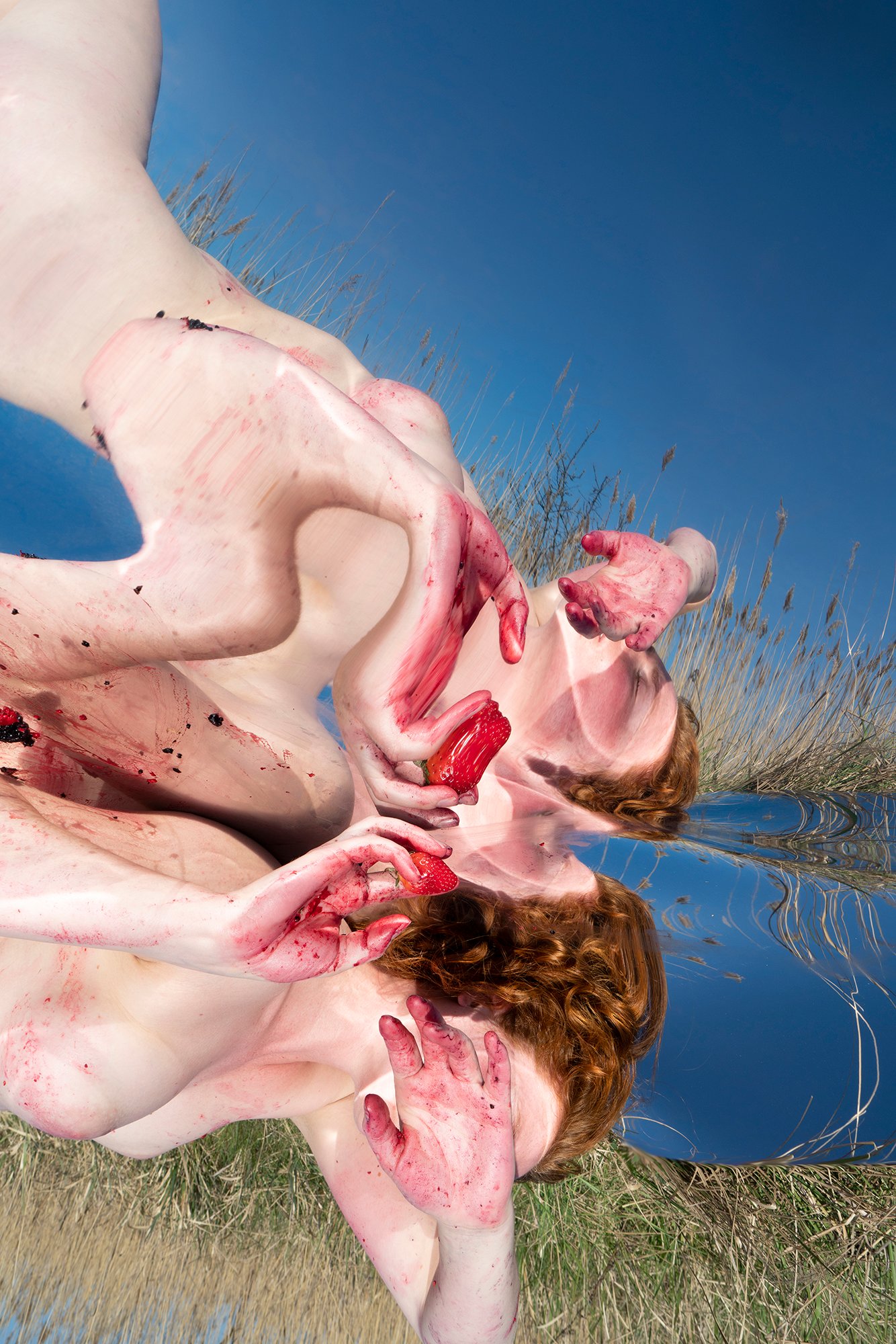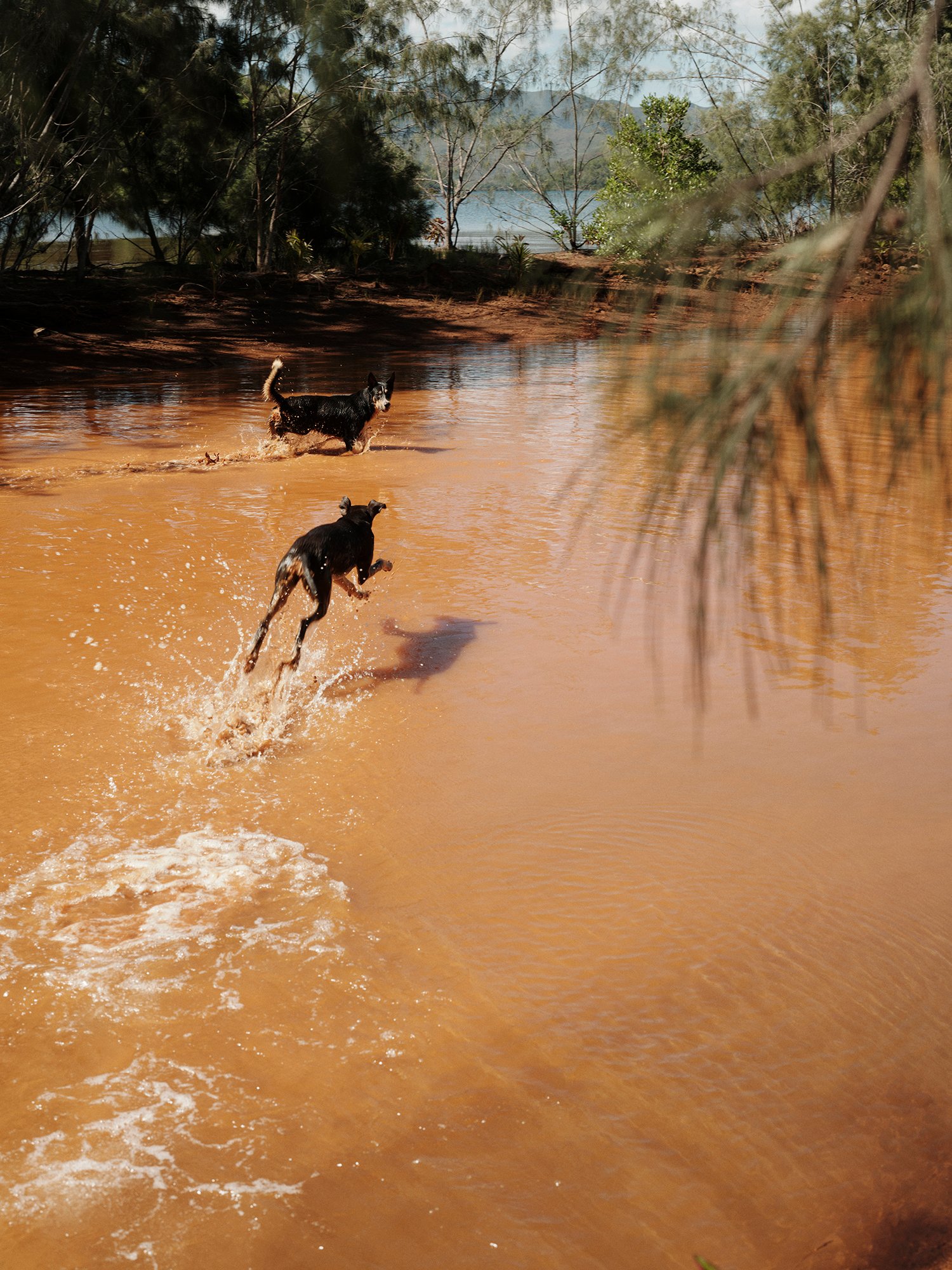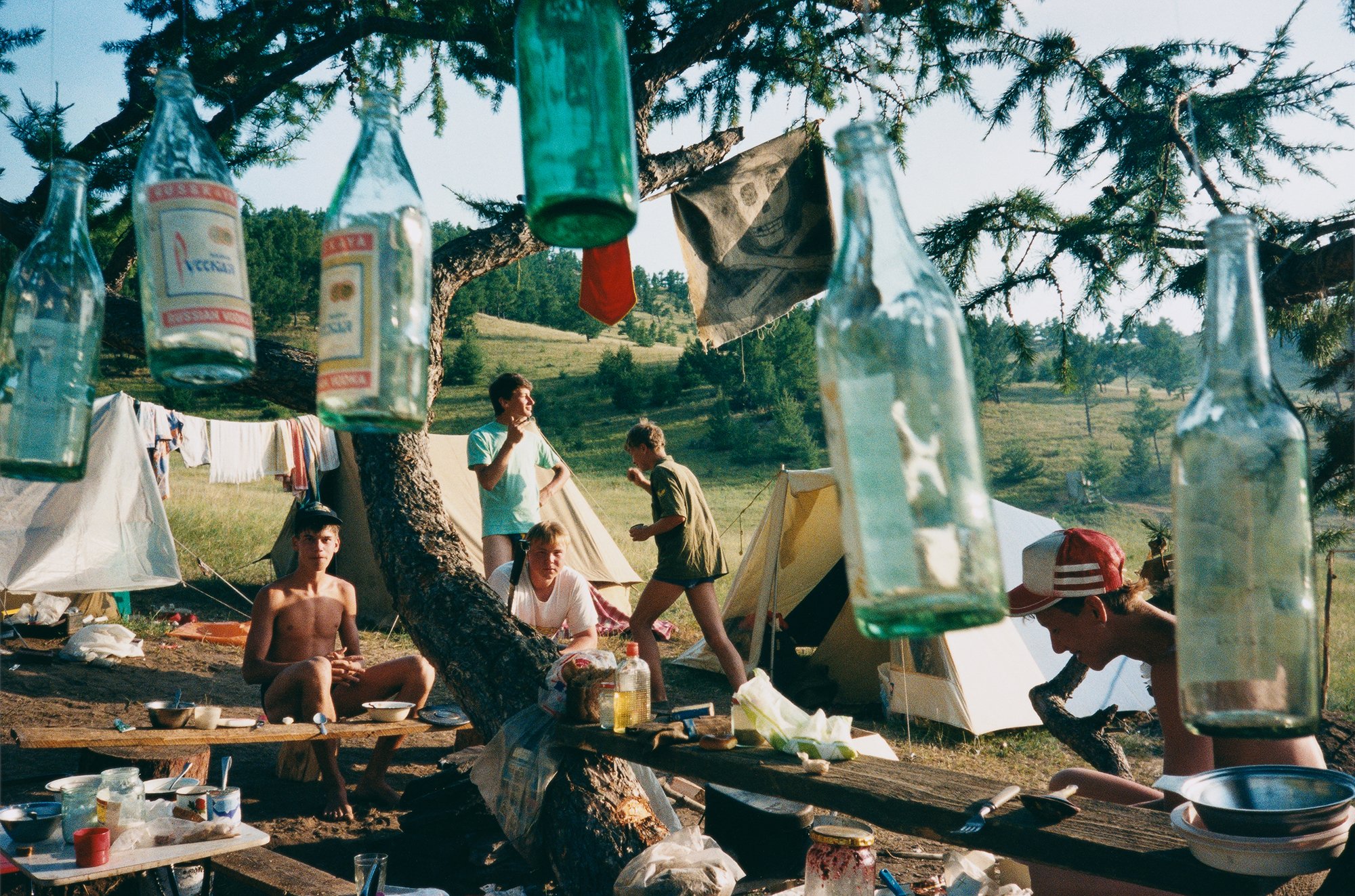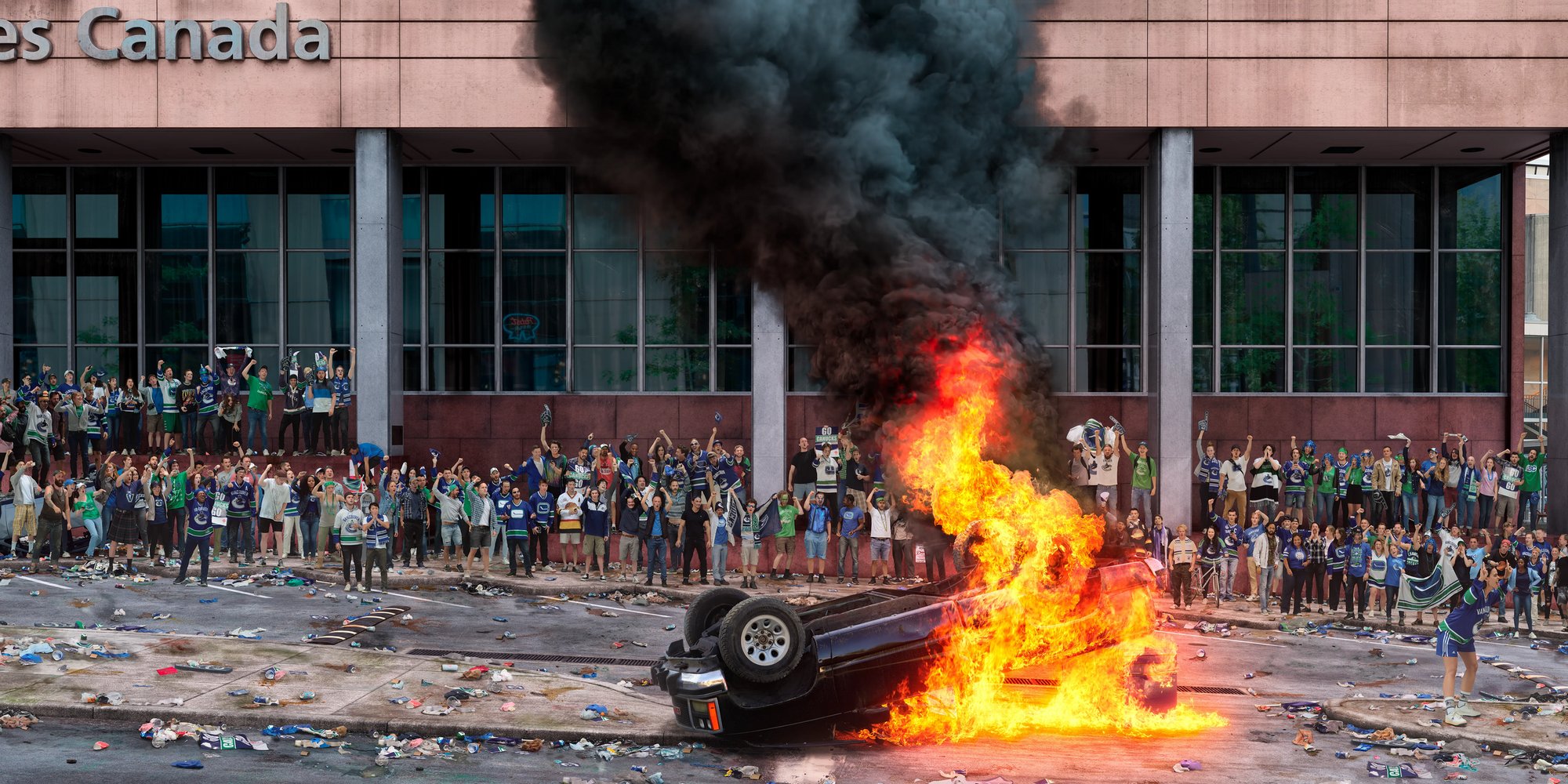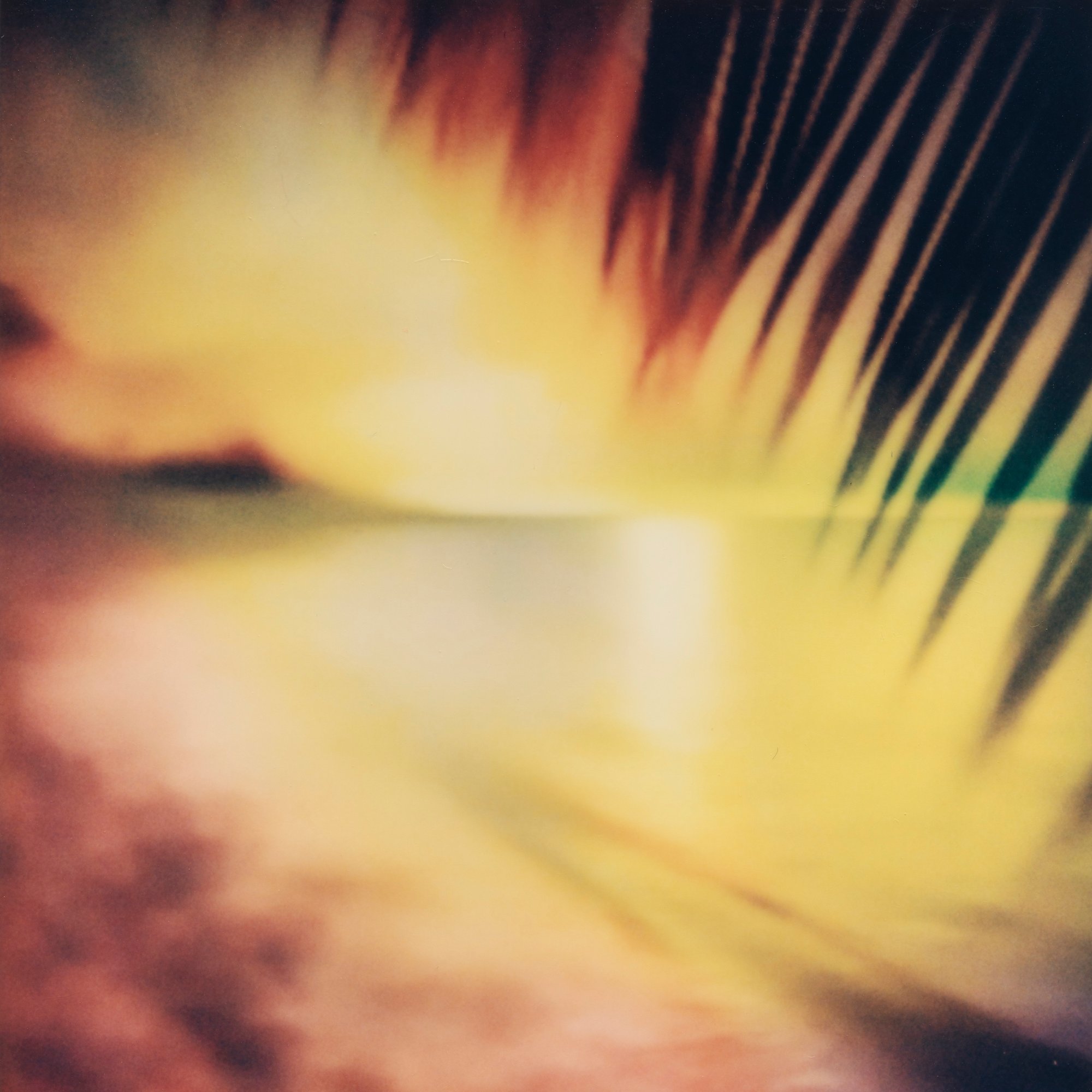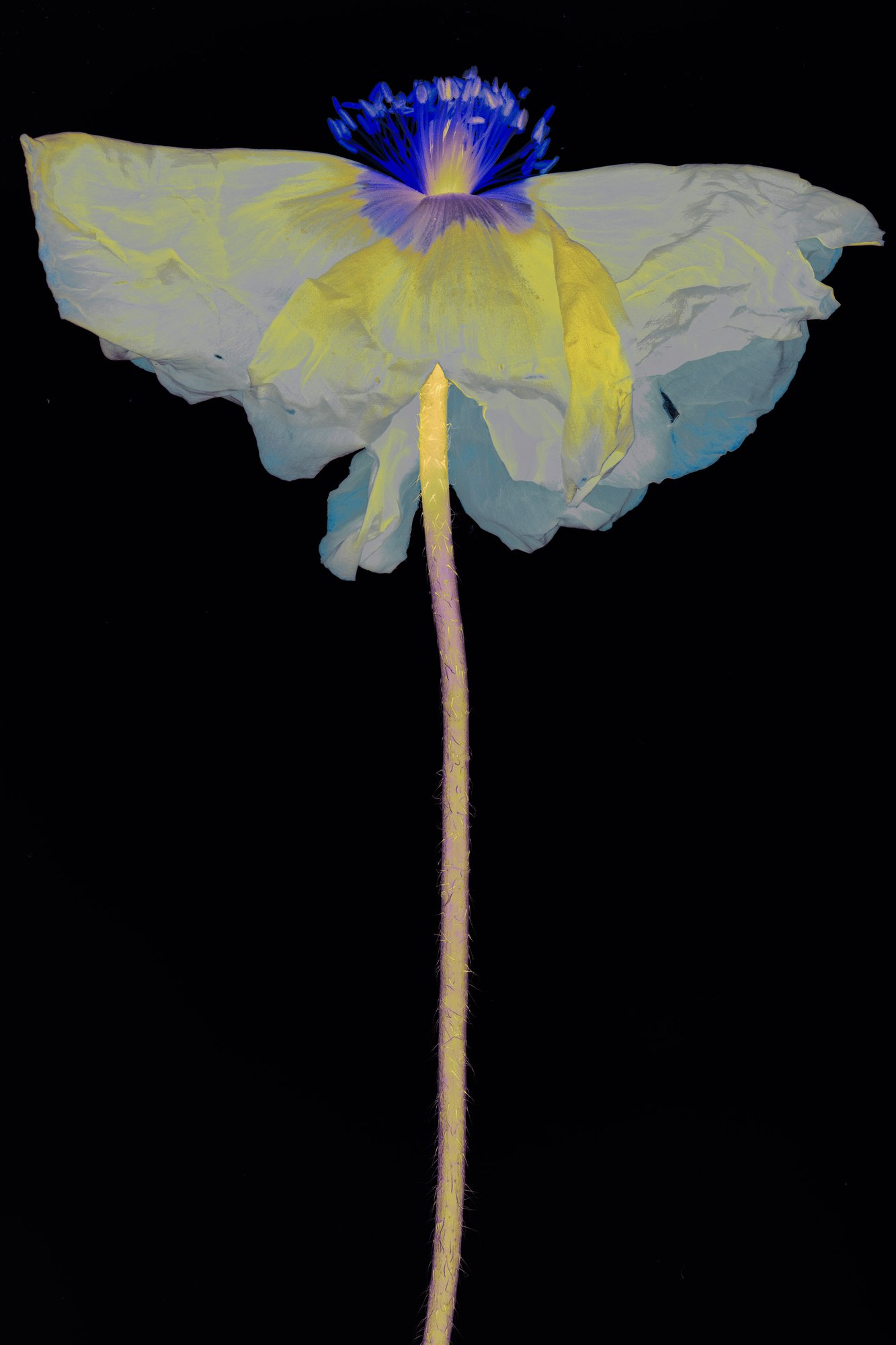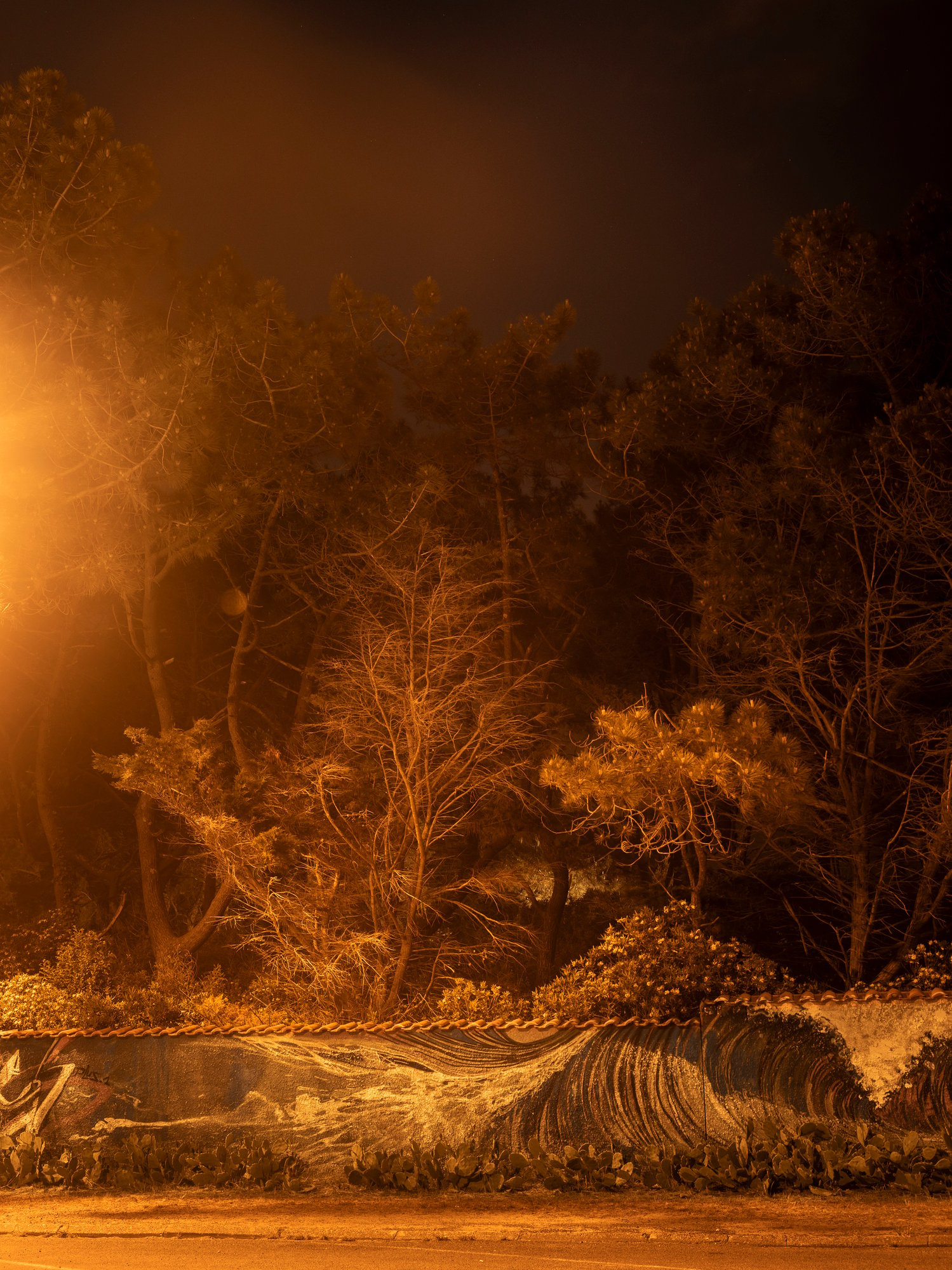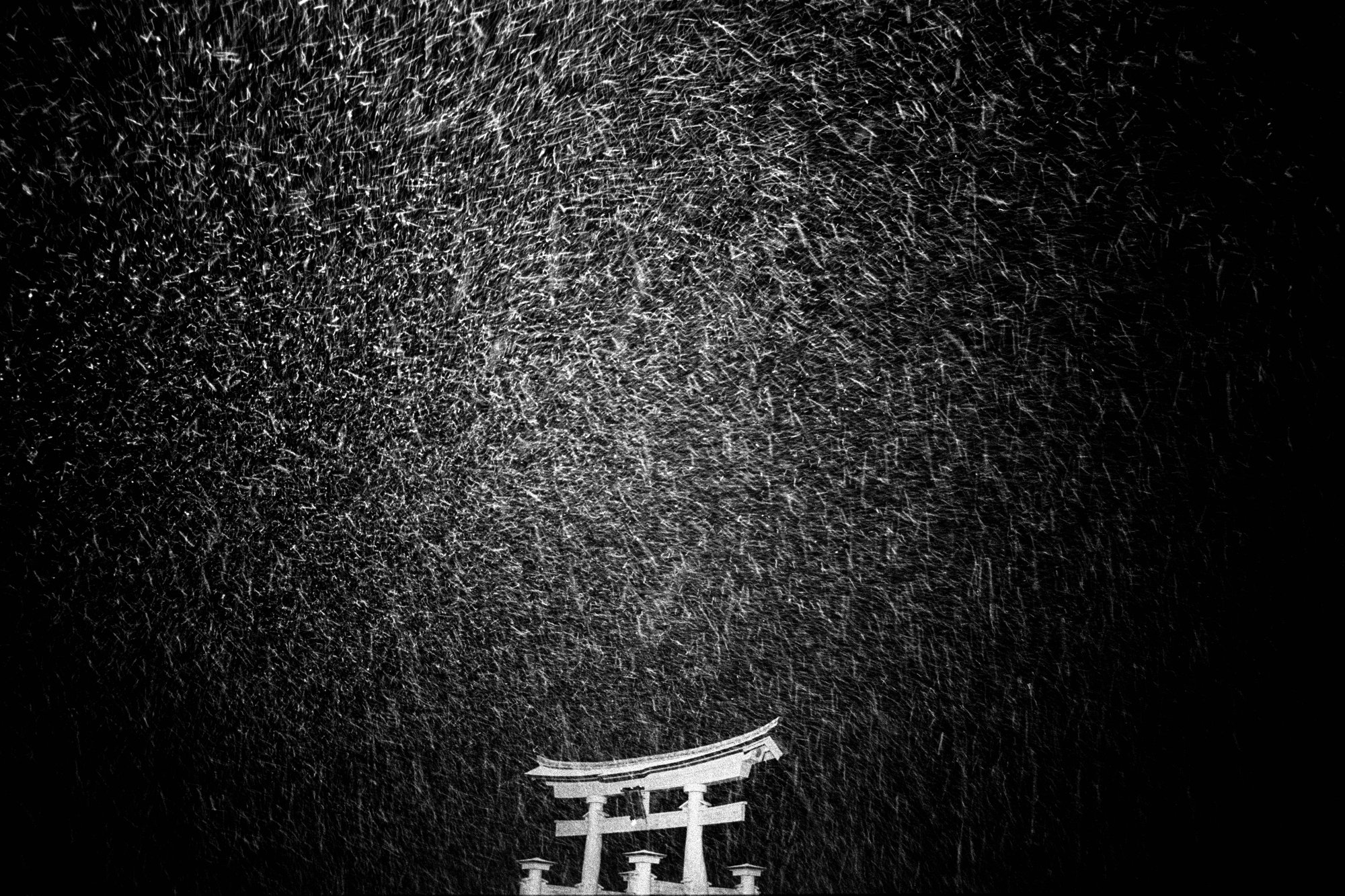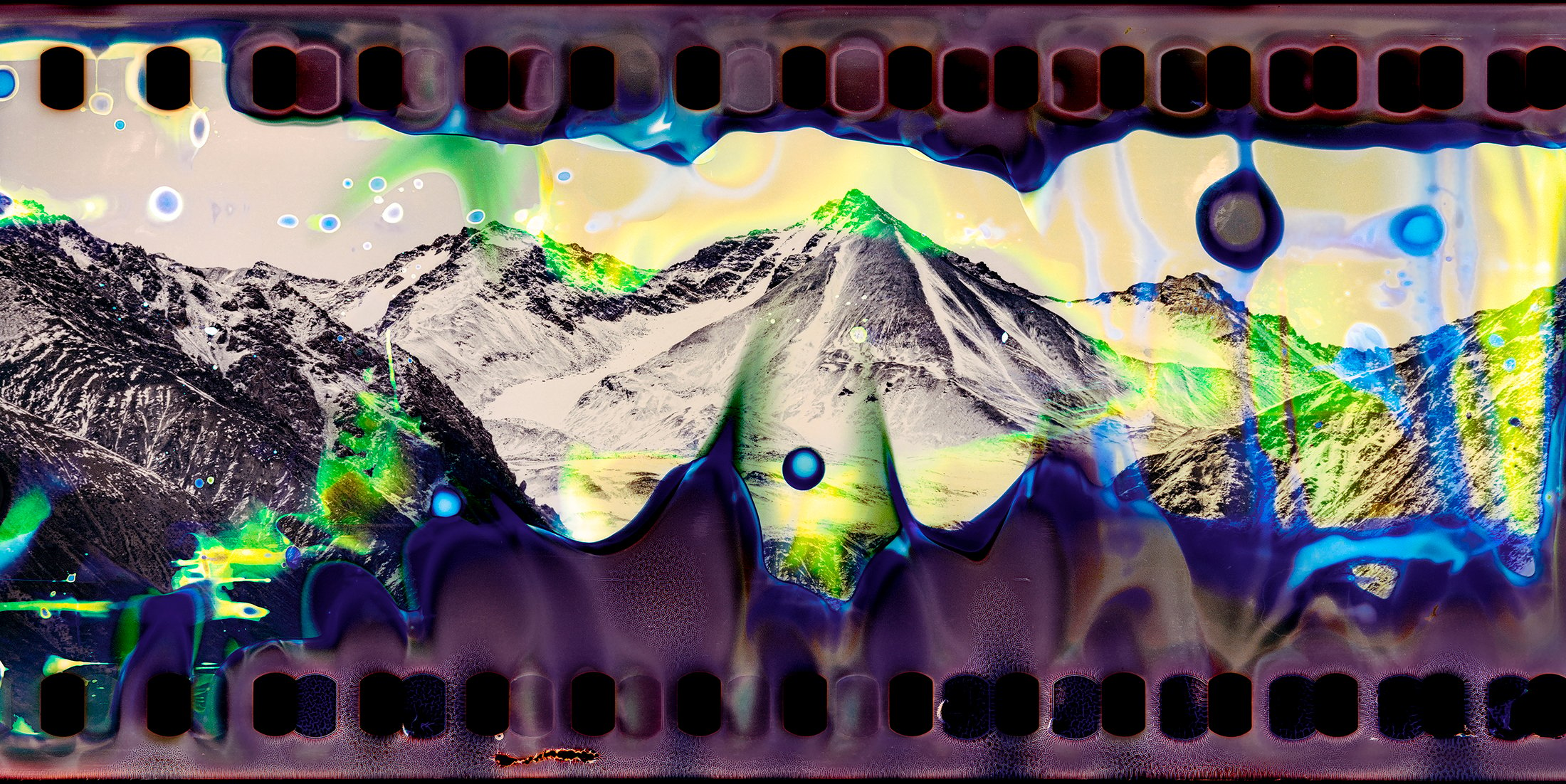
Each summer, the Rencontres d’Arles turns a Provençal city of Roman stones, hot streets, courtyards, churches, and industrial ruins into an argument about images: what they remember, what they invent, what they conceal, and what they can no longer be trusted to prove.
The 2026 edition arrives as photography is nearing its bicentenary—a date usually traced to Nicéphore Niépce’s early camera-made image, View from the Window at Le Gras, made around 1826 or 1827. And an underlying question throughout the wide range of exhibitions is: after two centuries, what can photography still do?
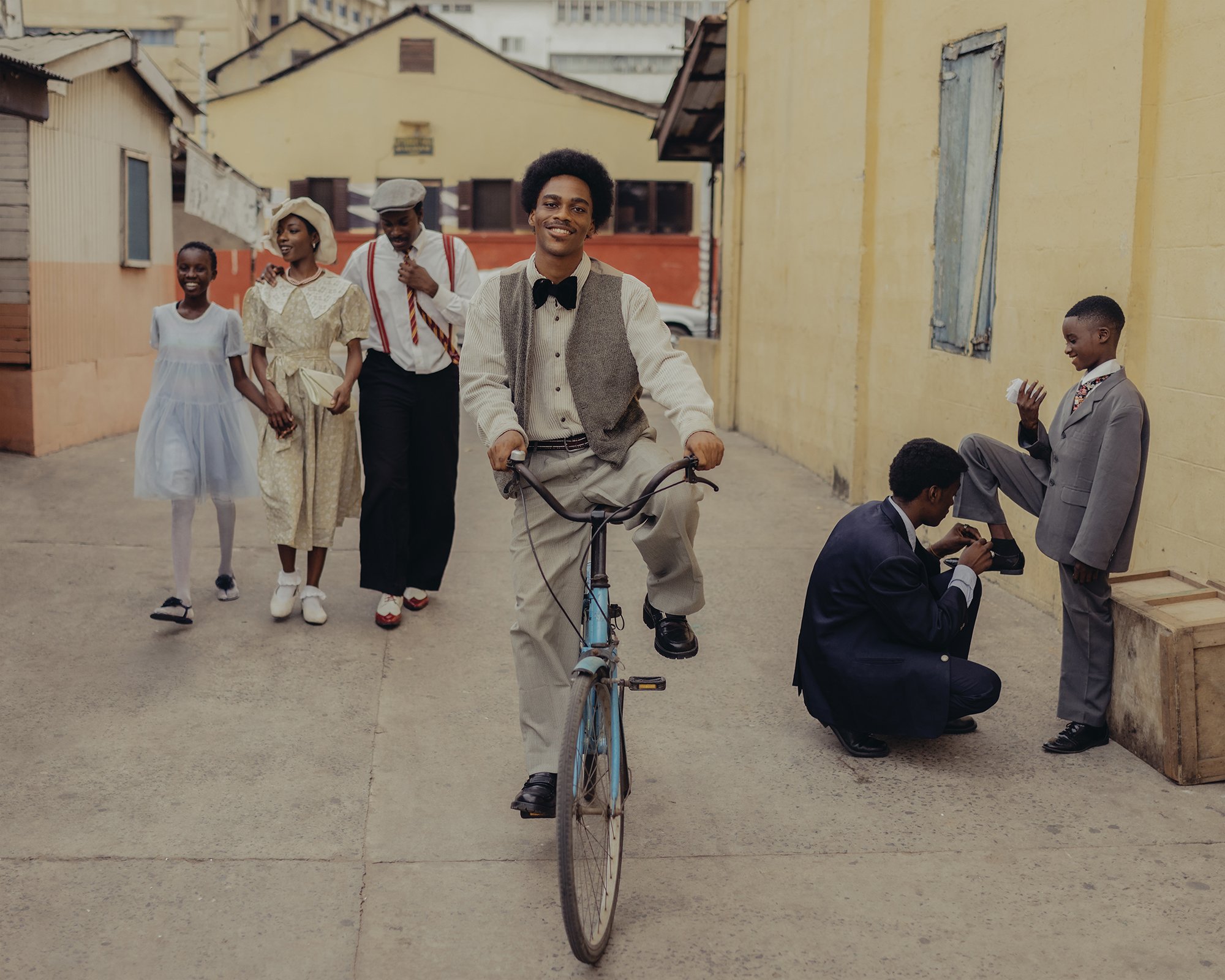
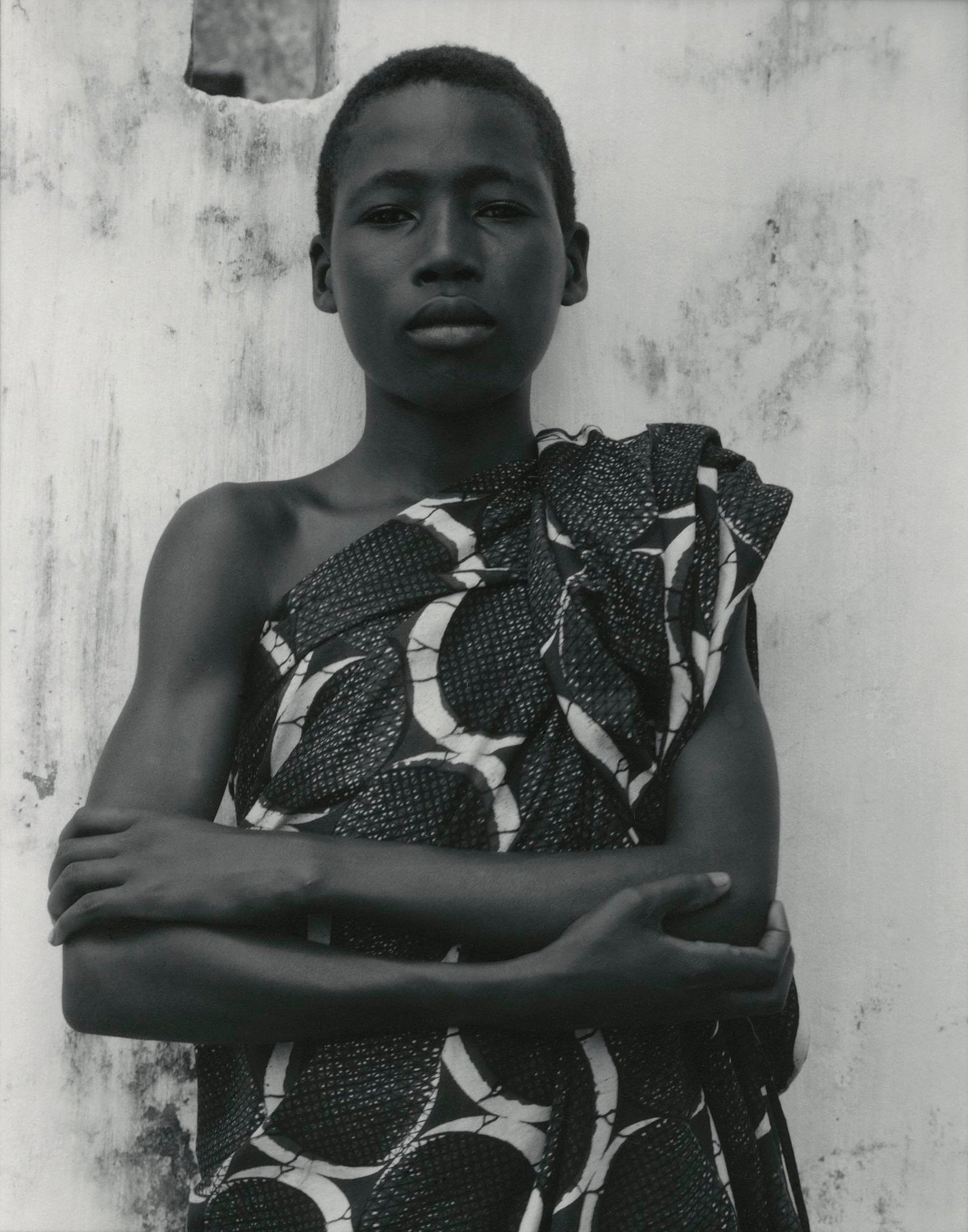
One answer comes through Ghana! Dreaming Independence 1957–1976, among the festival’s most enticing anchors. Carlos Idun-Tawiah’s staged, nostalgic, poster image—a young man on a bicycle moving toward us, surrounded by figures who seem to have stepped from memory in their Sunday best—has the buoyancy of a national dream and the knowing theatricality of reconstruction. Bringing together Felicia Abban, James Barnor, Willis E. Bell, Efua T. Sutherland, Paul Strand, Marc Riboud, and younger contemporary artists, the exhibition looks at how a newly independent country pictured itself through books, magazines, stamps, textiles, portraits, and public imagery. Photography here is not just witness; it is nation-building.
![Paul Kodjo, Abidjan, 1970s, series Les Soirées dansantes [Dance Parties]. Courtesy of Les Rencontres du Sud and in camera galerie.](https://images.lensculture.com/image/259f5028-8ee7-47ff-2165-de48926d1200/large)
Elsewhere in the “Independence” section, Paul Kodjo’s Photoromance captures the promise of Abidjan in the 1970s. Sammy Baloji’s Landscape Lens: A Katangese Crossing takes a more haunted route through family history, colonial archives, extractivism, and the contested terrain of Katanga. Katia Kameli’s The Algerian Novel (A New Chapter) continues her layered meditation on Algeria through postcards, press images, film, and female voices.
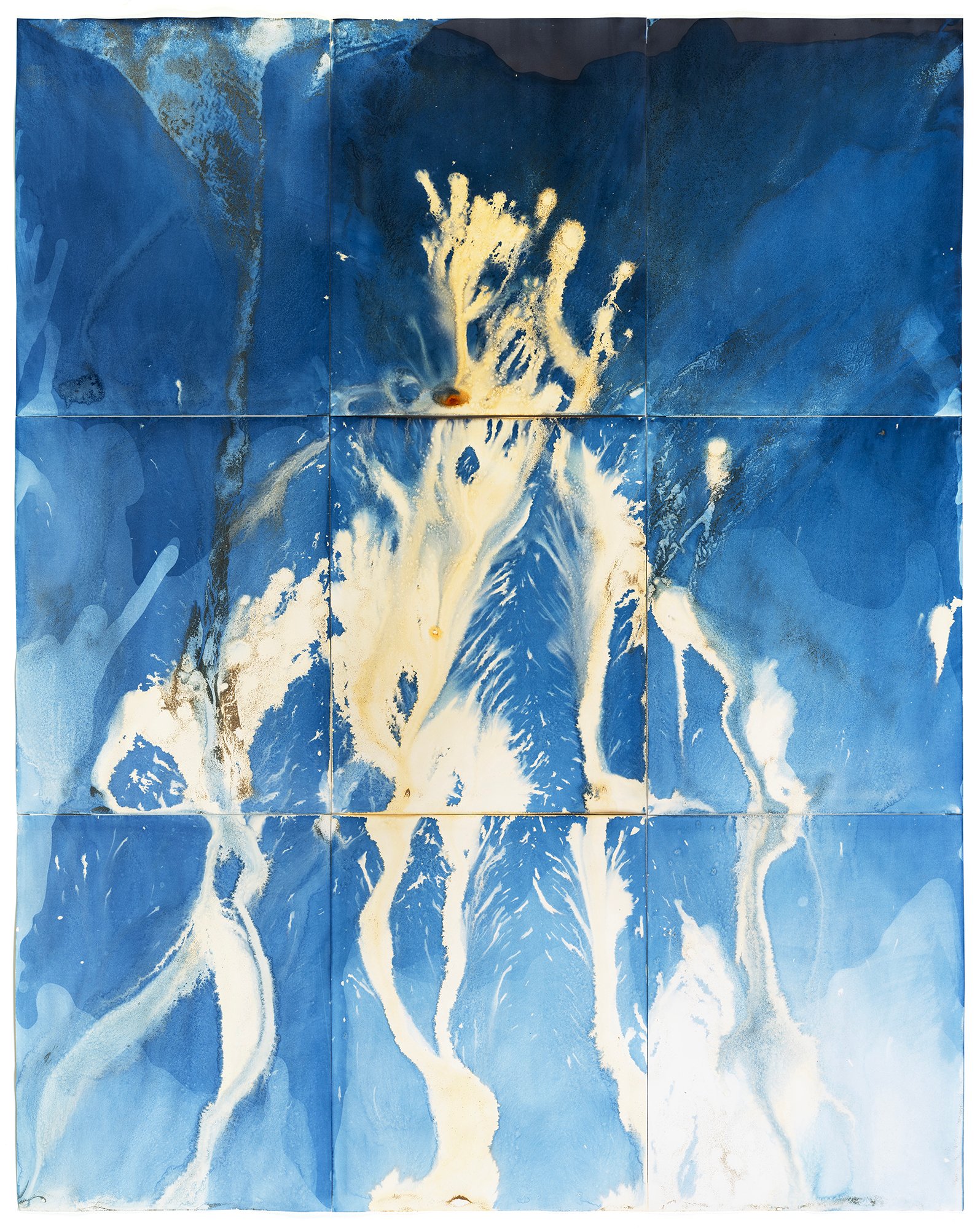
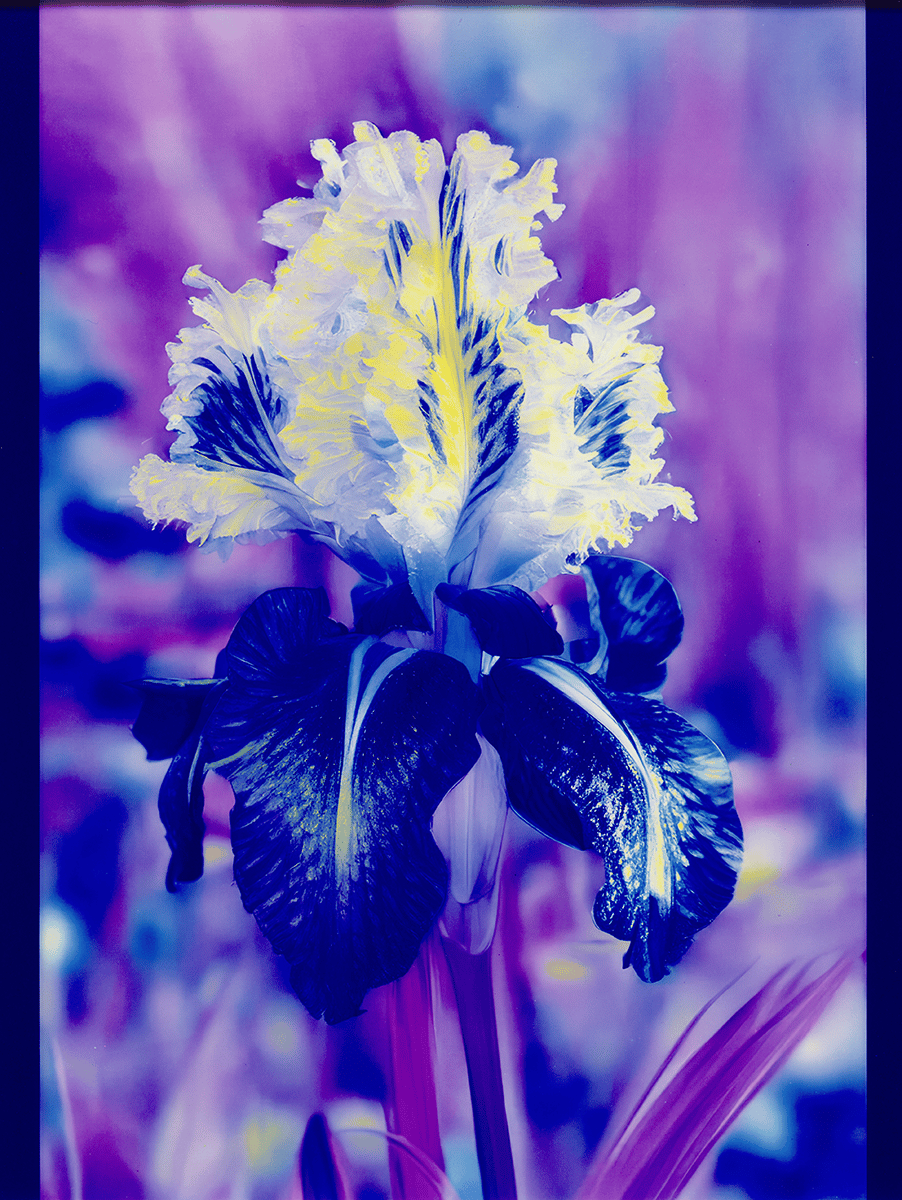
The festival’s “Forms of Life” section may be where Arles feels most sensuous. Meghann Riepenhoff’s Upwelling brings cameraless cyanotypes into contact with water, weather, contamination, and climate instability; her blue-and-white surfaces look less like pictures of nature than weather events persuaded, briefly, to become paper. Lisa Oppenheim’s Monsieur Steichen resurrects Edward Steichen’s floral and textile obsessions through dye-transfer printing and AI—an old master returned as iris, pattern, ghost, and algorithm.
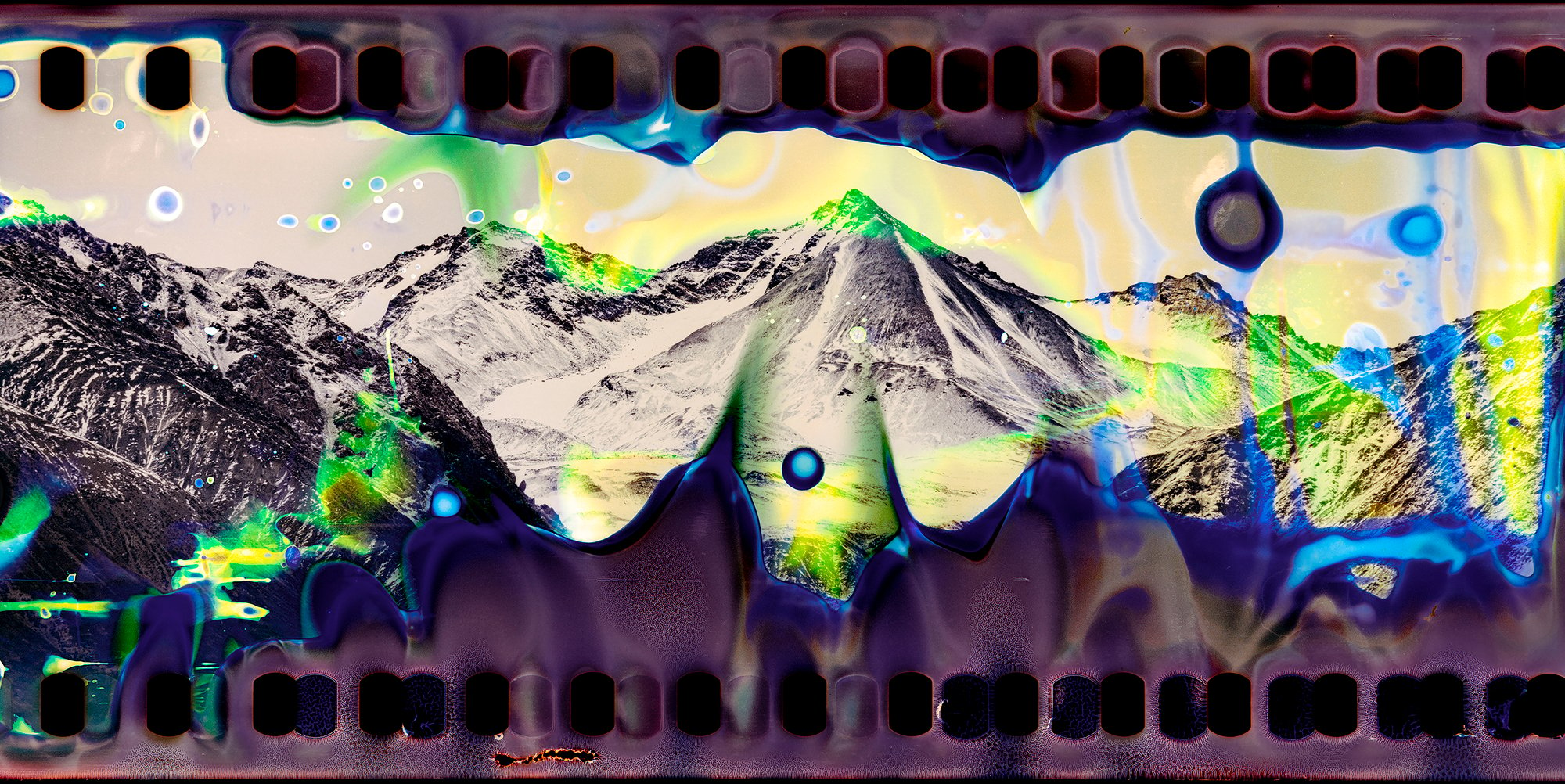
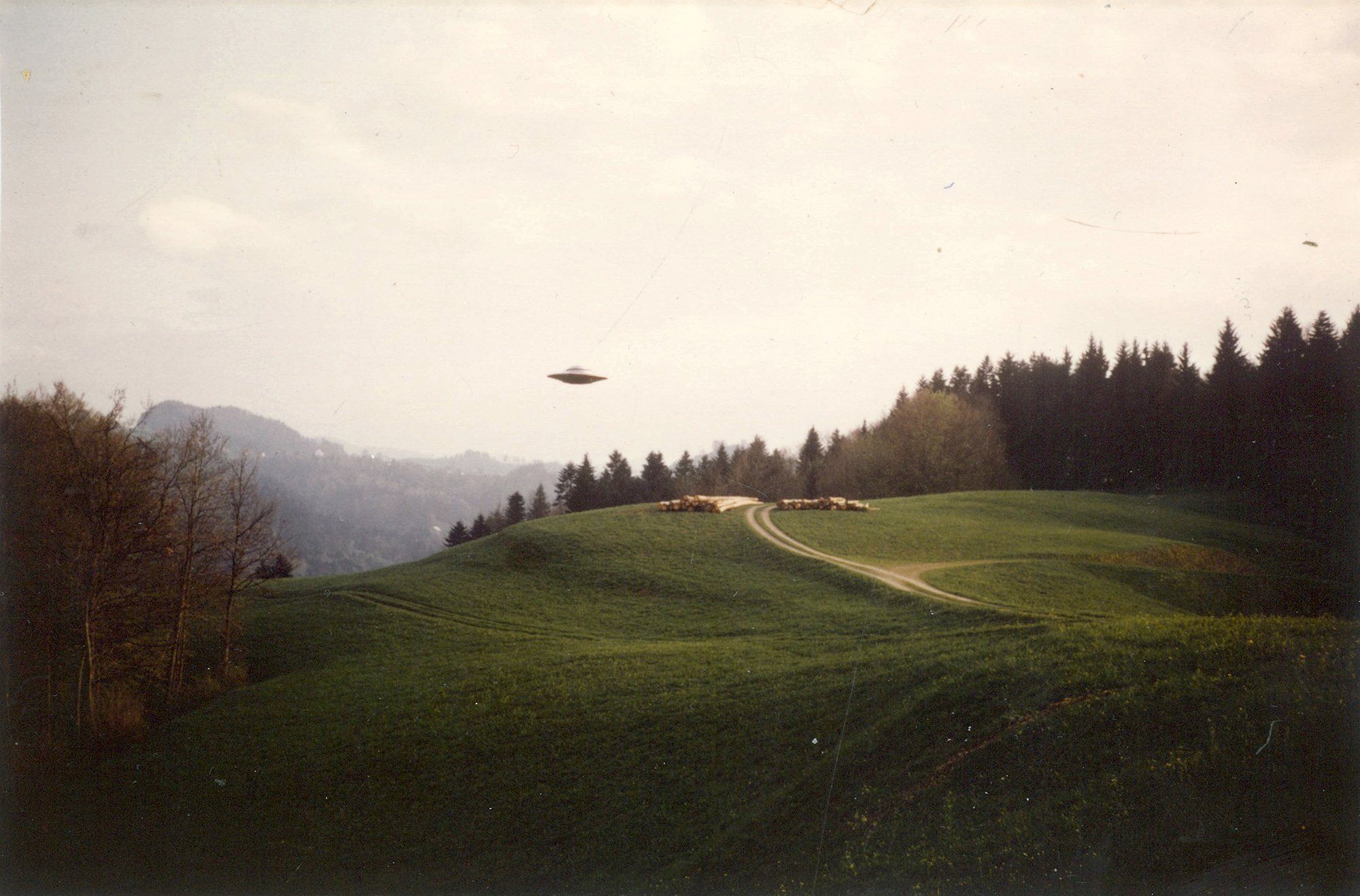
Arles also leans into the medium’s current crisis of confidence. We Are Not Alone: Alien Images treats UFO photography as a long prehistory of visual doubt: blurry evidence, belief systems, unstable proof. Clément Cogitore’s Memory Palace folds amateur footage, collective memory, and generative AI into a meditation on what societies choose to remember. Hu Weiyi’s The Inner Darkroom, with film exposed to bodily chemistry, and The Cannibal Image confronts us with pictures like distorted nightmares.
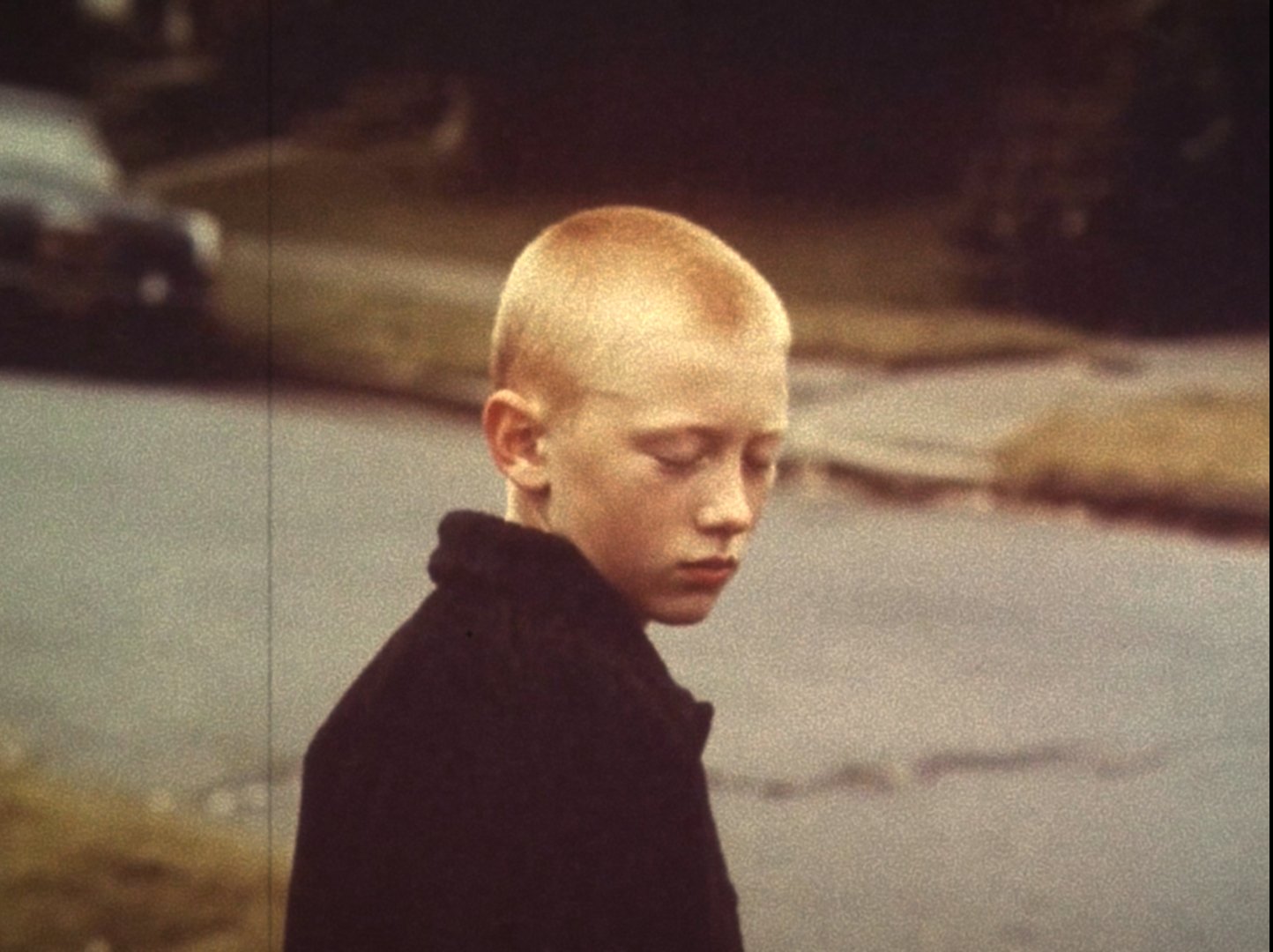
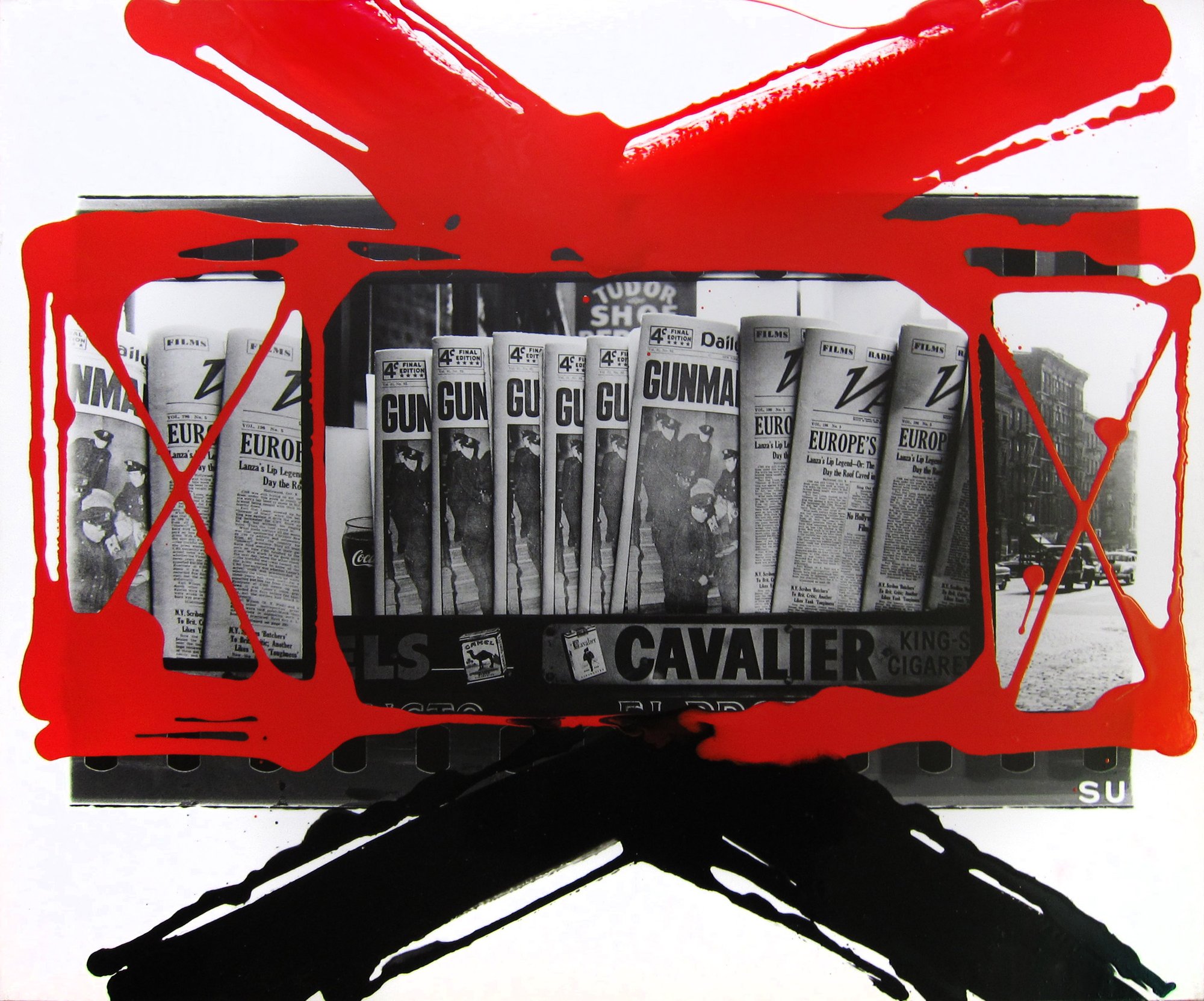
The “Revisits” offer their own pleasures. William Klein, who would have turned 100 this year, is remembered with This Way to Heaven, a reminder that photography can be gloriously unruly. Ming Smith’s Wandering Light delivers blur, spirit, and Black interiority; Harry Gruyaert celebrates saturated color; Martine Barrat restores tenderness and force to photographs made from within marginalized urban communities.
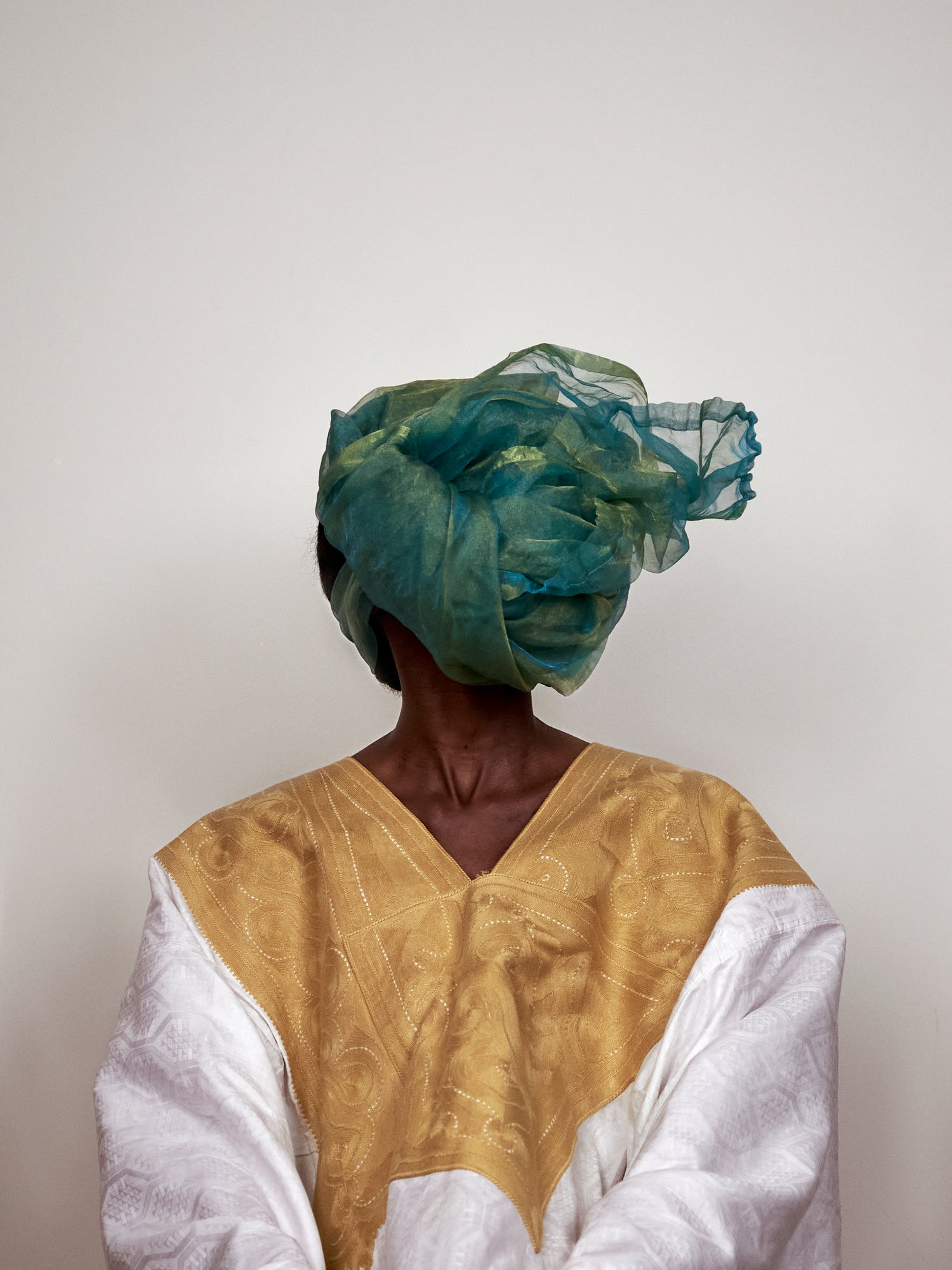
And then there are the younger voices: Jordan Beal, Souleymane Bachir Diaw, Amira Lamti, Mallory Lowe Mpoka, Phan Quang, Charlotte Yonga, and others in the Discovery Award orbit, where truth appears not as a fixed object but something stitched, performed, protected, and approached obliquely.
That may be the promise of Arles this year. Not certainty, but pressure points: independence and inheritance, animals and archives, AI and ancestral memory, beauty and damage. Photography, nearing 200, is not settling into respectability. In Arles, at least, it remains restless.
Visit the website for more details: Les Rencontres d’Arles 2026. Exhibitions run July 6 to October 4. Opening week is July 6 - 12.