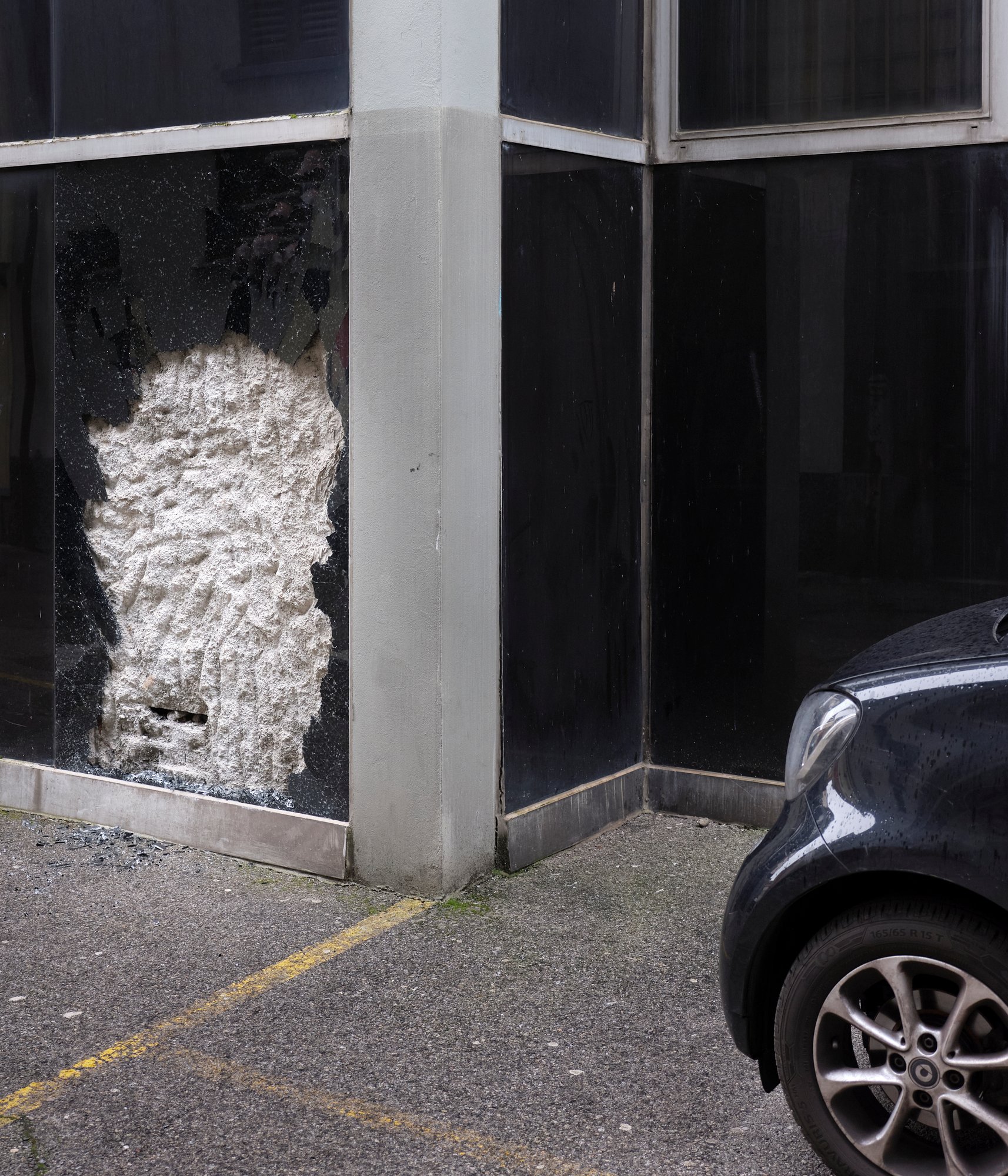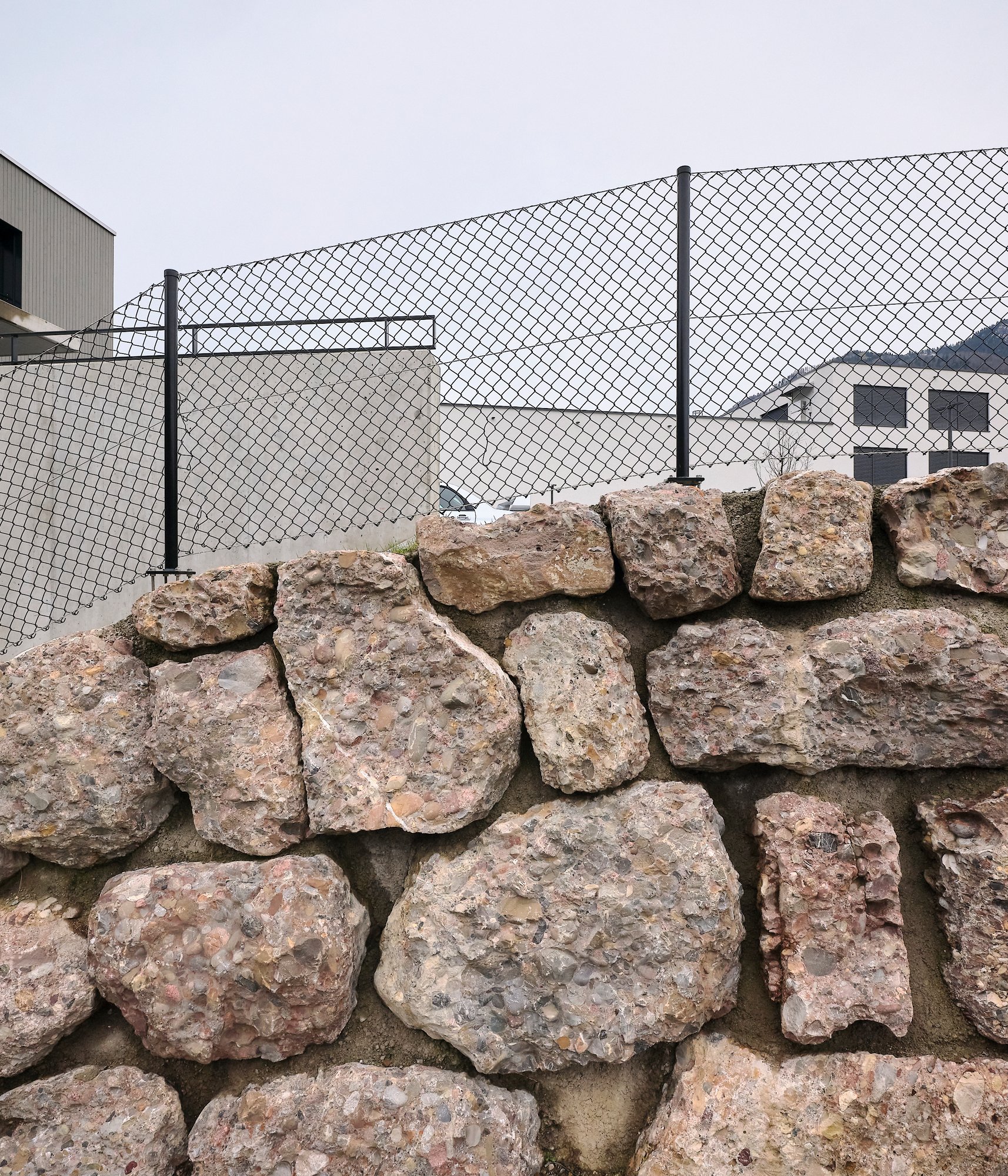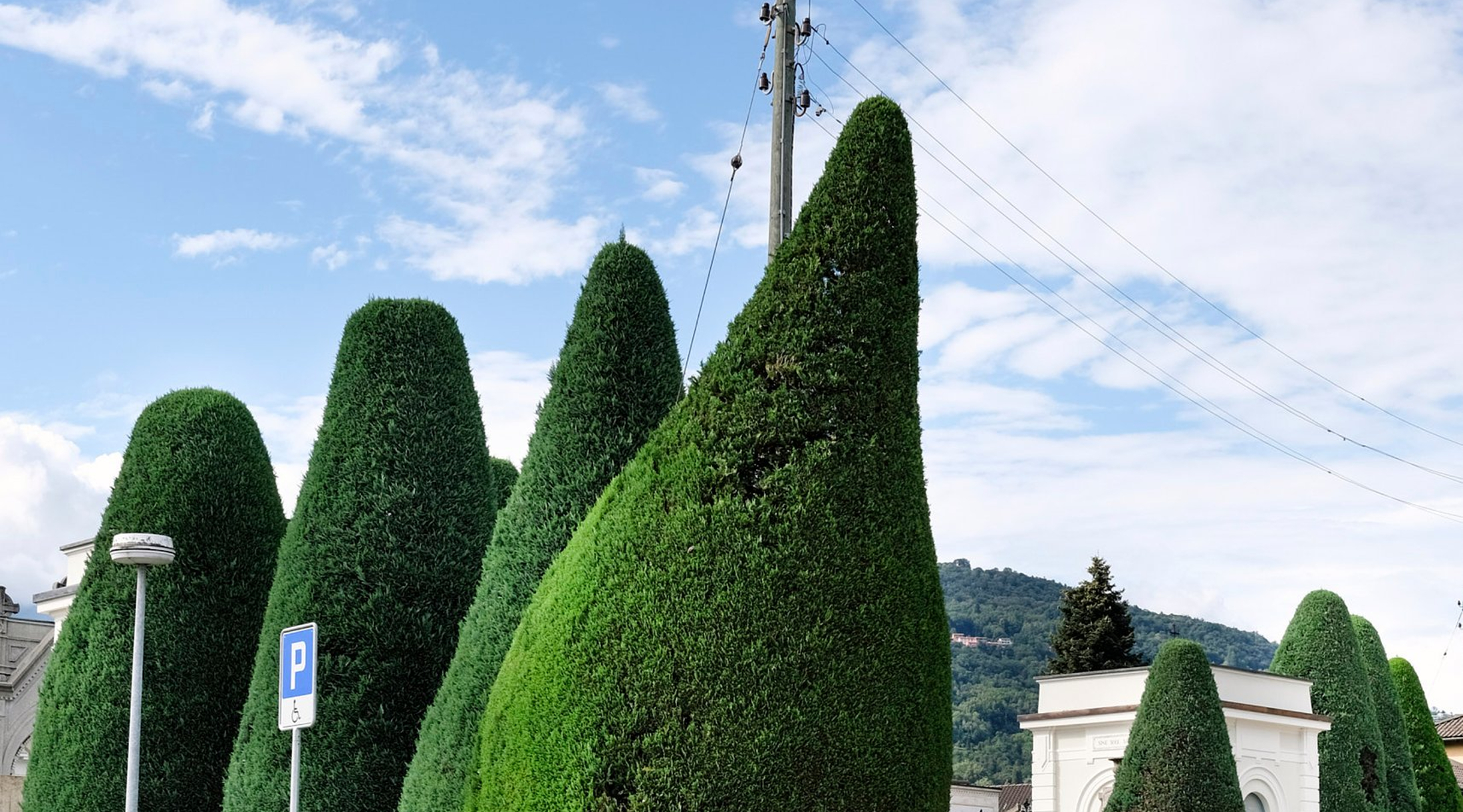
Life can be seen as a series of contrasts. Birth and death, work and play, ugliness and beauty, silence and noise, man versus nature. For Swiss photographer Matthias Forster, this last one—which could also be read as control versus chance—offers a territory ripe for exploration. In his series Homo Faber and Divine Providence, he finds surprise and pathos by paying close attention to the marks humans make on their day-to-day environments.
The Roman writer and statesman Appius Claudius Caecus left his personal mark on the Western world in a handful of ways, the most obvious being the vital road leading from Rome to the port city of Brindisi that bore his name, the Appian Way. It was a building project that ensured the success of the Roman republic. And so it is fitting that in his book, Sententiae, he wrote the line, “Every man is the architect of his destiny.”
From the original Latin came the term ‘homo faber,’ meaning skillful man or maker. The term refers to the idea that humans are creators, wielding control over their surroundings and destiny through the use of tools, creativity, and work. Homo faber inspired Renaissance thinkers, was explored by philosopher Hannah Arendt, taken up by anthropologists, and gave its name to an influential novel by Swiss writer Max Frisch.
In the work of Matthias Forster, ‘man the maker’ crashes into a world shaped equally by chance or what some might call destiny. In his title, he uses the term ‘divine providence’ to describe what is out of our control. For some, divine providence is the will of God; for others, the power of the land. It is this relationship that guides the artist’s photographic wanderings, wherein moments of banality give way to flashes of beauty and surprise. The landscapes pictured may not have the storied connotations of the Appian Way, but they nod to the aspirations, both large and small, of contemporary society.
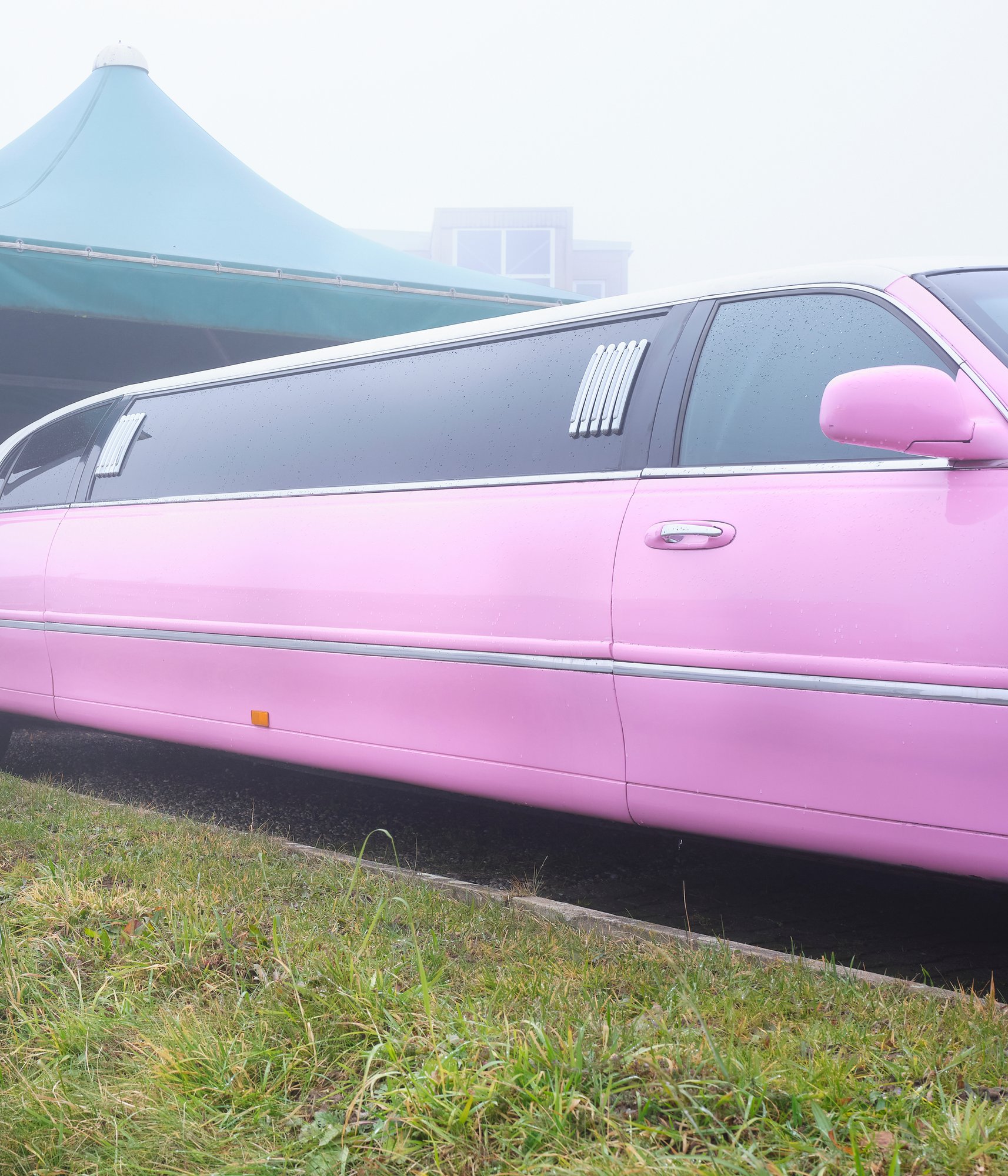
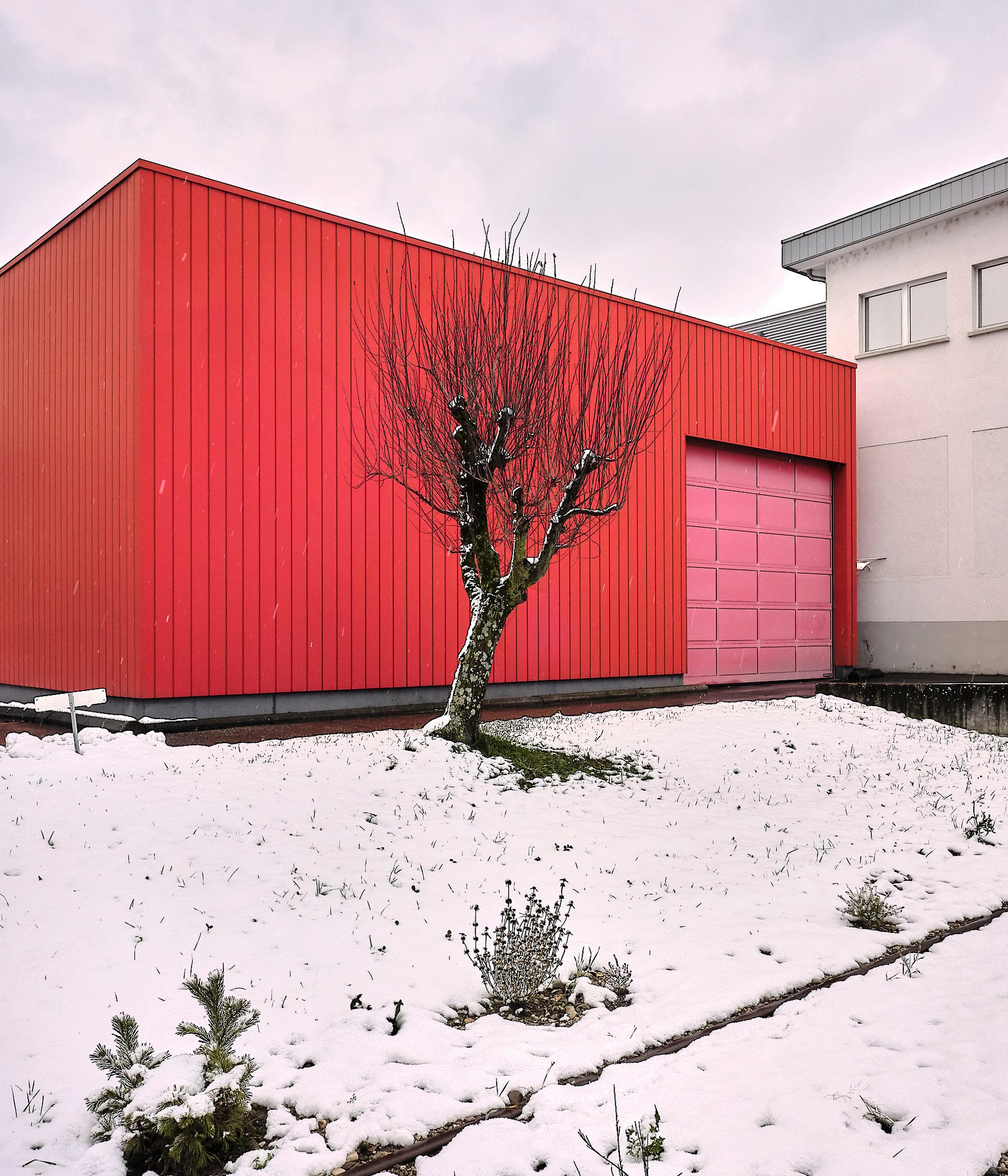
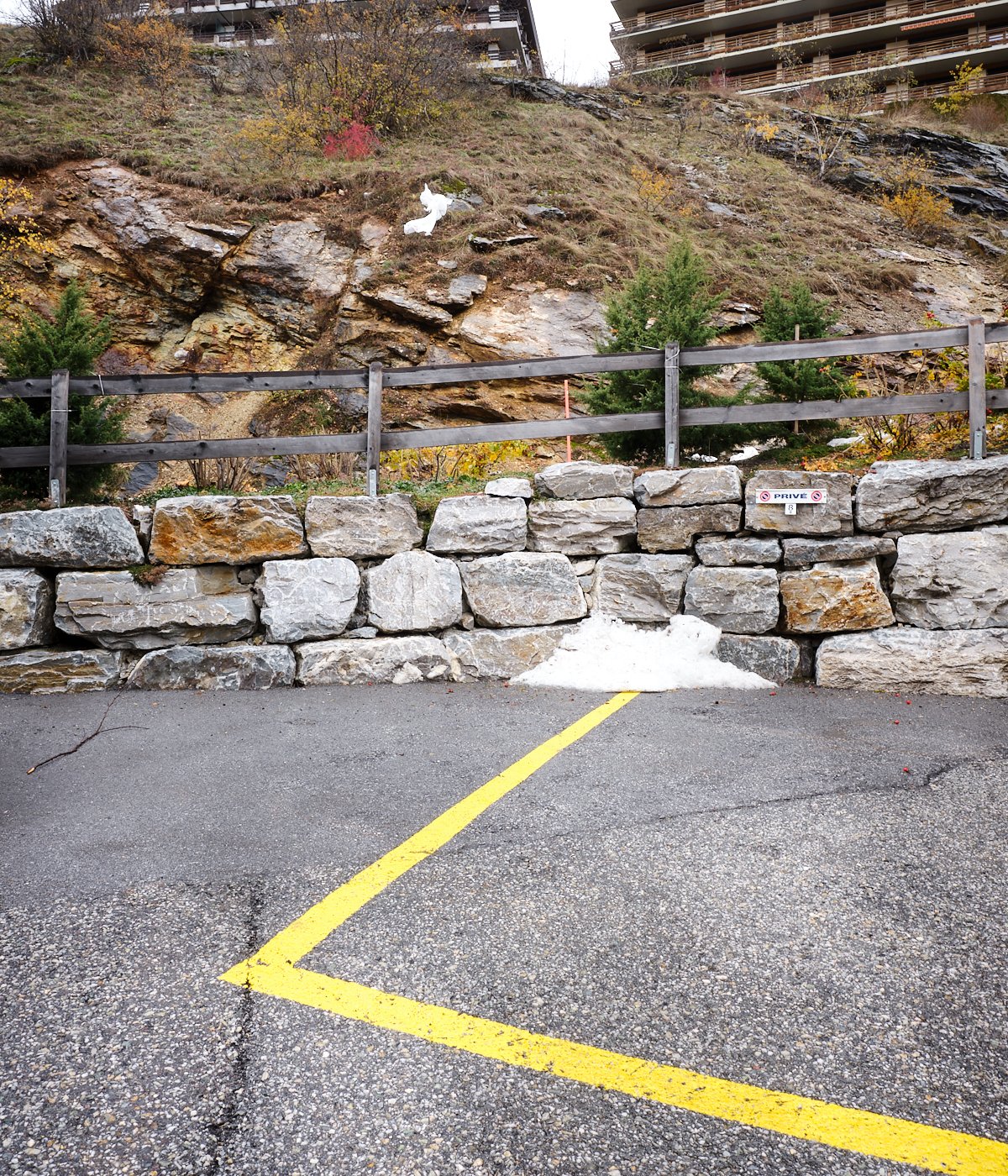
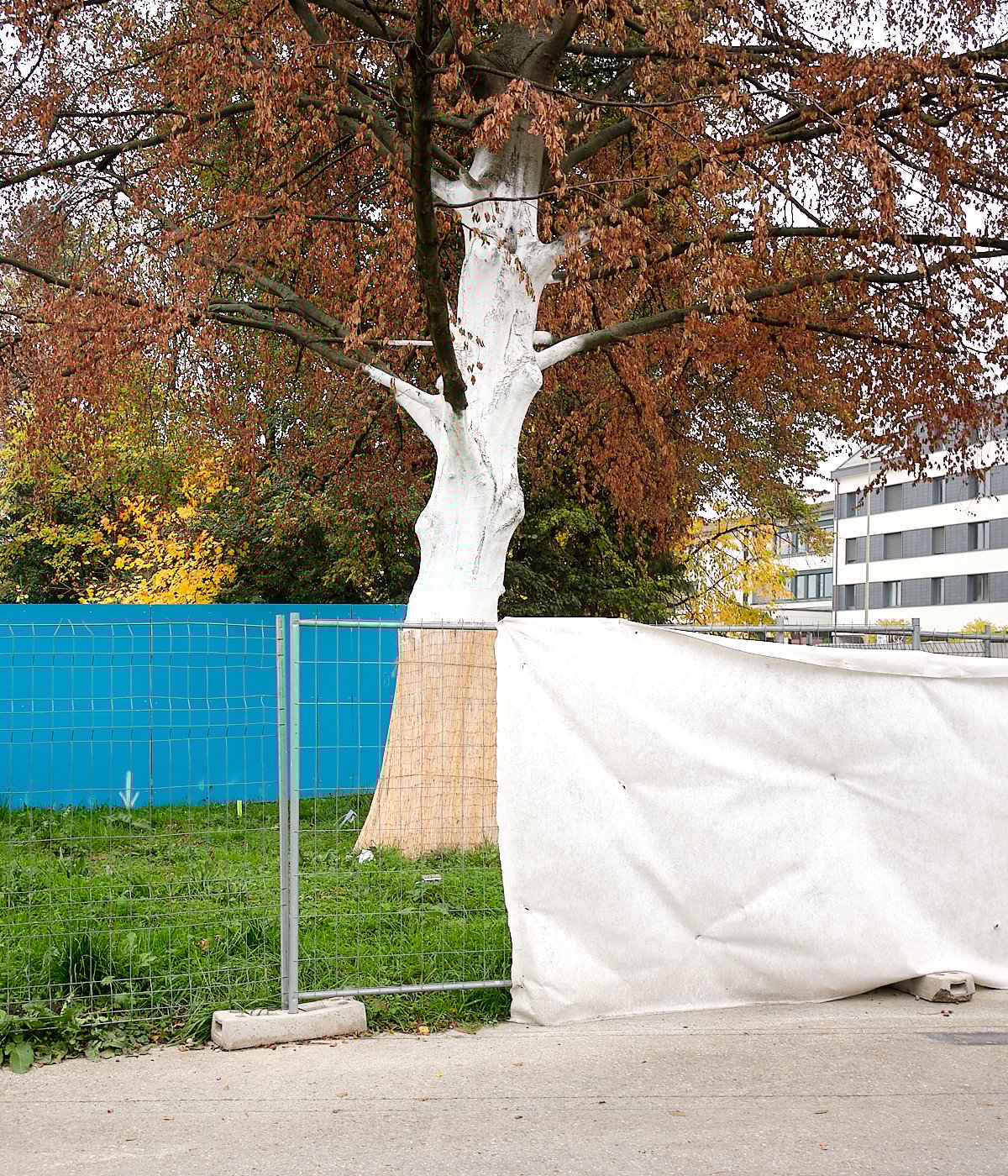
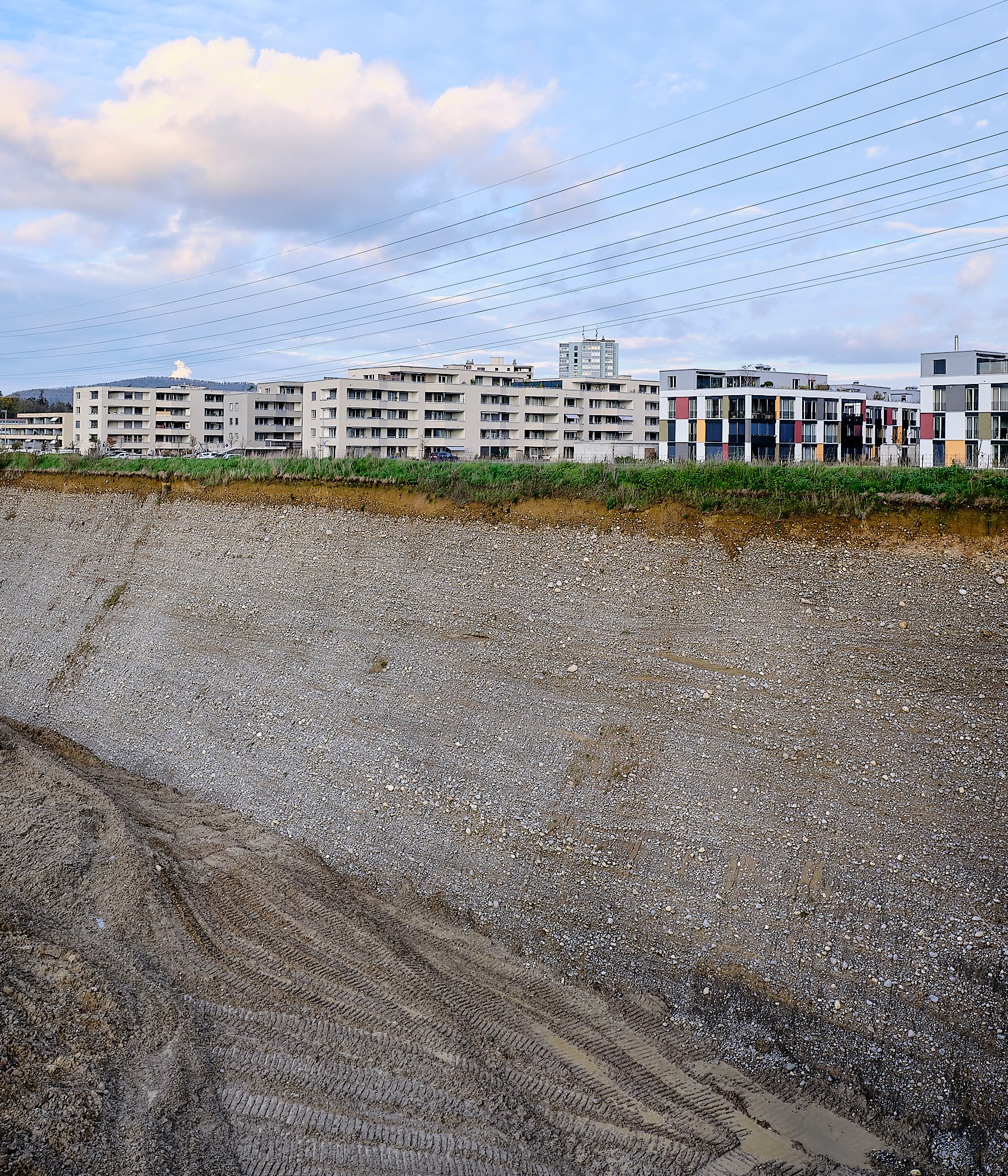
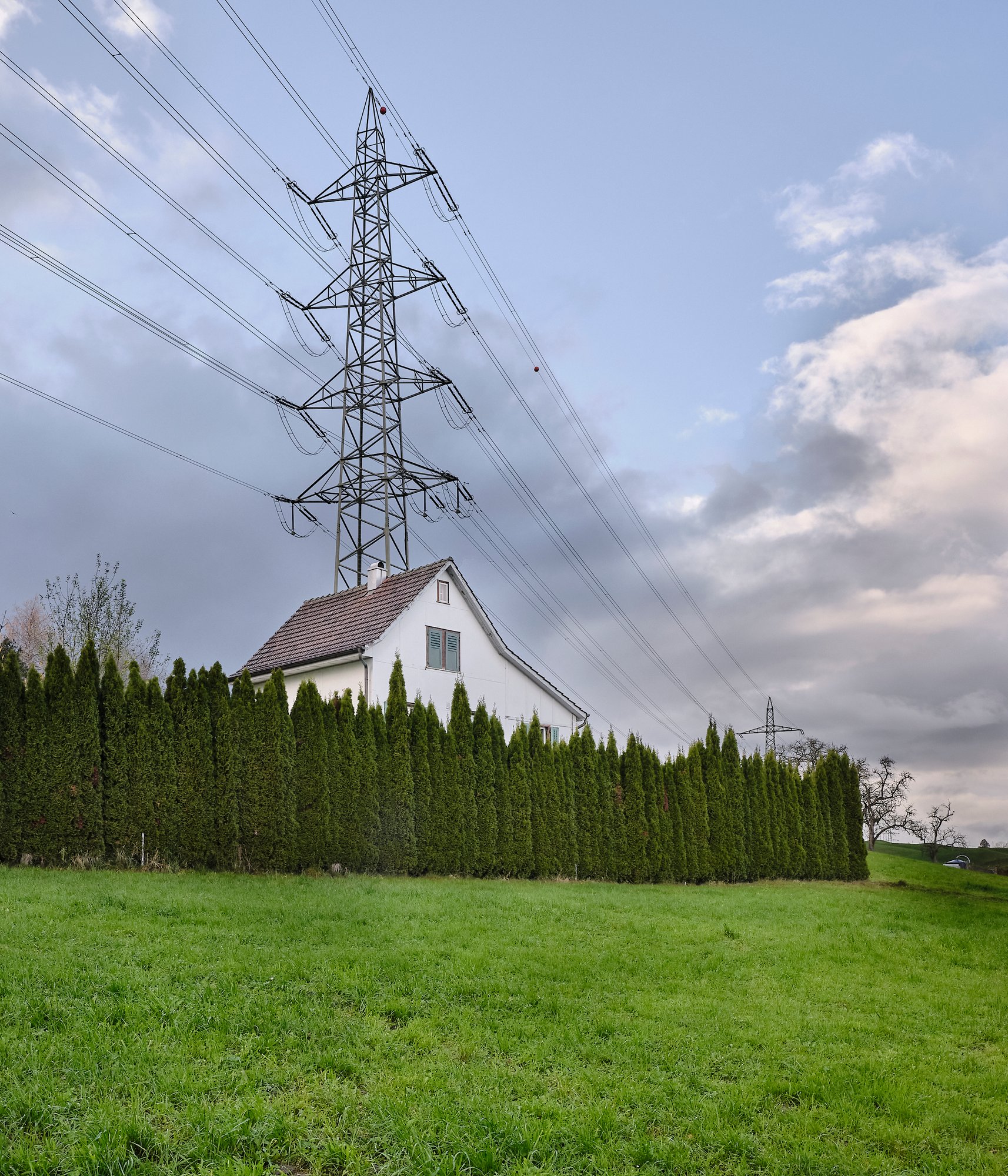
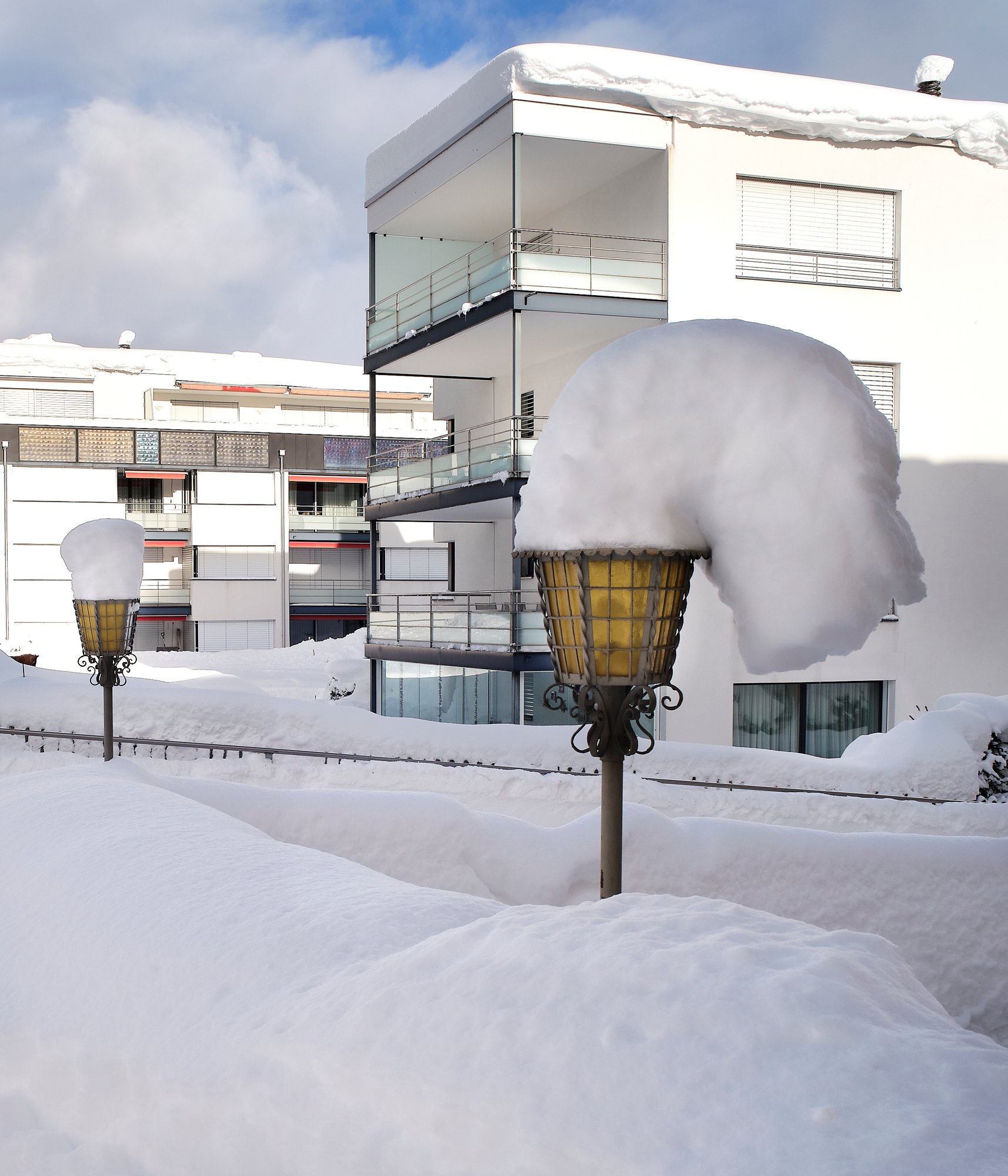
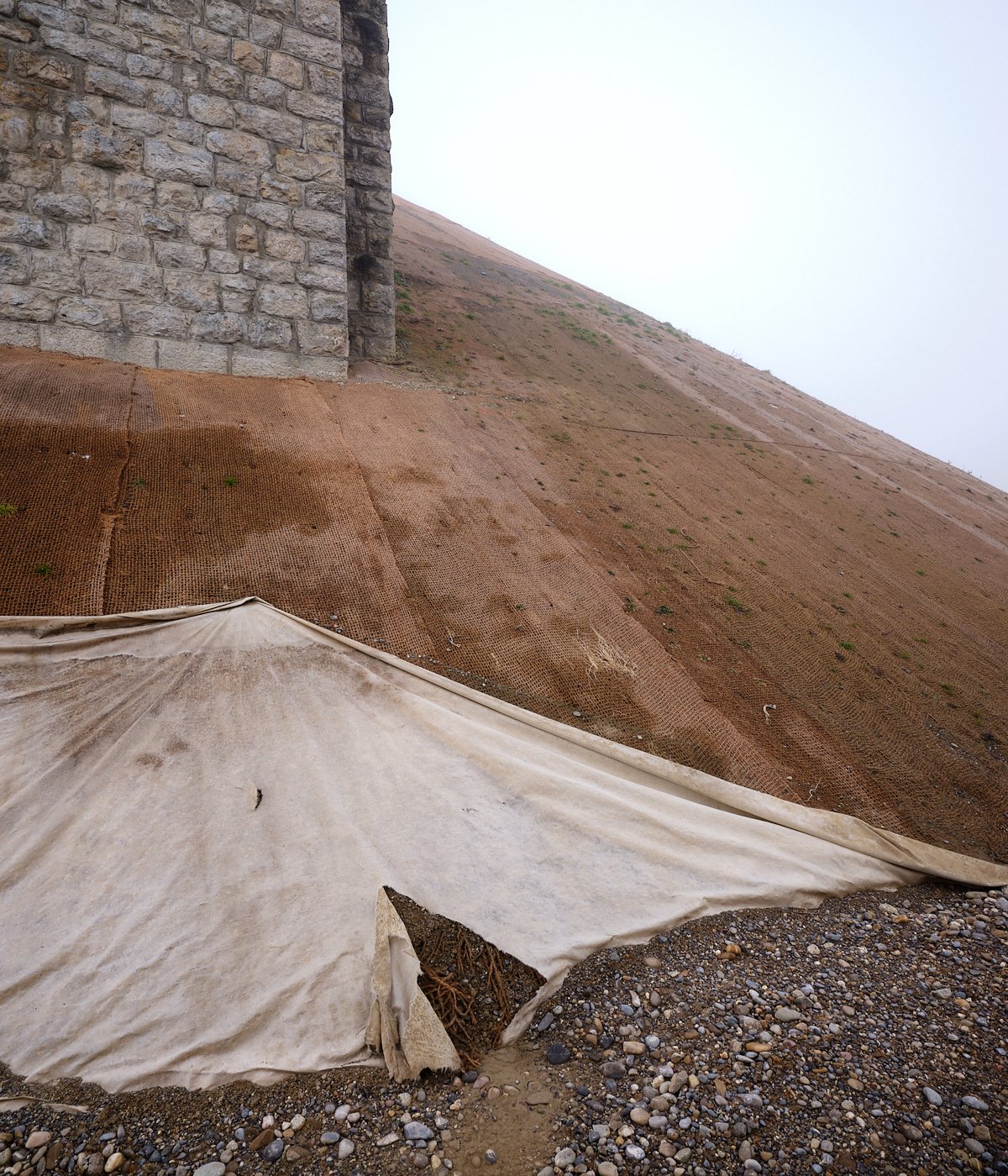
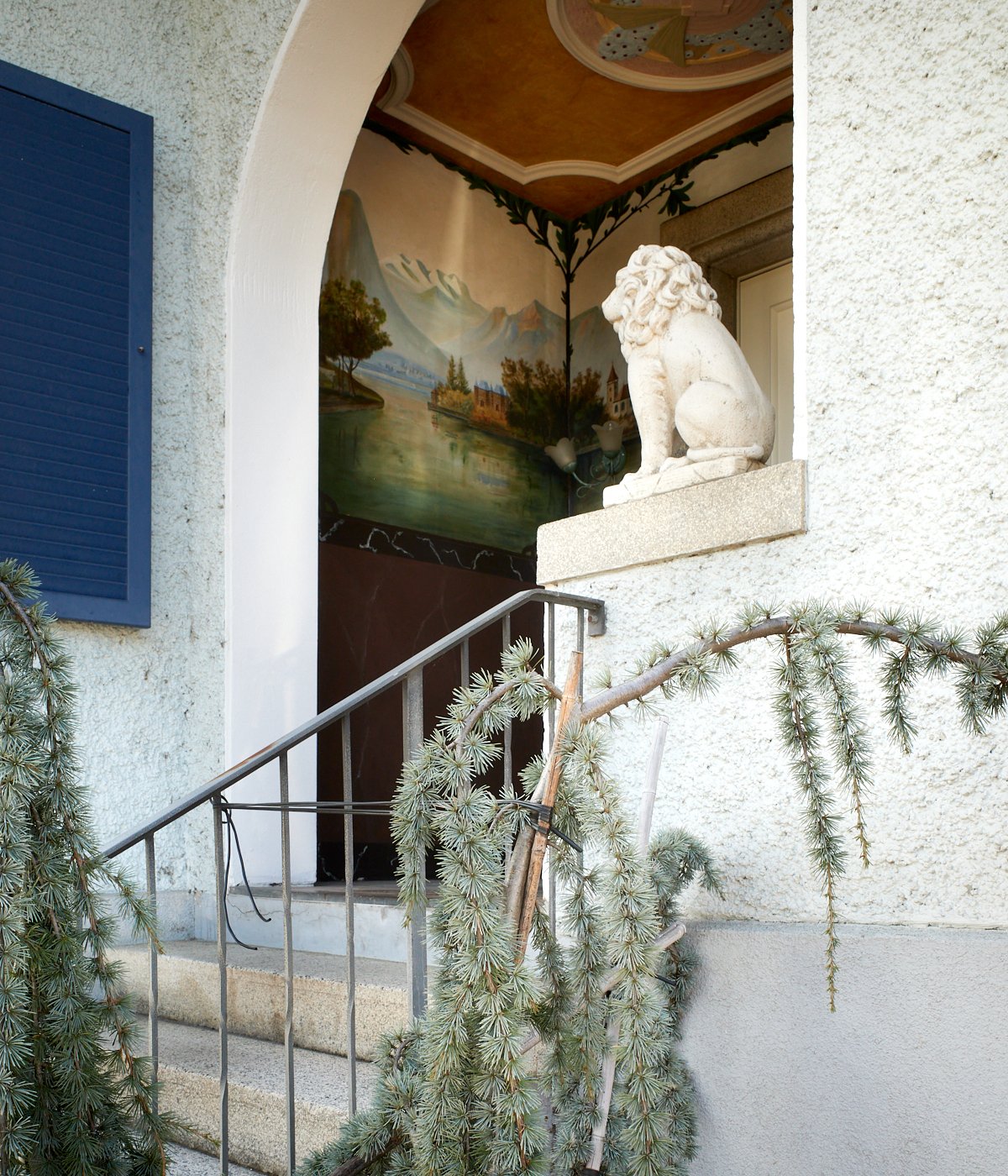
Cell towers, nuclear reactors, stretch limos, electric lines, tidy yards, and stonework lions guarding the doors of small town homes fill these images. A tree half-painted white, juxtaposed against a construction fence, fits together like a jigsaw puzzle. The built environment embraces, abuts, and breaks apart against the natural world. Gravel pits, parking lots, and residential gardens mimic and diverge from their surroundings.
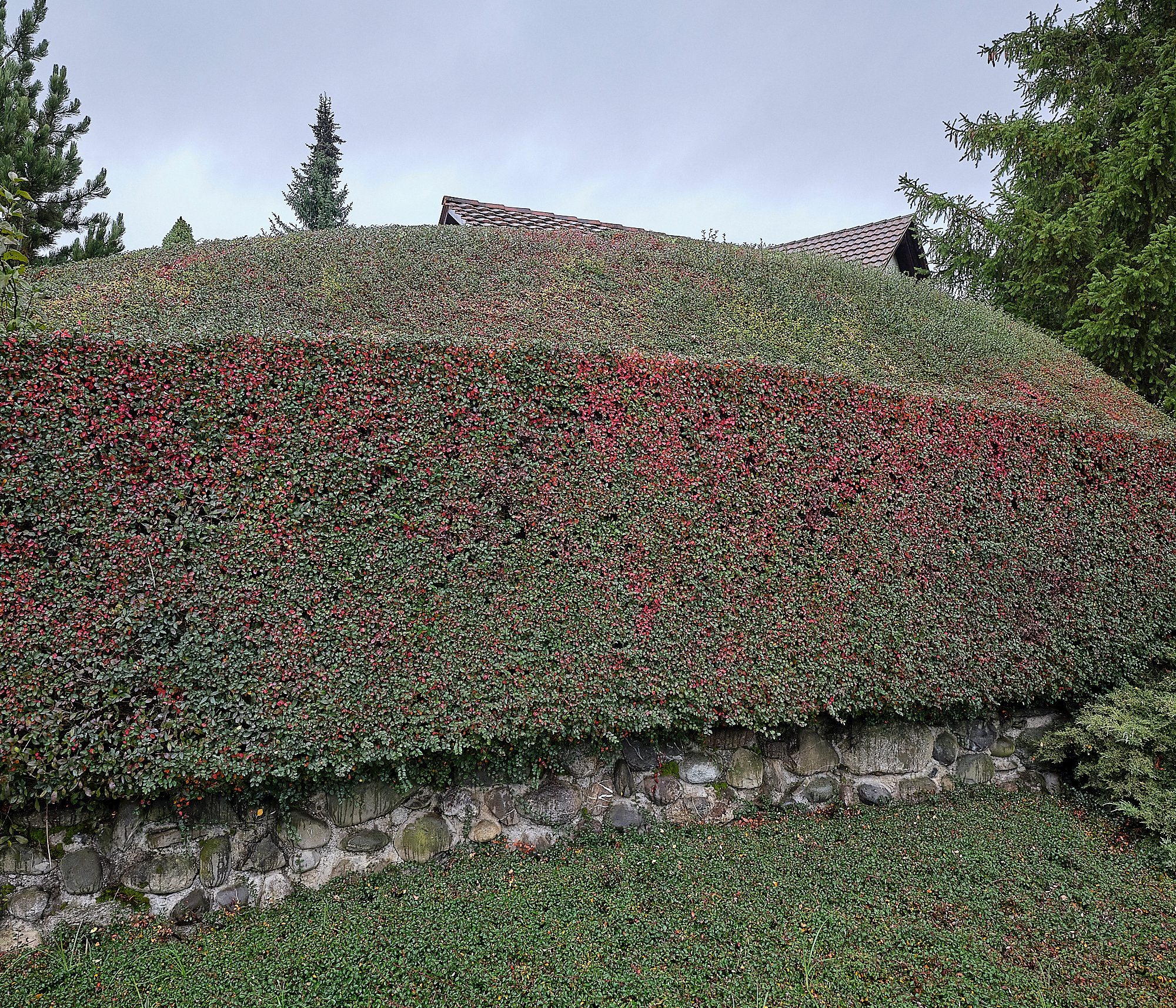
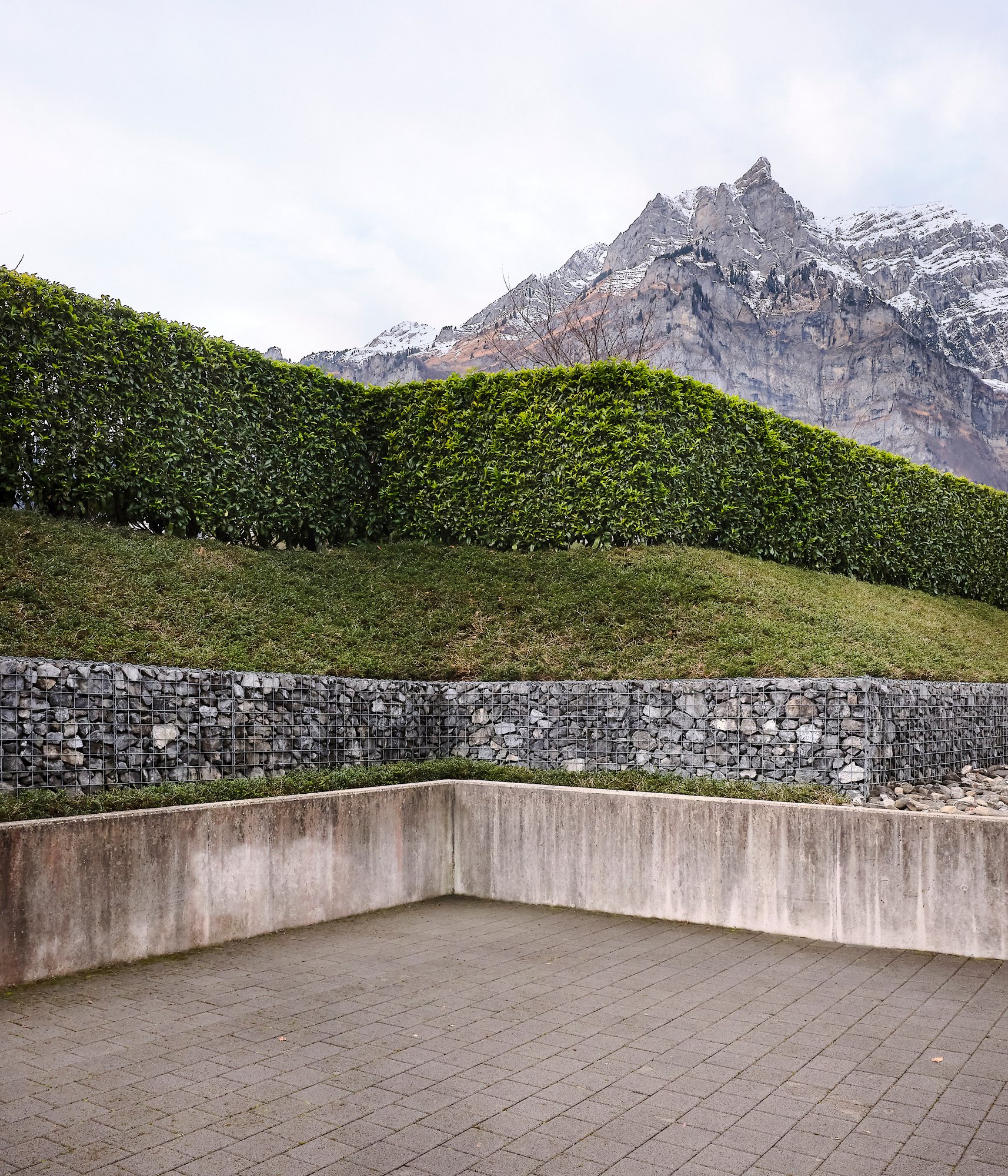
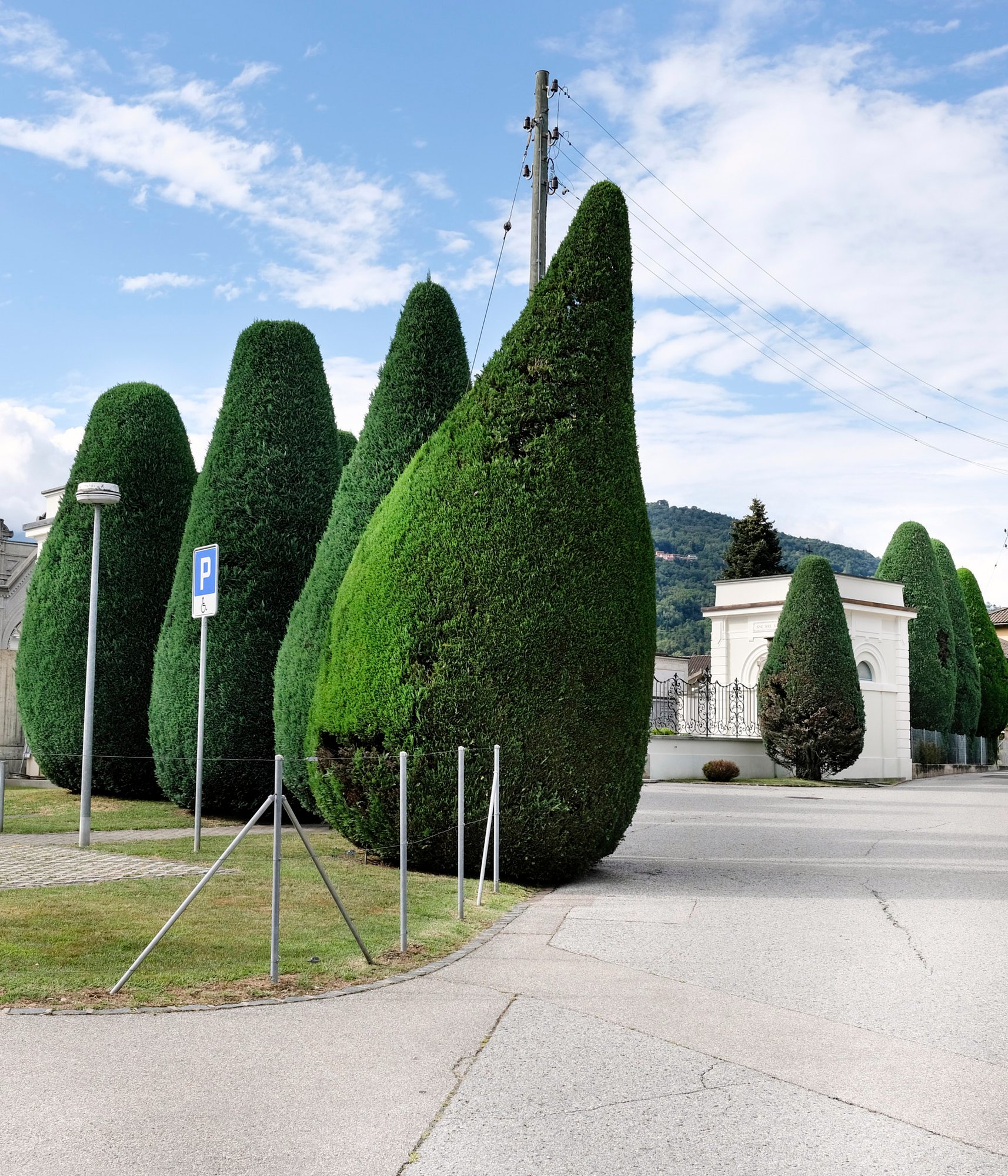
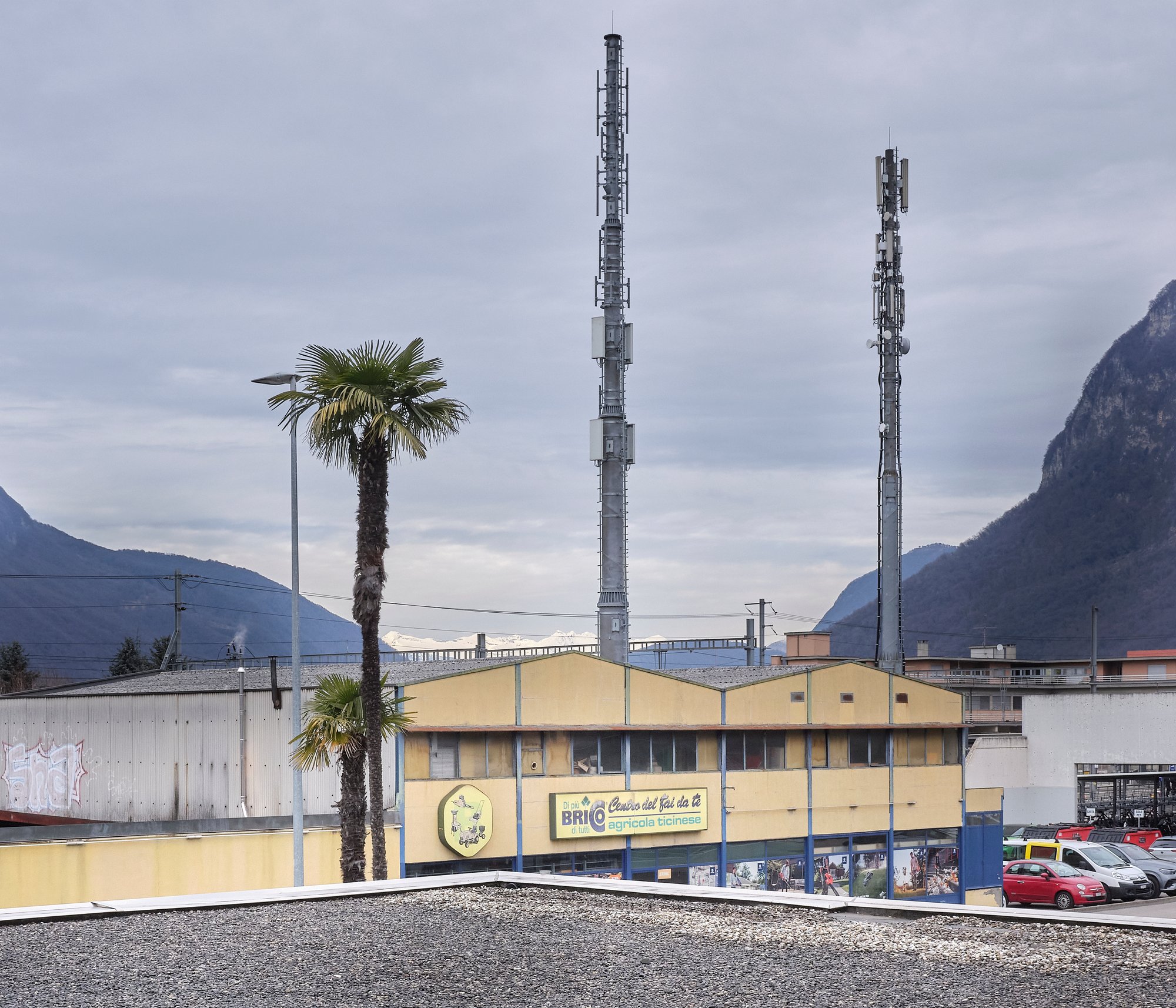
“In my wanderings, I discover the extraordinary in the ordinary,” he says. Throughout his photographic series, we follow along as Forster’s eyes land on the strange and uncanny. A large bowling pin-shaped cypress tree appears to be on the verge of tipping over. Under the imposing peaks of mountains, layers of shrubs and suburban walls simulate the strata of a geological cross-section. Two palm trees appear equal parts cheerful and alien in the context of an industrial shopping center.
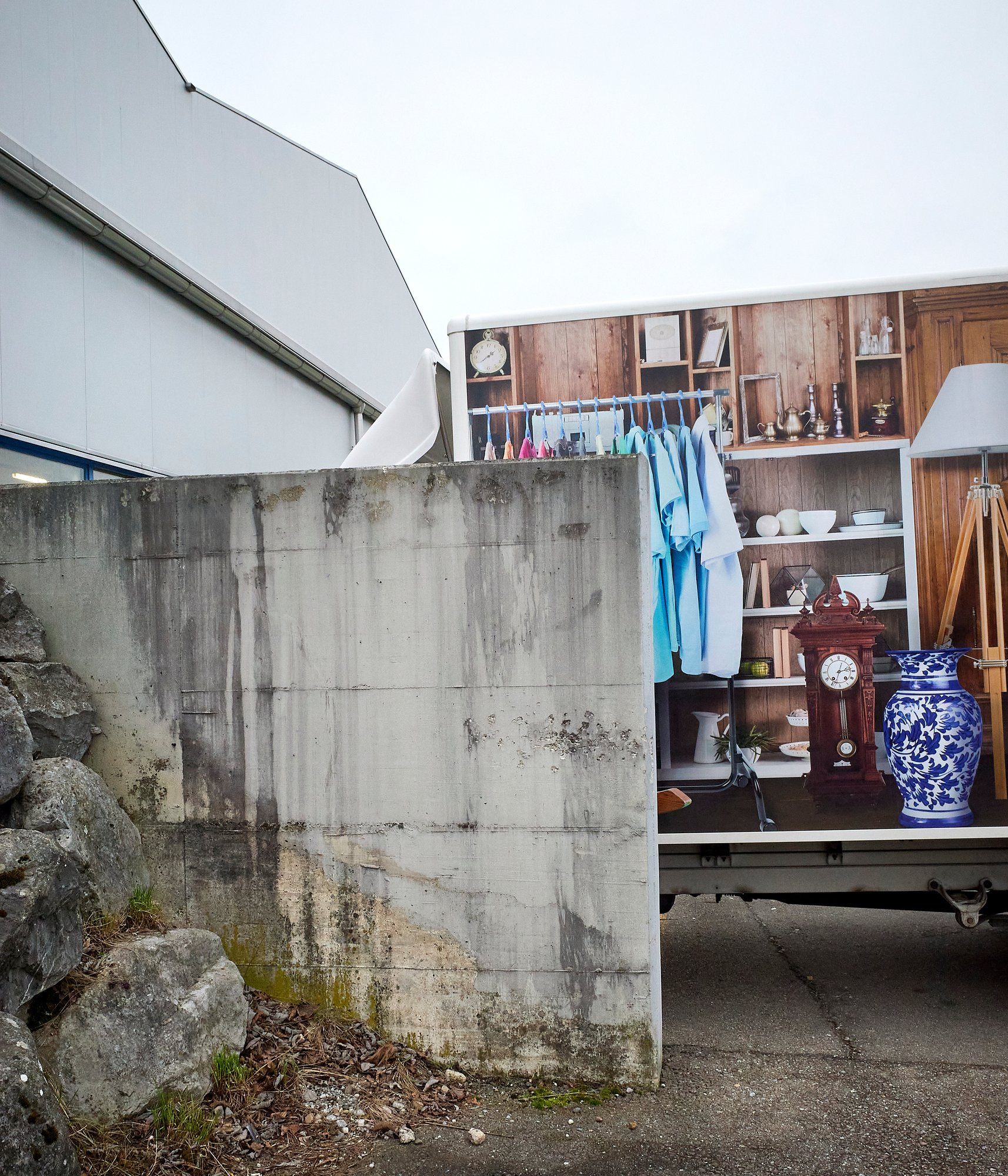
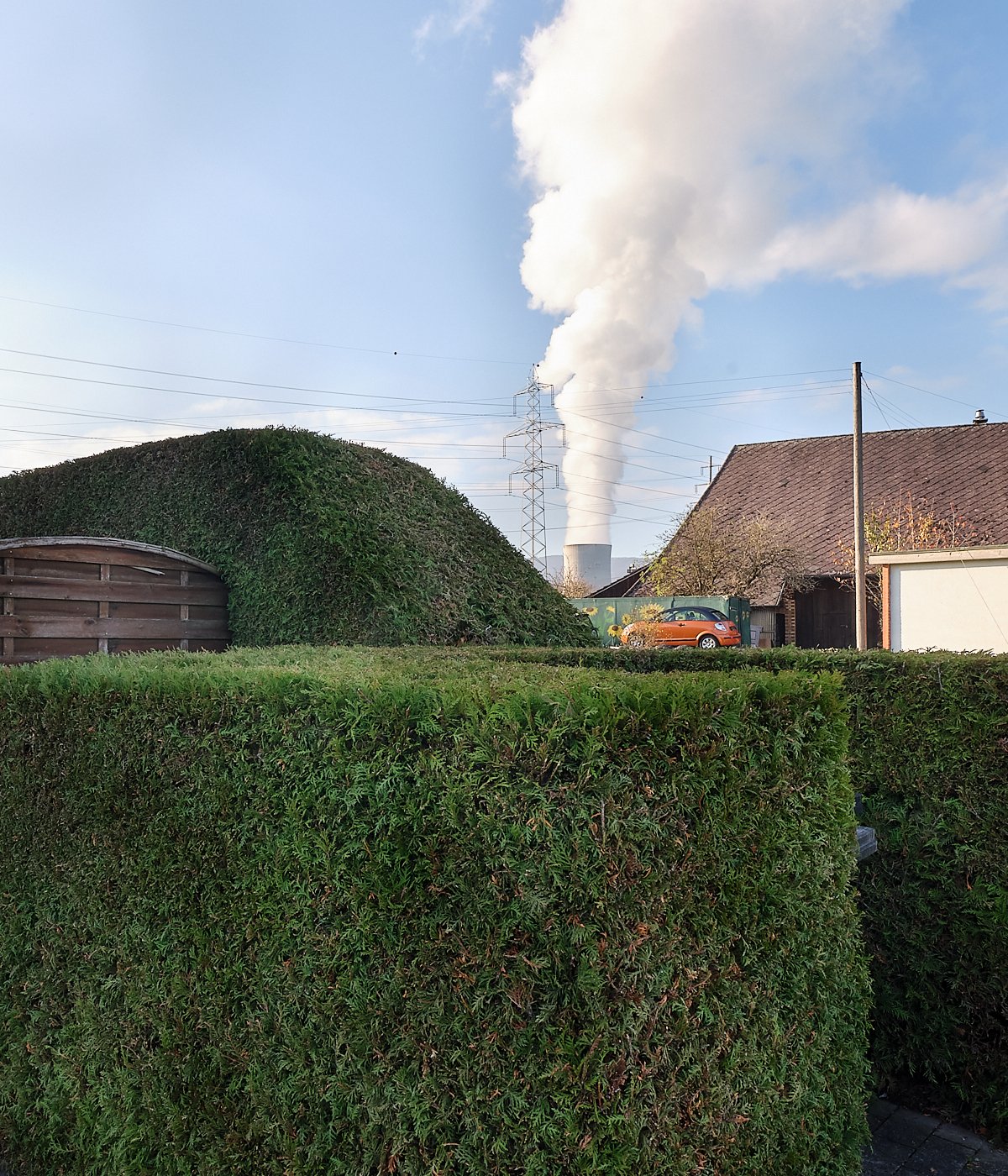
Forster’s early interest in architecture shows up in his imagery, in which the built environment is a reflection of the builder’s dreams, personalities, and quiet absurdities. A streaked concrete wall half obscures the photographic side panel of a moving van, where a blue and white porcelain vase catches the eye. In perhaps the most striking image of the series, a nuclear reactor appears almost cradled by the sculpted hedges and sloped roof of its residential setting, releasing a steady stream of smoke like a comically large chimney.
“Humor is a part of my personality. And humor, in my opinion, doesn’t always need to be very loud. I look at things which are overlooked and I think, ‘maybe I can use humor—not in a sarcastic way—to help the viewer look a little bit more clearly at things and to reflect on oneself,’” he explains. “When I started, I was unsure about what I was doing, until I realized it was necessary to get lost. It gives you the possibility to create something new, or to find what is truly interesting to you.”
In his photographs, Forster locates the traces and attempts at control that homo faber leaves behind. “In quiet observation, the unexpected becomes visible in the banality of the everyday, as if it were masterly arranged,” he says. To wander alongside the photographer is to learn to look closely, focusing one’s gaze to find the tension, humor, futility, and emotional poignancy in the world we have created.