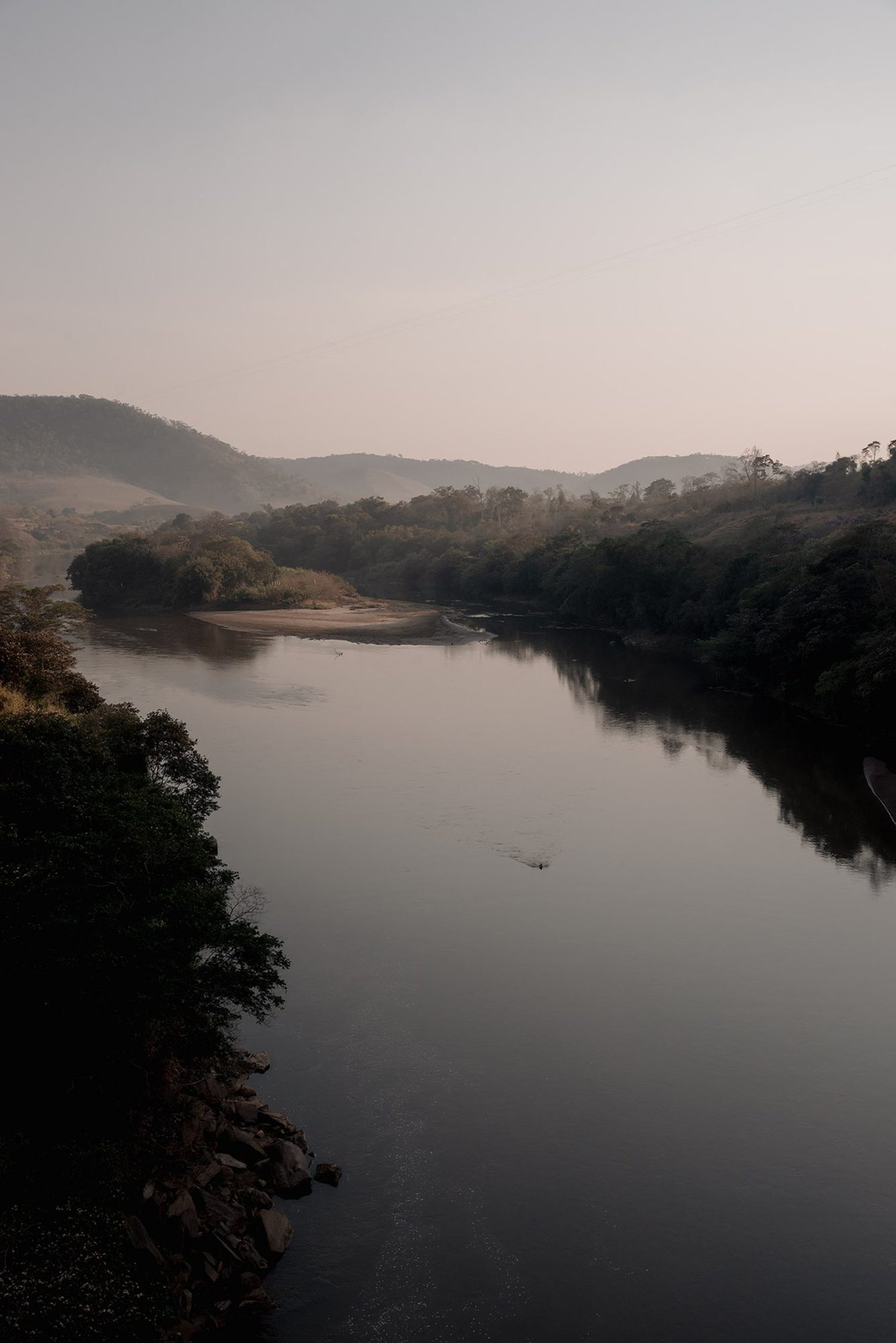
A river is the heartbeat of any land; the winding artery of a living, breathing landscape. It is a vitally important life-source, inexplicably charged with a power that shouldn’t be underestimated or abused. Because when we attempt to regulate or intervene with natural power by human means, the consequences can be disastrous.
When the environmental crime that was the Samarco dam disaster occurred in the state of Minas Gerais, Brazil in November 2015, it was catastrophic. The mining company Samarco—owned by Vale SA and BHP Billiton Ltd—had been oblivious to the issues with one of their tailing’s dams, and their failure to act led to its collapse. It released millions upon millions of cubic meters of mine tailings—red sludge made up of waste materials—into the Doce River, and a surge of toxic waste carpeted the river’s surroundings, contaminating soil and water sources in the process.
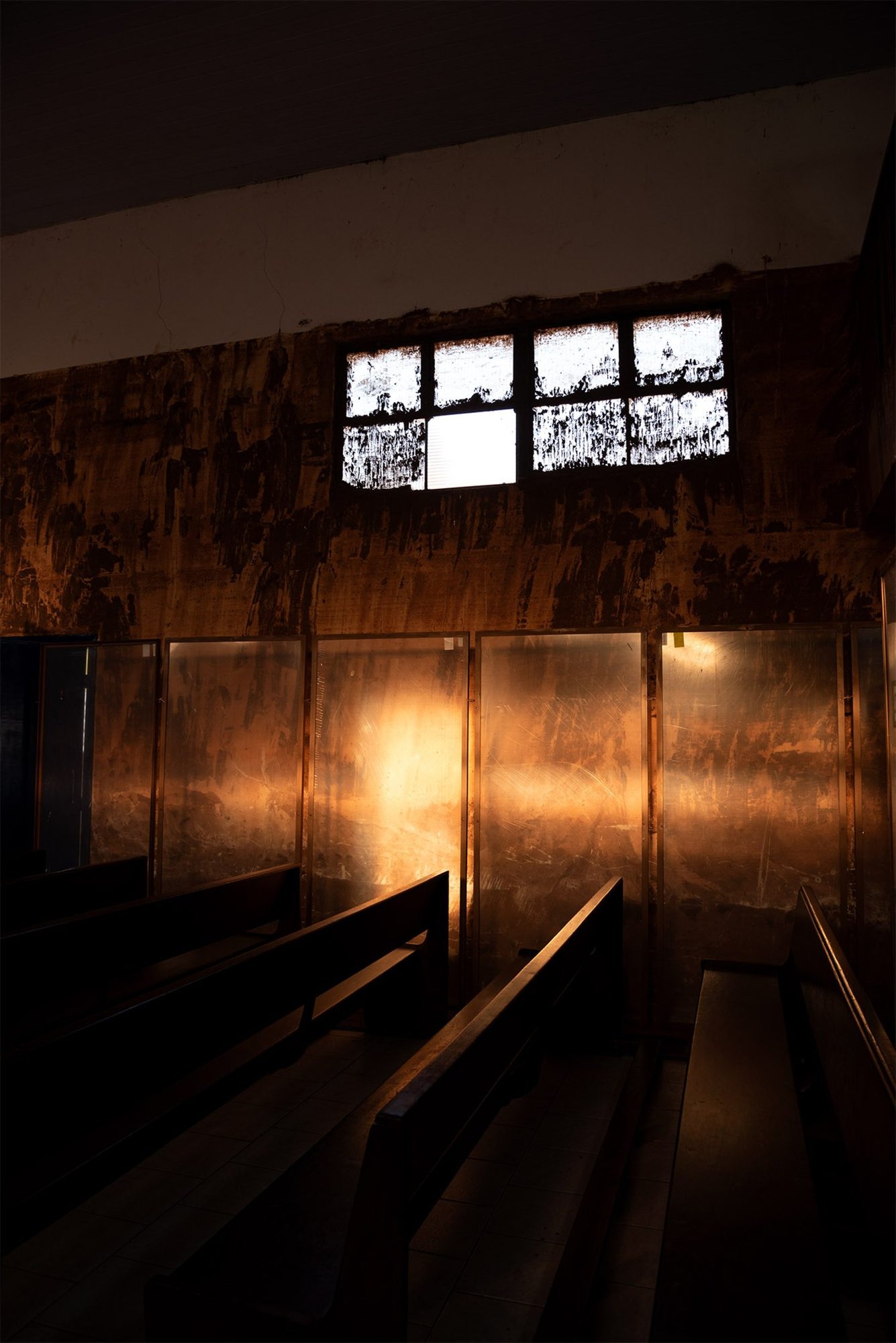
Whole villages were flooded downstream, and ultimately it decimated an area the size of Portugal. The community that had built their lives there no longer exists. People lost their homes. Some went missing, some died. Mass migration became the safest option, and to this day, it remains the biggest ecological crime in Brazilian history.
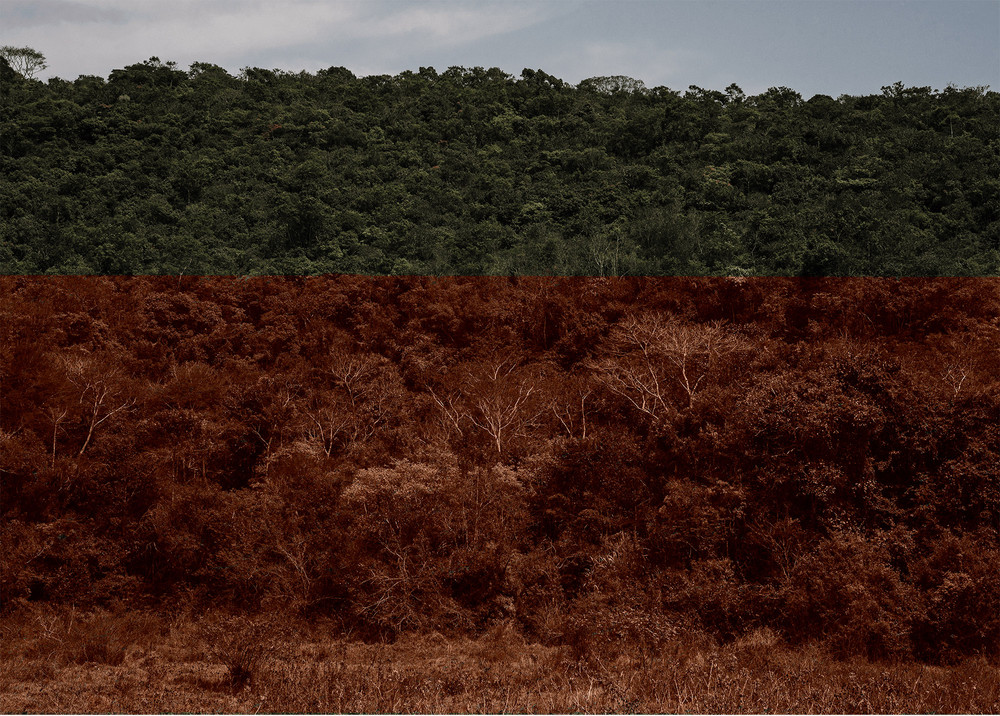
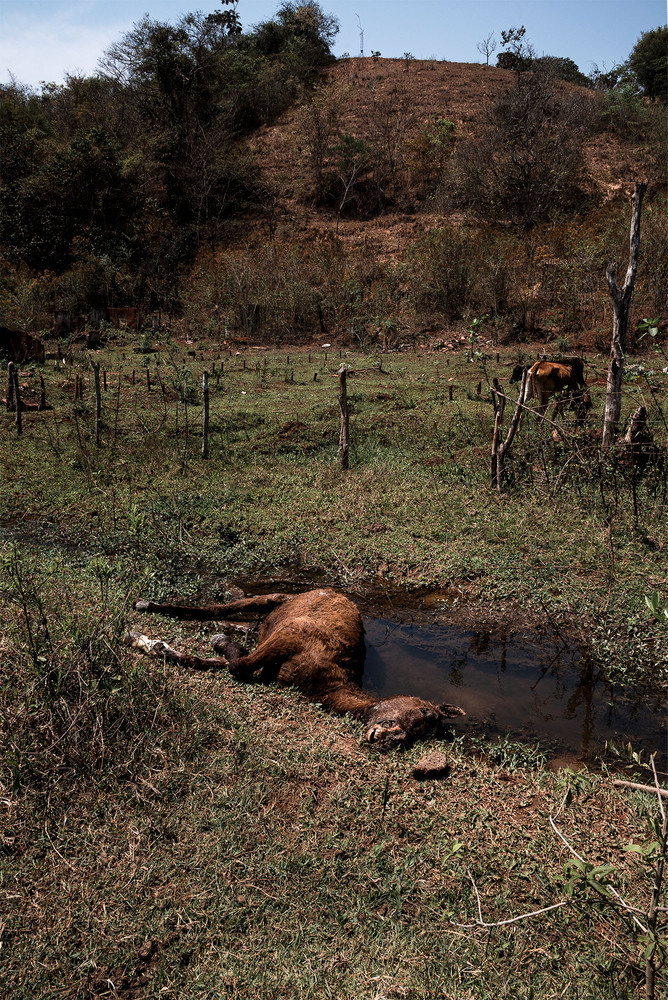
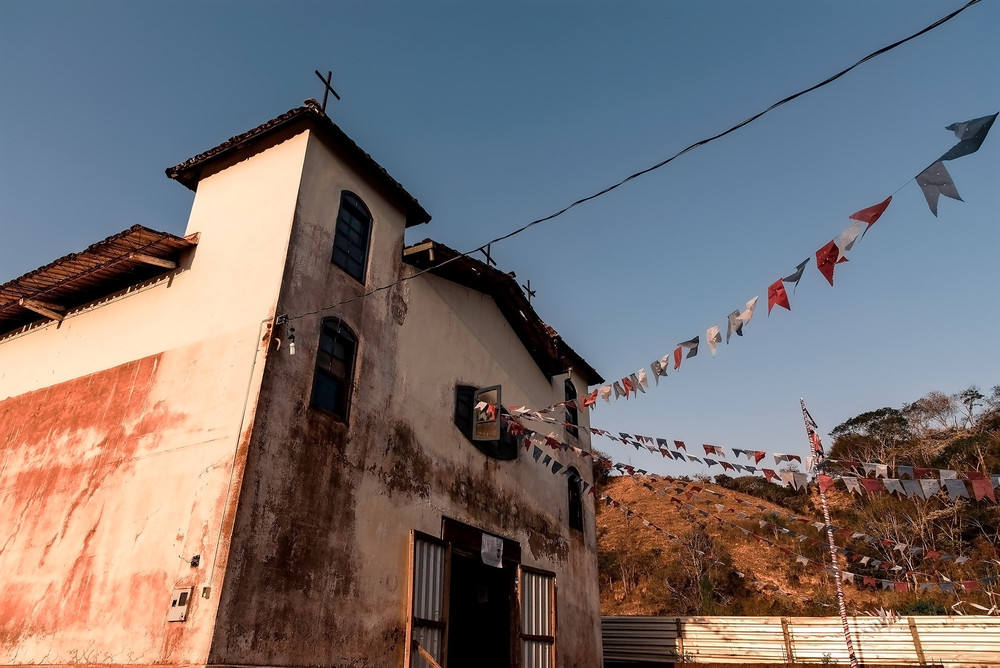
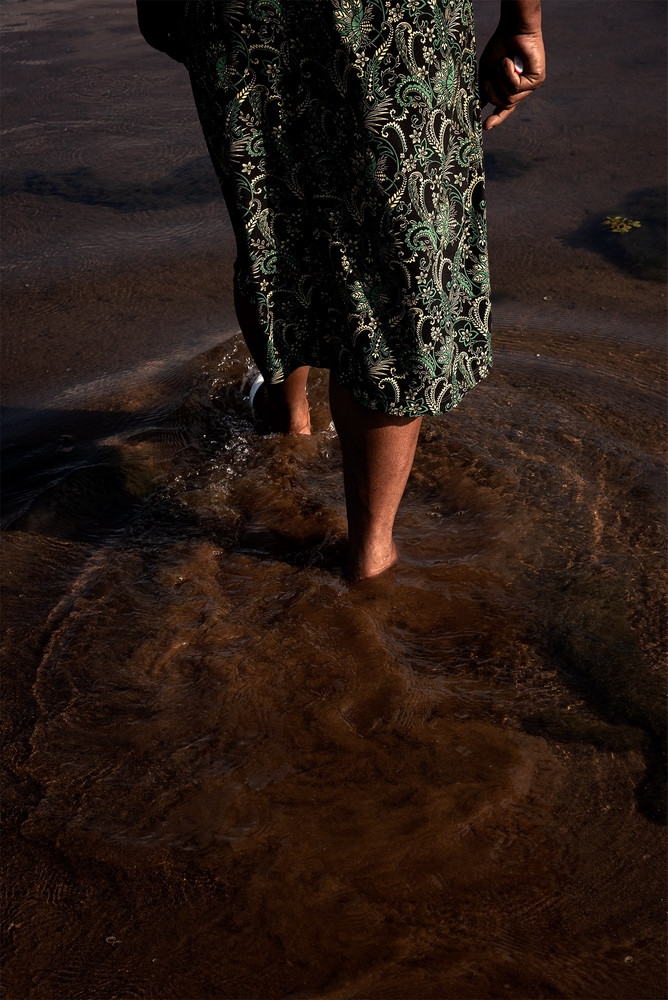
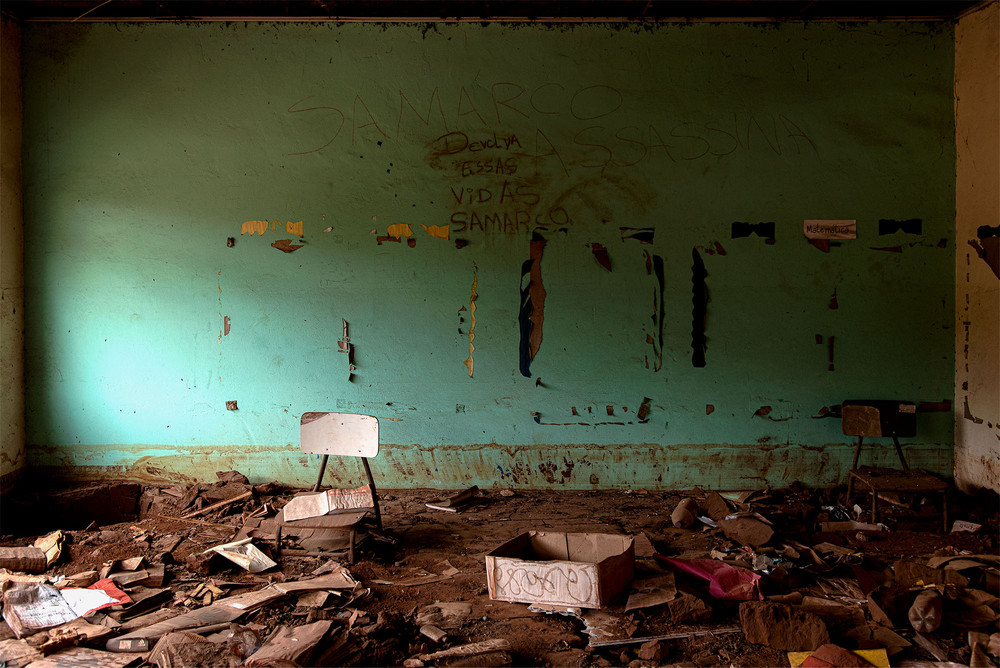
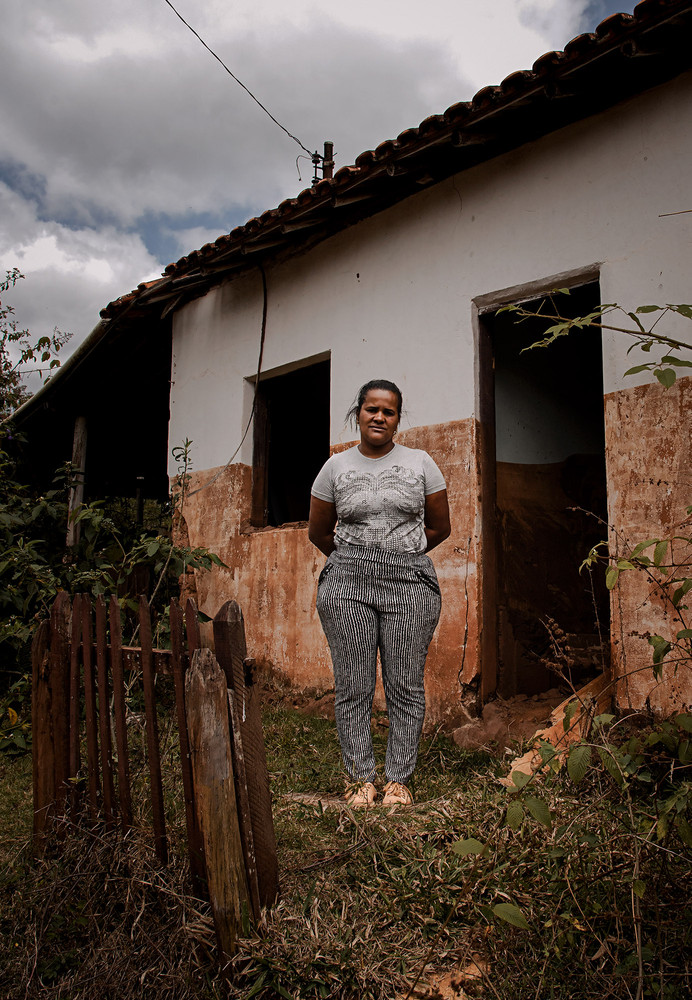
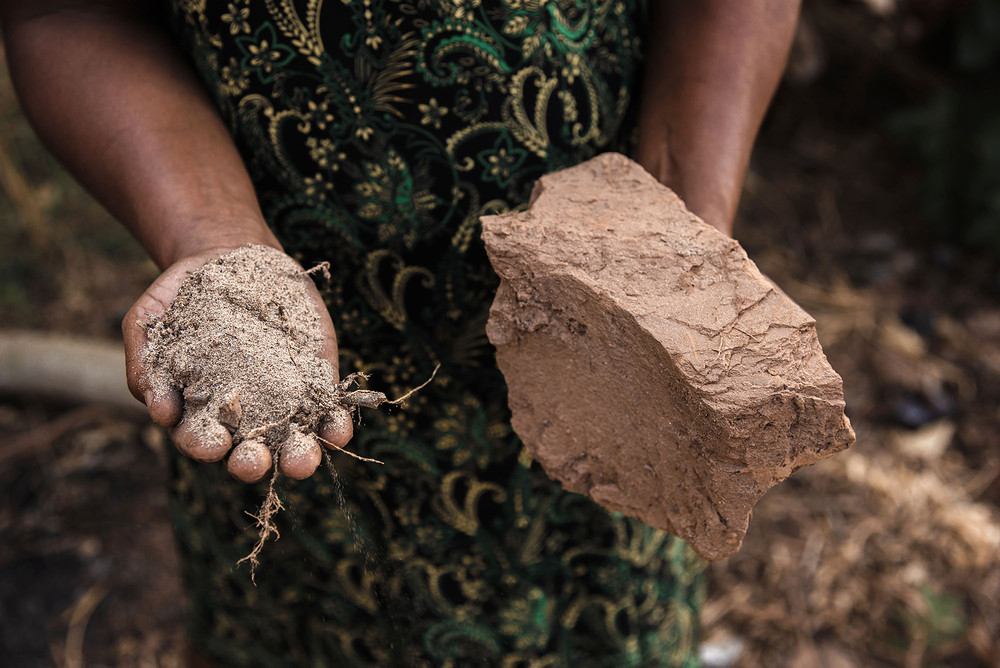
In response to the destruction wrought by mining corporations, Brazilian documentary photographer Rebeca Binda has been working on a project to expose the crisis entitled 5 Minutes. In it, sensitively-taken images rich in narrative detail both the human and environmental consequences that have unfolded against the backdrop of disaster. Through them, we meet people displaced, and people still living in the area, and we see for ourselves the damage done—from dead animals to dehydrated soil, murky water to the remains of homes no longer standing.
For the photographer, the tragedy is personal. “I grew up in Belo Horizonte, the capital city of Minas Gerais, and the Doce River was part of my life from a very young age,” Binda says. “My grandparents and a lot of other family members live in towns for which this river is their main water source. I grew up impressed by the potency of this river, not only for its wideness and its length, but also its beauty and its ability to provide for so many people.” As a child, Binda adored spending time by the river, and back then, she had no real idea about the economic importance of it or its surroundings. Now though, she’s an adult with a camera through which she can illuminate everything she has since come to understand.
“Brazil was not discovered, it was invaded and its people were dispossessed, and, since then, both the environment and the traditional communities—indigenous, quilombolas, riverside peoples, Gerazeiros, and others—have suffered enormously, all in favour of economic growth,” she says. When the Samarco tailings dam collapsed, Binda wasn’t even working with photography yet, but fast forward a few years to 2020 and she had quit her job, relocated to the UK and enrolled on a Masters in photojournalism. That’s where 5 Minutes began.
From the outset, Binda was aware of the ethics of undertaking such a complex project. “My grandfather, who passed away a year ago, had an immense respect and love for the region, and that love was inherited by me and all of his grandchildren. I knew that I was connected to the Doce River Valley, but I hadn’t spoken to anyone affected beyond my family, and I wanted the project to be much more than just my point of view.”
And so she began researching the crime and reading as many papers as she could about the theme and its consequences, especially the ones related to the environment and the health of the people affected. She also watched hundreds of talks, and got in touch with people that she discovered through those sources. “From there I was able to connect with a few people in Mariana, the town where the dam collapsed, and in August 2020 I went to Brazil to begin my fieldwork. Being present, visiting their buried houses and gaining a better understanding of their lived experiences changed everything.”
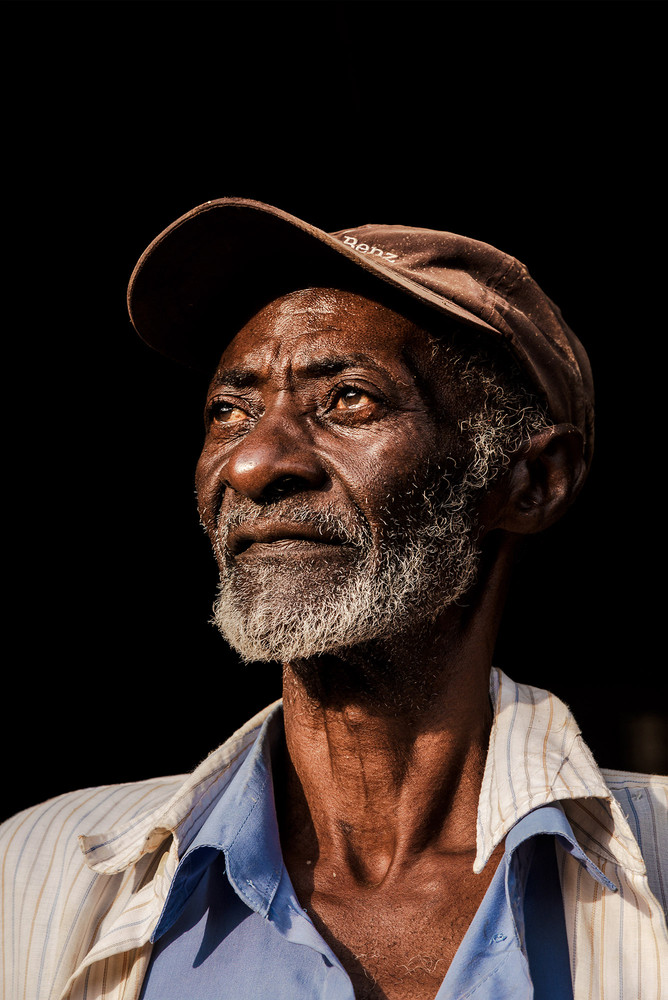
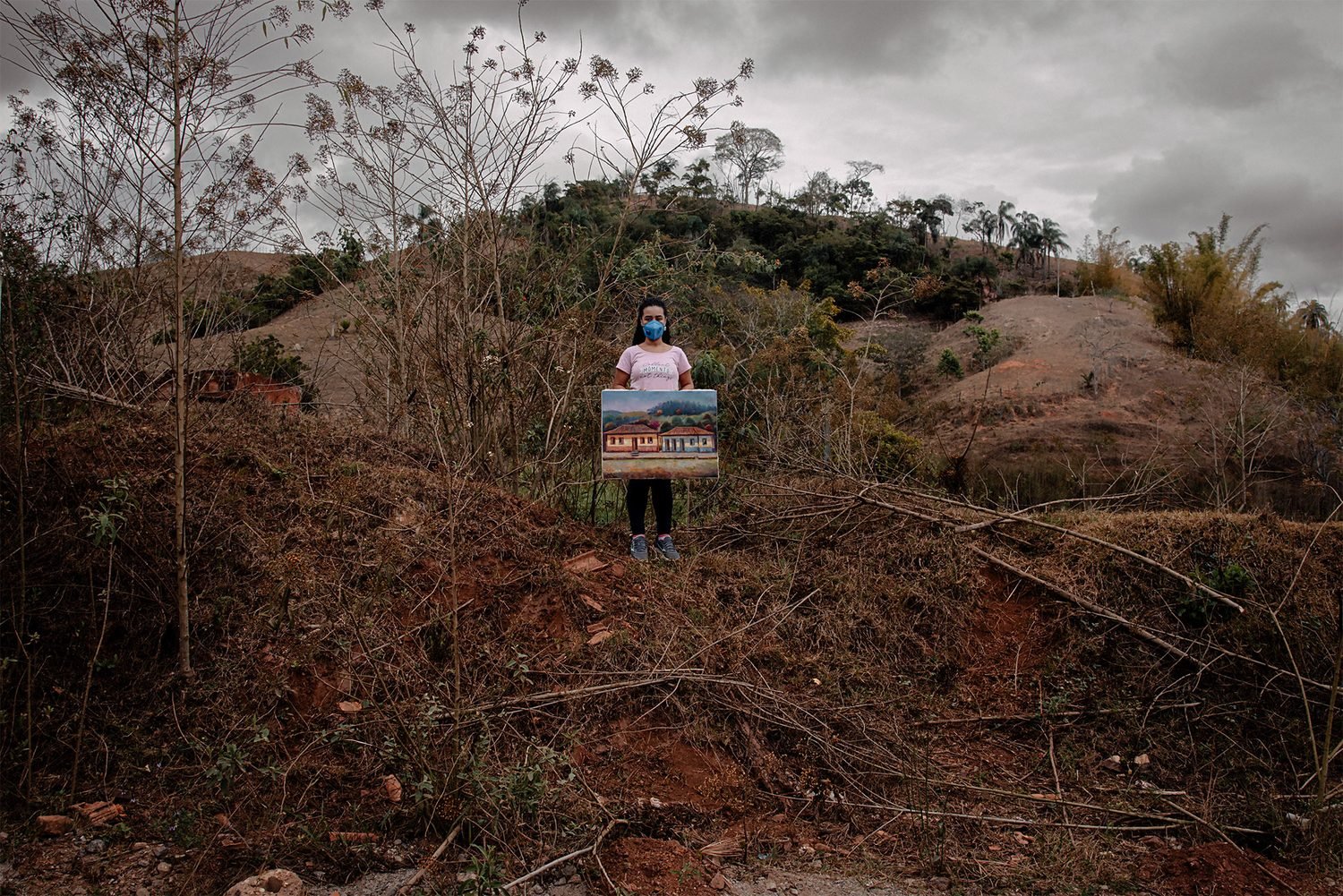
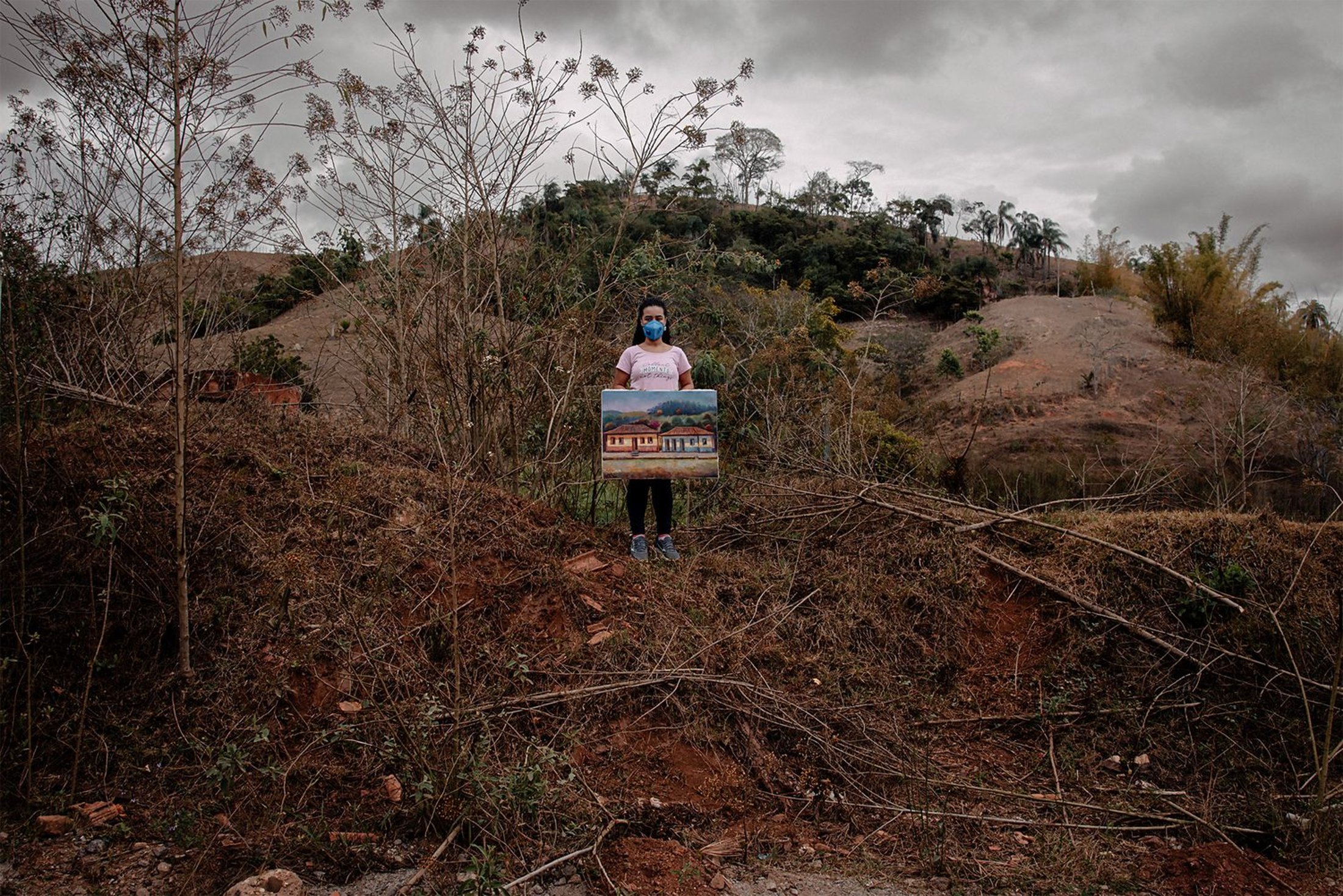
Binda hired a car and followed the flow of the river whilst visiting the communities affected. One of those people was João Eletério—a composer, poet and artist. In his portrait, the sun beats down on his face as he looks out into the distance. “João and his wife Marizete welcomed me and shared their stories, and they showed me how their way of living abruptly changed after the disaster,” Binda remembers. Then there is the image of Carla Gomes. She is standing atop a mound of toxic mud that used to be her home, wearing a protective mask and holding up a painting. “Carla was displaced from her hometown and since then she, along with everyone else in her community have all been separated and placed in temporary accommodation,” Binda explains. “Almost seven years have passed since the Samarco disaster and the people affected are still waiting for the restitution that has been promised to them by the mining companies responsible for the crime.” The painting Carla holds is her dad’s favorite; one depicting how the town used to look before it was destroyed.
Returning to the subject of ethics, Binda reiterates how important it is for photographers to build sincere connections with the communities they work with. “It’s much more than just telling their story,” she says. “For many photographers—especially white, male photographers who have long perpetuated the behavior of a white savior—what matters the most is the moment that they want to capture or the aesthetics of the image, but all of that has no meaning if you are not putting ethics at the forefront of your practice. We are not entitled to someone else’s story just because we are privileged enough to have a camera in our hands. That story doesn’t belong to us, and most of the communities I have worked with complain of the fact that many visit their lands, exchange information, leave and never return.”
Binda’s process of making respectful, collaborative images—ones that also mean something to the people pictured—is ever-evolving, and reliant on in-depth research. She reads a lot about history and culture, keeps sketchbooks and makes mind-maps to organize her thoughts in a visual way. In this sense, she is then able to establish an initial connection to the land and the people she hopes to engage with, earning permission to enter their worlds through understanding and unlearning preconceptions. After that, she sees developing long-term relationships as fundamental, and adds that the key to it all is listening—“truly listening, not just with our ears but with our bodies,” she says.
So why is photography as powerful as it is for storytelling? Binda believes it is because it can give us different ways into stories. “The way we have been discussing such consequences so far hasn’t been effective enough to change people’s minds or lead us to take action. That’s where photography comes in, because it’s about collaboration, ethics, interaction and interplay. The global north is very much interested in environmental protection and human rights and I believe photography can be a bridge to bring it closer to the frontline communities who are bearing the brunt of the crisis.”
The name 5 Minutes comes from the woefully small fraction of time the people affected by the Samarco disaster were given to talk about their worries. “It was during an online audience held by the National Justice Council where the people who registered were given just five minutes to talk about five years of agony, distress, anger, abuse, damage and loss,” Binda explains.
When asked what she would like people to take from her photographs, she has clear aims. “I would like people to understand how their actions in Europe, US, China and other parts of the world have a direct impact on Brazil’s environment and communities. The mobile phones we buy, the companies we support, the meat we consume—all of that is produced by a supply chain that is executing predatory exploitation of our lands,” she says. “I hope that my projects can lead citizens to empathize and understand the wider impact of these stories: the disruption of fresh water distribution faced by Maria Célia, the soil contamination faced by Joelma and the forced migration faced by Carla are all interconnected with the issues faced by us here, on the other side of the planet.”
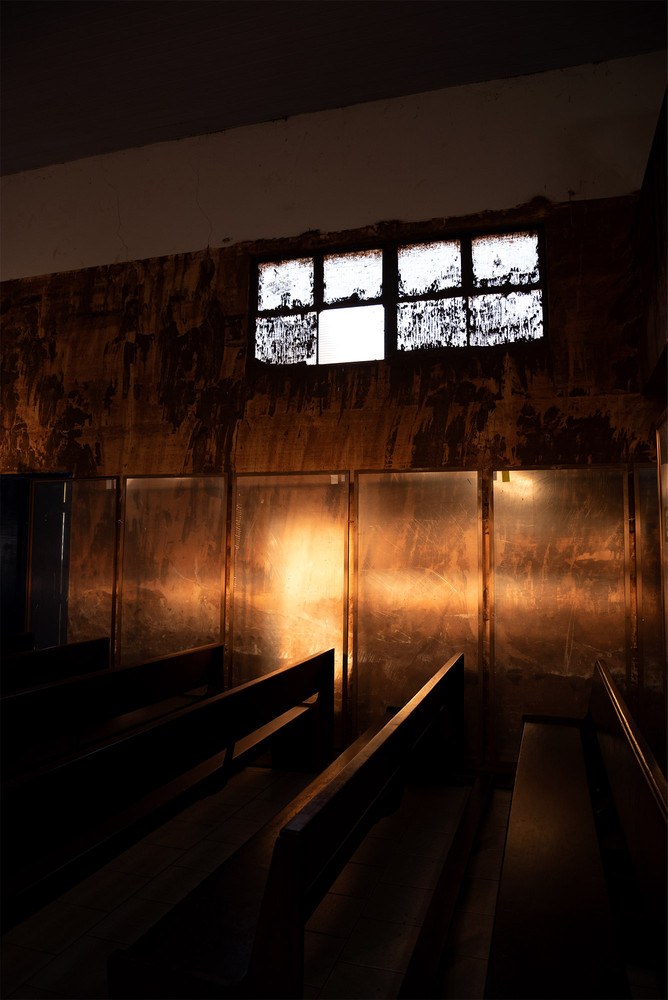
Binda believes that tackling the climate crisis means expanding our perspective from the environmental to the social—because ultimately the climate crisis will only exacerbate the social issues we care about. “If you care about women, then you should know that climate change disproportionately impacts women. And if you care about racial justice…the climate crisis will disproportionately impact those in the Global South, and who have done the least to cause it,” she says. Through each new picture she takes, Binda amplifies the reach of these stories a little further, and for her, every individual story matters, and every life altered or taken should be known.