Moving back in with your parents as an adult is never easy. “I’d lived away from home for eight or nine years,” says Riti Sengupta, who returned to her childhood home after finding herself jobless during the pandemic. Sengupta was used to living alone—eating what she liked, when she liked, and going out whenever she pleased. “There was a lot of friction because my parents didn’t quite get how I wanted to live my life.” But along with her parents’ inability to understand her lifestyle, the photographer also found herself questioning theirs.
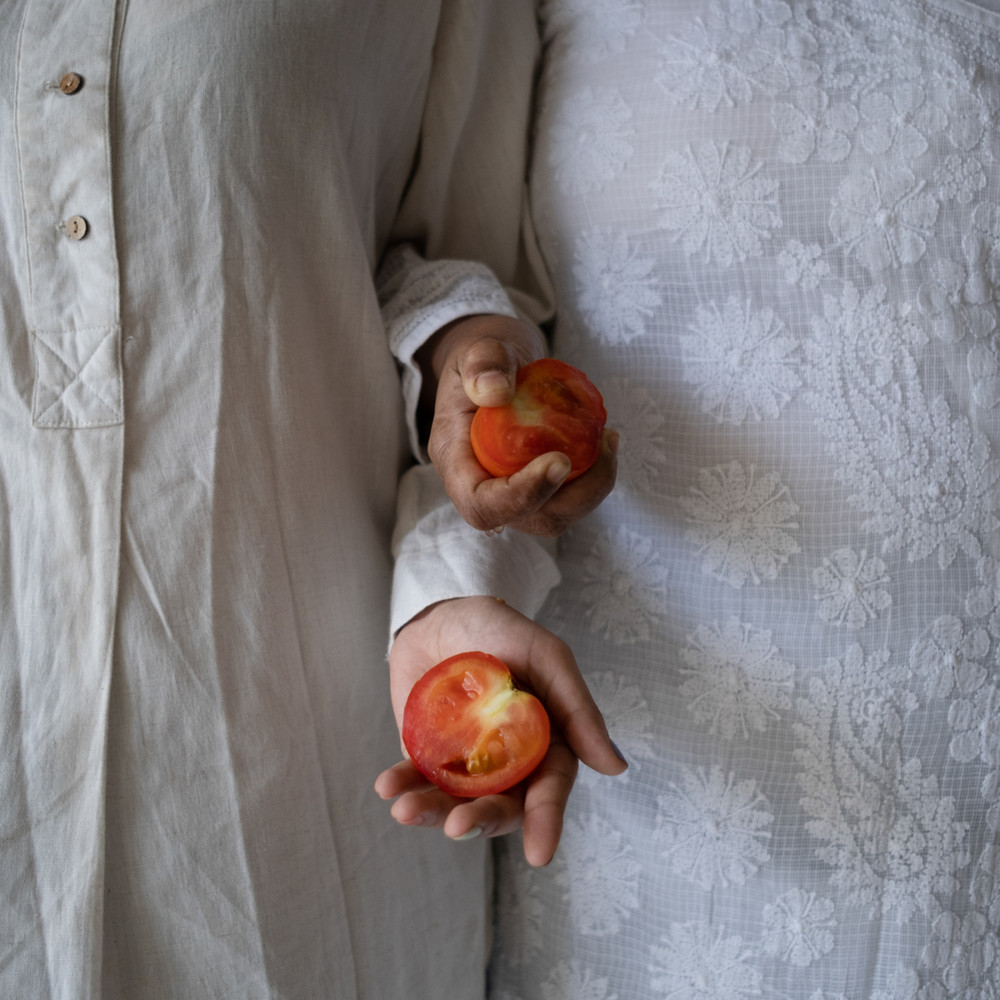
In India, it’s common for women to take on all of the domestic work. Growing up, both of Sengupta’s parents worked full-time, but at home her mother still did all of the housework. “Even before she’d changed out of her work clothes, she’d have the tea brewing, she’d go to the market, and then the laundry would need to be done. It was one thing after another—there was no rest until dinner was made and everything was cleaned up,” she recalls.
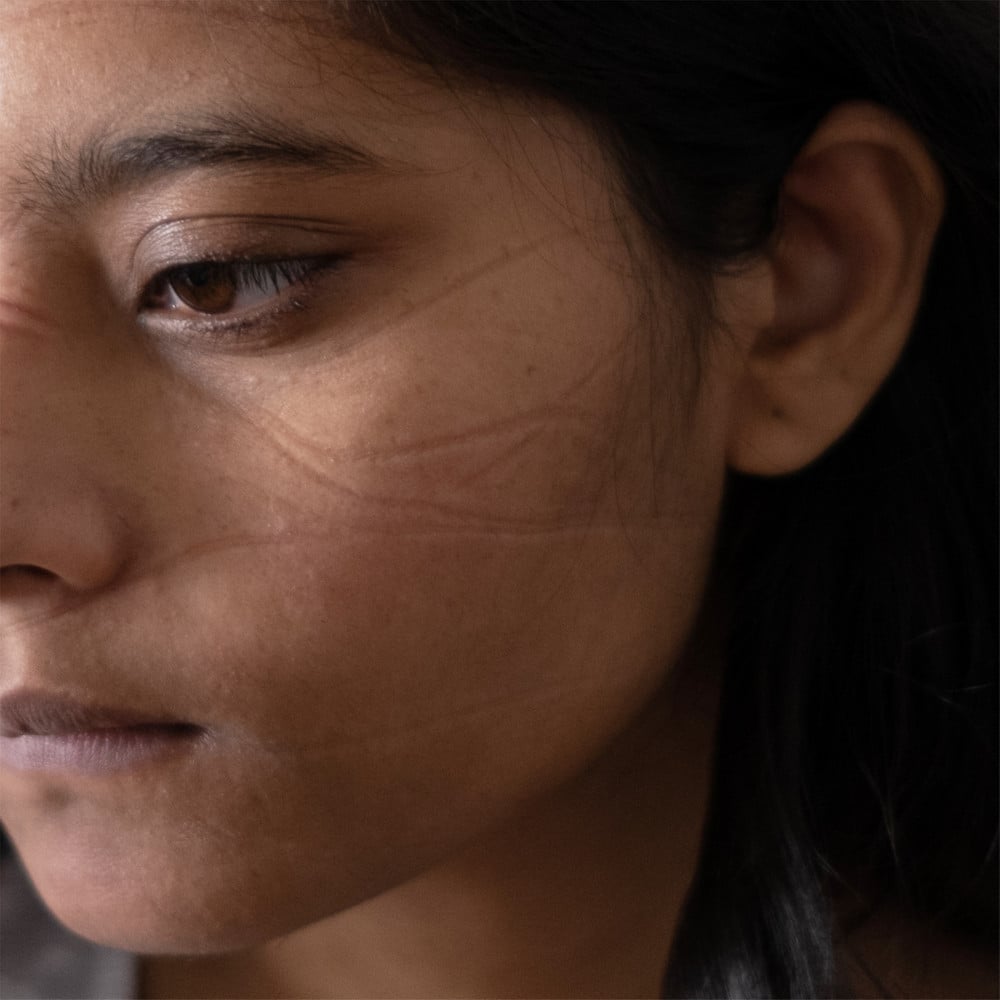
Moving home, Sengupta began to notice how entrenched these gendered roles were. “I was frustrated, and I felt a lot of anger inside… There weren’t instances of violence, but it was present in subtle ways. Like, ‘Why does the food not have enough salt today?’ This became such a huge part of my daily life that I needed to express it in some way,” she says. “That’s when I thought, why not try making photographs of how I’m feeling?”
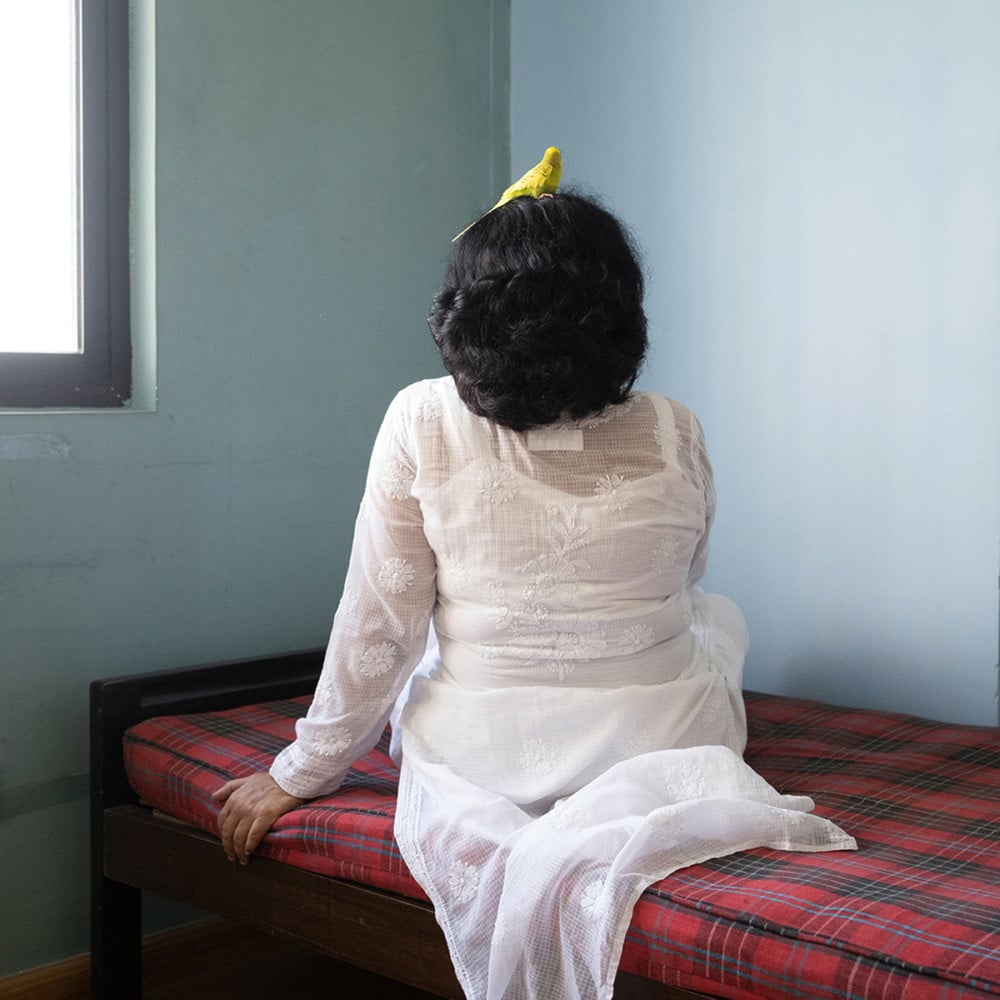
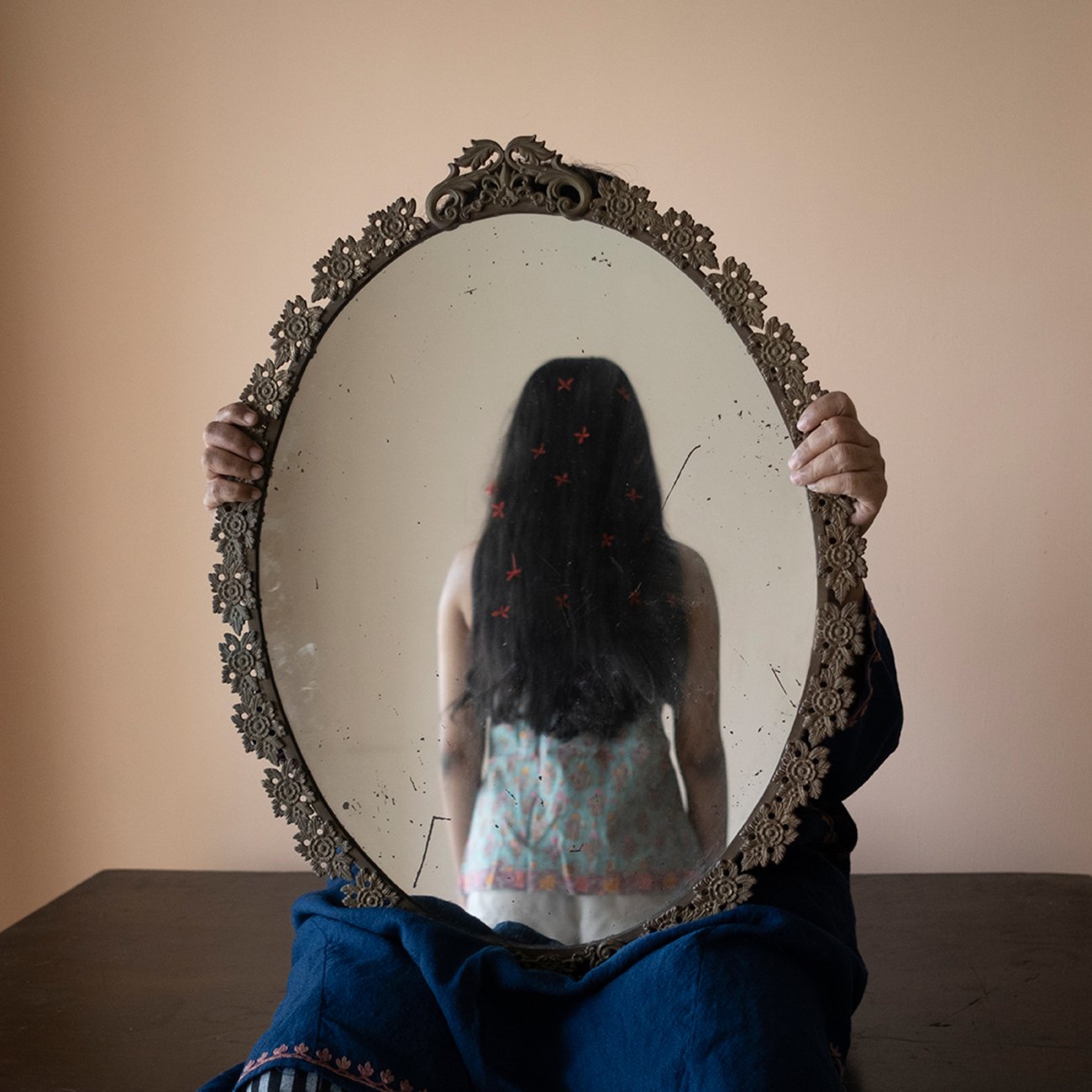
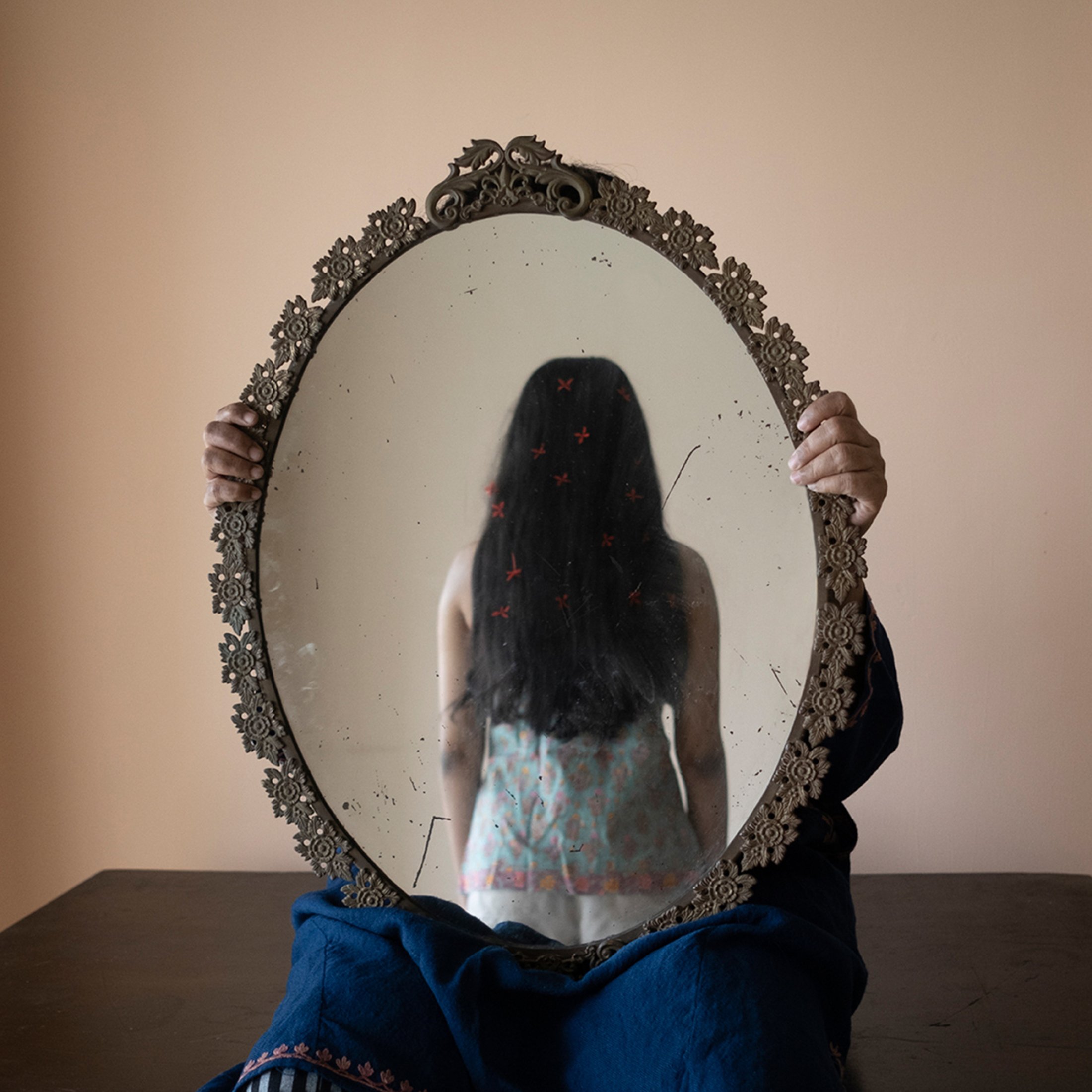
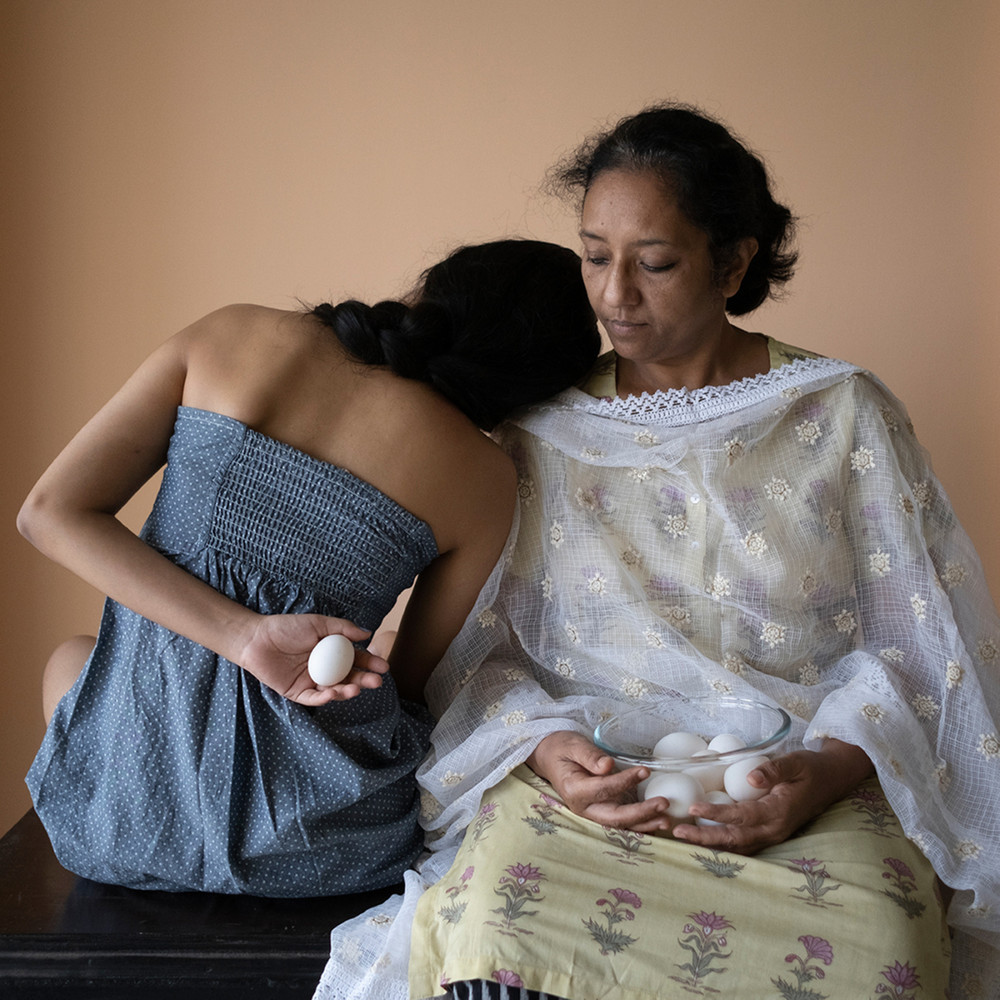
The result is Things I Can’t Say Out Loud, a poetic series based on Sengupta’s own feelings, as well as conversations with her mother about womanhood, domesticity and marriage. In one striking image, her mother carries a bowl of eggs. The photographer sits next to her, clutching a single egg behind her back. These eggs symbolize fertility, representing the burden of motherhood. “The expectation of becoming a mother is being passed down to me,” she says. Since the photographer got married a few years ago, everyone asks not ‘if’ but ‘when’ she will have children. “Having watched my mother so closely, I’m scared of motherhood now. I feel like having a child won’t let me have my autonomy—it’s going to take something away.”
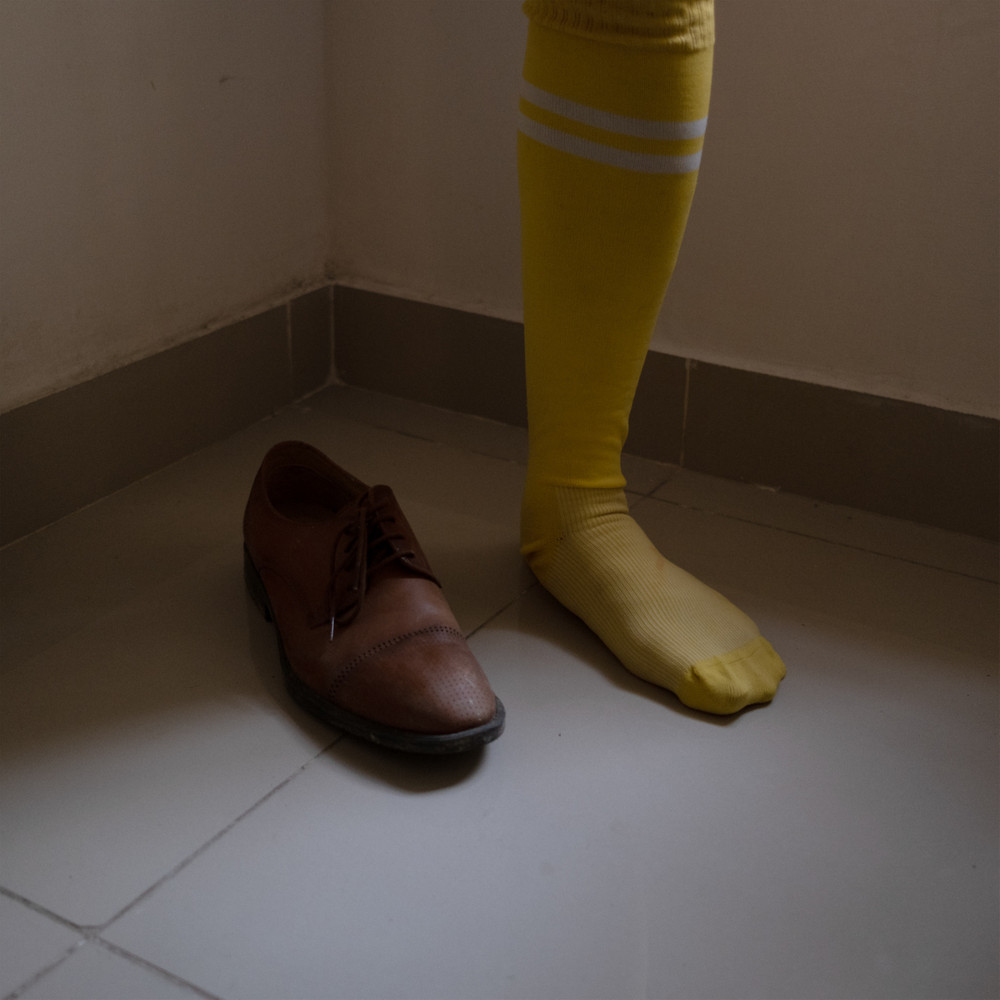
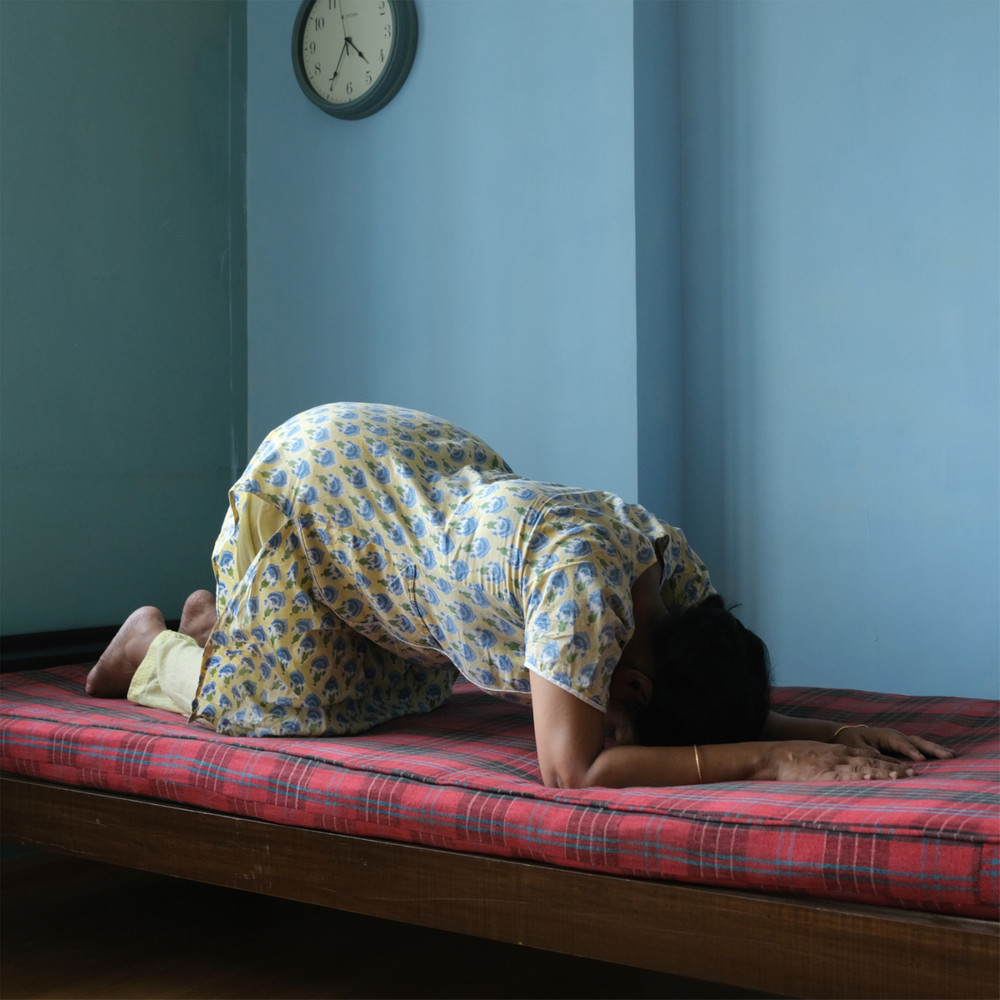
Other images explore the performativity of domesticity through body language and posture. “Sometimes your body performs without you even noticing. Certain gestures that you don’t even realize are submissive or actually self-degrading—your body holds these positions,” she explains.
Throughout making the work, Sengupta would discuss these issues with her mother when they were alone, usually after dinner was wrapped up and all the dishes were done. There was tension at the start, but eventually her mother became understanding and working together on the photos played a part in their evolving communication.
Now, Sengubuta has even seen some change in her habits. A few months ago, her mother planned to go out with friends. Her father didn’t want her to go, but her mother was firm: “She said, ‘I’m going out. I’m not going to change my plans because this is important for me.’ I felt so proud of her when she said this—that she could say no.” It was a small win, but a win nonetheless. These photographs can’t change the systems ingrained into the inner workings of a household. Crucially, though, they can question and guide that frustration, anger, and resentment to a place of better understanding and acceptance.