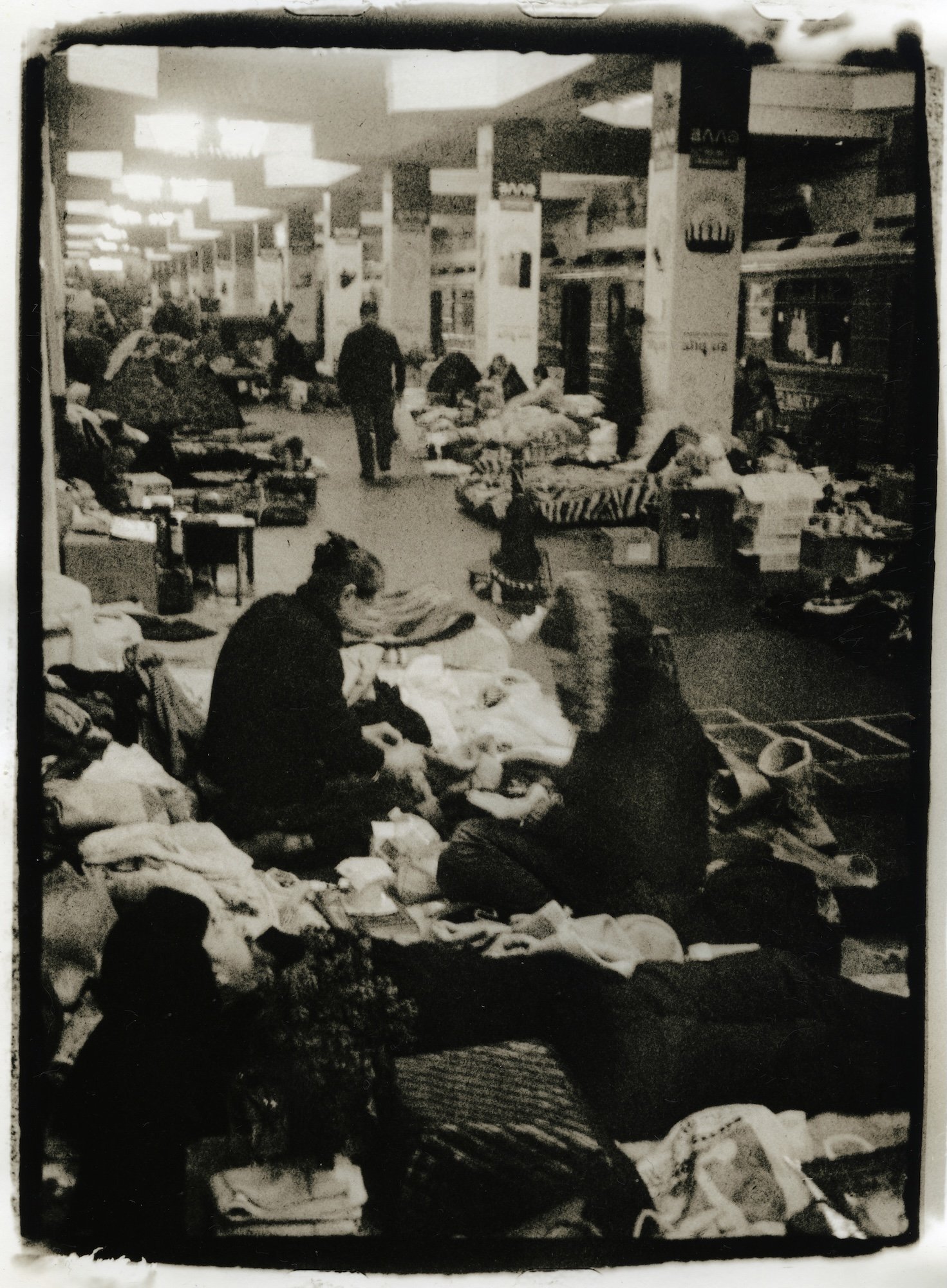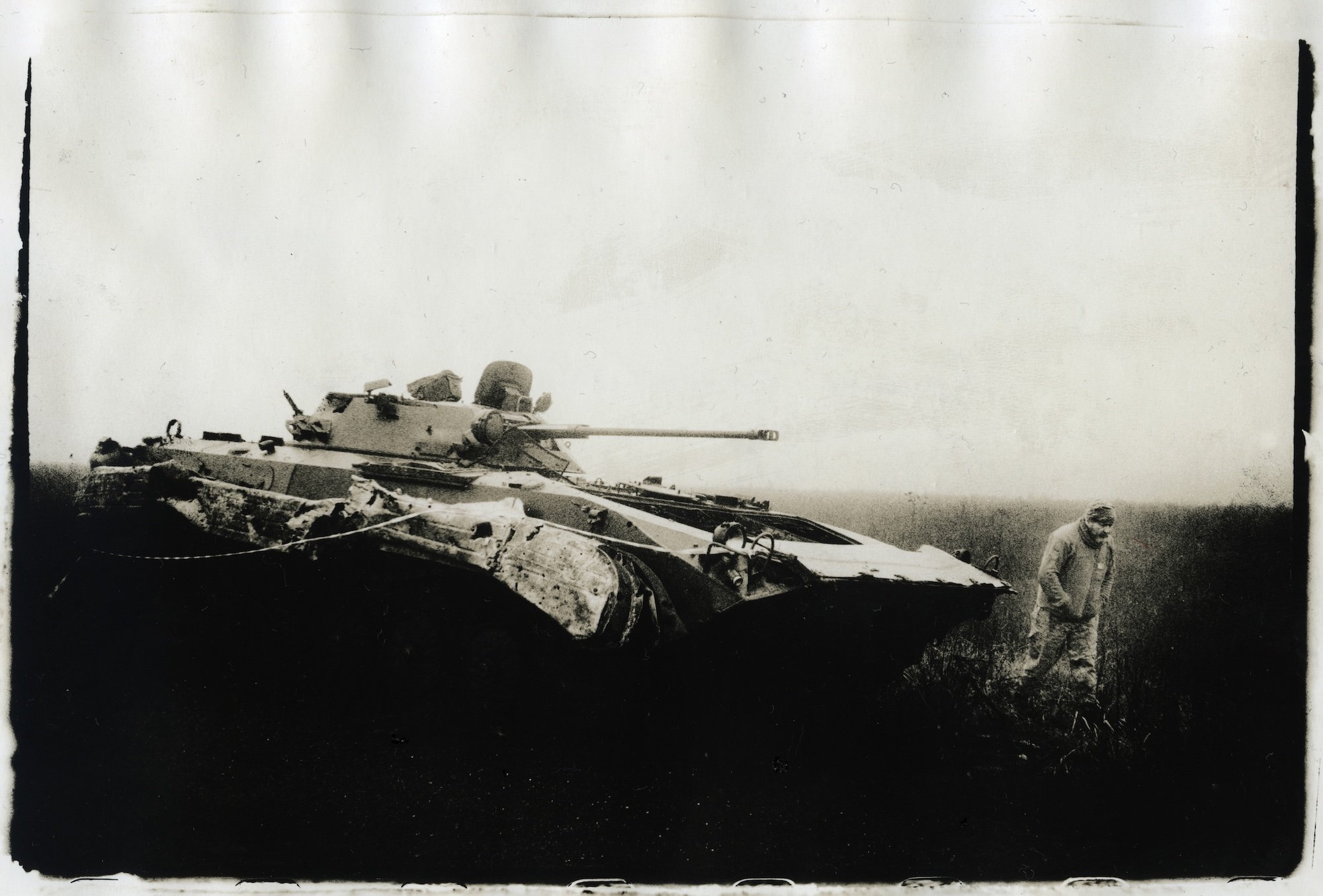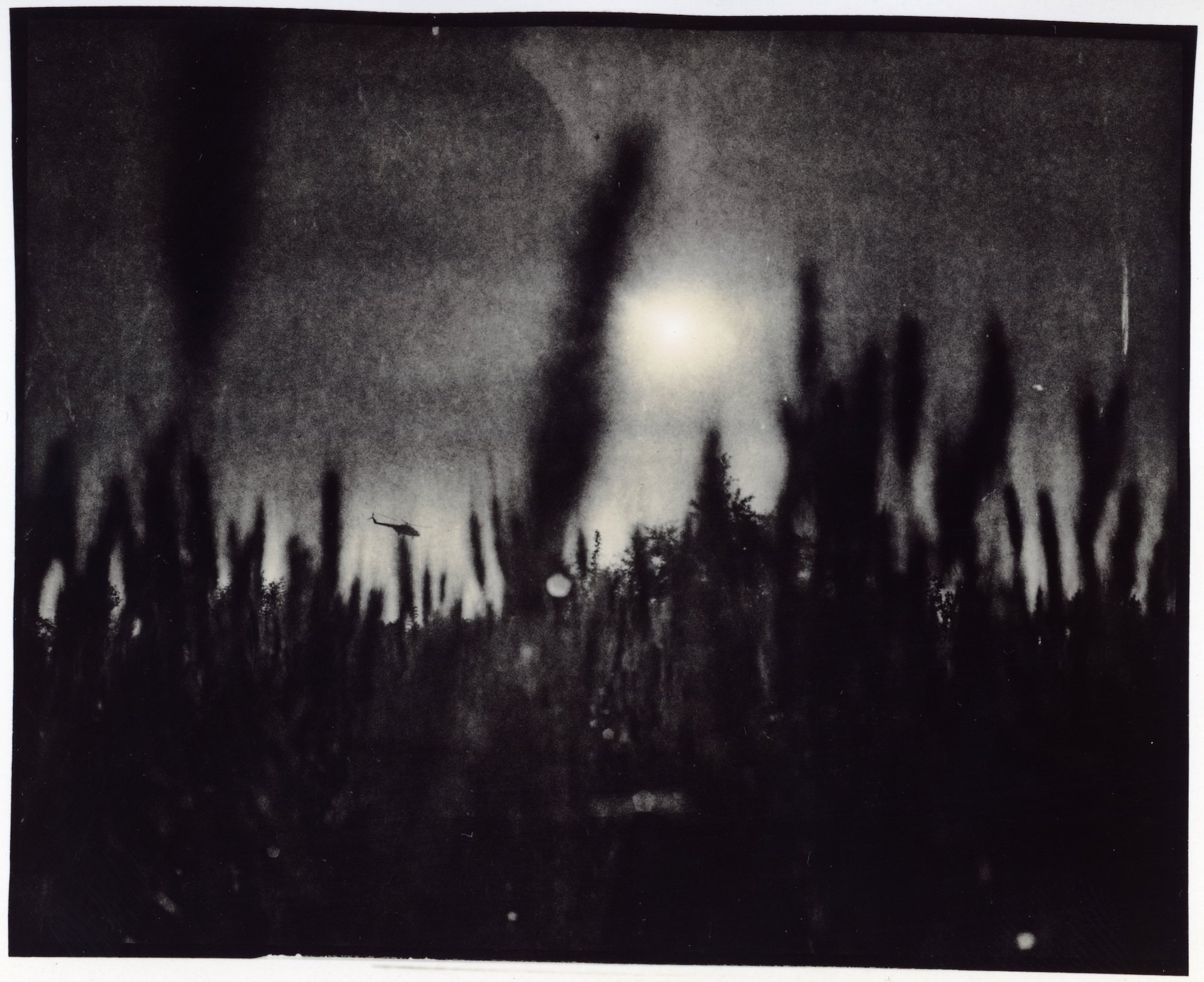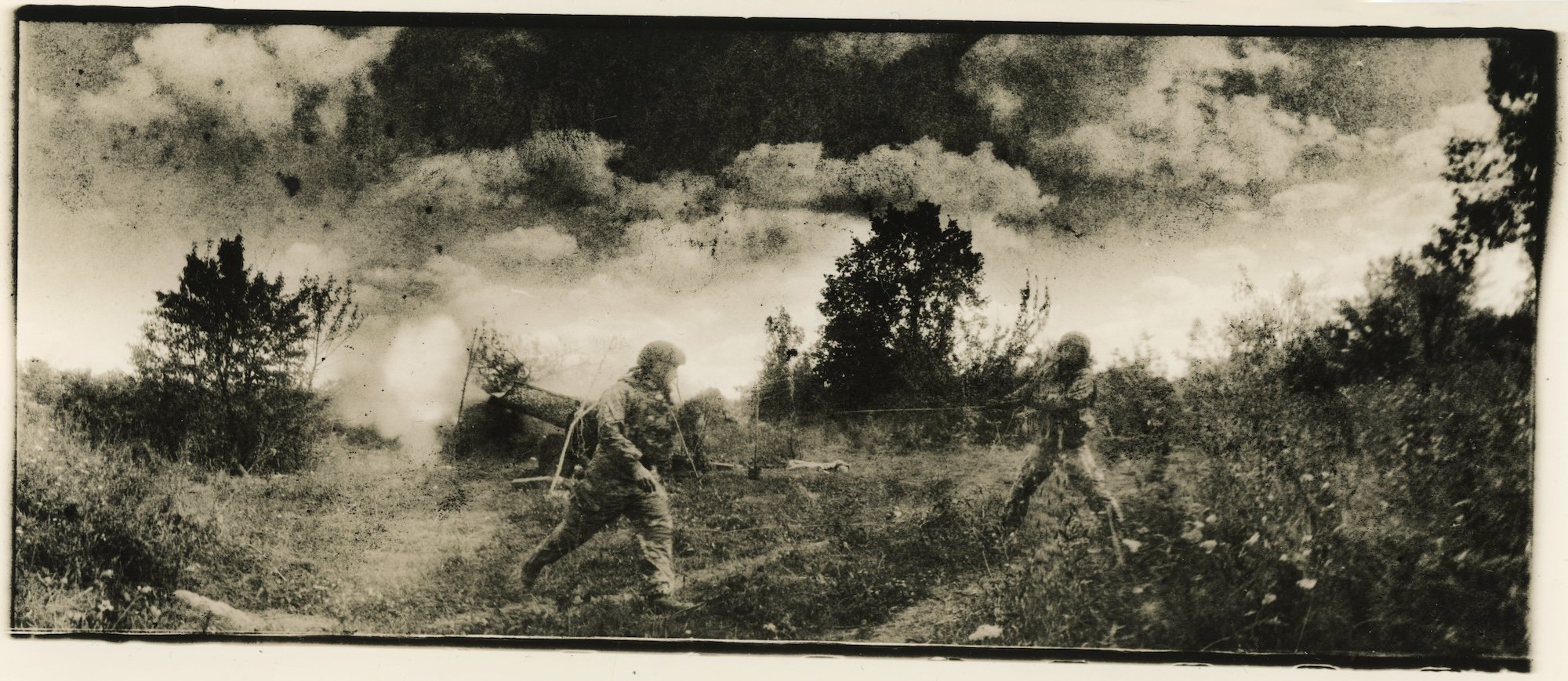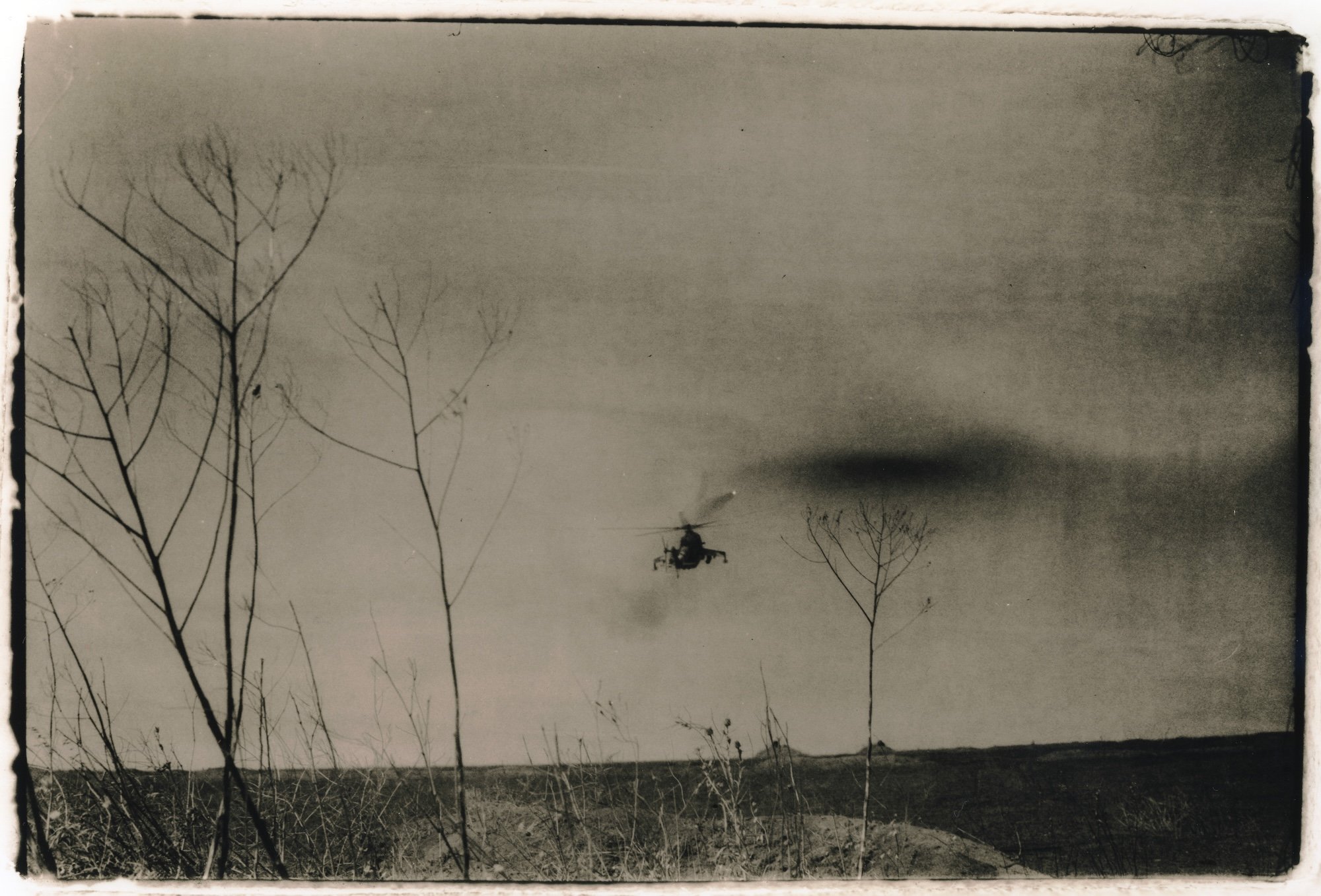
In our hyperconnected world, we run the risk of war becoming abstract content. Images of the Russian invasion of Ukraine are made and consumed digitally; they are also instantly available. If a battle breaks out, a town is shelled, or a drone strike hits critical infrastructure, a global audience is privy to the images within minutes. Soldiers on the front lines mount GoPros to helmets, tanks, and drones and livestream battles with the enemy. Like most digital content, the horrors of war appear and disappear in an instant—a quick glance by the viewer before scrolling on. Faced with the speed of this media, how can we stay present with the horrors of war?
Perhaps this is where we leave the realm of photojournalism and enter into art. Ukrainian photographer Vladyslav Krasnoshchok’s Documentation of the War immerses the viewer into a collection of images that, in their acute attention to the day-to-day experience of war, brim with emotion. “This book is like a visual novel built over time,” says Krasnoshchok’, one he began photographing in March of 2022 when Russian bombs started falling on his home city of Kharkiv.
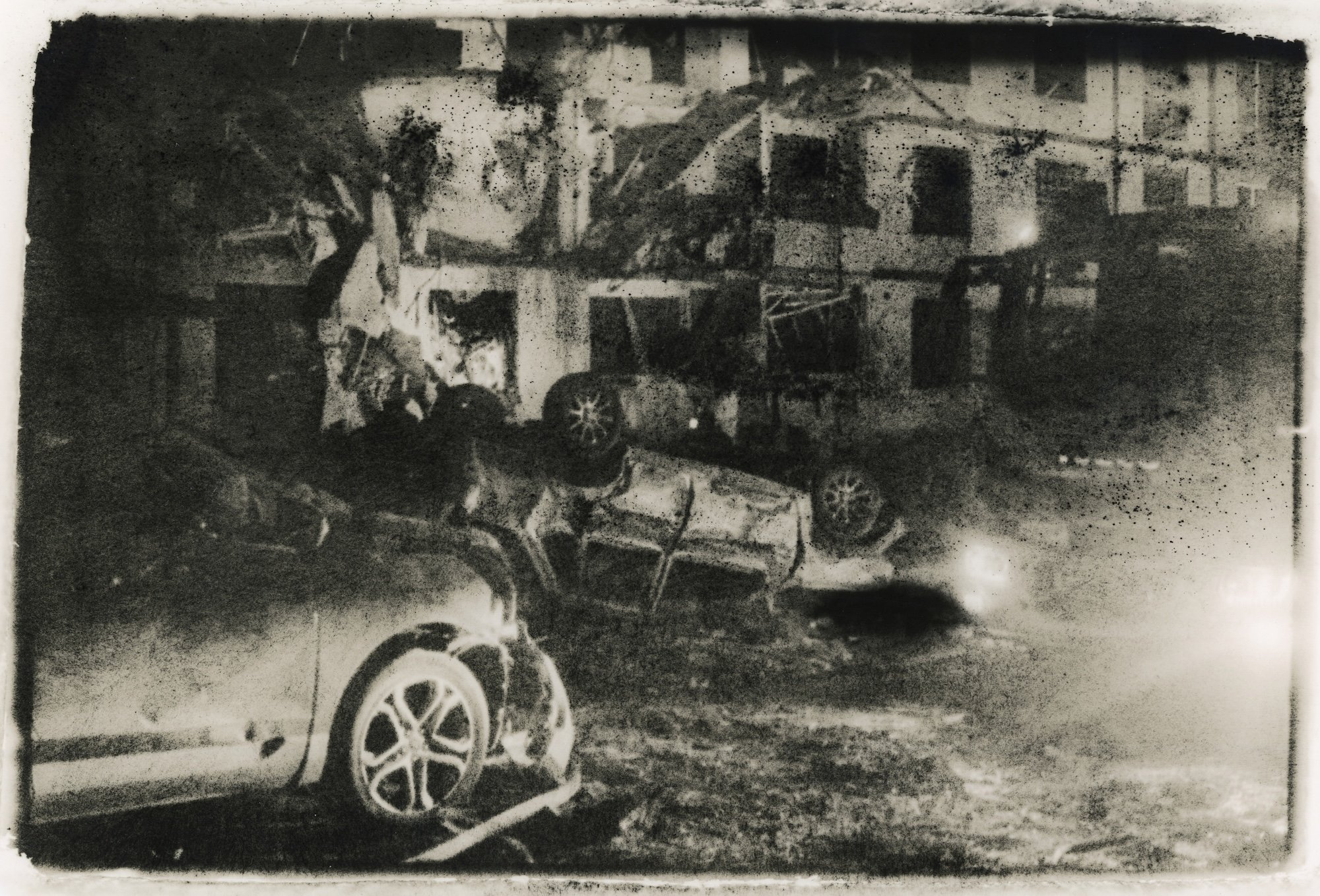
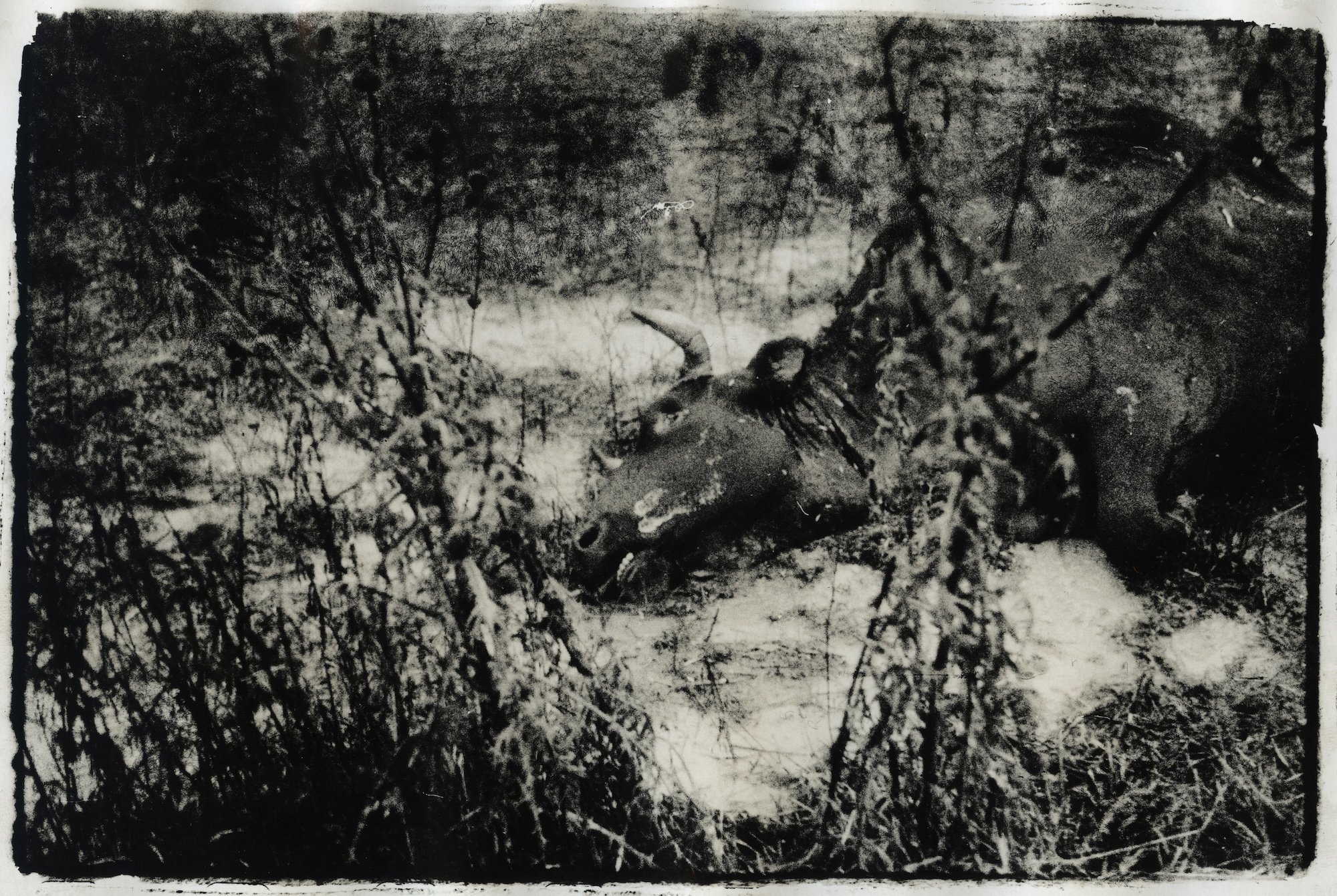
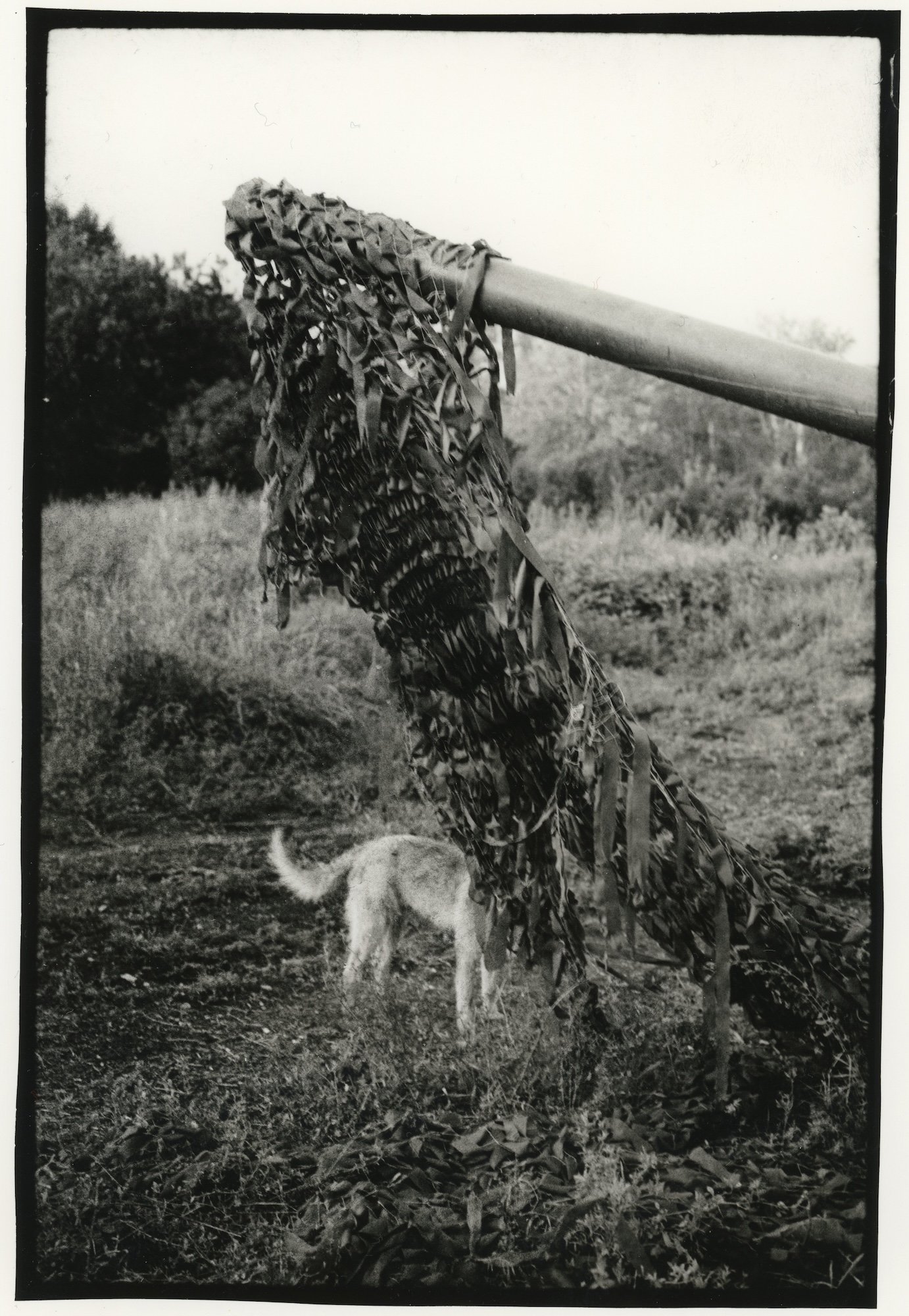
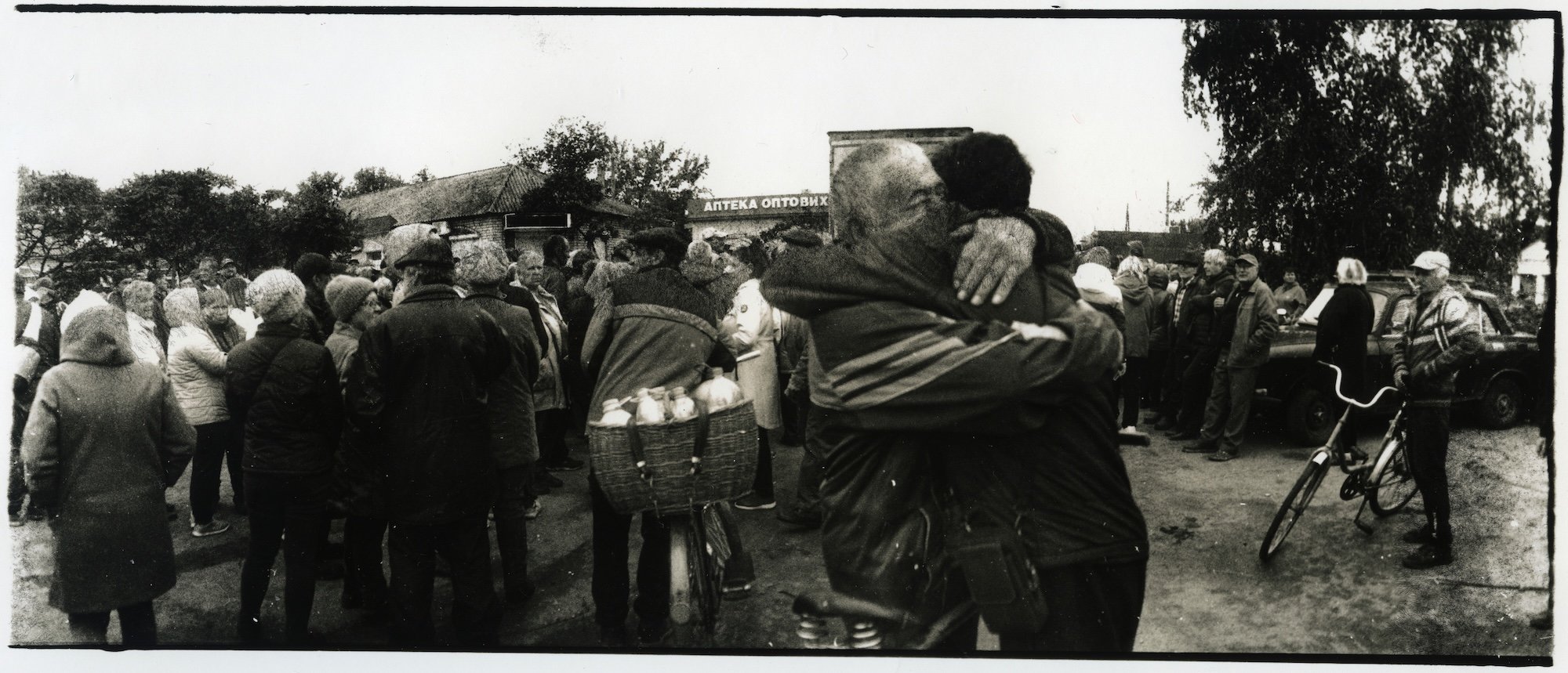
Krasnoshchok approached the subject of war by breaking down the different ways violence interrupts the everyday life of his surroundings: the destruction of property including bridges, buildings and automobiles; military personnel engaged in the conflict; army equipment such as tanks, drones, and trucks; domestic and wild animals caught in the crosshairs; civilian life under occupation; the various branches of military, such as aviation, artillery, and infantry. He treated each theme as separate directions within one larger body.
“I build each photograph as a complete visual form and when many such images come together they create a larger structure—something like a visual novel.” This novel is not a chronological documentary but rather an internal descent. Krasnoshchok explains: “At first the viewer looks at the war from a distance as an observer. Then gradually they are drawn inside the material. And at a certain point the distance disappears—the viewer is no longer looking at the war but is left alone with it.”
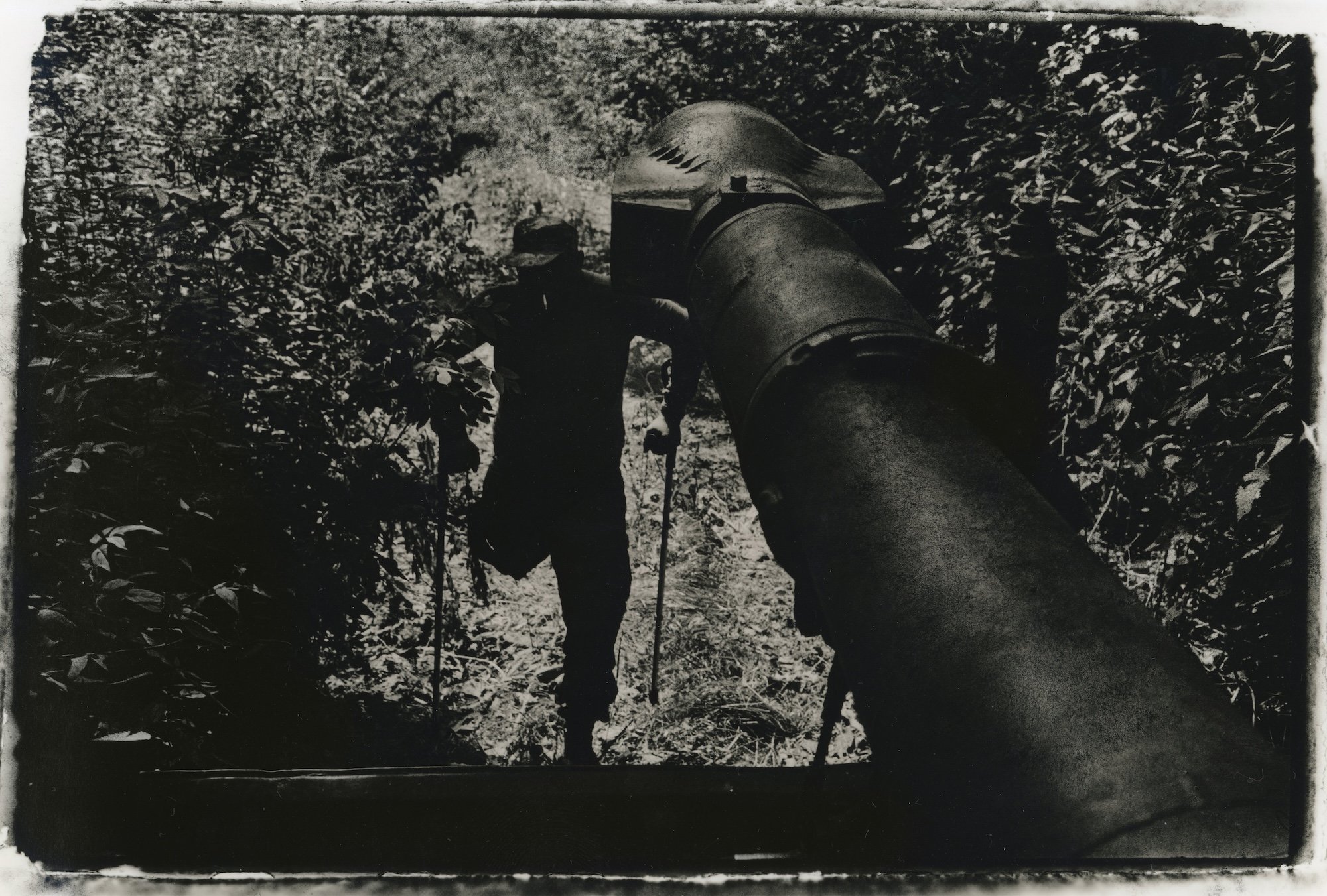
This shift in position unfolds slowly as the viewer descends into what Krasnoshchok calls ‘geopolitical surrealism,’ a condition that emerges when, in the face of war, reality itself becomes irrational. Kharkiv lies 30 kilometers from the Russian boarder and has been under siege since the beginning of the war. Hundreds of thousands of residents evacuated, many never to return. Krasnoshchok, who lives in his father’s old house, was never going to leave.
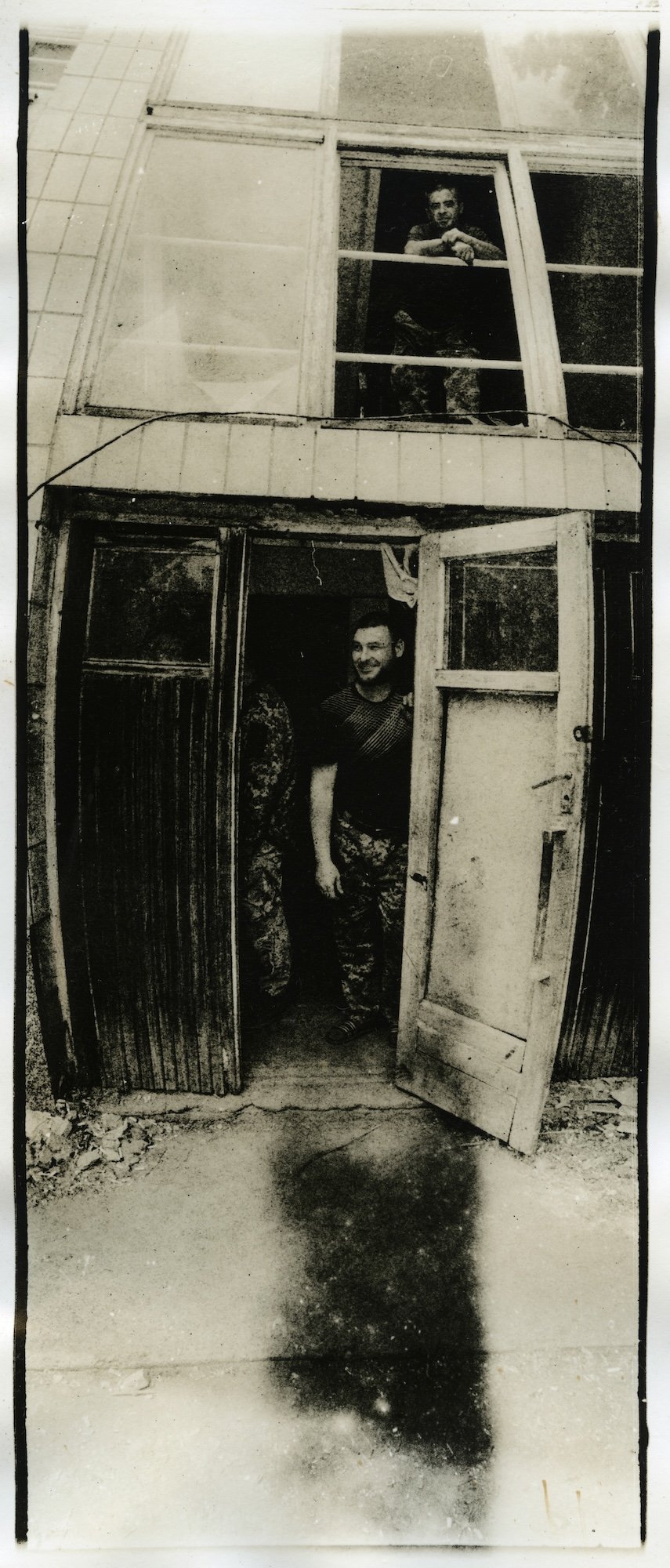
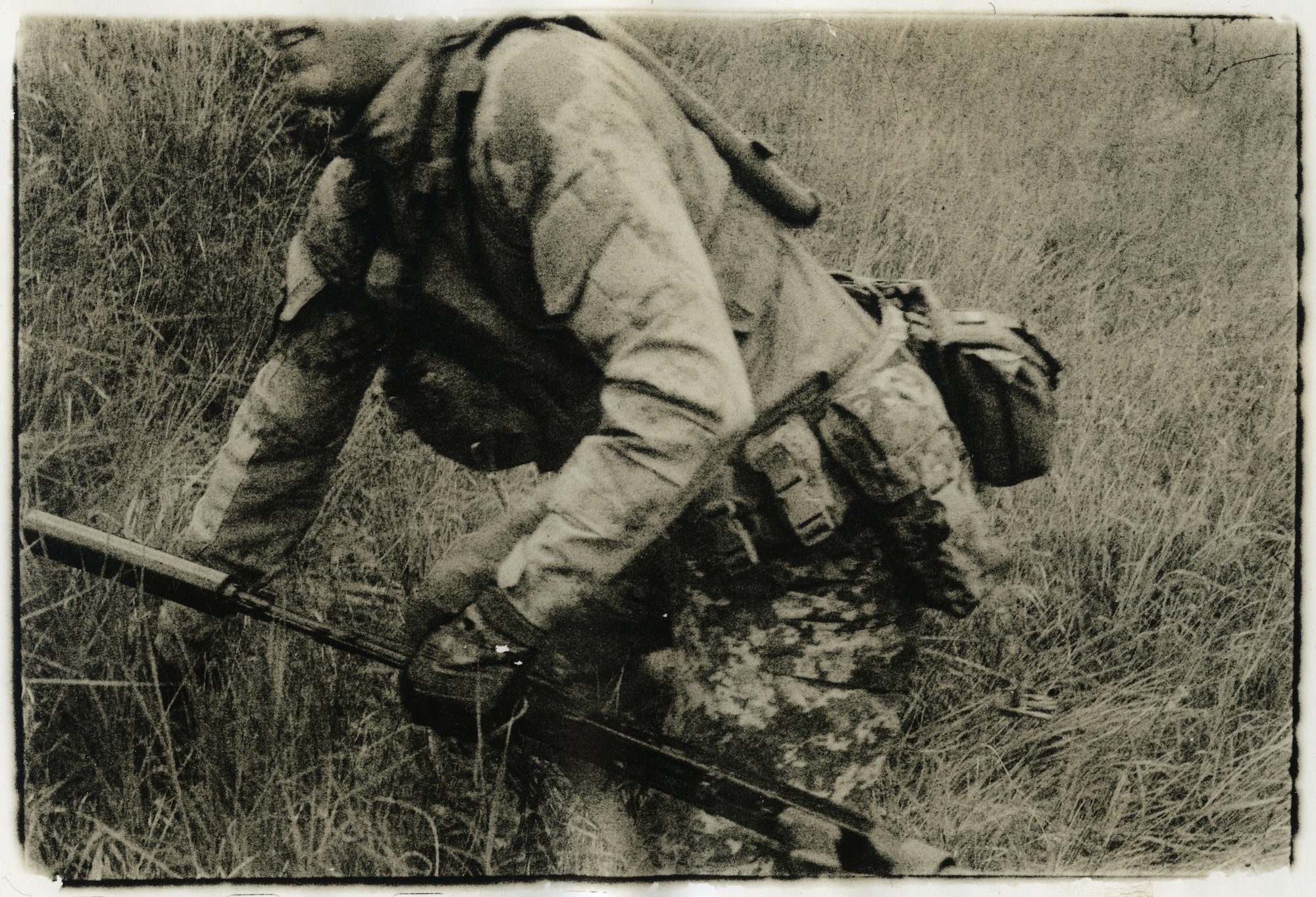
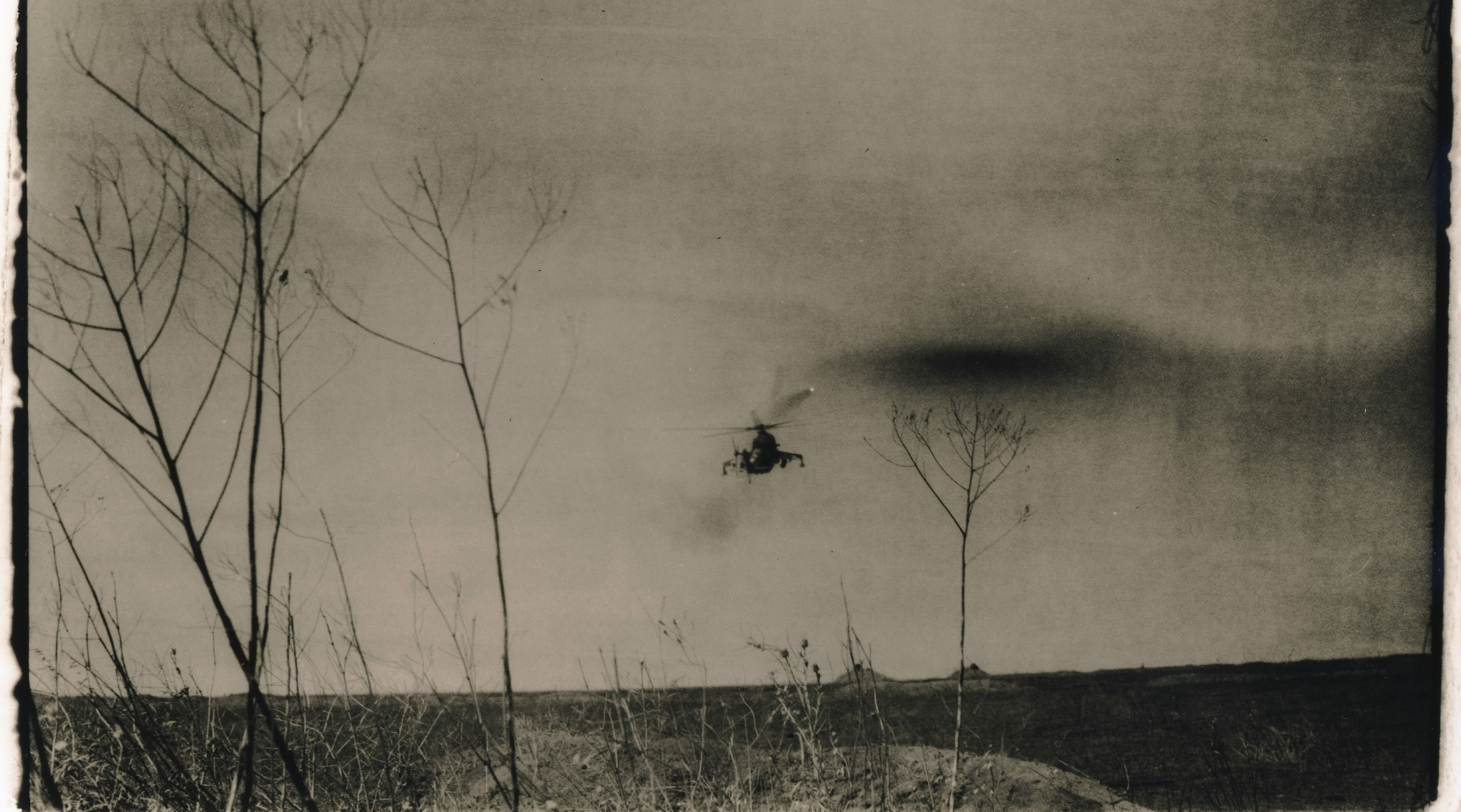
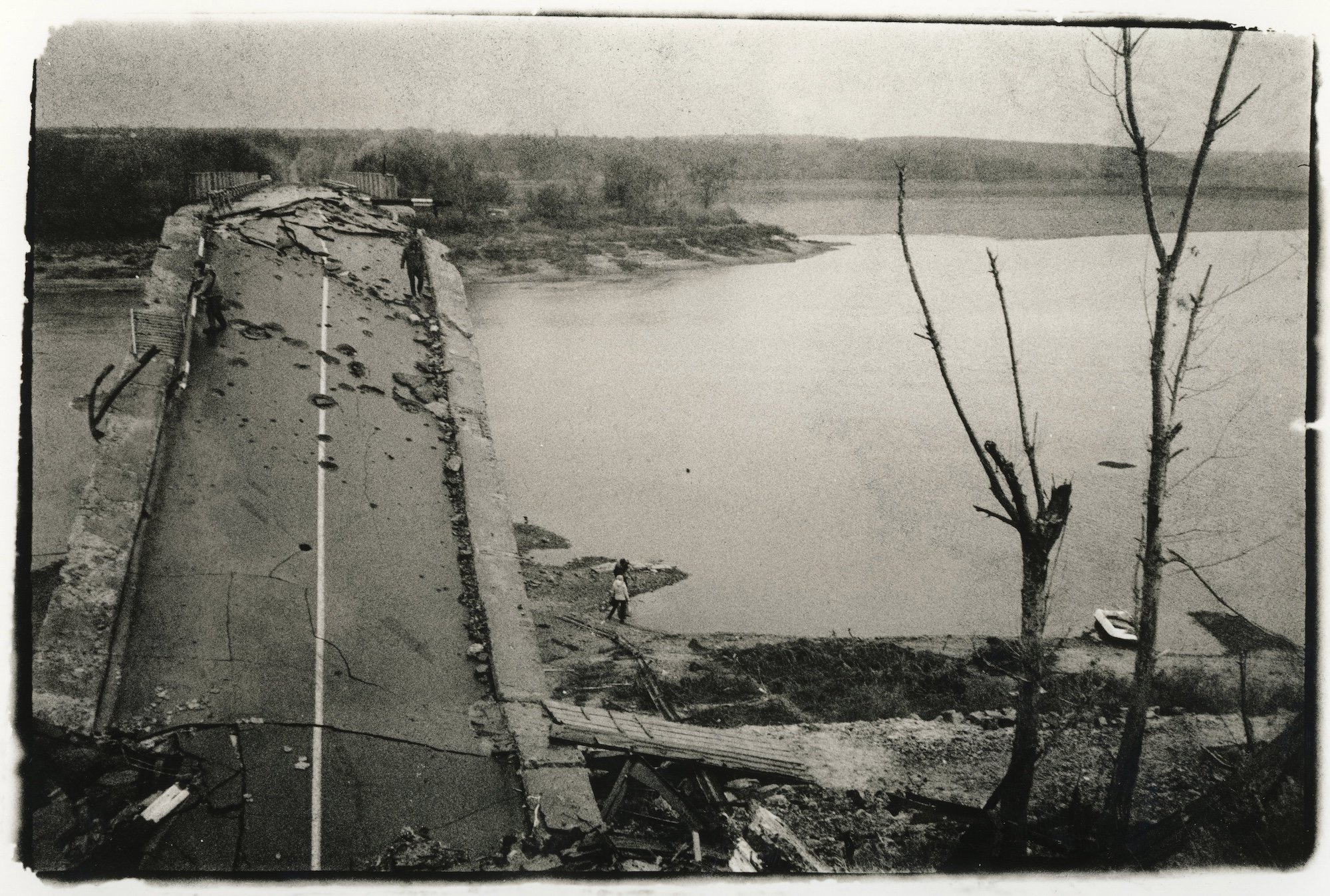
Krasnoshchok embedded himself with various Ukrainian military units, particularly helicopter pilots. Many became friends and would call him up before heading out on a mission. “When you return again and again you are no longer seen as an outsider,” he says. “You become part of the environment and you begin to work from within.” He photographs soldiers involved in all manner of activity, from travel, to fighting, to resting. Inevitably, a soldier photographed at war one day is photographed deceased another. From his photographs of soldiers emerges the extreme emotions of war, the exhaustion, terror, and tragedy, but also the moments in between—the camaraderie, bravery, and at times even humor. Due to the analog process the photographs look 100 years old, removing the subject matter from the immediate.
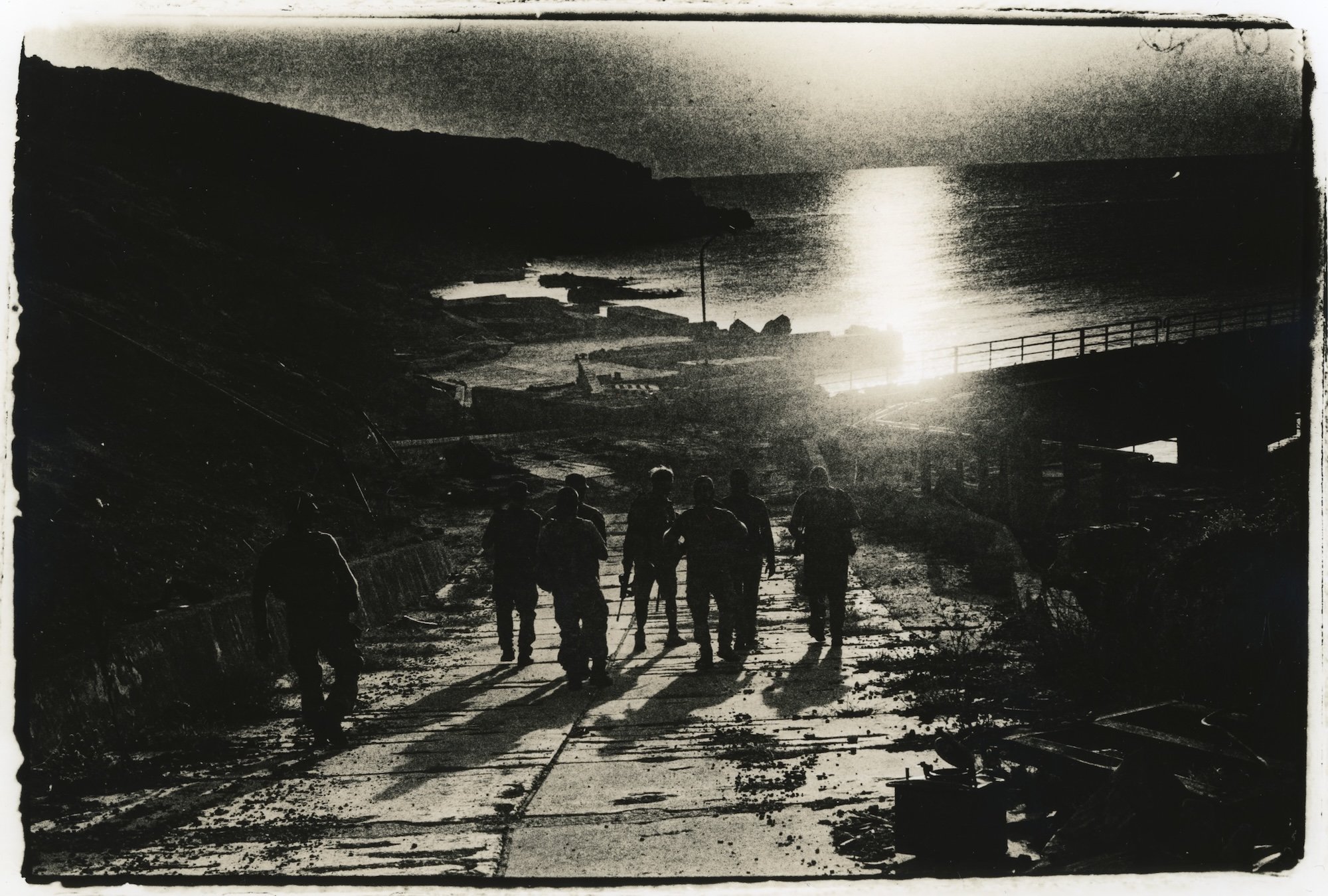
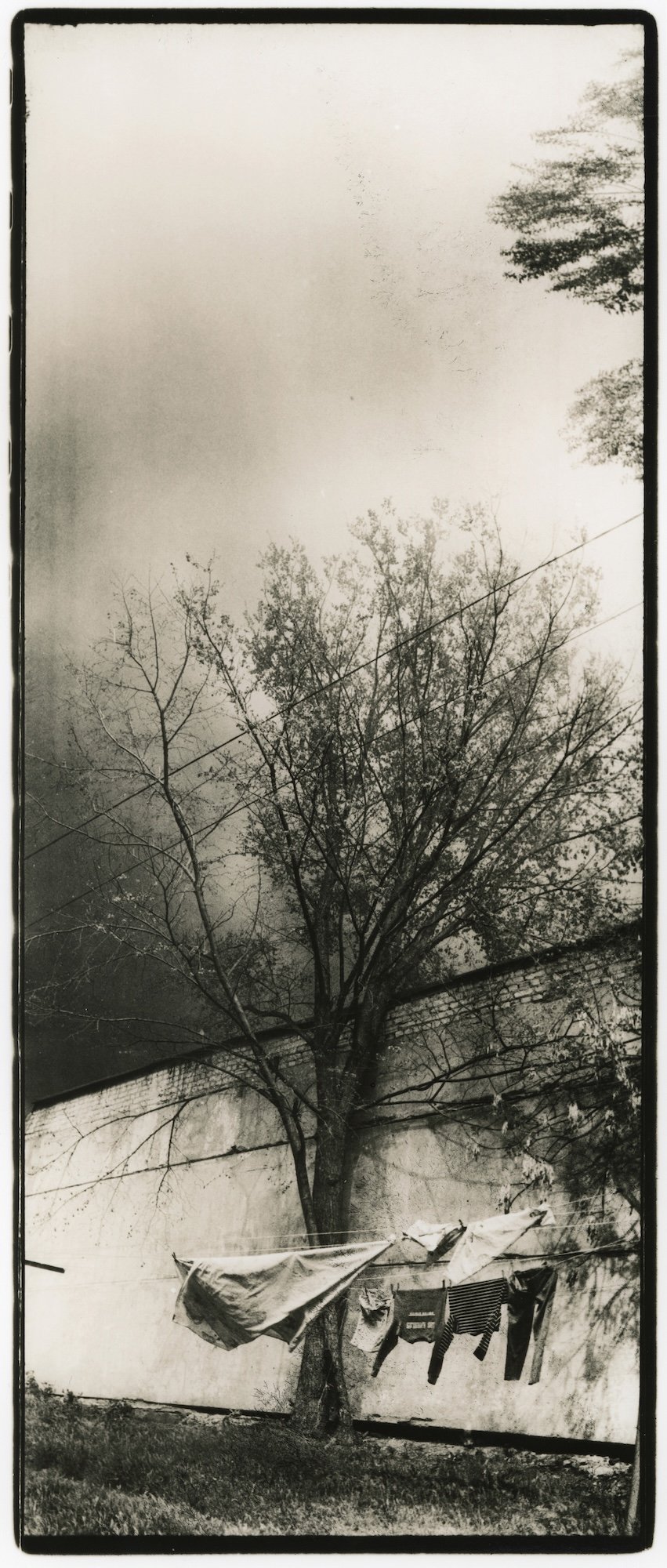
While out on excursion, Krasnoshchok will shoot a dozen rolls of film, photographing anything that catches his eye. “For me, the most important thing is composition,” he says. “When I see something interesting happening, I try to catch the form. And if I capture the form precisely, it creates the image.” He photographed the war on a variety of film cameras including a Soviet era Horizon Panoramic which he uses to tremendous effect. The wide angle of the photograph seems to cut a strip of reality and freeze it. Panoramic images of destroyed buildings, bombed churches, and tragic scenes of dead soldiers become direct representations of reality as experienced by the artist.
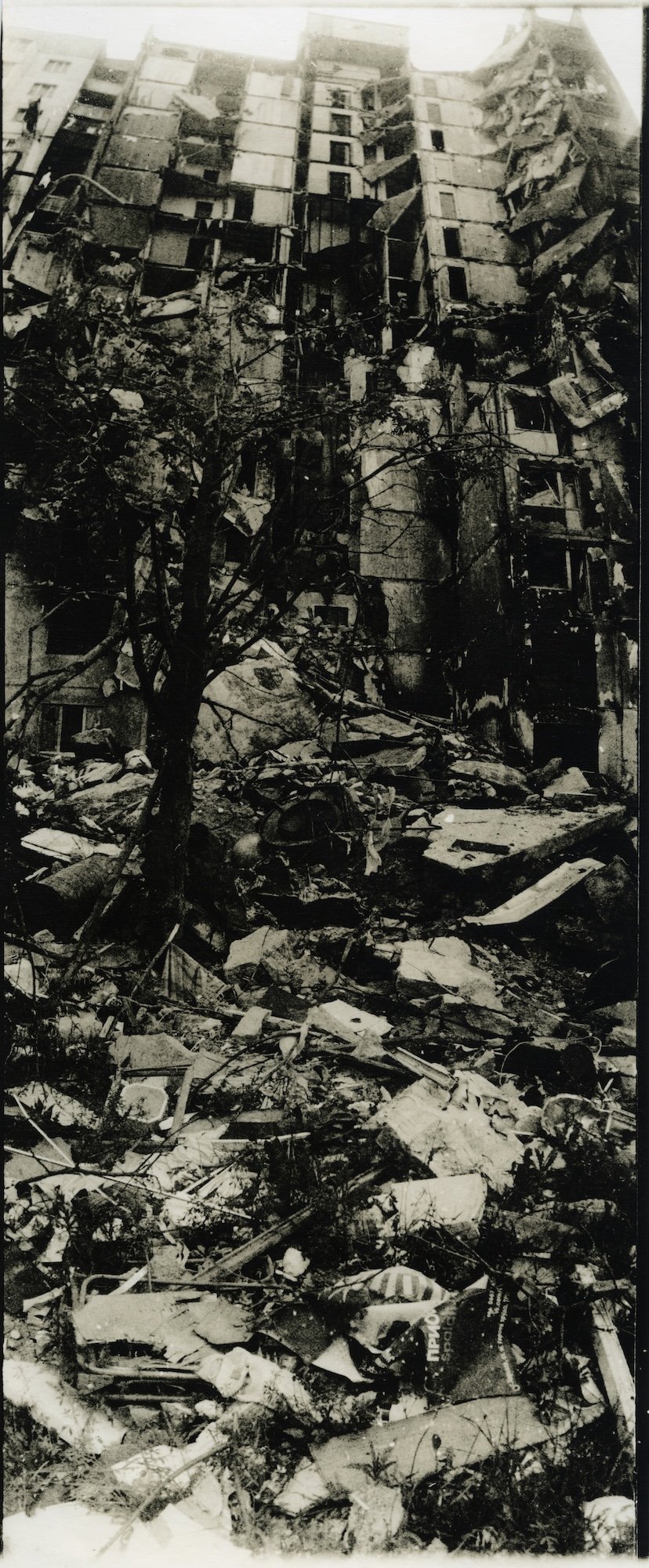
Returning from an excursion, Krasnoshchok then develops the film himself and makes prints by hand in the darkroom, often using high contrast developers and a variety of silver gelatin printing techniques to more precisely control the final image. Again, time is the main ingredient; an image is not finished until pulled from the tray of developer. Such a lengthy process removes the print from the immediate, allowing for deeper experience to emerge. “When you capture the form and create an image, it has the strongest impact. The viewer doesn’t just see it—they feel it and begin to empathize with what is inside the image.” True to form, none of the photographs are cropped.
Towards the end of Krasnoshchok’s Documentation of the War is a photograph of a man running across an open field with a black horse galloping behind him. The sky is darkened by billowing clouds save for a little light coming from a corner in the horizon. Horse and man are mid stride imbuing both with a fragile emotion. The viewer, having descended into the war, is left with questions. Why are they running? Is this a moment of hope or of tragedy? Are the clouds receding from the light or will they darken to finally consume the last of the day? Such is the experience of Krasnoshchok’s book. Both hope and tragedy, beauty and terror come together in this extraordinary documentation of the war, and in the very end, only questions remain.
ISBN: 978-1-7376814-8-9