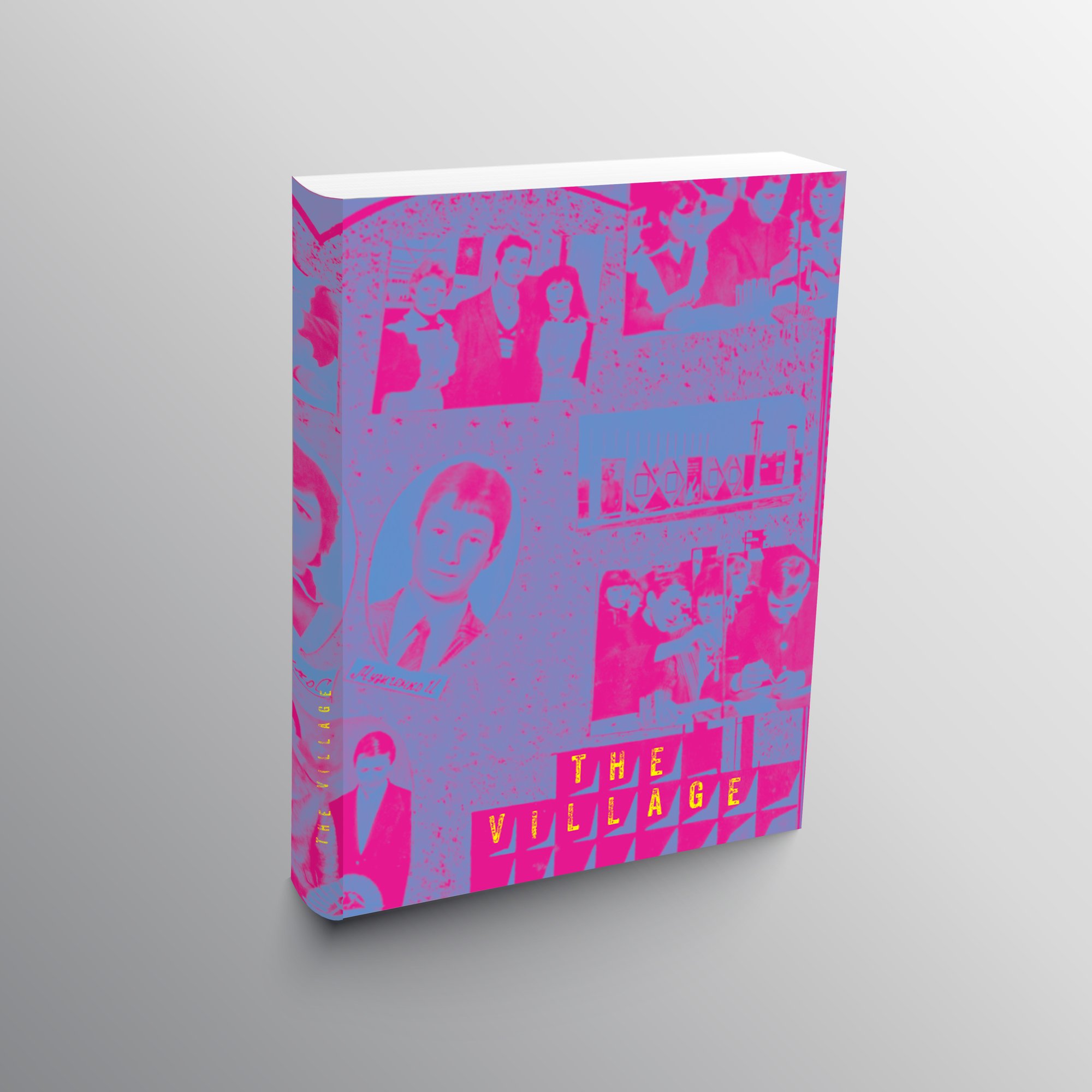
THE VILLAGE
by CATALINA ISABEL NUCERA
There is a village surrounded by forests in the extreme south of Belarus,
right near the Ukrainian border, in the heart of the "exclusion zone" that
surrounds Chernobyl. Thirty-one years after the nuclear disaster of April 26
1986, its land has a contamination of 31 curies for square kilometre. Its
inhabitants - 312, including 88 children - have inside their bodies more
than one millisievert (unit of measurement for radioactive energy absorbed
by human tissues) beyond the norm. Yet there is no trace of checks or
checkpoints.
This village exists only for its people. For everyone else it is a ghostly
place: too contaminated to be inhabited.
For several years, for humanitarian reasons, I went back to Kirov to give
help to the children and the families who live there. The obstinacy of those
who continue to live there, burying their deads and planting their seeds in
that land - as if that was the only possible place to call "Home"- continues
to amaze me every time.
Kirov is the theatre of a black fairy tale. In school, in church, in houses
with fences painted in bright colours, moved just a few meters beyond the
point where they stood before the disaster, you breathe a mysterious energy.
Kirov contains a secret: how and why do we continue to live in a place of
death?
Kirov is a space out of time. Here past is too heavy to remember and future
too difficult to imagine: what will be the consequence of contamination on
these people's health over the years?
A glimpse of the resilience and the obstinacy of
those who continue to live in this village on the edge of the impossible,
burying their deads and planting their seeds in that land - as if that was
the only possible place to call "Home".
Book Information
Publisher:
SELF PUBLISHER