People-Plant Relationship
In my photographic work I deal with the perception of plants in human culture based on my research into the People-Plant Relationship. I explore the interaction of human culture with plant life as a metaphor for the human condition.
While working on my Master of Research in Antwerp 2010/11, I found the origin of this culture-nature relationship within Victorian landscape gardens and specifically Victorian conservatories.
In 19th century there was, for the first time in contemporary history, a building created especially for plants and their particular needs on the one side, and on the other side, intended as a place of pleasure and amusement for people - the Victorian Conservatory. "As an increasingly common but distinctive social space, the conservatory was balanced, sometimes literally and always symbolically, between culture (formal reception room) and nature (the garden)." (1)
Driven by a significant concept in Victorian architecture, bringing the garden into the house, a further glass object was invented, which brought exotic nature into civilization - the Wardian Case. Invented by Dr. Nathaniel Bagshaw Ward in 1829, this kind of vitrine was successful in importing tropical and rare plants in closely glazed cases to Europe. (2)
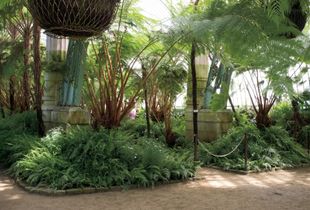
In these cases, as well as the conservatories, plants became easily cultivated, controlled and nurtured. To set plants under glass gives them excellent conditions to prosper and grow and to be displayed at the same time. Therefore, the Victorian conservatory, functioned as a kind of showroom for imported exotic and tropical plants — nestled in a variety of grottos, fountains, artificial rock works, statuary and tree ferns, the plants were on display in a most flattering and glamorous surrounding, providing entertainment for the audience as well. (3)
(1)
See p. 277: Margaret Flanders Darby, Joseph Paxton's Water Lily
Extract from Bourgeois and Aristocratic Culture Encounters in Garden Art, 1550-1850, edited by Michael Conan, Dumbarton Oaks Research Library and Collection, Washington, D.C. 2002
(2)
“The Wardian case, was an early type of sealed protective container for plants, which found great use in the 19th Century in protecting foreign plants imported to Europe from overseas, the great majority of which had previously died from exposure during long sea journeys, frustrating the many scientific and amateur botanists of the time. The Wardian case was the direct forerunner of the modern terrarium (and the inspiration for the glass aquarium), and was invented by Dr. Nathaniel Bagshaw Ward (1791–1868), of London, in about 1829 after an accidental discovery inspired him.” http://en.wikipedia.org/wiki/Wardian_case
On the Growth of Plants in Closely Glazed Cases, Nathaniel Bagshaw Ward, London 1841
(3)
The most remarkable glass building from that period is the Crystal Palace from the Great Exhibition in 1851 in Hyde Park, London. This massive glasshouse was designed by Joseph Paxton, an English gardener and landscaper, and displayed extraordinary and impressive plants and trees, within the exhibition of culture and industry goods from every nation.
 TO THE RESCUE – An architecture of restoration -
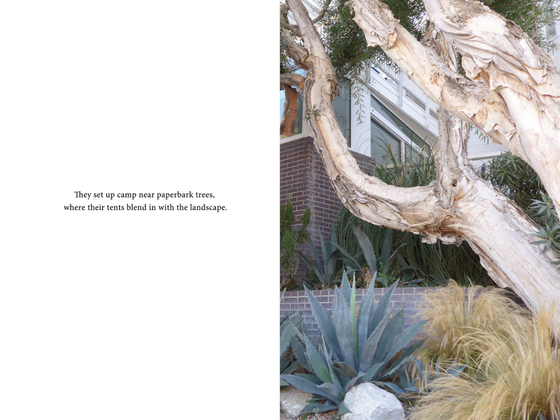 Interior Walk
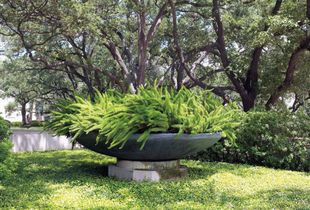 Journal of a Wandering Sorceress
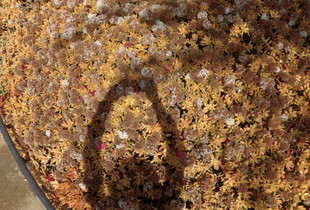 The Magician’s Workshop
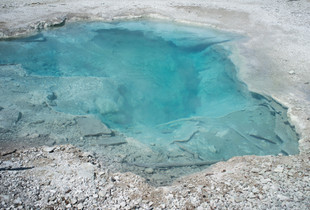 Empathy for Weak Magic
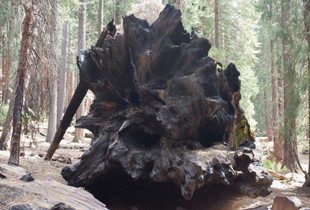 A STATE OF TRANQUIL MINING
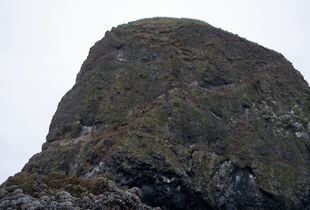 The Magical Society of Rocks
 The House of the Wizard
 A Hope of Relief and Cure
 A Lady's Walk
 The Tropical Department
 Nest of Gladness
