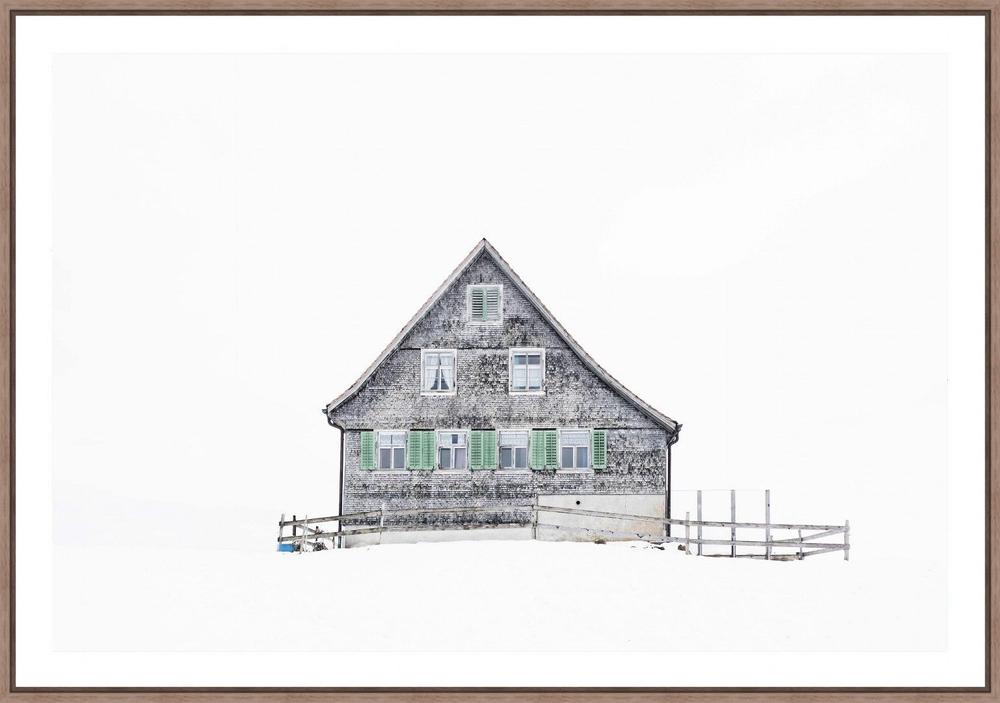

Submission "Châlets of Switzerland"
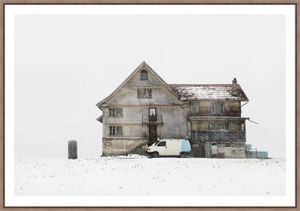
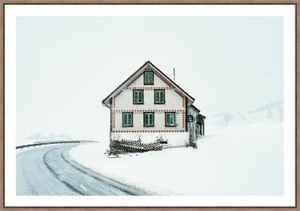
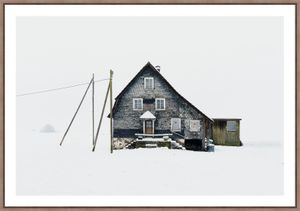
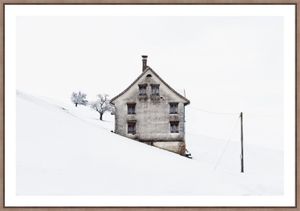
Although Switzerland is comparatively small, there are more world-famous clichés about it than about most countries: chocolate, luxury watches, banks, cheese, Heidi and the mountains, to name just a few. Among those idealized Swiss images is the romantic wooden mountain hut - the Châlet - with open log fires and a rustic interior, embedded in high mountains and surrounded by virgin snow. Patrick Lambertz consciously utilizes this cliché with his photo series “Châlets of Switzerland”. Fully aware that Switzerland is, of course, much more varied and more contradictory than the stereotypes suggest, he has quite deliberately adopted the topic of the romanticized Châlet: "The word Châlet, in its original meaning, described nothing but a barrack or shack. And barrack is generally associated with an old hut or an old building. With this ambiguity of Châlets in mind, I have spent a couple of years searching for suitable photographic objects in the winter time. On my trips through a Switzerland often glossed-over by such stereotypes, I came across a kind of parallel universe - the “Châlets” far away from the glamorous world of the idealized image. That was the starting point of this series, an actual typology of overlooked Swiss houses.” The roots of the work of Patrick Lambertz can be found in the history of photography, in the works of the Dusseldorf photographic school and the ‘New Objectivity’ movement. The photographic series of half-timbered houses realized by Bernd and Hilla Becher at the end of the 1950s was as much a godfather as the serial typology of photographer Candida Höfer. And even the strictly formal photographic art of Karl Blossfeldt echoes in the perspective of Patrick Lambertz.
No categories selected
Photos (10)