
Missourians
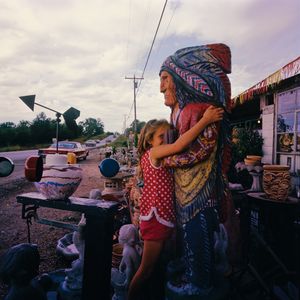
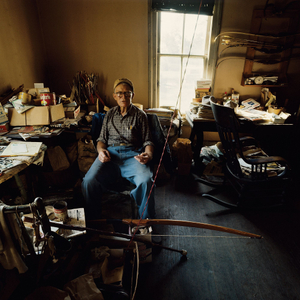
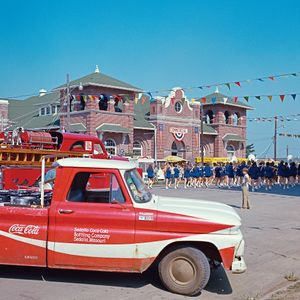
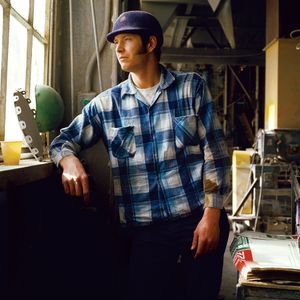
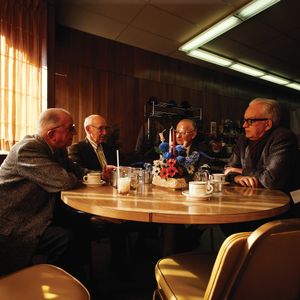
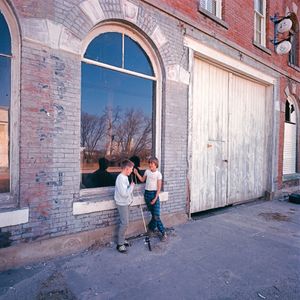
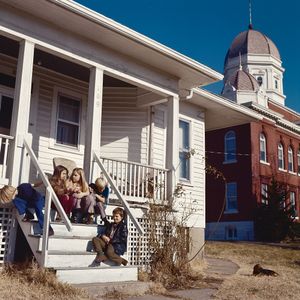
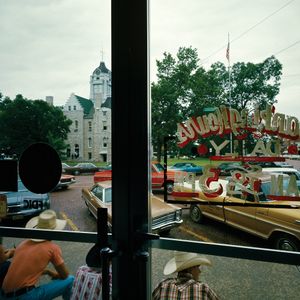
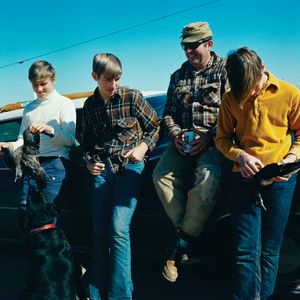
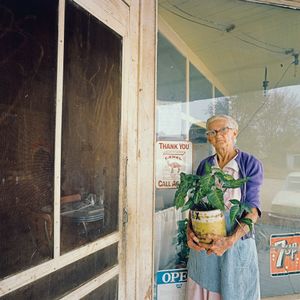
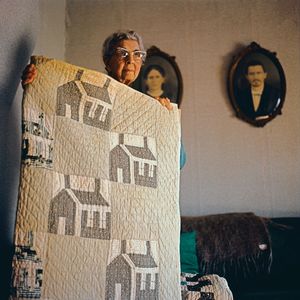
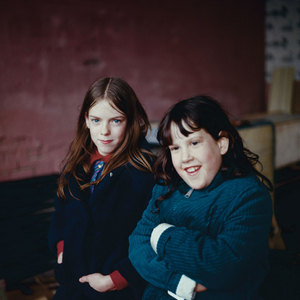
Among my earliest and best remembrances are mornings when unshaven old men brought tubs of still twitching catfish to my Uncle John’s house. As postmaster of Versailles and a chieftain of the ruling Democrats, John Earp’s say-so mattered when jobs were handed out at the courthouse. Dressed quail were another form of tribute. One hill farmer brought a special gift for Annie Lewis’s boy—a huge, angry blacksnake in a three-gallon pickle jar. Old women left me with indelible memories too. Nanny Hubbard was a black lady who helped my aunt and uncle. Like the old men trying to bribe John with fish and game and unlike most adults she addressed me by name, asked me questions and waited for an answer. Always something was cooking and she told stories non-stop, cackling at her own strange jokes. About three times a week, we had chicken. Nanny would grab a hen out of the pen, wring its head off and we would watch it run around in the backyard, bumping into trees and yard furniture. Years later I was surprised my friends didn’t care as much as I for Faulkner’s novels and Breughel’s paintings. My selection of portraits is weighted heavily toward people who remind me in some way of those old men and women that made Versailles a wondrous place for a four-year-old while Captain Louis Strader Payton was in Europe and Anne Lewis Payton was in meltdown. I know ‘em when I see ‘em, but the people I favor as subjects are an elusive sociological category. Luckily, my itinerant life has kept me in touch with Missourians who, if difficult to pigeonhole, have distinct historical roots. Contemporary art offers little conceptual guidance. The filters of Freudianism, Marxism or media won’t help define their image. They cannot be accurately painted with the brush (loaded as it is with primary colors) of contemporary conservatism. Folk they are, or, more accurately, descendents of pre-industrial Americans. Folklorists have, however, cleaned up our ancestors. Sweet-smelling, basket-weaving, ballad-singing versions of such rustics are showcased in Hallmark Hall of Fame movies. Depictions by academics on the other hand aren’t recognizable as they do not focus on the average citizen. Social realism’s black and white, grainy photographic renditions of proles scarcely resemble the colorful people I encountered. If invisible to modernists and media and marginalized by corporate capitalism, common folk might seem to be an endangered species. As native plants and animals yet inhabit the countryside and our small towns are repositories of old buildings, Missouri is a refuge for citizens who fulfill Andrew Jackson’s vision of America. Granted their lives have not been made easier of late by those modern Whigs—scornful Eastern elites, soft money bankers and international speculators. Once the cast of Mark Twain novels, ordinary Missourians were, if not center stage, credited character actors in the American drama for a long run. Today, they rehearse their lines in the wings, awaiting a revival of participatory democracy.
No categories selected
Photos (23)