‘Reclaimed by Nature or Man’
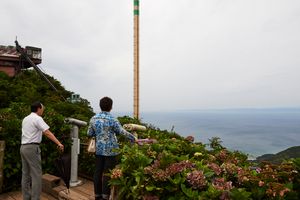
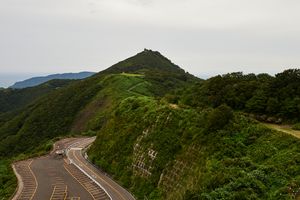
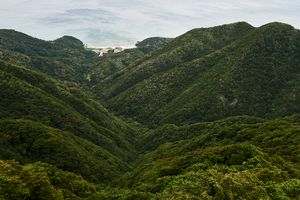
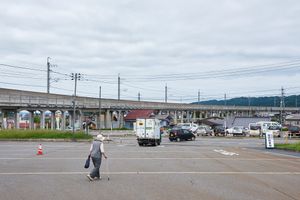
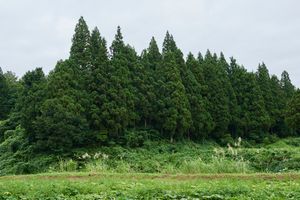
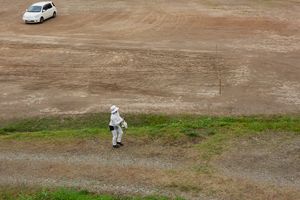
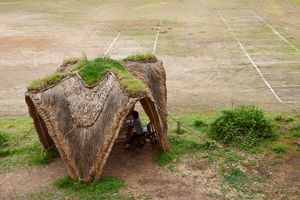
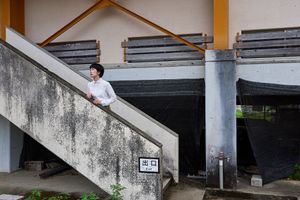
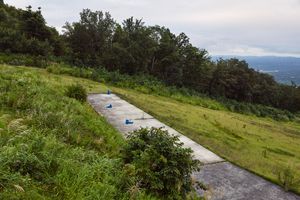
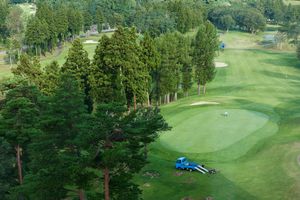
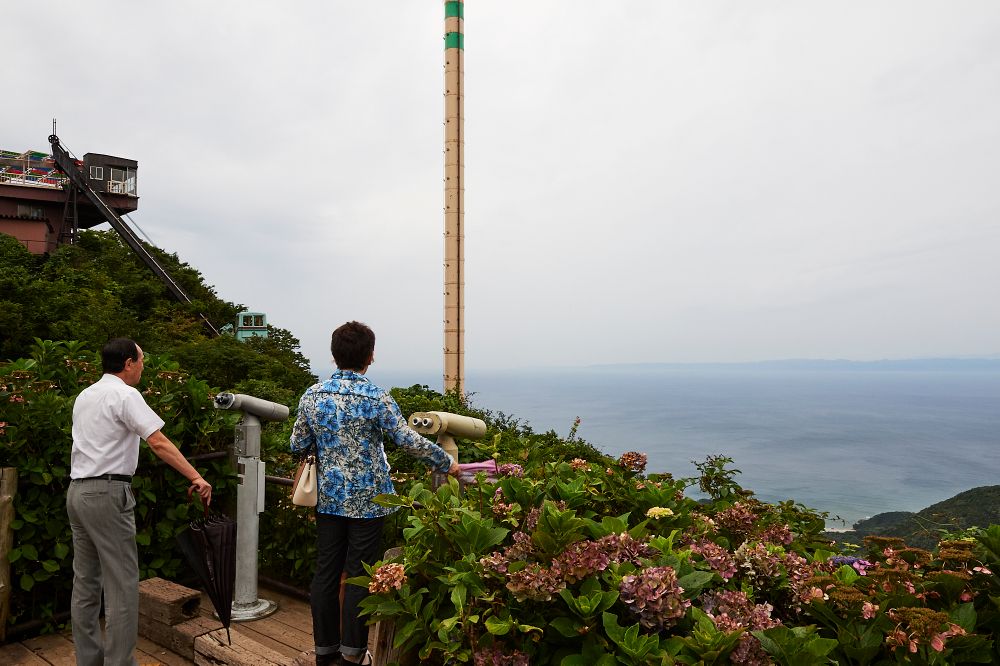
‘Reclaimed by Nature or Man’ This image series capture scenes of nature from Niigata, a North-western coastal prefecture in Japan. The verdant land has been occupied since prehistoric times in the Jomon period (c. 14,000-300 BCE) when hunter-gatherer society lived in pit-dwellings and produced highly decorative and elaborate rope cord marked ceramics. The area is significant, especially for archaeologists, with its rich deposits of historical artefacts. Hugging 240 km of coastline along the Sea of Japan, Niigata’s landscape varies from coastal to mountainous with rivers, valleys and plains in between. The artefacts unearthed provide evidence to the harsh natural conditions of life in Niigata. From extreme winter blizzards to devastating volcanic eruptions and life-threatening earthquakes, Niigata has and continues to be a land of negotiated access between man and nature. The photographs from this series were taken while I worked alongside a team of archaeologists from the UK studying the Jomon period in 2019. The visit was made in August, one of the hottest and most humid months of the year to be in Niigata. Desperately trying to cope with the suffocating heat with little comfort, I began to explore the theme of reclaim. That is, how man—despite what nature had in store for them—fought to negotiate land use through adaptation and amelioration. Niigata’s most recent large-scale natural disaster was the 2004 Chūetsu earthquake. On October 23rd, 6.6 magnitude earthquake struck mid-Niigata prefecture shortly before 6 pm. What followed were a series of large aftershocks, and landslides and floods caused by heavy rain that then later turned into snow as winter descended. According to official government records, death toll was 68 with 4750 people injured. Homes were destroyed and thousands of people were displaced. Nearly 10,000 were moved into temporary shelters with the last resident to return home after over three years. The Chūetsu earthquake initially made international headlines. By the time I visited, the process of land healing was well underway: rather than replicate what was there before the disaster struck, the Japanese were engaged in a process of restoring and re-landscaping nature in negotiation with nature. There was a process of respect and dialogue between man and nature. Reverence for nature is deeply embedded in the Japanese native belief system of Shinto. In Shinto practice, the holy spirit of kami resides in nature including in mountains and ancient trees. It is believed that the spirit can both protect and punish mankind. As such, Shinto purification rituals are held regularly to pray, honour and appease the kami. Unlike the industrial metropolis like Tokyo, Yokohama, Osaka and Nagoya, where man forces his dominance, authority and control of nature, what I saw in Niigata was a genuine attempt to re-balance land use between man and nature. I was struck whilst in the landscape and nature, how a conversation was taking place between nature and its people a harmonious way. This is what I wanted capture in my images. I wanted to communicate the theme of reclaim by creating a narrative within each image through documentary expression. I did not want to use any staged approach, but rather maintain a natural composition through incorporating supple colours from nature and man-made objects. My work more broadly looks at our relationship with nature and the different environments we have learned to inhabit and impact on a day-to-day level. On a personal level, the Reclaim Niigata series changed the way in which I have come to think of Japan. Like many short-stay visitors, I have come to associate Japan with a culture of past-present looking to the future. A future full of fast, 24-hour neon lit cities with new technologies and meticulously well-orchestrated and organised lives. What would happen if nature reasserted itself in these big cities? Would its people reclaim nature in the same conscientious way as in rural areas, such as Niigata? This series presents my ongoing interest in how we attempt to negotiate land use with a force far greater than ourselves.
No categories selected
Photos (10)