
A CITY WITHIN THE CITY - Aghia Aikaterini
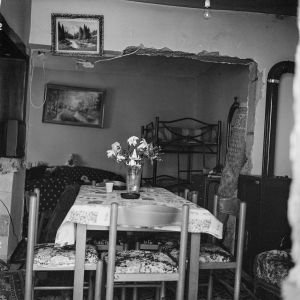
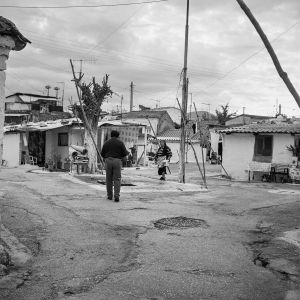
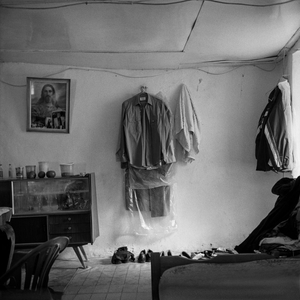
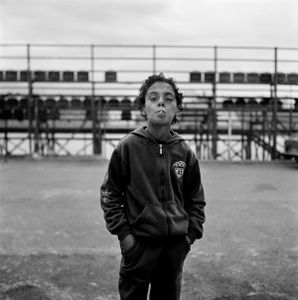
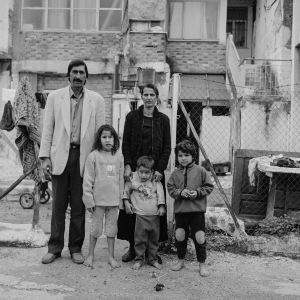
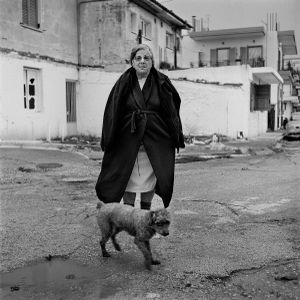
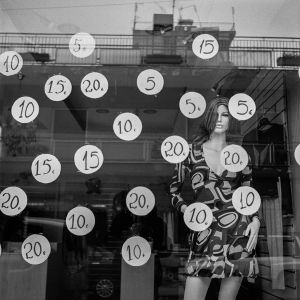
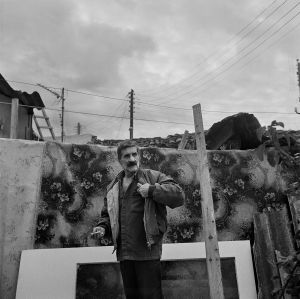
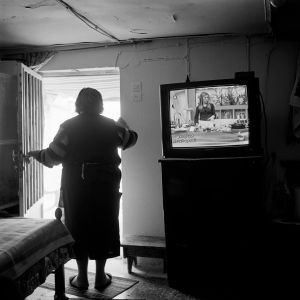
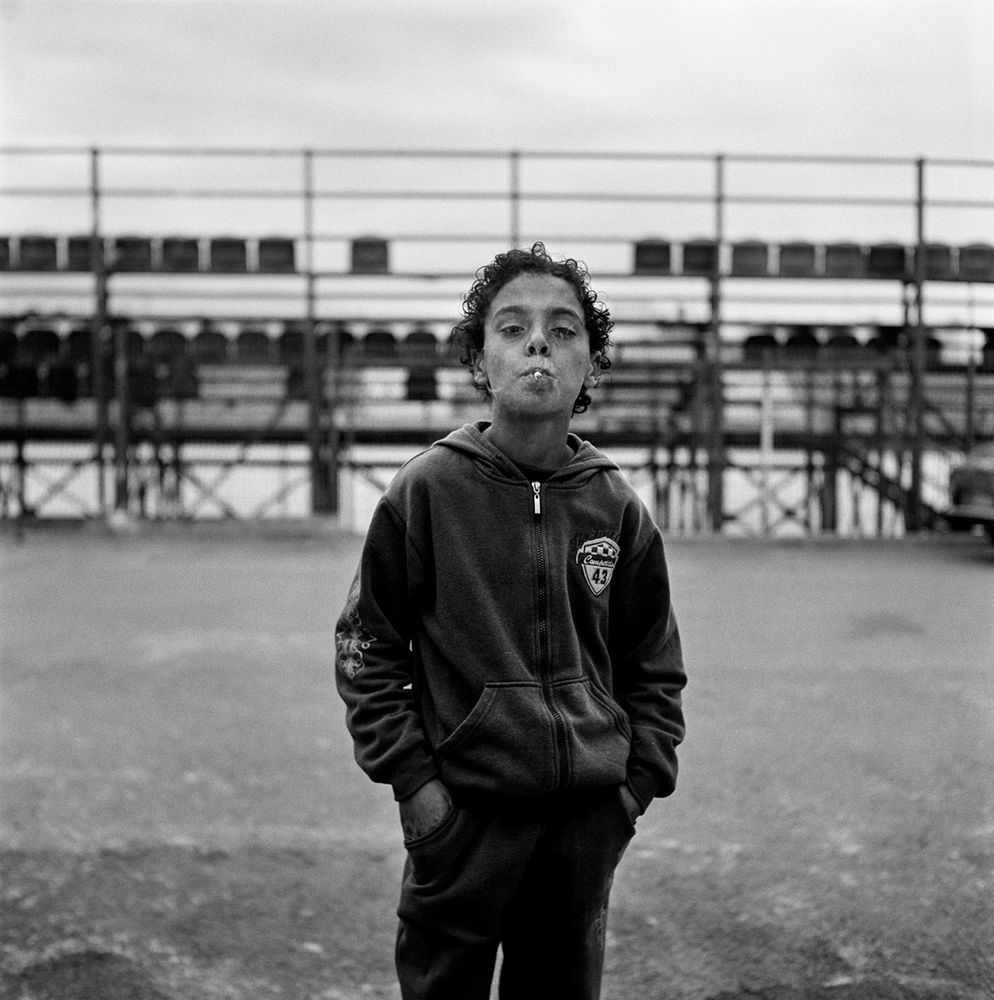
The photographs of the unit “A CITY WITHIN THE CITY” depict aspects from the daily life of the residents of two small districts in the City of Patras in northwest Greece, called “Aghia Aikaterini” (St. Catherine) and “Prosfyghika” (The Refugee Settlement). Their common denominator is the marginalization of their inhabitants. To this day, the inhabitants of downtown Patras look down on these districts, as if they were a foreign body in their city. Patras is a city of 200,000 inhabitants. It is known for its port, which is considered very important for transport and commerce. It is the gateway to the West. In 2006, Patras was the Cultural Capital of Europe. The district of Aghia Ekaterini is of the oldest in Patras. It is located to the north- west of the city center on the outskirts of the metropolitan area. In the 13th century the Venetians, who were the occupants of Patras, brought and settled gypsies in the area. Their sole occupation was the manufacture of iron. Today, there are descendants of the gypsies in the area, who are of course integrated with the rest of the city's population. To this day, the area remains one of the poorest districts and, up to a few years ago, it was the most drab and dangerous. It is indicative that, up to most recently, it was not served by any means of public transport. Today approximately 40 families live in low white houses, randomly built around the church of St. Catherine. The houses withstood the intense seismic activity of the area and the people for years resisted the politicians who were urging them to turn their houses into apartment blocks. These people remain isolated from the city, are very reserved and often become aggressive towards curious people who decide to walk the labyrinthine alleys of their small city. The Prosfyghika area is another district on the limits of Aghia Ekaterini. Following the Asia Minor Disaster, from 1922 to 1924, there arrived at the depleted Greek state following hardship, around 1.5 million refugees from Asia Minor. In Patras, 6,000-7,000 refugees were settled in the refugee settlement area, which was built over reeds and swamps. These people worked mainly at menial tasks, in sultana factories and saw mills, as well as street vendors. Women worked in the city's industries, mainly in the textile sector. Indicative of the poverty in the area is the fact that the parish had one coffin for public use, which was given back to the parish after each funeral. The small, two-storey homes are all the same and look into external courtyards, which are used by everyone. They used to call this neighborhood "Little Moscow". In spite of everything, the inhabitants of Prosfyghika, although captive of their social conditions and of their need to survive within them, keep meeting outside their houses, their children keep playing in the streets and people are eager to spend their time for their neighbor; at the same time, there is a diffused sense of abandonment. I walked in the neighborhoods and observed people in their habitat, looking to see if their live shows on their faces. In the faces of the young, I think that I can discern which way they want to go. Old people gradually give up on life and do not care to show who they once were. The photographs were taken in 2007 and 2008 using 120 B/W film.
No categories selected
Photos (10)