24/7
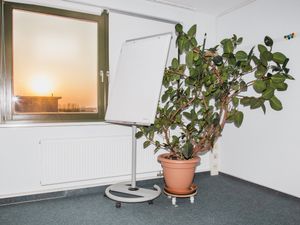
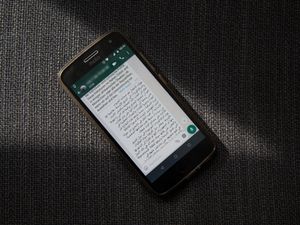
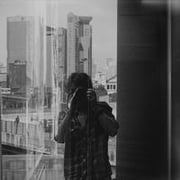
About a year ago in order to make a living for my family, despite my hate for being stuck in a cubical, I took an office in my hometown. I was doing the sort of thing that you would expect to do in a small, rural city in the center of Germany. As long as I can remember, office jobs always made me feel disconnected and enraptured from reality, creating an enclosed entity with its own artificial rules and regulations. The chance to offer a photo course for refugees living in a nearby shelter helped me to stay connected to who I am as an artist. Still the discomfort of office life was enhanced by the collision of burgeois bureaucracy with the existenstial questions of refugee life. During the course, ever existent questions about the role of photography arose. Once I have thought that if I became more involved with photography at some point there would be a solution, a universal code that all reportage photographers would follow and which attests their intentions to moral immunity. That there would be an unwritten, ubiquitous guideline of how to deal with topics like cultural appropriation and the undeniable interests of the photographer. Doubts for this have grown bigger ever since. The presented pictures aim to question the relationship between photographer and subject as well as the nature of documentary photography itself.
No categories selected
Photos (10)