“The Halmang’s Sea”_The haeneyo between the ocean.
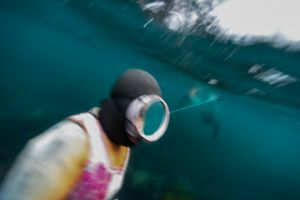
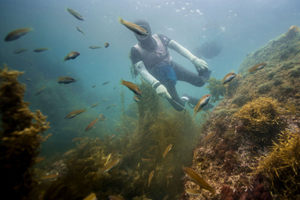
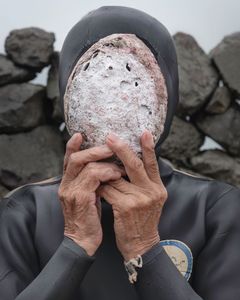
I live on Gappado Island, south of Jeju Island. This work is a story of eight years with Haenyeo on Gapado Island. The shallow sea, where the Halmang dive, is called “The Halmang’s Sea”. Even if “The Halmang’s Sea” is full of things to catch, the upper class Haenyeo (there are classes of Haenyeo, which are the upper, middle and lower class, based on their skill or ability to catch a lot) never dive in this sea. This is because every younger Haenyeo has understood and accepted the course of nature, through which they will become an owner of “The Halmang’s Sea” someday. The “Haenyeo” only stayed a little while. When the sea is rough, they go to work in the fields, and when the time comes, they may borrow from the sea again. Like the sea’s ebb and flow, their life flows like the tide. Sometimes the uprightness to mingle or standing against the sea and the patience and their courage are the powers that hold the island, and they make me always miss Gapado. For me, a Halmang is a flower, and the light of the sea. The Jeju Haenyeo were registered on the UNESCO Representative List of the Intangible Cultural Heritage of Humanity, under the name "The Culture of Jeju Haenyeo” at the UN’s Intergovernmental Committee for the Safeguarding of Intangible Cultural Heritage, on Nov. 30, 2016 in Addis Ababa, Ethiopia. The "Culture of the Jeju Haenyeo”, who live with nature, has been recognized as a community culture to be continuously inherited. The "Culture of Jeju Haenyeo” means the tangible and intangible cultural heritage created from the work of diving and the daily life of the Haenyeo, and it includes the "Najam diving technique", the folklore knowledge of fisheries, religious beliefs, songs, working tools and clothes, the customs of the community, etc.
No categories selected
Photos (5)