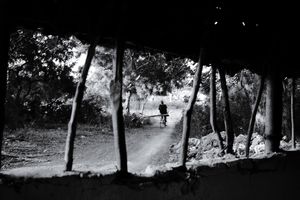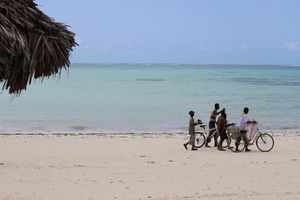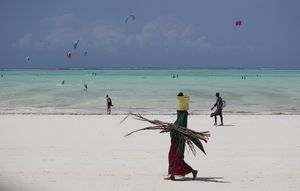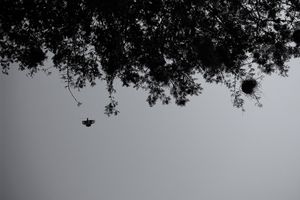
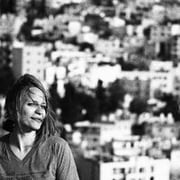
Le rivage / The shore
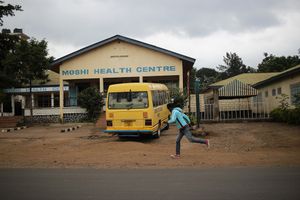
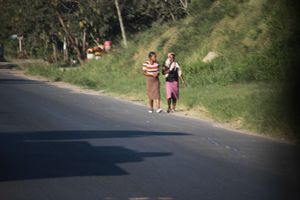
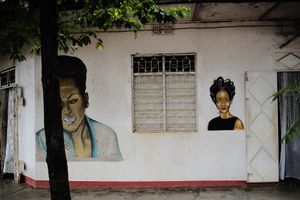
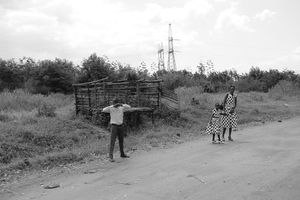
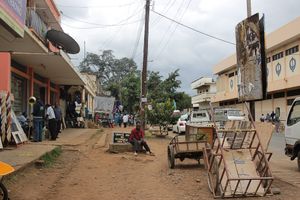
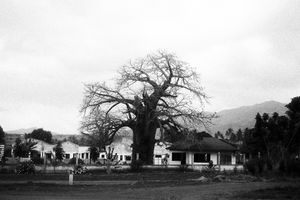
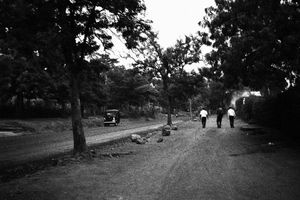
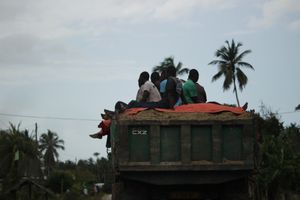
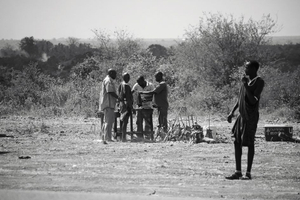
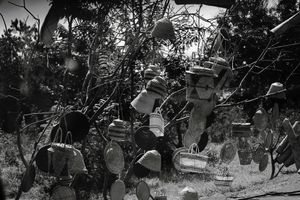
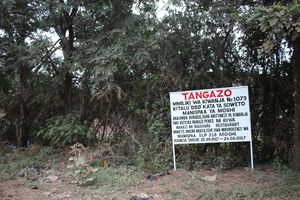
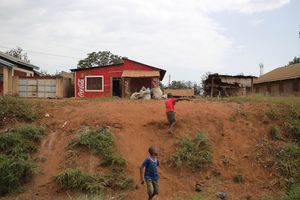
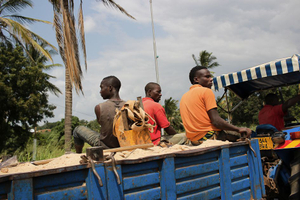
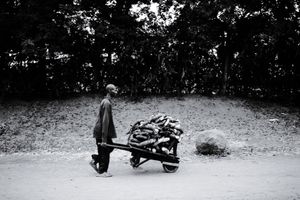
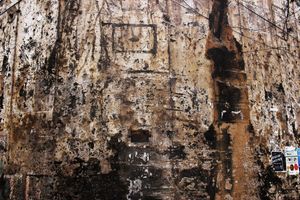
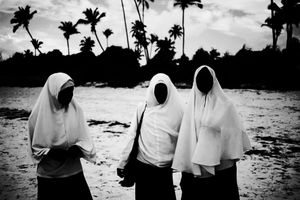
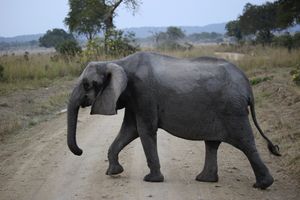
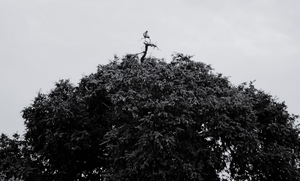
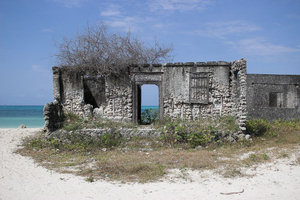
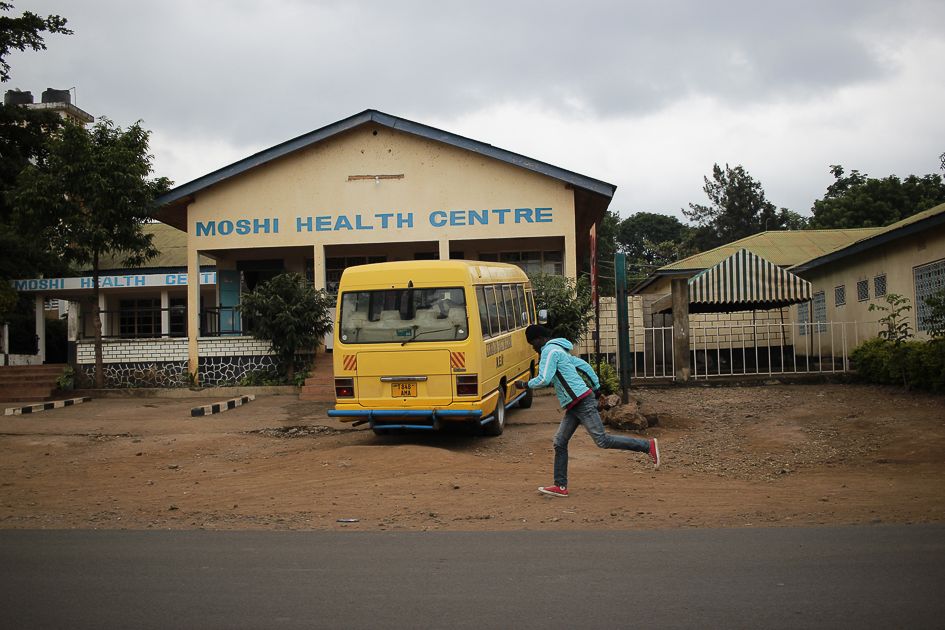
Ma série de clichés représente un road-trip effectué en Tanzanie en 2017 et interroge sur le rapport intime existant entre l’homme et le paysage. En Tanzanie, un des principaux dialectes parlés est le swahili, mot venant du nom arabe « sahel » qui signifie « rivage ». La Tanzanie est une terre contrastée, où le colonialisme qui a laissé des traces, voit sa population se battre pour préserver ses traditions du tourisme de masse. Dans cet exotisme exalté, j’y ai fait des rencontres éphémères, le plus souvent superficielles mais bien terriennes. Sa faune, définitivement enracinée, détonne avec les silhouettes fragiles vacillant sur les routes. Ici, le but est incontestablement de courir, survivre, et d’exister. Les rives de Zanzibar, où comment l’Afrique restera à jamais une terre énigmatique, au-delà de ses façades et reliefs. Nulle part et partout c’est précisément là où je voulais aller. Une anatomie de l’errance qui oscille entre le monochrome et le viscéralement coloré. My photos represents a road trip made in Tanzania in 2017 and questions the intimate relationship between man and the landscape. In Tanzania, one of the main dialects spoken is Swahili, a word from the Arabic name "Sahel" which means "shore". Tanzania is a contrasting land, where colonialism, which has left its mark, sees its people fighting to preserve their traditions of mass tourism. In this exalted exoticism, I made ephemeral meetings, mostly superficial but very earthy. Its fauna, definitely rooted, clashes with the fragile silhouettes flickering on the roads. Here, the goal is undoubtedly to run, to survive, and to exist. The banks of Zanzibar, where how Africa will forever remain an enigmatic land, beyond its facades and reliefs. Nowhere and everywhere is precisely where I wanted to go. An anatomy of wandering that oscillates between monochrome and viscerally colored.
No categories selected
Photos (24)