Scorched Roots
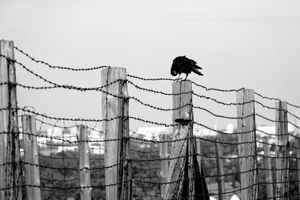
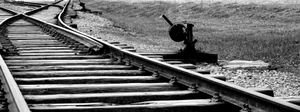
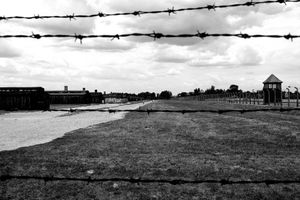
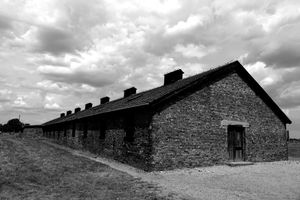
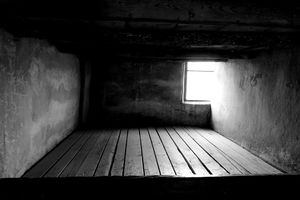
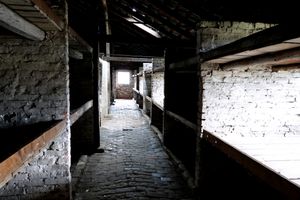
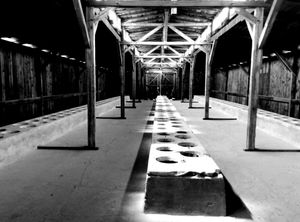
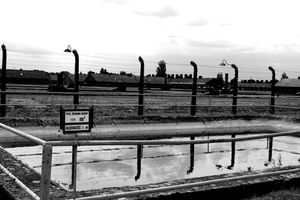
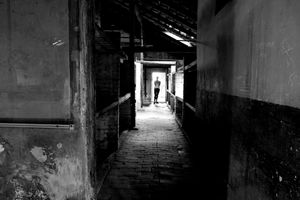
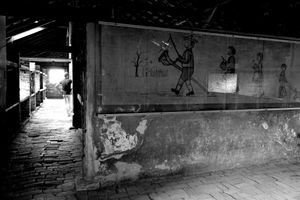
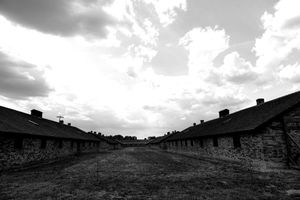
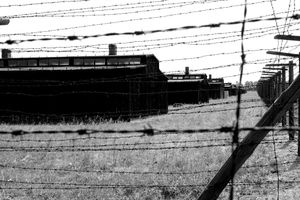
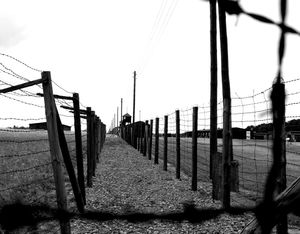
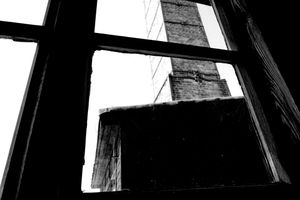
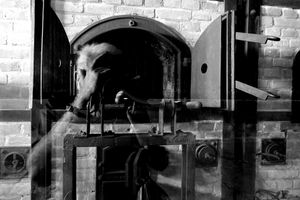
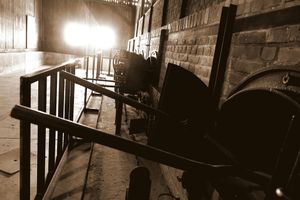
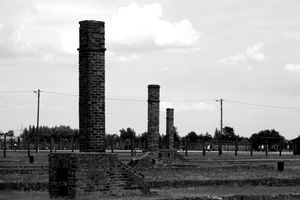
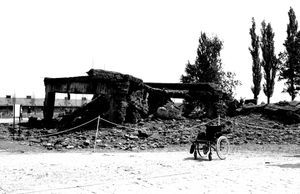
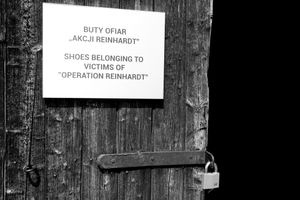
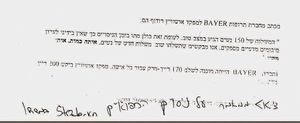
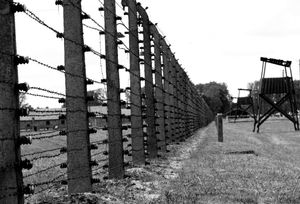
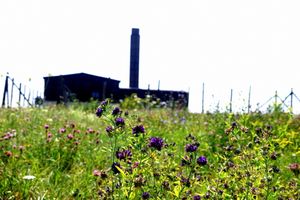
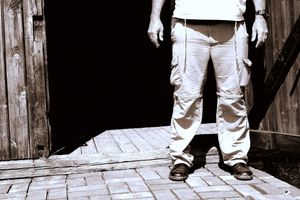
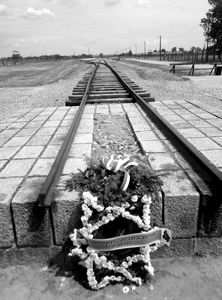
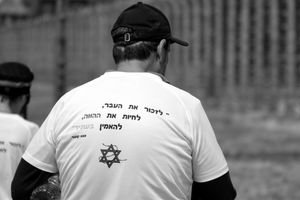
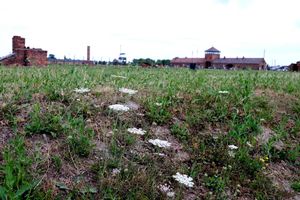
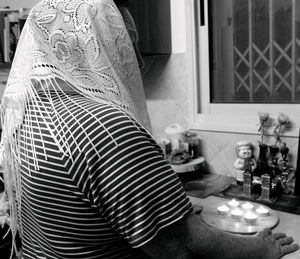
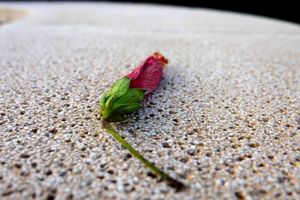
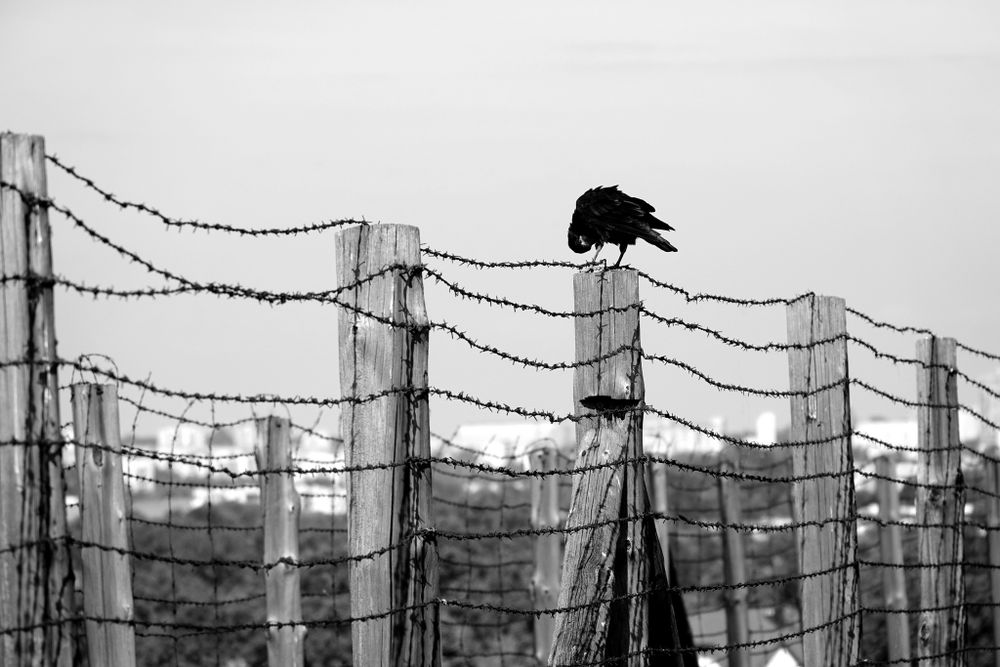
Scorched Roots Haim Berman Being a Jew from an East-European origin is a blessing and a burden simultaneously. A blessing, because the history of the Jewish people in that area of the world constantly challenges you to ask and explore questions of destiny, deity, faith, human nature, culture, life, and purpose. A burden, because the history is so traumatic that it can cause you to become obsessive about finding facts obscured in the past, or worse succumb to despair and lose hope of good prevailing in the world. And so it came to be, that in the summer of 2019 I traveled to Poland in a quest to find out more about the roots of my wife's family, most of which perished during the Holocaust of the Jewish people that happened in World War II. During the German occupation, some 6 million Jews were deported from their homes, detained in scattered concentration and forced labor camps or in walled ghettoes, and finally transported to extermination camps and killed by a variety of means, mostly by use of poisonous gas. Their bodies were then stripped of all things that could have some value (including things like gold dentures) and then - burned to ashes in crematorium chambers specially built for this purpose. The world did not intervene at the time, and the truth about these facts only came out at the end of the war when the camps were liberated by the Allied forces, and later, at the Nuremberg trials where Nazi prominent figures were judged for crimes against humanity. The few that emerged of that chaotic time, my wife, her sister, and us, their husbands, together with another cousin, went to Poland to roam the places of their childhood, collect stories about the vanished family, interview neighbors, and finally went to the extermination camps to pay our respects to the memory of the murdered ones. It was a traumatic time. We went to the camps of Majdanek, and Auschwitz-Birkenau. I made images during those visits as a means of coping and processing that experience. Later I made a series trying to reconstruct the path of a person arriving at the camp, living for a while in the barracks, and finally being murdered and cremated and the aftermath. At the heart of the series, there is an image of a reflection of myself photographing the opening of a crematorium chamber. I named it "Photographing the Gates of Hell". The series does however have an optimistic end because life prevails and continues somehow. This thing needs remembering. That is what documentary photography is for. I also summarized my experience of that quest in a short video (3 minutes). I invite you all to view, comment and share the video. It's on YouTube here: https://youtu.be/VECI9xRTcrU International Holocaust Remembrance Day
No categories selected
Photos (29)