Lockdown in Cape Town
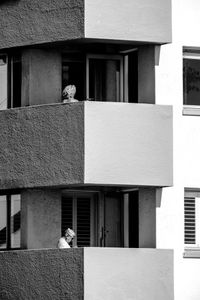
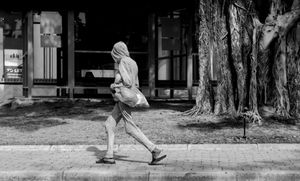
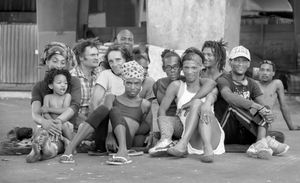
South Africa imposed one of the harshest lockdowns in the world in response to the Coronavirus 19 (CV19) epidemic on 27 March 2020. I’m writing this on day 27 of an initial 35-day countrywide shutdown. Strictly no working, no moving at all apart for food shopping and medical outings. No exercising or walking of dogs anywhere. All sales of alcohol and tobacco banned! A curfew is established and so begins the most bizarre and potentially devastating 6 weeks of our lives. For some the lockdown means staying home with Netflix and plenty data, full fridges and gardens. For others, businesses are folding fast and for the majority of this country, it’s a disaster as people live month-to-month, week-to-week and often day-to-day. Social distancing is impossible in most of the informal settlements and many are going hungry as the country grinds to a standstill and winter approaches. Police and the army move in, set up roadblocks. I’m having flashbacks to apartheid SA in the 80s. I start shooting in and around the CBD of Cape Town on about day 4 as I secured a media “essential services permit” for photography work I’m doing for an infectious diseases documentary for a company based in New York. The city itself is eerie. Silent. Surreal. I feel like I’ve stepped into the movie Brazil. There’s no one around apart from guards, cops, city cleaners and the homeless. I don’t see journalists or photographers or social workers or any civilians at all. I’m not sure if I feel the safest I ever have on the streets, or the most unsafe. It’s a whole new reality on all levels. Photographically I’m seeing the city with no cars and busses and people in front of things. Small details pop out and the visual canvas is amazing. On a human level it’s bleak as each day I go out the number of homeless grow. They are confused and vulnerable and now desperation sets in. Many are in tight scrapes that the smallest amount of money would sort out. But there is no one around. So I start helping where I can and put out a call on FB and the response is amazing, so I start channeling the money to the most vulnerable and the people slipping between the cracks of the feeding schemes etc. I’m humbled by what I encounter and the stories people are telling me. I witness how those with the least are willing to share the most. I was giving out bananas in town and one man was squashing them into his mouth like he hadn't eaten in days. More people arrived but I'd run out of the bananas and this hungry man, instead of moving on with his last one, turned around and gave it to the new arrival. I wish I had a truck full of bananas (and steaming hot soup). Absolutely heart breaking and heart warming at the same time to see this compassion when someone is literally starving. On another day, I wait with the refugees who have been living on the street for months fleeing xenophobic violence. Busses come and take them to their new site, a giant tent on a field outside of the city. The women sing in prayer and celebrate the arrival of the busses and I break down weeping in the street as I feel the echo's of history haunting me while taking these photos right outside the District Six Museum, ironically honoring those forcibly removed during Apartheid. I feel all the people through time who've been displaced, moving from war and violence. Everything they own has to be carried to start again from scratch, with so little. As the refugees leave, the local homeless people move in to salvage what they can from what’s left and the seagulls swoop overhead looking for scraps of food. So far South Africa has only had 75 deaths from CV19, yet our brittle economy is being severely tested, some would say obliterated. I will continue to document the uncertain unfolding of the impact this is having on the people of South Africa.
No categories selected
Photos (10)