Architecture of Ancient Persia / Iran
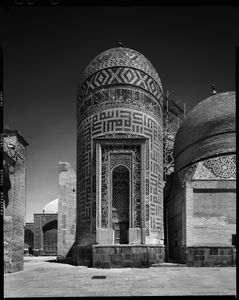
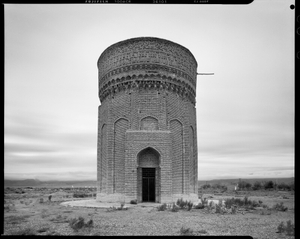
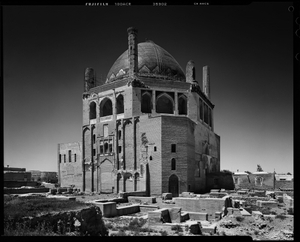
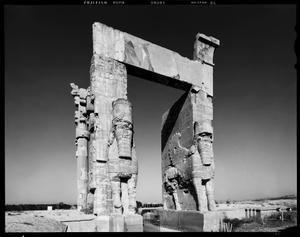
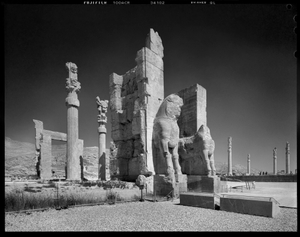
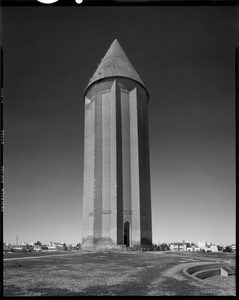
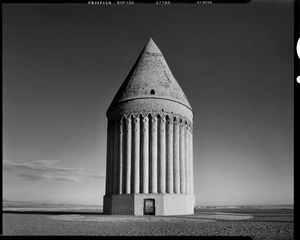
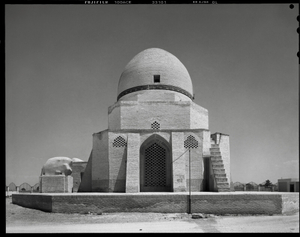
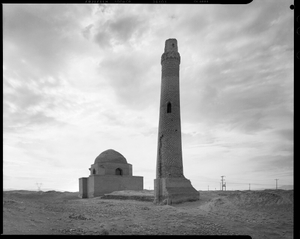
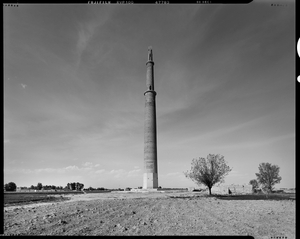
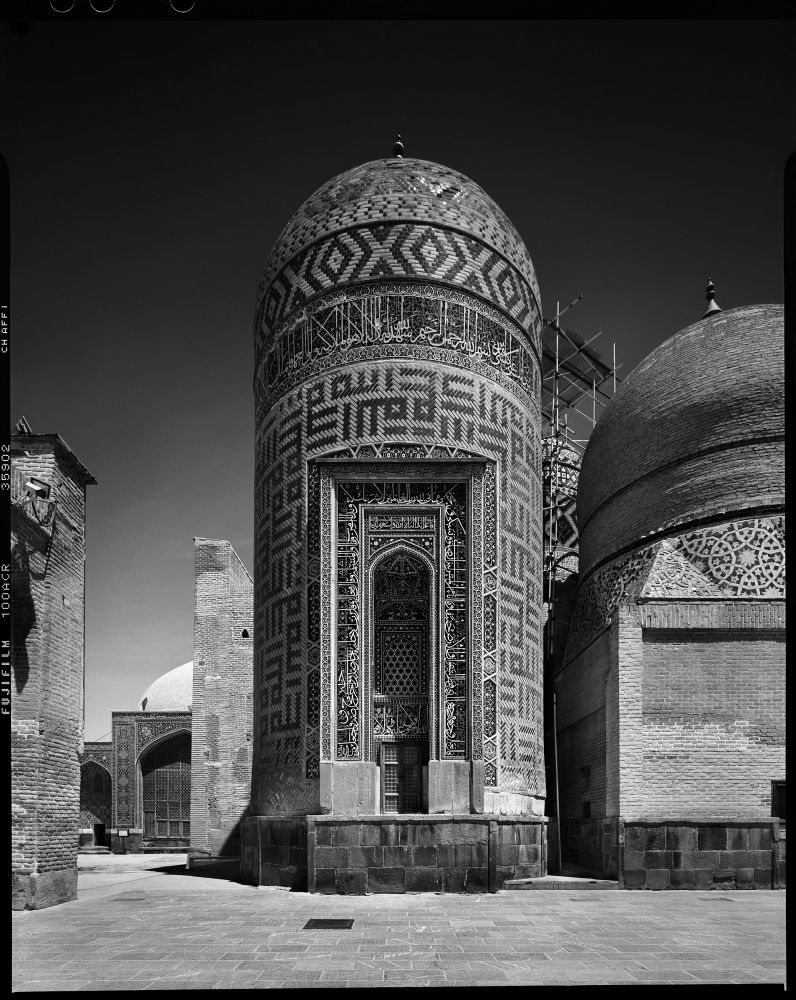
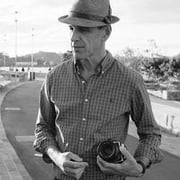
Rod Sainty has travelled throughout modern-day Iran in search of the iconic architecture and monuments of ancient Persia. Starting in 2014 and returning in 2015, Rod navigated himself and his partner on his photographic survey, searching out the best viewpoints and light, and lingering longer when required. The endeavour was interrupted by a succession of personal events, national unrest and now a world pandemic, but Rod hopes to continue and deepen his coverage in the next few years. One inspiration for the photographic survey was the challenge to revisit sites photographed in the 1920s by the German archaeologist Ernst Herzfeld and in the early 1930s by the English traveller and author of "The Road to Oxiana", Robert Byron. Following those pioneers, Rod used the classic tools of architectural photography – a 4x5 view camera and sheet film - to photograph each subject at close range. Rod’s intention was to replicate, to the fullest extent possible, the sense of presence he felt while standing right there with each subject, up close, “feeling, as it were, its breath upon me”. Rod's use of a 4x5 view camera and sheet film was driven by his desire to avoid the distortions of tilting and convergence that usually afflict images of architecture made at close range with normal cameras. Monorail view cameras offer great flexibility and their lenses have unusually large image circles. Furthermore, sheet film provides a robust, low-tech means of image capture during extended travel in a remote country far from technical support. Travelling with such equipment presented challenges. The lasting rewards, however, are undistorted, quietly elegant and richly detailed portraits of some of history’s most amazing architecture. Few people have photographed these iconic sites in this way in recent decades and it is likely that few, if any, will do so again.
No categories selected
Photos (10)