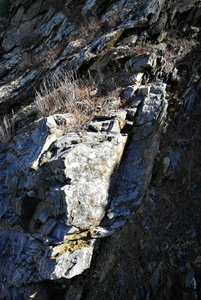
![“anamnèse”-III (“Remembrance”-III) [Jacques Derrida]](https://photos.lensculture.com/large/62a00e49-5328-49e1-b94f-0fbd9a5090a0.jpg)
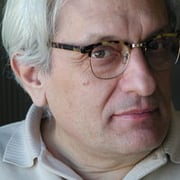
“anamnèse”-III (“Remembrance”-III) [Jacques Derrida]
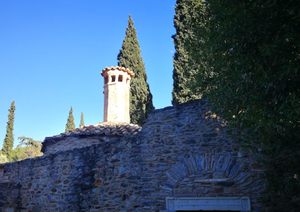
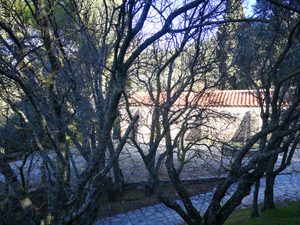
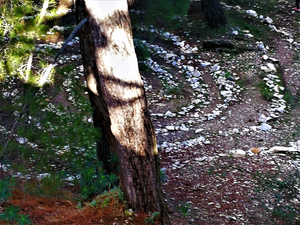
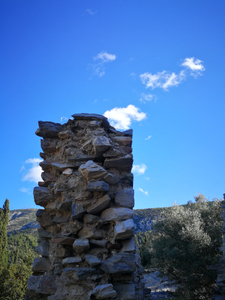
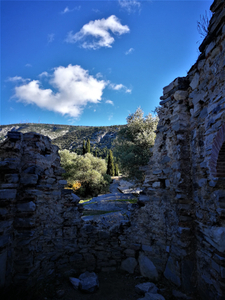
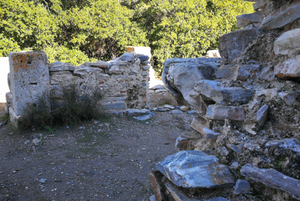
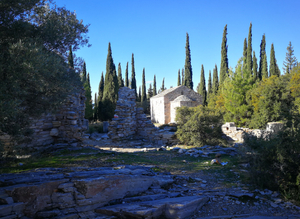
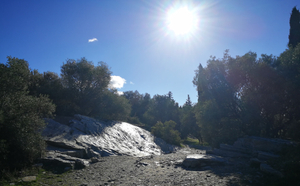
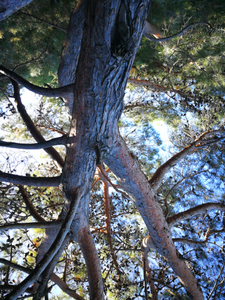
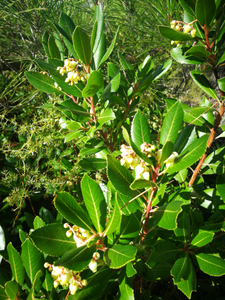
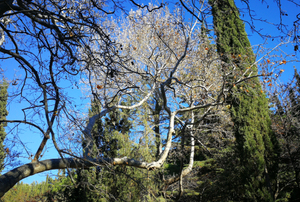
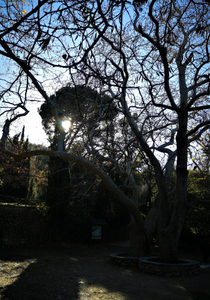
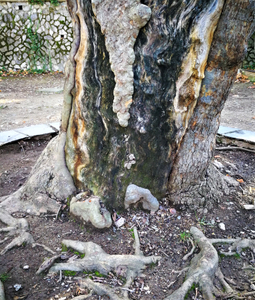
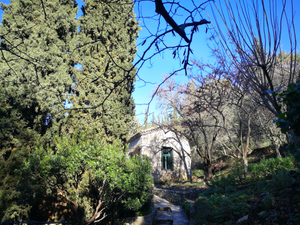
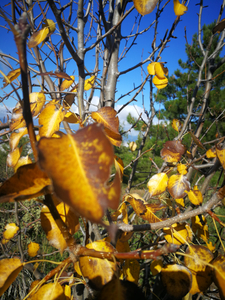
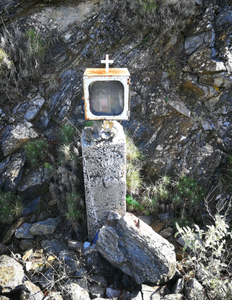
DEMOSTHENES AGRAFIOTIS “anamnèse”-III (“Remembrance”-III) [Jacques Derrida] I met Jacques Derrida for the first time some 25 years ago, at the initiative of the French Institute of Athens, since the philosopher had expressed interest in meeting other Greek poets, artists and intellectuals beyond his close circle of friends, admirers and “fans,” a result of his frequent lectures at the building on Sina Street. It was spring and, as it had been agreed, we would spend the morning and have lunch together. *** We started toward the monastery of Kaisariani, a few miles from the center of Athens. My choice had to do with the extraordinary beauty of the landscape, especially in the spring, the high quality of the murals in the byzantine church and the fact that Martin Heidegger had visited the same site during his only visit to Greece—which together with Delos, were regarded by the German philosopher as the most important landscapes of contemporary Greece. (See https://lensculture.com/demosthenes-agrafiotis?modal=project-600193 .) We visited the church and concentrated at the non-religious elements of the iconography, where for example folk artisans are represented with their trade tools, on scenes of torture, etc. He admired the architecture and the folksiness of the byzantine iconography. I think he was rather surprised and enchanted by the scenery and the atmosphere of the Monastery Complex. Afterwards we walked from the Monastery to the ruins of churches built during the Frankish rule. He walked in small steps and a kind of weightlessness. But he also maintained a self-restrain, almost a reverence for the sacredness of the surroundings. So we reached the space of the hill of the Taxiarchs (Archangels), where in ancient times there was a sanctuary of Aphrodite and where today there is a country chapel and also the ruins of a small church (Frangomonastiro Saint Mark’s from the passing of the Franks through Attica,) and also ruins of a paleo-Christian basilica. I led him to a spot where one could see columns and marble fragments of ancient Greek structures embodied in the remnants of old walls and asked him to comment on them . He placed his hands and caressed the remnants and said: “anamnèse” [“Remembrance,”] and then he referred to narrative schemes that are able not only to bring to light memories or events from the past but also to establish a binding dialog, a breathing in different cultural times. What an amazing privilege: Jacques Derrida offering me an introduction to his thought, while we are having in front of us the material traces from the past which had supported buildings and which still exist as ruins. I added that the co-existence of multiple different architectural examples refers us to, or rather it materializes his work/book “Glas,” where in the white of the pages he juxtaposed texts by Jean Genet, Hegel and his own, with a strong architectural inspiration. A faint smile passed his lips. As a reciprocation, I led him to a front spot on the hill from where one can see the Acropolis through the trees, without seeing the amorphous landscape of modern Athens. Time and place are obliterated, and so Parthenon is visible and can be imagined as part of the landscape of ancient Athens. {photos of Kaisariani’s Monastery and its surroundings-12/2020, by da/da} Demosthenes Agrafiotis Translation to English: Angelos SAKKIS See also, the texts and photos of da/da on Jacques Derrida : https://www.hartismag.gr/hartis-27/diereynhseis/sta-oria-twn-oriwn (in EL) (posted 01/03/2021). **.Dimosthenis Agrafiotis,"Narrative oblique on Jacques Derrida",synapsis(review),no 58,07- 09/2020,pp.63-8.(in EL).
No categories selected
Photos (17)