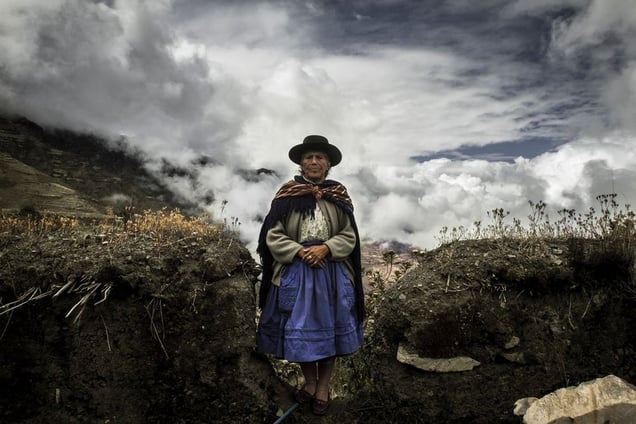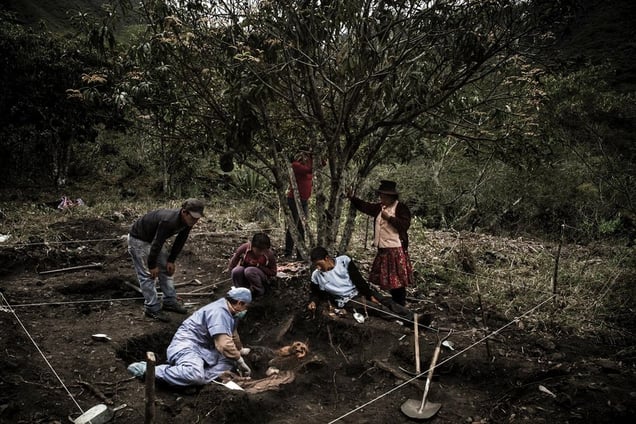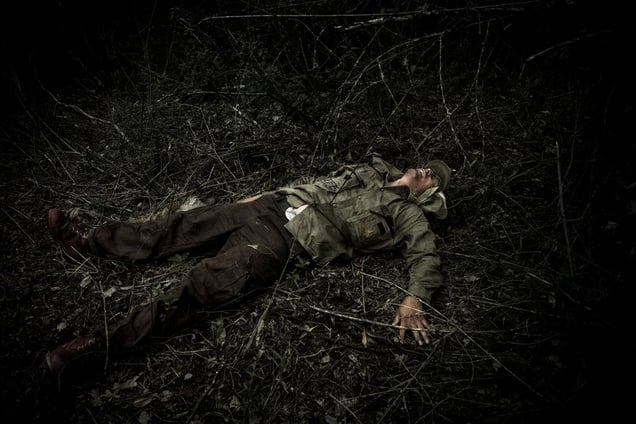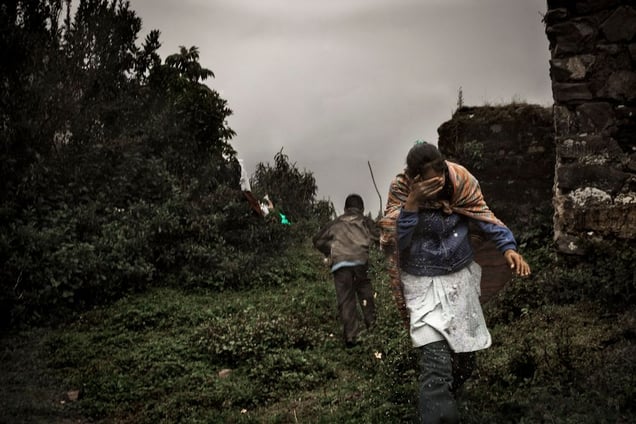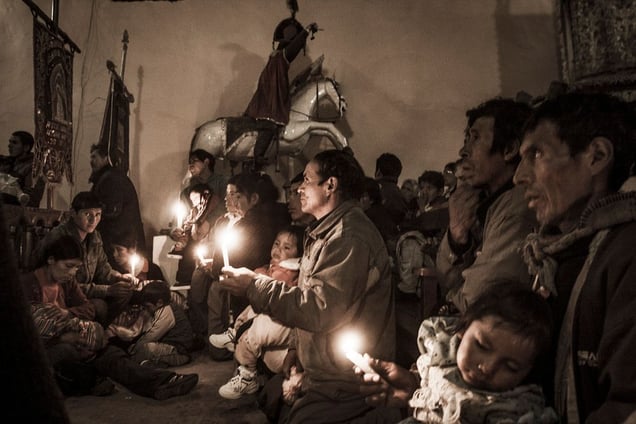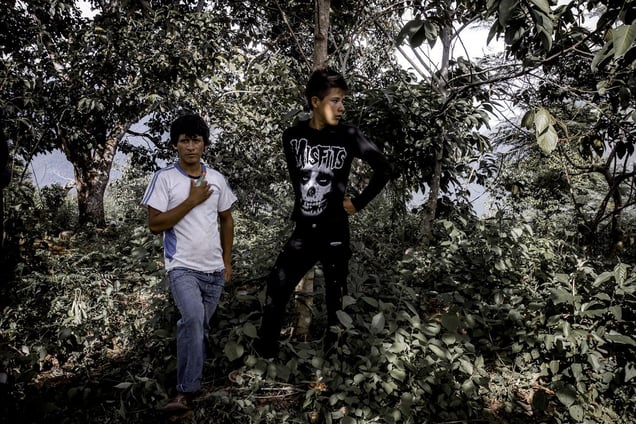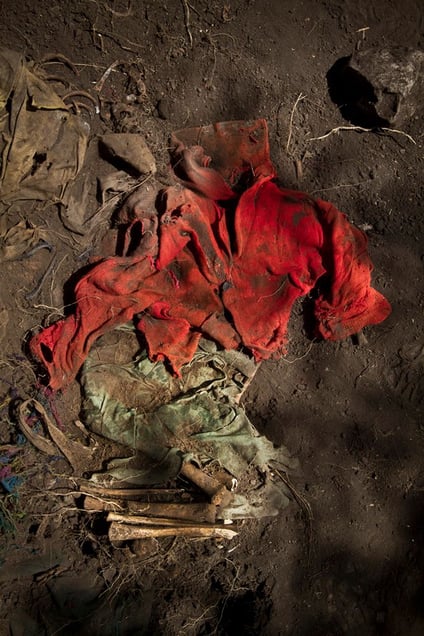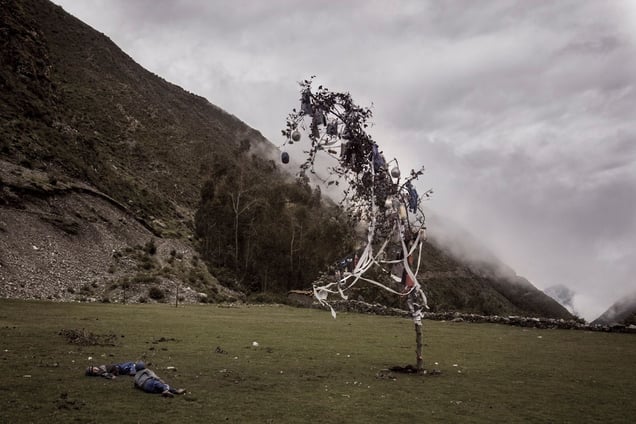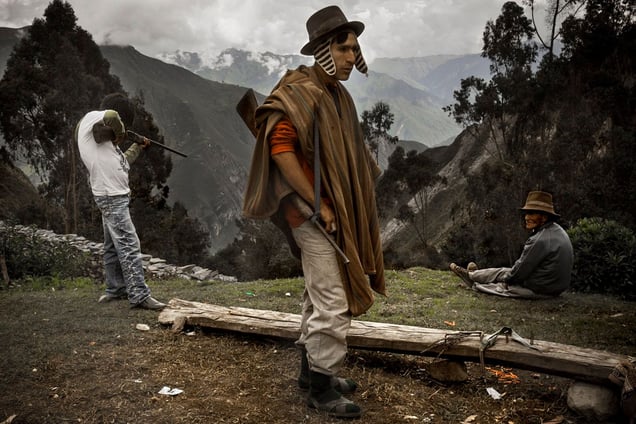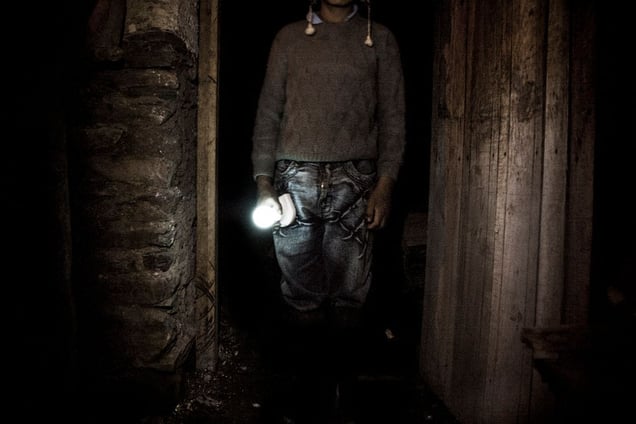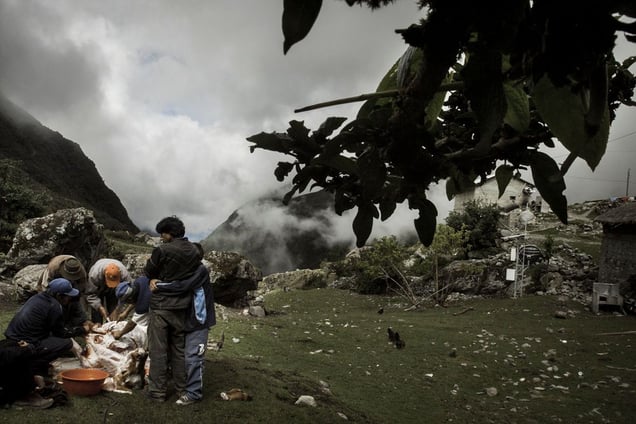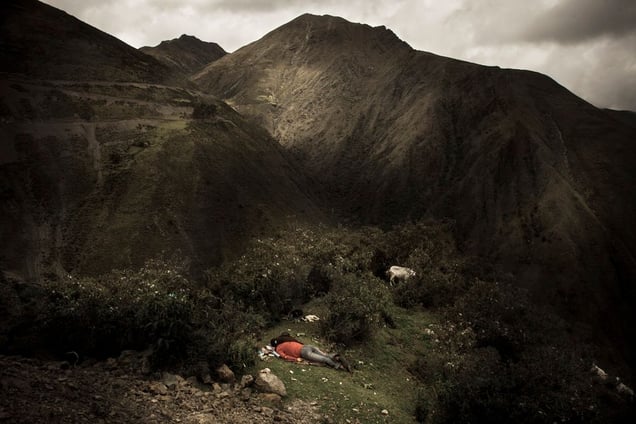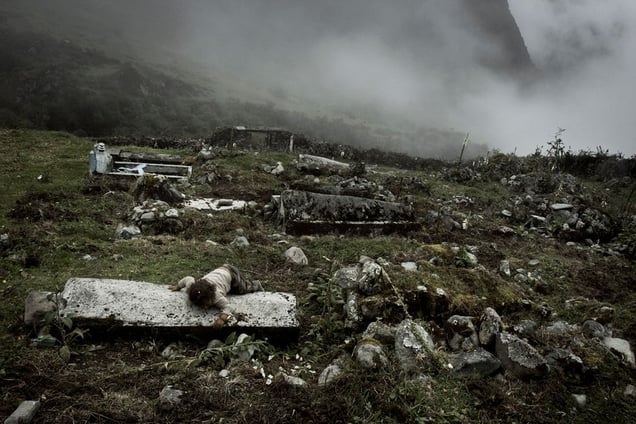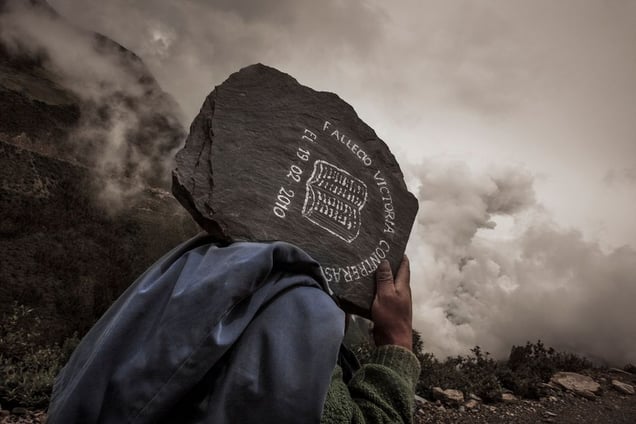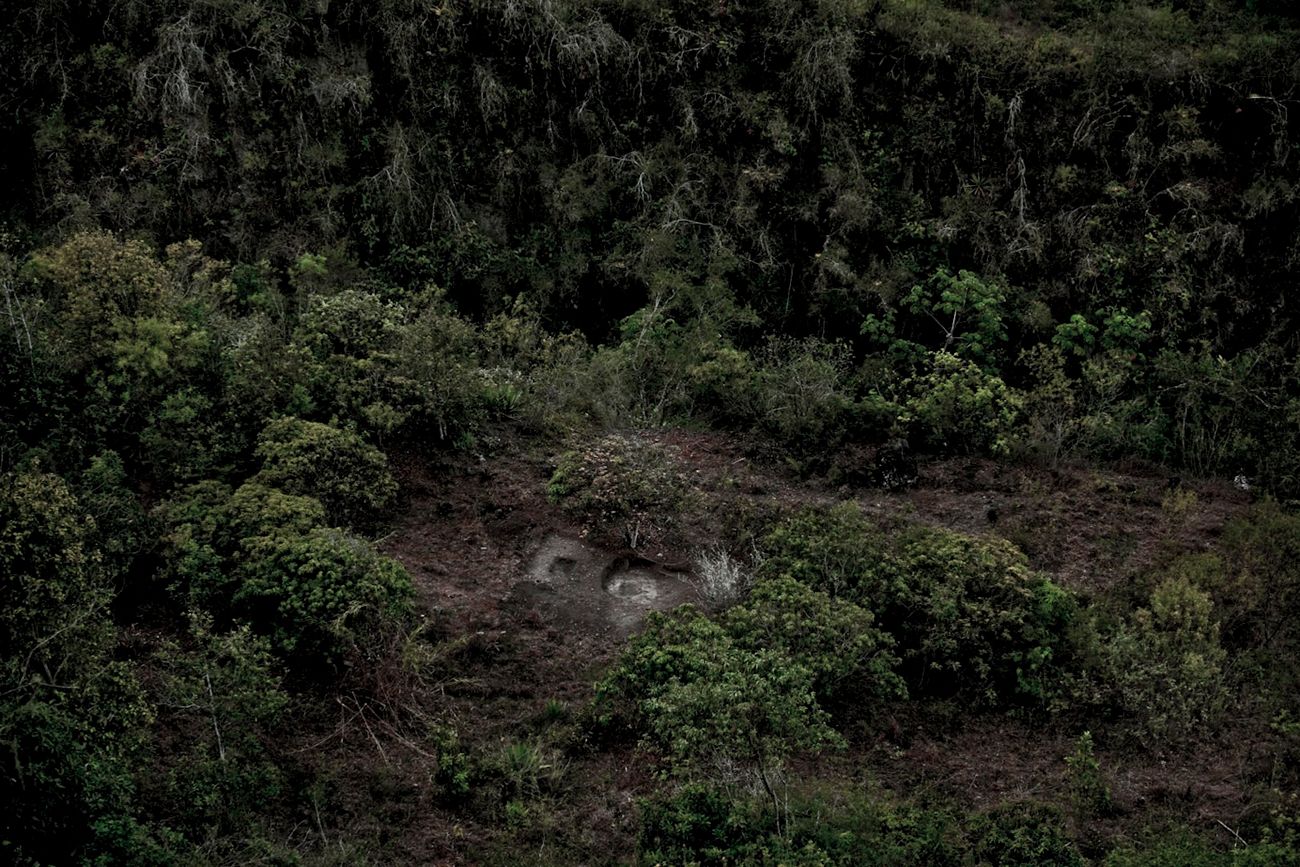
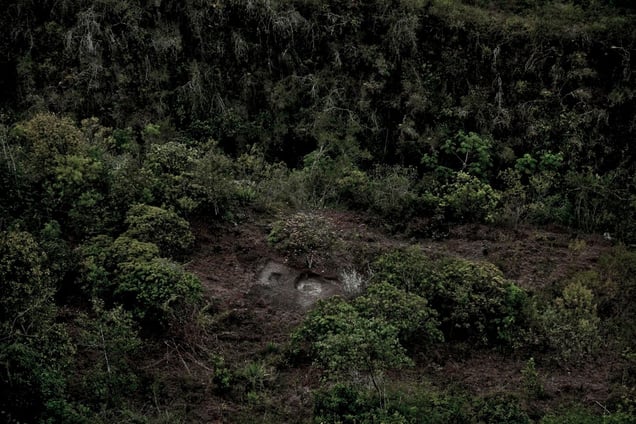
Chungui is a distant district located in the region of Ayacucho, southeast of Peru,which was –according to the Truth and Reconciliation Commission– one of the most affected Peruvian villages during the political violence and armed conflict time, between 1980 and 1995. Chungi’s territory, of around 1000 square kilometers, was the scenario of multiple slaughters caused by both subversive organization Shining Path and Peruvian Policing Agencies (Army and Police forces). Currently, that same area contains 320 mass graves with the remains of more than 1,384 victims, waiting to be acknowledged by their families, mostly orphans and survivors of such harsh time. The Truth and Reconciliation Commission estimates that 1,384 people there died by assassination.
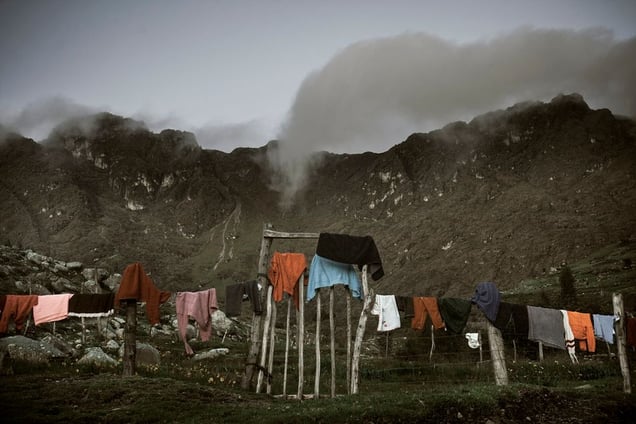
Today, most of Chungui’s population lives in extreme poverty. They are part of VRAEM, a large area of valleys surrounding the rivers Ene and Apurimac that also account for the most extensive Peruvian territory dedicated to production of cocaine paste and coca. Although one part of Chungui district is a mountainous area, the possibility of making more profit from coca plants is a permanent temptation, since it’s highly demanded in comparison to other agricultural products.
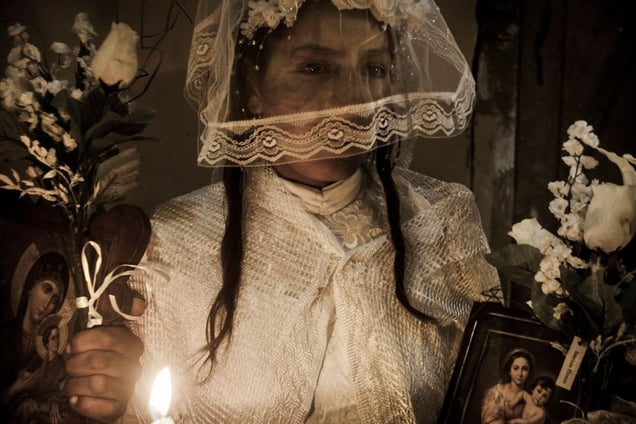
The restoration of celebratory expressions and life-death rituals is interrupted by the still slow exhumation process of the victims and disappeared people of those brutal years. Along with this restoration, Chungui’s population is concerned with recovering their relatives’ bodies.
Chungui is also known as “Dog’s Ear”, and it’s located at 800 kilometers from southeast Lima. The citizens there work as guides for the forensic teams. In order to reach this area, they have had to walk for 17 hours departing from the nearest highway.