Ferentari - is not Bucarest
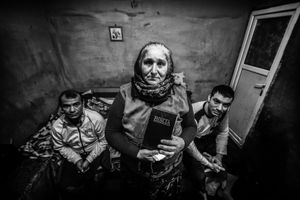
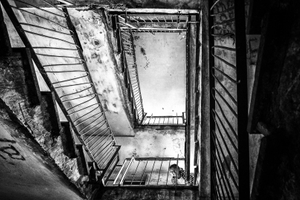
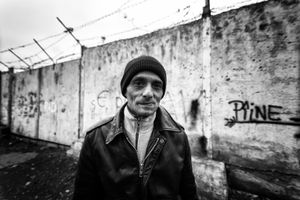
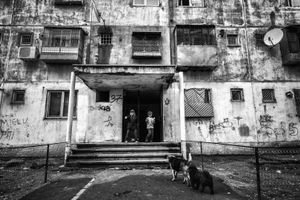
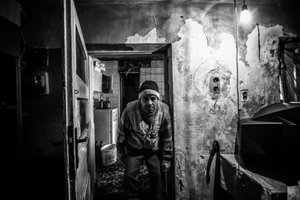
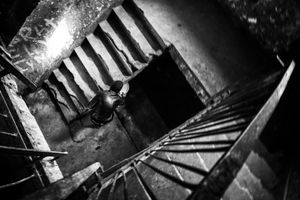
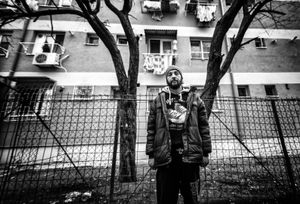
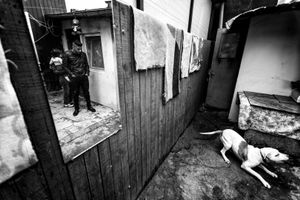
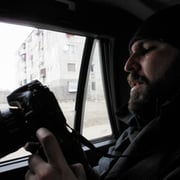
Ferentari is a ghetto neighborhood where Rom and Romanians are living in conditions of extreme degradation, in a huge dormitory of the workers of the dictatorship of Ceauceascu . The ghetto area is off limits to those who didn't grew up there, but exceptionally for this job families there generously welcomed me into their houses, one-room apartments, with no water and often without light. Quit often between a building and the other, there are groups of cabins telling us about the fires that burn everything in it, including children! The pictures are not stolen by the tremendous daily portraits of the subjects, but are the result of a relationship with simplicity and discretion, in the interests of intimacy too that is often violated, focusing on the spontaneous stories of these people in the flesh and on their humble stories of revenge. Deserts of waste, toxic next to children on the streets, doesn't prevent these of looking glassy, ??transparent and resolute, and not to have dignity and courage to fight with the fatigue of resignation and humbly claim of a possible way out. Many finds it: in education, sports, religious practice, and often in work. And that is why, even today, you have an obligation to document. - Ferentari è un quartiere-ghetto dove rom e romeni vivono in condizioni di estremo degrado, nei palazzoni-dormitorio che furono degli operai della dittatura di Ceauseascu. Il ghetto è zona off limits per chi non vi è cresciuto, ma in via eccezionale per questo lavoro le famiglie mi accolgono generosamente in casa propria, appartamenti di una sola stanza, senza acqua, spesso senza luce. Spesso fra un palazzo e l'altro ci sono gruppi di baracche che ci raccontano di roghi che bruciano tutto quello che c'è dentro, bambini compresi. Uno di quei posti di cui non si parla mai abbastanza. Le immagini non sono trafugate dal tremendo quotidiano dei soggetti ritratti, ma sono frutto di un rapporto instaurato con semplicità e discrezione, a tutela di un'intimità spesso troppo violata, concentrando l'attenzione sui racconti spontanei di questa gente in carne ed ossa e sulle loro umili storie di rivincita. Deserti di rifiuti, tossici accanto a bambini per le strade, non impediscono a questi sguardi vitrei, trasparenti e decisi, di essere dignità e coraggio, di combattere con la fatica della rassegnazione e reclamare dimessamente una possibile via d'uscita. Molti la trovano, nell'istruzione, nello sport, nella pratica religiosa, spesso nel lavoro. Ed è questo che, ancora oggi, si ha l'obbligo di documentare.
Photos (31)