
Environmental Migrants: Haiti

Photos (27)

Cover
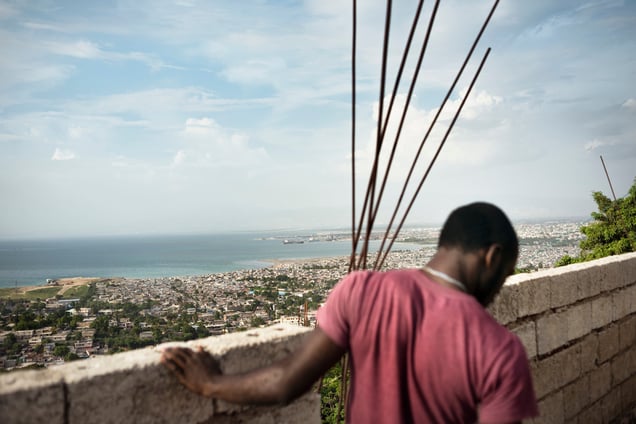
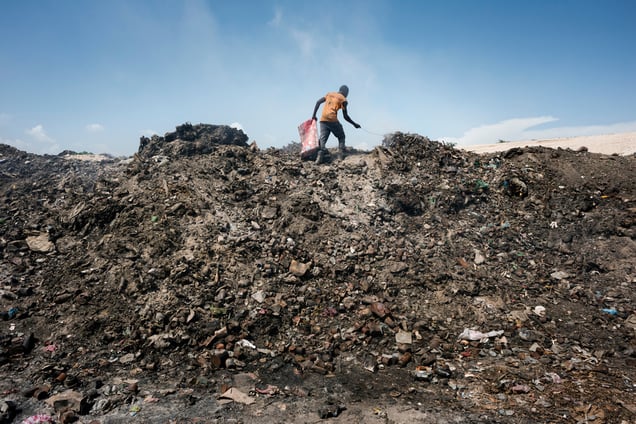
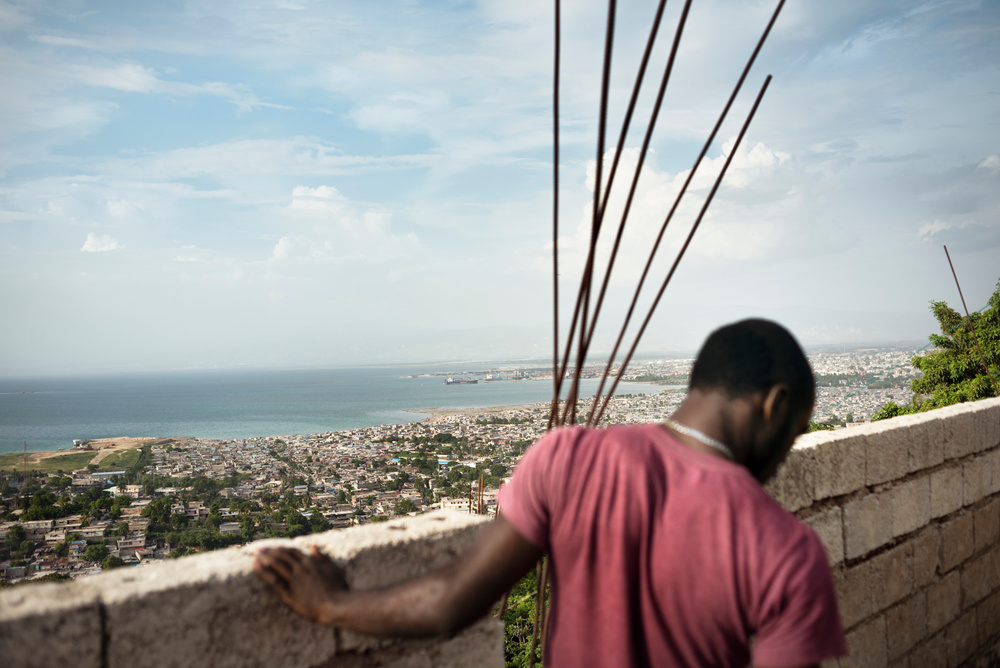
A view over Port au Prince. The extreme vulnerability of the country to natural disasters has triggered internal migration waves from rural to urban areas. Port-au-Prince, half of whose residents were not born there, is the main destination for the thousands of environmental migrants moving around the country each year. Haiti, Port au Prince. 2015.
File: DSC_1726.jpg
File: DSC_2432.jpg
File: DSC_2161.jpg
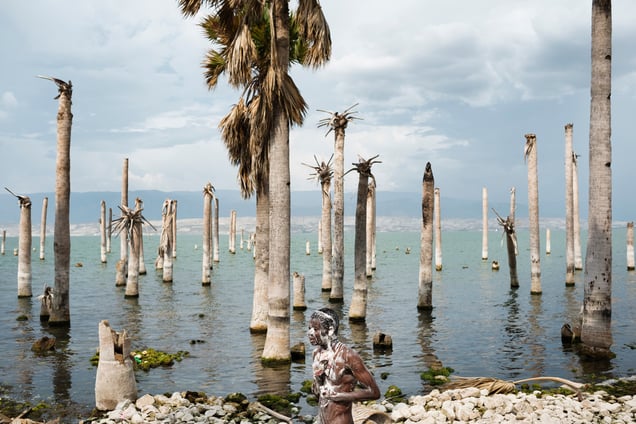
File: DSC_2723.jpg
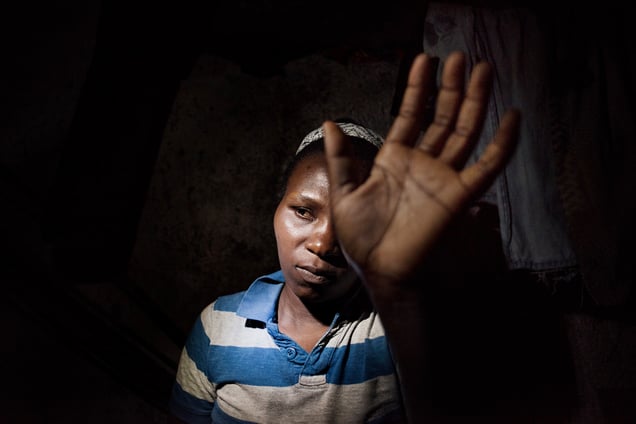
File: DSC_3938.jpg
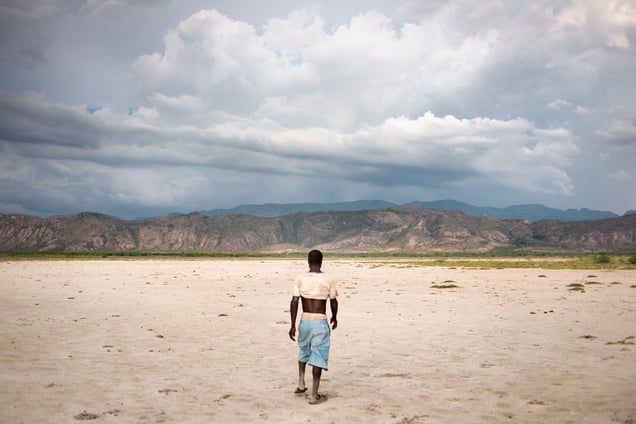
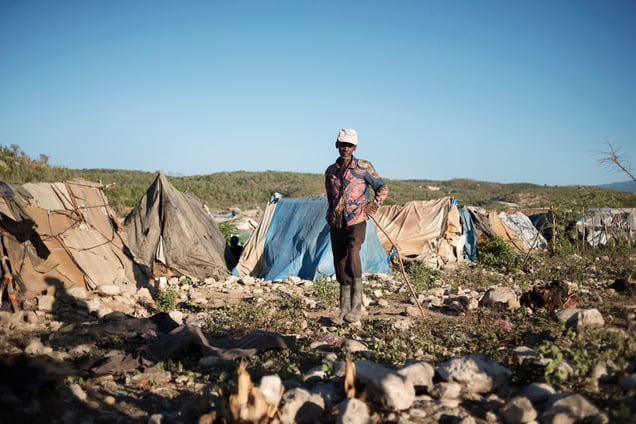
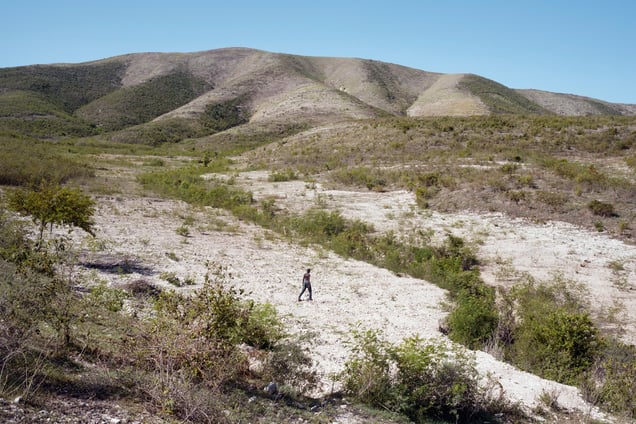
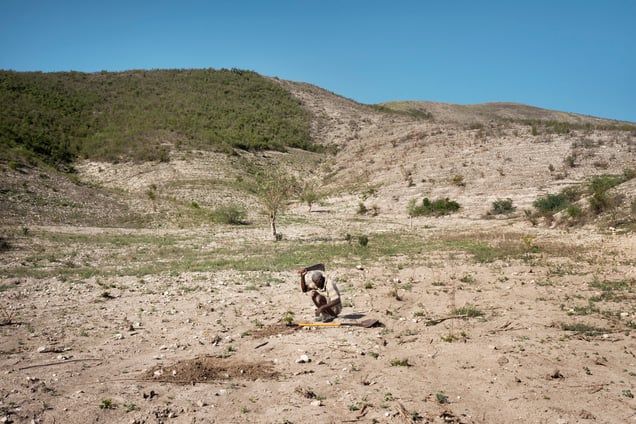
A man walking to his village through Savanne Dèsolèe, considered to be the largest desert area of the country. In the background, one sees deforested mountains.
File: DSC_4378 2.jpg
File: DSC_5183_2.jpg
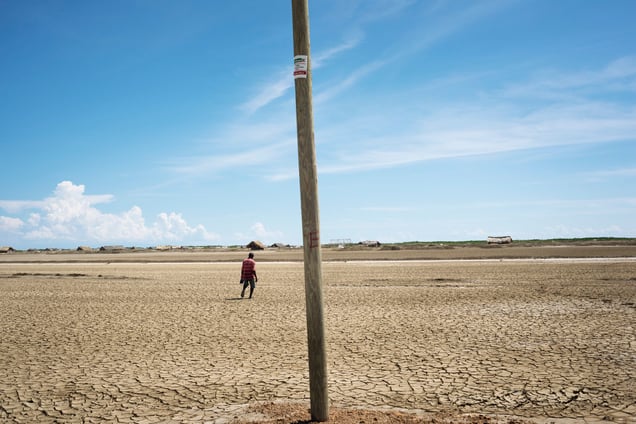
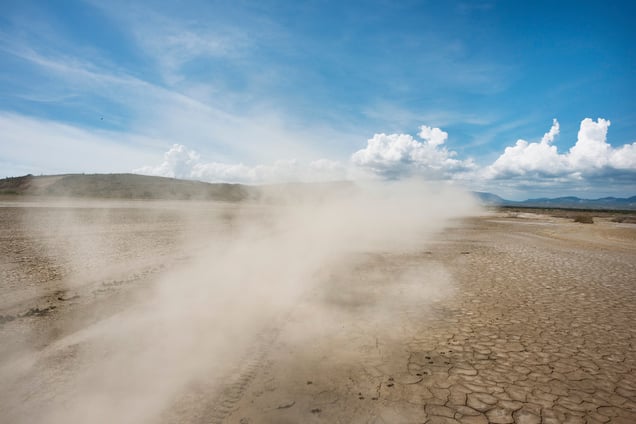
Drought in the so-called North Ouest, surrounding the village of Magasins, in the North Ouest province.
File: DSC_6064.jpg
Drought in the North Ouest province.
File: DSC_6276.jpg
File: DSC_6451.jpg
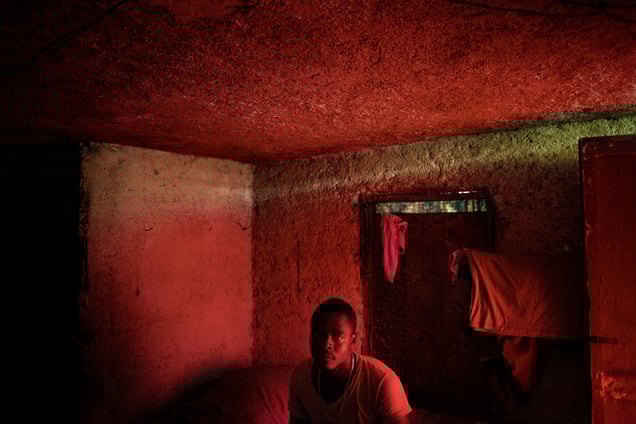
File: DSC_6545b.jpg
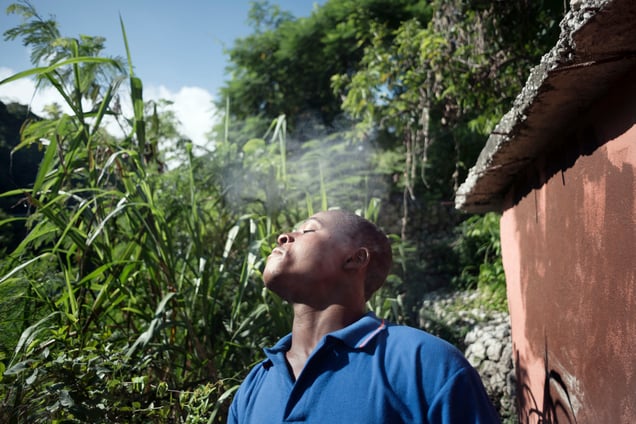
Makendy photographed while smoking outside his house .
File: DSC_7227.jpg
File: DSC_7374.jpg
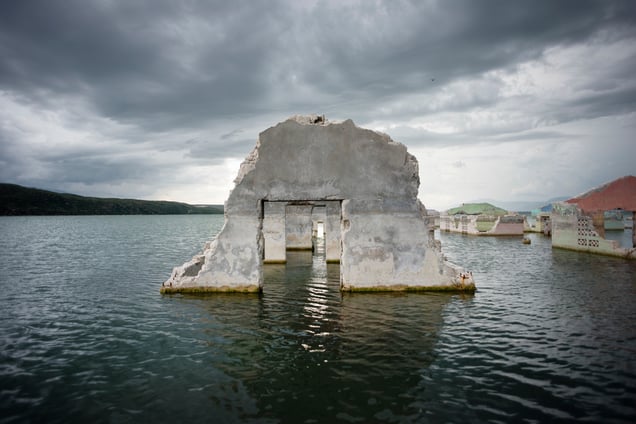
File: DSC_7689 2.jpg
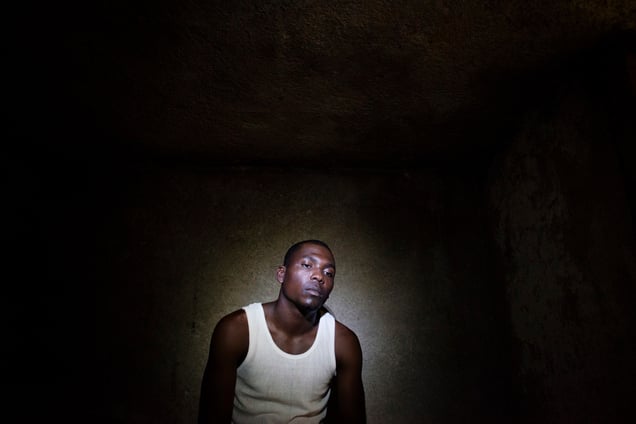
File: DSC_8110.jpg
File: DSC_8424.jpg
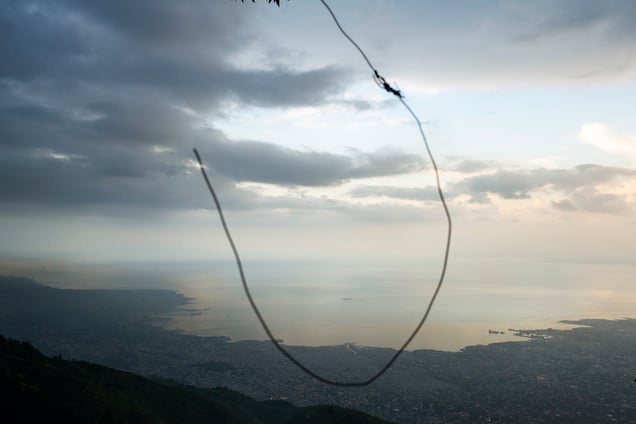
A view over Port au Prince.
File: DSC_8553.jpg
File: DSC_8589.jpg
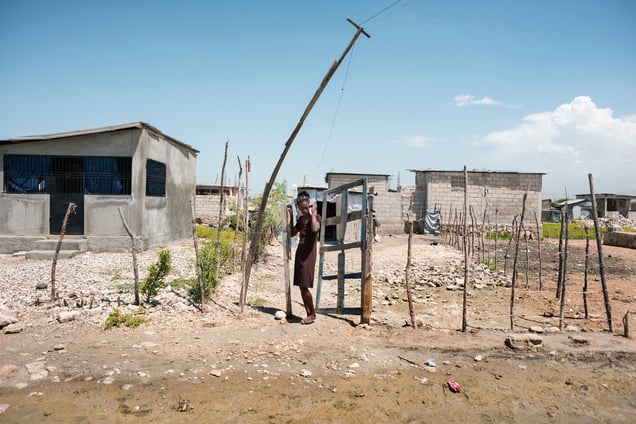
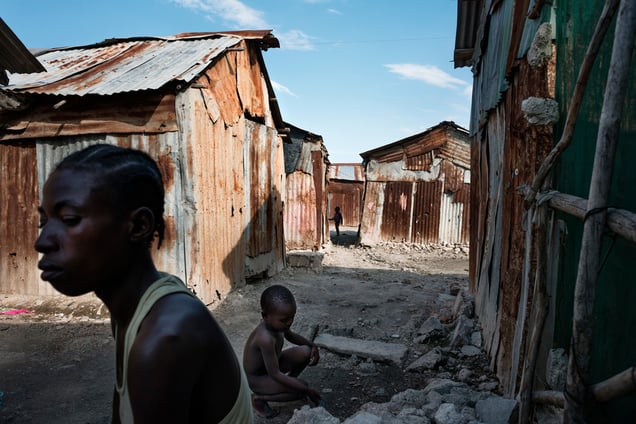
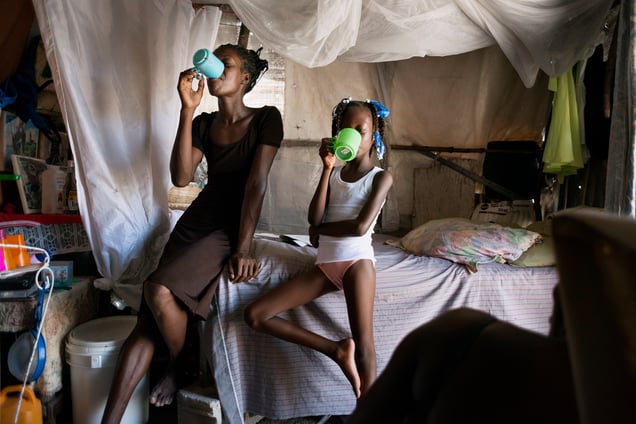
Nadie outside the shelter where she lives together with her family in the village des Rapatriés.
File: DSC_8690.jpg
File: DSC_8743.jpg
File: DSC_8783.jpg
File: DSC_9091.jpg
File: DSC_9148.jpg
File: DSC_9278_2.jpg
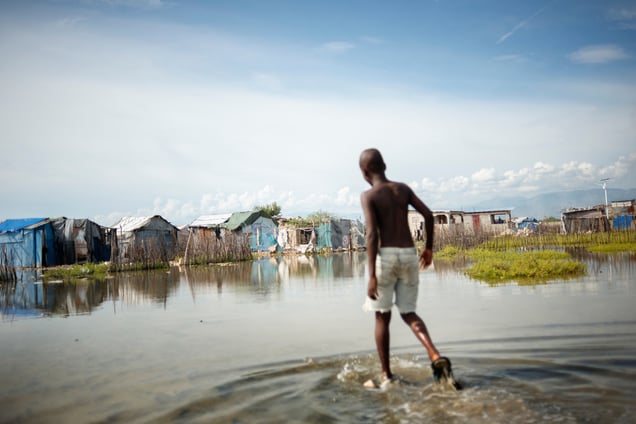
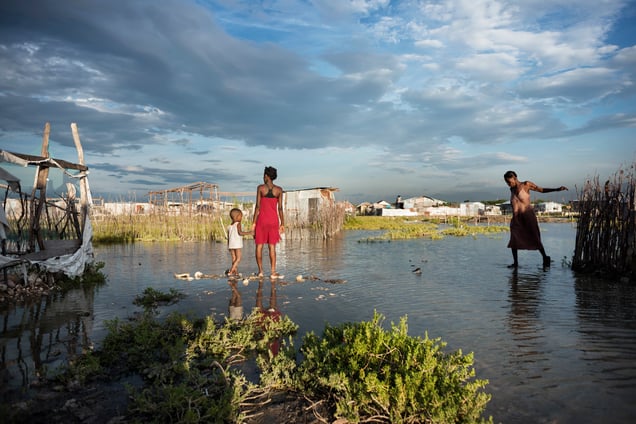
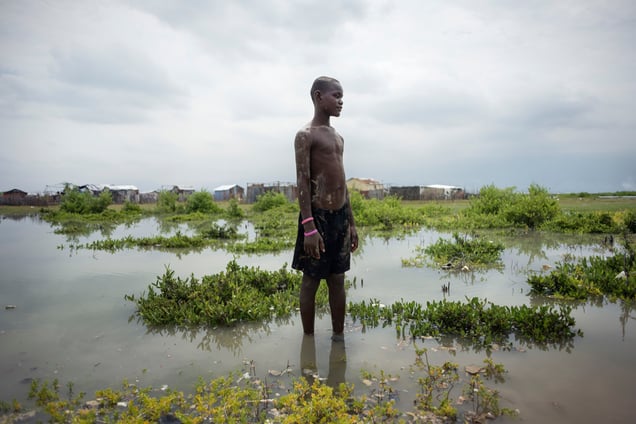
A boy walking through the flooded landscape at Rapatriès.
File: DSC_9305.jpg
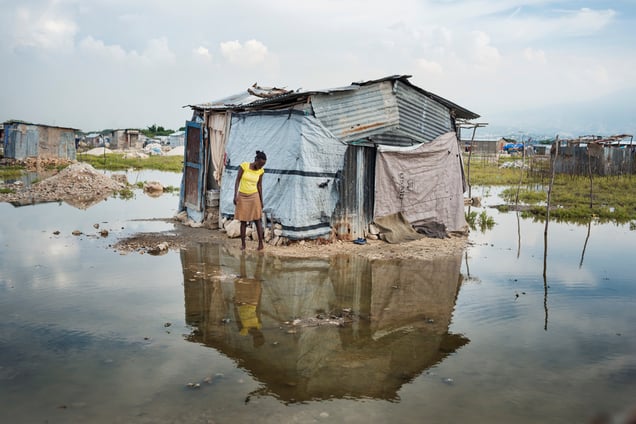
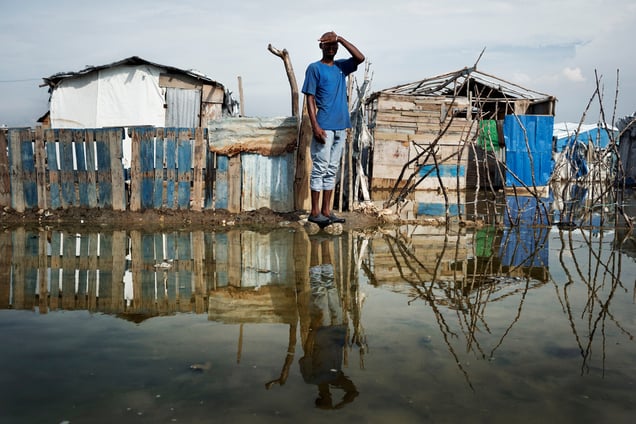
A woman standing next to her house in the flooded landscape at Rapatriès.
File: DSC_9399.jpg
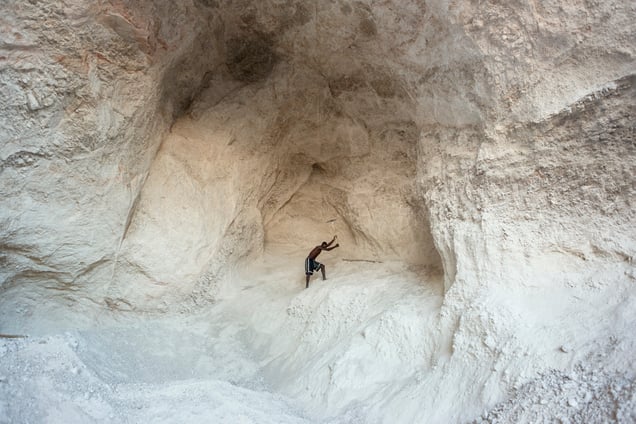
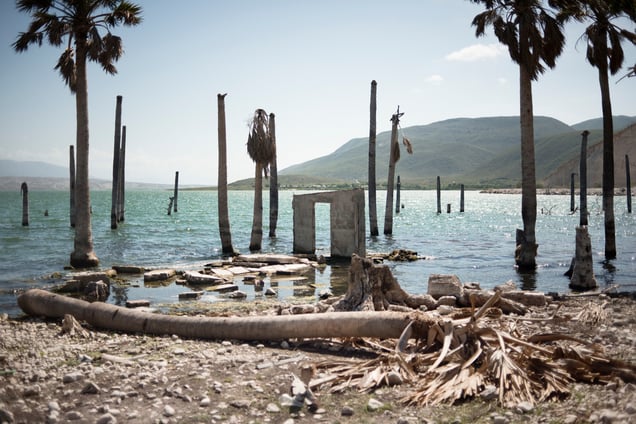
Soil erosion and deforestation are incredibly hard to reverse, and especially in a short time frame. Meanwhile, the land becomes more and more vulnerable to disaster. The future is uncertain for these lands.
File: DSC_9420.jpg