The Black Mambas
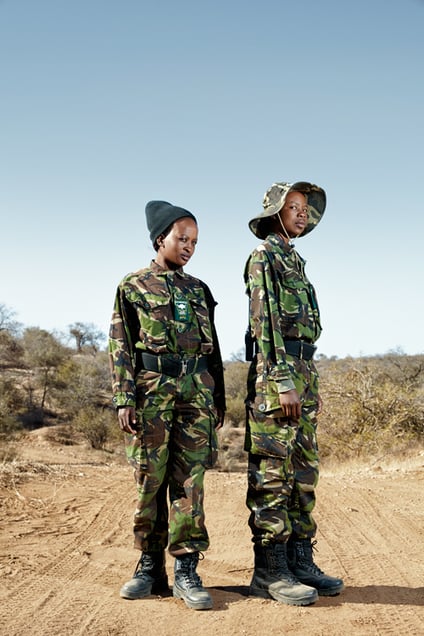
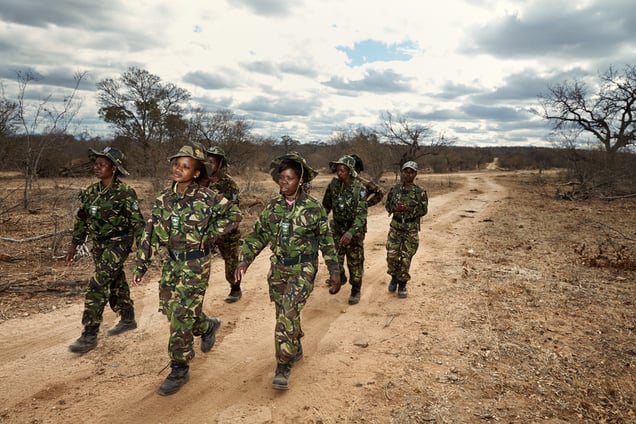
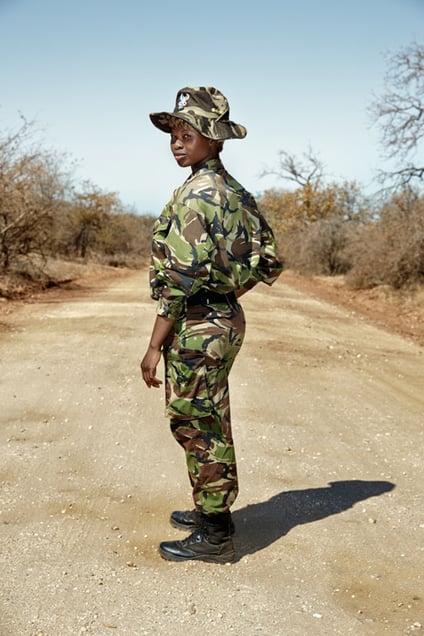
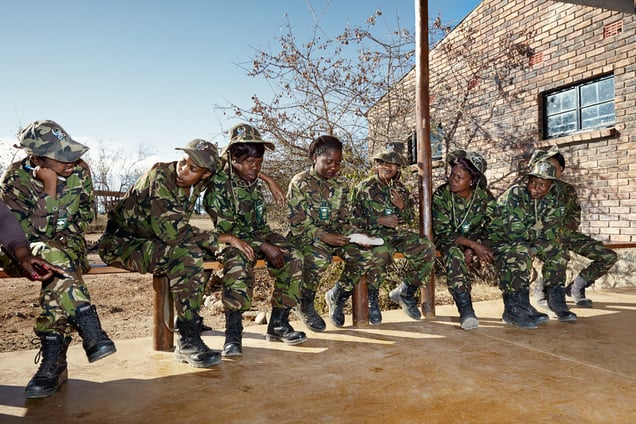
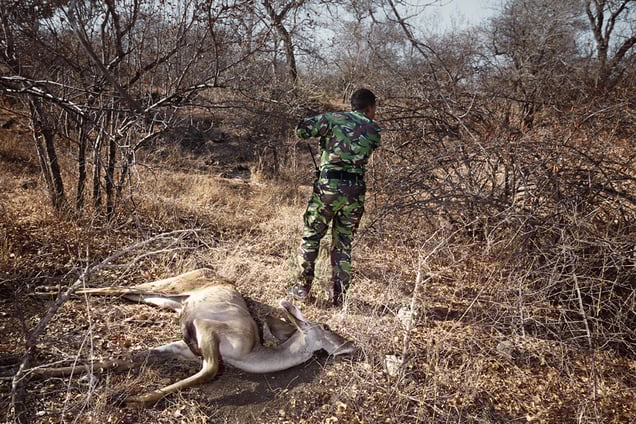
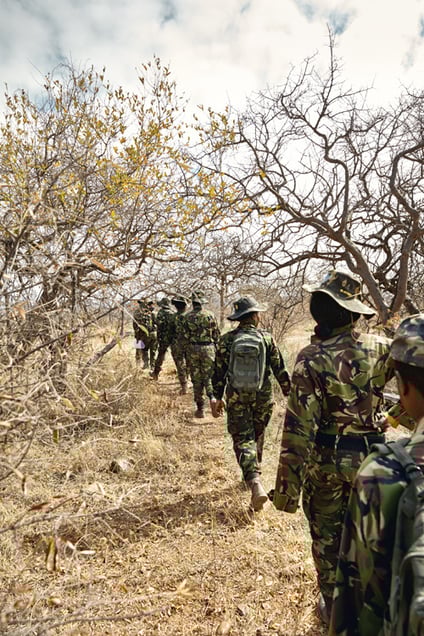
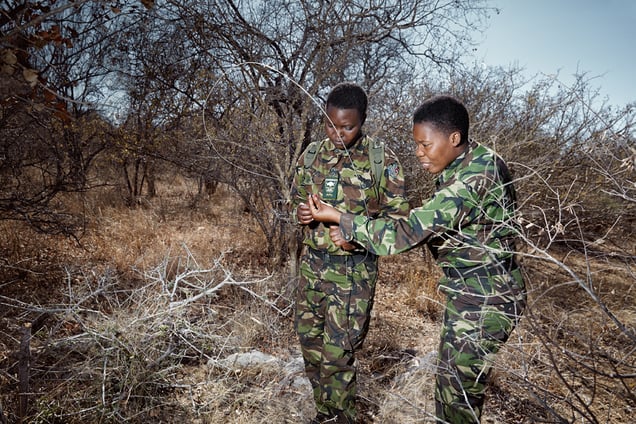
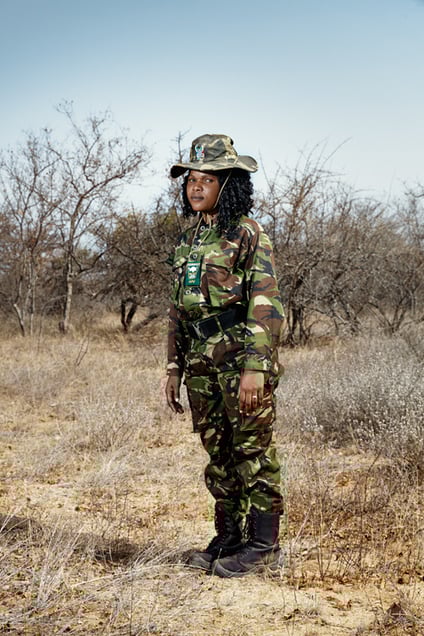
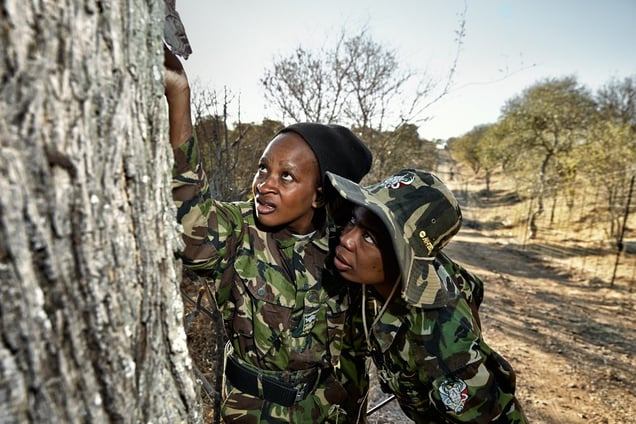
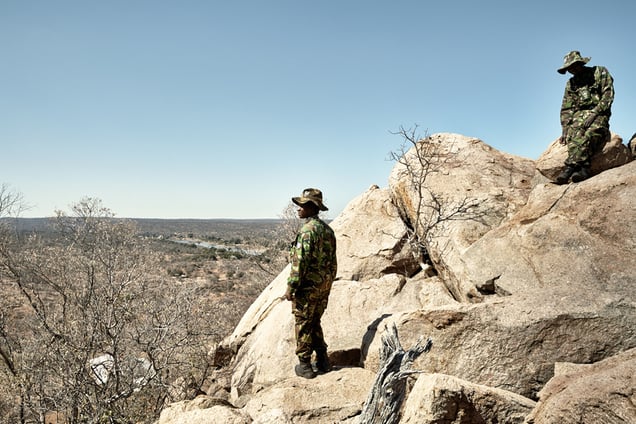
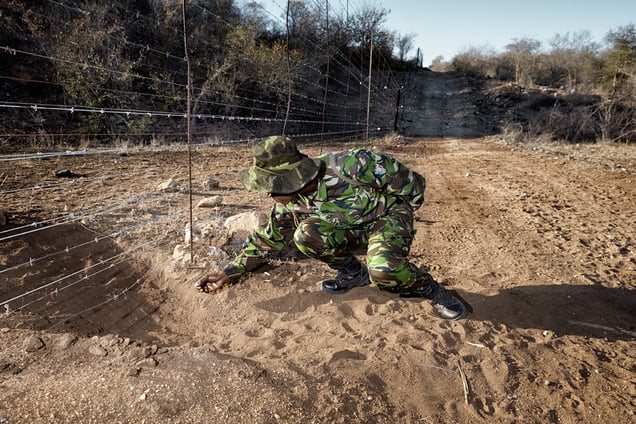
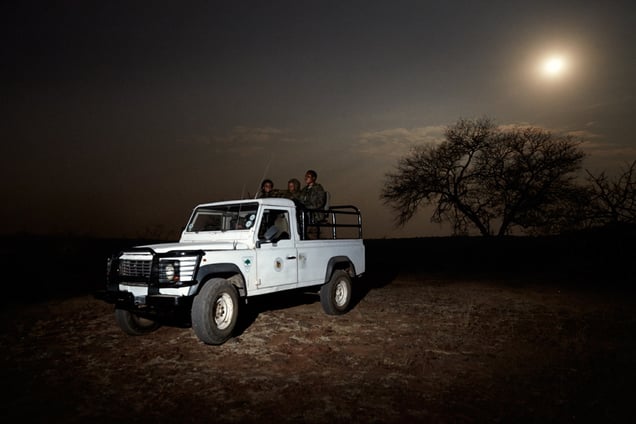
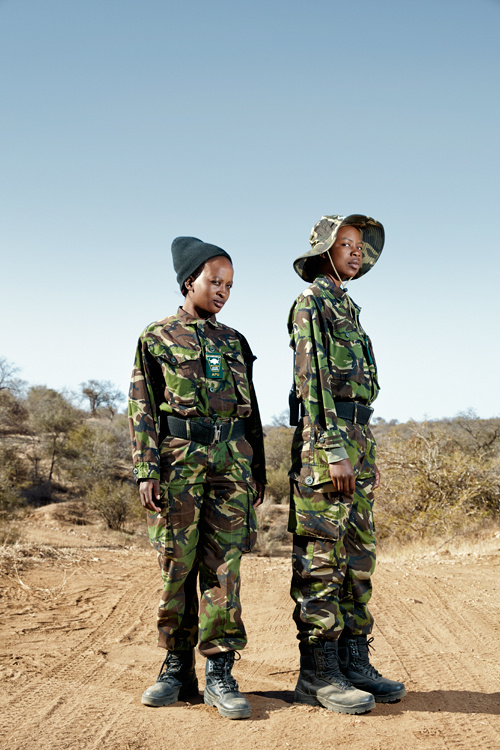
For the past 10 years, I have been documenting the lives of female activists and their personal struggles to encourage change in the communities in which they live. My work focusses often on social justice and the role of women in sub-Saharan Africa society. The resulting body of work highlights the successes of incredible women who are smashing glass ceilings. Some of the women actively campaign for change. Others encourage change by setting an example. But all, in their own way, work hard to change the way they are viewed by the world around them. Meet the Black Mambas, an all-female anti poaching unit in Balule Nature Reserve, in the northeast of South Africa. The women are taught to identify and track humans and animals, how to blend in with their surroundings and how to avoid confrontations. Their training is crucial as the animals they track are wild, and poachers shoot to kill. The Black Mambas also teach the local communities that surround the park, communities in which they themselves live, about the value of their wildlife. When I first visited the Mambas, in 2015, I spent a week with them in the reserve, going on day and night patrols, trying to create a visual record of their work. In 2017 I returned to the Mambas, this time to take a literal closer look at both the women I met 2 years before, and the new recruits. These portraits show the Black Mambas exactly as they are. They capture the pride with which they patrol the nature reserve for which they are responsible. But they also reveal a degree of vulnerability that I had not seen before. The struggles they faced 2 years ago haven’t really changed, the poachers keep coming back, the risks within the park remain and to keep an organisation like the Black Mambas up and running program comes with challenges of its own.
No categories selected
Photos (16)