
The Last Days of San Qiao . 最后天的三桥村,浦东
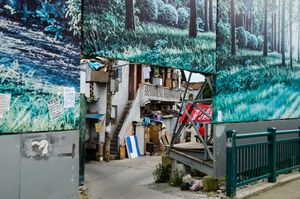
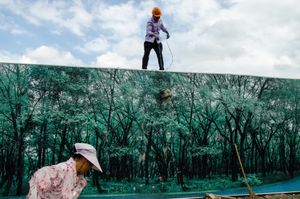
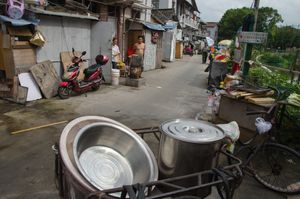
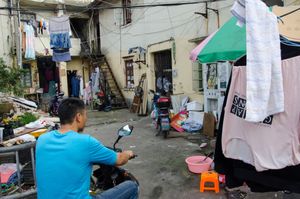
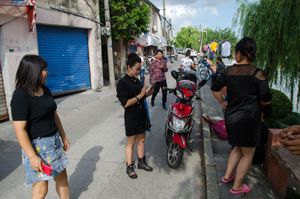
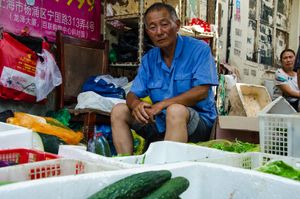
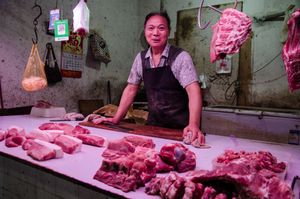
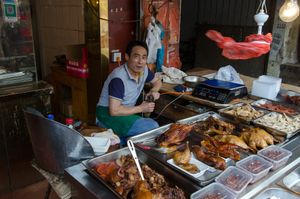
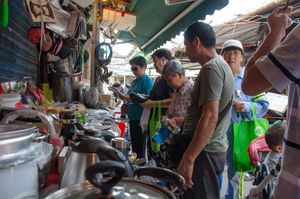
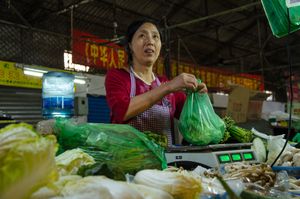
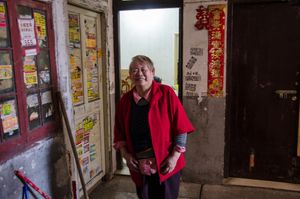
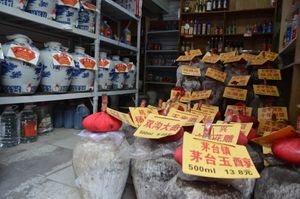
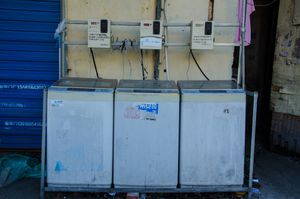
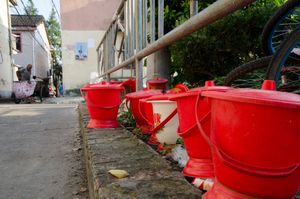
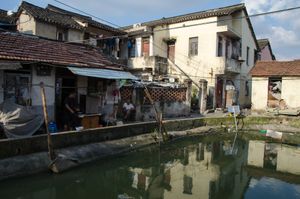
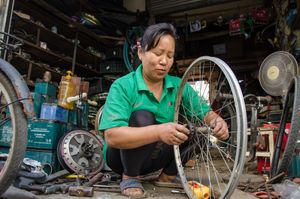
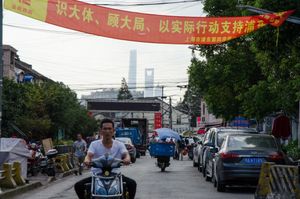
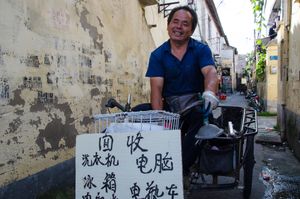
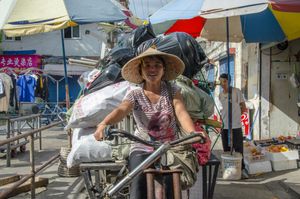
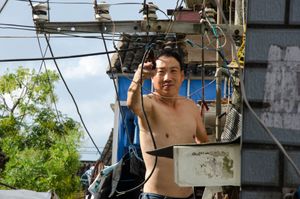
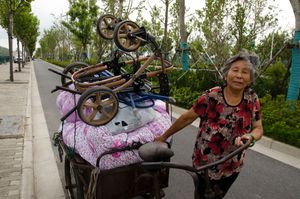
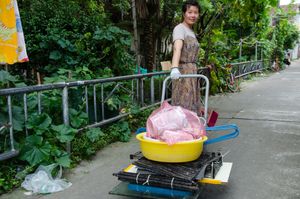
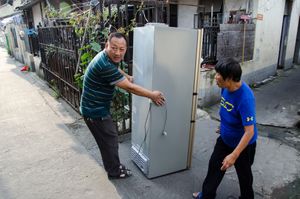
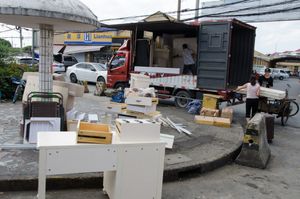
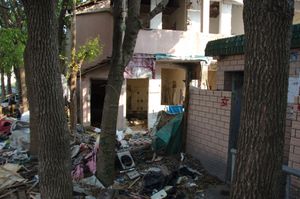
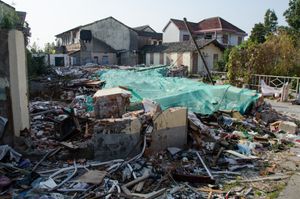
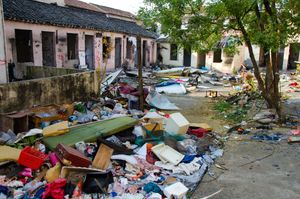
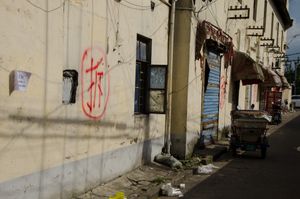
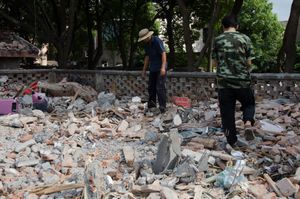
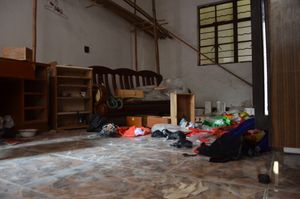
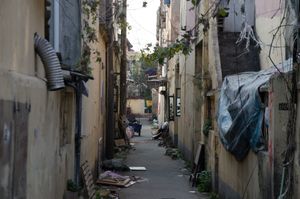
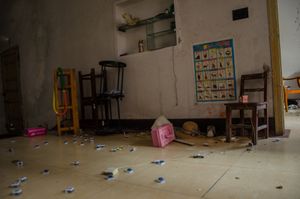
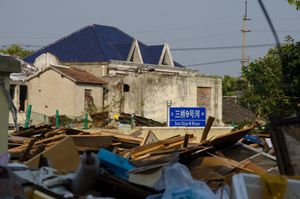
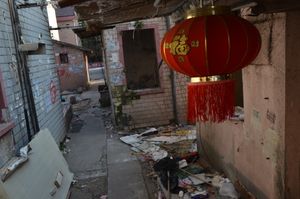
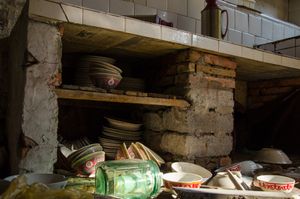
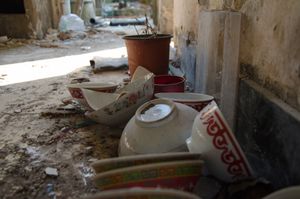
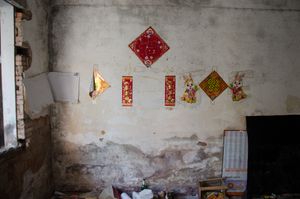
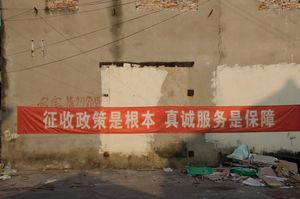
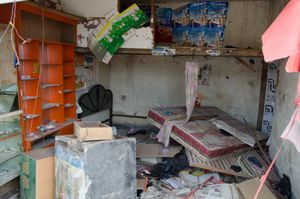
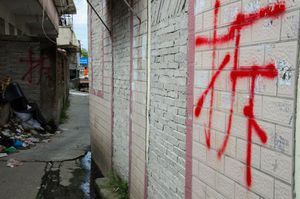
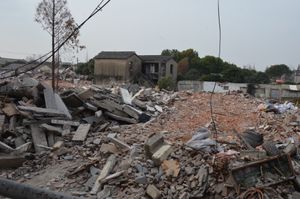
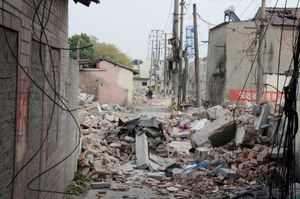
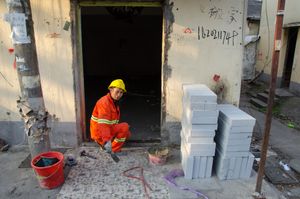
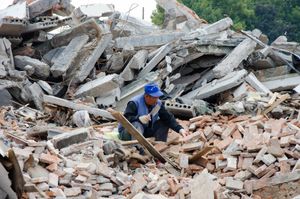
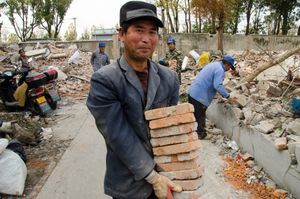
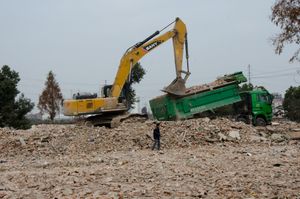
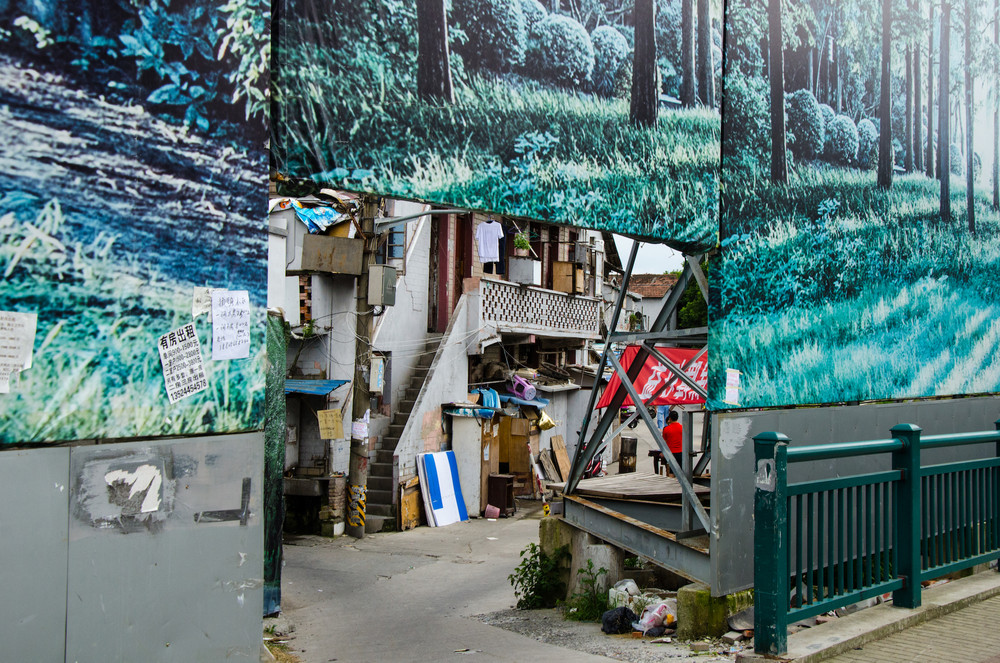
The Last Days of San Qiao documents the the dying days of a village in the burgeoning new areas of Pudong caught up in the extensive push to redevelop Shanghai's last remaining small villages and old city neighborhoods, as the city grows and the price of land and real estate increases. Built upon Pudong's extensive ancient canal system , San Qiao was situated amongst formerly agricultural land most likely constructed during the cultural revolution , prior to the exponential growth of the Shanghai's eastern flank , east of the Huang Pu River, that is today Pudong. While largely un-descript compared to the historical water villages that are dotted around Shanghai, it shares the fate of many former villages in Pudong , demolished at quick speed, it's community moved on and dispersed, and removed from maps and memory. Like many old villages, situated between the ever expanding new urban areas , its population consisted of a mix of "immigrant workers" from China's rural areas , seeking affordable accommodation but with out the local protections of possessing a "Shanghai hu kou " (a categorization of China's citizens based on both their place of residence (living in urban/rural areas) and eligibility for certain socioeconomic benefits (agriculture/non-agriculture), and living predominantly in rented rooms or small houses. House owners receive a payment to move into new apartments but the large majority of itinerant workers get moved on.
No categories selected
Photos (55)