PROMISE OF BEAUTY
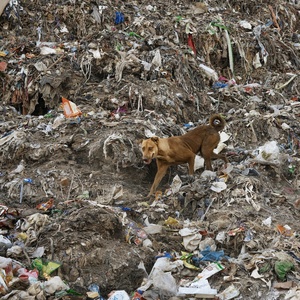
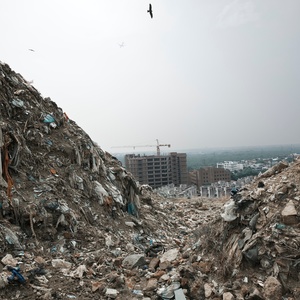
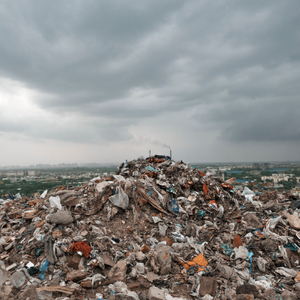
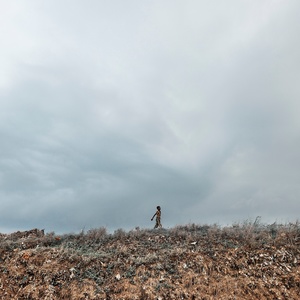
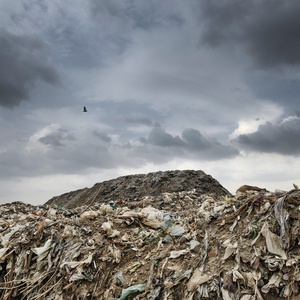
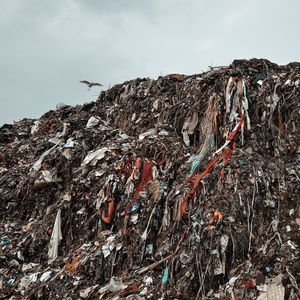
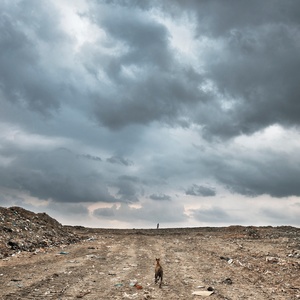
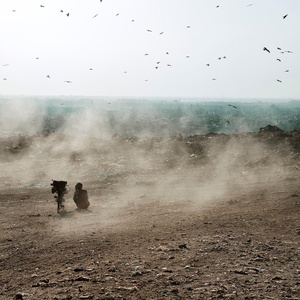
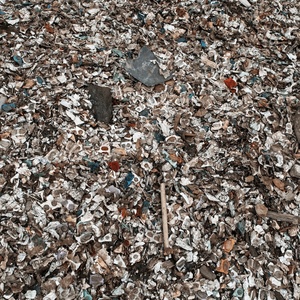
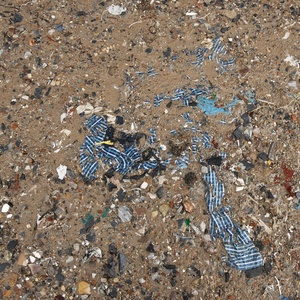
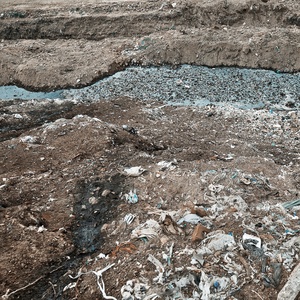
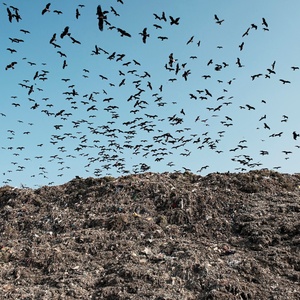
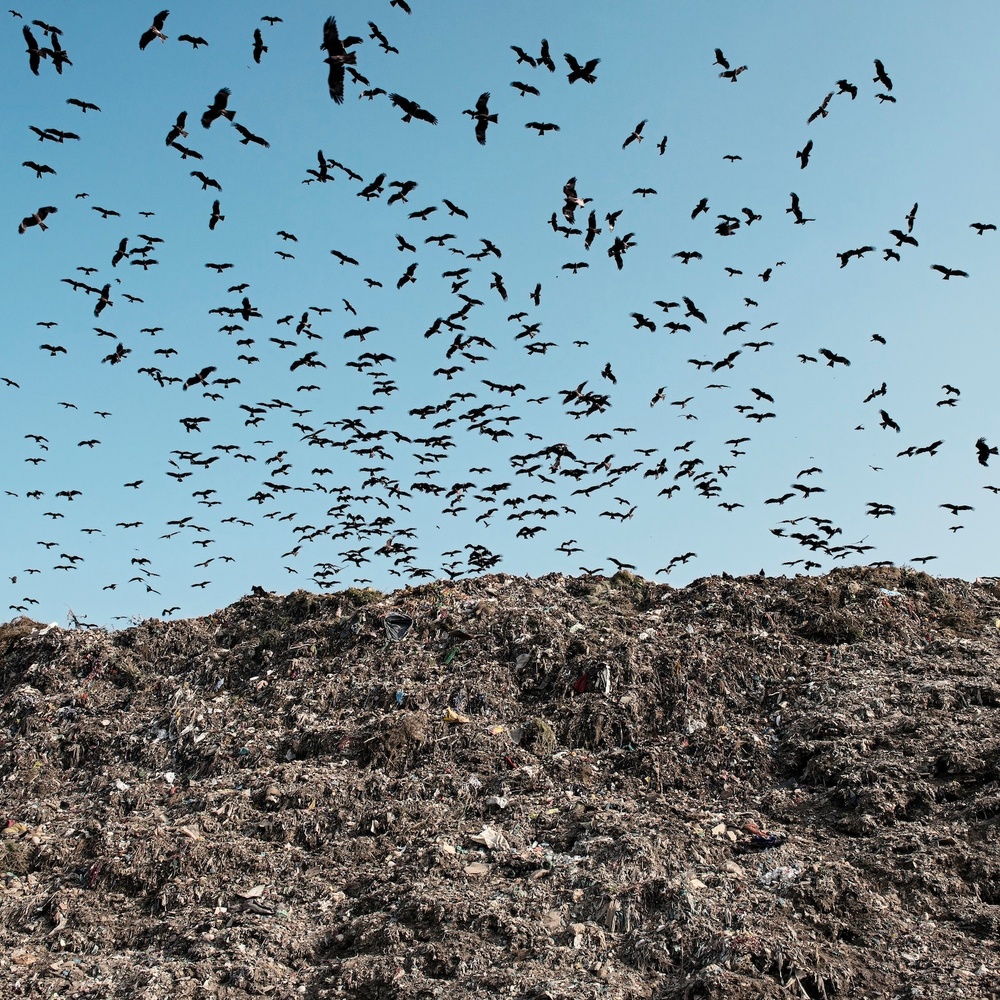
"What is out of sight will never find space in our memories, in our consciousness. How do you expect people to remember us, when the very purpose of our existence is to hide and burry this city’s doing?" We all know that landfills are not happy places, that those who work there do so in the most adverse of conditions. Through my photos I do not wish to (explicitly) depict these facts that what we already know or conclusions that we can easily arrive at. My essay explores the possibility of seeking the promise of beauty in this devastated landscape. In my photographs I have attempted to depict the landfill as both frail and monumental, as an ageing hero who has lost relevance and respect in the eyes of the very people he served. And then there are his children – the waste pickers, the dogs & the birds – their beings touched upon, but from a distance. This distance enables me to depict the intimacy of the relationship they share with the wasteland and how they have now come to accept it as their own. The monsoons play an important role in my essay – the landfill is at its most treacherous during the rains. The structure becomes unstable, pathways leading to the top of the landfill are choked with muck and garbage and rivulets of chemical waste make their way across the various parts of the site. And yet, the site appears beautiful. Through this body of work I wish to build a dialogue on the nature of a landfill, around the intersecting forms of Truth and Beauty. The truth of the landscape cannot be changed in any depiction but the beauty lies in the ability to acknowledge it; for acknowledgement takes into account human frailties and vulnerabilities. But most importantly, it can facilitate a dialogue between the self and the larger world we all share.
No categories selected
Photos (18)