Night for day
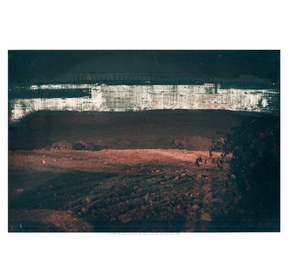
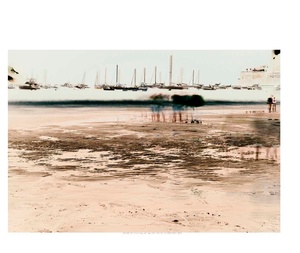
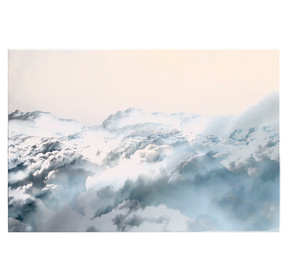
This serie analyses cinematographic, photographic and lighting techniques used to simulate a night scene while filming in daylight with the intention of identifying innovative approaches in order to propose security measures to prevent flooding and drought. The method is divided into three steps: day for night (toward infrared channels), day for day (visible channels) and night for day (from ultraviolet channels). Day for night (Nuit Américaine or American night) is the name given to cinematographic techniques used to create the illusion of darkness or moonlight using tungsten-balanced film stock, special CTB filters or infrared films. The sea remains in the blue channel toward to UV spectrum in deep sea by night. Maybe because the ocean is often ignored in the artificial daylight that dominates the night we forget its immense power, which, where there is a lack of coastal defenses can result in a moderate rise in sea level causing thousands of coastal inhabitants to flee to urban safe havens. Day for day as visible light is the portion of electromagnetic radiation that is visible for the human eye (390-700 nm). In this step analog photography is analised by the gelatin process, light falling upon photographic emulsions that is recorded as a latent image (negative) and after this image is subjected to photographic processing which makes it visible (positive). The reason behind using negatives in digital photography today is to divert attention away from landscapes as merely cultural constructs and focus on their strategic capability to secure survival. Night for day as diurnism out at sea would be the opposite of noctambulism on land. Artificial light enables activities that are normally conducted in daylight to be continued into the night and most of them take place on land, transforming its appearance into a vague landscape with an intense reddish hue using incandescent and mercury vapor lighting, going further the red visible channel toward IR spectrum. On the other hand, the overexploitation of land through high lighting levels and the tight control of water in the city, where it disappears from view through a myriad of water and sewage networks, are causing the opposite effect – desertification. These two paths – flooding and drought – can be reversed and turned into a positive, looking at how a balance can be found between the land as power infrastructure and the sea as water facilities. Firstly, ultraviolet light can be used in bioluminescence, disinfection and waste treatment after flooding. Secondly, visible yellow light (Y additional to RGB) is used in yellow mono-frequency lamps, showing a very efficient means of lighting with a minimal amount of electricity. Thirdly, infrared light is used in thermal scanners to map sea surface temperatures and in microwaves radiometers to measure ocean salinity or soil moisture; even, in case of drought, these data would be utilised to develop methods and processors for automatic water extraction.
No categories selected
Photos (10)