Dead Zone: Denge Wood (2016), 3G Hinterland: Denge Wood (2015)
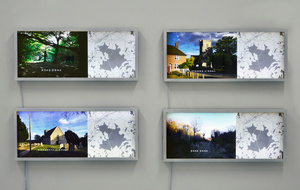
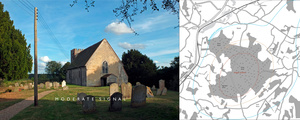
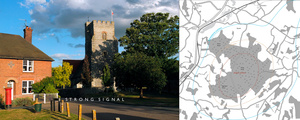
This recent body of work explores the dead zones in the cell phone network. The aim is to provide a survey of the 'remoter' regions of the English landscape at the end of the 3G era - shortly before the next wave of cell phone technology began to pave the way towards full signal coverage. The project has grown out of research of the Picturesque. The original Picturesque movement of the 18th century has been regarded as a reaction to the industrial revolution and this conception of picturesque as anti-industrial and resistant to change can be traced through to present day photographic forms. In this work the aesthetic concerns of landscape are set against the interests of technological advancement. Areas such as Denge Wood in Kent are regions of countryside where for some distance no cell phone signal is available. Images of the dead zone environs express an atmosphere of 'wilderness' but at the same time mark out topographical information - the tracts of land where the communications infrastructure is in need of improvement. In the work, the dead zones take on an almost mystical significance as the area where technological communication breaks down and some kind of alternative state seems to be represented. Seen in this way the work perhaps puts us in mind of Tarkovsky's Stalker or British science fiction movies of the 1950s and 60s where an innocent landscape is seen to be at risk from an outside threat. Two pieces from this project have been submitted. Dead Zone: Denge Wood consists of four lightboxes, each showing a location in the Denge Wood area alongside its mapped signal strength. 3G Hinterland: Denge Wood is a five minute looped video with static shots of locations ranging from ‘strong signal’ to dead zone’.
Common Lands (2016)
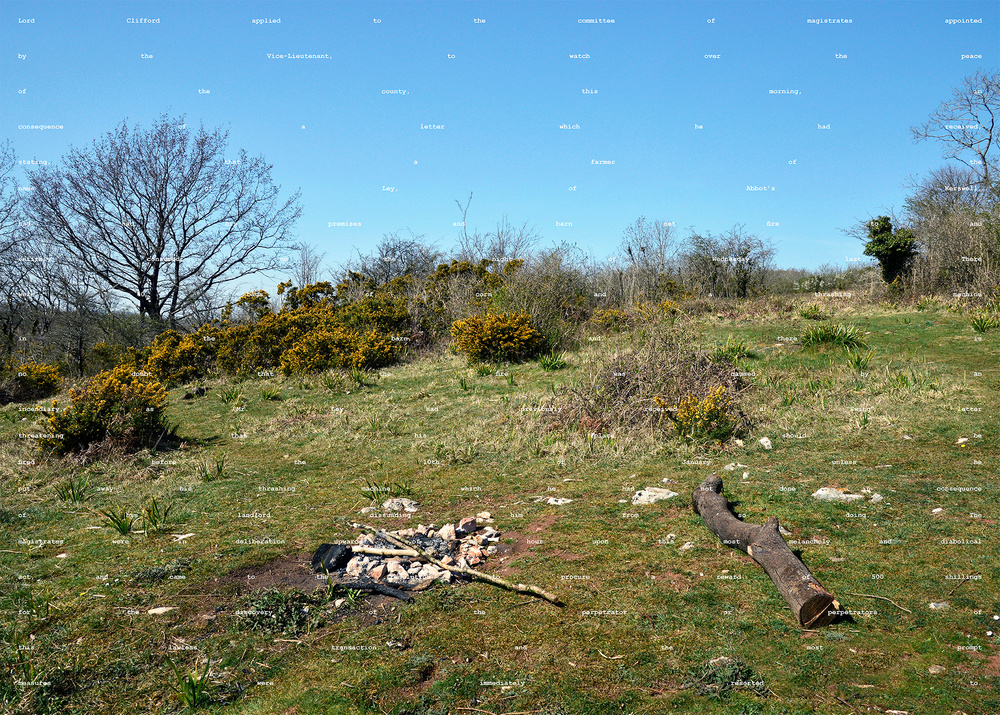
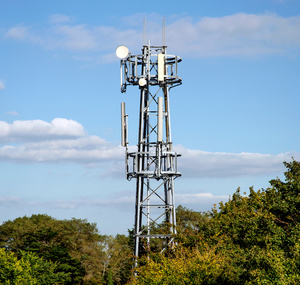
This work consists of four mounted prints, three of which are sites of registered common land and the other an image of a cell phone mast. The common land images, at a distance, appear as conventional landscapes but on closer inspection reveal a layer of text on the ‘surface’ of the landscape – widely spaced and filling the entire frame. Each body of text is taken from the Times newspaper, October – December 1830, and reports on the ‘Swing Riots’ that were taking place at this time. The riots were a response to the growing mechanisation of farming (principally the introduction of threshing machines), which triggered an increase in the poverty and hardship faced by farm labourers and their families. The enclosure of common land had already caused problems for subsistence farmers – in many cases turning a poor but self-sufficient peasant class into competing rural labourers. Each of the incidents reported in the Times extracts occurred near to the photographed site of common land it accompanies. The image of the cell phone mast calls to mind the way in which cell masts in the countryside raise a new set of anxieties over encroachment and divisions brought about by new technologies.
Stunning Views (2016)
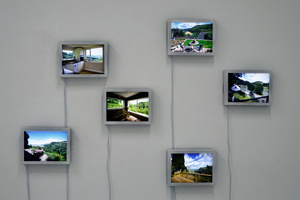
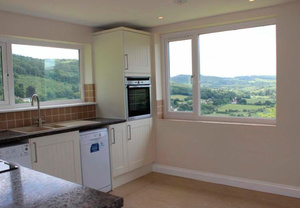
The work Stunning Views consists of six lightboxes, each displaying an estate agent’s photograph of the ‘stunning views’ enjoyed by various properties (once) for sale in the Wye Valley. In the eighteenth century, the Wye Valley was a key site for followers of the Picturesque who travelled to the region to enjoy the views and romanticize the wild landscape they believed to exist there. The use of estate agent photos highlights the long association between ideas of Picturesque beauty and ownership of vantage point… with vantage point referring to both physical position and elevated social standing.