NIGHT LIGHTS
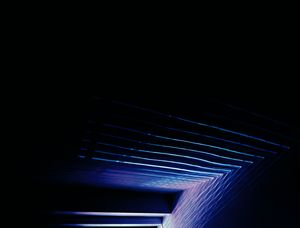
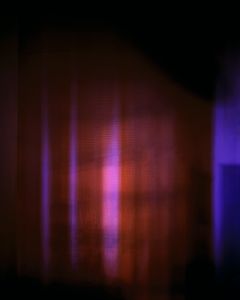
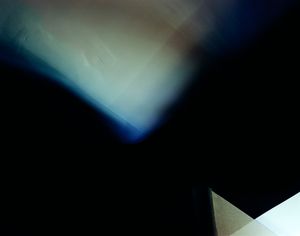
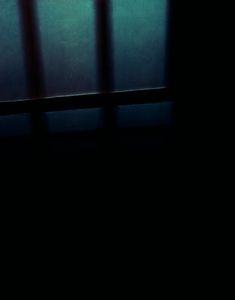
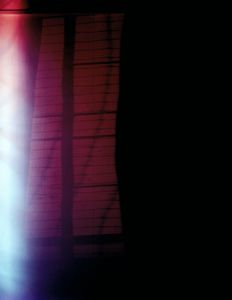
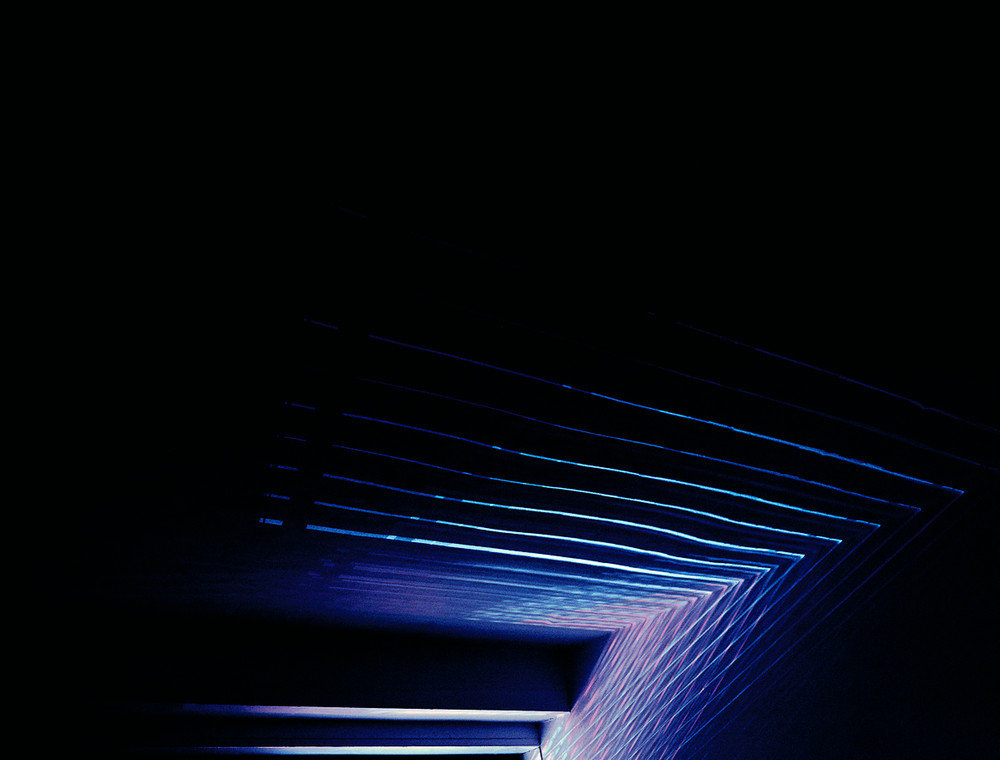
NIGHT LIGHTS is a time-based photographic study of urban light pollution that enters into the rooms in which the artist sleeps while traveling. With exposures ranging from thirty minutes to seven hours, her large format color negatives become receptacles for the ambient city light that lands on the walls and ceilings of her lodgings. There are many different kinds of light pollution: over-Illumination, glare, light clutter, and skyglow. Many metropolitan night skies feature more than one kind of these ophthalmic interruptions. The cities in which these photographs were made, New York, Hong Kong, Bangalore, and Los Angeles, undoubtedly sport all five. Irving’s negatives also become vessels for specific intervals of time: time spent adjusting to an unfamiliar room in a new country; time spent in limbo as the artist hovers at the threshold of consciousness and unconsciousness; and perhaps most notably, time interrupted as her biorhythms are obstructed by both the lack of darkness and jet lag. Our circadian rhythms are endogenous and involuntary, however, they are also prone to adjustment by a local environment’s external cues, also known as “zeitgebers”. From the German "time giver", a zeitgeber is an environmental agent or event which sets or resets a biological clock of an organism. The over-illumination of our cities is the zeitgeber that Irving draws our attention to in NIGHT LIGHTS, directing us towards the beauty she has found in the most ethereal kind of human pollution. Both the artist’s experience of these external cues as well as the hours-long obfuscation of the artist's own bio rhythms become embedded in the emulsion of her negatives, making this one of Irving’s most intimate projects.
No categories selected
Photos (17)