
Balkan route: from a cage to another
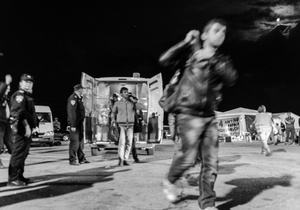
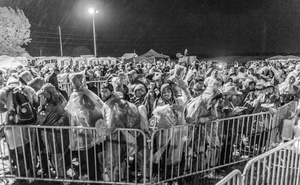
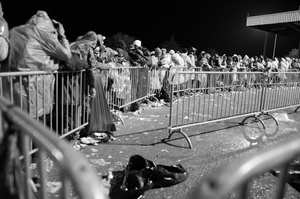
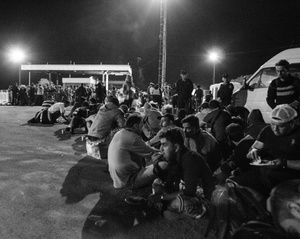
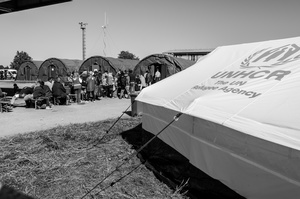
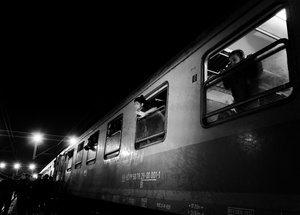
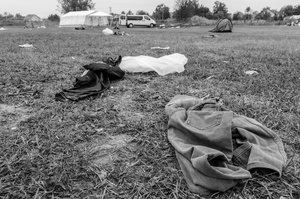
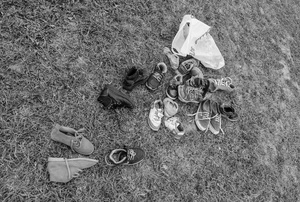
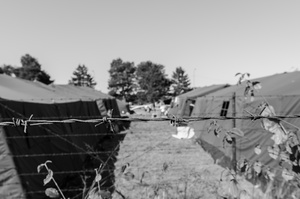
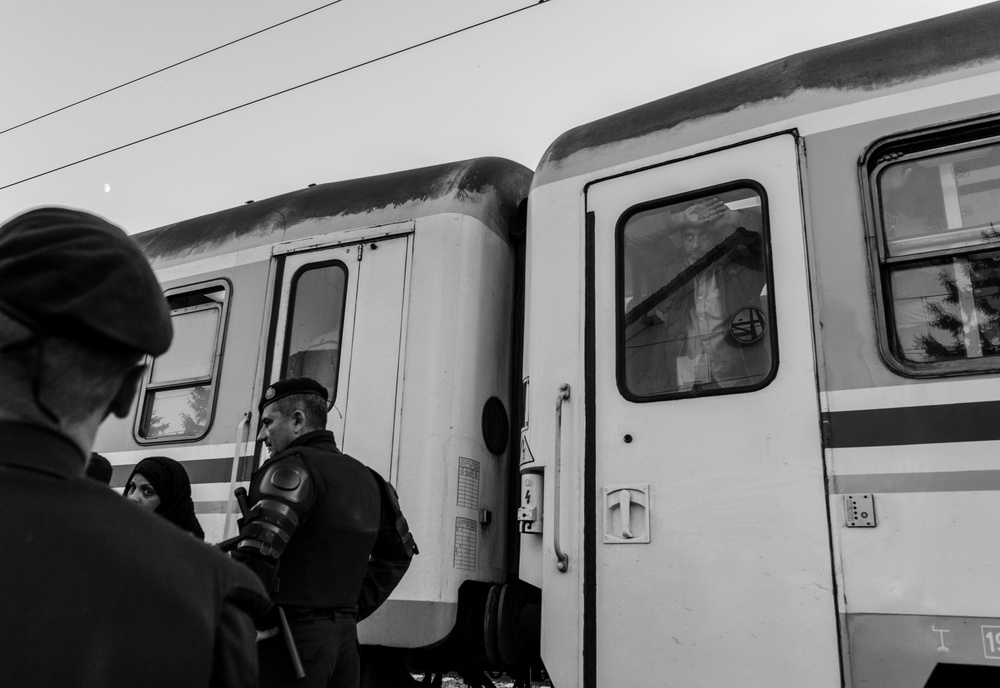
On 15th September 2015 Hungary closed its border with Serbia using a 176 km long barbed wire fence. As a result refugees who stranded in Serbia continued their journey via Croatia on their way to western Europe. They entered Croatia at the border crossing of Sid (Serbia) – Tovarnik (Croatia). Soon after, this area turned into the refugees' main border crossing point at that time. Upon arrival people stayed in a field camp near the Tovarnik train station. After watching the disastrous conditions worsen over nearly two weeks, the Croatian government – assisted by the army – opened a registration camp in Opatovac, 12 km away from the Serbian border. The registration camp at Opatovac was an unused field belonging to the Croatian army. As such it was surrounded by barbed wire. Soon the army put tents on the field, each one was used for dozens of refugees. After the registration they were forced to spend their days and nights inside the camp until their transportation to the next “hotspot” at the Hungarian or Slovenian border was organized. Also the transport from the border crossing at Tovarnik to the Opatovac camp was arranged. In this context more than 3000 refugees were brought to the tent camp daily with police cars or buses. However the camp only had a capacity of 4000 people. This led to a constantly overcrowded situation. The arriving refugees had to wait many hours in front of the main gates in the rain and the cold, thirsty and hungry. There was no governmentally organized warm meal nor drinks. Autonomous activists, mostly from western Europe, assumed a humanity-based responsibility of caring for the very basic needs of the refugees. After experiencing the situation of refugees in Röszke/Hungary I again witnessed the failure of European governments and NGO structures to express a kind of understanding for refugees’ conditions and needs. “The refugees are acting, they are questioning the borders. Refugees are the activists, we are supporting them,“ an activist from an autonomous kitchen described his interpretation of the situation.
No categories selected
Photos (12)