
The Elipse
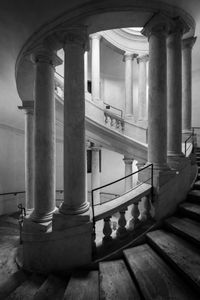
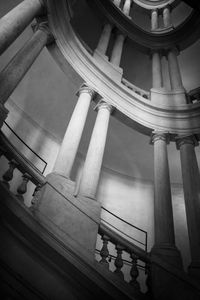
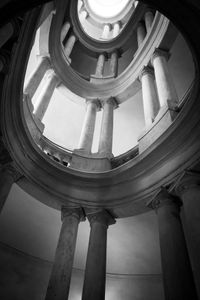
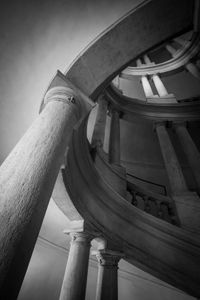
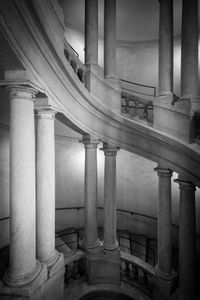
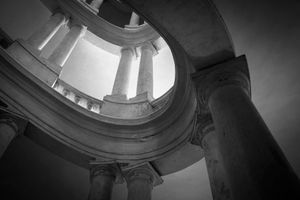
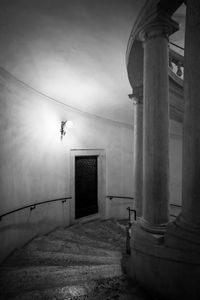
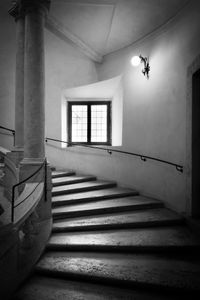
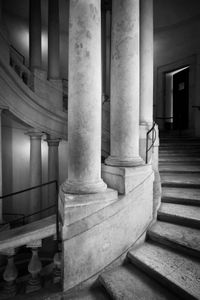
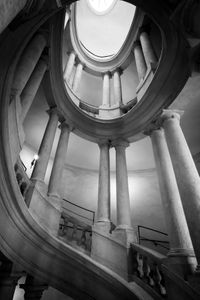
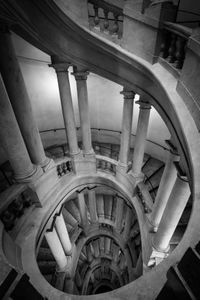
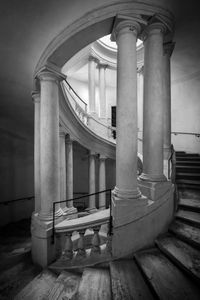
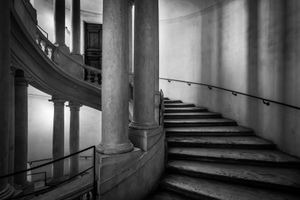
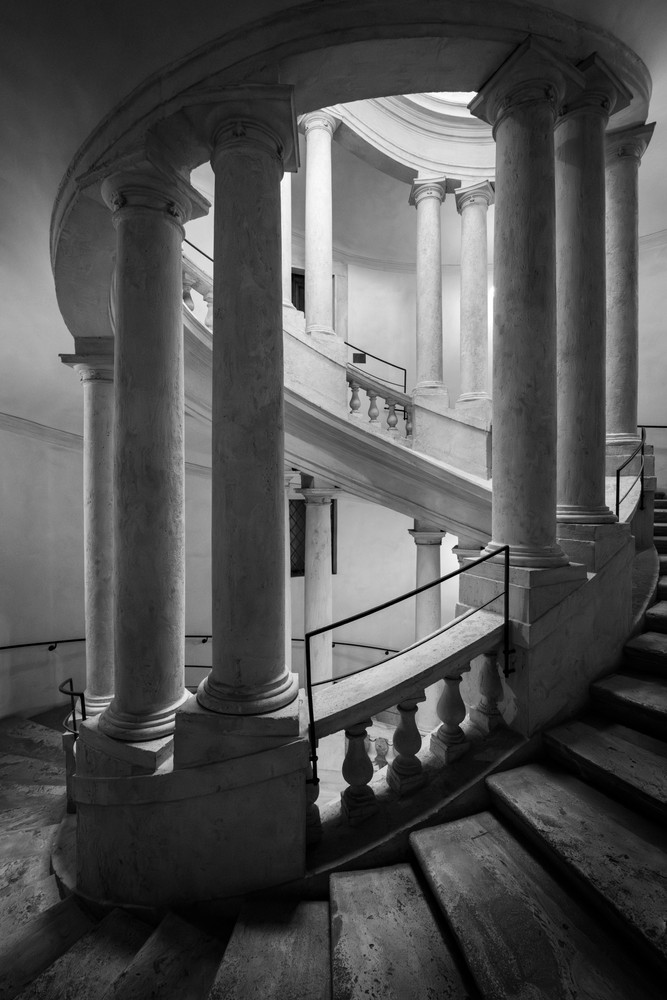
Francesco Borromini's 17th-century staircase in the Palazzo Barberini in Rome stands as a masterpiece of Italian Baroque art. Famously referred to as "The Ellipse", it was built in an oval, or "helicoidal" design, meaning that it follows the principle of turning around its rotational axis and slowly getting tighter and smaller as it rises, as opposed to the more traditional circular design. As one ascends the staircase, twelve Doric "double-twisted" columns and capitals adorned with small bees (the emblem of the Barberini family) grace each turn. The Ellipse has minimal artificial lighting, but is bathed in natural light pouring through the oculus above as well as the windows in the facade, creating an atmosphere of ethereal lightness. Every work of art reflects something of the artist, and in Borromini’s work we can see his unique interpretation of classical form. The artist’s melodramatic life and death cannot fail to stir the imagination of anyone who has gazed upon the awe-inspiring beauty and complexity of this tortured master's work.
No categories selected
Photos (13)