Death of a river
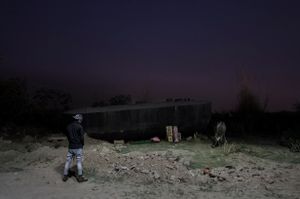
The Yamuna flowing across the northern plains of India for 1300 km has a drainage system of almost half the size of that of the mighty Ganga. The river originating from the crystal clear melt water of the Yamunotri glacier becomes the dirtiest and most severely polluted river in the country as she leaves the eastern edge of New Delhi, the capital of India. The major sources of pollutants are untreated sewage, municipal waste, industrial waste, and soil erosion resulting from deforestation. A river is called alive, if it harbours living beings. The stretch of the Yamuna River between the Wazirabad barrage and the Okhla barrage has been confirmed to be of having no life form. This is the stretch where the river is flowing along side the city of New Delhi. The almost mile wide floodplain is mostly dry and barren, while a thin stream of sewage and industrial waste, erstwhile called the river flows through it. The vegetation has vanished; dust storms frequent the river banks; agriculture is now prohibited on the floodplain because of the toxic nature of the water. The Yamuna is also considered the second most sacred river in India. The river is venerated, worshipped, and is known for ritual baths and purification. As per Hindu mythology, the Yamuna once turned dark and poisonous because of the venom of the serpent Kaliya. The current state of the Yamuna seems to be the same.
No categories selected
Photos (10)